
Apply Now

Author Archive

Color Secrets Visual Merchandisers Can Learn from Ice Cream Shops

Monday, August 11th, 2025

Did you know our brains process color 60,000 times faster than text? That’s why an ice cream shop can convince you to try a flavor before you even read the menu. And for visual merchandisers, that’s a superpower worth mastering. Ice cream shops are basically playgrounds for playful color palettes, using visual tricks to make your taste buds say “yes” before your brain even decides.

And if you’re studying visual merchandising, like in the Visual Merchandising course at JD Institute, this is gold or should I say pistachio green?. Understanding how colors can instantly set a mood, influence decisions, and tell a story is a skill that works way beyond dessert counters.

Playful Color Palettes

Famous ice cream brands like Baskin-Robbins use their signature pink and blue not just for fun, but to make the brand instantly recognizable. Pink feels lighthearted and sweet; blue feels fresh and cool.
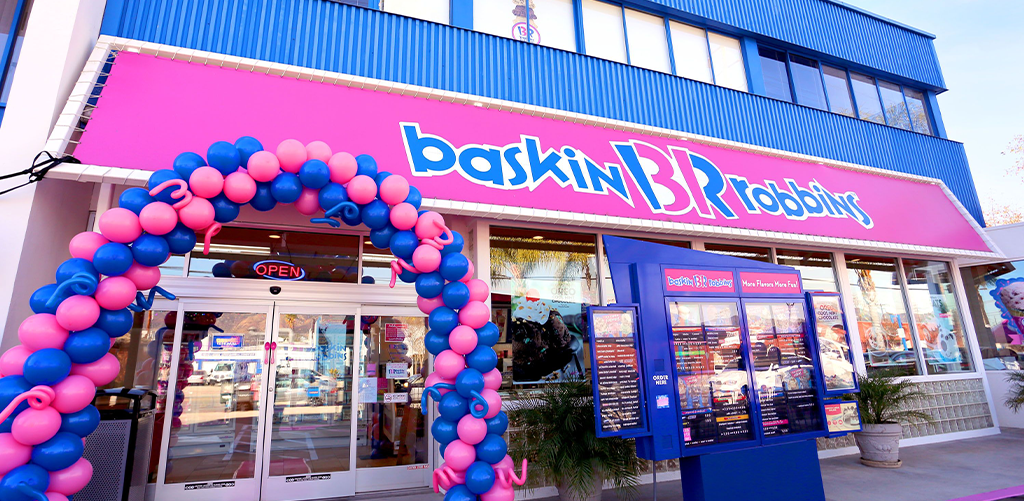
For a visual merchandiser, a playful color palette can turn even a small space into a memorable destination. This is why dessert shops paint walls in cotton-candy shades, use pastel seating, and mix quirky neon signs, it’s about giving customers a reason to smile the moment they step in.

Mood-Based Design

Ever noticed that Haagen-Dazs stores often use warm cream and rich burgundy shades? These colors signal luxury, comfort, and indulgence, perfect for a brand that wants you to savor your dessert slowly. On the other hand, Ben & Jerry’s leans into sky blue, grassy green, and happy cow prints for a playful, friendly vibe.
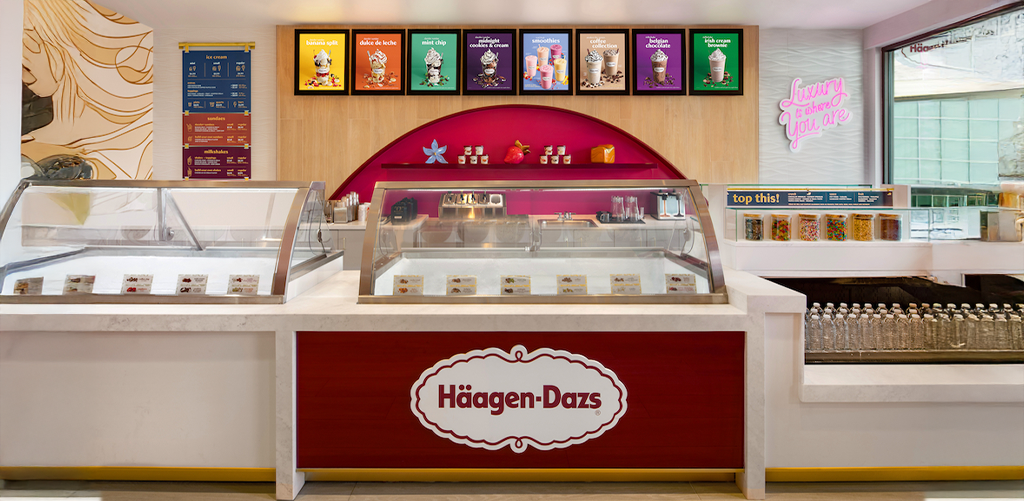
This is mood-based design in action. Different colors spark different emotions, and ice cream shops know exactly which mood to serve. As a VM student, you can apply the same strategy to any retail space. Want people to feel relaxed? Go for earthy tones. Want them excited? Bring in bold contrasts and bright pops.

Food-Inspired VM: Making Taste Visible

Here’s a clever trick: ever noticed how Amorino Gelato matches decor elements to its best-selling flavors? Lemon-yellow chairs, strawberry-pink walls, and mint-green tiles, it’s basically the menu brought to life in color form.
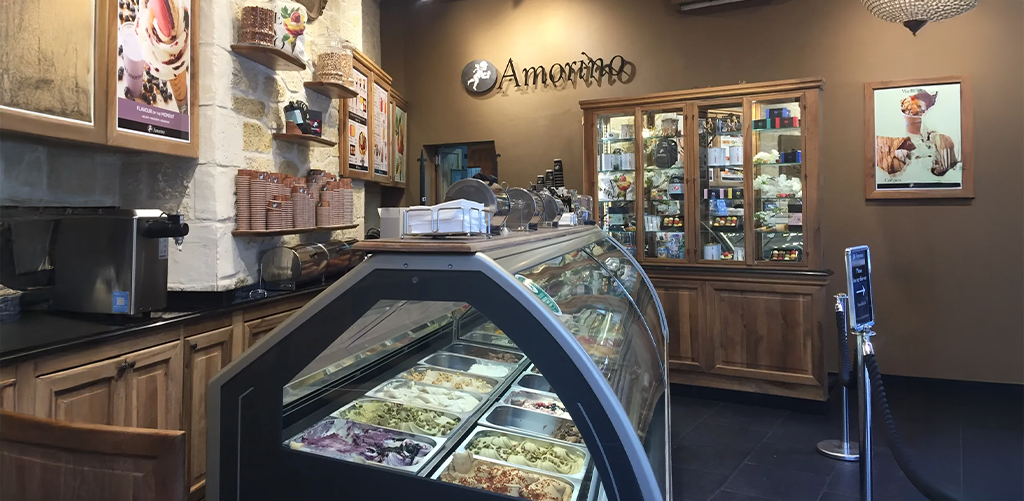
This is food-inspired visual merchandising, letting the product’s personality seep into the space design. It’s subtle but powerful. Customers don’t just read “mango gelato” on a menu; they see it in the decor, feel it in the mood, and are halfway convinced before tasting.

For future merchandisers, this is the perfect takeaway: make your product’s essence part of the environment. When visuals and products speak the same language, the entire customer journey becomes irresistible.

Why Aspiring Visual Merchandisers Should Learn from Ice Cream Shops

Because they’re basically living laboratories for human behavior. In just a few seconds, these shops make people:

  • Enter a store they hadn’t planned to visit.
  • Choose a flavor they hadn’t planned to buy.
  • Post a picture that doubles as free advertising.

By observing how colors trigger emotions and influence decisions, you can design stores, exhibitions, or events that work the same magic.

The Scoop You Didn’t Expect

Color psychology isn’t just for branding experts or interior designers, it’s a secret weapon for anyone in visual merchandising. Ice cream shops prove that if you can make people feel something, you can make them do something, whether that’s buying, exploring, or sharing.

So, next time you step into an ice cream shop, notice how the colors work together, how the space feels, and how your mood changes before you even taste the first bite. If you’re dreaming of becoming a future Visual Merchandiser, here’s your cherry-on-top advice: learn the craft from people who treat creativity like a full-course meal. At JD Institute, your palette (pun intended) won’t just be colors, it’ll be possibilities.
Line. Shape. Form. The ABCs Every Fashion Designer Needs to Master

Monday, August 11th, 2025

Ever noticed how a plain white T-shirt can look edgy on one person, romantic on another, and completely boring on someone else? That’s not magic, it’s design. More specifically, it’s the power of line, shape, and form. These three aren’t just fashion terms you scribble in a design notebook, they’re the building blocks of how fashion communicates.

For anyone studying fashion, understanding the basics of line, shape, and form in fashion design is like learning the alphabet before you write poetry. You can’t create breathtaking collections if you don’t know how the elements work together.

That’s why fashion schools like JD Institute’s Fashion Design course make them a core part of their syllabus, because this is where creative thinking starts.

Line- A Sense of Direction and Shape

In design language, a line isn’t just a stripe or a seam, it’s how your eyes travel across a garment. Lines create mood, movement, and structure.

  • Vertical lines make the body look taller and slimmer (think of Giorgio Armani’s sleek suits).
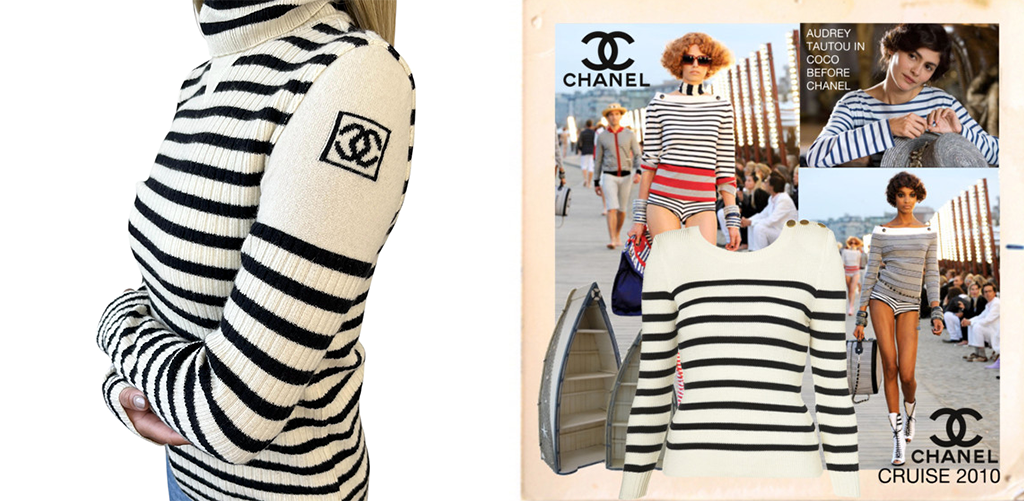
  • Horizontal lines give a sense of stability and widen the frame (Coco Chanel’s famous Breton stripes).
  • Diagonal lines bring drama and energy (Alexander McQueen’s bold asymmetric cuts).

In fashion, if your lines are misplaced, the design “speaks” the wrong language. Aspiring designers who want to master fashion line and shape must first train their eyes to see these subtle cues before they start sketching.

Shape- The Visual Impact of Clothing

Shape is the two-dimensional outline of a garment, the first thing someone notices even from across the street. It’s like the logo of a fashion piece; before anyone touches the fabric or checks the details, the shape makes them decide if they want to know more.

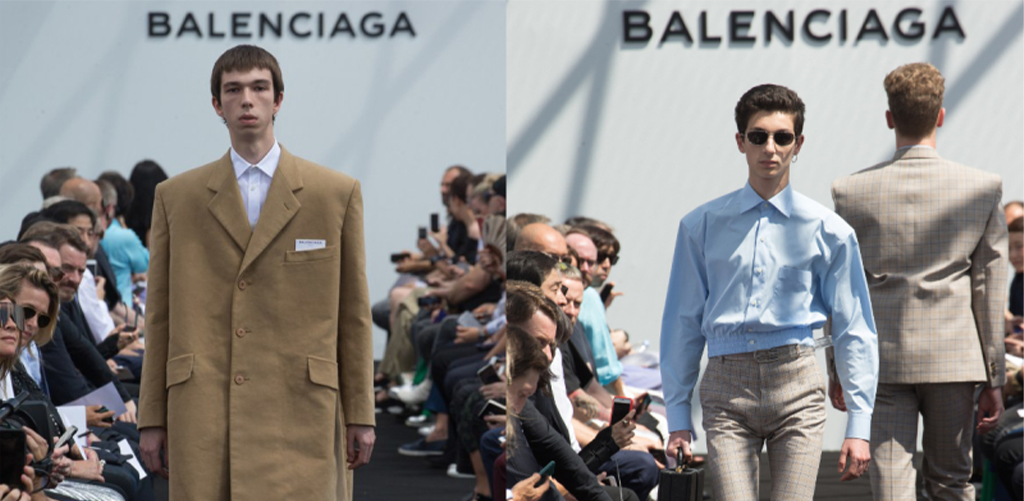
  • Geometric shapes (triangles, rectangles) often give a structured, modern feel — Balenciaga’s boxy silhouettes are a perfect example.
  • Organic shapes (curves, soft outlines) feel natural, flowing, and feminine just like Dior’s “New Look” that revolutionized women’s wear in the 1940s.

For a student, understanding shape means knowing how to control attention. If your outfit’s shape works, you’ve already won half the design battle. This is why halfway through their studies at JD Institute, students of Fashion Design course often realize that shape is not just about fashion sketches, it’s about predicting how real bodies move and interact with clothing.

Form: When Shape Becomes 3D

Form takes shape into the third dimension, it’s about volume, depth, and how the garment interacts with space. Imagine a paper cut-out of a dress (shape) versus the same dress made with fabric, stitched, and worn by a model (form).

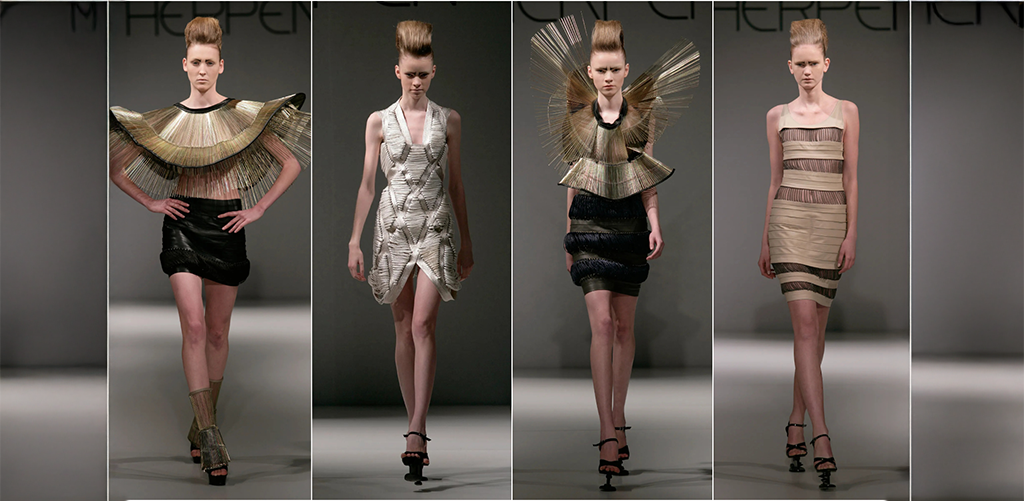
Form determines whether a gown feels airy like a Giambattista Valli tulle masterpiece or sculptural like an Iris van Herpen 3D-printed dress. It’s the moment your design comes alive, moving from flat sketches to real-world fashion.

Understanding fashion form basics also helps designers decide the right fabrics, construction methods, and fit. It’s a lot like architecture, you can’t just draw a pretty building, you need to know how it stands without collapsing.

A Real-World Lesson From the Runway

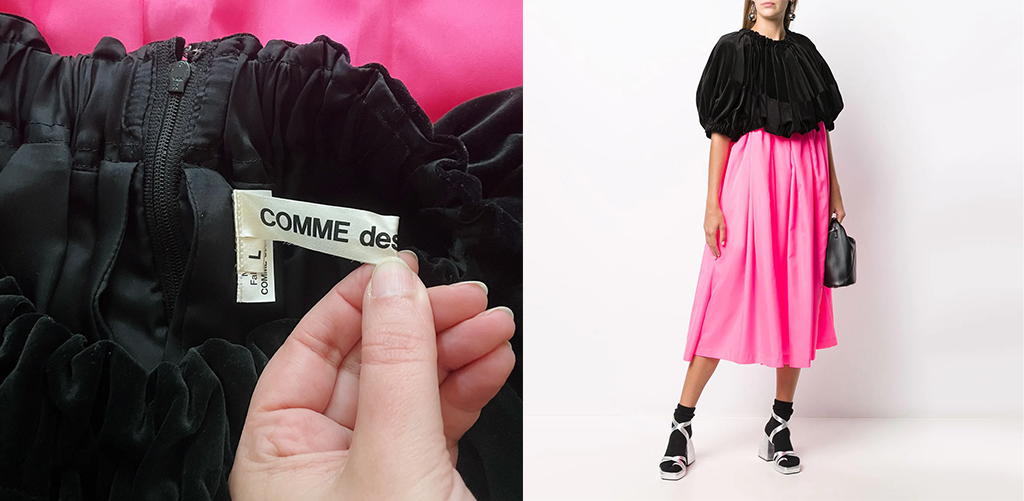
Think of the legendary “bubble dress” by Comme des Garcons, a completely unexpected silhouette that looked more like wearable sculpture than conventional fashion. Why did it still work? Because the designer knew exactly how to manipulate form and shape without losing wearability.

Or take the case of startup fashion labels like “The Row,” which made minimalism cool again by focusing obsessively on clean lines and perfectly balanced shapes. They didn’t reinvent fashion from scratch, they reinvented how the basics were applied. If you’re an aspiring designer, this is your takeaway: the designers you admire aren’t skipping fundamentals, they’re mastering them so well that they can twist them into something new.

The Smart Way Forward

The basics of line, shape, and form in fashion design aren’t just lessons from a textbook, they’re your lifelong design toolkit. They decide whether your sketches stay in your portfolio or make it onto a runway, into a boutique, and eventually into someone’s wardrobe.

So, pick up that sketchbook, train your eye, and let your ideas take form, literally. After all, the future of fashion isn’t just about trends; it’s about designers who know exactly what they’re doing before they dare to break the rules.

Why Fashion Entrepreneurs Swear by Mood boards, And You Should Too

Friday, August 8th, 2025

Ever noticed how a single image, color palette, or even a texture can spark an entire fashion story? That’s the power of a mood board. It doesn’t shout, it suggests, inspires, and defines. And if you’re someone dreaming of launching your fashion label or managing a brand someday, mood boards are not just cool Pinterest-worthy visuals, they’re your first step toward building a brand that speaks.

In fact, one of the first things you’ll explore in the Fashion Business Management course by JD Institute is this very art: how to build brand stories using visual tools. It’s not about making things look pretty, it’s about designing a visual DNA that people can remember.

Start with a Vibe, Not a Logo

Before you even think of a logo, your brand needs a feeling. Is it edgy streetwear or dreamy resort wear? Bold luxury or minimalist chic? Mood boards help you lock in this emotional direction.

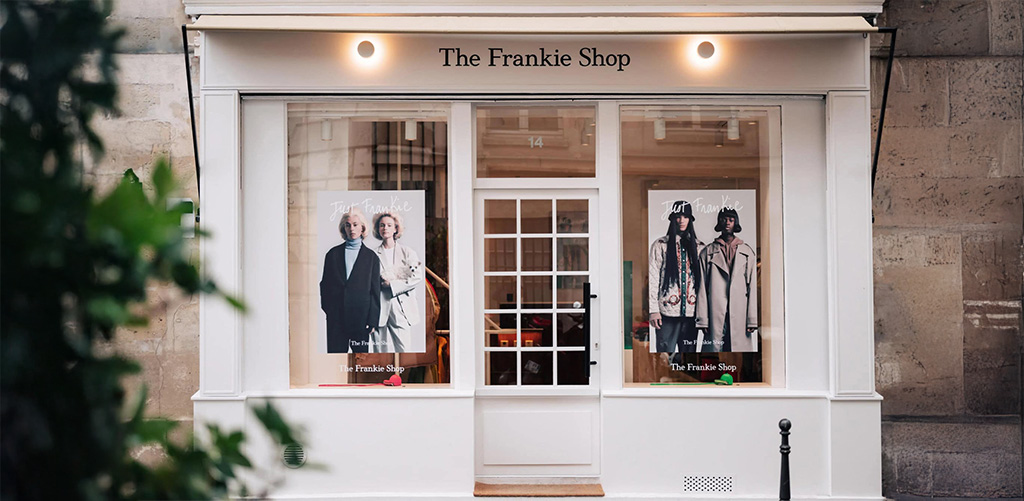
Think of The Frankie Shop. Before becoming a cult favorite, the brand carved out its moodboard aesthetic through oversized tailoring, muted tones, and effortless power dressing. Their visuals exuded a quiet confidence that became their signature even before their pieces hit viral status.

Pro tip: Pull in fabric swatches, typography, packaging styles, model poses, and product inspirations. Don’t stick to only fashion, think lifestyle.

Tell a Visual Story, Not a Sales Pitch

Your mood board should feel like a story in pictures. From color tones to patterns, every piece should say something about your audience and values.

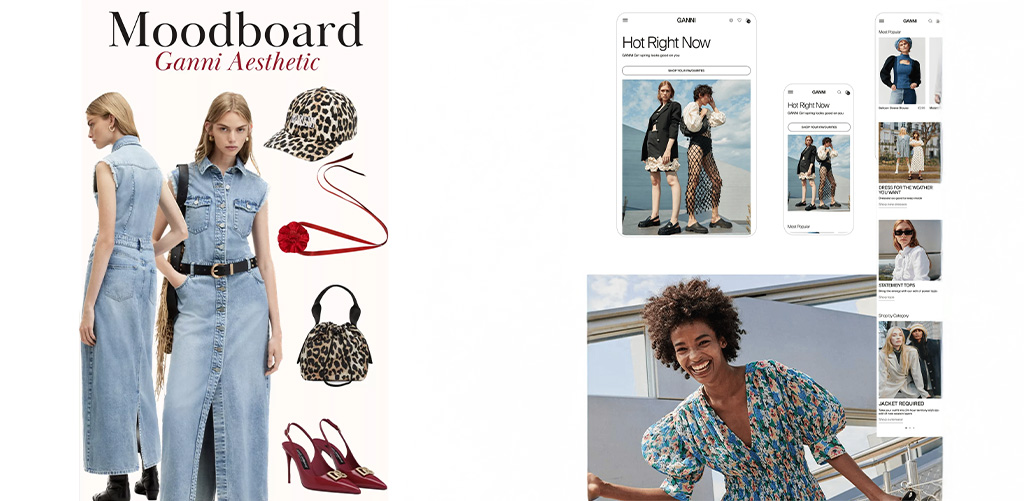
Take Ganni from Copenhagen. Their mood board language tells a playful, eco-aware, yet fashion-forward tale, vintage floral prints, quirky textures, and bold model energy. Their storytelling is not loud, but deeply intentional and visually cohesive.

This is also what fashion business students learn mid-way in the JD Institute’s Fashion Business Management course, how to use mood boards as storytelling tools that fuel marketing campaigns, shoot concepts, and product lines.

Let It Be Strategic, Not Just Aesthetic

A common mistake? Treating moodboards like an art project. Nope. Every element should tie into your business plan. What you pin needs to serve your brand concept creation, not confuse it.

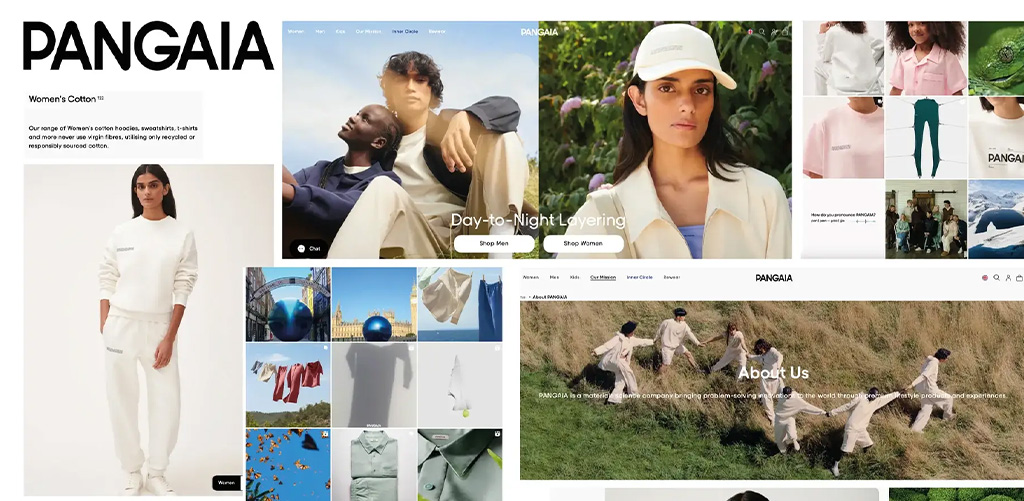
Look at Pangaia. Their aesthetic choices, botanical colorways, clean typography, and scientific imagery, they aren’t random. Their mood boards are driven by their mission of science-meets-sustainability. The visuals and the purpose are tightly linked.

So always ask: Does this visual support my values, my target audience, and my design direction?

Create a Board for Every Stage

Don’t stop at one board. A fashion mood board evolves. Make one for your brand identity, another for your first collection, and maybe one just for campaign aesthetics.

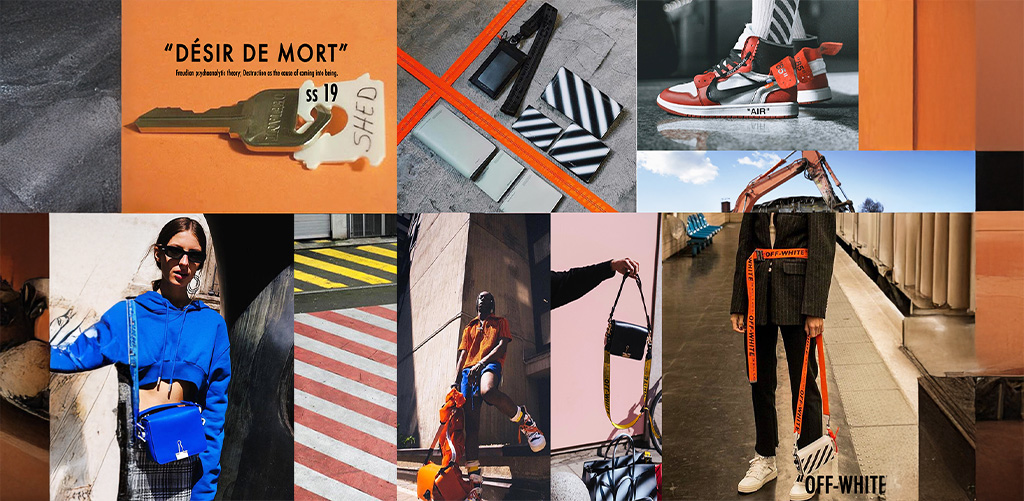
Off-White, by Virgil Abloh, started with a mood board full of deconstructed fashion references, street culture, and architecture. He had boards for product design, boards for runway setups, and even boards for music direction. That layered visual thinking turned his brand into a global fashion force.

The mood board isn’t a one-time task, it’s a living, breathing vision board for your brand’s journey.

Use Tech to Make It Collaborative

Gone are the days of sticking cutouts on a corkboard. Today’s fashionpreneurs build mood boards on collaborative platforms like Milanote, Canva, or Pinterest where your team can pitch in and evolve the concept with you.

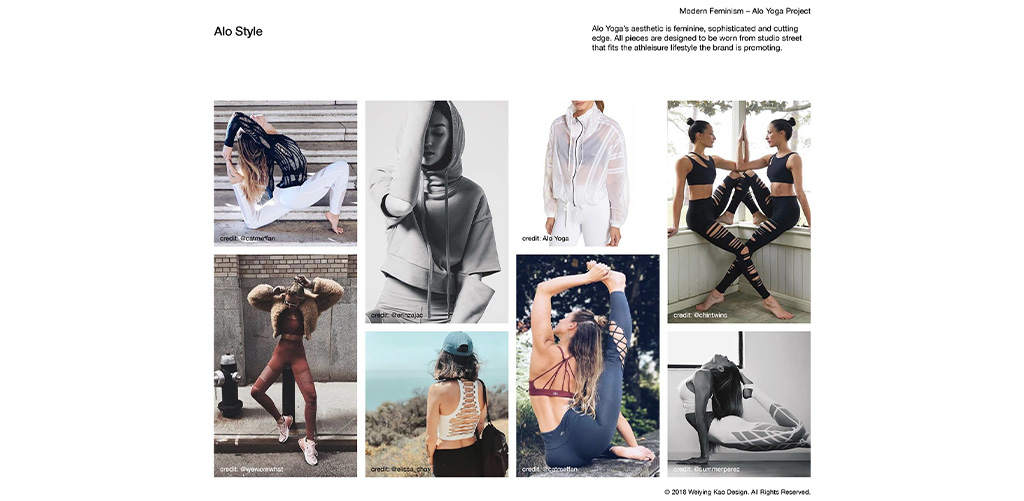
Alo Yoga grew its fashion and fitness brand using sleek digital mood boards for influencer campaigns, color trends, and collection planning, all tracked online with their creative team.

Bonus: This is especially handy when working with stylists, graphic designers, or content creators.

Your next move?

Start collecting what inspires you today. But if you want to turn those inspirations into a full-blown brand identity, do it the smart way. Learn how the pros do it, and where they learn it from. Mood boards are the beginning. Your brand is what follows.
Let JD Institute of Fashion Technology help you define it.

Thinking of a Career in Design? Start by Learning This Unseen Skill

Thursday, August 7th, 2025

From the shape of your chair to the colour of a website button, good design doesn’t just please the eye, it makes you feel safe, understood, and at ease. Whether it’s your favourite fashion piece, a cozy cafe interior, or a well-designed app interface, you’re constantly navigating life through cues that tell your brain that tells you’re secure here.

Let’s explore how design, when done right, wraps us in trust, and how future-forward institutes like JD Institute of Fashion Technology teach the art of crafting that invisible safety net across disciplines.

The Science of Feeling Safe

Humans are made to seek safety in all aspects be it visually, emotionally, and physically. Our brain picks up on subtle design cues to determine if something feels trustworthy.

Take Google’s homepage. Simple, clean, minimal. No distractions, no flashing banners. The white space, soft colours, and predictable layout subconsciously tells you’re in control. That’s what psychologists call visual safety cues, like symmetry, soft edges, consistency, and clarity.

JD Institute trains design students across fashion, interiors, and communication design to consider how the end-user will feel, and not just what they’ll see. Because safety in design isn’t a trend; it’s a built-in human need.

Fashion That Feels Like Armour (In a Good Way)

Remember Lady Gaga’s meat dress? Shocking, iconic, but not exactly comforting.

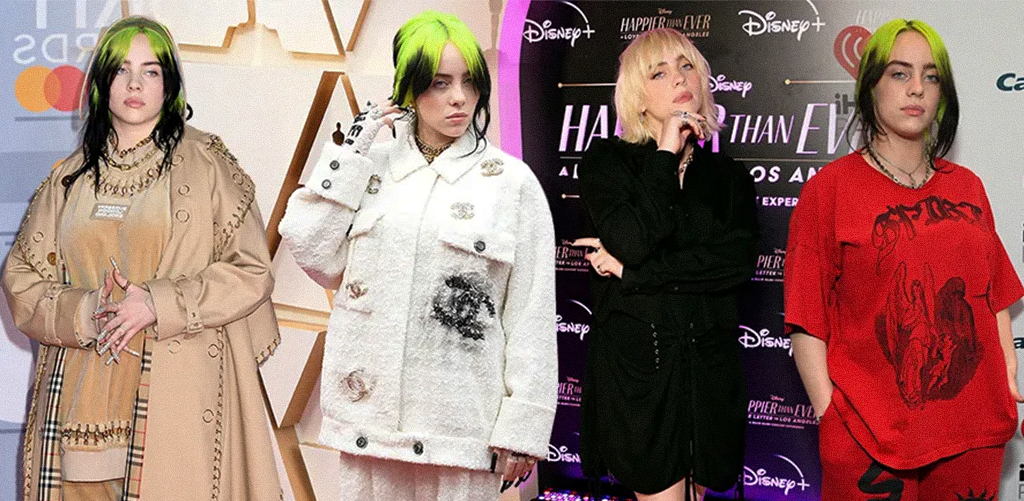
Now think of Billie Eilish’s oversized silhouettes. She made a statement, and felt safe. That’s comfort design in fashion, where fit, fabric, and silhouette create a wearable zone of security.

Whether it’s soft knits that soothe anxiety or adaptive wear that embraces neurodivergent users, designers are exploring the emotional impact of garments like never before.

Fashion Design at JD Institute dives deep into how style can be both expressive and protective, whether it’s through layering techniques, fabric psychology, or shape theory.

Interiors That Feel Like a Hug

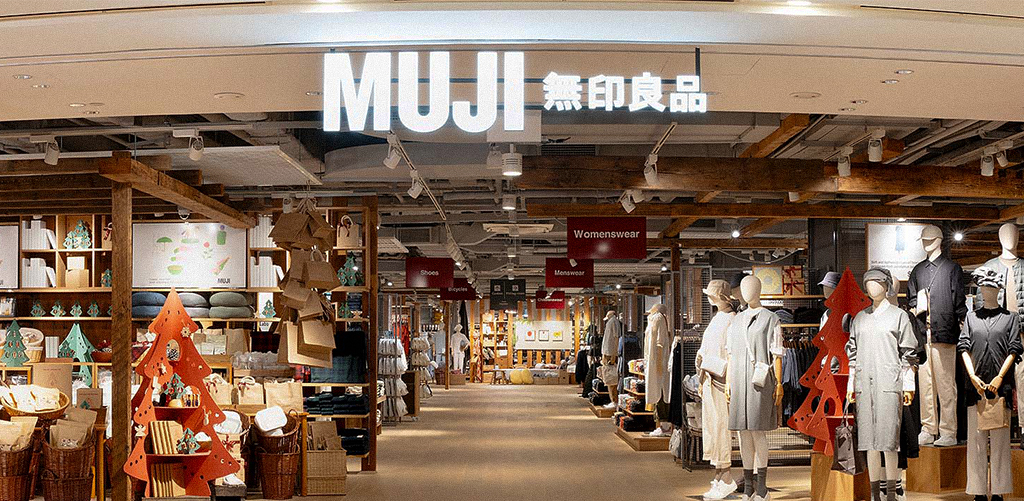
Walk into a Muji store or a Scandinavian-style home, and you’ll notice it instantly: the trust in design. Natural materials, gentle lighting, calming colour palettes, these are not just aesthetic choices; they are secure interface signals in interior design.

Pinterest’s trending “Dopamine Decor” is all about creating safe spaces that spark joy. Think pastel couches, rounded edges, warm lighting, and texture layering, all are the design elements that make you want to stay in a space.

Interior Design students at JD Institute are taught to blend sensory psychology with spatial planning, learning how lighting, material, and form create more than beauty: they create comfort.

Communication That Calms You Down

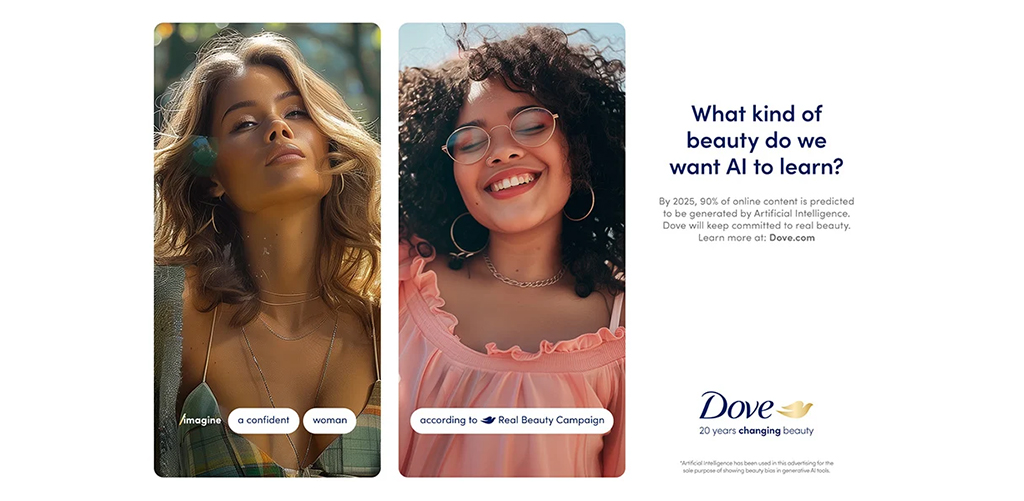
What do the Airbnb logo, Dove’s “Real Beauty” campaign, and Google Maps’ soft animations have in common? They’re designed to build trust.

Through secure interface elements like readable typography, soothing colours, and clear visual hierarchy, communication design can make a user feel grounded, even inspired.

Think about the 2020 UNICEF campaign during the pandemic. Instead of fear-mongering, it used calming visuals, diverse imagery, and warm tones to guide users through essential information. That’s smart, emotionally intelligent design.

Communication Design at JD Institute is tailored to decode these strategies, integrating how to combine empathy, visual literacy, and user psychology to create messages that don’t just inform, but reassure.

Final Thought: What Good Design Actually Says to You

Good design tells you:

  • “You belong here.”
  • “You’re in control.”
  • “We see you.”
  • “You’re safe.”

Whether it’s the calming visual cues of a digital interface, the cocooning shape of a well-tailored jacket, or the comforting hues of a room, every design choice has the power to soothe or stress. At JD Institute, future designers are taught that crafting safety through design isn’t just an artistic challenge, it’s a social responsibility. And perhaps, that’s the most beautiful part of design education: learning to make the world not just look better, but feel better.

One Colour, Big Style: A Must-Read for Fashion Stylists

Wednesday, August 6th, 2025

Fashion is loud, expressive, and full of colour, but sometimes, turning down the volume creates the boldest impact. Enter monochrome magic, the art of rocking a look in just one colour, head to toe, and still managing to steal the show.

From runways in Paris to your Instagram feed, single-tone outfits are creating waves. But what makes them so powerful? And more importantly, why should every aspiring fashion styling student master this trick?

Let’s decode the beauty of monochrome fashion and how it’s changing the styling game, one shade at a time.

Why Monochrome Just Works

It may look simple, but styling in one colour requires serious skill. The key lies in colour coordination, layering, texture play, and silhouette balance. When done right, a monochrome look feels polished, high-fashion, and effortlessly cool.

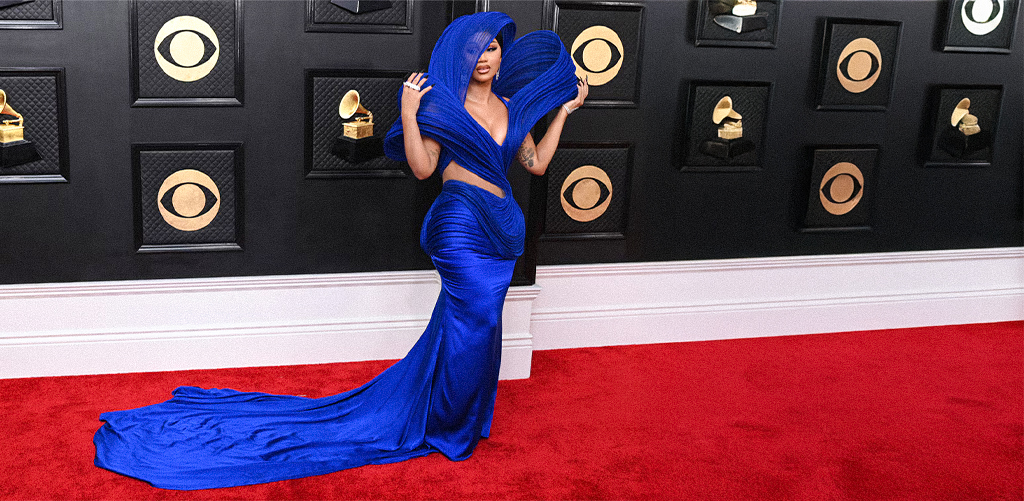
Take Cardi B’s 2023 Grammy red carpet look, a full electric blue ensemble that screamed futuristic glam. Simple in concept, but crafted with clever puffs and layers.

At the JD Institute of Fashion Technology, fashion styling students are taught exactly how to achieve this balance, mastering not just trends, but timeless styling strategies that work across editorial shoots, celebrity wardrobes, and brand campaigns.

The Secret Ingredient in One-Colour Looks

Wearing all white? Or maybe all blue? Without different textures, the look can fall flat. Playing with lace, denim, velvet, leather, or even knits in the same colour adds visual drama without needing a second shade.

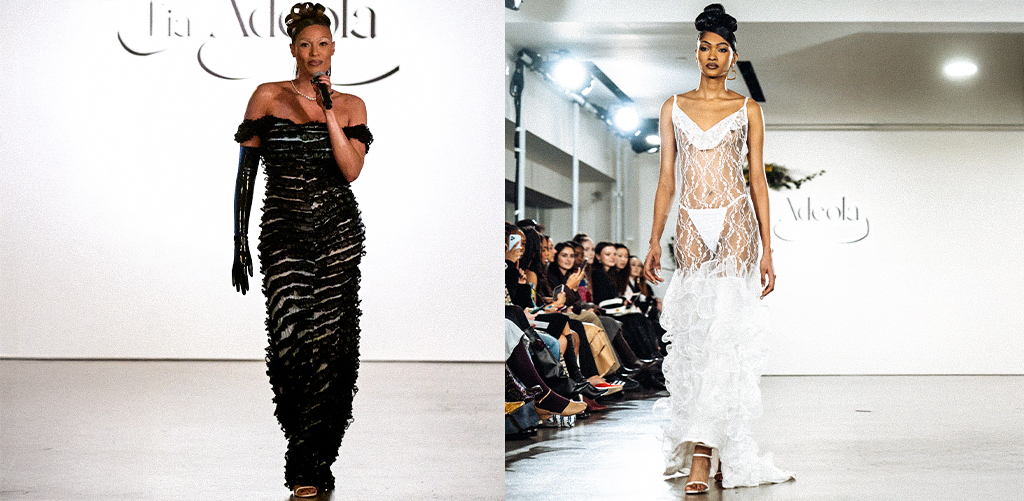
Startup Style Moment: Tia Adeola, a Nigerian designer based in NYC, built her label around feminine ruffles and textures, often styled in a single tone, but always full of movement and personality.

Aspiring stylists need to understand that texture is what makes or breaks a monochrome outfit. Learning this early can shape how they work with designers, photographers, or even personal clients later in their career.

Accessories Are the Real Game-Changers

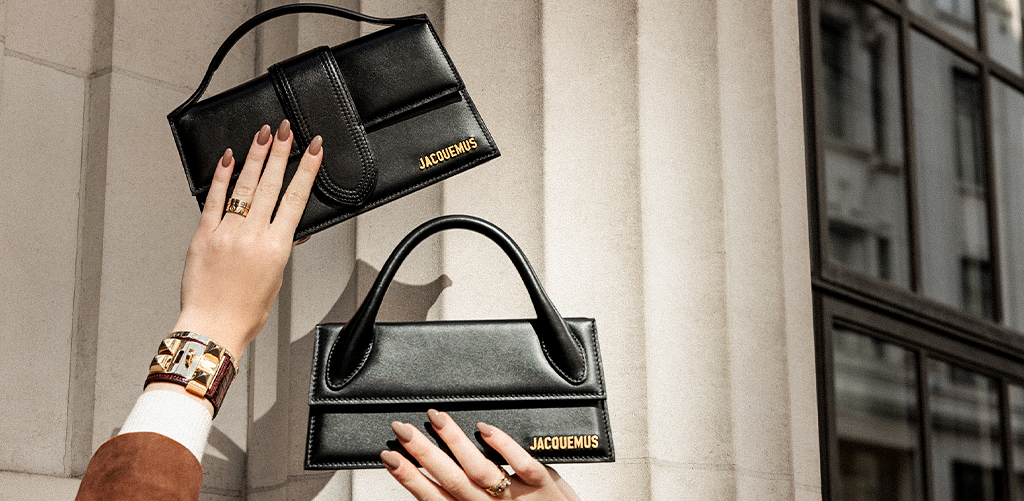
From chunky gold jewellery on an all-black outfit to pastel heels with a beige pantsuit, accessories bring depth to a single-tone outfit. They act like the final seasoning in a perfectly cooked dish. Example? Jacquemus. Known for his tiny bags and bold accessories that elevate minimal looks. His all-beige, all-pink, and all-red runway moments go viral, mostly thanks to clever accessory styling.

Learning how to use accessories intentionally is a must for anyone looking to ace fashion styling.

Why Aspiring Stylists Must Learn Monochrome Fashion

If you’re aiming for a career in fashion styling, here’s what mastering one-colour looks will teach you:

  • How to build strong visual balance using just textures, cuts, and accessories
  • How to style for various occasions, from formal to editorial
  • How to create powerful, photo-friendly outfits using minimal elements
  • How to stay trendy without overloading colour palettes
  • How to understand individual colour psychology, which is crucial in branding and client styling

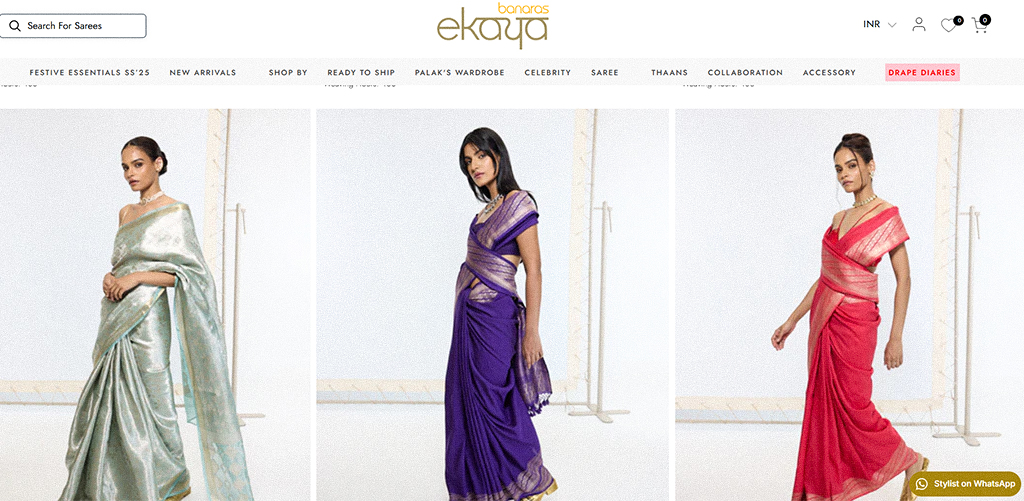
Take a look at India’s own label, Ekaya Banaras.

Their monochrome saris in deep greens and golds are a modern twist on heritage, a perfect example of how tradition and trend can blend when styling is on point.

Learn How to Make It Talk Loud

The truth is, monochrome fashion is more than just a trend, it’s a styling skill. And if you’re dreaming of dressing celebrities, curating for magazines, or launching your own fashion brand, you need to understand how one colour can say a thousand things. That’s why choosing the right place to learn matters. The Fashion Styling course at JD Institute of Fashion Technology doesn’t just teach you what looks good, it trains you how to think like a stylist.

Planning Events for Pet Lovers? Here’s How to Do It Right

Wednesday, August 6th, 2025

Pets are part of our families. So why leave them out of the fun?
Imagine going to an outdoor event, and right at the entrance, a friendly dog greets you. There’s a play zone for pets, snack stalls for both humans and animals, and even a photo booth where you and your pet can pose together. Sounds fun? That’s exactly what’s trending right now. This is not just a fun idea as it’s a growing need. More people are asking for pet-friendly event ideas, and smart planners are taking action. Whether it’s a music festival, art fair, flea market, or even a wedding, people want to bring their pets along.

And if you’re a student learning about event planning for pet lovers, you should understand how this trend is shaping the future of events. At JD Institute of Fashion Technology, their Global Event Management course includes real-world trends like these, helping students learn how to plan modern, inclusive events.

Why the World Wants Pet-Friendly Events Now

Post-pandemic life has made people more attached to their pets than ever before. Pets are no longer just animals, they’re family. According to a global report by Mars Petcare, over 80% of pet parents believe pets should be part of all social occasions.

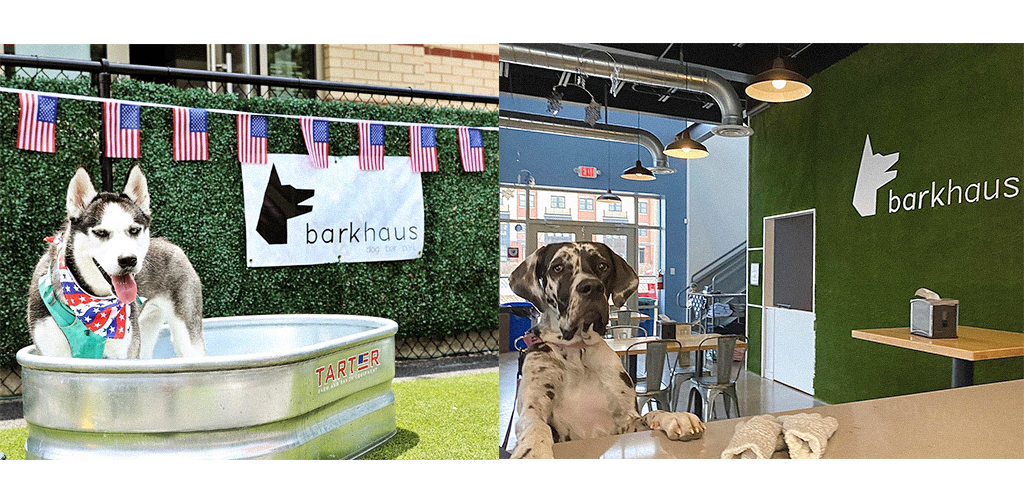
Take BarkHaus, a dog-friendly restaurant and bar in the U.S. They not only serve humans and their dogs but also host dog birthday parties and “yappy hours.” That’s what we call smart, inclusive event planning.

For Indian planners, this is a wake-up call. Whether you’re organizing a college fest, corporate mixer, or lifestyle event, consider the pawsitive potential of animal-friendly spaces.
Top Pet-Friendly Event Ideas That Work

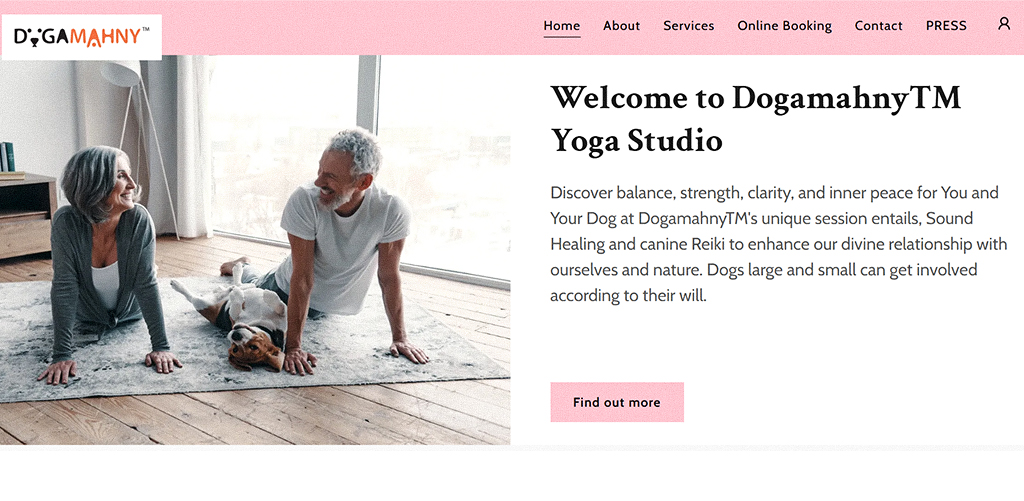
Dog Yoga (Doga)

Imagine a peaceful yoga session, now add wiggly tails and puppy kisses. That’s Doga!
Startup to know: Doga Mahny (UK) – They’ve led the global trend of dog-human bonding events.
Pet Adoption Pop-Ups at Lifestyle Events

Give your event a purpose. Partner with animal shelters and invite guests to meet their future furry companions.

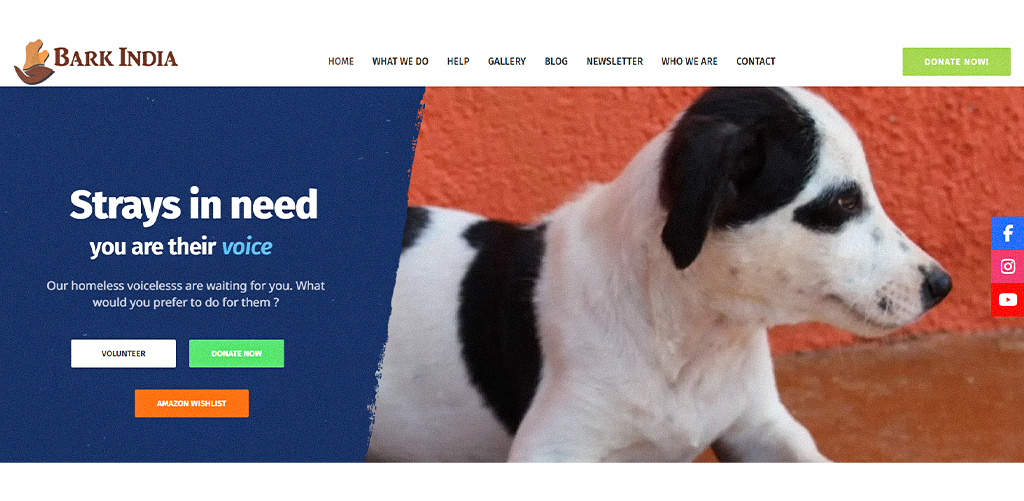
Startup to watch: The Bark Life Foundation (India) – They’ve collaborated with cafes, art events, and flea markets.

Pet Fashion Shows

Who says only humans get to slay the runway?

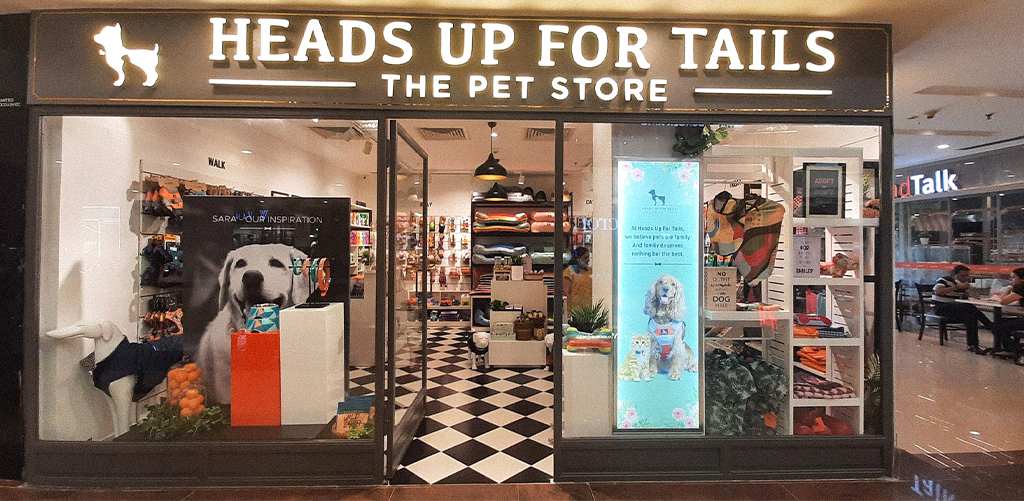
Notable moment: India’s first Dog Fashion Show in Delhi by Heads Up For Tails drew huge crowds and media buzz.

DIY Pet Treat Stations

Add interactivity to your event. Let guests make their own healthy treats for their pets.

Startup inspo: Paw Petisserie (Mumbai) – They’ve cracked the code for pet-inclusive culinary events.

For event planning students, learning to think beyond the norm like this is vital along with experience design, guest psychology, and inclusive trend forecasting.

Things Every Event Planner Must Keep in Mind

Venue & Safety First

Choose open-air or well-ventilated spaces. Ensure there are separate zones for pets who need downtime.

Pro tip: Carry pet-safe cleaning supplies and coordinate with a nearby vet.

Pet Etiquette Guidelines

Not all pets or their humans behave the same. A good event planner shares simple dos and don’ts in advance.

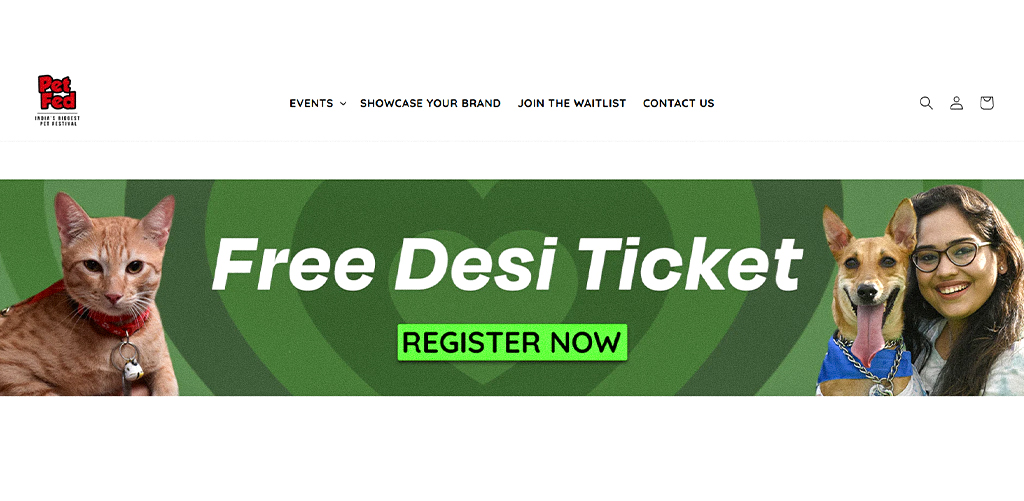
Example: Pet Fed India, one of the country’s biggest pet events, always shares etiquette tips before and during their festivals.

Create Instagrammable Moments

Design cute backdrops and brand installations where pets and parents can click pics.

Remember: if it’s not on social, did it even happen?

Why Students Should Learn About Pet-Friendly Events

If you’re planning to work in the event industry, you must learn how to plan inclusive, lifestyle events. Today’s event audience is not just people, it’s their pets too.

Pets are now part of mainstream event audiences, especially in lifestyle and community-based gatherings.

Understanding pet-friendly event planning helps students create more inclusive and engaging experiences.

Brands like Zoof Pets (a pet footwear company) have hosted pet meetups at local markets and fairs, offering product trials, live music, and relaxed spaces for pet parents, a smart example of brand-led, pet-inclusive events. These events show the rising demand for animal-friendly spaces and planners who know how to design them.

The Global Event Management course at JD Institute teaches students how to plan for evolving audiences, and equips them with real-world skills in event design, budgeting, and audience engagement.

Why Learning This Now is a Smart Move

Pet-friendly events are not just cute or fun, they’re smart, emotional, and make people feel connected. If you’re dreaming of planning big lifestyle events someday, now’s the time to learn how to make them more inclusive. And here’s the best part, learning this doesn’t mean you need to figure it all out alone. At JD Institute, you get to learn from real professionals who teach you everything from event ideas to planning for pet lovers, creative trends, budgeting, and audience engagement.

What Is Layout Design and Why Does It Matter in Communication Design?

Tuesday, August 5th, 2025

We usually think layout is just about arranging stuff nicely. But it’s way more than that. Whether it’s a book, a mobile app, a newspaper, or a poster on a street wall, layout design decides what grabs your attention, what you skip, and what you remember.

So, what is layout design, and why does it matter in everything? Let’s break it down with simple examples and real-world lessons, especially for students dreaming of a career in design or media.

And if you’re one of them, you’ll love how the Communication Design course at JD Institute makes layout design feel as easy as snapping puzzle pieces together.

Why Some Books Are Easier to Read Than Others

Ever noticed how some books feel effortless to read while others feel too crowded or boring? That’s because of layout, the way text, headings, and images are arranged on a page.

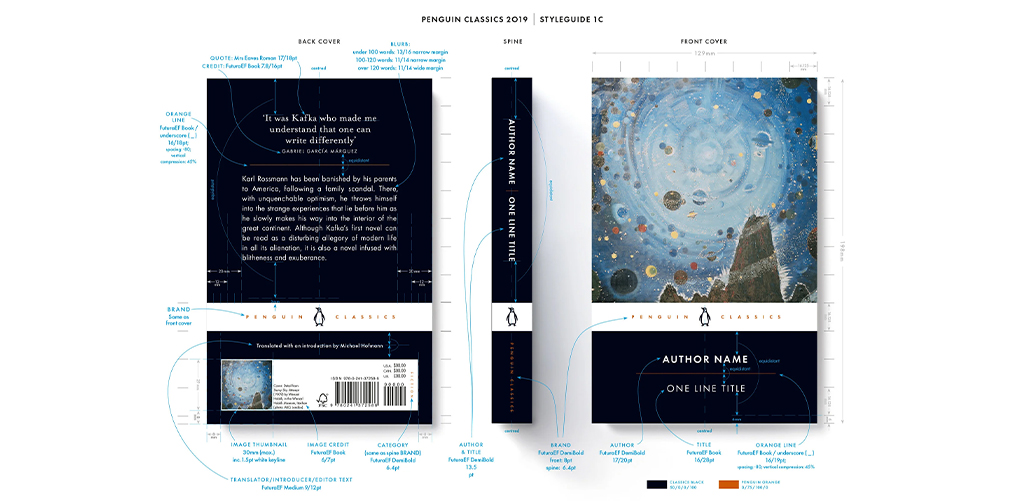
Take Penguin Books for example. Their classic layouts use the right font size, clean margins, and breathing space so your eyes don’t get tired. Even their chapter breaks are designed to give your brain a little rest.

What to learn from this? Good layout isn’t just for looks, it also helps people enjoy reading. Students should understand how white space, alignment, and font choice make a big difference. You’ll find all this taught in the JD Institute’s Communication Design course, where design starts with thinking like a reader.

Why You Don’t Read a Newspaper Cover to Cover

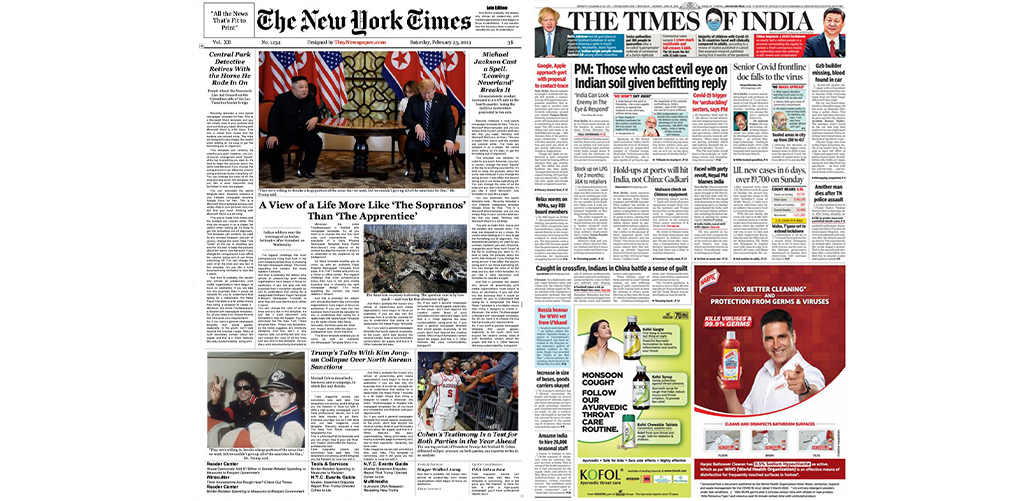
No one reads every line in a newspaper, and they’re not supposed to. That’s what makes a good newspaper layout so clever

Look at The Times of India or The New York Times. Their pages use grids, headlines, boxes, and photos to guide your eye exactly where it should go.

What to learn from this? Designers don’t just place things, rather direct your focus. Knowing where to put headlines, quotes, and images is key to making a layout work. This skill comes naturally when students are trained to think critically.

Why Some Apps Just Feel So Easy

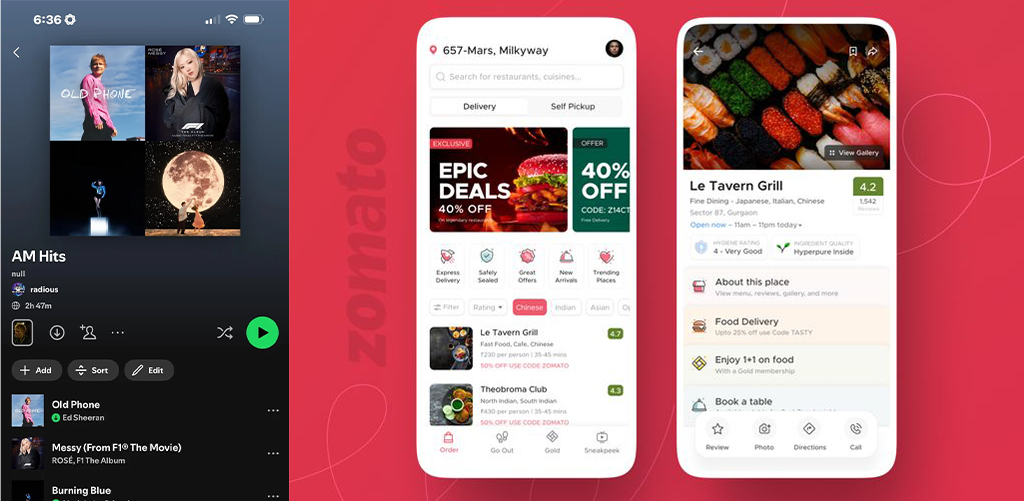
Ever opened an app and instantly felt like you knew how to use it? That’s smart layout again.

Apps like Spotify, Zomato, and Duolingo use layouts that are clean, simple, and user-friendly. The buttons are right where you expect them to be. The content is spaced out well. The design makes you want to keep using it.

What to learn from this? A good layout in apps can turn users into loyal fans. That’s why layout design is so important in UX (User Experience). Students of communication design need to learn how layout affects how people move and interact online.

Why You Stopped to Look at That Poster

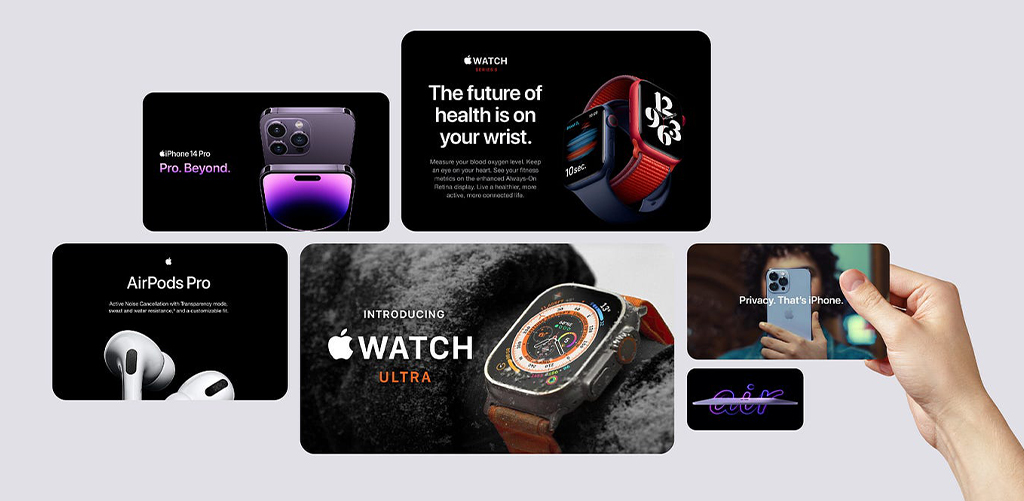
Ever been walking by and a poster made you stop in your tracks? Maybe it was a new movie, a fashion ad, or even a social campaign.

Take Apple ads or Netflix posters that have bold titles, clean design, strong visuals. That’s smart layout at work.

What to learn from this? A good layout makes a message stick. Designers should learn how to use contrast, space, and image placement to create impact, all of which must be taught through hands-on exercises to let the students gain practical exposure along with theoretical.

Want to Turn That Eye for Detail into a Career?

Here’s your sign.

The Communication Design course at JD Institute helps students turn their natural creativity into powerful design skills. From learning how to layout a magazine page to creating a user-friendly app screen, it’s all part of the journey.

Design isn’t about making things look good. It’s about making them work well, and layout design is at the heart of that.

Learning Interior Design? These 5 Terms Every Future Interior Student Must Know

Tuesday, August 5th, 2025

Did you know that when humans enter a room, our eyes automatically search for the focal point within the first 3 seconds?

That’s your brain working like a designer, even if you don’t realize it!

Just like learning a new language helps you travel, learning interior design language helps you create smart, stylish spaces. Whether you’re decorating your own room or dreaming of becoming a professional designer, it’s important to know the basics. That’s why we’ve made this simple and fun guide for you all about the 5 Common interior design terms you should know as a student.

If you’re planning to take up an Interior Design course at JD Institute of Fashion Technology, knowing these terms early on will help you understand your classes better, present your ideas clearly, and think like a real designer from day one.

Space Planning – Where Everything Goes

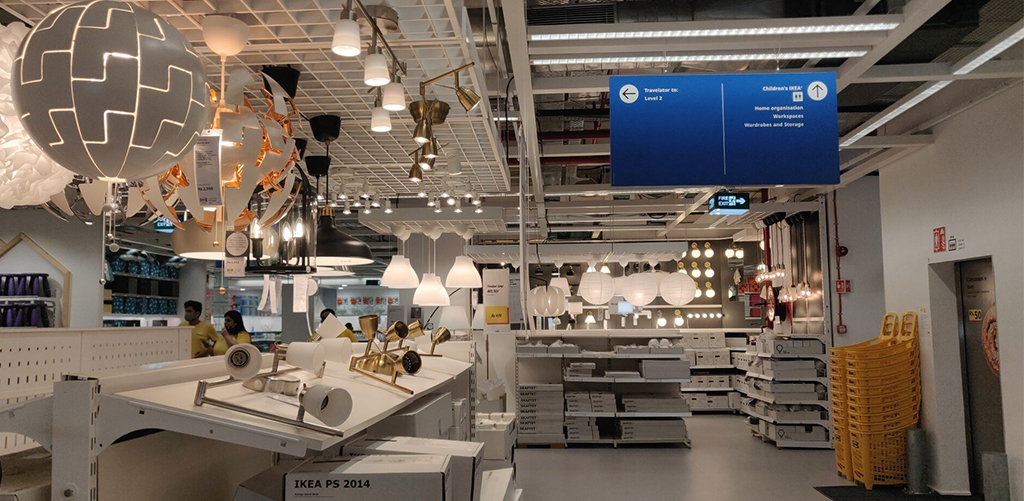
Space planning means deciding where furniture and decor should go in a room. It’s about using the available space in a smart, comfortable, and beautiful way.

  • It helps people move around easily.
  • It makes small rooms feel big and big rooms feel cozy.
  • It avoids clutter and confusion.

Real-Life Example: Have you ever visited an IKEA store? Notice how you’re guided through fully set-up rooms? That’s space planning in action. They plan layouts to inspire you and make shopping easier.

At JD Institute, students are taught how to plan spaces for homes, offices, stores, and more, using real tools and industry tricks.

Mood Board – Your Idea, But Visual

A mood board is like a visual plan. It’s a collection of images, colours, fabric samples, and materials that show what your final design will look and feel like.

  • It helps turn your imagination into a clear concept.
  • It makes it easier to share ideas with clients or teachers.
  • It keeps your theme consistent.

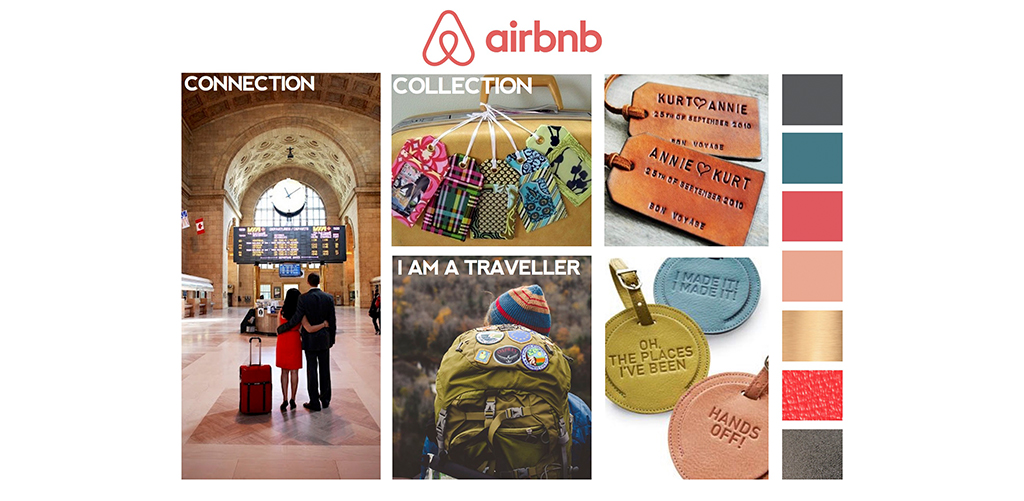
Real-Life Example: Design teams at Airbnb use mood boards to create warm, welcoming spaces across the world. It helps them stick to their design style, no matter the location. 

A mood board is basically your creative direction in a snapshot. Learning how to express your ideas through visuals is a key part of becoming a designer. And yes, students must actually build mood boards that go into real client presentations, and not just classroom demos.

Focal Point – The Eye-Catcher

A focal point is the most attractive part of a room. It could be a big painting, a fancy light, or a bright wall, anything that grabs your attention first.

  • It gives the room a strong visual balance.
  • It adds character to your design.
  • It helps other elements fall into place.

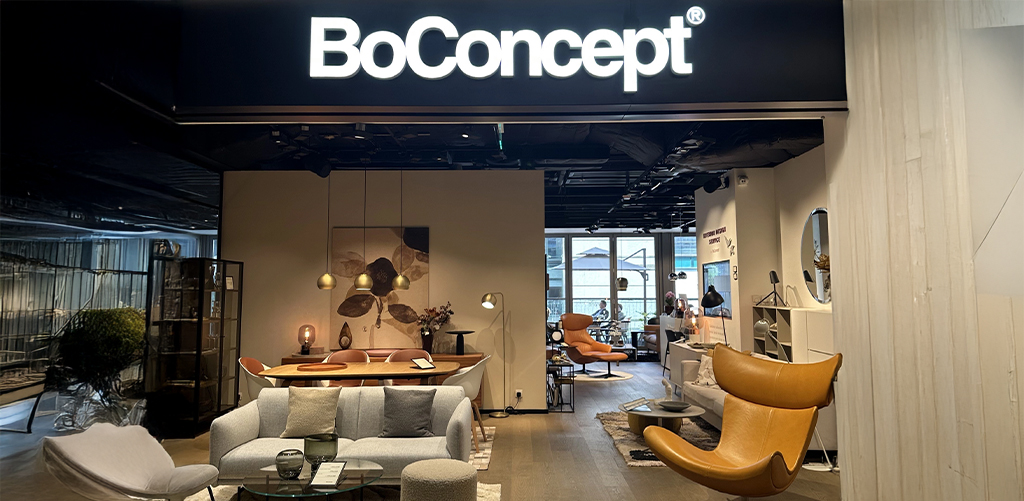
Real-Life Example: Design brand BoConcept often uses one bold item, like a colourful chair or a modern lamp, to stand out in an otherwise simple room

Understanding focal points is key if you want your designs to look professional and polished. Furthermore, understanding how to create visual hierarchy is one of those student must-knows that will separate you from amateur decorators.

Ergonomics – Comfort First, Always

Ergonomics means designing for comfort. It’s about making sure that furniture is easy and healthy to use, like a chair that supports your back or a desk that’s the right height.

  • It improves posture and reduces strain.
  • It’s important in home, office, and public space design.
  • It mixes science with design.

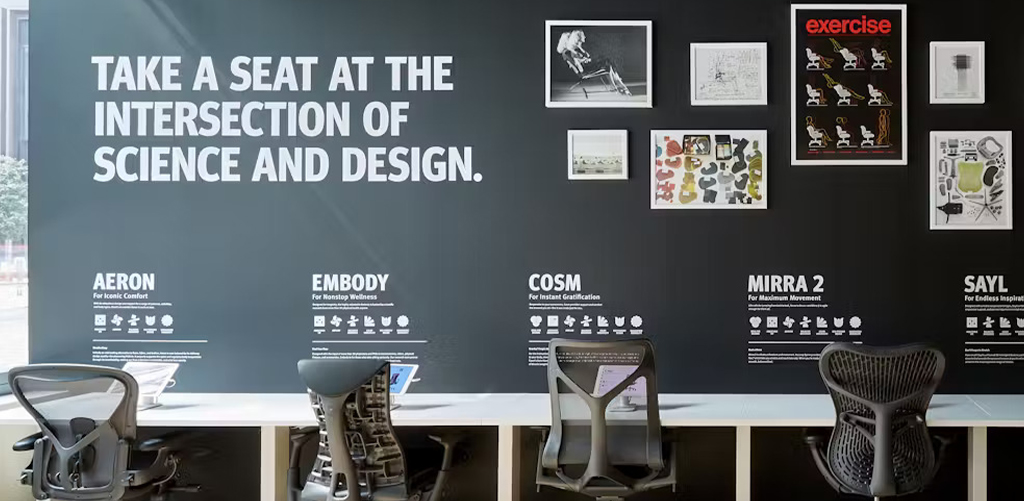
Real-Life Example: The company Herman Miller became popular for their ergonomic chairs. They are used in top offices around the world because they are both stylish and super comfortable.

As an aspiring designer, you’ll need to balance beauty with usability thereby making ergonomics a real part of the learning experience, because good design isn’t just pretty, it’s practical.

Accent Pieces – Small Details, Big Impact

Accent pieces are small decorative items that add style and personality to a space. These can be things like colorful cushions, funky lamps, or unique side tables.

  • They complete the look of a room.
  • They bring colour, contrast, and fun.
  • They show off your personal style.

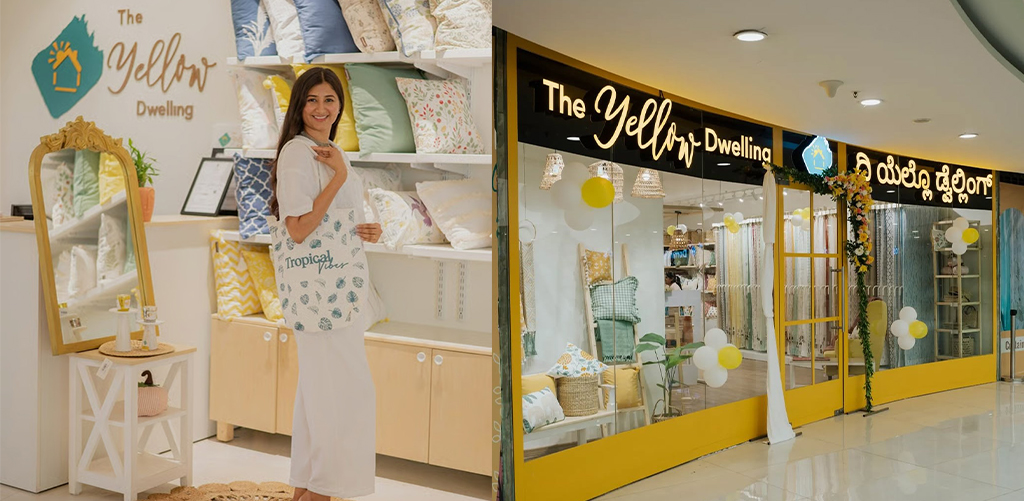
Real-Life Example: Indian brand The Yellow Dwelling creates beautiful eco-friendly accent items like curtains, vases, and cushions, often the final touch that makes a space feel you.

As a student, learning how to choose the right accent pieces helps you create spaces that feel lively and unique.

Design Better, Speak Smarter

The world of design moves fast. And to be part of it, you’ve got to speak the same language, and not just creatively, but technically too.

These interior design terms you should know as a student are your starting point. And the more you learn, the more confident you’ll be in building beautiful spaces that truly work.

Want to do more than just follow trends? Want to create them? Then maybe it’s time to explore how the Interior Design course at JD Institute can shape your talent and give you the right tools that are both creative and professional.

The Powerful Tricks of Retail Visual Merchandising Every Merchandiser Must Know

Monday, August 4th, 2025

Have you ever walked past a store, saw a cool sign, and suddenly felt like going inside, even if you weren’t planning to shop? That’s not a coincidence. It’s not magic either. It’s good design. 

Believe it or not, the fonts and signs you see outside a store have a huge influence on what you decide to buy. This is what we call typography in visual merchandising and it’s one of the most powerful tools in retail today.

If you’re someone dreaming of a career in visual merchandising, knowing how store signs and fonts influence what you buy is a big deal. That’s why the Visual Merchandising course at JD Institute gives students real knowledge about this skill, because it’s not just about decorating stores. It’s about understanding shoppers and what grabs their attention.

Your Brain Notices Fonts First

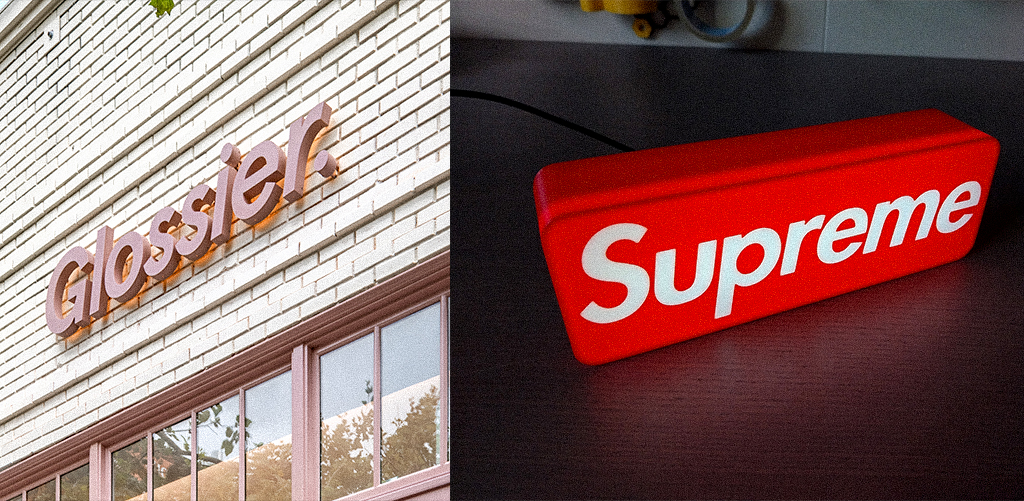
Example: Glossier vs. Supreme

Before you even read the words, your brain reacts to the style of the letters. So if Glossier uses soft, round fonts, it feels calming and pretty. But when Supreme uses bold, capital letters, it feels cool, bold, and confident. Every font gives a different feeling.

That’s why font choices are super important in signage design. Some fonts build trust. Some catch attention. Some make people feel like they need to buy something fast.

Fonts + Colors = Strong Reactions

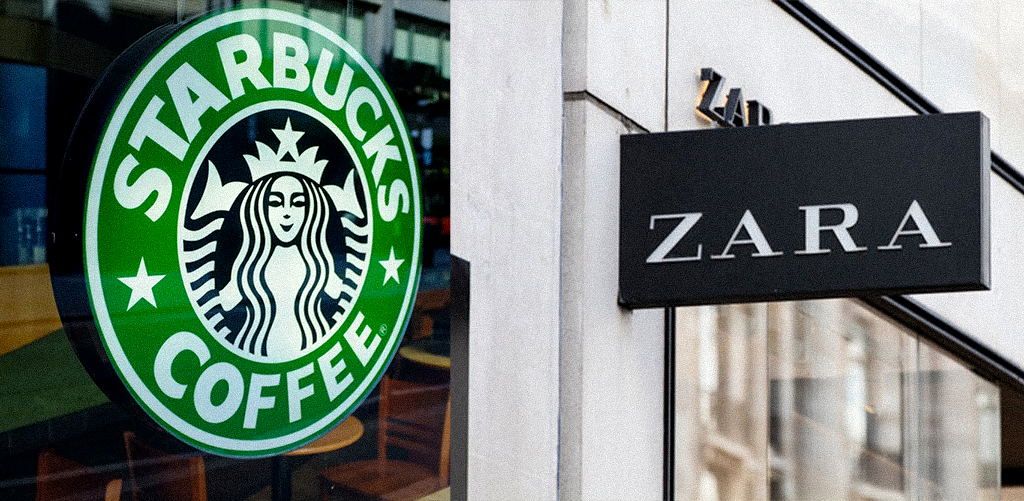
Example: Starbucks vs. Zara

Starbucks uses calming green colors with simple fonts to create a relax and enjoy kind of feeling. On the other hand, Zara uses black and white with sharp fonts to show elegance and high fashion.

When color and font work together, they create a mood. This is what smart retail branding is all about. People often don’t realize it, but these small details make them feel something, and that feeling leads to action.

As a visual merchandiser, you need to understand how to match colors with fonts depending on what the store wants to say.

Your Product Decides Your Font

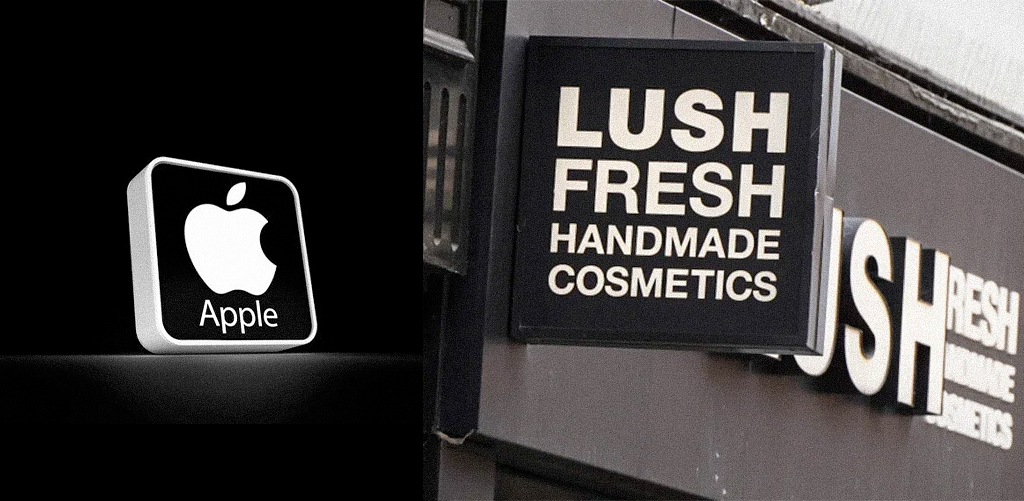
Example: Apple vs. Lush

Let’s say you’re designing for a tech brand like Apple. Would you use curly, flowy fonts? Probably not. Apple uses clean, simple letters because they reflect innovation and minimalism.

Now take Lush, a handmade cosmetics brand. They use messy, chalk-like fonts to feel fun and natural. This shows that retail font choices must match the product’s personality.

Luxury items need classy fonts. Fun, handmade items need playful fonts. Visual merchandisers need to understand this connection so they can help brands send the right message.

Temporary Signage Can Be Powerful Too

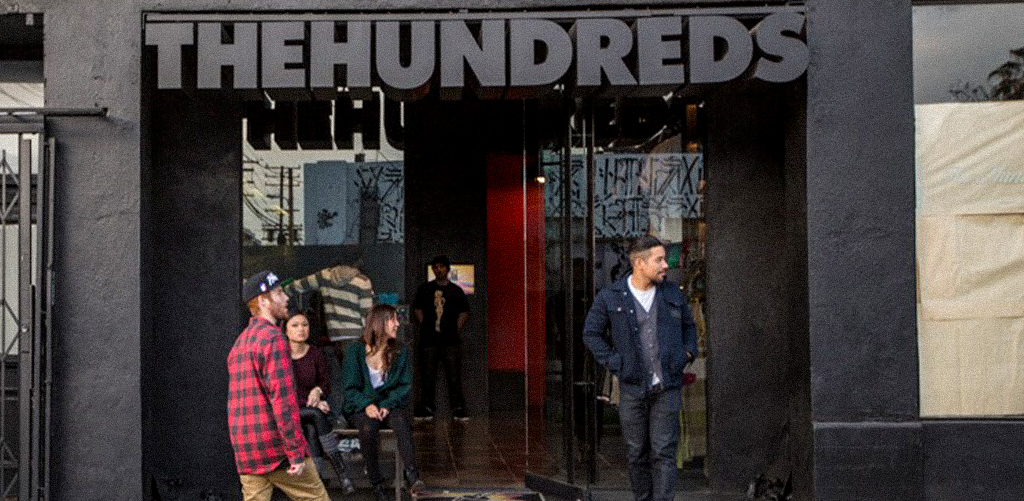
Example: The Hundreds (Pop-up store)

Pop-up shops don’t have big signs forever. So they make their signs super bold and eye-catching right from the start.

The Hundreds, a streetwear pop-up, used graffiti-style fonts and raw wooden boards to show they’re edgy and different. Even temporary signs need strong visual branding. Just because it’s short-term doesn’t mean it doesn’t need impact.

Students in visual merchandising must learn how to create fast, strong impressions, and that’s exactly what is in the course of Visual Merchandising at JD Institute.

Fonts Can Create FOMO

Example: Urban Outfitters

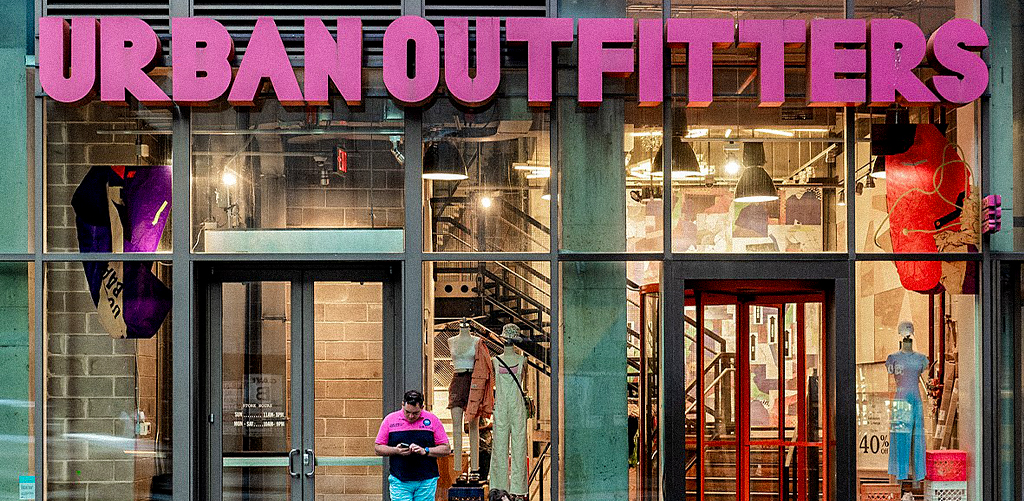
When Urban Outfitters drops a new product, they use bold, loud fonts in bright colors to create urgency. People feel like if they don’t act fast, they’ll miss out. This is called emotional selling, and fonts play a big role in it. A simple word like “LIMITED” in a bright red font can push someone to make a purchase.

Visual merchandisers must learn how to use fonts not just for design, but for emotional connection.

Fonts Are Silent Sellers

Fonts don’t talk, but they say everything.
They guide people into stores, tell them what to expect, and even make them buy. That’s the power of typography in VM.

So if you’re planning to become a visual merchandiser, this skill isn’t optional, it’s essential. And if you’re wondering where to learn all this in a fun, hands-on, and professional way, you already know the name, JD Institute. Because when you know how design feels, not just how it looks, that’s when you become a true expert.

Why Every Aspiring Fashion Designer Should Master Simplicity

Monday, August 4th, 2025

“Style is a way to say who you are without having to speak.”– Rachel Zoe
Now imagine saying all that, with a plain white shirt. That’s the magic of simple fashion. In a world full of bold prints, heavy bling, and fast trends, a clean, minimal design still grabs attention, not because it’s loud, but because it’s smart. This idea of less is more is taking over fashion globally, and for good reason.

If you’re dreaming of becoming a fashion designer, learning how to keep things simple and powerful is more than a trend, it’s a must-have skill. And that’s exactly what places like the JD Institute of Fashion Technology teach through real-time projects and design thinking that focuses on clarity, not clutter.

Arket: Fashion That’s Clean, Clear, and Cool

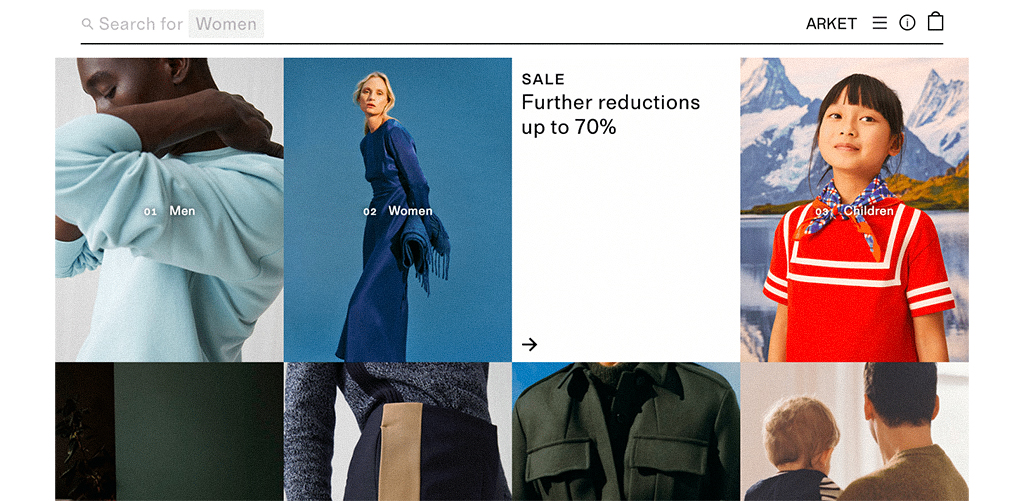
Arket, a Swedish brand under the H&M group, is all about clean cuts, soft tones, and everyday wear that feels fresh. No glitter, no crazy silhouettes, just easy-to-wear pieces that last longer and look timeless.

They show that simple design ideas don’t mean boring. A plain dress with a perfect fit or a neutral blazer can become someone’s favorite outfit, because it’s versatile, classy, and feels good.

Aspiring designers need to understand that people don’t always want “wow”, they want wearable. That’s where minimalist fashion wins, every single time.

Jil Sander: The Queen of Quiet Fashion

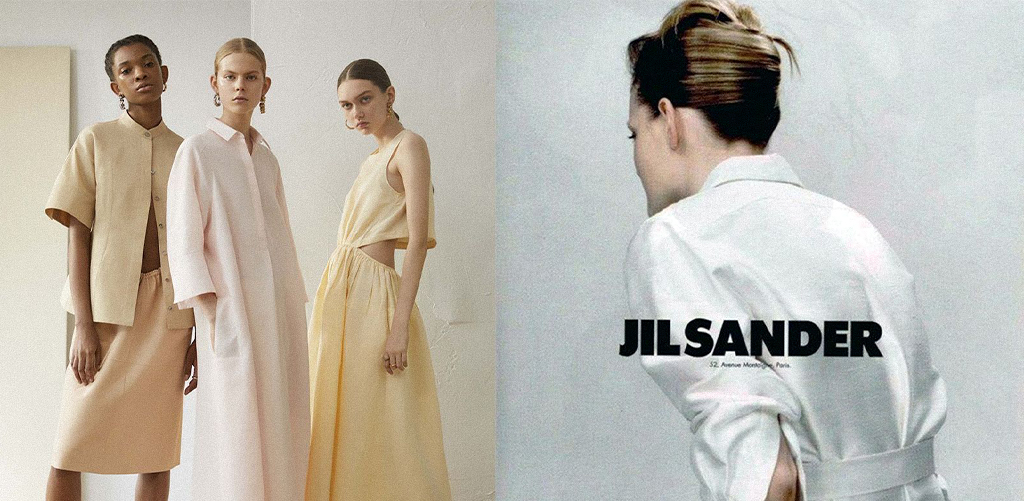
If anyone knew how to turn simplicity into a signature style, it’s Jil Sander. Her label became famous for crisp white shirts, tailored pants, and subtle elegance. No wild patterns just clean lines and top-quality materials.

Her work proves a big point: you don’t need to “add more” to stand out. Sometimes, removing extra details actually brings your design to life.

That’s a lesson every Fashion Design student at JD Institute learns through real-world design exercises, where you’re encouraged to edit, not overdo.

Toteme: Minimalism That Moves with You

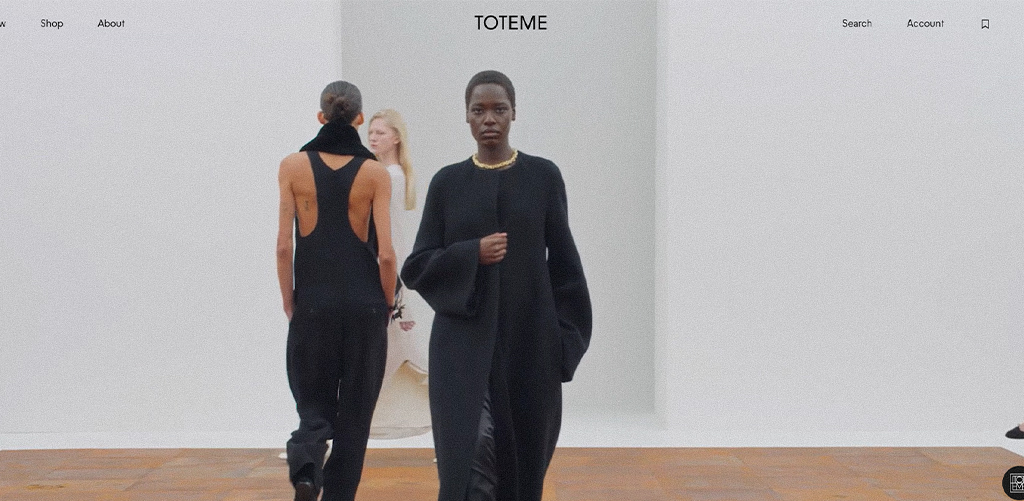
Toteme, a Swedish brand founded by fashion blogger Elin Kling, focuses on modern, simple clothing that moves with real life. Their clothes are not runway drama, they’re everyday luxury. Think long coats, soft turtlenecks, simple striped shirts, and still, it feels high-end. The genius? Designing for real people.

They understand that not everyone wants to stand out and that some just want to look put-together without trying too hard. That’s exactly what simplicity offers, comfort, style, and confidence. As a fashion designer, creating something that fits seamlessly into someone’s life is just as important as artistic flair.

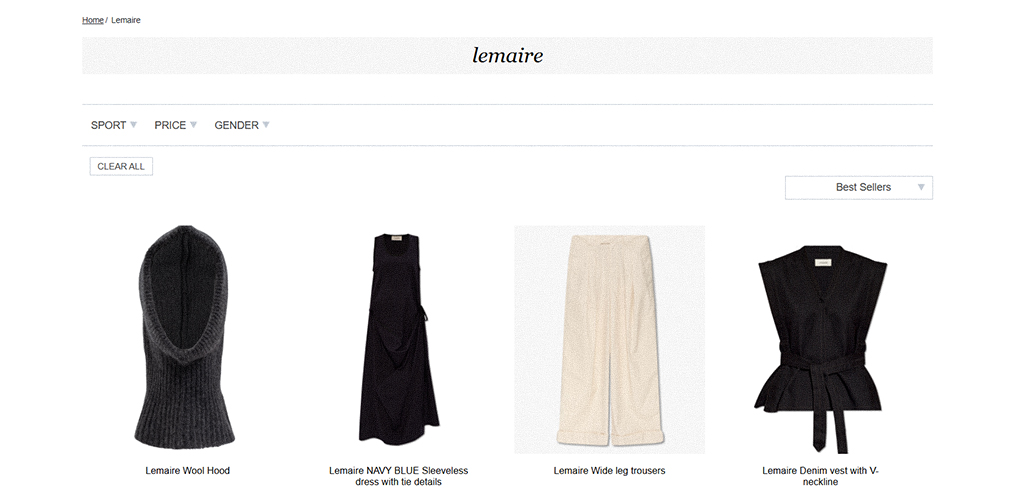
Lemaire: Soft Colors, Sharp Impact

French label Lemaire is the perfect example of how minimalism can still have personality. Their clothes flow naturally, with soft fabrics and muted shades, but each piece is thoughtfully shaped to make it unique.

They show how fashion can be calm and confident at the same time. No logos, no fuss, just beautifully structured outfits that speak quietly but clearly.

This idea is what makes minimalist fashion so powerful, it lets the design do the talking. And if you’re learning fashion, mastering this silent strength is a total game-changer.

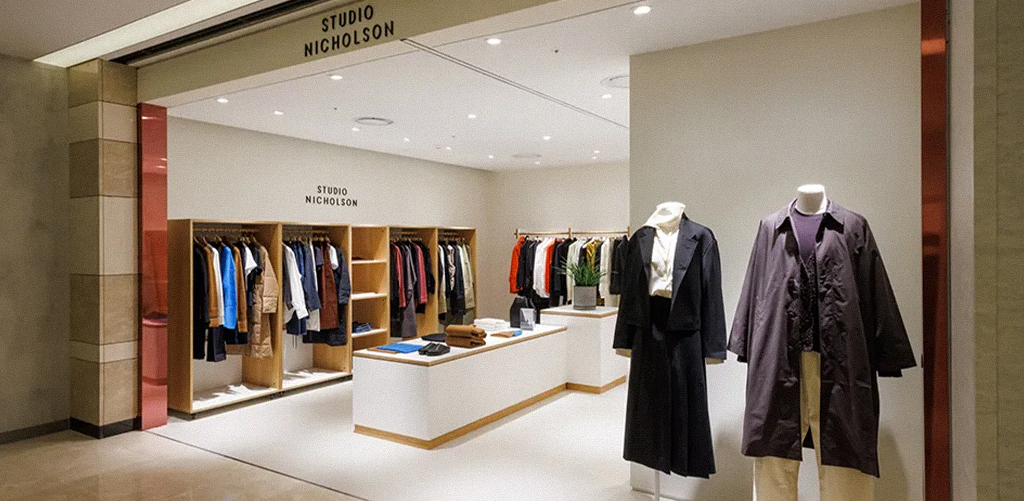
Studio Nicholson: Where Function Meets Fashion

Studio Nicholson, a UK-based brand, creates pieces that are easy to wear and easy to style. Their focus is on functionality, pockets where you need them, soft waistbands, clothes that let you move.

They use smart design restraint to bring fashion back to its core purpose, to serve the person wearing it. That’s the magic of minimalist design: it’s not about showing off, but showing up in the best way.

At JD Institute of Fashion Technology, students are taught exactly this kind of thinking, how to design not just to impress but to solve problems, whether in style, comfort, or sustainability.

Simple Isn’t Easy, It’s Genius.

Fashion isn’t just about trends. It’s about creating something that lasts. That’s what simplicity does, it stays relevant, season after season. And if you’re planning to build a real future in fashion design, the best place to learn this smart, future-forward approach is at JD Institute of Fashion Technology. Their programs are designed to help you think clearly, design responsibly, and express boldly, even when you keep it minimal.

Copyright © 2025 JD Institute of Fashion. All Right Reserved

Designed by Red Lemon

Whatsapp icon
Apply Now
Enquire
Quick Enquiry