
Apply Now

Author Archive

JD Institute Partners with White Hanger for Corporate Training Programme

Thursday, July 11th, 2024

In a bold move to stay ahead of the curve in the dynamic world of fashion, JD Institute of Fashion Technology is proud to announce the launch of its Corporate Training Programme. This initiative is a testament to our commitment to nurturing young talent while simultaneously fortifying the very foundations of the fashion industry.

Bridging the Gap Between Education and Industry

JD Institute of Fashion Technology has consistently remained at the centre of Fashion Design education, constantly adjusting to the dynamic demands of the industry. The objective of our new Corporate Training Programme was to enhance the skills and knowledge of industry executives, enabling them to maintain their competitiveness and drive innovation in their specific domains. This programme was a component of our overarching goal to offer a comprehensive platform for both aspiring fashion experts and experienced executives.

Collaboration with White Hanger Executives

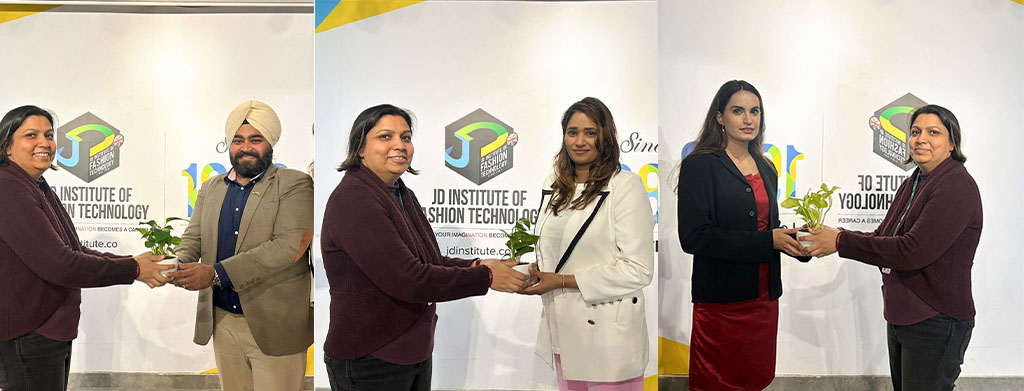
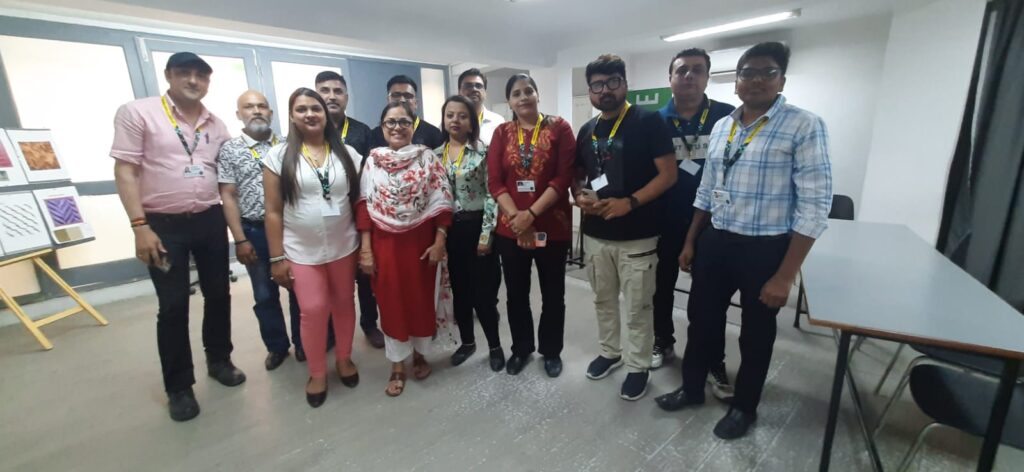
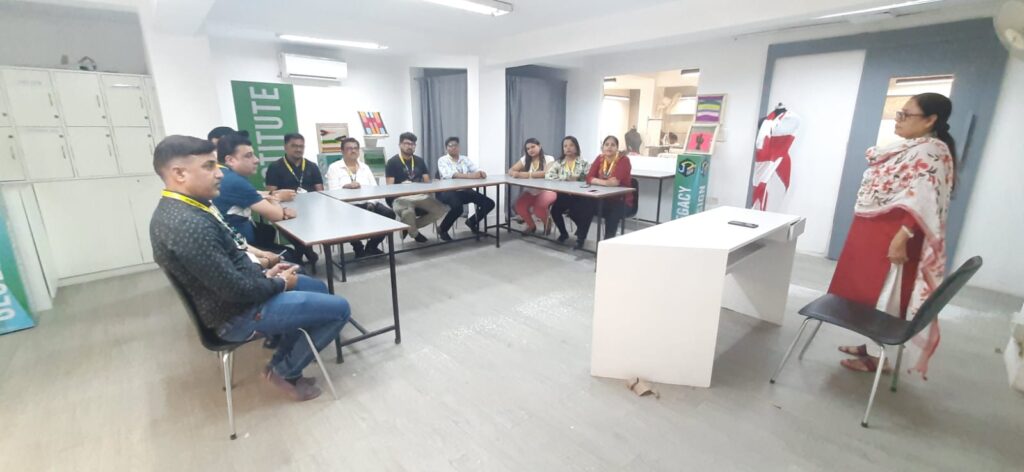
The significant aspect of our Corporate Training Programme was our collaboration with White Hanger Executives, a prominent Indian retail chain that operates 13–16 stores nationwide. This relationship facilitated a notable course. The course focused on textile studies and included participants such as store managers, warehouse managers, inventory control managers, purchase heads, and sales heads. Over ten days, the programme covered the fundamental aspects of fabric formation, from fibre to fabric, surface ornamentation, and their properties and compositions.
An All-Encompassing Industrial Training Programme

Our Corporate Training Program offered a robust curriculum that covered a wide range of topics essential for the modern fashion executive. The training also consisted of two industrial visits. The first visit was a Market Survey, providing professionals with practical insights into sourcing materials, understanding product properties, and making informed purchasing decisions.

The second visit to the Craft Museum offered hands-on experience with various surface techniques prevalent in the textile market. These visits enriched the participants’ understanding of the practical applications of their learning.

Encouraging Industry Leaders

In addition to providing existing industry staff members with the opportunity to brush up on their abilities and bring them in line with the most recent trends in the sector, the training programme has served as a source of encouragement for many of these individuals. These experts have been provided with the information necessary to strengthen their commitment to the expansion of the sector as a result of the initiative undertaken by the JD Institute. 
Celebrating Excellence in Education and Innovation

Celebrating a milestone in professional development, the JD Institute of Fashion Technology is proud to host a transformative corporate training program for the talented staff of White Hanger. Their remarkable dedication and passion were truly inspiring, and the institute is privileged to have witnessed their notable progress and growth throughout the programme. Since its inception in 1988, the JD Institute of Fashion Technology has stood as a beacon of learning in the realms of fashion and interior design, steadfastly committed for over 35 years to cultivating industry expertise through comprehensive educational initiatives and training programmes.

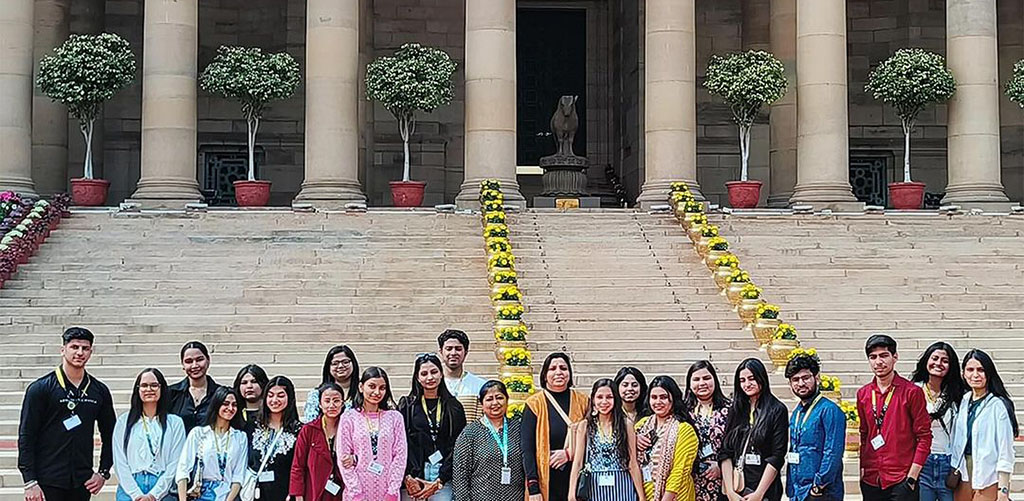
JD Institute’s Interior Design Students at Rashtrapati Bhavan

Friday, July 5th, 2024

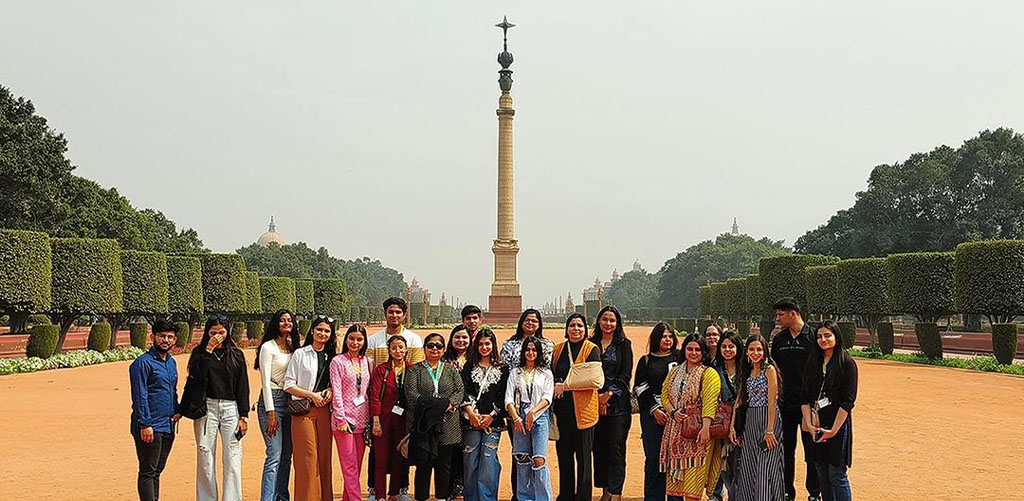
Embarking on a journey through the realm of Interior Design, students from JD Institute of Fashion Technology encountered an unparalleled experience: a firsthand glimpse into the architectural brilliance of Rashtrapati Bhavan, India’s presidential residence. Here, the fusion of history and modernity serves as a dynamic testament to the nation’s vibrant heritage and ambitious spirit. As these budding designers navigated the grandeur of this iconic structure, they found themselves immersed in a realm where every intricate detail unfolds a narrative and each corner ignites boundless creativity.

The Awe-Inspiring Grandeur of Rashtrapati Bhavan

Upon entering Rashtrapati Bhavan, one is instantly fascinated by its grandiose balance and the elaborate embellishments that grace its interiors. The impressive exteriors, adorned with majestic columns and vast open spaces, showcase the architectural genius of Sir Edwin Lutyens, who conceived this enormous structure in the early 1900s. For our Interior Design students, this visit was more than a tour—it was a journey through time, offering a glimpse into India’s illustrious past and its bold visions for the future. 

Architectural Excellence: A Harmonious Blend of Tradition and Innovation

Rashtrapati Bhavan is an exquisite example of how tradition and innovation can coexist harmoniously. The lavish chambers have contemporary elements that amplify their classic beauty, while the vast halls provide a sense of a bygone age through their beautiful carvings and complex patterns. This fusion of forms is a striking example of how architecture can pay homage to the past while yet incorporating modern touches. The students learned that classical design principles are timeless and that innovation is key to making spaces that last.

The Integral Connection Between Design and Cultural Identity

The students had a significant realisation about the inherent connection between design and cultural identity. The Rashtrapati Bhavan is not merely a residence; it serves as a representation of India’s essence and ambitions. The architectural wonders contained within its boundaries reflect the nation’s historical progression, its challenges, and its successes. The students’ understanding of this concept enhanced their recognition of the significance of design in influencing cultural narratives and safeguarding historical inheritances. 

Embracing the Insights for Future Endeavours

Inspired by their visit, the students returned with renewed enthusiasm for their artistic pursuits. The knowledge acquired at Rashtrapati Bhavan encompassed not only the visual appeal but also the profound importance of design. They recognised the ability of their work to have a profound impact on history, culture, and the future. Having undergone this remarkable experience, they now possess the ability to design environments that are not only practical and aesthetically pleasing, but also carry a deeper significance and are representative of a wider cultural framework.

The Unique Learning Environment at JD Institute

The JD Institute of Fashion Technology fosters an exceptional learning atmosphere, as demonstrated by the visit to Rashtrapati Bhavan. By offering such immersive experiences, the institute ensures that its students are not only skilled designers but also thoughtful and culturally aware individuals. This holistic approach to education prepares them to create designs that are innovative, respectful of tradition, and capable of making a lasting impact.

10 Reasons Why a BSc in Interior Design Will Transform Your Careers

Tuesday, July 2nd, 2024

Choosing a BSc in Interior Design is not just a decision about the course but about choosing a career path. This degree has vast potential and advantages, and graduates are well-furnished with knowledge and vision for the interior design profession in today’s market. Below are the reasons why getting a Bachelor of Science in Interior Design can help change the course of this profession.

Introduction to BSc in Interior Design

A BSc in Interior Design offers an effective framework for acquiring information on designing comfortable and beautiful interiors. These experiences help the students incorporate practical design theories with sound theoretical knowledge, thus enabling them to meet the market requirements efficiently.

Creative Fulfillment

BSc Interior Design involves channeling creativity into solutions with physical outputs through settings that affect how one lives, works and socializes. The process of seeing your creations come to life is a very rewarding experience for creative individuals.

Diverse Career Paths

● Residential design
● Commercial design
● Exhibition design
● Some areas of specialization Interior Design include Film and theatre set design.

This diversification guarantees that you can identify a specialization area within this vocational line that suits your interests and strengths.

Developing Technical Skills

The technical skills that will be acquired during the completion of a BSc in Interior Design will be very useful. You’ll gain proficiency in:

● Auto CAD and other drafted designing software.
● Knowledge of structural need
● Understanding of materials and sustainability considerations

These are essential skills to apply in interior design companies of the current generation.

Hands-On Learning Experience

The achievement of a BSc in interior design usually focuses on teaching through workshops, studios, and projects. This approach is important because one is able to graduate with experience in tackling professional situations.

Building a Professional Portfolio

In the design world, it is crucial to have a good portfolio. A BSc in Interior Design allows you to create an impeccable portfolio that presents some of your brightest works to potential employers or clients.

Industry Connections and Networking

Networking is key in the interior design business. During your study in the BSc in Interior Design program, you will interact with people in the field, former students, and students who can offer opportunities and collaborations.

Job Stability and Demand

The requirement for qualified interior designers remains constant due to the continuous need for new or upgraded spaces. A BSc in Interior Design, therefore, increases job security because one masters skills that are sought in different fields.

Impactful and Meaningful Work

Interior designers also report a relatively high level of meaningfulness since their work affects people and the quality of their lives. A BSc in Interior Design helps you make successful design decisions based on comfort, functionality and aesthetics.

High Earning Potential

This is especially true when one decides to specialize in specific fields, such as luxury residential or corporate firms since the returns can be very lucrative. Thus, a BSc in Interior Design is the basis for starting a career in these promising spheres.

Continuous Learning and Growth

Interior design as a profession is constantly developing, and trends, technologies, and sustainable concepts are changing continually. A BSc in Interior Design enhances the spirit of continuing education in graduates, hence making them relevant to society.

Conclusion

Deciding to pursue a BSc in interior design is the decision to learn not just how to design interiors but how to create a fulfilling and exciting career path. Whether the attraction is in creativity, the technical side of things, or the potential of a high-paying job, this degree brings you closer to realizing your dreams. Get ready to revolutionize your career and impact society through interior design.

JD Institute Hosts Luxury Fashion Workshop with Indyverse

Tuesday, July 2nd, 2024

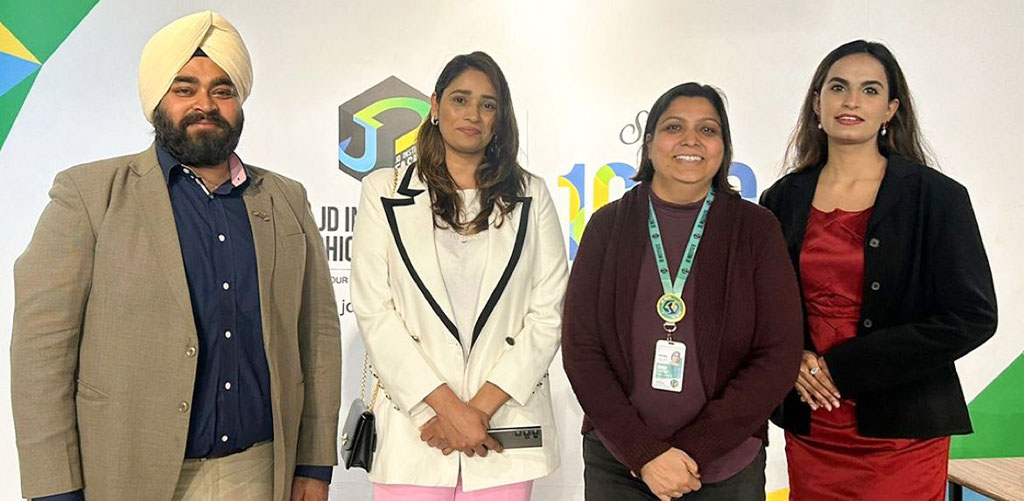
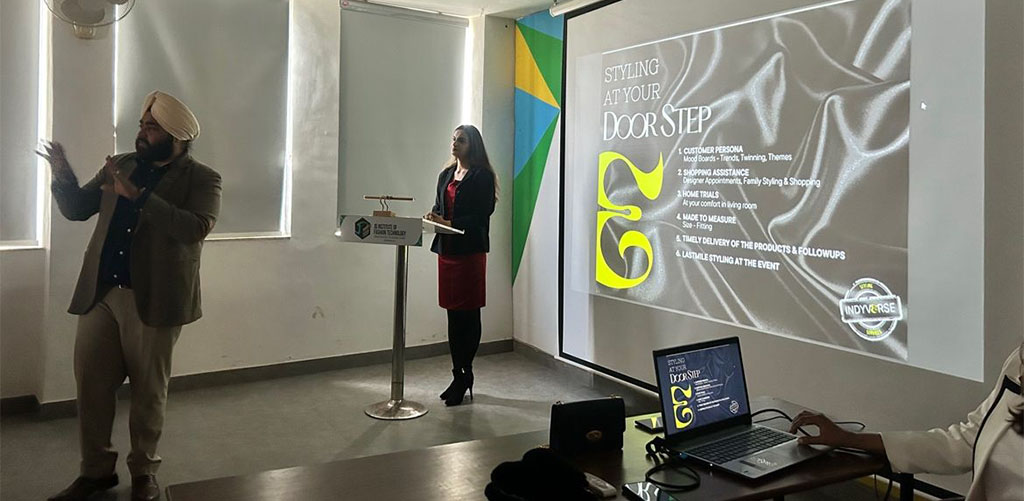
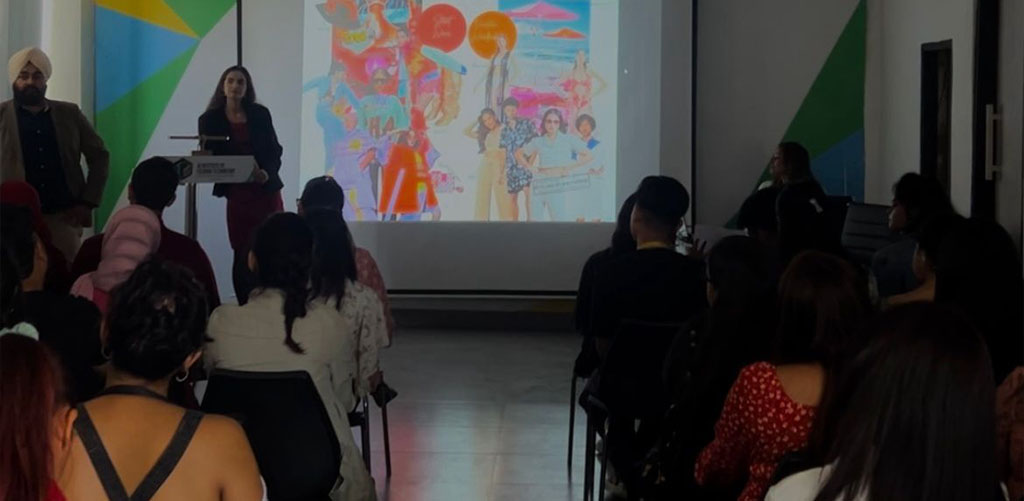
JD Institute of Fashion Technology, in collaboration with Indyverse, organised a highly informative workshop on Luxury Fashion Styling and Management. This workshop featured industry luminaries such as Ms. Roop Kaur, Mr. Ravineet Singh Marwah, and Pankhuree Dhananee, who shared their extensive knowledge and experience with the students. The workshop proved to be a transformative experience for students, offering profound insights into the convergence of Fashion and Technology. 

Industry Luminaries Share Their Expertise

Renowned figures from the fashion industry graced the workshop.

  1. Ms. Roop Kaur is the Founder and chief operating officer – Indyverse and is known for her exceptional work and contributions.
  2. Mr. Ravineet Singh Marwah is a fashion management expert with extensive knowledge of brand building.
  3. Pankhuree Dhananee is a trendsetter in fashion styling, known for her innovative approach.

These industry experts provided students with an all-encompassing understanding of the luxury fashion industry, including topics such as brand establishment, current trends, and the use of technology in fashion.

Brand Building and Marketing

The workshop delved into the intricacies of brand building, emphasising the importance of a strong brand identity in the luxury fashion market. Mr. Ravineet Singh Marwah shared insights on effective marketing strategies that can elevate a brand’s presence and reputation, thereby establishing and nurturing luxury brands in a competitive market.

Current Fashion Trends

Understanding current trends is crucial for anyone in the fashion industry. The Indyverse team highlighted how cultural shifts and technological advancements influence the latest fashion trends. The team provided tips on how to stay ahead in the ever-evolving fashion landscape. Students gained a firsthand understanding of how styling choices can shape brand identities and consumer perceptions.

The Intersection of Fashion and Technology

It was fascinating to discuss fashion and technology at the workshop. These experts explored how technology is revolutionising the fashion industry, from virtual fittings to sustainable practices. This segment underscored the importance of integrating technology to stay competitive and innovative in the fashion world. 

Students Gain Invaluable Insights

The workshop was a resounding success, offering students invaluable insights into the luxury fashion industry. It was an eye-opener on current trends and marketing strategies with a fresh perspective. The experience and practical knowledge gained from industry experts will undoubtedly benefit their future careers.

A Big Thank You to Indyverse

The Luxury Fashion Management and Styling Workshop was a remarkable event, and JD Institute of Fashion Technology extends a heartfelt thank you to Indyverse for their collaboration and support in making this workshop a success. With expert guidance from industry luminaries and an innovative partnership with Indyverse, the future for these aspiring fashion professionals looks brighter than ever.

Dare to Dream: Excel Your Career with B.Des in Fashion Design

Monday, July 1st, 2024

Chasing your dreams of becoming a fashion designer is as exciting as it is thrilling. Thus, the decision to complete a B.Des in Fashion Design offers the necessary academic background for individuals to succeed in this inviting profession. Here are the ways through which obtaining or studying for a Bachelor of Design (B.Des) in Fashion Design can be a differentiating factor among fashion enthusiasts.

Introduction to B.Des in Fashion Design

A B.Des in Fashion Design is a UG-level course that places a strong emphasis on making attractive clothes and fashion accessories. The rationale for this degree is that it combines creativity with practicality so that the holder of the degree will be able to stand and design and produce beautiful, well-woven clothes.

Why should one opt for a B.Des in Fashion Design?

Selecting a B.Des in Fashion Design entails exposure to knowledge areas such as fabrics, fashion history, and concepts in design, among others. They are ideal for candidates who would like to pursue fashion based on their passion for expressing ideas in fashion and those who would like a formal learning experience while developing their creativity and technical expertise.

Skills You Will Develop

The B.Des in Fashion Design program sharpens a wide array of skills:
● Creativity and Artistic Vision: Skill in creating new concepts and designs of works, as well as making them attractively looking.
● Technical Proficiency: Familiarity with pattern making, draping and stitching, as well as the use of computer-aided design software.
● Trend Analysis: Hacerted skills to predict trends and demands of fashionable products in a given period.

Curriculum Overview

Despite the fact that the B.Des in Fashion Design is at the degree level, the subjects being taught are as simple as the parameters of form and as complex as fashion theory. Courses often include:
● Fashion illustration and design is a major that blends creativity and practicality into an exciting program of study that will provide its students with the knowledge and skills they need in the fashion industry.
● Being an offshoot of fashion designing, fashion marketing, and merchandising, hold a pretty close position with fashion design.

Career Opportunities

Graduates of a B.Des in Fashion Design find diverse career opportunities such as:
● Fashion Designer: Civilizing the art of designing unique apparel and collections.
● Fashion Marketer: Maximizing the coverage of brands in the layout.
● Fashion Buyer: Purchasing materials that are fashionable and relevant to large chain stores.

The Creative Process in Fashion Design

The B.Des in Fashion Design program covers the process of conception in-depth, where students are taught how to produce an idea from concept to completion. This includes the creation of mood boards and sketches, as well as an ongoing cycle of design refinement.

Internships and Industry Exposure

Internships are an essential component of the B.Des in Fashion Design program as they provide professional insight into the course. These opportunities enable students to work with well-known companies, providing a view of the practical aspects of the industry.

Building Your Portfolio

A portfolio is an essential aspect when it comes to fashion design. The B.Des in Fashion Design prepares the students to collate the best of the works to focus on the variety of their abilities and tastes, which is crucial for career development.

Networking in the fashion Industry

Networking is a course that is offered in a B.Des in Fashion Design to educate students on how to go about it. This is the secret of building relationships with mentors, peers, and professionals in the industry, which may lead to partnerships and possibly job offers.

Challenges in Fashion Design

Just like any other occupation, the path of a fashion designer is not totally without difficulties. The B.Des in Fashion Design will help the students deal with challenges such as huge competition, a perpetual demand for creativity, and short fashion design trends.

The Future of Fashion Design

The B.Des in Fashion Design includes an exploration into the future of fashion, innovation and the use of technology and sustainable development in the field that is exceptionally relevant in contemporary fashion.

Conclusion

What makes a B.Des in Fashion Design is much more than a degree because it’s an opportunity for the dreamers who wish to create a huge difference in the fashion industry. Regardless of the field of study, graduates can be prepared for future developments and become the shapers of the world, as well as the textile products that they will create. Do not be afraid to think big, and let the B.Des program in Fashion Design be the starting point to a successful fashion career.

Career Paths After Completing a Fashion Styling Course

Thursday, June 27th, 2024

Learning the fundamentals of Fashion Styling is one of the best choices for a Fashion Styling Course to build a successful career in fashion. This educational track enhances creative abilities and prepares students for the competency levels required to pursue various dynamic positions. Herein, we discuss some stimulating career opportunities that may suit you after the fashion styling course.

Personal Stylist

Being a Personal Stylist implies that your job consists of advising and assisting particular ladies/men to improve their appearance. This job demands that you understand fashion trends and keep yourself updated to be able to offer suitable style advice to different people. It is about building relationships with people and assisting them with their individuality and needs in fashion.  

Fashion Editor

Fashion Editors can be seen as pioneers of the publication’s fashion-related materials. If employed in magazine houses, online channels, or multimedia, they select styles, manage photoshoot sessions, and work hand-in-hand with designers to predict trends. Styling experience obtained from a Fashion Styling Course is an asset; it offers insight one needs to succeed in this demanding position.

Wardrobe Consultant

A Wardrobe consultant is someone who recommends to a client the types of wardrobes to wear. They make sure that the client’s wardrobe for the season or the organization of the closet for business suits and other outfits corresponds to their lifestyle and profession. Ideally, this position will appeal to individuals who appreciate a great deal of detail in their work and like to make improvements in people’s daily lives.

Celebrity Stylist

A celebrity stylist manages prominent personalities as clients and has to be able to handle and style their clients’ looks for events like film premieres and other glamorous occasions. This career involves tracking trends in the fashion world, and in most cases, they work extra hours to meet celebrity deadlines.

Fashion Blogger/Vlogger

Thus, being a fashion blogger or vlogger can be rather fulfilling if you decide to pursue the path with a passion for sharing fashion insights. This position will enable you to apply your fashion styling knowledge and skills in creating and sharing content online with others worldwide for fashion hints and reviews. One must devote himself entirely to this job and love the fashion world, but it is definitely compensated.

Retail Stylist

In retail, they help the client find the best attire to wear by choosing excellent fashion items. A Fashion Styling Course enables you to be ready for companies such as Condé Nast, which sells its vision to colleagues in boutiques or department stores, where a recommendation that results in big sales equals happy customers.

Fashion Show Stylist

Fashion show stylists are essential for the performances of the fashion show. They coordinate the outfits models wear or display onstage to complement the designers’ vision. A high-energy position is important during fashion weeks and necessitates both an artistic sensibility and strong administrative skills.

A costume designer for a film and television company

Costume Designers, who work mainly in the film and television industry, make clothes that facilitate a show’s narration. They analyze the authenticity of history, coordinate with the directors regarding character development through the costumes, and control the process of costume making. This career is recommended to individuals who are artistically inclined and passionate about fashion and cinema.

E-commerce Stylist

So, while an E-commerce Stylist may not be involved in celebrity dressing or magazine editorials, they do the far more glamorous task of styling looks for websites and online campaigns. This requires knowledge of how styles complement each other, especially in digital appearance, and how to make clothes appealing to customers in this mode of selling.

Brand Stylist

They are responsible for ensuring that every graphical communication of the company reflects its image and position in the market. This involves coordinating the actual looks for advertisement purposes, photography, and promotions to guarantee the optimized look and feel of the brand at all times.

Visual Merchandiser

Visual merchandisers are in charge of designing attractive commodities displays in stores. Their styling skills, often honed through a visual merchandising course, make the shopping environment more beautiful, and they are expressive in their ability to sell merchandise. This job is ideal for a candidate with creative thinking and the ability to increase sales using graphics.

Conclusion

Fashion Styling Course allows one to look forward to a bright future in the fashion industry and embark on a way to self-realization. Both roles are creative and business-oriented to some extent and may fit better for some people or others due to their preferences. Regardless of the nature of the position, being a client-facing front line, a supporting role, or a focus on digital media, a career in fashion styling is as exciting as it is diverse. Prepare to materialize your ideas, transform fashion as we know it today, and achieve work fulfilment.

AI REVOLUTION: TRANSFORMING COMMUNICATION DESIGN

Tuesday, June 11th, 2024

The world of Communication Design is changing rapidly as AI makes it quicker, better, and more fascinating. Artificial intelligence (AI) is no longer a distant idea. It’s increasingly transforming how we communicate powerful thoughts. Imagine software that can:

  1. Generate multiple logo concepts in minutes.
  2. Analyse user data to personalise website layouts.
  3. Recommend colour palettes that appeal to your target population.

This is the reality of AI in Communication Design, creating a future where human brilliance and machine intelligence work hand in hand.

Understanding AI is essential for staying ahead in this fast-changing industry. An identical perspective was reflected in a survey conducted by PwC which found that 77% of CEOs believe AI will dramatically impact their organisations in three years. 

Now, let’s explore how AI is revolutionising communication design!

Applicability of Artificial Intelligence in Communication Design

From optimising workflows to enhancing creativity, AI-powered design tools are redefining how designers work and communicate. Some applications include: 

Automation

Automation has allowed designers to contribute more time to conceptualising and planning.

AI tools like Canva, Generative Fill and Adobe Sensei save time by providing ideas based on your preferences.

For instance, they simplify time-consuming activities, letting designers focus on strategy like concept creation, UX design, and communication

JD Institute’s design programs empower you with the abilities to integrate AI into your design process.

Personalised Content Creation

AI enables personalised communication experiences by analysing user data and behaviour. Platforms like Amazon, Spotify, and Netflix use AI algorithms to recommend customised content, artwork, and products. 

An example would be Netflix’s recommendation of related shows or films based on our viewing history.

Entertainment Industry

AI optimises complex cinematic (VFX) effects. Motion capture, rotating scenes, and realistic settings can be automated by AI. This helps filmmakers create stunning graphics faster. 

However, the use of AI in movies is increasing.

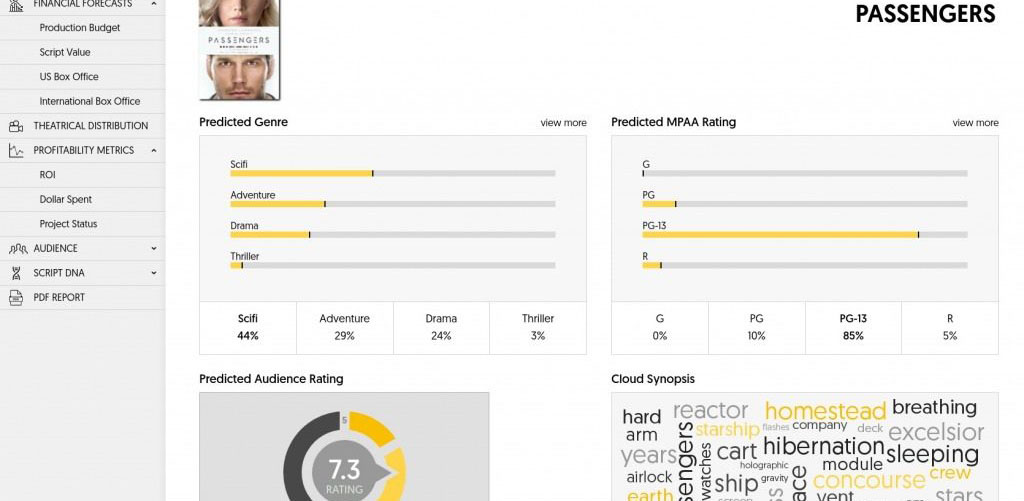
For example, ScriptBook is an AI platform that helps analyse scripts, predict audience interest, and forecast box office success.

You can join JD Institute’s Communication Design course to learn about the impact of AI tools on the film industry’s growing standards.

The Future of Communication Design? A Blend of Human Creativity

The Rise of AI in Communication Design is bright, with advancements in personalization, creativity, automation, ethics, and collaboration. But it won’t replace human designers; instead, it will help them create more powerful, engaging, and user-focused communication environments.

Even though AI is getting stronger, Human-centred design is still important in this dynamic industry. Here’s why:

Humans are still the creative bosses!

AI can analyse data and generate ideas, but it can’t understand the human element. Designers are the ones who translate data into meaningful communication that relates to an audience.

The Power of Emotions and Understanding

AI lacks the natural understanding and imaginative touch of human designers. Human sense is still essential for making smart design decisions, considering user expectations, emotions, and experiences.

Ethical Considerations and Values

AI follows rules and uses information, yet it can make mistakes or overlook important things. 

Human-centred design focuses on making sure that the things we create are fair, universal, and respectful to everyone. 

Thus, AI is a powerful tool, but it benefits most from human imagination and concentration. When they operate together, they make communication experiences that are remarkable for everyone!
In the age of artificial intelligence, become a leader in Communication Design by exploring and gaining hands-on expertise at the JD Institute.

EXPLORING FUTURE COMMUNICATION DESIGN WITH METAVERSE AND BEYOND

Monday, June 10th, 2024

While the internet transformed how people communicate, buckle up for the next big thing: The Metaverse, an omnipresent digital world where communication is advancing.
Visionary tech leader Matthew Ball recently stated, “The metaverse will be at least as impactful, and likely more impactful, than the mobile internet.”
As we speed towards a future where physical barriers no longer exist, communication designers will play a vital role in the modern world.

Communication Design in the Metaverse

When talking about the Metaverse, Communication Design dominates in determining how users interact, work together, and understand digital worlds.
It goes beyond traditional mediums, embracing VR, AR, and 3D design to create immersive and engaging experiences.

VR Design for Better Experiences

Virtual Reality (VR) design brings stories to life and enhances communication through immersive experiences. Brands have employed VR for interactive product experiences, virtual trips, and training models.
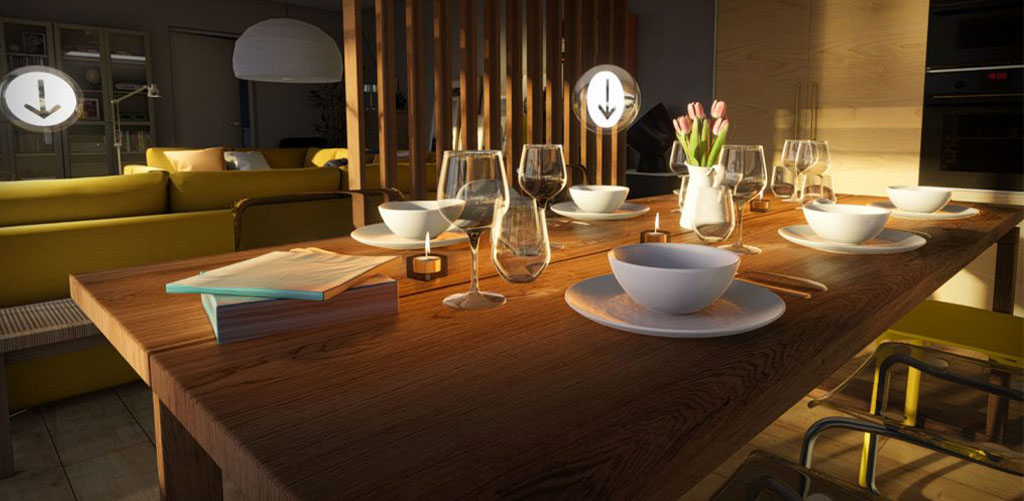
For example, with IKEA’s Virtual Reality Kitchen Experience, shoppers can virtually try out different kitchen layouts, modify existing ones, and see how different products will look in real time.

AR Design for Engaging Interactions

Augmented reality (AR) enriches user experiences by integrating digital content over the physical environment. Digital marketers, educators, leaders, and communicators all make use of augmented reality in their respective fields. As rightly said by Tim Cook, Apple CEO, that AI is “a powerful tool that can be used to enhance our understanding of the world around us and create new and innovative design experiences.”
For instance, Snapchat AR filters let users explore virtual clothes, apply digital makeup, and use interactive lenses for more efficient social media communication.
JD Institute offers the future-focused design education provided in their – Communication Design 4 years (ICwSU) UG program.

3D Design for Evolving Communication

The need for 3D design will continue to evolve. It plays a revolutionary role in communication design because it is transformative and empowering in itself.
Developers will build user characters, dynamic interfaces, and 3D elements for use in virtual environments.
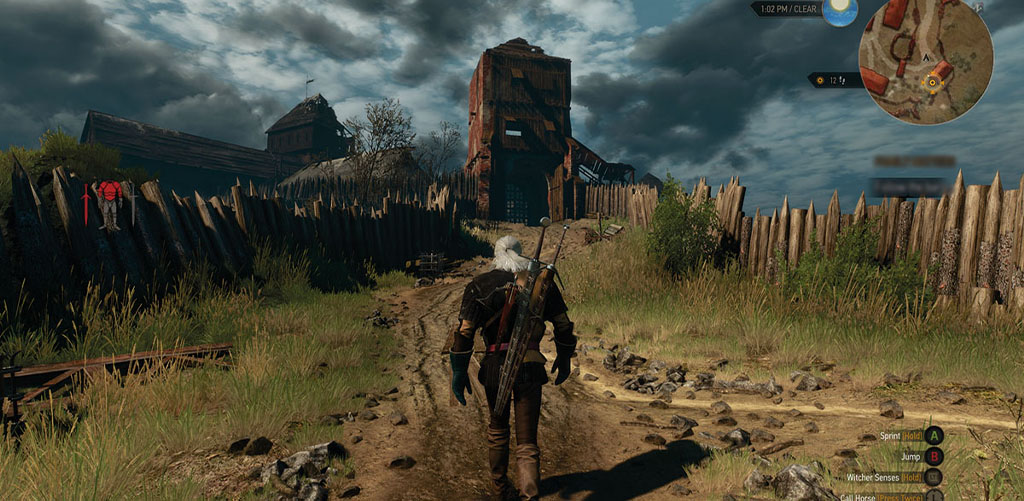
For example, open-world games like “The Witcher 3” feature expansive 3D environments with intricate details, offering players a captivating and immersive gaming experience.

Exploring Communication Design: Beyond the Metaverse

We’ve looked into what the Metaverse can offer, but there’s a lot more to come than just virtual environments. The future of communication design will continue to evolve:

1. Embracing the Realm: Beyond Screens

Communication will become an environmental experience, surrounding us with information and connection. Communication Design will seamlessly blend with our physical environment.
Example: A museum may bring historical artefacts into life through interactive 3D models, animated overlays, and contextual information.

2. Customisation Driven by AI

Expect a shift towards hyper personalization in communication design. AI will sort through user information and come up with personalised services.
Example: A fitness app might personalise exercise programmes and provide encouraging feedback based on a user’s past actions and current fitness objectives.

3. Extended Reality (XR) Experiences

Outside the Metaverse, Mixed Reality (MR), Augmented Reality (AR), and Virtual Reality (VR) technology will completely transform communication.
Example: Surgeons may use AR projections to view patient data in real-time during surgery for better efficiency and decision-making.
Beyond the Metaverse, Communication Design will improve in many ways. However, designers must ensure their creations are approachable to all, regardless of physical ability or technology.
At JD Institute, we equip you with the skills and knowledge to thrive in this evolving landscape. To become a Design leader, Enrol at JD Institute today!

Visual Merchandising: How AR and VR Are Revolutionising Retail

Friday, June 7th, 2024

The world of retail is undergoing a revolution, with futuristic technologies like Augmented Reality (AR) and Virtual Reality (VR) reshaping the way we shop. Leading this revolution is Visual Merchandising, often called the “silent seller,” which involves creating eye-catching and customer-focused store displays.
Not only are these technological innovations improving the shopping experience, but they are also changing the way customers engage with companies and products.

As AR and VR evolve, they have the ability to transform the retail industry by providing customised, immersive experiences that promote customer loyalty. But how do they do it? Let’s explore.

Enhancing Customer Experiences

AR and VR technologies can make customer experiences better in many ways, benefiting both retailers and shoppers.
Here’s a glimpse of how these technologies are impacting the industry:
Augmented Reality Retail: AR allows customers to interact with products virtually, offering features like virtual try-ons for clothing, makeup, accessories, and even furniture.
For example, AR furniture placement apps, such as IKEA Place, enable customers to visualise furniture in their homes before making a purchase. This seamless integration of real and digital environments is transforming customer buying habits.

Virtual Reality Shopping: However, VR is changing the way people shop by allowing them to explore stores from the comfort of their homes. According to Forbes, “VR-powered store tours can increase conversion rates by up to 30%, especially for online shoppers who crave a more immersive and realistic shopping experience.”
This benefits remote customers who seek a lifelike shopping experience without any geographical limitations.
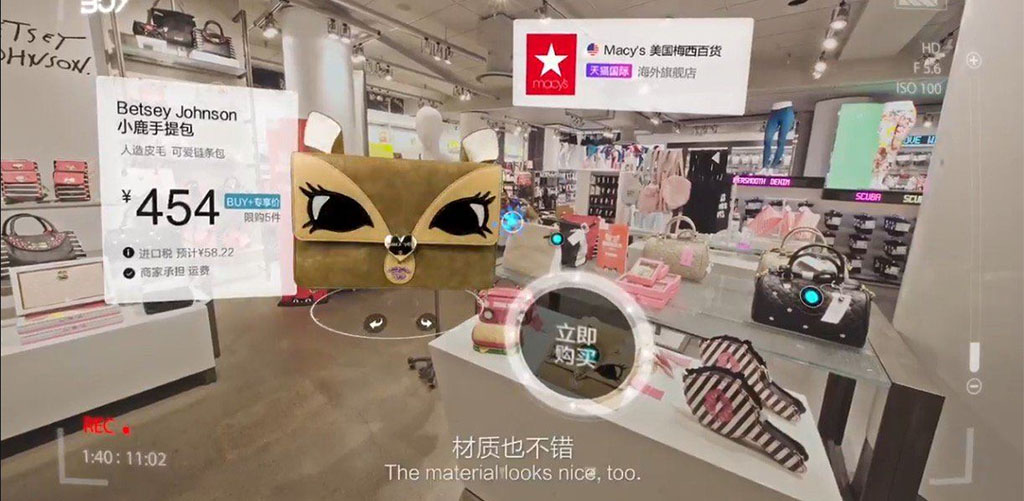
For example, Alibaba Buy+ allows customers to experience a virtual store environment using VR headsets, offering a lifelike shopping experience from anywhere.

At JD Institute, we recognise this evolving retail landscape. That’s why our programmes emphasise the blend of design and technology, equipping students to drive innovation in the retail industry.

Gamification of Visual Merchandising

Gamification is an effective tool to raise brand recognition and differentiation, boost sales and loyalty, and make experiences more enjoyable for both consumers and staff.
Retailers are able to develop immersive displays to engage customers and encourage product exploration. For example, Starbucks Rewards is a mobile app that offers an AR-based loyalty program. It rewards users with stars for purchases at Starbucks, which they can redeem for free drinks, food, or merchandise.

Streamlining Inventory Management

AR and VR technologies also have the potential to streamline inventory management and planograms. By merging digital data with physical spaces, retailers can optimise shelf layouts, track inventory in real-time, and make data-driven decisions.
This not only saves costs but also enhances the overall customer experience by ensuring that products are always available when needed.
The future of visual merchandising is immersive, interactive, and driven by technology.
Are you ready to be part of it?
Don’t wait. Enrol at JD Institute now and get ready for a career in visual merchandising like never before.

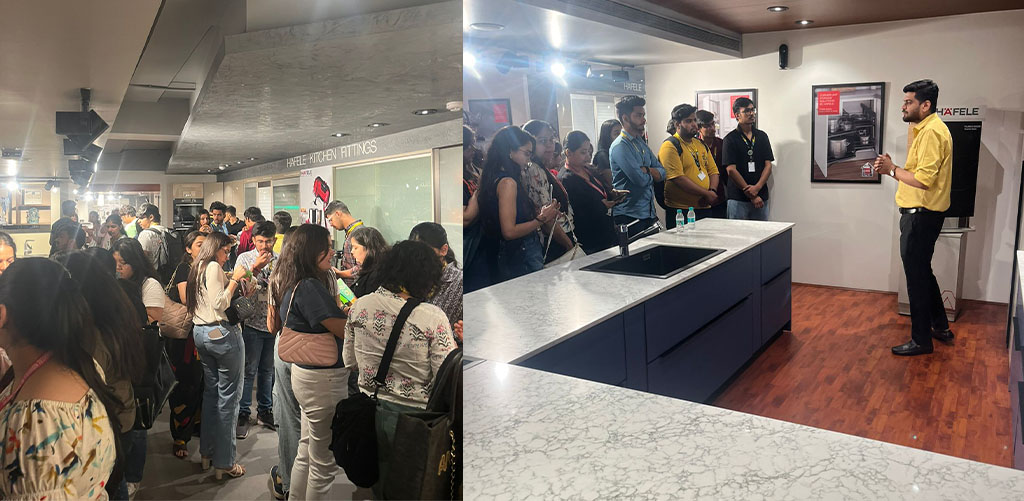
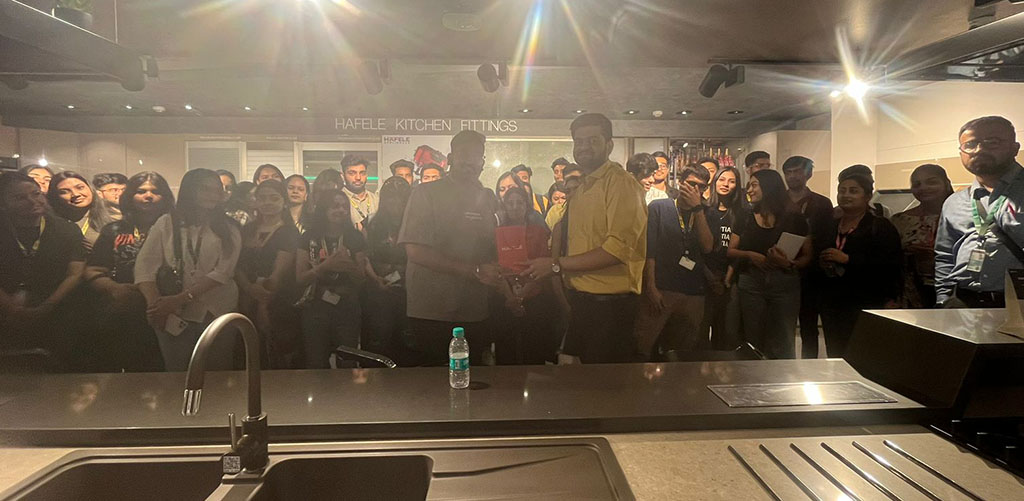
EXPLORING INNOVATION IN INTERIOR DESIGN: A VISIT TO HAFELE INDIA

Tuesday, April 30th, 2024

Introduction to Hafele, India

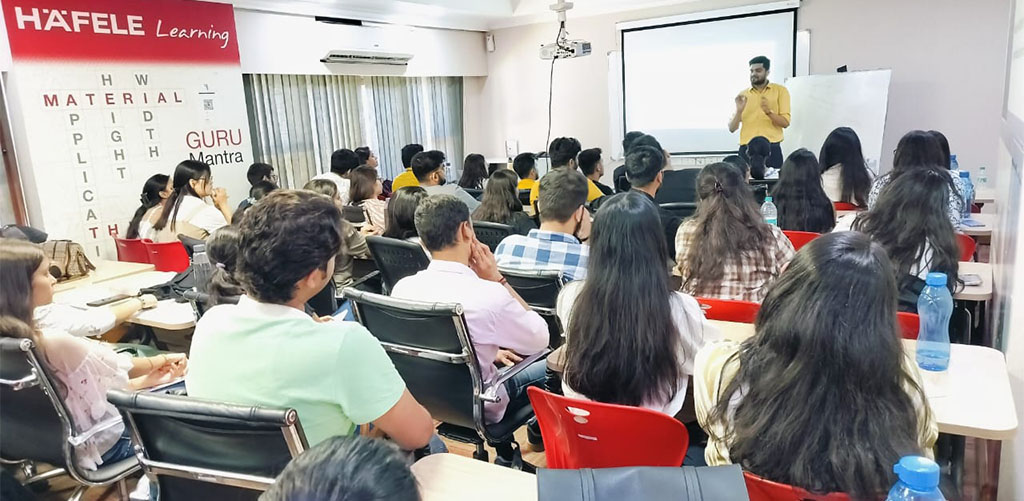
Today, our Interior Design students had an enriching opportunity to explore Hafele India, a global leader specialising in hardware, fitting systems, and electronic access control solutions. Trusted by professionals worldwide, Hafele serves diverse sectors including the furniture industry, architects, builders, dealers, joiners, cabinet makers, architects and planners.

Insightful Learning in Hafele, India

The day commenced with an engaging introductory session, where Hafele experts showcased the latest trends in modular kitchen, bathroom, and wardrobe designs. They also provided valuable insights into the innovative technologies and materials used in their products. Students engaged with industry experts, asking questions and gaining a deeper understanding of design principles and functionalities behind Hafele’s products.

A Tour of Hafele’s Showroom and Facilities

The tour of Hafele’s showroom and facilities was a highlight of the visit. Here, students witnessed firsthand the meticulous craftsmanship and attention to detail that distinguish Hafele’s offerings. Each product display served as a canvas, illustrating how these elements seamlessly integrate into real-world design projects. It gave them wisdom, information, and motivation that will serve them well in their future endeavours, both academic and professional.

Gratitude to Hafele India

JD Institute of Fashion Technology extends heartfelt gratitude to the Hafele team for their warm hospitality and for sharing their wealth of expertise with our students. This visit undoubtedly equips them with a deeper understanding of contemporary design trends and prepares them to excel in the evolving field of Interior Design.

Copyright © 2025 JD Institute of Fashion. All Right Reserved

Designed by Red Lemon

Whatsapp icon
Apply Now
Enquire
Quick Enquiry