
Apply Now

Author Archive

How Effective Communication Design Enhances Brand Visibility on Social Media

Saturday, August 17th, 2024

In today’s world, where social media is a big part of how we connect, making sure your brand stands out online is more important than ever. With so many brands competing for attention, it’s not just what you say that matters—it’s how you show it. This is where Communication Design comes into play, and it’s a skill that institutions like JD Institute of Fashion Technology are dedicated to teaching. Communication design is key to shaping how people see your brand, and it plays a major role in boosting your brand’s visibility. In this blog, we’ll explore how using effective communication design can help your brand shine on social media and why learning these skills is important for success.

The Importance of Communication Design in Social Media

Communication Design is the practice of creating visual content that effectively communicates your brand’s message. On social media, where users are filled with endless content, strong visuals can make your brand stand out. Well-crafted visuals attract attention, convey your brand’s values, and help build a connection with your audience.

For example, if a brand uses consistent colours, fonts, and imagery across its social media platforms, it enhances brand recognition and builds trust with its audience. This visual branding is what makes a brand memorable and easily identifiable, which is crucial in a crowded digital space.

Boosting Brand Visibility with Visual Branding

Visual branding is a critical component of Communication Design. It refers to the visual elements that define how a brand is represented across different platforms. Consistent use of colours, fonts, and design styles strengthens brand recognition and enhances brand visibility.

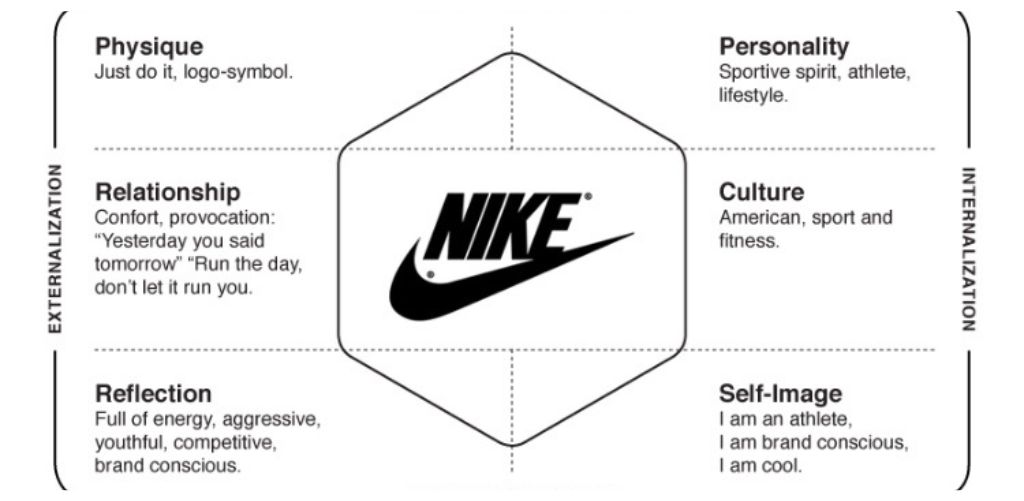
Take Nike as an example. The sportswear brand uses a distinctive colour palette and bold typography that are instantly recognizable. Their consistent visual branding ensures that every social media post, ad, or campaign is unmistakably linked to Nike. This strong visual identity not only increases brand recognition but also enhances brand visibility on social media, making Nike’s content stand out among the competition.
Enhancing Social Media Impact with Design Strategies

The Social Media Impact of your content is greatly influenced by your Design Strategies. Good design can make your posts more engaging, shareable, and effective in reaching a larger audience. Here are some key Design Strategies to enhance your social media presence:

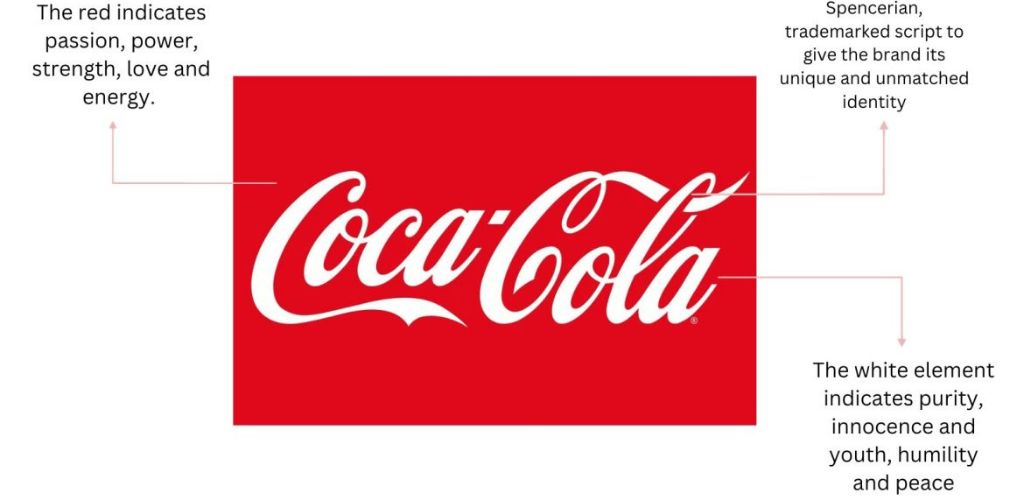
1. Consistency is Key: Use consistent colours, fonts, and design elements across all your social media platforms to build a strong visual branding that your audience can easily recognize. Consider Coca-Cola, a brand that has mastered the art of consistency by the use of its all time classic red-and-white colour scheme.
2. Know Your Audience: Customise your design to fit the preferences and needs of your target audience. This ensures that your content resonates with them and increases the likelihood of engagement.

3. Use High-Quality Visuals: Invest in high-quality images and videos. Poorly designed visuals can harm your brand’s image and reduce brand visibility.

4. Incorporate Storytelling: Use your design to tell a story. This not only makes your content more engaging but also helps convey your brand’s values and mission in a compelling way.

5. Test and Optimise: Use analytics to track the performance of your visual content and make adjustments as needed. This will help you refine your Design Strategies over time to better meet your audience’s preferences.

JD Institute provides comprehensive learning in Communication Design. The skills taught here are crucial for implementing such effective Design Strategies, which are key to enhancing brand visibility.

Utilising Data for Effective Design Strategies

Harnessing data is crucial for optimising Design Strategies and enhancing Brand Visibility on social media. Here’s how data can elevate your Communication Design efforts:

  1. Understand Audience Preferences:
    • Analyse metrics like likes, shares, and comments to determine which visuals resonate most with your audience.
  2. Optimise Visual Content:
    • Use performance data to identify which design elements and formats generate the most engagement.
  3. A/B Testing:
    • Test different design variations to find out which ones perform better and drive higher engagement.
  4. Predict Trends:
    • Analyse historical data to anticipate future design trends and adjust your strategy accordingly.
  5. Enhance Personalization:
    • Tailor designs to specific audience segments based on data insights to increase relevance and effectiveness. For example, Spotify uses data-driven insights to personalise its communication design for different user segments. 
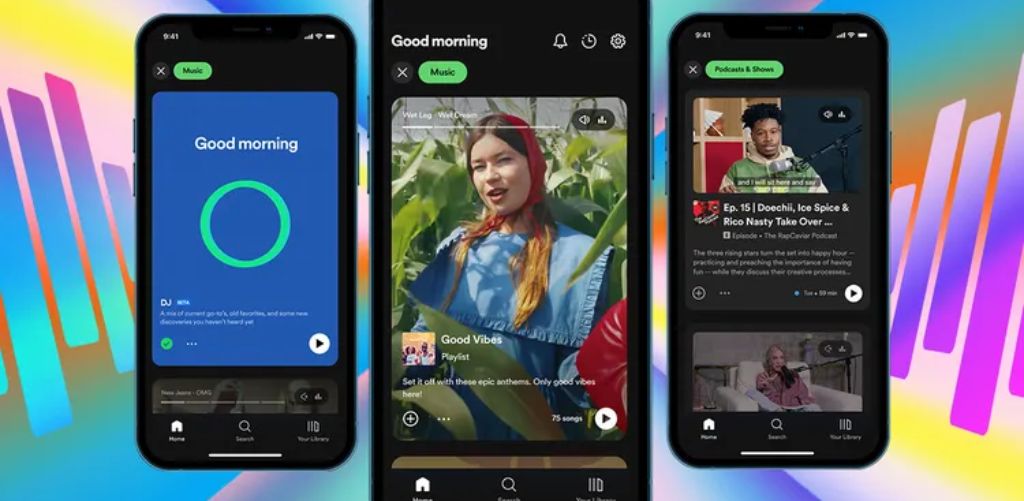
By incorporating these data-driven approaches, you can create more effective visual content that boosts brand visibility and engages your audience more successfully.

As the digital world continues to evolve, the demand for skilled communication designers will grow. JD Institute of Fashion Technology stands out as an outstanding institution preparing future leaders in this field, providing the education and tools necessary for success.
FROM VISIONARIES TO PROTOTYPES: HIGHLIGHTS FROM RECENT DESIGN WORKSHOPS

Saturday, August 3rd, 2024

JD Institute recently hosted a series of transformative events that set the stage for India’s Largest Student Design Festival, iFestival, scheduled for August 9th and 10th, 2024. Over two days, students engaged with industry leaders, participated in dynamic workshops, and showcased their innovative designs, offering a glimpse into the future of fashion and design. 

Day 1: Industry Insights and Inspirational Talks

The first day of the event was held at the Lokayata Art Gallery on July 15th, where students had the privilege of interacting with some of the most influential figures in the fashion and design world. The event featured notable speakers including Radhika Bhalla, Nitin Kartikeya, Ranjit Mukherjee, Rakhi Sharma, and Nidhi Sahu.

Radhika Bhalla, Content Director of The Word Magazine, inspired students with her insights on the future of fashion branding. She was particularly impressed by the prototypes created by the students, praising their creativity and vision. Her discussion provided valuable perspectives on evolving branding strategies, helping students understand how to navigate and innovate in the competitive fashion industry.

Nitin Kartikeya, Founder Director of Kartikeya India, shared his expertise on the intersection of fashion evolution and social media. His advice encouraged students to look beyond digital platforms and delve deeper into the essence of fashion. Kartikeya’s session was a catalyst for students to push their creative boundaries and explore new avenues in their design careers.

Ranjit Mukherjee, the Leader of The Vrindavan Project, provided insights into blending modern design techniques with traditional elements. His talk on futuristic design speculations and green building innovations left a lasting impression on the students, highlighting the importance of sustainable practices and innovative design solutions.

Ms. Rakhi Sharma and Ms. Nidhi Sahu, representatives from the Indian Federation of Green Energy, offered a crucial perspective on sustainability. Sharma’s discussion on green energy and renewable resources, coupled with Sahu’s insights into government measures for reducing carbon footprints, emphasised the growing importance of environmental considerations in design.

Day 2: Workshops for Creative Exploration

On July 16th, the event continued with two engaging workshops designed for students exploring career options in fashion and interior design. 

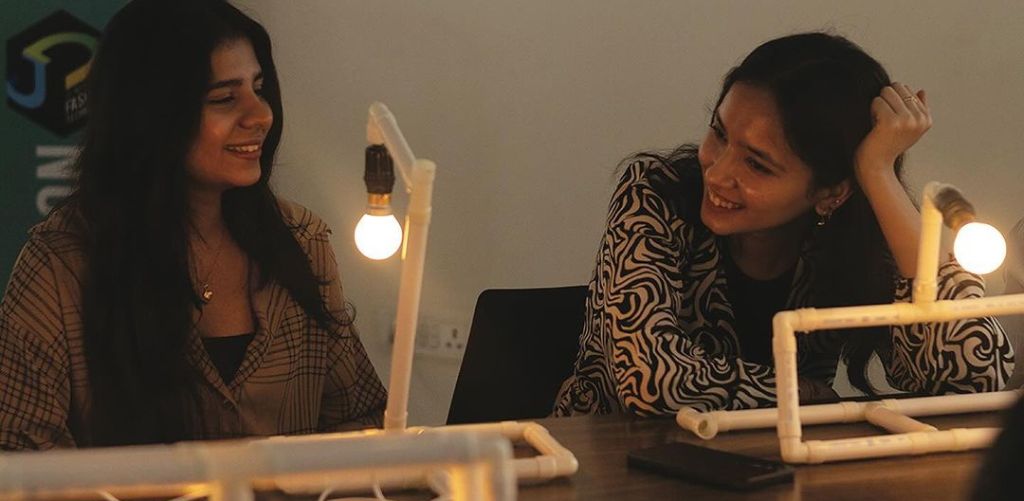
PVC Workshop: Participants in this workshop transformed ordinary PVC pipes into extraordinary art pieces, showcasing innovative uses of materials. The workshop emphasised the versatility of PVC as a material, showcasing its potential beyond traditional uses. Students experimented with different forms, structures, and finishes, allowing them to push the boundaries of conventional design. This hands-on experience encouraged students to think creatively and push the boundaries of traditional design techniques. 

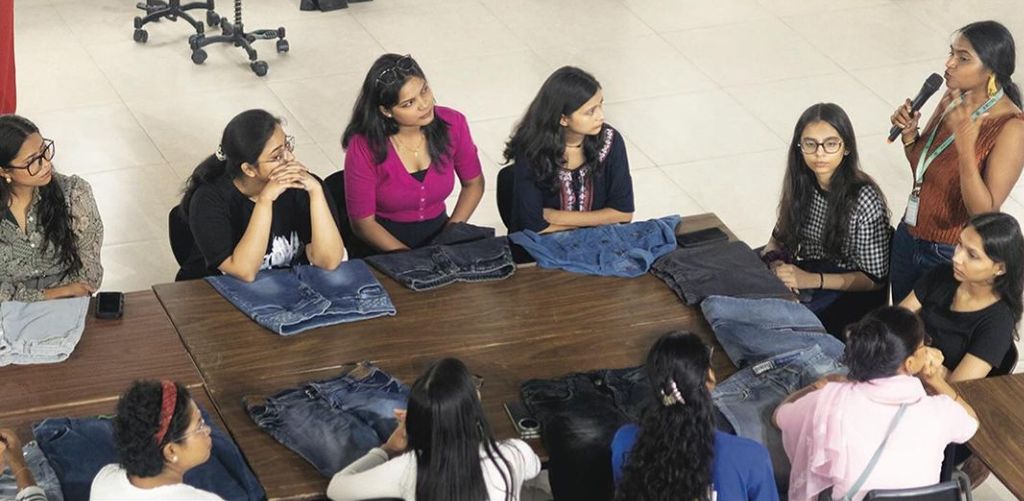
Denim Deconstruction Workshop: In this workshop, students explored the art of denim deconstruction, experimenting with new techniques to create personalised and unique denim pieces. The workshop highlighted the importance of individuality and personalization in fashion design. Students were empowered to create unique denim pieces that reflected their personal style and creative vision. They learned how to break down and reconstruct denim garments, incorporating elements like texture, colour, and pattern in innovative ways. This session offered practical skills and creative freedom, allowing students to develop a distinctive approach to denim design. 

The success of these workshops was largely due to the insightful mentorship provided by JD Institute’s faculty. Their hands-on approach and expert guidance helped students gain clarity on their career paths and inspired them to explore new possibilities in fashion and interior design.

After 12th Diploma in Interior Designing at JD Institute Delhi, Indiatest

Wednesday, July 31st, 2024

You are picking the right job after 12th forms a vast question. If you love art, creativity, and design, an interior design diploma from JD Institute Delhi would be the right career path. This article will introduce you to the advantages of studying at JD Institute, provide details on the courses offered at JD Institute, and encompass the overall opportunities offered to students studying Interior Design at JD Institute, one of the top Interior Design institutes in India. 

Why would you want a Diploma in Interior design?

A diploma in interior design brings a lot of opportunities in the DNS domain. Here are some compelling reasons to consider this course:

  • High Demand: The Interior design industry is rising to let out its demand for professional jobs. 
  • Creative Freedom: This field may establish your creativity; you feel like your idea is the best in the world, and you can do something about it. 
  • Diverse Career Options: This ranges from home construction to business and corporate buildings, making it a vast coverage area. 
  • Lucrative Earnings: As the jobs progress, interior designers’ good earnings are possible. 

About JD Institute Delhi

JD Institute of Fashion Technology Delhi, is well known for its course structure, and the faculty includes highly experienced people. They provide some of the best interior design courses after the 12th, enabling the learners to get a broad base and special training.

Course Structure 

The diploma in interior designing at JD Institute covers various aspects, including:

  • Design Principles: An appreciation of the principles of design. 
  • Space Planning: They pointed out learning how to use the space more effectively as an area of value they would get in availing the service. 
  • Material Knowledge: Broadband applications explain insights into various materials and receiving. 
  • Project Management: Acquiring strategies for planning, organizing, executing, and controlling to implement a project within a given time frame. 
  • Software Training: Proficiency in commonly used software such as AutoCAD, SketchUp, etc. 

Advantages of Learning at JD Institute of Fashion Technology

  • Experienced Faculty: Regarding the research topic: Learn from Industry Experts. 
  • Practical Exposure: Field-based exercises and live case scenarios. 
  • Industry Connections: Possibilities of making new contacts with other professionals. 
  • Modern Facilities: Modern equipment and facilities available with developed technologies.

Career Opportunities

Graduates with a diploma in interior designing from JD Institute can pursue various roles such as:

  • Interior Designer: Designing accommodation spaces that are functional and effortlessly visually appealing. 
  • Space Planner: They are restricted to space planning and utilization of opened surfaces. 
  • Project Manager: Supervising interior design jobs. 
  • Consultant: Developing and offering specific consultancy services in interior design projects. 

Why JD Institute Stands out

  • Holistic Education: As for the curriculum issue, the curriculum studies intertwine theory with practice. 
  • Student-Centric Approach: Centrality on the personal development of each student. 
  • Placement Assistance: Classes are held by prominent faculty and industry professionals, along with placement assistance for the students. 

How to Apply

Interested students must apply online at the JD Institute portal, where the information is available. The admission process typically includes: 

  • Application Form: Being online, it is necessary to complete the form where you need to provide the required information. 
  • Entrance Exam: The exams depend on the course; some might have an entrance test you must go through. 
  • Interview: A screening interview to determine your interest and suitability for the course in interior design. 

Conclusion 

Education brings change, and JD Institute Delhi offers a viable diploma in interior design for a successful career. Due to the intense curriculum with focused academics, well-trained faculty, and pragmatic methodology, it’s one of the finest interior design courses after 12th. Through this program, the student will have adequate knowledge and skills in the practice of interior design discipline required in this fast-growing and exciting world.

Importance Of Choosing The Right Interior Design Institute In India

Tuesday, July 30th, 2024

Selecting one of India’s best interior design institutes is vital to students who intend to make a promising career in interior design. The design fraternity as a profession has grown tremendously in India, which has led to the demand for professional interior designers. In this article, the authors explain why it is essential to select the best institute and what factors should be considered. 

Preliminary Tasks of an Interior Design Institute

An Interior Design Institute has a significant influence on their student’s future. These institutes offer the much-needed training, knowledge, and experience to succeed in the design world. A good institute gives a good education and a pathway to transforming and developing intellect in terms of imagination, analysis, and solving skills. 

Quality Education and Training

  • These Interior design courses are all-inclusive and embrace and incorporate theoretical and practical aspects. 
  • Skilled assuring that the teachers have industry experience. 
  • Advanced physical facilities and equipment and good capital facilities and equipment. 
  • Practicum exposing the students to workshops and internships. 

Exposure to Industry Standards

  • Contact representatives of enterprises in the framework of lectures and seminars they deliver. 
  • Engaging in local and global design competitions. 
  • Experience with other design firms or companies for actual design projects. 

Networking Opportunities

  • Concentrating on the relations with the students, graduates, and professionals. 
  • Opportunity to have numerous contacts for the following job vacancies and cooperation. 
  • Contact with the new trends and available solutions present in the interior design industry. 

Factors to Consider When Choosing an Interior Design Institute

Accreditation and Reputation

There is a need to make sure that the Interior Design Institute has accreditation of its programs and services from relevant bodies and has a good standing in the market. Thus, there is a guarantee that the education offered will meet some sort of quality level. 

Curriculum and Specializations

  • Search Institutes that offer many popular Interior Design Courses. 
  • Ensure that they offer niche services such as specializations in residing designing, commercial designing, sustainable designing, etc. 
  • Make sure that the curriculum of the classes is refined and changed from time to time to adapt to innovations in the market. 

Faculty and Mentorship

  • Find out whether the intended school has qualified faculty, their experience handling students, and their teaching methods. 
  • Check for Institutes with mentorship centers and let the students gain experience from industry professionals. 

Infrastructure and Resources

  • Cutting-edge designing studios and labs. 
  • Availability of the up-to-date software and material used in the designing processes. 
  • There are many library resources available for designers, though most do not comprehensively cover the basic and advanced resources. 

Placement Assistance and Alumni Network

  • The placement records of institutes play a significant role in boosting the students’ careers. 
  • Strong alums can be of great help and could offer job referrals. 

Benefits of Attending a Top Interior Design Institute

Enhanced Career Opportunities

The prospect of having no job opportunity with Graduation from the Interior Design Institute smooths immediately with graduation from a reputed Interior Design Institute. Management institutes have close ties with industries; some provide excellent placement facilities. 

Skill Development

These institutes concentrate on the education of both hard and soft skills. Students lay their hands on sophisticated design tools, grasp concepts of layouts, and acquire a more stringent sense of aesthetics. Also, they obtain such soft skills as communication and project management skills that may be vital in shaping their careers. 

Personal Growth

Education at a well-established Interior Design Institute is characterized by personal development. Students can foster creativity, interact in groups, and properly plan and organize their time. It also investigates and matters to establish an individual design style and concept. 

Conclusion 

Therefore, selecting an appropriate Interior Design Institute in India is a strategic endeavor for a student who wants to establish a career in interior design. The right institute offers good educational and training experience and opens up opportunities for the individual’s development. The factors involving accreditation, curriculum offered, faculty, facilities, and placement assistance greatly influence the student’s decision, which will shape their future. The systematic exercise of expending ample time and energy in choosing the right institute will lead to a more fruitful career in interior design.

Fashion Designing: Strategies for Success – JD Institute Delhi, India

Tuesday, July 30th, 2024

Fashion design is a field filled with vivid changes in a continuum designed to assist creative persons. The JD Institute of Fashion Technology, India, has detailed fashion design courses and is pervading this industry. Techniques having sustainable effectiveness in fashion designing is the aim of this article. It also concentrates on identifying the best fashion designing institutes for succeeding in this career and the options they offer. 

Selecting the Right Fashion Designing Course

Selecting the ideal courses in fashion design is essential to make a great start in this line. Any aspiring fashion designer will find JD Institute of Fashion closely meeting his needs since the Institute has a wide range of programs depending on the student’s experience and Goals. Every qualification level, starting with the diploma course, is available for students, which implies there is something for everyone. 

  • Comprehensive Curriculum: Search for programs that explore a wide area of interest such as Textile Design, apparel construction, Fashion Marketing, merchandising, etc. 
  • Practical Experience: Experience/workshop is quite crucial. JD Institute offers internships and live projects to assist the students in acquiring practical experience. 
  • Industry Connections: Industry tie-ups can be other advantages; institutions close to the industry can put their students in better-placed jobs than institutions not so close to the industry. 

Why JD Institute is Among the Best Fashion Designing Institutes

JD Institute is one of the best fashion designing institutes because of its all-around teaching method and professional incorporation. 

  • Experienced Faculty: From seasoned practitioners and consultants who also teach from real-world experience to the students. 
  • State-of-the-Art Facilities: Availability and utilization of state-of-the-art equipment and information sources help students be trendy. 
  • Innovative Teaching Methods: The institute uses modern teaching techniques that allow creativity and innovation to be attained.

Building a Successful Career in Fashion Designing

Fashion designing is a profession that involves marketing creativity, practical skills, and good business sense. Here are some strategies to succeed: Here are some strategies to succeed: 

  • Stay Updated on Trends: First, it is necessary to mention that the fashion industry is highly volatile and constantly in flux. Stay current with new developments in the diverse areas of technology. 
  • Develop a Strong Portfolio: Use it to present your samples to any employer or client you intend to work for wherever you are in the world. A good portfolio earns one a ticket to the promised land. 
  • Network: Networking with workers within the trade area can lead to an internship, employment, or business opportunity with that person or company. 

Importance of Internships and Practical Training

Thematically, internships are an essential component of education in fashion design. They offer practical classes and a preview of the working environment. JD Institute has links with the most prominent fashion brands to provide worthy internship programs. 

  • Real-World Experience: Internship enables the students or individuals to merge the theories learned with practical exercises. 
  • Skill Development: When working on live projects, the professionals can adopt different technical and creative skills. 
  • Industry Exposure: Acquaintance with the functioning of the Fashion Industry, its workings, and other business aspects. 

Opportunities for Career in Fashion Designing

Since JD Institute is a fashion college, graduates can apply for different positions in the fashion field. Here are some potential career paths: 

  • Fashion Designer: Design garments, accessories, and shoes that are unique and never produced. 
  • Fashion Stylist: Building personal style with the clients. 
  • Fashion Merchandiser: Control the manufacture and selling of fashion products. 
  • Textile Designer: Create clothing and home designs in terms of the fabric type and pattern to use. 

Conclusion 

One cannot agree more that fashion designing involves choosing the right course of study and accepting valuable experiences. Education in fashion design is very effective at JD Institute Delhi, India, and their course offers good ground for fashion designers. Thus, with proper training and exposure in this field, the students are fit enough to embark on a successful career in fashion design. Selecting from the best fashion designing institutes will help you open doors to the exciting fashion world. 

Mastering Event Color Palettes for Unforgettable Experiences

Monday, July 22nd, 2024

Choosing the appropriate colour scheme for your event can significantly enhance the creation of a memorable and influential experience. Colours possess the ability to produce emotions, communicate messages, and establish the atmosphere for the entire occasion. If you are organising a corporate conference, a wedding, or an educational event, having knowledge about the psychology and principles of colour can assist you in creating an environment that really connects with your audience. 

Prior to exploring any of these principles, it is essential to have a clear understanding of their definitions and how they relate to the subject of Event Management. We’ll also explore the secrets to choosing the perfect event palette and reveal how JD Institute’s cutting-edge programs equip students with the knowledge to create visually stunning events.

Why Colour Is Important for Event Design?

Colours have the power to capture people’s attention, create an atmosphere, and evoke emotional responses. Here are a few important factors why colours are essential when preparing an event:

  1. They Set the Mood and Atmosphere
  2. Communicate Brand Identity and Theme
  3. Influence Attendee/Visitors Behaviour
  4. Enhance Visual Appeal and Aesthetics
  5. Assist with Location/Geographical Navigation
  6. Enhance Psychological Comfort and Engagement

While there are many other reasons why colours are important, understanding their psychology is essential to understanding them.

The Psychology of Colour in Event Design

Colour is a powerful medium that can effectively communicate many meanings and evoke diverse responses. Visual media production, including art and advertising, has historically employed it, and it also holds significance in the realm of event management.

Learning colour psychology is essential for event planners who aim to establish the appropriate ambiance and evoke specific emotions in participants. The following is a concise summary of typical colour associations:

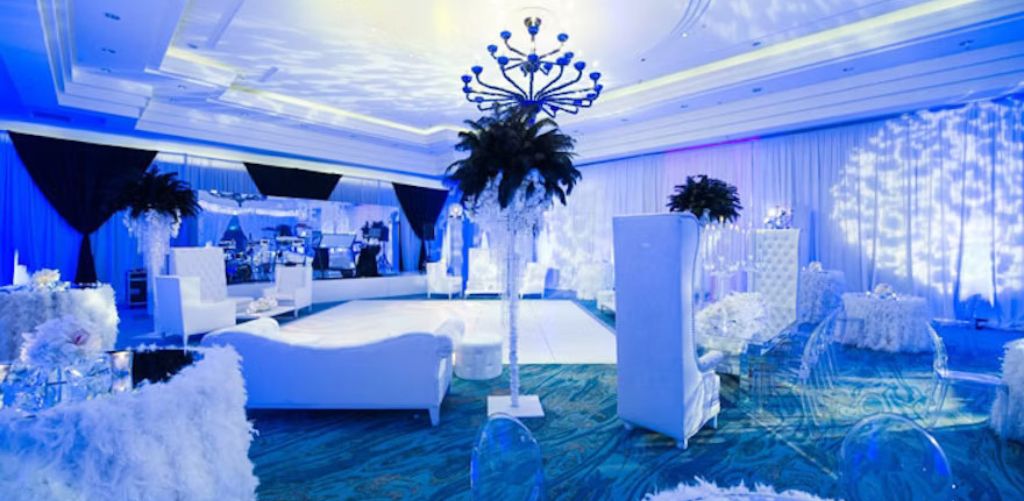
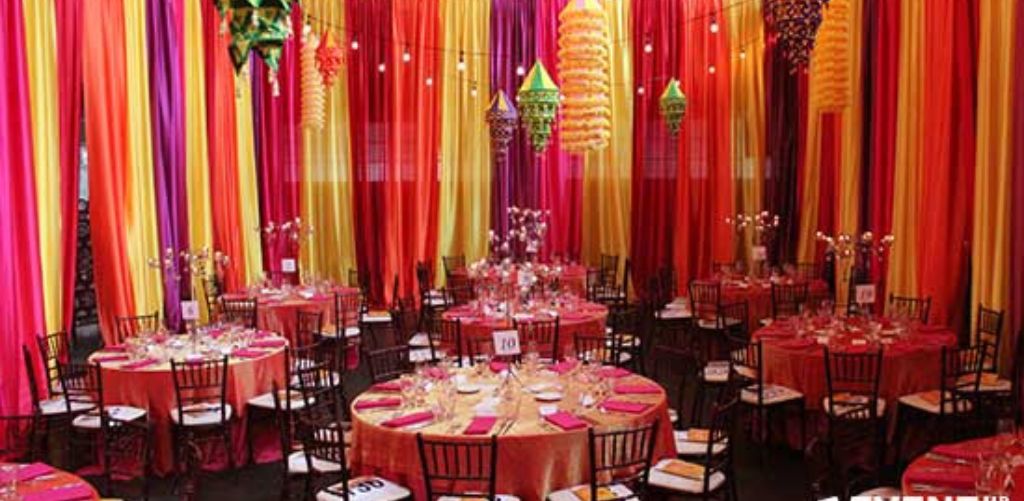
Blue is noted for its Soothing and Trustworthy attributes. It is particularly suited for corporate events or conferences that prioritise professionalism and reliability. For Example, a tech conference could use various shades of blue to evoke a sense of reliability and calm, encouraging productive discussions.

Red is usually known for conveying Love, Excitement, Passion, Energy. It is a colour that usually commands attention. This makes it suitable for events where you want to create a sense of Urgency or Importance. For example, fundraising events might use bold red accents to stimulate enthusiasm and drive donations. 

Green, on the other hand, symbolises Growth and Harmony. It is perfect for events centred around nature and wellness. For example, since 2002, the United States has held Green Festivals with the goal of reducing waste and attracting over a million attendees.

Yellow is summertime, and denotes Cheerfulness, Creativity, Enlightenment, Innovation, and Fascination, sparking inspiration in both designers and visitors. For example, the yellow colour employed on the homepage of the Yellow Pony’s website expresses vibrancy, warmth, and a sense of cheerfulness. That is the impact that the ideal yellow colour for a website should create on its visitors. 

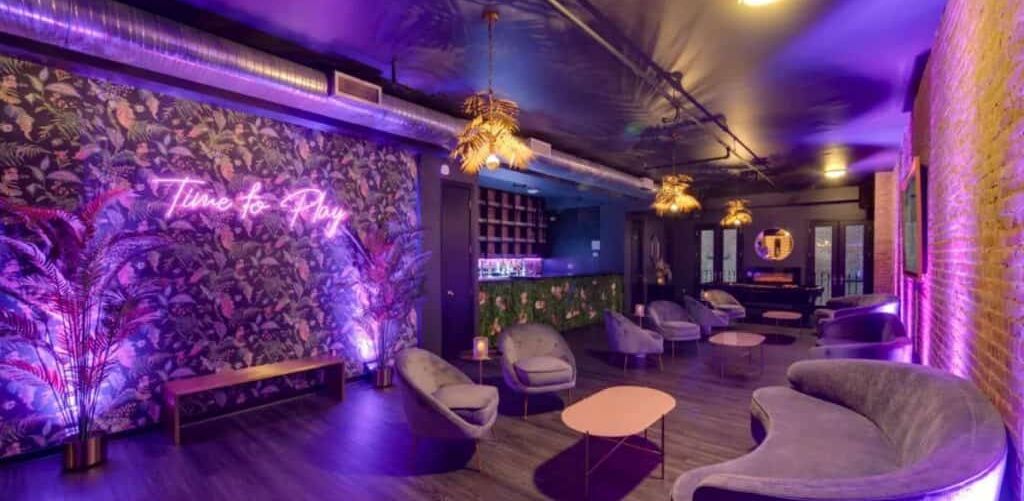
Purple is often associated with Luxury, Creativity, and Mystery. It can add a sense of grandeur and elegance. For example, a high-end fashion show might use deep purple to evoke a sense of luxury and exclusivity or a luxurious Purple theme party. 

    At JD Institute, students extensively explore colour theory and its practical applications in their lectures. This knowledge enables them to understand the significance and importance of colour, ensuring that if they pursue a career in Event Management, they will always possess the ability to select colours with skill and intuition.

    Factors to Consider When Choosing an Event Palette

    Choosing the ideal colour scheme is more than simply selecting your preferred colours. Take into consideration these important factors to ensure that your colour scheme enhances the overall event experience:

    Define the Event’s Goals

    Understand the event’s purpose and what you want to achieve. Are you aiming for a formal, professional setting or a lively, informal gathering?

    For example, a corporate event may enhance its ambiance by using an optimised, subtle colour scheme, while a children’s birthday party could create a lively atmosphere by incorporating vibrant, cheerful colours. So one should analyse and select appropriate colour schemes accordingly.

    Know Your Audience

    It is essential to recognise the preferences and social associations that your audience has with colours. Adapting your colour choices to the preferences and ethnicities of your audience provides a more captivating engagement. 

    For example, to set up a lively and energetic atmosphere for a birthday party, it is advisable to use brilliant colours such as bright reds, blues, and yellows.

    Stay Updated With Current Trends

    Staying updated with colour trends can provide your event with a modern and innovative approach. Search for current seasonal colour trends or industry-specific colour palettes.

    For example, incorporate the Pantone Color of the Year to align with current design trends. Peach Fuzz is announced as the Colour Of The Year 2024.

    Venue and Location

    The event space itself plays an important role in Event palette selection. Consider the venue’s features like wall colours, flooring, or architectural elements to ensure a harmonious blend between the space and the event design. For example, for open-air events, consider the surrounding landscape and how your palette will interact with nature.

    By carefully considering all of these factors, event organisers can develop colour schemes that are both aesthetically pleasing and strategically in line with the event’s objectives, target audience, and setting. JD Institute’s comprehensive curriculum keeps students ahead of trends. Our unique learning approach ensures that students are well-prepared to tackle complex colour decisions in their future Event Management careers.

    Transformative Knit Fabric Workshop at JD Institute with Texongo CEO

    Thursday, July 18th, 2024

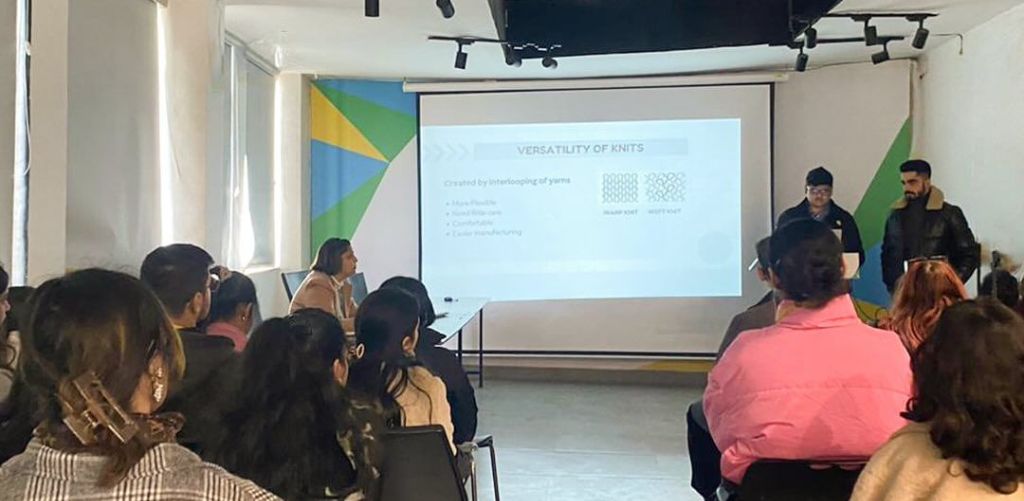
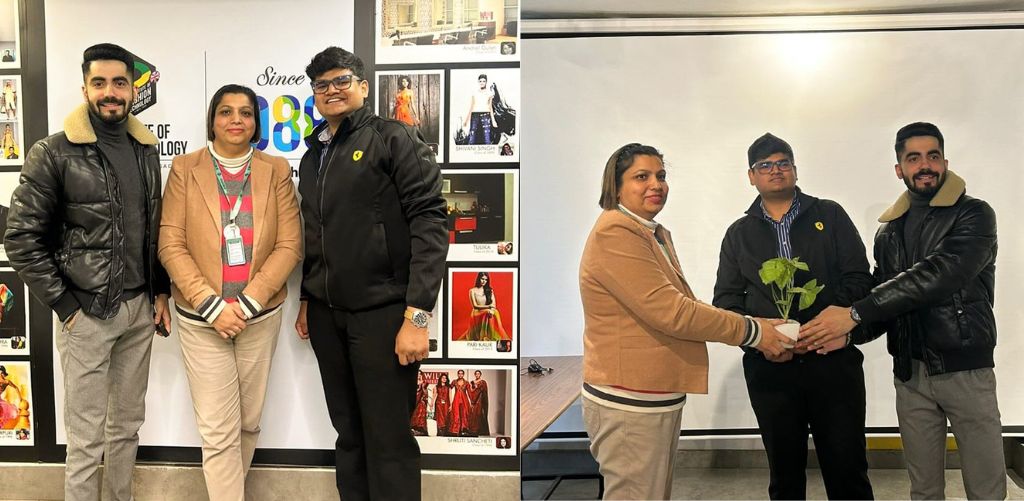
    The JD Institute of Fashion Technology is a leading institution that drives fashion innovation and creativity, constantly challenging limits and motivating the future designers. The institute conducted a session that had a profound impact on its students. The workshop, led by Texongo CEO Aman Gupta, explored the complex realm of knit fabric, combining artistic expression with environmentally conscious practices. This comprehensive encounter served as a demonstration of the influential role that education plays in determining the future of the fashion industry.

    The Fascinating Versatility of Knit Fabric

    The fashion industry has widely favoured knit fabric due to its adaptability, ease of use, and design appeal. The workshop commenced by delving into the numerous and diverse options that knit fabric provides. Knit fabric’s versatility and flexibility make it an essential component in the toolset of every fashion designer, whether they are creating casual wear or high-end couture. Students were acquainted with diverse varieties of knit materials, each possessing distinct characteristics and conceivable applications.

    The Fibre Fusion Harmony

    One of the workshop’s prominent highlights was exploring the possibility of fibre fusion. This method entails combining various fibres to produce distinct fabric characteristics, hence improving performance, longevity, and visual appeal. Students were educated on the process of combining natural and synthetic fibres to create garments that possess both aesthetic appeal and practicality while also being environmentally friendly. 

    Adopting Sustainable Knitting Techniques

    The JD Institute of Fashion Technology workshop emphasised sustainability, a crucial aspect of modern fashion education. Aman Gupta emphasised the importance of incorporating sustainable techniques into knitwear design. The programme emphasised several methods by which designers may contribute to a more sustainable economy, such as procuring eco-friendly fibres and reducing waste in the manufacturing process. 

    Students were motivated to reflect on the life cycle of their ideas, taking into account aspects such as longevity, recyclability, and biodegradability. This comprehensive approach to design ensures that sustainability is not an afterthought but an essential component of the creative process. Through the adoption of sustainable stitching techniques, students gain the ability to positively impact the environment through their artistic pursuits.

    Fostering Creativity and Integrity

    The JD Institute of Fashion Technology’s workshop acted as a catalyst for creativity and long-term viability, surpassing a mere educational experience. The workshop provided students with the necessary information and abilities to responsibly create by fully engaging them in the art of knitting fabric. Aman Gupta’s profound knowledge and enthusiasm for knitwear motivated students to expand their creative horizons while prioritising a sustainable future.

    The workshop delivered a profound and significant perspective that integrated the fascination of knit fabric with the process of combining different fibres, the exploration of knitting centres across the world, and the dedication to promoting sustainability. We are grateful to Texongo CEO Aman Gupta, who showcased creativity, innovation, and a responsible approach, inspiring young fashion designers to contribute to a more sustainable and promising future.

    Big Impact, Small Budget: Event Design Hacks You Need to Know

    Monday, July 15th, 2024

    Event Management on a budget is all about being resourceful and thinking creatively. However, with budgets often tight, it can be a challenge to achieve the “woah” factor without breaking the bank. But don’t let financial limitations stop your creativity. With some clever event design hacks, you can create a stunning and memorable experience without breaking the bank. 

    Mastering Event Design on a Budget

    A survey by EventMB found that 78% of event planners consider budget constraints their biggest challenge. Therefore, the initial step to achieving an effective event design involves employing innovative problem-solving techniques and making intelligent choices when sourcing materials and resources. Begin by clearly outlining your event’s concept and giving priority to the elements that will have the most significant influence. By adopting this targeted strategy, you may effectively utilise your resources and save on wasteful expenditures. At JD Institute, students learn to overcome this obstacle through cost-effective event planning learning.

    The Power of DIY Event Design

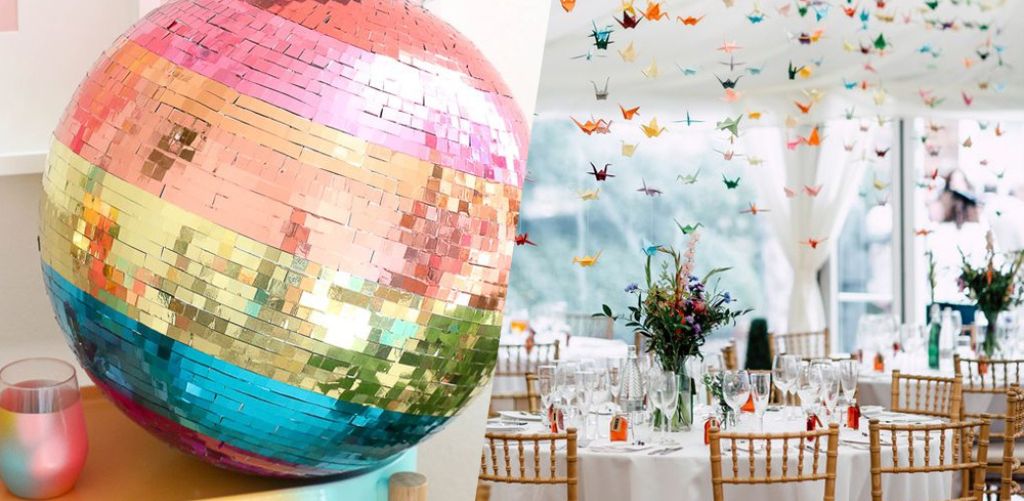
    Unleash your inner event style and embrace DIY (Do it Yourself) projects for your event decor. DIY event decor not only cuts costs but also adds a personal touch to your event. Consider using materials like paper, fabric, or even natural elements like branches and flowers to create eye-catching displays. Old jars, bottles, and cans can also be transformed into beautiful pieces with a bit of paint and creativity. Crafting your decorations allows you to customise them to fit your theme perfectly. Not only will this save you money, but it will also create a sense of community and ownership among your team. Plus, the handmade elements will bring a unique and personal touch to your event, making it truly special.

    Embrace Creative Rentals

    Innovative event rentals can completely transform low-budget event design. Instead of buying expensive furniture and decor, consider renting them. A variety of reasonably priced solutions are available from rental providers, allowing you to enhance the appearance of your event. Schools or theatres in the area may be able to rent out items and set pieces for a lot less money than professional event services. You can find one-of-a-kind decorations for your event at sale markets or shops that sell old things.

    Affordable Design: Subtle Details, Significant Influence

    Sometimes it is the smallest characteristics that have the most significant influence. Cost-effective design concepts have the potential to totally transform your Event Management without causing a significant financial burden. Consider utilising magical lighting to establish an enchanting atmosphere or integrating blooming plants to add a touch of nature. Balloons are a budget-friendly decorative choice that may enhance the visual appeal and enjoyment of any occasion. Additionally, build relationships with local suppliers, and don’t be afraid to negotiate prices, especially for bulk purchases. Online marketplaces and wholesale suppliers can offer significant discounts on decor items, fabrics, and lighting.

    Repurposing Resources: Maximise the Use of Existing Assets

    Utilising resources for different purposes is a skill that can significantly reduce the expenses of your event. Look around and see what items can be reused or repurposed for your event. For example, table linens used during dinner can be repurposed as backdrops for a photo booth later in the evening. Floral arrangements from some ceremonies can be moved to decorate the reception area, or even leftover materials from DIY projects would work great. This approach not only saves money but also reduces waste.

    At the JD Institute, we understand that resourcefulness and creative thinking are essential skills for successful event designers. Our courses are designed to nurture these abilities, preparing students to tackle real-world challenges with innovative solutions for Event Management. So, unleash your creativity and start your event management journey today with us!

    JD Institute Students Explore Weaving Artistry at Weavers Centre

    Saturday, July 13th, 2024

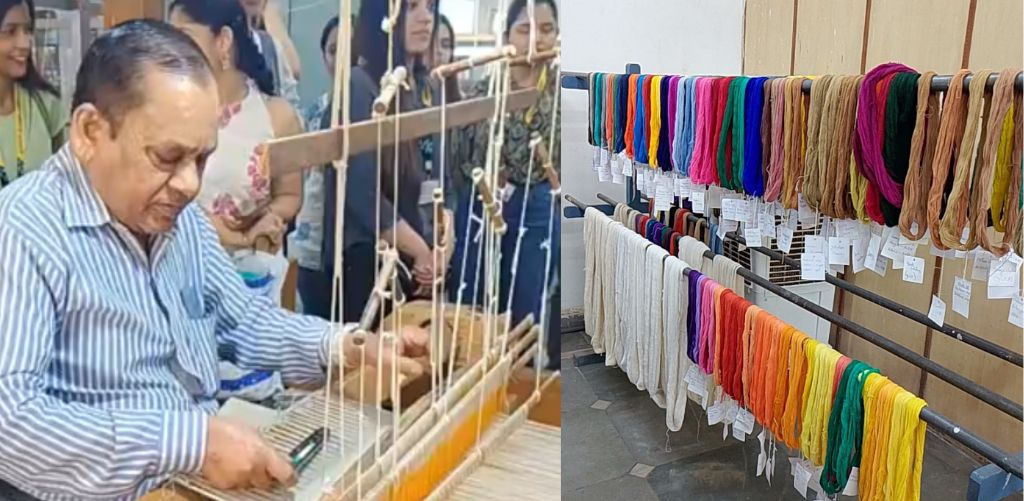
    Students from JD Institute recently embarked on a captivating and immersive visit to the Weavers Centre. The purpose of this visit was to offer practical experience in different weaving methods and fabrics, while encouraging direct engagement with experienced craftsmen. The purpose of the journey was to enhance the students’ comprehension of the complex craft of weaving, highlighting the painstaking procedures and the perseverance of the weaving culture.

    Exploring the Art of Weaving

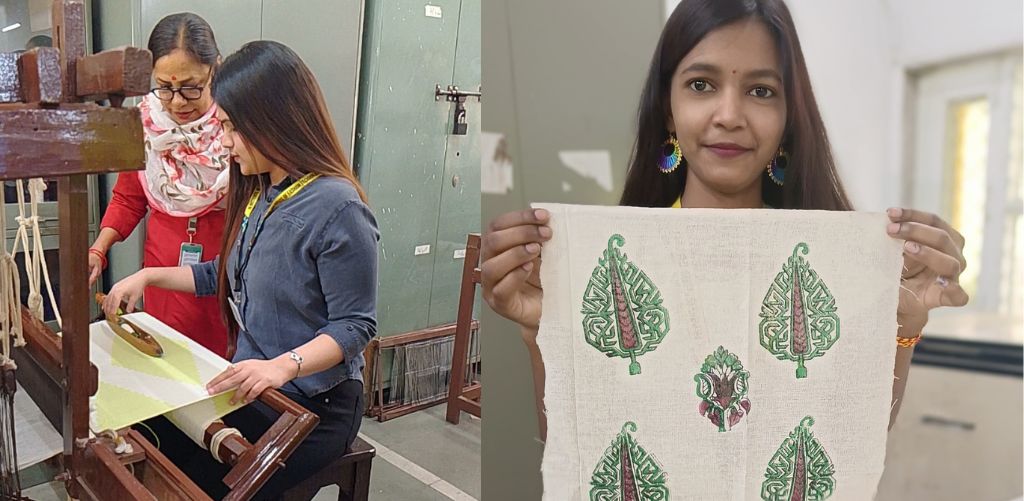
    Fundamental to this educational experience was an in-depth exploration of the art of weaving. The students witnessed the complete sequence, starting with the careful selection of raw materials and ending with the production of the final woven items. By engaging directly in the process, they gained a thorough understanding of the skill and commitment necessary for textile manufacture. The weavers showcased a range of ancient and modern weaving techniques, offering important insights into the craftsmanship that turns raw materials into exquisite textiles.

    Hands-on Training and Engagement with Skilled Craftsmen

    The opportunity for students to interact individually with the weavers was a highlight of this educational trip. These conversations shed light on the real-world challenges that craftspeople face daily. Discussions helped the students understand the importance of adaptability, creativity, and problem-solving skills in keeping this age-old trade alive in today’s competitive marketplace. The storytellers among the weavers brought attention to the unique combination of heritage and modernity in their craft.

    Market Dynamics of Woven Products

    Furthermore, the students delved into the economic dimensions of the trade in addition to comprehending its technical intricacies. They acquired knowledge of market dynamics, encompassing factors such as pricing, demand, and customer preferences specifically related to woven items. This experience enabled them to recognise the economic feasibility of traditional crafts and the elements that impact market trends. The Weavers Centre functioned as a dynamic marketplace, exemplifying the equilibrium between preserving ancient methods and adjusting to modern market requirements.

    Transformation in Tradition

    The Weavers Centre eventually became a focal point for both traditional and innovative activities. The centre demonstrated the ability of traditional crafts to adapt and prosper in a contemporary setting. The students observed inventive weaving methods that maintained the trade’s fundamental nature while incorporating novel materials and methods. The fusion of traditional and contemporary elements offered a compelling example of how we can preserve and revitalise cultural heritage in the modern era.

    Motivation and Future Applications

    Upon departing the Weavers Centre, the students felt an overwhelming sense of inspiration. With greater admiration for the skill and perseverance required in weaving, they returned back to the JD Institute. The trip demonstrated the life-altering potential of hands-on learning by exposing students to experienced artisans and their work. Whatever their future plans, the students were eager to apply their knowledge in the creative industries of Fashion Design domain.

    Experiencing the Weavers Centre was more than just an educational trip; it was a journey into the heart of textile craftsmanship. JD Institute students gained invaluable hands-on experience and insights into the world of weaving. By interacting with skilled artisans and exploring the market dynamics of woven products, the students developed a deeper appreciation for the craft.

    Interactive and Immersive Experience: The Future of Event Design

    Friday, July 12th, 2024

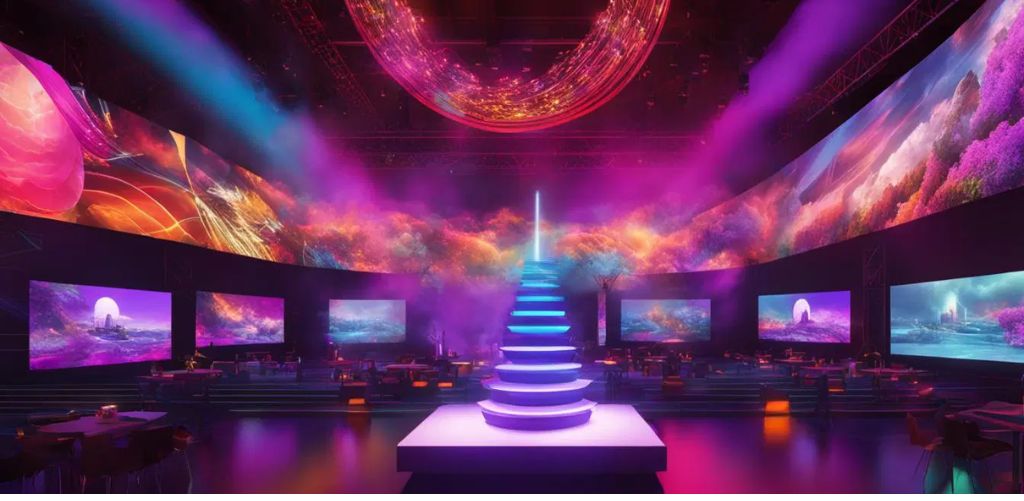
    Imagine walking into an event where the walls light up with changing colours, digital elements mix with the surroundings, and the line between the virtual and real worlds fades away. Exciting, isn’t it? This is the Future of Event Design, where creativity and technology blend seamlessly to create unforgettable experiences. And the best part? It’s closer than you think! Get ready to step into a new era of immersive and interactive events. 

    From interactive event design to virtual and augmented reality, innovation and creativity are shaping event design. JD Institute empowers students with cutting-edge knowledge and skills, positioning them as leaders in this dynamic field of the design industry.

    Event Technology Trends to Look Out For

    In an age where technology touches every part of our lives, the event design industry is evolving rapidly. The future of events lies in blending cutting-edge event technology trends with innovative Interior Design solutions. This powerful combination is reshaping the experiences for audiences. Let’s explore the latest event technology trends and how to use them to create immersive event spaces.

    Projection Mapping

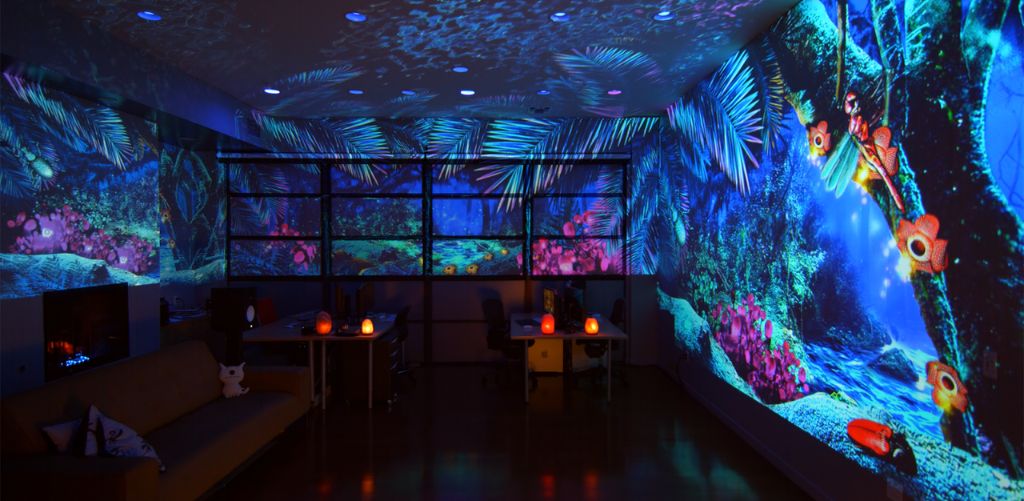
    Projection mapping is a technique of displaying images or videos onto surfaces to create dynamic and immersive environments. This technology is used to project digital images and animations onto walls, ceilings, floors, and even furniture. For Event Management, it offers the ability to build amazing visual displays that are both visually appealing and practical. 

    Augmented Reality (AR) and Virtual Reality (VR)

    A study by The Brand Experience Research Group found that 80% of the audience liked brands that used AR and VR for interactive displays. AR and VR combined with smart interior design can help boost creativity, engage audiences, and create a lasting impact. Augmented Reality (AR) enhances the real world by overlaying digital information or objects onto it, while Virtual Reality (VR) engages users in entirely computer-generated environments, cutting them off from the physical world. 

    For example, AR lets you point your phone at products and see cool information come alive right before your eye, while VR lets you explore event spaces virtually, allowing attendees to participate from anywhere in new and innovative ways, such as through interactive virtual event platforms and live streaming. 

    AI-Powered Personalization

    Artificial Intelligence (AI) will provide customised experiences by analysing participant data to provide suggestions and material that is relatable to them. 

    For example, AI chatbot could be an effective tool for attendees to ask questions about any event and receive immediate answers. With the help of it, designers can maintain a continuous flow of interested customers. Looking to offer attendees 24/7 chat support for inquiries about your event? Set up an AI chatbot on your event website!

    Sustainable Event Practices

    The events industry is increasingly prioritising sustainability, with more events adopting eco-friendly practices. Innovative Event Management practises could include-

    1. Using recycled or upcycled materials
    2. Implementing energy-efficient lighting
    3. Sourcing food and beverages locally and organically
    4. Designing spaces that minimise waste and maximise resource efficiency.

    Mobile Integration and Personalization

    Event planners are utilising Mobile apps and QR codes to enhance the event experience by providing attendees with personalised material and exclusive deals. With this technology, event planners can give customers a more customised and captivating experience. This technology in Event Management enables customers to view project information, communicate with their designer, and even make purchases. With these tools, designers can give their clients a more smooth and individualised experience, which can lead to better results and stronger connections. 

    At JD Institute of Fashion Technology, students are at the forefront of integrating cutting-edge event technology to create exceptional and immersive experiences. Build a strong foundation for a successful career in event management with us. Take the first step towards a rewarding future and enrol now to enter the dynamic world of Event Management!

    Copyright © 2025 JD Institute of Fashion. All Right Reserved

    Designed by Red Lemon

    Whatsapp icon
    Apply Now
    Enquire
    Quick Enquiry