
Apply Now

Author Archive

Elevating Spaces: The Art of Textures and Patterns in Interior Design

Saturday, September 21st, 2024

When it comes to Interior Design, every little thing matters for the space’s look and function as a whole. Among the most impactful elements that designers use are textures and patterns. Collectively, these two elements produce an atmosphere that is both dynamic and aesthetically pleasing. Textures and patterns are essential in interior design for a number of reasons, including generating emotions and creating depth and complexity.

The JD Institute helps the students in exploring the significance of these components, the ways in which texture variation and pattern mixing can enrich environments, and the significant influence they hold in creating remarkable interiors.

Understanding the Power of Textures in Interior Design

In Interior Design, textures relate to the surface characteristics of materials, covering a range from grainy to sleek, glossy to matte, and soft to hard. By including several textures, a space can be enhanced to create a more welcoming, vibrant, and captivating atmosphere. It impacts the visual and environmental ambiance of a room. Addition of texture variation enhances the depth of a room, therefore avoiding the perception of flatness or monotony. Through the process of layering several textures, designers have the ability to construct an immersive atmosphere. Designed by Frank Lloyd Wright, the Guggenheim Museum in New York employs textured concrete walls and a spiraling ramp to provide a visually captivating experience. Another notable illustration is the Ritz-Carlton Hotel in Hong Kong, which blends luxurious textiles with sleek marble to create a lavish and welcoming ambiance.

How Patterns Impact Interior Design

One more important aspect of interior design is patterns. Geometric, floral, or abstract designs are all examples of patterns. Design components in a room can take many forms, including wallpaper, fabrics, flooring, and even architectural details. Patterns enhance the aesthetic, highlighting a room in a unique way. By combining contrasting patterns, interior designers can guide the natural eye throughout a space, thereby drawing attention to specific areas. These factors contribute to the establishment of a harmonious and balanced environment, therefore ensuring that no area of the space is neglected. For example, the High Line Hotel in New York City uses a combination of vintage patterns and contemporary designs to create an eclectic and engaging environment. Similarly, the Ace Hotel in Los Angeles features a mix of geometric and tribal patterns to reflect a modern yet bohemian aesthetic.
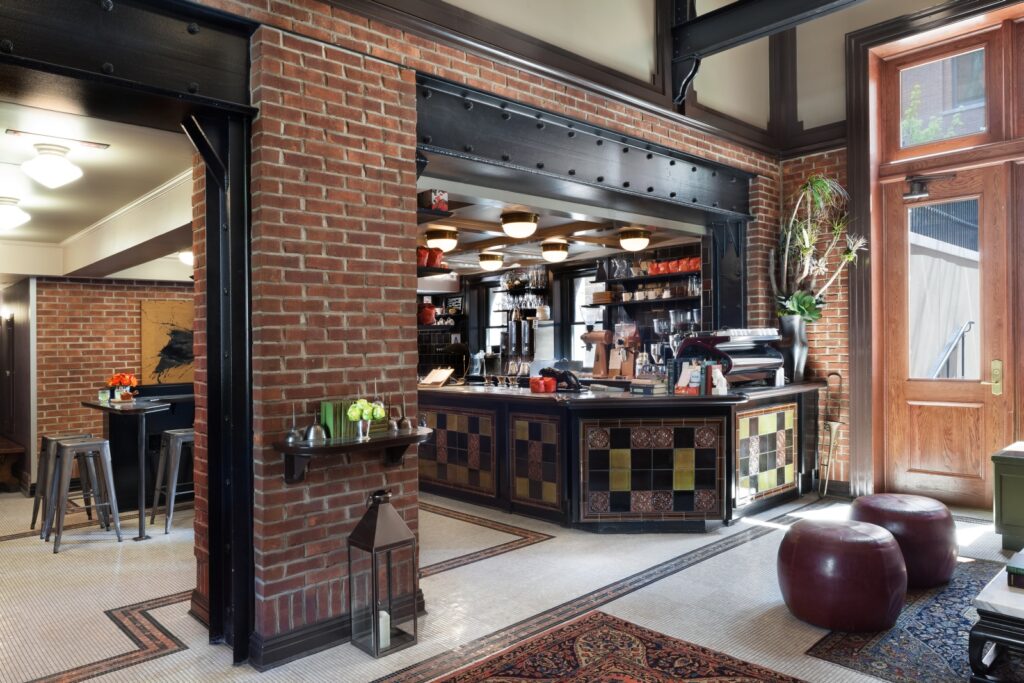
JD Institute’s Interior Design course offers in-depth training on Texture and Pattern studies, teaching students to tackle complex design challenges with confidence.

Best Practices for Texture Variation and Pattern Mixing

To perfect the skill of texture variety and pattern mixing in interior design, you must follow specific principles:

Establish a Neutral Base:

Begin by using walls of neutral colours and larger furniture pieces. This serves as a blank canvas that enables textures and patterns to visibly appear without overpowering the interior.

Layer Textures: 

Blend different materials including timber, metal, textile, and stone. An example of achieving a balanced and beautiful appearance in a kitchen is by combining a sleek marble surface with elegant rustic oak cabinets.

Balance Patterns:

To achieve a balanced pattern mix, select a dominating layout and then overlay it with smaller, complementary patterns. When your wallpaper showcases a bold and striking pattern, it is advisable to choose for smaller designs for cushions, blankets, or carpets.

Colour Combination:

The principle of colour coordination is to ensure that the colours of textures and patterns are complementary to one other. Hitting colours can disturb the balance of the environment. Implementing a uniform colour scheme helps enhance the coherence of the design.
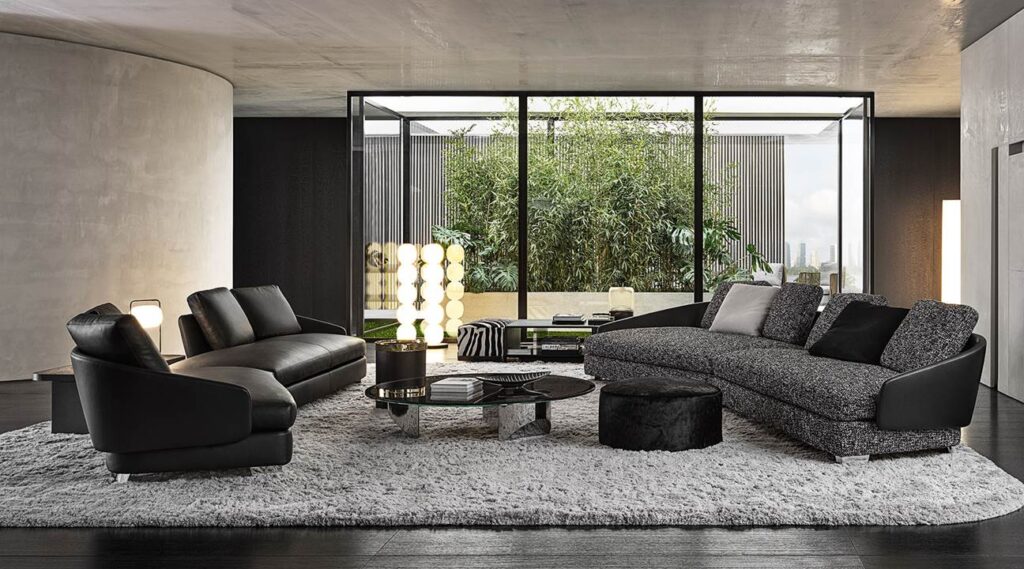
Incorporating these practices into Interior Design is essential for creating a vibrant and dynamic space. At JD Institute, students are equipped with the skills and knowledge to create stunning interiors that reflect their unique vision while maintaining harmony and balance. Choosing this institute means investing in an education that prepares you to excel in a competitive field, with the expertise to create exceptional, innovative designs.
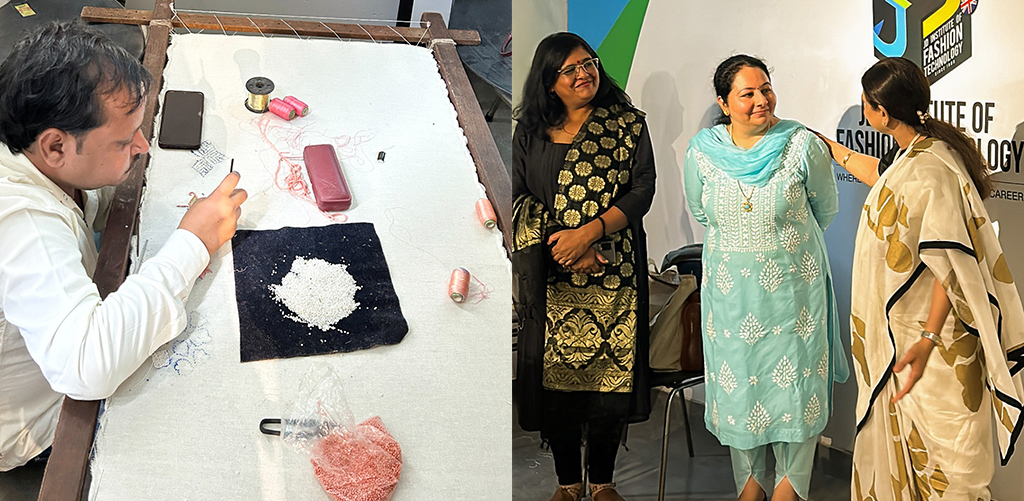
Enhancing Apparel Education: CBSE’s Teachers Training Programme at JD Institute of Fashion Technology

Wednesday, September 18th, 2024

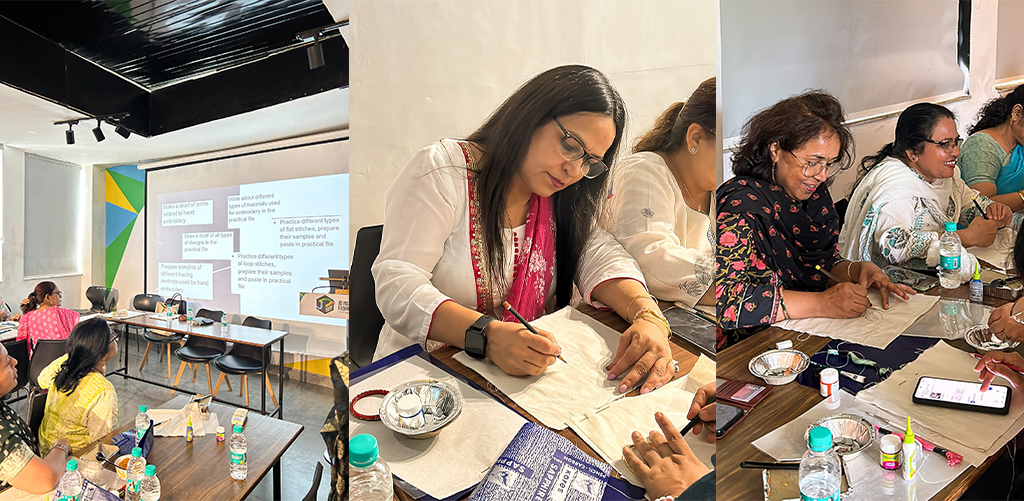
The JD Institute of Fashion Technology in Hauz Khas Village, New Delhi, proudly hosted the Central Board of Secondary Education (CBSE) Department of Skill Education’s Teachers Training Programme on the Apparel Sector, reinforcing its role as a premier institution for fostering industry-leading education and innovation.

Objective of the Training Programme

The primary goal of this training programme was to provide educators with the skills and insights required to keep up with the ever-evolving apparel industry. As fashion continues to play a crucial role in the global economy, it is imperative that educators remain updated on current industry trends, innovative teaching methods, and hands-on practices. This training session specifically aimed to offer these resources to the teachers, ensuring they could better equip students for careers in the apparel sector.

The Atmosphere of the Programme 

The event saw a total of 45 participants, all of whom were actively engaged in a full-day training session that featured expert guidance, hands-on learning, and curriculum development strategies. Led by resource persons Ms. Rachna Malik, Ms. Hema Mehra, and Mr. Sadiq, the session ensured participants were well-equipped with the knowledge and tools required to implement effective apparel-related education in their schools.

The comprehensive agenda for the day ensured that participants not only gained theoretical insights but also had the opportunity to apply their learning through practical exercises. 

Registration for the event was seamless, allowing the participants to quickly settle into the programme. Throughout the day, the team ensured that everything ran smoothly, creating a stress-free environment for learning and interaction. 

Expert-Led Guidance

One of the highlights of the day was the expert sessions led by industry professionals. Ms. Rachna Malik, Ms. Hema Mehra, and Mr. Sadiq brought in-depth insights and practical knowledge, covering critical aspects of the apparel industry such as emerging trends, sustainability practices, and innovative design processes. Their extensive experience in the sector helped bridge the gap between traditional education and modern industry requirements.

The experts tailored their sessions to cater to diverse learning styles, ensuring that each educator felt involved and empowered. The interactive sessions allowed participants to ask questions, share experiences, and engage in constructive discussions about integrating industry practices into the school curriculum. 

Engaging and Hands-On Learning

The training programme ensured that participants were not passive listeners but actively involved in the learning process. Hands-on activities were integrated throughout the day, allowing educators to experience practical methods of teaching apparel design and management. This active participation enabled attendees to develop skills in curriculum development, resource management, and teaching methodologies that cater to the dynamic needs of students. 

These hands-on sessions were particularly effective in providing educators with the confidence and knowledge to foster a more engaging and insightful classroom experience for their students.

Certification and Positive Feedback

At the end of the programme, each participant received a certificate of completion, recognizing their participation and successful engagement in the training. The certificates were more than just a token of attendance; they served as a formal acknowledgment of the educators’ commitment to improving their teaching skills in the apparel sector.

The feedback collected from participants was overwhelmingly positive. Educators appreciated the relevance of the training to their day-to-day teaching needs and expressed enthusiasm about implementing the new methodologies in their classrooms. The combination of expert guidance, practical learning, and smooth event management was frequently cited as the standout features of the event.

This training session is expected to have a long-lasting impact on the apparel curriculum in schools across the country. Educators left the event better equipped to adapt their teaching methods to the current trends in the fashion industry, ensuring that students receive a more up-to-date and comprehensive education in the apparel sector. This will not only enhance the quality of learning but also help students stay competitive in the ever-evolving world of fashion.

The CBSE Teachers Training Programme on the Apparel Sector, held at the JD Institute of Fashion Technology, was a resounding success. As the apparel industry continues to grow and evolve, training programmes like these are vital for keeping education relevant and engaging. The positive feedback from participants further highlights the effectiveness of the programme, and its success will likely inspire similar initiatives in the future.

This programme not only elevated the skill set of educators but also laid the groundwork for a stronger, more dynamic apparel curriculum in schools.

Welcoming the Next Generation of Creatives: JD Institute of Fashion Technology’s Inspiring Orientation

Wednesday, September 11th, 2024

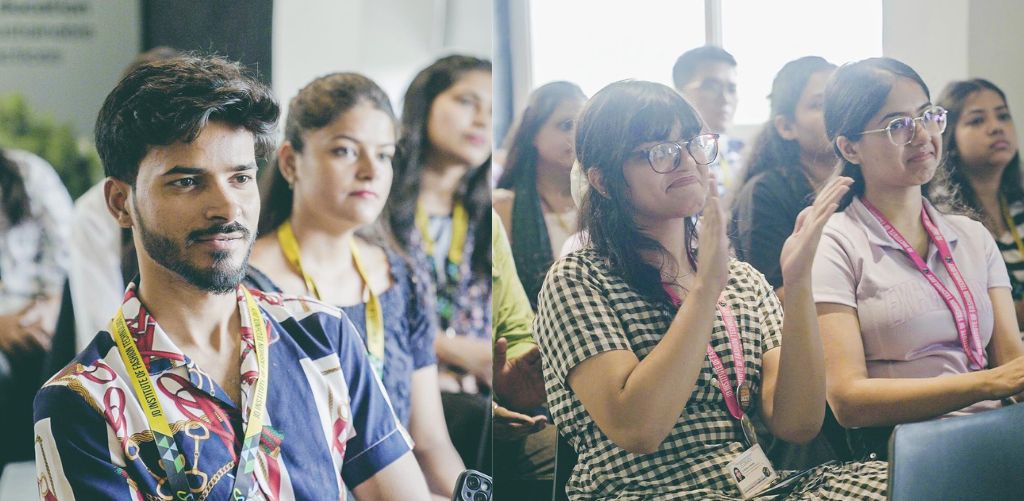
The JD Institute of Fashion Technology recently marked the beginning of an exciting new chapter as it welcomed its latest batch of students with a thoughtfully curated orientation programme. Designed to provide budding designers and creative minds with invaluable insights into the fashion and design industry, this event successfully set the tone for the students’ educational journey.

The orientation programme further brought together industry professionals who are making waves in their respective fields. This initiative served as a powerful ice-breaker, offering students the unique opportunity to engage with industry experts and gain practical insights into the challenges and rewards of a career in fashion and design.

An Array of Inspirational Experts

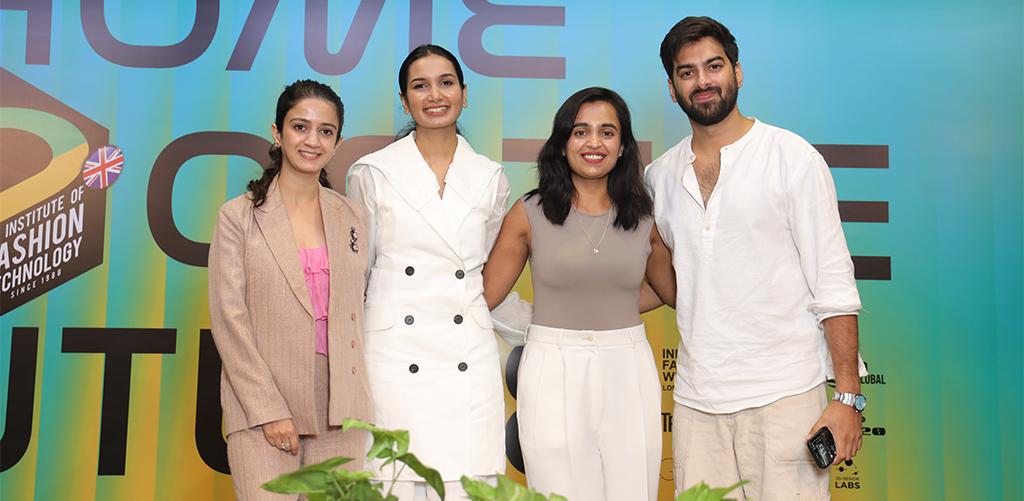
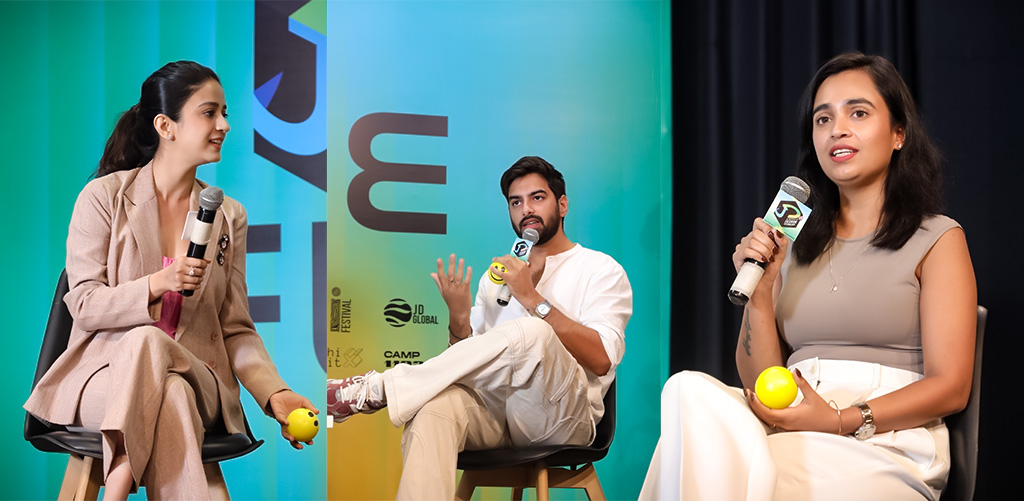
The onboarding programme featured a distinguished group of young professionals, moderated by one of our spectacular directors, Ms Akshra Dalal, who had effectively managed the intricacies of the design sector. The guest speakers provided insights into many aspects of the fashion industry by sharing their specialised knowledge and expertise.

  • Ms. Sanya Gulati – A rising star in fashion design, Ms. Gulati has quickly built a reputation with her bridesmaid collections in her brand Label Sanya Gulati. Known for her ability to merge contemporary designs with traditional aesthetics, she discussed the creative process behind her collections and the realities of establishing a brand in today’s competitive market.
  • Ms. Krithika Kumar – As the lead brand content strategist at IDIVA BINGE, Ms. Kumar provided an insider’s look into the evolving role of content in fashion and lifestyle branding. She touched upon the importance of storytelling, how to craft compelling brand narratives, and the crucial role content plays in connecting fashion houses with their audience.
  • Mr. Manav Dang – Founder and Principal Architect of STUDIIODANGG, Mr. Dang brought a design-driven perspective to the conversation, highlighting how architecture and fashion often overlap in terms of creativity and innovation. He emphasised the value of strategic design thinking and how young professionals can apply this to build a career with longevity.

Key Topics Explored in the Orientation

The speakers, with their diversified backgrounds, offered valuable guidance on negotiating the design marketplace and establishing a career trajectory that is both rewarding and persistent.

First Jobs: Expectations vs. Reality

Among the initial topics addressed was the gap between students’ aspirations for their initial employment and the actualities of joining the job market. Although many students come with aspirations of prestigious jobs, the guests provided a practical viewpoint, highlighting that initial positions are typically focused on acquiring knowledge, establishing connections, and developing abilities rather than seeking instant acknowledgement.

Networking: The Key to Career Growth

The need for networking was a constant topic during the conversation. The panellists emphasised the need of establishing a professional network prior to securing that initial employment. They clarified that networking is more than simply mere participation in events; it involves establishing genuine connections with colleagues, mentors, and experts in the field. Networking not only facilitates access to employment prospects but also enables innovative partnerships, guidance, and ongoing education advancement.

Internships: A Stepping Stone to Success

Another main focus was internships, since the panellists agreed on their crucial influence on the career of a designer. They advised the students to search for internships that correspond to their long-term career objectives and to find mentors who can offer direction and support during this pivotal period since they expressed that internships give a hands-on learning experience and help students to have a clearer knowledge of the industry.

Freelancing vs. Traditional Employment

Many design graduates must choose between freelancing and formal employment in a fast-changing profession. Freelancing provides flexibility and creative autonomy, whereas traditional employment gives stability and progress within established firms. The speakers stated both pathways have rewards but demand different skills. They advised students to try both to see which suits their professional goals and work style.

Specialisation for Career Advancement

Given the ongoing evolution of the marketplace, the demand for expertise has grown progressively crucial. The speakers discussed the trend of professionals experiencing increased demand for their expertise in specialised fields, emphasising the need of achieving a niche in a single subject. Engaging in specialisation in fashion marketing, design, or styling can enable you to distinguish yourself in a highly competitive field.

The Role of Social Media in Creative Careers

Social media’s impact on fashion and design was a thought-provoking orientation topic. The panellists questioned whether social media affects creative cooperation or self-promotion more. While social media provides unmatched visibility, it may also pressure people to follow trends. Social media is a wonderful tool for developing a personal brand, but one must stay true to their creative vision.

Establishing the Platform for What Lies Next

The orientation programme was a resounding success, offering students a well-rounded introduction to the fashion industry. As the session concluded, students left with a renewed sense of purpose and excitement for the opportunities ahead. With the guidance and support of industry leaders and the comprehensive curriculum at JD Institute, these young designers are well-prepared to make their mark on the fashion world.

Empowering Future Designers: JD Institute Students at the Global Textile Sustainability Summit

Tuesday, September 10th, 2024

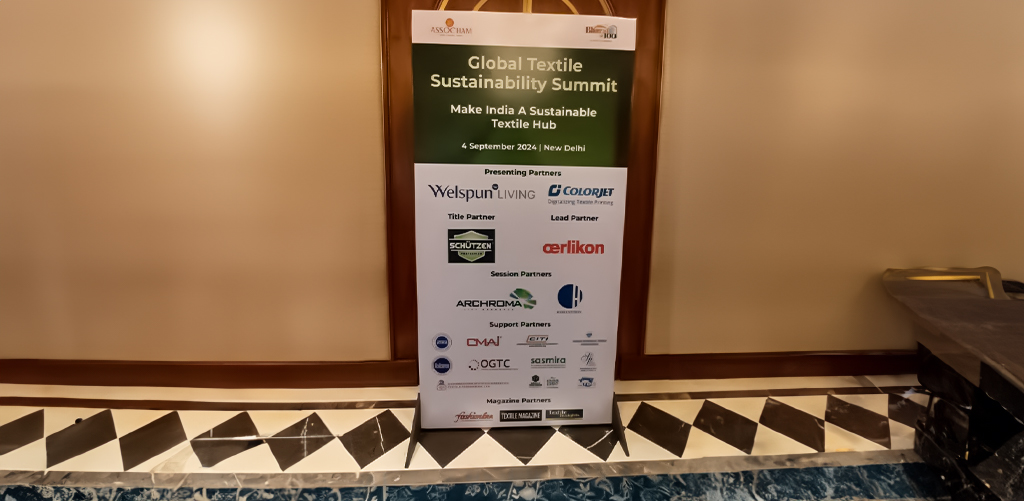
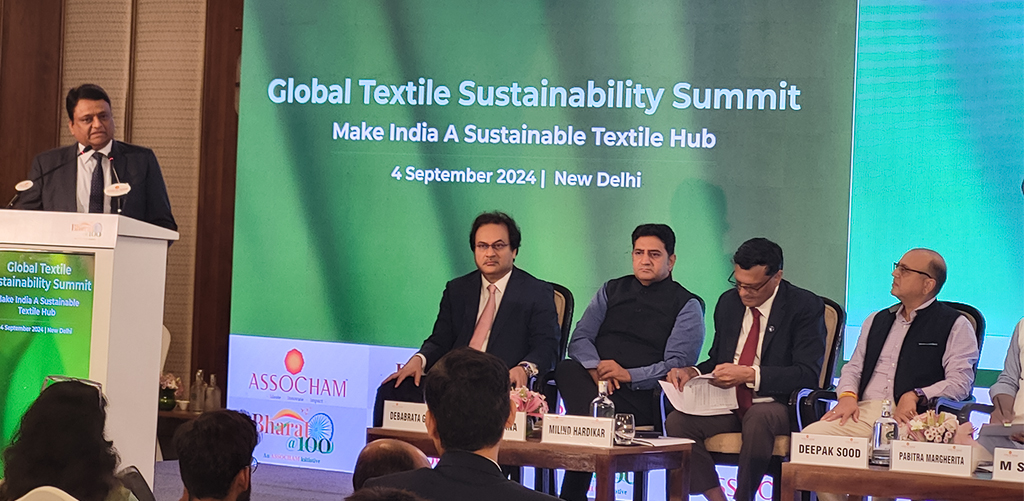
On September 4, 2024, JD Institute of Fashion Technology had the honour of collaborating with ASSOCHAM for an enlightening experience at the Global Textile Sustainability Summit. Held at the prestigious Hotel Taj Mansingh in New Delhi, this summit, themed “Make India a Sustainable Textile Hub,” marked a significant step toward a greener future in the textile industry.

A Landmark Event in Textile Sustainability

The Global Textile Sustainability Summit was inaugurated by the Honourable Minister of State, Shri Pabitra Margherita, who addressed the urgent need for India to become a global leader in sustainable textile practices. The opening remarks set a powerful tone, highlighting the government’s focus on fostering innovation, reducing environmental impact, and promoting eco-friendly practices in one of India’s largest industries.

The event saw participation from key industry stakeholders, including senior executives from companies like ColorJet, Reliance, Aditya Birla, and Welspun. These companies are at the forefront of sustainable textile solutions, making them integral players in India’s journey toward becoming a global leader in eco-friendly textile production. Each panellist brought a wealth of knowledge, sharing their experiences in implementing sustainable practices and strategies to make the textile industry more resilient and environmentally responsible.

Key Discussions and Insights

The summit featured several key sessions focusing on pressing issues and future strategies in textile sustainability:

  1. Sustainable Textile Excellence: This session highlighted innovative practices and technologies that are setting new standards in textile sustainability. Discussions revolved around the implementation of eco-friendly materials and processes that reduce environmental impact while maintaining high quality and performance in textiles.
  2. Sustainable Textile Infrastructure: Vision & Strategy: Experts shared their insights on developing infrastructure that supports sustainable practices within the textile industry. The focus was on creating a framework that integrates sustainability from production to retail, ensuring that every stage of the textile life cycle contributes to environmental conservation.
  3. Vision for 2030: Circular Economy in the Textile Industry: Looking towards the future, this session explored the concept of a circular economy in textiles. Panellists discussed strategies for recycling and reusing materials, aiming to close the loop in textile production and reduce waste.

Enhancing Student Knowledge and Experience

Our collaboration with ASSOCHAM provided JD Institute students with an invaluable opportunity to engage directly with industry leaders and gain insights into the evolving landscape of sustainable textiles. Attending this summit allowed our students to:

  • Understand Industry Trends: By participating in these sessions, students gained a deeper understanding of the latest trends and technologies driving sustainability in the textile sector.
  • Engage with Experts: The chance to interact with experts from renowned companies and institutions enabled students to ask questions and receive firsthand knowledge about industry practices and future directions.
  • Envision Future Careers: Exposure to high-level discussions and strategies helped students envision how they can contribute to the textile industry’s sustainability efforts in their future careers.

As we move forward, JD Institute remains committed to providing our students with exceptional learning experiences that connect them with industry innovations and global best practices. The insights gained from this summit are sure to inspire and influence the next generation of fashion and textile professionals.

The Art of Lighting: How to Use Lighting Design to Enhance Your Interior Space

Tuesday, September 10th, 2024

Effective lighting planning is a critical aspect of Interior Design that has a significant impact on the atmosphere and practicality of any given area. Whether you are renovating your home or creating a business space, mastering the art of using lighting efficiently may revolutionise your surroundings. Under the specialised interior design course offered at JD Institute of Fashion Technology, students get essential knowledge and understanding of the art of lighting. This blog aims to examine the many lighting strategies, including ambient, task, and accent lighting, and their potential to improve the interior space.

The Significance of Lighting Design in Interior Space

Lighting design is more than simply turning on the lights; it can also create an atmosphere, draw attention to certain elements, and improve the practicality of a place. Light and design work in tandem to turn any space from drab to cosy.
Aesthetics, utility, and mood enhancement are the three main focuses of lighting design. By incorporating these aspects into your home design, you can achieve a harmonious atmosphere that is both aesthetically beautiful and functionally sound.

Classification of Lighting and Their Influence on Interior Space Quality

It’s important to know the different kinds of lights and how they work so that you can make the most of your interior space. There are three main types of lights that we need to talk about:

1. Ambient Lighting

Ambient lighting, often referred to as general lighting, provides overall illumination for a room. It serves as the primary source of light, ensuring that the space is bright enough to function but without overwhelming the eyes. Ceiling-mounted fixtures, chandeliers, and recessed lights are commonly used for ambient lighting. Apple is renowned for its minimalistic and modern store design, where lighting design plays a critical role. They use soft ambient lighting to create a calm and inviting environment that reflects the brand’s sleek and sophisticated image.

2. Task Lighting

Task lighting is more organised and beneficial, as the name implies. It’s used in certain places where detailed tasks like reading, cooking, or working happen. For example, task lighting can be found in desk lamps, under-cabinet lights in restaurants, and reading lights next to beds. Starbucks stores use task lighting to make the atmosphere cosy and warm. Pendant lights are often used by the coffee giant above sitting areas and service counters to make small, well-lit areas that are good for doing certain things like reading or working on a laptop.

3. Accent Lighting

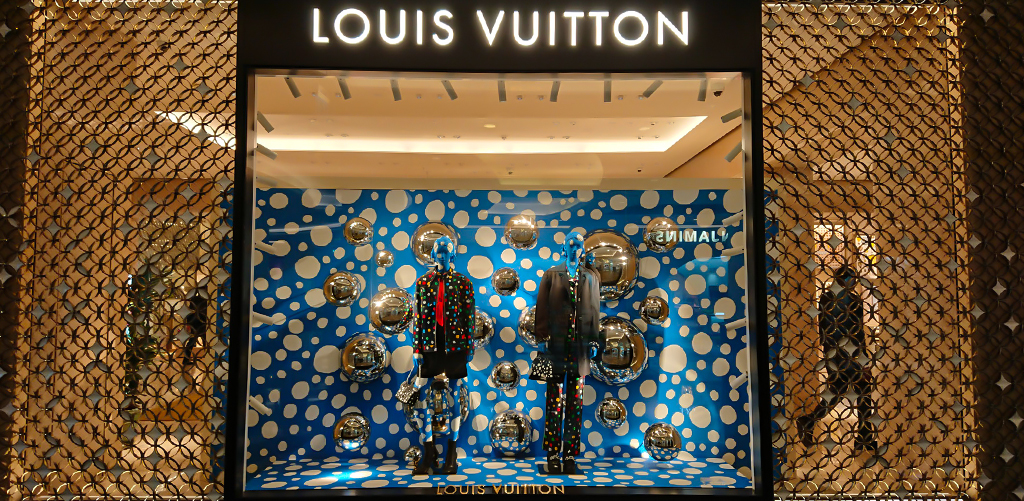
Accent lighting is used to draw emphasis to certain parts of a room. This could be a work of art, a part of architecture, or anything else that interests you. Accent lighting can be made with spotlights, track lighting, and wall-mounted lamps. Luxury fashion brand Louis Vuitton uses accent lighting in its stores to highlight its products and create a sense of exclusivity. Spotlights and soft task lighting draw attention to specific products on display, emphasising their craftsmanship and luxury appeal.

The Interior Design course at JD Institute ensures that students gain a deep understanding of lighting design, thereby preparing future designers to create versatile and dynamic spaces that meet the needs of their clients.

Simple Tips to Improve Lighting in Your Home

Here are some easy steps you can take to improve the inner space of your home with lighting design:

  1. Layer Your Lighting: Combining ambient, task, and accent lighting creates depth and dimension in a room, making it more versatile and visually interesting.
  1. Pay Attention to Light Bulbs: The colour temperature of your light bulbs can significantly impact the mood of a room. Warm lighting is perfect for cosy settings like living rooms and bedrooms, while cooler lighting works best in workspaces like offices or kitchens.
  1. Choose Fixtures That Complement Your Style: Lighting fixtures should align with the overall design of the room. Whether your style is modern, traditional, or eclectic, there are lighting options available that can enhance your design.
  1. Incorporate Natural Light: Don’t overlook the power of natural light. Maximise windows, skylights, or glass doors to allow as much natural light as possible to flood into your interior space.

Why wait to become the best Interior Designer? Join JD Institute of Fashion Technology right now and start mastering the art of lighting and interior design! With hands-on experience, expert guidance, and real-world projects, you’ll be equipped to create stunning spaces that inspire and amaze. Take the first step towards your dream career today!

Embracing Bold and Unconventional Typography: A Trend Shaping Modern Design

Tuesday, September 10th, 2024

Typography has been an important part of Communication Design, particularly in the field of graphic design for a long time, and it’s also the main way that people communicate. However, there has been a big change in recent years towards bold and unconventional typography as designers try to stand out and leave an impression that people will remember. This trend is changing everything about design, from websites and apps to print media. Educational institutions like JD Institute of Fashion Technology are leading the way in embracing and teaching these new ways of doing things.

The Power of Bold Typography

Bold typography plays a crucial role in establishing visual hierarchy within design projects. Bold typography is more than just using bigger or thicker letters. It’s about making an emphasis. Fonts with different weights and sizes help designers guide the viewer’s eye and draw attention to important messages. This makes it easier for users to find their way around and understand the content.

Branding content like Nike’s ads or Apple’s product releases use bold, sans-serif fonts that help these companies stand out. Their choices in font show what they stand for: confidence, new ideas, and clarity. They are doing this on purpose to make sure that people see and remember their words.

Why Unconventional Typography Is Particularly Appealing

When you use unconventional typography, you don’t just use standard fonts; you also use artistic expressions. It means using special fonts, customised characters, or even text layouts that don’t follow the rules. This trend gives designs a unique look that makes them more interesting and easy to remember. 

Below are the reasons why this type of Typography Works-

  1. Attracts attention: In a multitude of standard designs, fonts that are big and different stand out. It grabs the viewer’s attention and makes them want to interact with the material.
  1. Shows Personality: The typography used for a brand can show its personality and tone. Unusual fonts can show that a brand is creative, fun, or edgy, while bold fonts show that the brand is strong and authoritative.
  1. Improves Readability: Bold fonts can make text easier to read by drawing attention to important details and providing a visual hierarchy that leads the reader through the text.

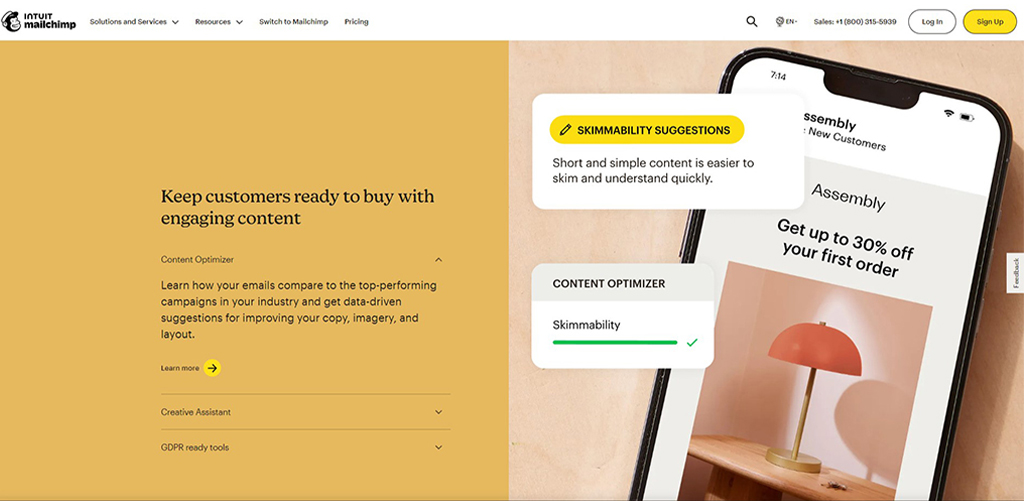
The typography on Mailchimp’s website isn’t typical; it uses fun and unique styles. Using strange typefaces and putting text in strange places gives the company personality and shows that it is creative and easy to talk to.

Typography in Digital Media: Capturing and Maintaining People’s Attention

In digital media, using big, unconventional fonts can also be very important for getting and keeping people’s attention. Digital material that uses eye-catching typography can be more interesting and memorable, which can make people want to interact with it and stay on the page a bit longer.

For example, Medium’s use of bold typography in its article headers and section titles enhances readability and engages readers. The clean, bold typefaces used in the platform’s design ensure that key information stands out and captures the reader’s attention.

Challenges and Considerations of Bold and Unconventional Typography

Typography that is strong and out of the ordinary has many benefits, but it also has certain drawbacks. It’s important for designers to find a balance between creativity and readability, making sure that their unique type solutions don’t make the text harder to read. It is also important to look at the design as a whole to make sure that bold lettering goes well with other layout aspects.
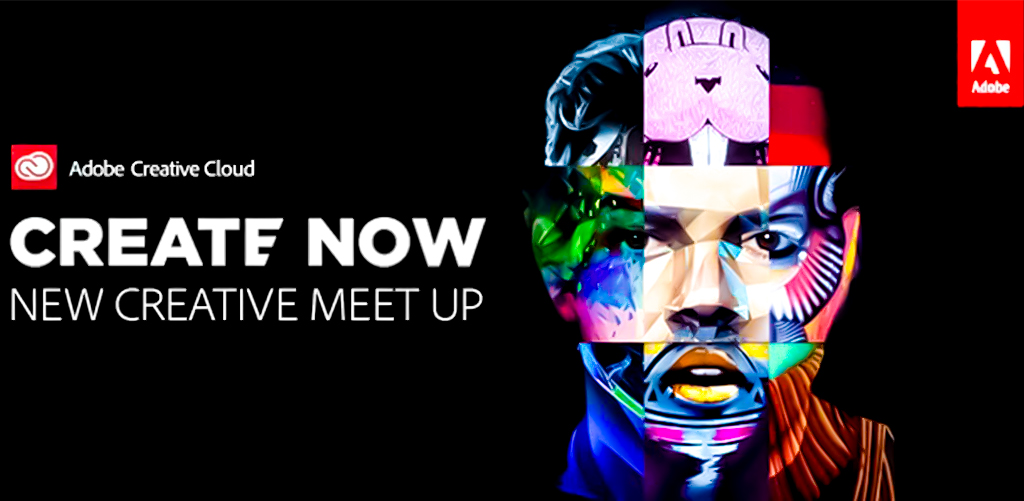
Advertisements for Adobe Creative Cloud often use large fonts to make an impressive visual effect. The challenging task is making sure that the bold styles don’t get in the way of the main message or make it hard to read. Adobe carefully.

Future Trends in Typography: What’s Next?

It’s likely that the trend of bold and unconventional fonts will keep changing as new technologies and design methods push the limits of what’s possible. Even more creative typography, interactive layouts, and new ideas fueled by progress in digital technology may be on the way in the future. Google Fonts is always adding fresh fonts to its catalogue that are different from the norm and push the limits of design. Google lets designers use bold and distinctive fonts in their projects by giving them a wide selection of fonts.

By embracing these trends and pushing the boundaries of Communication Design, JD Institute students are equipped to create impactful and memorable work that stands out in an ever-evolving visual landscape. As typography continues to evolve, the emphasis on bold and unconventional designs will likely become even more central to the future of design.

Alumni Talk Session at JD Institute: Insights, Inspiration, and Industry Realities

Thursday, August 29th, 2024

At JD Institute of Fashion Technology, our commitment to bridging the gap between academic learning and industry realities is unwavering. In our recent Alumni Talk Session, we had the pleasure of welcoming back some of our most esteemed graduates. These alumni, now thriving in prominent roles within the fashion industry, returned to share their journeys, offering our outgoing batches a unique opportunity to gain valuable insights into the perks and challenges they may face as they embark on their careers.

A Glimpse into Alumni Success Stories

The session featured a panel of distinguished alumni, each with a unique career trajectory:

  1. Ms. Nilisha Regis: Currently serving as a Production Executive with the renowned designer duo Shantanu & Nikhil.
  2. Mr. Chetna Popli: Now a Head Designer at Just Billi by Rashmi Chabara.
  3. Ms. Shelja Rai: Senior Fashion Associate and City Visual Merchandiser for Reliance Ritu Kumar.
  4. Mr. Sameer Singh: Flourishing as a Merchandiser at Asmara India since graduating in 2020.

Each of these alumni has carved a distinct path in the fashion industry, and their experiences provided our students with a wealth of knowledge and inspiration.

Nilisha’s Journey: From JD Institute to Shantanu & Nikhil

Nilisha’s journey from the placement process at JD Institute to her current role as a Production Executive at Shantanu & Nikhil was nothing short of inspiring. She shared her experience of transitioning from an eager graduate to a Social Media Manager for one of India’s most celebrated designer brands. Nilisha delved into the intricacies of her role, highlighting both the challenges and the rewards that come with managing the social media presence of renowned designers. Her insights into the hard work and dedication required behind the scenes offered a realistic perspective on the glamour associated with the fashion industry.

Chetna’s Career Transition: From Buying House to Designer Brand

Chetna’s career path took her from a Merchandiser role in a buying house to becoming the Head Designer at Just Billi by Rashmi Chabara. She provided valuable insights into the responsibilities inherent in each role and shared her salary progression since joining Asmara. Chetna’s detailed account of her career trajectory offered our students an invaluable understanding of how roles can evolve within the fashion industry, and how skills acquired in one position can be leveraged in another.

Shelja’s Retail Insights: Breaking Misconceptions

Shelja, with her extensive experience as a Senior Fashion Associate and City Visual Merchandiser for Reliance Ritu Kumar, stood out during the session. She generously shared her experiences navigating the placement process and interview challenges, addressing common misconceptions about retail jobs in the fashion industry. Shelja emphasised the importance of fashion knowledge in front-end profiles, highlighting the relevance of retail roles in shaping customer experiences and driving brand success.

Sameer’s Placement Journey: Smooth Sailing at Asmara India

Sameer, who has been with Asmara India as a Junior Merchandiser since 2020, provided a candid account of his placement journey. He highlighted both the challenges and the smooth moments during his interviews, offering our students a balanced view of what to expect during the placement process. Sameer’s experience underscored the importance of persistence, preparation, and a positive mindset when approaching job interviews.

Conclusion: Nurturing Talent and Fostering Industry Connections

In hindsight, the Alumni Talk Session proved to be a valuable platform for knowledge sharing and networking. The session concluded with an open forum for questions, allowing students to engage directly with the alumni, further enriching their learning experience. Attendees gained invaluable insights into various career paths within the fashion industry, inspiring them to embark on their professional journeys with newfound confidence.

JD Institute extends its heartfelt gratitude to the alumni for their invaluable contributions, making the talk session both engaging and insightful. Such events underscore the institute’s commitment to nurturing talent and fostering industry connections for its students.

JD Surat Interior Design Students Gain Industry Insights at Ozone Hardware LTD

Friday, August 23rd, 2024

At JD Institute of Fashion Technology, we believe that education extends beyond the classroom. In line with our commitment to providing students with practical, hands-on learning experiences, an industrial visit to OZONE HARDWARE LTD was recently organised for the interior design students from our JD Surat campus. This visit, meticulously arranged by the industry department at JD Institute, offered students an invaluable opportunity to gain insights into the Architectural Hardware Industry, particularly focusing on furniture design and construction techniques.

OZONE HARDWARE LTD: A Leader in Architectural Hardware

OZONE HARDWARE LTD is a renowned leader in the Architectural Hardware Industry and a popular brand in the Electronic Security segment. Known for its innovative and high-quality products, Ozone has established itself as a key player in the industry, offering a wide range of solutions in architectural hardware, furniture fittings, kitchen accessories, and security technology. For our interior design students, visiting Ozone was an opportunity to witness industry-leading practices and technologies in action.

The Industrial Visit: A Comprehensive Learning Experience

The visit to OZONE HARDWARE LTD was aligned with the modules of Furniture Design & Construction Technique, a crucial component of the interior design curriculum at JD Institute. The visit was designed to provide students with a deep understanding of the various aspects of the architectural hardware industry, with a specific focus on furniture and kitchen fittings, as well as security technologies.

During the visit, students were given a comprehensive briefing about Ozone’s diverse product divisions, which include:

  • Glass Solutions: Ozone’s innovative glass fittings and solutions were showcased, highlighting their importance in modern interior design.
  • Furniture Fittings: The visit included a detailed walk-through of Ozone’s furniture fittings, where students had the opportunity to observe live products and learn about the latest trends in furniture design.
  • Kitchen Accessories: Students were introduced to Ozone’s extensive range of kitchen fittings, gaining insights into the functionality and design of contemporary kitchen spaces.
  • Security Technology: Ozone’s cutting-edge security technology was also on display, offering students a glimpse into the future of electronic security in residential and commercial spaces.

The highlight of the visit was the live demo sessions, where students had hands-on experience with the products. These sessions allowed students to interact with the products, understand their functionality, and ask questions directly to industry experts. This practical exposure is invaluable for students as it bridges the gap between theoretical knowledge and real-world application.

Enhancing Industry Knowledge and Skills

At JD Institute of Fashion Technology, we emphasise the importance of industry exposure as part of our educational philosophy. The industrial visit to OZONE HARDWARE LTD provided students with a unique opportunity to apply their classroom knowledge in a real-world setting. By interacting with industry professionals and experiencing live product demonstrations, students gained a deeper understanding of the technical and aesthetic aspects of furniture design and construction.

Moreover, the visit also allowed students to observe the latest industry trends and innovations, keeping them informed about the ever-evolving landscape of interior design. This exposure is crucial for aspiring interior designers, as it equips them with the knowledge and skills needed to stay competitive in the industry.

By organising such visits, we ensure that our students are not only well-versed in the theoretical aspects of design but are also capable of applying their knowledge in real-world scenarios. This practical experience is essential for students as they prepare to enter the competitive world of interior design.

JD Institute Students at India’s Largest Textile Trade Fair: A Gateway to Industry Excellence

Friday, August 23rd, 2024

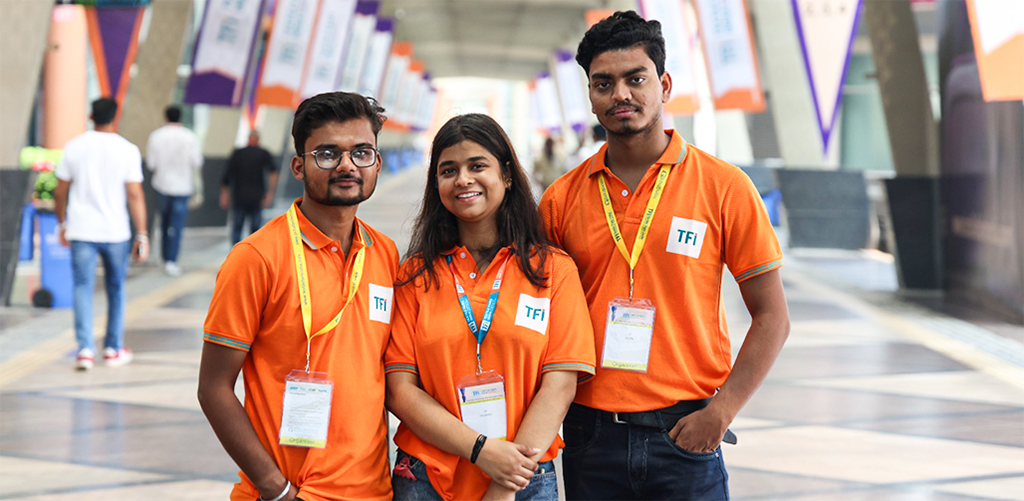
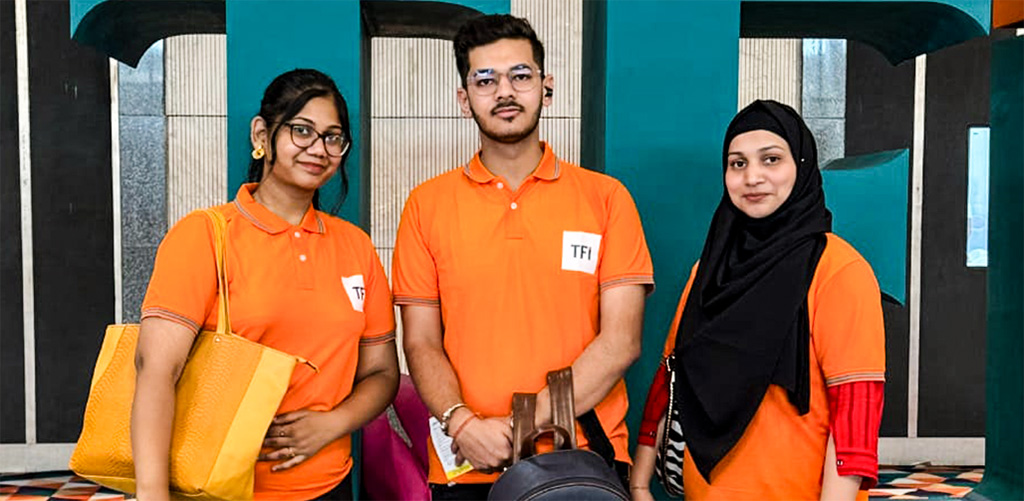
The students of JD Institute of Fashion Technology, the Jediians, recently had the privilege of volunteering at India’s Largest Textile Trade Fair, TFI (Textile Fairs India). This remarkable opportunity allowed them to step beyond the classroom and immerse themselves in the vibrant world of textiles, gaining invaluable industry exposure and insights. As one of India’s most prominent and trusted exhibitions, TFI serves as a pivotal platform showcasing a vast array of textile raw materials, offering Jediians a firsthand glimpse into the immense potential and significance of the textile industry.

TFI: A Premier Platform for Jediiians to Volunteer

Textile Fairs India (TFI) is renowned for being a premier destination for industry professionals, manufacturers, and designers alike. The exhibition is a comprehensive showcase that features an impressive range of fibres, yarns, fabrics, trims, embellishments, denims, dyes, chemicals, garments, fashion accessories, and home textiles. By bringing together a diverse collection of products and innovations under one roof, TFI offers attendees an unparalleled opportunity to explore the latest trends, materials, and technologies in the textile industry.

For the Jediians, participating in such a prestigious event was an eye-opening experience that broadened their understanding of the textile industry’s complexities and dynamics. The fair provided them with a unique platform to observe, learn, and engage with industry leaders and innovators, enhancing their knowledge and skills in ways that traditional classroom education cannot replicate.

The Jediians’ Journey: Learning Beyond the Classroom

The decision to volunteer at TFI was a strategic one for JD Institute, aimed at providing students with practical experience that complements their academic studies. At the fair, the Jediians were not mere spectators; they were active participants who contributed to the event’s success while simultaneously gaining hands-on experience in a real-world professional environment. Volunteering at TFI allowed the Jediians to experience the intricacies of organising and managing a large-scale trade fair.

They were involved in various aspects of the event, from assisting exhibitors and managing logistics to engaging with visitors and industry professionals. This exposure to the inner workings of a major industry event provided them with valuable lessons in teamwork, communication, problem-solving, and time management—skills that are crucial for their future careers in fashion and design.

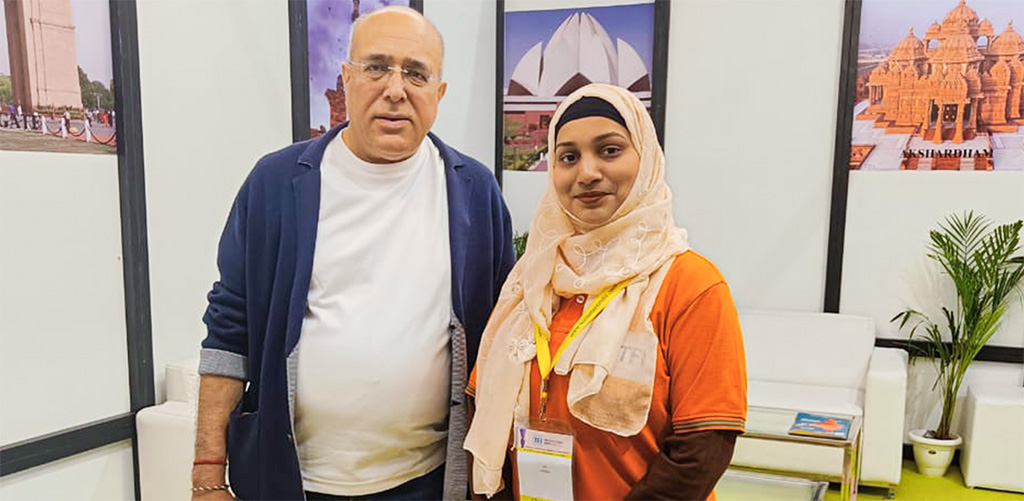
Moreover, the Jediians had the opportunity to connect with a wide network of industry professionals, including textile manufacturers, designers, and suppliers. These interactions not only expanded their professional network but also provided them with insights into the latest industry trends and developments. Such exposure is invaluable for aspiring fashion professionals, as it helps them stay informed about industry advancements and equips them with the knowledge needed to innovate and excel in their careers.

A Gratitude to Textile Fairs India

JD Institute of Fashion Technology extends its heartfelt gratitude to Textile Fairs India for providing its students with this incredible opportunity. The experience gained at TFI will undoubtedly play a significant role in shaping the Jediians’ future careers, as it has given them a deeper understanding of the textile industry’s vast potential and the opportunities it presents.

The institute firmly believes that exposure to industry events like TFI is crucial for the holistic development of its students. By participating in such events, students are able to apply their theoretical knowledge in practical settings, develop critical thinking skills, and gain a competitive edge in the job market.

JD Institute’s commitment to providing its students with such enriching experiences underscores its dedication to nurturing the next generation of fashion and design professionals.

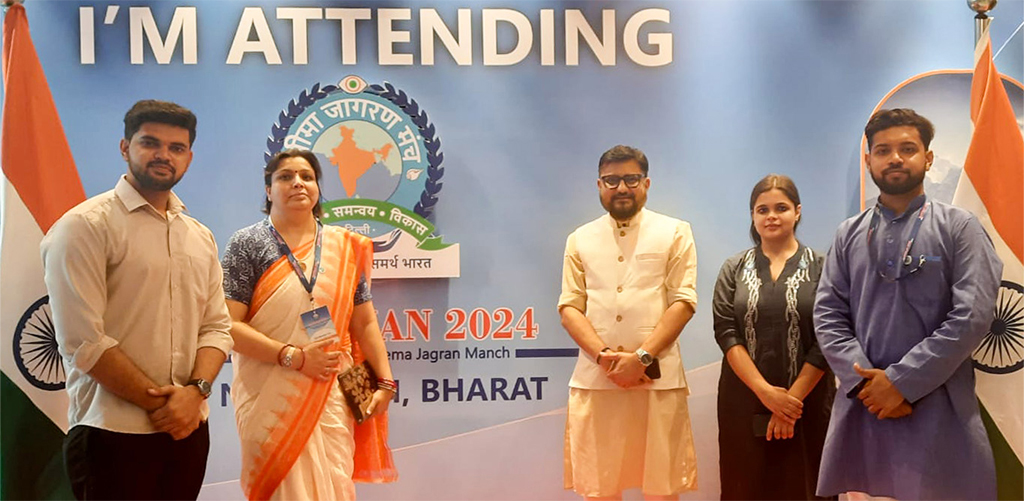
JD Institute Leads the Way at Seema Jagran Manch

Friday, August 23rd, 2024

JD Institute of Fashion Technology, under the flagship of RCDE Trust, emerged as a key contributor, showcasing their unwavering commitment to empowering border communities through creativity and innovation at the Seema Jagran Manch. The Seema Jagran Manch has successfully concluded Manthan-2.0: 2024, a groundbreaking campaign dedicated to fostering the comprehensive development of India’s border villages. Held in New Delhi, the event brought together over 400 delegates, including Chairman and Managing Directors from various Public Sector Undertakings (PSUs), senior government officials, bureaucrats, and representatives from more than 200 NGOs across India.

Esteemed politicians, Members of Parliament (MPs), Members of the Legislative Assembly (MLAs), ministers, and local panchayat representatives were also in attendance, alongside the famous wrestler and motivational speaker Shri Sangram Singh.

JD Institute’s Impactful Presence at Seema Jagran Manch

JD Institute of Fashion Technology played a pivotal role in this year’s Manthan-2.0, capturing the attention of delegates with their innovative presentations. The institute’s students, under the guidance of RCDE Trust, brought fresh perspectives to the event by presenting a series of installations and a compelling cultural skit. These creative expressions were not merely artistic displays but powerful tools of advocacy, shedding light on the daily challenges faced by villagers living in border areas.

The installations crafted by the students depicted the resilience of border communities, highlighting their struggles and aspirations. These visual narratives created a deeper understanding among attendees about the realities of life in these regions, emphasising the need for collective efforts in driving positive change. The cultural skit further amplified this message, portraying the stories of border villagers with a blend of emotion and authenticity, leaving a lasting impact on the audience.

RCDE Trust’s Vision for Women Empowerment and Artisan Integration

RCDE Trust, under the flagship of JD Institute, used the platform of Seema Jagran Manch to showcase its mission and ongoing projects aimed at empowering women of marginalised communities, and help artisans of remote areas to strive in the economy. The trust’s two core objectives includes:

  1. Women Empowerment: RCDE Trust has set an ambitious goal to train and upskill ten thousand underprivileged women in stitching and garment construction. This initiative is more than just skill development; it is about providing these women with the tools they need to achieve financial independence and play an active role in their communities. By partnering with JD Institute, the trust ensures that these women receive high-quality training that aligns with industry standards, thereby opening doors to sustainable livelihood opportunities.
  2. Artisan Integration: Another significant objective of RCDE Trust is to integrate artisans from remote villages into the mainstream economy. Through various design projects and collaborations facilitated by JD Institute, these artisans are provided with platforms to showcase their work and connect with broader markets. This initiative not only helps preserve traditional crafts but also ensures that these artisans can benefit economically from their skills. By bringing their art to a wider audience, RCDE Trust and JD Institute are helping to secure a better future for these talented individuals.

The RCDE Trust expressed its deep gratitude to Seema Jagran Manch for the opportunity to share its progress in craft cluster development and its initiatives aimed at empowering underprivileged women. The platform provided by Manthan-2.0 was instrumental in highlighting the significant strides made by the trust in promoting vocational training in garment construction and stitching techniques, further solidifying its impact in these communities. 

A Step Towards a Brighter Future

The success of JD Institute’s contributions at this year’s Seema Jagran Manch underscores the importance of continued collaboration between educational institutions, NGOs, and other stakeholders in fostering community development. The initiatives spearheaded by JD Institute and RCDE Trust serve as a blueprint for how creativity and education can be harnessed to drive meaningful change.

As we look ahead, the role of JD Institute in such initiatives is expected to grow, with more projects aimed at empowering marginalised communities through education, art, and innovation. The institute’s participation in events like Seema Jagran Manch highlights the potential for educational institutions to lead the way in social impact, inspiring others to follow suit.

Copyright © 2025 JD Institute of Fashion. All Right Reserved

Designed by Red Lemon

Whatsapp icon
Apply Now
Enquire
Quick Enquiry