
Apply Now

Author Archive

How Motion Graphics and Interactive Design Are Shaping the Future of Communication

Thursday, October 17th, 2024

Motion Graphics and Interactive Elements have changed the way we create communication in recent years. Designers no longer just use text and pictures that fail to change. They also use dynamic graphics and interactive elements to get people’s attention, make complicated information easier to understand, and make user experiences more interesting. This rising trend shows how important it is for designers to be able to use new tools and technologies.

Modern Communication Design is a field that is always changing. Educational institutions like the JD Institute of Fashion Technology offer studies that focus on these skills, preparing the next generation of designers for a field that is always changing. 

Why Motion Graphics Are Taking Over Communication Design 

Motion graphics are now an important part of digital material. They connect simple graphic design with animation. These animated images are used in a lot of different places, like ads, social media, video explainers, and app screens.

Below are several factors contributing to its high effectiveness:

Draws Attention:

Motion graphics stand out in a world full of information because people are naturally drawn to it. They can quickly grab people’s attention and get their point across in a way that is interesting to look at.

Simplified Complicated Data:

Motion graphics can break down complicated data into segments that are easy to understand, whether it’s a demonstration video showing how a product works or an educational infographic. Motion graphics have been used by companies like Dropbox and Slack in their onboarding videos to make their services easier for new users in a fun and friendly way.

Improves Storytelling:

One important part of marketing and branding is sharing stories. Brands can make their stories more powerful by putting them in action. For example, Apple’s product launch videos use smooth motion graphics to show off the features and benefits of new gadgets, building excitement and anticipation.

Interactive Design Elements: A Game-Changer

Interactive features have become an important part of communication design, along with motion graphics. Interactive design makes websites and mobile apps more than just an idle way for people to use information. This could be something as easy as a highlight animation or a button that can be clicked on, or it could be something more complex like responsive layout and dynamic content. 

Increased User Engagement:

Interactive features enhance user engagement by promoting active participation, allowing exploration of choices, and extending the frequency of user visits to a website or app. Spotify’s “Year in Music” is an effective application of interactive design, allowing users to easily navigate through a visually interactive interface to access personalised data on their listening profiles.

Enhancement of User Experience (UX):

In the present day, users demand smooth navigation, user-friendly controls, and adaptable interfaces. Companies such as Amazon and Netflix use interactive design to offer user-friendly platforms, therefore enhancing the purchase or browsing experience by making it simpler and entertaining.

Noteworthy Impressions:

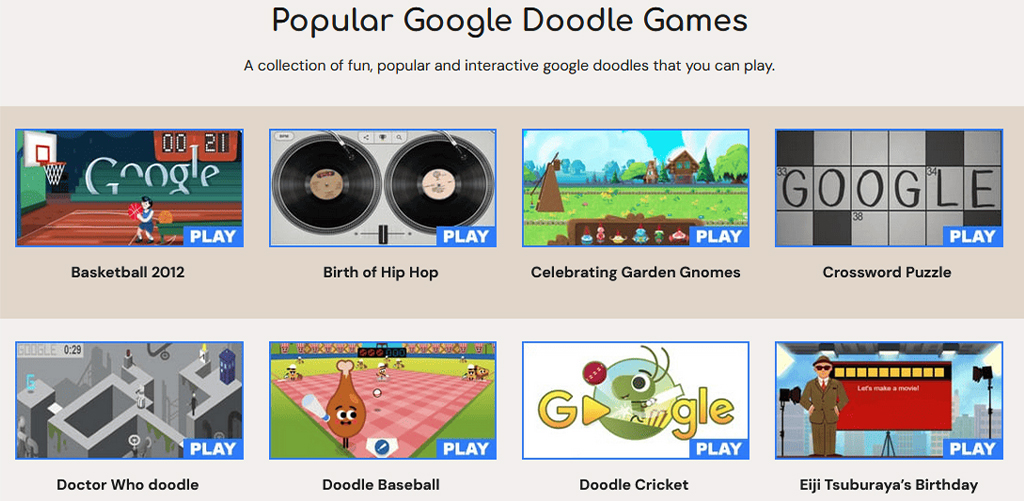
Interactive components provide a unique way for users to keep a brand or experience in their memory. The occasional introduction of interactive doodles to Google’s Homepage serves as an excellent illustration, as they actively encourage users to participate, interact, and retain their experience, therefore strengthening brand identity.
Embracing the Future of Communication Design with Motion Graphics and Interactive Elements

The field of motion graphics and interactive design is revolutionising communication by enhancing the engagement, accessibility, and personalisation of content. These innovative elements enable marketers to attract attention, simplify intricate concepts, and generate unforgettable user experiences.

Augmented reality (AR) and virtual reality (VR):

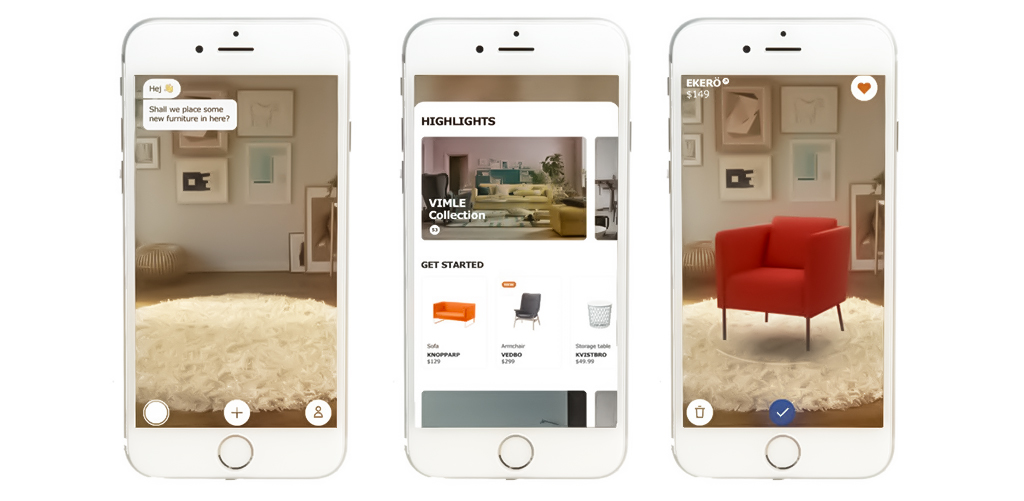
AR and VR will make it possible for stories to be more engaging. One example is IKEA’s AR app, which lets users virtually arrange furniture in their own homes, which makes shopping more fun.
Artificial Intelligence (AI): 

Tools that are powered by AI will make material more relevant to each person and automate design tasks. Adobe’s AI tools help artists improve their creativity and speed up their work.

Driven by Data: 

Designers can make experiences that are more relevant to each person by using analytics. Spotify’s Wrapped campaign uses information about its users to make material that is both personalised and interesting.

Design for Sustainability:

Motion graphics and digital platforms will encourage eco-friendly actions, making it simpler to use genuine resources. Interactive efforts from brands can help people be more environmentally friendly. Whether you’re looking to create captivating motion graphics or design interactive digital experiences, investing in learning them is key to succeeding in today’s competitive design landscape. So, if you’re ready to take the next step in your design journey, JD Institute can provide you with the foundation needed to master the future of Communication Design.
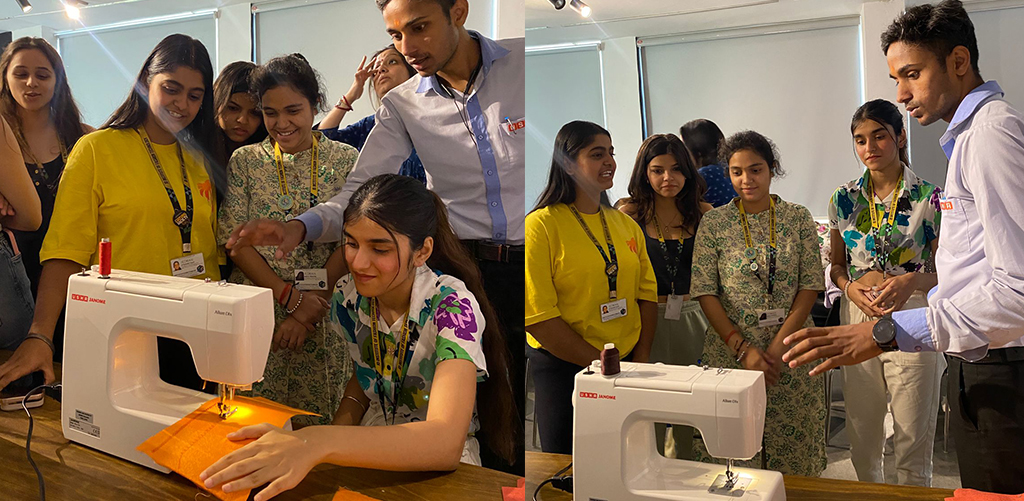
Empowering Fashion Designers: Inside JD Institute’s Live Demo with Usha’s Latest Sewing Machines

Friday, October 11th, 2024

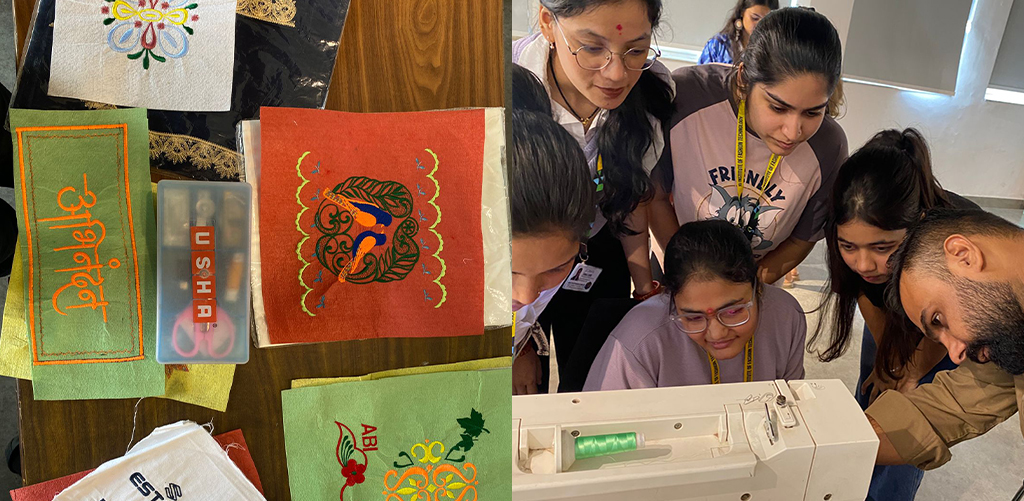
JD Institute of Fashion Technology, recognised for its dedication to providing creative and industry-relevant education, collaborated with Usha International Ltd. to conduct an informative and practical Live Demo Session. The industry session showcased the latest advancements in sewing technology: the Memory Craft Sewing Machine and the Multi-Purpose Dream Model, both of Usha’s premier machines. This interactive training showcased the sophisticated functionalities of contemporary sewing machinery and provided students with insight into the future of fashion technology.

Revolutionising Fashion Education with Innovation

Providing students with forefront resources and knowledge is the primary objective at JD Institute of Fashion Technology. This objective is exemplified by the partnership with Usha International Ltd., a name commonly associated with innovative household appliances and sewing machines. New technologies are having a profound impact on the fashion industry, particularly in the areas of sewing and garment production, as demonstrated during the Live Demo Session.

Through the use of the Memory Craft Sewing Machine and the Multi-Purpose Dream Model, students were able to experiment with various stitching techniques and obtain hands-on training. Every requirement of contemporary designers and textile enthusiasts has been carefully considered while developing these machines. Attendees got an up-close look at how these tools may redefine their design process, from exquisite embroidery to complex stitching patterns, at the seminar.

Memory Craft and The Multi-Purpose Dream Model

Memory Craft Sewing Machine

The Memory Craft Sewing Machine is a technologically advanced sewing solution designed for precision and versatility. With a wide range of features that include automated stitch selection, programmable settings, and precision cutting, the Memory Craft is ideal for fashion students looking to push their creative boundaries.

During the demo, students experimented with its advanced stitching patterns, experiencing the ease with which they could create complex designs.

Multi-Purpose Dream Model

The Multi-Purpose Dream Model, as the name suggests, offers multifunctionality, which is essential in the fast-paced world of fashion. Its unique features allow users to sew, embroider, and quilt, making it a one-stop solution for various sewing projects.

At the live session, the machine’s ability to switch seamlessly between different modes captured the attention of students, many of whom expressed interest in incorporating the technology into their future projects.

Training Students with Industry Expertise and Skills

The session was more than just a demonstration of the machines—it was an opportunity for students to engage with industry experts. The professionals highlighted the necessity of remaining informed about technical progress, noting that the future of fashion design is closely connected to improvements in sewing technology.

Students left the event inspired to integrate advanced sewing techniques into their coursework and future designs. By providing this platform for exploration and hands-on learning, JD Institute of Fashion Technology ensures that its students are equipped with the skills necessary to excel in the competitive Fashion Design industry. 

Conclusion: Preparing Fashion Designers for the Future

JD Institute of Fashion Technology’s collaboration with Usha International Ltd. demonstrates its dedication to remaining at the forefront of fashion education. The Memory Craft Sewing Machine and Multi-Purpose Dream Model Live Demo Session provided students with an unparalleled chance to observe the most recent advances in sewing technology, learn from industry professionals, and incorporate novel approaches into their own creations.

Maintaining current knowledge of technical breakthroughs is essential to achieving success in the fast fashion industry of today. JD Institute ensures its students stay ahead of the competition and prepare them for future opportunities and challenges in the fashion industry through interactive sessions.

Designing for Luxury: How to Infuse Your Home with Elegance and Comfort

Tuesday, October 8th, 2024

When it comes to Interior Design, luxury isn’t just about spending a lot of money. It’s also about paying close attention to every little thing that makes a place feel luxurious and comfortable. As the famous fashion designer Hubert de Givenchy once said, “Luxury is in each detail.

Attaining such an amount of detail requires knowledge of both form and function. Here at JD Institute of Fashion Technology, we believe it’s crucial to learn all about luxury interior design so you can make places that are beautiful and incredibly comfortable.

Analysing the Fundamental Nature of Luxurious Interior Design

A key component of luxury interior design is a dedication to rich furnishings, where each element enhances the overall feeling of luxury. This includes:

HIGH-QUALITY MATERIALS

Superior Finishes: Lavish residences frequently showcase materials such as marble worktops, premium hardwood flooring, and custom-made wall coverings. As an example, the Ritz-Carlton Residences in Miami effectively employ Italian marble and exotic woods to establish a rich ambiance.

Designer Decorations: Renowned fixtures, such as custom chandeliers and top-notch appliances, contribute a sense of sophistication. Furthermore, these components not only fulfil practical purposes but also act as major points of focus in the design.

FOCUS ON CRAFTSMANSHIP

Custom Furniture: Custom-designed furniture items, such as those at the Burj Al Arab in Dubai, guarantee that each item blends seamlessly with the environment and reflects individual preferences.

Handcrafted Details- Elaborate ornamentation in cabinetry, mouldings, and furnishings enhances the sense of luxury. For instance, the inclusion of hand-carved wooden panels in high-end residences lends a distinctive element of artistry. 

PERSONALISATION 

Customised Components: Personalised art pieces and accessories, tailored to individual preferences, guarantee the uniqueness of every place. The incorporation of unique art installations has the potential to elevate an ordinary space into a luxurious display area.

Tailored Layouts: Tailored designs that include the specific lifestyle of the individual enhance the functionality and richness of the area. This could include customised wardrobes and specifically designed living spaces.

JD Institute of Fashion Technology integrates these principles into its interior design curriculum, emphasising the importance of precision and high-quality finishes. 

High-end Decor

In high-end decor, colours are selected to enhance both visual appeal and comfort:

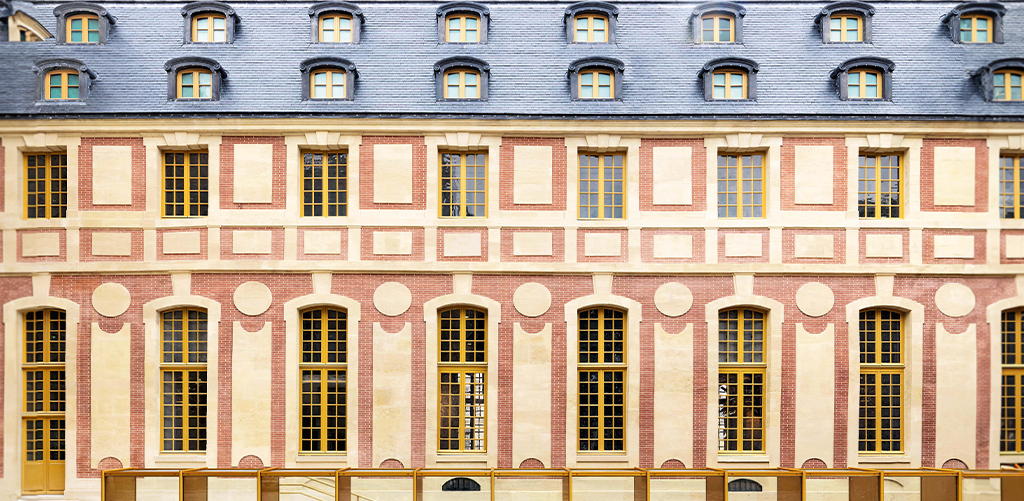
Neutral Bases: Neutral colours such as beige, grey, and white create a timeless backdrop that enhances the luxury feel of a space. The refurbishment of the Pavilion Dufour at the Palace, Versailles, for instance, uses a neutral palette to maintain its classic elegance.

Accent Colours: Bold, rich colours like emerald green, navy blue, or deep burgundy add vibrancy and sophistication. These colours can be used in accessories or as accent walls to create focal points.

Monochromatic Schemes: Using variations of a single colour can create a harmonious and serene environment. This approach is often seen in modern luxury homes where different shades of grey or blue are used.

Contrasting Colours: Employing contrasting colours can add energy and visual interest. For example, pairing dark walls with light furniture creates a striking effect.

Comfort and Functionality

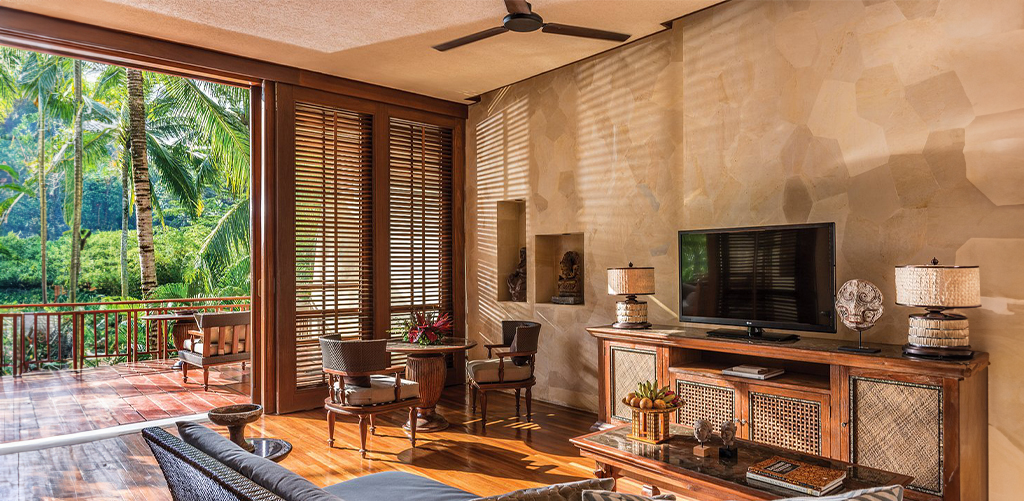
Combining comfort and efficiency into high-end interiors guarantees that the given area is not only aesthetically pleasing but also functional. It is essential to make a home feel more inviting while maintaining a high-end feel by employing colour palettes that are soothing, ergonomic furniture, and luxurious furnishings. Creating an atmosphere of calm and ease is the primary goal of the best luxury interior design, which aims to make the space a place where one may go to relax at the end of the day. The interior design of the Four Seasons Resort Bali at Sayan combines plush furnishings with elegant Balinese decor to create a space that is both luxurious and serene.

Luxury Home Features: The Must-Haves

Luxury homes are usually bigger, made of higher-quality components, and situated in places that people really want to live in. When looking for a luxury home, people often want to find features that aren’t found in other homes on the market as often. Adding luxury home features makes a home more secure, more comfy, and more pleasant to live in. Trends come and go, but the following luxurious features are always in demand:

Smart Appliances

These days, even the most luxurious houses are smart. People want technology and devices that do the work for them. Some examples of smart appliances that appeal to luxury homeowners and buyers include, Smart refrigerators, Smart window treatments, Smart speakers or Stereo Systems, Motion-sensor Lighting and much more.

Residential Elevator

Comfort and convenience are essential features in high-end houses, and residential lifts meet both. Installation of an elevator in a property, regardless of its number of floors, may allow easy mobility between different floors. Installing a personal lift can raise the value of your home by making it more desirable to buyers. People who have trouble moving around are looking for features in homes that will make them more comfortable to live in and get around in. People who want to stay in their luxury home as they age may also be more interested in one with a lift.

A Kitchen and Living Area Outside

A lot of high-end houses have outdoor living areas, which can include outdoor kitchens. Having a living place outside can make the area feel like a home away from home, even if it is on the same property. Some themes that people can choose for their outdoor living space are a pizza kitchen with a brick oven or an outdoor bar with a full drinks station.

Whether you’re renovating or building a new space, following the principles of Interior Design can help you create a home that has  both comfort and elegance. With the right education and practical exposure, like those offered by JD Institute of Fashion Technology, you can turn any space into a place of luxury and comfort.

On-Campus Placement Drive at JD Institute of Fashion Technology: Success Stories and Opportunities with White Hanger

Monday, October 7th, 2024

The students in their last term at the JD Institute of Fashion Technology are getting ready to enter the fast-paced world of fashion. Their journey has already begun on a positive note. The placement department recently put together an on-campus placement drive with White Hanger, a top clothing brand known for its party and wedding wear. This gave students a chance to find exciting job possibilities. This event’s success has made JD Institute even more determined to offer high-quality training and job placements that meet industry standards.

A Renowned Fashion Brand: White Hanger

White Hanger is a prominent clothing company having retail outlets in major cities such as Delhi, Mumbai, and 18 other sites around India. White Hanger, distinguished for its curated selections in party and wedding attire, has established a unique position in the fashion sector, providing an array of luxurious and fashionable apparel choices. White Hanger’s brand strategy prioritises innovation and superior design, appealing to fashion-conscious customers in search of the ideal outfit for significant events.

The collaboration between JD Institute and White Hanger for this placement drive demonstrates the institute’s commitment to linking students with prominent figures in the fashion industry, hence providing optimal opportunities for career initiation.

Exciting Positions Offered for JD Students

White Hanger’s visit to JD Institute was all about hiring candidates for a variety of positions in the fashion industry. Our students had amazing chances to work in the following roles thanks to this job fair:

Apparel Designer

Open to fresh graduates with an undergraduate degree in fashion. This role offers the chance to be involved in the creative process of designing exquisite garments for the brand’s party and wedding collections.

Fashion Consultant

Designed for those with qualifications in Fashion Styling (Undergraduate/Diploma), this role requires a deep understanding of personal styling, helping customers find their perfect outfits from White Hanger’s exclusive collections.

Production Manager

Open to both freshers and experienced candidates with a postgraduate or master’s degree. This role demands overseeing the production processes and ensuring that the final products meet the brand’s quality and design standards.

Social Media Manager + Industry Consultant and Brand Strategist

Open to freshers with undergraduate or postgraduate qualifications, this role combines creative and strategic responsibilities, including managing social media presence and developing brand strategies to enhance customer engagement.

Successful Student Placement: A Moment of Pride for JD Institute

The on-campus placement initiative led to 12 of our skilled students obtaining work at White Hanger. Their achievement not only demonstrates their dedication and commitment but also signifies the exceptional education and practical experience acquired at JD Institute. 

4 students were selected for the role of Fashion Designer, where they will contribute to the creative design process bringing fresh and innovative ideas to their respective brand’s signature collections.

6 students were offered positions as Fashion Consultants, where they will use their styling expertise in their respective brands they were placed in.

2 students secured positions as Social Media Managers, taking on the critical role of managing social media’s online presence and crafting engaging content that resonates with their target audience.

Looking Ahead: Opportunities for Future Graduates

The success of this placement initiative indicates favourable prospects for future graduates of JD Institute. The institute, with its specialised placement cell and robust connections with prominent fashion brands, consistently facilitates opportunities for students to thrive in their careers. JD Institute equips its students with the necessary abilities and opportunity to excel in the competitive fashion industry, encompassing design, consultancy, production management, and social media strategy.

Exploring Sustainability in the Fashion Industry: A Workshop with Sonia Jetleey at JD Institute

Saturday, October 5th, 2024

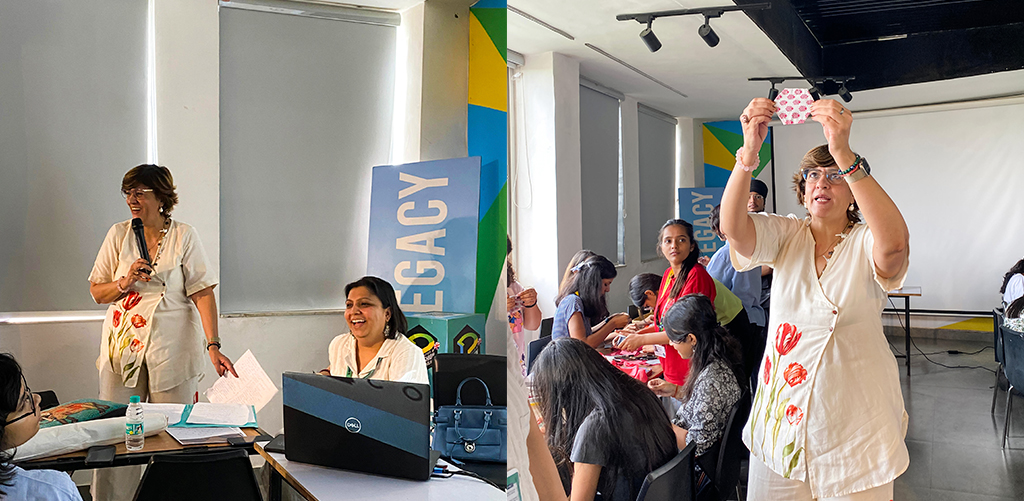
The fashion business has historically served as a foundation for self-expression and creativity; yet, its environmental consequences have increasingly raised concerns. As consumers and companies increasingly recognise the implications of rapid fashion, the imperative for sustainable practices has grown more pressing than ever. Recently, JD Institute of Fashion Technology conducted a session entitled “Sustainability in the Fashion Industry, facilitated by esteemed designer Sonia Jetleey, known for her timeless designs for the modern woman. The event provided students with both theoretical information and practical experience to comprehend the significance of sustainability in fashion.

The Challenges of Sustainability in Fashion

Sonia Jetleey started the workshop by talking about the major issues that the fashion business is having with turning ecological. The designer discussed how big brands have long relied on methods that aren’t sustainable to make cheap, trendy clothes. The fashion business leaves a big mark on the environment, from using too much water to make clothes to using harmful chemical dyes and making a lot of textile waste. These methods are not sustainable and lead to pollution, resource loss, and unethical working conditions. It is clear that we need to change how we do things.

The Impact of Reputed Brands on the Continuation of Unsustainable Practices

A primary subject addressed at the session was the influence of prominent fashion labels in fostering unsustainable purchasing behaviours. Jetleey elucidated how the fast fashion framework, characterised by the mass production of inexpensive apparel, has fostered a culture of throwaway fashion. Consumers are urged to purchase above their need, perpetuating an unsustainable cycle of overconsumption and waste.

She highlighted that certain brands are initiating green initiatives; nevertheless, these efforts frequently fail to achieve substantial impact. Sustainability, she asserted, must transcend marketing methods and be thoroughly embedded in the fundamental production and supply chain of a business. Jetleey encouraged students to critically evaluate the industry’s adaptations and to leverage their future positions to promote change.

Practical Learning: Designing Eco-Friendly Handbags

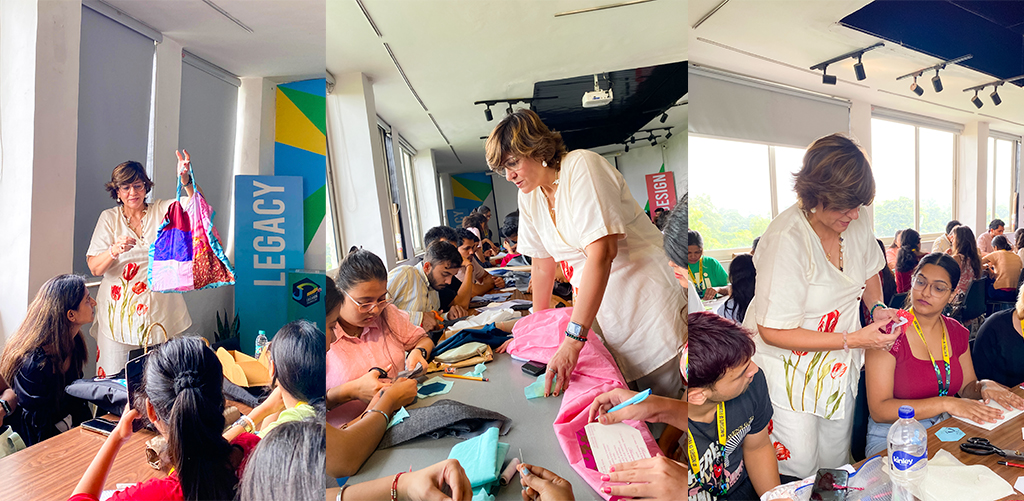
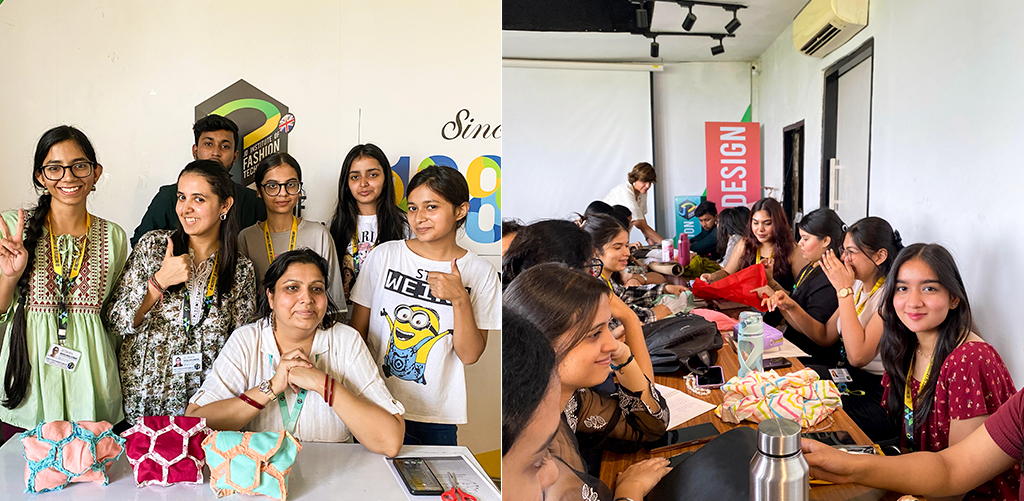
The workshop’s engagement element was quite captivating for the students. Under Jetleey’s supervision, they undertook the task of constructing a handbag composed completely of hexagonal fragments of discarded fabric. This practical endeavour was both enjoyable, inventive, and a significant lesson on sustainability. Through the transformation of discarded materials into practical and visually compelling objects, the students acquired knowledge on how small modifications in production and design can diminish waste and lessen environmental impact.
The activity highlighted the significance of Upcycling—the conversion of waste materials into new products. For some students, this represented their inaugural encounter with upcycling, illuminating the myriad possibilities of crafting sustainable creations without sacrificing quality or aesthetics.

Promoting a Sustainable Perspective

Jetleey emphasised the importance of reevaluating the students’ consumption patterns. Fashion transcends the runway; it influences daily existence. Students, as prospective fashion professionals, possess the capacity to shape industry norms and consumer behaviour. By selecting sustainable textiles, endorsing ethical businesses, and exercising caution in their consumption, people may have a significant impact on the planet.
Jetleey urged the students to perceive themselves not merely as designers or marketers but as proponents of a more sustainable and ethical fashion business. Consumer and professional choices can either intensify the issue or facilitate resolution.

Empowering Future Fashion Leaders at JD Institute

Beyond teaching about sustainability, the class encouraged individuals to take action. The JD Institute of Fashion Technology is training the next generation of fashion leaders who will put environmental responsibility at the top of their career lists by providing students with the information and hands-on skills they need to adopt sustainable practices.


Sonia Jetleey’s workshop influenced the students to view fashion in a new light, emphasising creativity, sustainability, and moral duty. Because the fashion industry is at a crossroads, it’s important to create workshops like this to help train a new generation of talent who will drive change and make sustainability a central part of their work.

JD Institute Students and PETA India Unite to End Bull Cruelty in Jallikattu and Races

Thursday, October 3rd, 2024

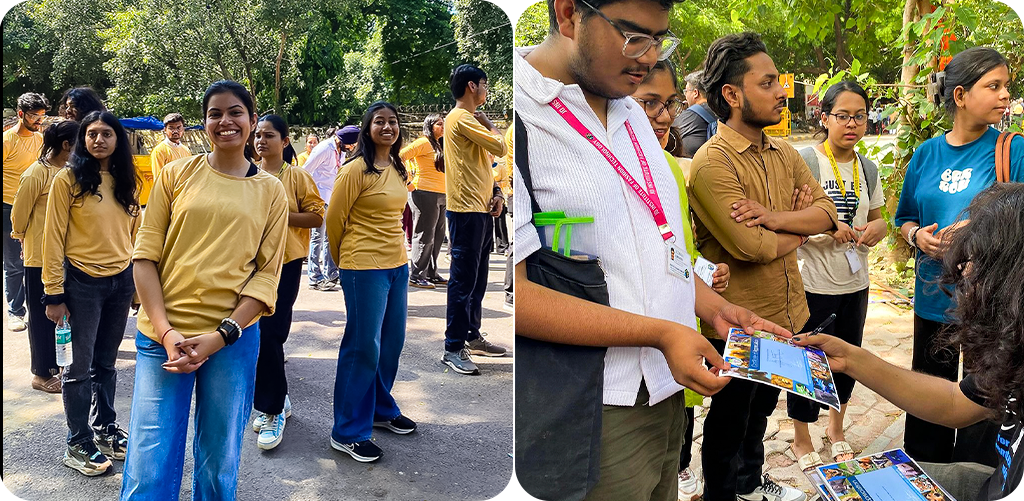
The students of JD Institute of Fashion Technology took a significant step toward advocating for animal rights by joining forces with PETA India supporters and the Ashray Foundation at a protest held at Jantar Mantar. The demonstration was aimed at raising awareness about the cruel treatment of bulls in events like races, fights, and the traditional practice of Jallikattu. By combining fashion and activism, the students underscored their institute’s commitment to social responsibility and ethical advocacy. 

A Bold Stand Against Animal Cruelty

The protest was unlike any other. The students brilliantly conveyed the hideous reality that bulls endure during rituals such as Jallikattu by adorning symbolic costumes that featured horns and scarlet veils. Protesters’ use of skeletal bull masks, worn by one of the leaders, served to highlight the savagery of the proceedings. Displayed beside these images were placards bearing the words “Stop Bull Bloodshed: End Races, Fights, and Jallikattu,” emphasising the demonstrators’ determination to put a stop to the bloodshed.

The goal of JD Institute is to inspire its students to think beyond the surface level when they apply their creative abilities, and this combination of fashion with advocacy is a prime example of that. Both the activists and onlookers were moved by the powerful visual message made by these leaders and our aspiring students.

Ethical Advocacy Through Creative Expression

The significance of the protest’s message was heightened by the selection of costumes and props. The blood-red veils were a sobering reminder of the agony inflicted upon the bulls, while the horns represented the animals who were brutally treated. Students’ capacity to harness their imaginations as a force for positive social change was on full display in this application of fashion.

This event further strengthened JD Institute of Fashion Technology’s dedication to ethical advocacy, which the institution has long been recognised for imparting in its students. Protests like these help the institute’s students realise the power of their acts and grow into global citizens who are conscious of the consequences of their choices.

Jallikattu: A Tradition Under Scrutiny

One of the central issues highlighted by the protest was the practice of Jallikattu, a traditional bull-taming sport held during the Pongal festival in Tamil Nadu. Despite its cultural significance, Jallikattu has been the subject of widespread criticism due to the physical and emotional harm inflicted on the bulls. Activists argue that these animals are often subjected to extreme stress and violence, including being chased, taunted, and sometimes injured or killed during the event.

The protests against Jallikattu and similar practices have gained traction in recent years, with organisations like PETA India and the Ashray Foundation leading the charge. JD Institute’s participation in these protests demonstrates a growing recognition within the fashion industry of the need to address ethical issues, not just within the world of fashion but also in the broader context of animal rights and social justice.

Fashion as a Catalyst for Change

The Jantar Mantar protest serves as a stark reminder of the fashion industry’s influence on social change. As the JD Institute students’ designs and creativity amplified the protest’s message, they proved that fashion is more than just a means of artistic expression; it can be a force for positive social and ethical change. Beyond just making stunning clothes, designers’ responsibilities are growing in the ever-changing fashion industry.

These days’ designers aren’t simply creatives; they’re activists who use their platforms to bring attention to social fairness, environmental sustainability, and slaughterhouse conditions. Empowering its students to be both creative innovators and ethical leaders, JD Institute of Fashion Technology is at the epicentre of this movement.

Crafting Cultural Connections: JD Institute Students Visit National Crafts Museum

Thursday, October 3rd, 2024

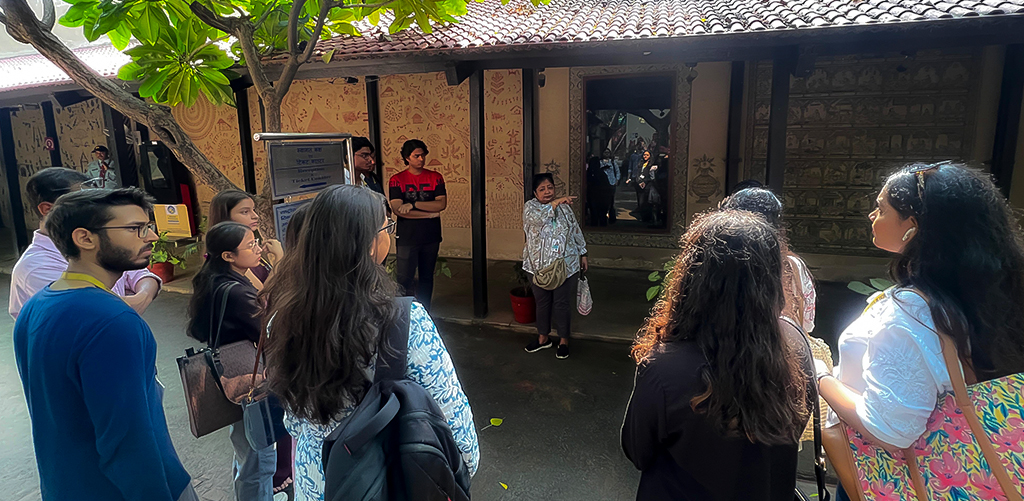
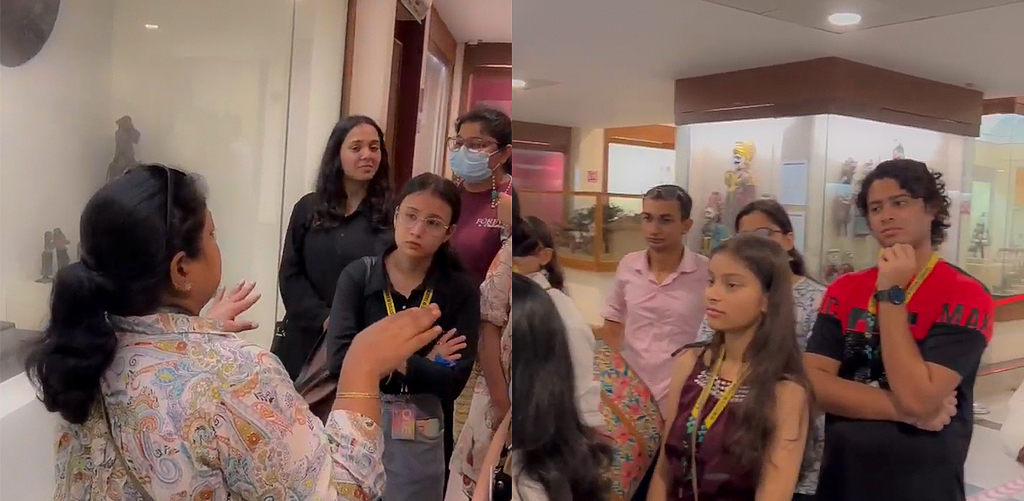
In the heart of New Delhi lies a hidden gem that captures the essence of India’s rich artistic legacy – the National Handicrafts and Handlooms Museum, popularly known as the National Crafts Museum. Recently, aspiring Interior Designers from JD Institute of Fashion Technology had the privilege of exploring this cultural treasure trove, gaining invaluable insights that will shape their future careers. 

For our Jediiians, this visit was not just a walk through the corridors of history, but a gateway to a treasure trove of inspiration. The museum, governed by the Ministry of Textiles, serves as a vibrant reminder of India’s regional diversity, offering a panoramic view of the country’s artistic legacy through the prism of traditional handicrafts and handlooms.

A Journey Through Time: Discovering India’s Artistic Diversity

The museum presents a comprehensive array of craft styles that encompass the entirety of India, from the exquisite textiles of Gujarat to the ornate needlework of Kashmir. While the students examined various sections of the museum, they discovered ancient traditions and craftsmanship techniques that persist. Each display offered insight into the laborious processes involved in ceramics, wood carving, and textile weaving.

The students were especially captivated by the exquisite exhibits of traditional Indian craftsmanship. From exquisitely crafted clay vessels to intricately woven fabrics, each item exemplified the commitment and meticulousness of artisans whose expertise has been refined over decades. The varied skills exhibited enabled the students to understand the unique attributes of each region’s art form, uncovering a cultural richness unattainable by contemporary mass-produced creations.

Connecting Artisanal Skills with Modern Design

A primary insight from the visit was the harmonious blend of traditional crafts into contemporary design environments. The students examined the potential for incorporating historical components into modern designs, resulting in spaces that are visually striking and culturally grounded. The colours, patterns, and textures exhibited in the museum served as catalysts for the students’ creativity, prompting them to transcend the conventional and incorporate elements from India’s abundant artisanal heritage into their work.

The observations of these traditional art forms highlighted the adaptability of Indian handicraft. The students discovered that these crafts may enhance modern dwellings with aesthetic value while also fostering a profound connection to cultural identity. Whether it is a meticulously handwoven textile serving as a focal point in a living area or elaborately sculpted wooden furnishings, these artisanal methods can enhance the allure of modern environments while paying homage to heritage. 

An Educational Experience Beyond the Classroom

Although textbooks and classes impart theoretical information, they cannot approach the experiential learning gained from practical exposure. The museum visit provided our Interior Design students with a distinctive opportunity to depart from traditional classroom environments and engage with India’s cultural heritage. They engaged with artisans, observed live demonstrations of ancient craft skills, and had a greater understanding for the labour and passion necessary to create these artworks.

A key lesson gained was the significance of patience and skill in design. Every exhibit at the museum exemplifies the time and expertise dedicated by craftspeople, highlighting the diligence frequently lacking in the contemporary, rapid-paced, technology-orientated environment. This encounter expanded the students’ understanding of craftsmanship, emphasising the importance of process over product. It provided them with practical insights on how to integrate such comprehensive procedures into their future design efforts.

Bridging the Gap Between Heritage and Innovation

The tour highlighted the important role traditional crafts play in eco-friendly design. Natural materials and eco-friendly procedures are prominent in many of the museum’s crafts, which teaches us something significant about sustainability in today’s design world. Leaving the museum, the students were even more determined to find ways to incorporate these eco-friendly, time-honoured methods into contemporary interior design projects in a way that pays homage to the past while also making a positive impact on the environment.

Inspiring the Next Generation of Designers

The visit to the National Crafts Museum had a profound impact on JD Institute students. The experience expanded their creative perspectives and enhanced their admiration for India’s artistic heritage. Through comprehensive engagement with traditional crafts, the students are now better prepared to incorporate a distinctive fusion of cultural authenticity and contemporary elegance into their future design projects.

JD Institute of Fashion Technology prioritises experiential learning, promoting creativity and innovation by linking students to the abundant cultural resources at their disposal. Through such experiences, the institute ensures its students are proficient in modern Interior Design trends and rooted in India’s artistic legacy.

JD Institute Hosts PETA Awareness Campaign on Leather and Fur Alternatives

Tuesday, October 1st, 2024

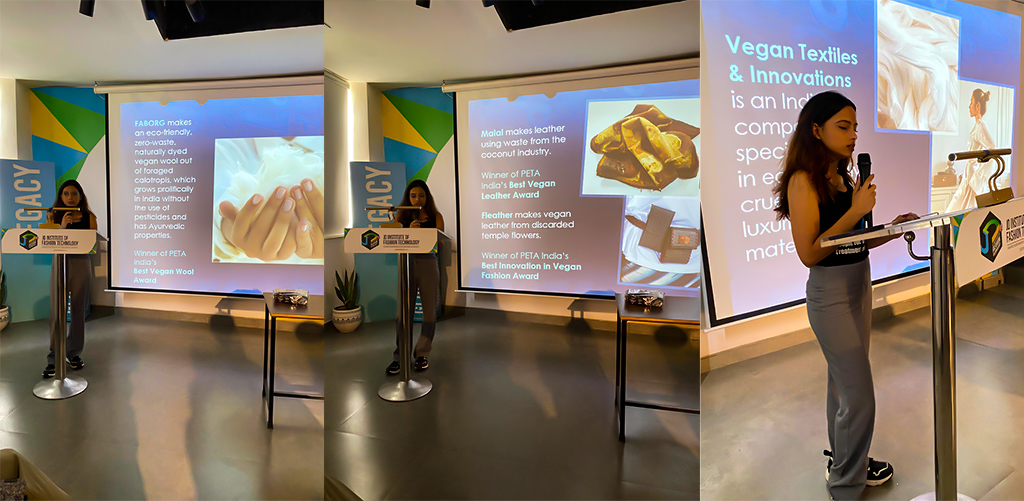
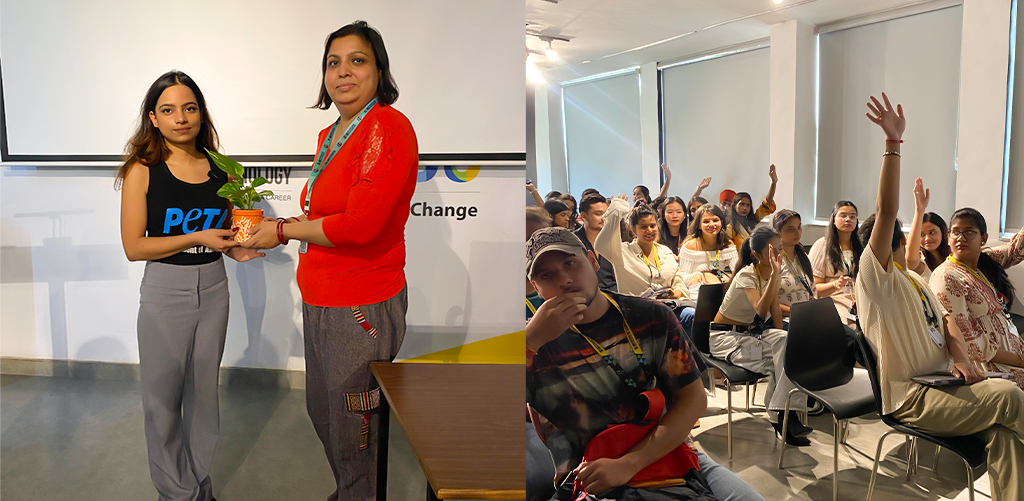
In today’s rapidly evolving world, fashion is no longer just about aesthetics—it’s also about values. The growing movement towards ethical and sustainable fashion is a response to a rising awareness of the environmental and moral implications tied to the industry. As part of this shift, JD Institute of Fashion Technology recently collaborated with PETA (People for the Ethical Treatment of Animals), the world’s largest animal rights organisation, to conduct an eye-opening awareness session for students. This campaign, led by Priyanka Mehar, Outreach Coordinator at PETA, focused on the ethical dilemmas surrounding leather and fur production, aiming to inspire future designers to rethink their materials and embrace cruelty-free alternatives.

PETA’s Role in the Fashion Industry

PETA has been a leader in animal rights activism for a long time. Their efforts against fashion stalwarts have led to changes in the whole industry. Thanks to PETA, almost all of the top designers have taken fur out of their collections. This is why they keep being the star of fashion weeks all over the world: to bring attention to the pain animals go through while being used to make clothes and items and to show that alternatives to animal products are in style.

PETA is significantly influencing the values of future designers by collaborating with educational institutions such as JD Institute. The organisation’s efforts extend beyond awareness-raising; they aim to effect structural change within the fashion industry, and JD Institute is honoured to endorse this purpose.

Exposing the Cruelty in Luxury Goods

PETA’s meeting was nothing less than powerful. The initiative revealed the cruel practices that happen behind the scenes in the leather and fur industries through talks, videos, and personal witness accounts. Students learnt about the horrible lives of animals that are used for fashion, and how many of them are hurt horribly for the sake of style. The graphic nature of the content not only brought up social issues with using these materials, but it also made people think about the things they buy.

The lesson primarily focused on the ethical concerns associated with the production of leather and fur. For many years, high fashion and wealth have been associated with these materials. However, getting these things often means putting animals through a lot of pain and suffering, with factory farming and cruel ways of killing creatures coming to light. In their campaign, PETA made it clear that the fashion industry needs to stop using such cruel methods and look for better ones.

Preparing Future Designers through Education

At JD Institute, education extends beyond technical skill development; it focuses on cultivating socially aware and responsible designers. The PETA awareness campaign significantly contributed to this comprehensive objective by informing students about the extensive implications of their consumer and design decisions.

Priyanka Mehar, PETA’s Outreach Coordinator, conducted discussions on the significance of animal welfare, encouraging students to contemplate not only the aesthetic appeal of their designs but also the ethical implications of their materials. She underscored that the brutality within the leather and fur industries goes beyond the mere infliction of damage on animals; it relates to the ethical obligation humans hold towards other living things.

By facilitating our students to learn more about the bad sides of high-end fashion, JD Institute hopes to motivate them to work for change by switching their attention from traditional materials to more environmentally friendly and moral ones.

Cultivating Responsibility and Compassion at JD Institute

The goal at JD Institute is not just to teach design skills but also to develop a stronger sense of responsibility and empathy, which are qualities that every real Jediiian should have. The PETA awareness event demonstrated this idea, emphasizing that fashion can and should serve as a positive influence. Students today are the ones who will shape the future of fashion. JD Institute makes sure that its students are ready to lead the way in sustainable and compassionate design by giving them the information and tools they need to make moral decisions. 

We extend our heartfelt thanks to Priyanka Mehar for her invaluable insights during the session. Her passionate advocacy for animal welfare deeply resonated with our students, who expressed great interest in exploring ethical alternatives to leather and fur.

The enthusiastic response from our future designers shows that they are eager to be part of a more compassionate and responsible fashion industry. Together, we can pave the way for a brighter, cruelty-free future in fashion.

The Power of Communication Design in Elevating User Experience in Digital Realm

Wednesday, September 25th, 2024

In the digital age, where every interaction is just a click away, the role of Communication Design in shaping user experience (UX) has never been more crucial. At JD Institute of Fashion Technology, a pioneer in fashion and design education, the importance of communication design is deeply ingrained in its curriculum. As digital products become important to our daily lives, understanding how communication design influences user experience is vital for designers aiming to create products that are both functional and engaging.

The Essence of Communication Design in Digital Products

Communication design is the planned process of making sure that written and visual features get messages across clearly. This includes everything from fonts and colour schemes to layout and how to get around in digital goods. A good communication plan makes sure that the user’s path through a digital product is easy to understand, interesting, and full of useful information.

Take a look at a website or app that has a complex layout, fonts that don’t match, or navigation that is hard to understand. A style like that would probably make people dissatisfied which would make the experience bad for them. A carefully designed interface, on the other hand, that makes it easy for users to move through the material can make them happier and more interested.

As Steve Jobs once said, “Design is not just what it looks like and feels like. Design is how it works.”

This saying shows how important communication design is for making the user experience useful and interesting.

Apple’s website and products are prime examples of effective communication design. The clean, minimalist layout, combined with intuitive navigation, allows users to find information and make purchases effortlessly.

Building User Experience Through Communication Design

Below are a few of the most important factors to remember in order to improve the user experience through communication design:

  1. Being Clear and Simple:

The main goal of communication design is to get information across in a clear and simple way. This means making interfaces for digital goods that are simple to understand at a glance. Design that is clear makes it easier for people to think, so they can focus on the job at hand instead of trying to figure out the interface. The Google homepage represents clarity and simplicity. The simple design with a search bar and branding lets users search without interruptions.

  1. Continuity in Design:

Another important part of communication design that affects user experience is consistency. Consistency in design elements like fonts, colours, and icon forms helps make an organised and reliable user experience, whether it’s a website, a mobile app, or any other digital product.

Spotify has a unified desktop, web, and mobile experience. The same colour palette, iconography, and layout across platforms makes user experience effortless.

  1. Visual Hierarchy:

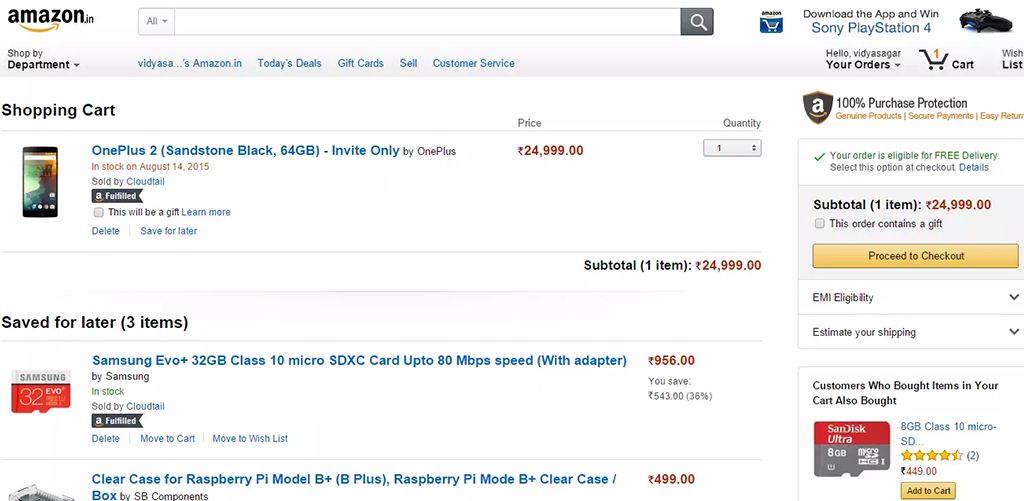
Another important notion in communication design that has a substantial effect on the user experience is the hierarchy of visuals. Designers can make sure that people use a product the way they meant them to by putting information in a way that draws attention to the most important parts first. Amazon’s product pages to help users through the buying process. After the “Add to Cart” button, the product picture, title, and price are shown in great detail. This hierarchy makes it easy for users to make choices and finish purchases, which improves their experience as a whole.

  1. Engagement on an Emotional Level:

Communication design is also very important for making meaningful connections with people. Designers can make people feel certain feelings and give them a memorable experience by using colour psychology, typography, and images in a planned way.

Airbnb uses high-quality photos, welcoming colours, and friendly typography to create a pleasant adventurous website and app. This emotional interaction improves the user experience and matches with Airbnb’s brand idea of personalised travel.

The Function of User-Centred Design in Communication

Putting the user at the centre of the design approach is what user-centred design is all about. Understanding the user’s desires, requirements, and problems is important for making a product that gives them a satisfying and easy-to-use experience. Communication design is a key part of this method because it includes making visuals and messages that connect with the user.

Netflix uses user-centred design to make sure that users can quickly and easily find something to watch by giving them personalised content suggestions based on what they’ve watched before.

To prepare students for a career in fashion technology, JD Institute of Fashion Technology emphasises the importance of user-centred design in all of their works. This ensures that the students’ expertise will be up to level with industry requirements for user satisfaction. 

Interface in Communication Design

Interface design is a branch of communication design that looks at how a digital product is laid out and how it can be used. A well-designed interface not only looks good, but it also makes the product easier to use by making it simple to work with. Communication design principles are used in good interface design to make sure that every part of the display has a purpose and adds to the user experience as a whole.

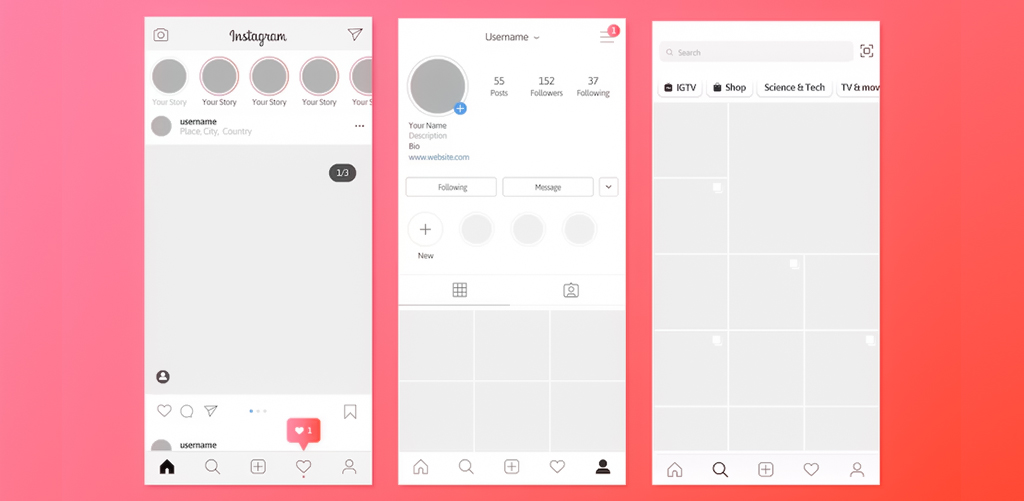
The Instagram layout is a great example of how to make something simple and useful. The platform is one of the easiest to use social media apps because it has a consistent style, features that are simple to use, and visually appealing elements.

By nurturing the next generation of designers, JD Institute is helping to shape the future of Communication Design, ensuring that digital products continue to offer exceptional user experiences.

Empowering our Fashion Design Jediiians with Real-World Experience at The Glitter Exports

Monday, September 23rd, 2024

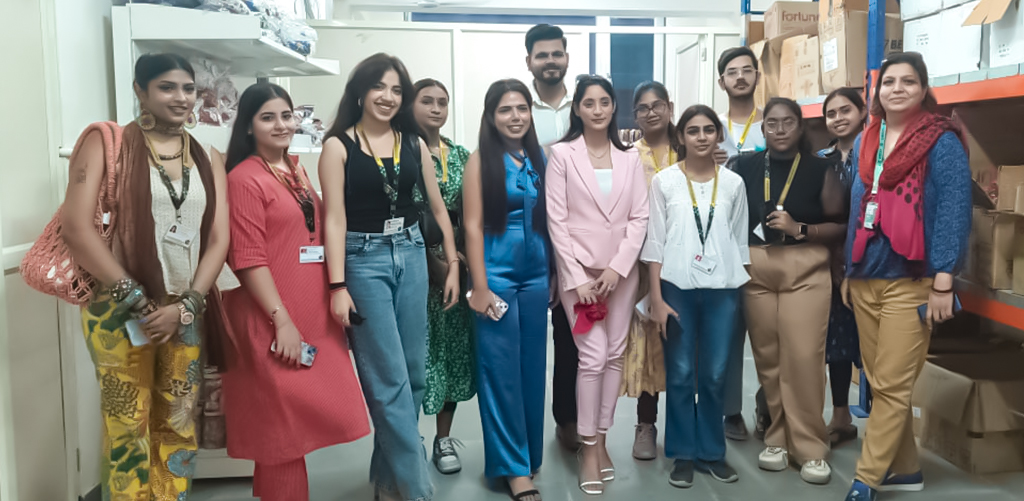
As part of their continuous effort to bridge theoretical knowledge with practical experience, the JD Institute of Fashion Technology recently organised an insightful visit to The Glitter Exports, a premier apparel and accessories manufacturing and exporting unit in India. This visit, designed for undergraduate students from the Fashion Design programme, was conducted as part of their Fashion Merchandising Management and Apparel Manufacturing & Production modules. By stepping into the world of export operations, students gained valuable, real-world exposure to the inner workings of a high-functioning manufacturing unit.

A Leading Manufacturing Centre: The Glitter Exports

Glitter Exports is a well-known name in the global fashion industry. With state-of-the-art facilities and a fully in-house setup for manufacturing and embroidery, this apparel and accessories manufacturing unit caters to over 30 countries. Their clientele includes wholesalers, offline retail stores, and online platforms, making The Glitter Exports a trusted partner in the international fashion business. Known for its high-quality craftsmanship and ability to bring creative visions to life, the company specialises in producing customised products tailored to their clients’ specifications. 

Experiential Learning Outside the Classroom

The key objective of the visit was to provide students with a thorough understanding of the operations of export businesses. It provided students with a distinctive opportunity to witness the combined efforts of multiple departments, including marketing, merchandising, sampling, production, and quality control. This comprehensive exposure enabled students to better understand the dynamics of textile manufacturing and the precise processes that guarantee prompt and high-quality deliveries to international customer base.

Understanding the Primary Departments

During the visit, students got the opportunity to engage with professionals from all departments at The Glitter Exports. The organised tour offered insights into:

Marketing

The marketing department is crucial in identifying target markets, analysing trends, and maintaining client relationships. Students observed how marketing strategies are developed to meet the needs of international clients and how these strategies directly influence product design and production.

Merchandising

Merchandisers serve as mediators between clients and the production crew. They guarantee that designs align with client requirements while upholding quality and cost efficiency. Students observed directly how merchandising choices influence all aspects, from fabric selection to the execution of the final product.

Sampling

The sampling section is essential in transforming design thoughts into practical samples. By comprehending customer demands, the team develops prototypes that embody the brand’s vision and creativity. Students noted the rigorous development and refinement of each sample prior to its approval for manufacturing.

Production 

The production area is the core of any industrial facility. The Glitter Exports utilises innovative machinery to guarantee smooth and simplified operations. The students observed the several phases of garment production, including cutting, stitching, embroidery, and finishing, acquiring knowledge on the management of large-scale production while upholding quality standards.

Connecting with Industry Experts

The visit’s focus was the engagement between the students and the industry professionals at The Glitter Exports. The students, enthusiastic to obtain knowledge, asked insightful questions on export operations, obstacles encountered in the worldwide market, and the future of garment manufacturing. The team at The Glitter Exports was both accommodating and eager to impart their knowledge, offering comprehensive responses to each inquiry. 

Their readiness to interact with the students emphasised the practical skills and concepts the students had been learning in the classroom. This encounter enhanced the students’ understanding of how different business components collaborate to achieve harmony.

Closing Reflections on an Inspiring Experience

The visit to The Glitter Exports was an invaluable experience for the students, equipping them with practical knowledge that will surely assist them in advancing their fashion design careers. Through the observation of advanced manufacturing methodologies and interaction with industry specialists, the students acquired a comprehensive understanding of the operational dynamics of an export house and its significant contribution to the global fashion sector.
This hands-on educational opportunity highlights the JD Institute’s dedication to equipping its students with practical exposure, guaranteeing their readiness for the industry upon graduation. Such experiences enable students to refine their technical skills while simultaneously cultivating a deeper comprehension of the fashion industry’s worldwide dynamics.

Copyright © 2025 JD Institute of Fashion. All Right Reserved

Designed by Red Lemon

Whatsapp icon
Apply Now
Enquire
Quick Enquiry