
Apply Now

Author Archive

Glamour Unveiled: JD Students Volunteer at UMB Miss and Mrs. India Pageant

Wednesday, November 20th, 2024

The JD Institute of Fashion Technology has consistently served as a centre for fostering creativity and offering practical learning opportunities for budding designers. Recently, an extraordinary chance emerged when Fashion Design Jediiians volunteered at the esteemed UMB Miss and Mrs. India Beauty Pageant, conducted at the renowned Indira Gandhi Stadium. Adding to the excitement of the evening were Bollywood stars Sara Ali Khan and Arjun Kapoor, whose presence amplified the glamour and energy of the event. For the students, this was a memorable opportunity to witness how star power and celebrity charisma elevate an event to new heights.

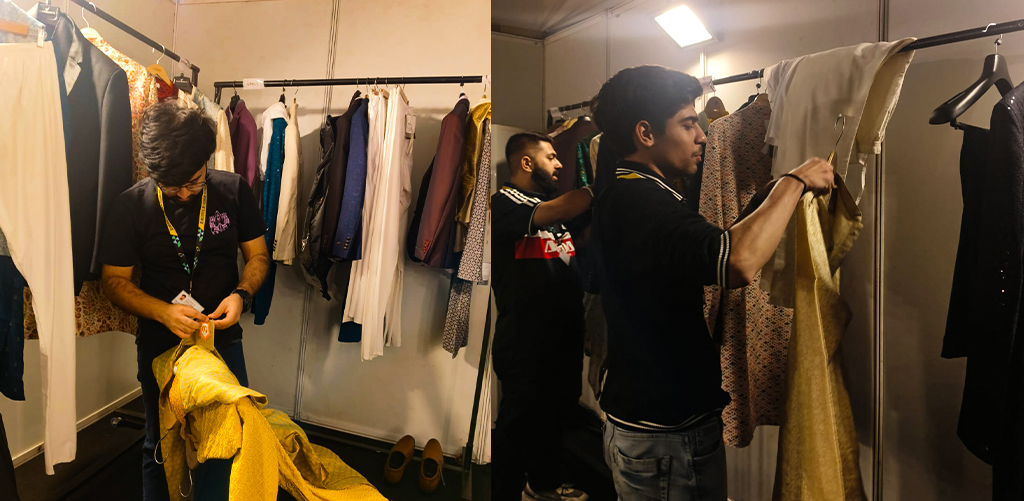
This event served as a transforming experience for the students, immersing them in the dynamic realm of live fashion shows. The students gained direct experience in managing backstage duties and directing on-stage performances, thereby understanding the complexities of organising a high-profile event. 

Learning the Ropes of Backstage Dynamics

Amidst the captivating lights and luxurious runway displays exists an abundance of backstage endeavours, with JD Institute students positioned at the centre of it all. They undertook a range of responsibilities, including:

  • Outfit Management: Assisting models with outfit changes, ensuring every detail was perfect for their appearance.
  • Garment Preparation: Ensuring that each ensemble was steamed, pressed, and ready for its moment in the spotlight.
  • Last-Minute Touch-Ups: Helping with makeup adjustments, accessories, and styling to guarantee every model was runway-ready.

These responsibilities required rapid cognitive function, meticulous attention to detail, and the capacity to operate effectively under significant time constraints. The students engaged with experienced designers, stylists, and organisers, playing a crucial part in ensuring the show’s seamless progression.

Taking Charge Front-Stage

The experience extended beyond the backstage region. Students of JD Institute also undertook vital front-stage roles that required equivalent precision and skill. Their responsibilities encompassed:

  • Coordinating Model Entrances and Exits: Ensuring seamless transitions between sequences while maintaining stage timing.
  • Overseeing Stage Flow: Monitoring every element of the program to keep the event running on schedule.
  • Problem-Solving in Real Time: Addressing unforeseen challenges with poise and creativity.
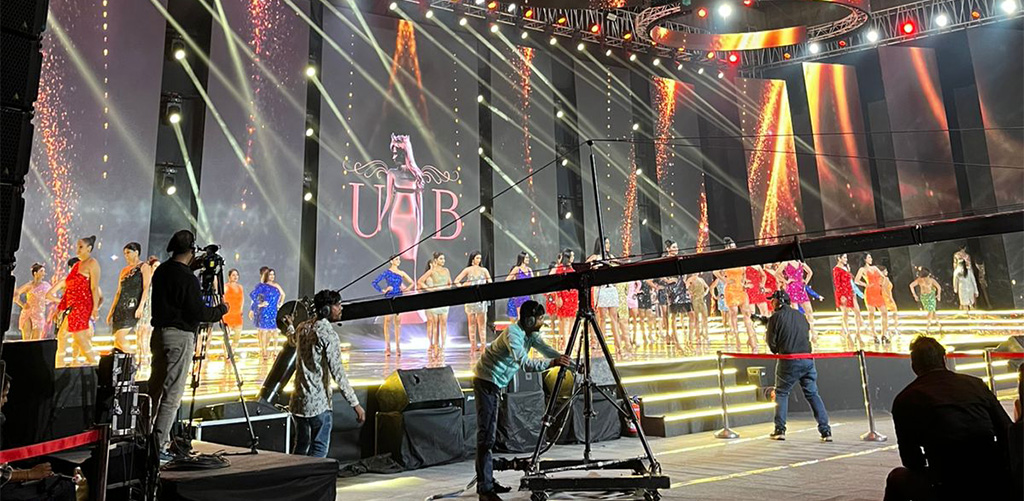
These opportunities allow the students to comprehend the essential equilibrium between artistic concept and logistical implementation that characterises the success of live fashion events.

Practical Insights for Future Designers

Participating in the UMB Miss and Mrs. India Beauty Pageant offered JD Institute students more than just practical exposure—it was an immersive learning experience that honed their skills and boosted their confidence. Key takeaways from the event included:

  • Understanding Industry Expectations: By working closely with professionals, students gained a clear picture of the standards and demands of the fashion industry.
  • Teamwork and Collaboration: The event highlighted the importance of working cohesively with diverse teams to achieve common goals. 
  • Networking Opportunities: Interacting with designers, stylists, and event coordinators opened doors to future collaborations and mentorship.
  • Building Confidence: Tackling high-pressure situations and succeeding in their roles instilled a sense of accomplishment and readiness for future challenges.

A Glimpse Into the Future

Events like the UMB Miss and Mrs. India Beauty Pageant are invaluable for aspiring designers. They provide a platform to apply theoretical knowledge in real-world scenarios, bridging the gap between classroom learning and industry practice. This experience will undoubtedly serve as a source of inspiration and a stepping stone in the students’ journeys to becoming successful professionals in the fashion industry.

Through such initiatives, JD Institute reinforces its dedication to cultivating comprehensive, industry-prepared professionals prepared to impact the global fashion and design sphere.
On the Front Lines of Fashion: JD Institute Students Volunteer at Shopper Stop Festival 2024

Tuesday, November 12th, 2024

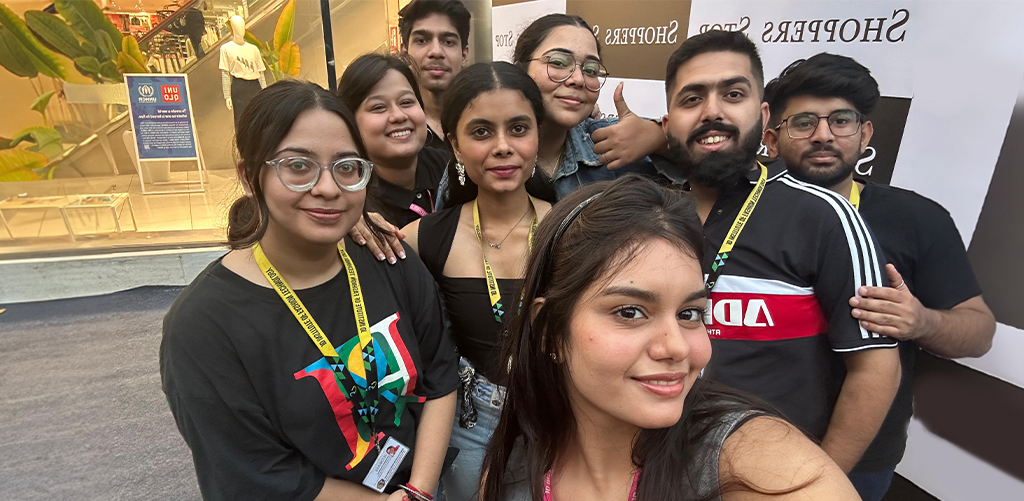
Even though fashion shows are known for their quick pace and sparkle, few people ever get a glimpse of the real work that goes into putting them on. Volunteering in the Shoppers Stop Festival 2024 fashion display at the famed Ambience Mall, Vasant Kunj, gave JD Institute’s fashion design students a taste of this reality. They gained priceless insight into the fashion show and event management industries through this practical experience, which served as a substantial learning curve. 

Experiential Learning at a Prestigious Fashion Show

Participating in a major event like the Shoppers Stop Festival 2024 was more than just an eye-opener for the students; it was a live classroom where they observed the intricate dynamics of managing a fashion show. From the minute they arrived at the venue, the students were introduced to the high-pressure environment of the fashion industry. This experience allowed them to see firsthand how industry professionals operate and the meticulous planning required for a flawless fashion show. 

The Role of Backstage Crew: Managing Outfits and Preparing Models

Fashion shows are not just about what happens on the runway; much of the magic happens behind the curtains. As members of the backstage crew, the students from the JD Institute played a crucial role in ensuring the seamless execution of the event. They assisted in preparing the clothing, changing outfits, and handling any necessary last-minute touch-ups. To fulfil their duties, they were responsible for ensuring that every model was perfectly styled and faultless before they began walking down the catwalk. 

The students learned how to deal with stress, stick to tight schedules, and collaborate with designers, stylists, and planners by going backstage. It was more than what they learned in school; it gave them real-world experience that will definitely help them in their future jobs.

Mastering the Dynamics and Timing of the Front Stage

In addition to their backstage duties, the students were also involved in front-stage coordination. This aspect of the fashion show required them to manage model entrances and exits, oversee stage timing, and ensure that the entire event flowed seamlessly. The challenge was not just about getting things done but doing so with precision under the eyes of an audience. 

By taking on these responsibilities, the students gained an appreciation for the level of detail and synchronisation required in orchestrating a successful fashion show. They learned the importance of timing, teamwork, and communication—all crucial skills for anyone looking to break into the fashion industry.

Learning Industry Expectations and Networking Possibilities 

One of the most valuable aspects of participating in the Shopper Stop Festival 2024 was the opportunity to network with industry professionals. The fashion industry is as much about who you know as it is about what you know, and this event provided the students with a platform to connect with designers, stylists, and event coordinators. These interactions not only expanded their professional network but also offered them insights into industry expectations.

The students were able to observe the professionals’ work ethics, discipline, and dedication to their craft. They learned that the success of a fashion show is a result of hard work, attention to detail, and the ability to think on your feet. Such real-world experiences are crucial in shaping the mindset of aspiring fashion designers, helping them transition from the classroom to the competitive fashion industry.

The Takeaway: Real-World Experience Fueling JD Institute Students’ Fashion Careers

Our Fashion Design Jediiians had a truly memorable time at the Shopper Stop Festival 2024 at Ambience Mall in Vasant Kunj. They learnt the ins and outs of the glamorous world of fashion shows as volunteers at this prestigious event. This form of hands-on learning is crucial for emerging designers. It not only connects classroom theory with practical application but also motivates students to pursue greatness in their future professions.

The JD Institute underscores the significance of practical experiences, guaranteeing that its students are adequately prepared to confront the challenges of the fashion industry with assurance and proficiency.

The Influence of Social Media on Fashion Styling: A Modern-Day Transformation

Saturday, November 9th, 2024

The rise of social media in today’s world has had a significant impact on numerous worldwide businesses, including the fashion styling industry. Social media sites like Instagram and Facebook attract millions of users every day, and the trends that start there often influence our own style. The swift spread of information through various channels has made following the latest trends in clothing easier and faster than ever before. Now, let’s look at the ways social media trends are impacting the fashion styling profession and how this is affecting those who want to be stylists in the future.

Instagram: The New Fashion Display Space

Instagram has quickly become the most popular site for finding style ideas. With more than one billion monthly users, it has transformed into a digital runway where famous people, influencers, and ordinary people all show off their individual sense of style. People all over the globe are now able to see what fashionistas are wearing every day thanks to hashtags like #OOTD and #StreetStyle.

The rapid rise of “streetwear” to the top of the fashion industry’s trends is an excellent example. Influencers on Instagram and famous people like Kanye West, Kim Kardashian, and Rihanna wore Off-White, Supreme, and Balenciaga, which led to the brands’ increased appeal. Because it combined high fashion with informal, everyday wear, streetwear became popular very fast. Instagram’s algorithm, which gives more weight to visually appealing content, increases the visibility and influence of visually pleasing outfits among fashion stylists.

At the JD Institute, students are taught to analyse and interpret social media trends like these. This ensures that graduates are prepared to create fashion styles that are not only trendy but also resonate with global audiences.

Facebook: Networks for Fashion and Global Styles

Facebook might mainly be associated with social networking, but it also has its own impact on individual fashion preferences. People who share an interest in fashion can find one another in Facebook groups and communities dedicated to the subject. Members of these organisations often join us to talk about what’s trending, brainstorm new outfit ideas, and purchase and sell lightly worn designer items. For instance, the Facebook community “The Fashion Spot,” where members from all over the world discuss fashion shows and street fashion, exemplifies this. These networks provide a wealth of resources for fashion enthusiasts and stylists, including ideas, feedback, and inspiration. Additionally, fashion companies advertise new collections on Facebook, frequently targeting certain demographics to broaden their audience. Facebook fashion trends, through these communities and advertisements, influence popular and fashionable standards.

Inspiration for Your Next Fashion Item? Check Out Pinterest! 

Although Instagram and Facebook dominate in the social media field, Pinterest has gradually arisen as a powerful medium for fashion inspiration and trendsetting. Pinterest functions as a digital mood board for fashion enthusiasts and stylists, emphasising graphics and exploration. Users can establish “boards” to showcase their preferred clothes, styles, and trends, making it an essential platform for anyone attempting to gather and spread fashion notions.

Brands often use Pinterest to showcase their collections and encourage people to try new styles. Zara and H&M, for example, update their Pinterest boards all the time with the newest styles. People then pin and share these looks, which spreads them throughout the fashion community.

The Influence of Influencers to Shape Fashion Waves

The emergence of influencers is probably the most significant effect of social media on the world of fashion style. These people have become the modern-day trend-setters, ranging from small influencers with a few thousand to huge influencers with millions of followers. Their work with fashion brands is crucial in determining trends.

Influencers like Komal Pandey, Masoom Minawala, and Kritika Khurana (That Boho Girl) are prime examples of how social media stars are setting fashion trends. Komal Pandey often blends high-end and street styles to create unique looks, showcasing her daring and innovative choices. Famous influencer Masoom Minawala frequently features Indian designers at global fashion events, introducing Indian fashion to a global audience. Kritika Khurana has become a fashion icon for young ladies all over India thanks to her boho-chic, effortlessly stylish style. 

The Influence of Viral Fashion Trends

Social media grows on viral content, and fashion is no exception. Trends such as the #VogueChallenge and TikTok’s “Outfit Challenges” have motivated numerous people to innovate their styling, bringing fresh concepts into the fashion limelight. These viral challenges have transformed ordinary internet users into trendsetters, allowing people to impact fashion simply by engaging in online movements. The “Outfit of the Week” challenge on TikTok led users to display their weekly fashion outfits, initiating a trend that impacted traditional styling preferences. These trends highlight the continuous evolution of creativity on social media, requiring that stylists remain informed to maintain relevance.

As social media continues to shape fashion, institutions like the JD Institute of Fashion Technology stand out by offering courses that reflect these changes. The Fashion Styling course at JD Institute is designed to teach students how to navigate the digital world and make the most of trends emerging from platforms like Instagram and Facebook.

Bridging Tradition and Innovation: Kathiawar Embroidery Workshop at JD Institute

Thursday, November 7th, 2024

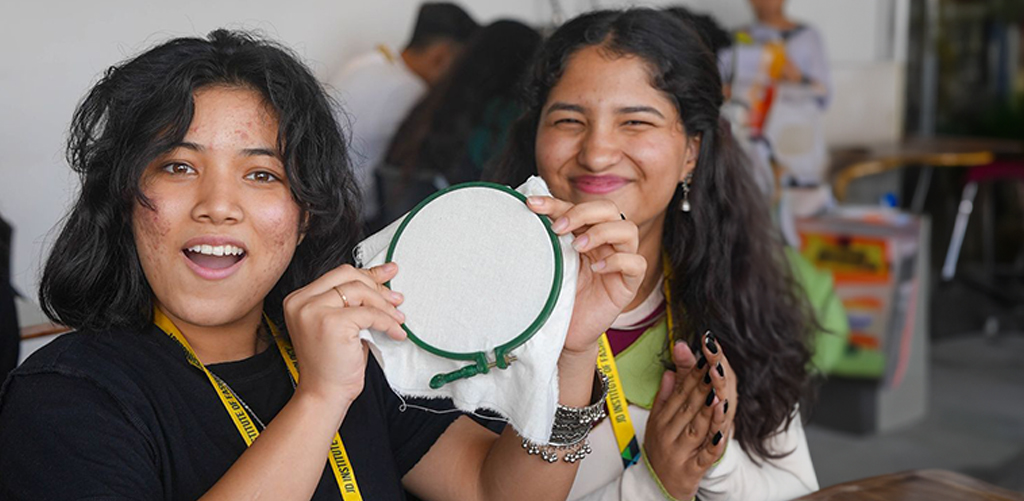
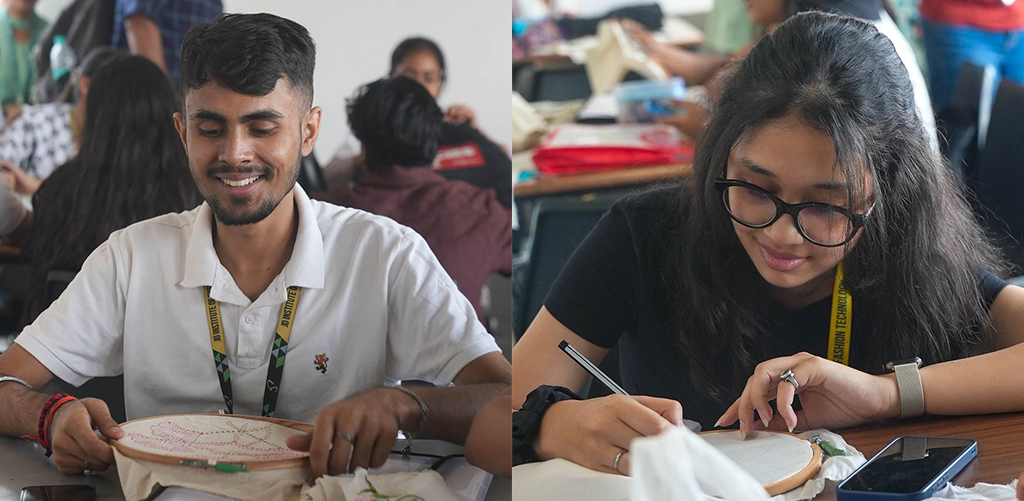
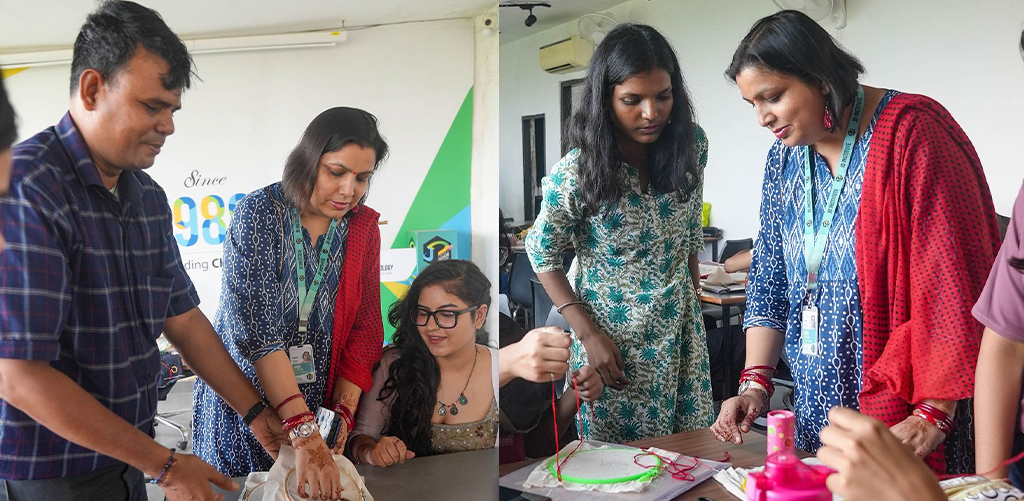
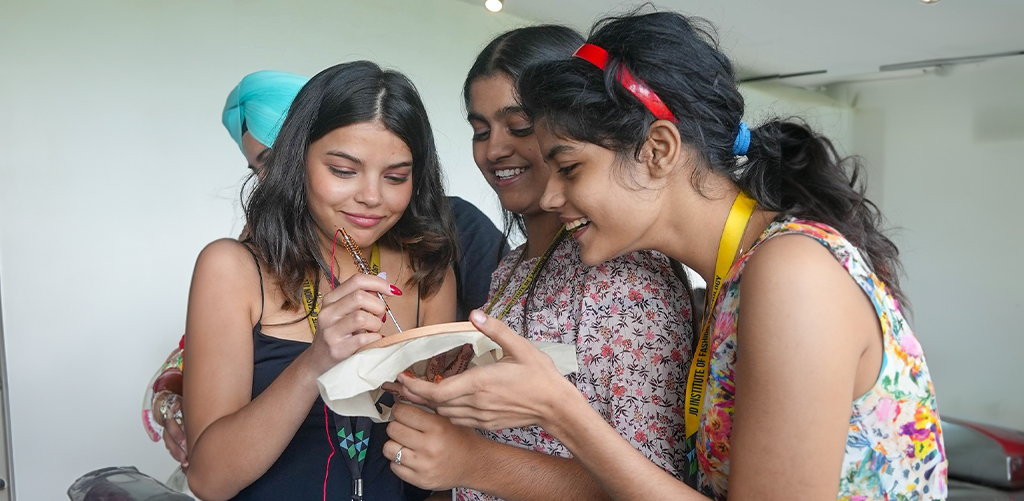
RCDE Trust, in collaboration with the JD Institute of Fashion Technology, recently hosted an inspiring workshop led by Mr. Jagdish, an expert artisan from Kathiawar, Gujarat. This workshop was a celebration of the traditional art of Kathiawar embroidery, offering students hands-on exposure to one of India’s most intricate and culturally rich crafts. With a focus on preserving India’s vibrant heritage, RCDE Trust and JD Institute aim to support traditional artisans while bridging the gap between historic craftsmanship and contemporary design.

Exploring the Rich Art of Kathiawar Embroidery

Kathiawar embroidery is known for its vibrant colours, detailed motifs, and meticulous techniques that reflect the rich culture of the Kathiawadi community. This art form is steeped in history, representing the region’s heritage through patterns inspired by nature, local customs, and stories passed down through generations. By bringing this unique craft to JD Institute, the workshop allowed students to experience the beauty of Kathiawar embroidery up close.

This initiative is part of RCDE Trust’s larger mission to safeguard India’s textile heritage. Traditional arts like Kathiawar embroidery are not only visually captivating but also serve as cultural storytellers, connecting us to India’s past. The workshop emphasised how supporting and learning from these time-honoured crafts can inspire new forms of artistic expression in today’s design landscape. 

Fostering Collaboration Between Tradition and Innovation

The workshop is a perfect example of how collaboration between artisans and students can spark creativity and innovation. By connecting young, aspiring designers with skilled artisans like Mr. Jagdish, RCDE Trust and JD Institute create a space where tradition and modernity meet. Mr. Jagdish shared his expertise in Kathiawar embroidery, demonstrating techniques and explaining the symbolism behind various designs. This exchange of knowledge allowed students to see how traditional arts can influence and enhance their own creative ideas.

RCDE Trust believes in empowering young designers with an appreciation for heritage. By working directly with artisans, students gain insight into the dedication required to master traditional techniques, an experience that shapes their understanding of craftsmanship and deepens their respect for cultural roots. This approach encourages students to experiment with incorporating traditional artistry into contemporary design, creating a blend that honours the past while pushing boundaries.

The Value of Experiential Learning in the Art of Design

Practical, hands-on learning experiences like this workshop play a critical role in shaping well-rounded designers. Working directly with Kathiawar embroidery techniques under the guidance of an artisan brings to life aspects of design that theoretical learning alone cannot provide. Students at JD Institute gained a firsthand look at the intricacies involved in this centuries-old art form, from the delicate stitching to the vibrant colour choices that define Kathiawar embroidery.

This immersive experience allows students to connect emotionally with the art form, creating a deep understanding that often becomes a lifelong influence on their design journey. Exposure to traditional arts not only expands their technical skills but also enhances their ability to create designs that carry meaningful cultural significance.

Preserving Heritage with Contemporary Perspective

At the heart of RCDE Trust’s mission is a desire to cultivate cultural pride in the next generation of designers. By exposing them to traditional Indian crafts, RCDE Trust encourages students to honour their heritage and integrate it into their work. The workshop on Kathiawar embroidery was more than an educational experience—it was a call to celebrate and respect India’s cultural legacy in contemporary ways.

In the rapidly globalising fashion and design industry, retaining a sense of cultural identity is essential. RCDE Trust’s initiatives ensure that as new designers enter the field, they are equipped with an understanding of their heritage and an appreciation for the unique beauty of India’s traditional crafts. This workshop underscored the significance of preserving local art forms, showing students how their designs can be enriched by drawing inspiration from India’s textile traditions. 

Gratitude for Mr. Jagdish’s Contribution

RCDE Trust and JD Institute extend sincere appreciation to Mr. Jagdish for his invaluable contribution to the workshop. His extensive knowledge and passion for Kathiawar embroidery gave students a profound learning experience, allowing them to appreciate the commitment and expertise required to keep this art form alive. Through his guidance, students were able to experience the delicate craftsmanship involved in Kathiawar embroidery, inspiring them to approach design with a newfound respect for traditional artistry.

Mr. Jagdish’s willingness to share his expertise has left a lasting impression on the students, providing them with skills and insights that will undoubtedly shape their future work. His presence reinforced the importance of artisans in preserving and sharing India’s cultural treasures, ensuring these art forms remain relevant for generations to come.

Empowering a New Wave of Innovative Thinkers

Through initiatives like the Kathiawar embroidery workshop, RCDE Trust and JD Institute of Fashion Technology are shaping a future where cultural heritage is honoured and celebrated in design. The workshop offered students an unforgettable experience, inspiring them to explore traditional crafts as a source of creativity and innovation. By providing them with the skills and cultural knowledge needed to incorporate traditional artistry into their work, RCDE Trust is preparing the next generation to create designs that are not only aesthetically appealing but also culturally meaningful.

The collaborative spirit of this workshop exemplifies RCDE Trust’s dedication to promoting cultural preservation and creative exploration. By nurturing a connection between students and traditional artisans, RCDE Trust is helping ensure that India’s artistic legacy continues to inspire and influence the world of modern design.

Future-Forward Fashion: The Role of AI in Fashion Business Management

Thursday, November 7th, 2024

“Fashion may be art, but managing it is a science—one that’s now powered by AI.”

Artificial Intelligence (AI) is changing the way the fashion business works. From predicting trends to managing stock and creating personalised shopping experiences, AI is helping fashion brands become smarter and more efficient. The Fashion Business Management course at JD Institute is perfect for students who want to learn these new skills and understand how technology is transforming the fashion industry. Here’s a look at how AI is changing fashion business management in some key areas. 

Creating Personalised Shopping Experiences

The development of a more personalised shopping experience for clients is one of the most significant ways that artificial intelligence is assisting fashion businesses. AI examines a customer’s browsing history and previous purchases to make recommendations for products that they might be interested in purchasing. This eliminates the need to present everyone the same products.

As an example, Stitch Fix employs artificial intelligence to assist stylists in selecting apparel that is suitable for a customer’s preferences, and ASOS makes product recommendations based on what customers have already viewed on the website.

Better Inventory Management and Demand Forecasting

AI makes it easier for brands to get a better handle on their inventory. Whether you retain too much or too little stock, it can lead to significant costs in the fashion industry. Businesses like H&M and Zara use artificial intelligence to forecast the quantity of each item in their stores by analysing data such as previous sales, weather patterns, and social media trends. This results in reductions in waste and increases the efficiency of their supply chains.

At JD Institute, we prepare young aspirants and ensure their competence in gaining a crucial understanding of managing the Fashion Business, in line with the growing demand for artificial intelligence.

Improving Trend Prediction with Artificial Intelligence

The fashion trends are constantly shifting, and in order for brands to remain relevant, they need to stay ahead of the curve. Information gathered from social media and the internet can be analysed by artificial intelligence to determine which colours and styles will be popular over the following season. As a prime example, the fashion label Tommy Hilfiger employs artificial intelligence in order to recognise trends and generate fresh concepts for their seasons.

AI Chatbots for Enhancing Customer Service

When it comes to providing customer support, a number of fashion firms are increasingly using AI chatbots. In addition to providing advice on how to style items, these chatbots are able to provide answers to questions regarding merchandise.

For instance, H&M offers a chatbot that is powered by artificial intelligence that assists clients in finding clothing that is a good match for their own style. Burberry also employs chatbots on social networks to provide shoppers with personalised recommendations.

Using AI to Make Fashion More Eco-Friendly

In the fashion industry, sustainability is a major concern, and artificial intelligence is supporting firms in reducing their influence on the environment. Artificial intelligence can help plan manufacturing to reduce fabric use and waste. Adidas uses artificial intelligence to prevent overproduction of shoes, thereby eliminating waste and minimising the company’s environmental impact.

JD Institute emphasises the importance of sustainability in fashion. Students learn how to make fashion more eco-friendly, which is a key focus as more consumers want brands to be responsible and sustainable.

Enhancing the Online Buying Experience with Virtual Fitting Rooms

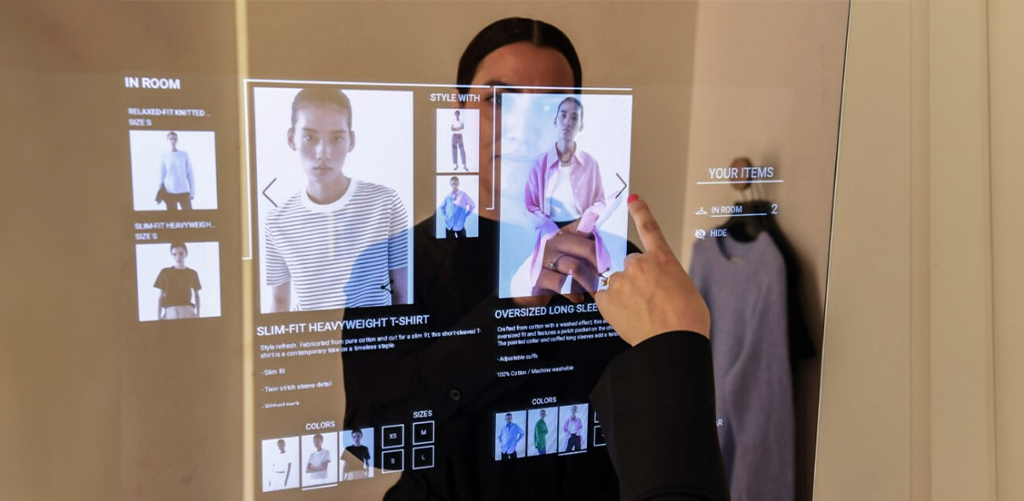
One of the latest ways that artificial intelligence is transforming online purchasing is through the creation of virtual fitting rooms. Through the use of virtual try-ons, clients are able to visualise how outfits will look on them before making a purchase. Customers are able to “try on” clothing online at 3DLOOK and Uniqlo thanks to the existence of virtual fitting rooms. This helps to limit the number of returns, which in turn saves the brand both money and time.

JD Institute Preparing the Future of Fashion

Artificial intelligence is revolutionising the way fashion businesses operate—from design to customer service. Artificial intelligence provides graduates with the necessary knowledge to operate in this rapidly changing industry. The JD Institute’s Fashion Business Management course provides the knowledge and abilities necessary to survive in the AI-driven world of fashion, making it an excellent choice for anybody who is interested in entering the fashion industry.

A Hands-On Journey in Tile Craftsmanship: JD Institute’s Visit to Osaanj Designer Solutions

Monday, October 28th, 2024

On October 21st, the Interior Design students of JD Institute of Fashion Technology embarked on a meaningful visit to Osaanj Designer Home Solutions, a renowned facility specialising in tile and stone finishing. This visit was designed to immerse students in the material science of interior design, particularly in the specialised world of tile and stone applications. The experience aimed to broaden their understanding of materials frequently used in flooring and wall cladding, including ceramics, terrazzo, sandstone, and various tile finishes.

Delving into the World of Tile Design Materials and Techniques

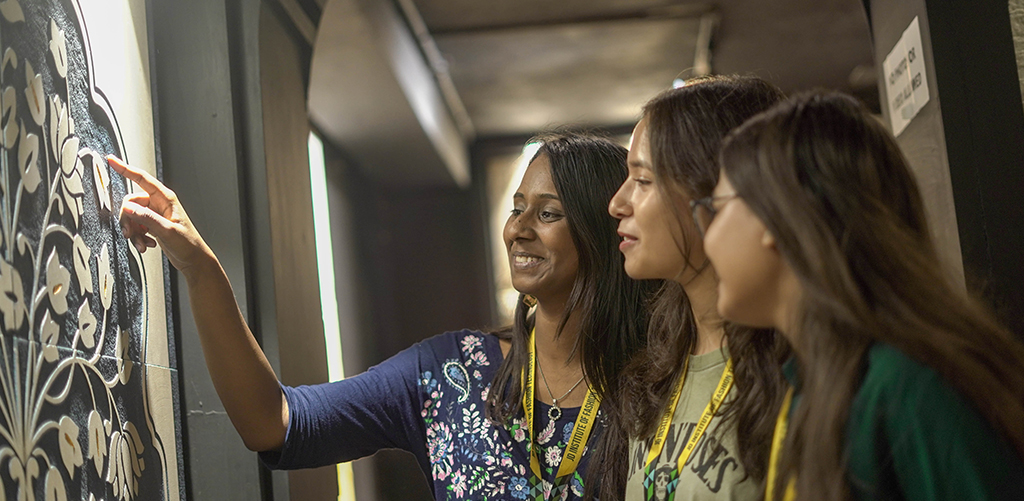
The students’ journey began with an exploration of a broad range of designer wall and floor tiles, each representing unique materials and finishing techniques. They encountered ceramic, vitrified, and stone tiles, experiencing the diverse aesthetic and functional qualities each offers. Osaanj’s facility showcases an extensive selection of tiles, including handmade ceramics, mosaics, borders, and stone surfaces, all crafted with specialised techniques. Each tile exemplified advanced processes like digital painting, screen printing, laser cutting, and sandblasting, demonstrating how intricate finishing adds character to a space.

Insights into Artistic Craftsmanship

What particularly captured the students’ interest was the dedication and expertise required to produce designer tiles. Techniques such as hand painting, screen printing, and foil patterning were revealed to be labour-intensive yet crucial to the appeal and durability of the tiles. These methods not only add artistic appeal but also enhance the surface’s functionality. Through the guided visit, the students observed how these finishing touches influence the final look and feel of tiles, expanding their appreciation of the nuanced work that modern tile design entails.

Exploring Advanced Tile Manufacturing Methods

The visit provided students with a unique opportunity to see Osaanj’s production processes firsthand. At the production unit, located within Osaanj Designer Home Solutions at H-25, Udyog Vihar, New Delhi, students explored different steps involved in tile finishing, from preparation to final touches. Basic tiles are sourced from Gujarat and undergo a detailed refining process that includes painting, printing, baking, cutting, and intricate handwork. Observing these stages gave students a clearer understanding of the journey from raw material to polished, market-ready product.

This high-quality production method at Osaanj reflects their commitment to producing designer surfaces that meet industry standards. The in-house approach to every finishing stage allows for optimal quality control, ensuring that each product meets the company’s premium standards. Osaanj’s offerings also extend to customised solutions, accommodating unique requirements from designers and homeowners alike, under the leadership of Mr. Nayan Khemani. 

Gaining a Practical Understanding of Tile Designs

A notable aspect of the tour was the practical experience students gained in surface finishing. The students learnt methods like screen printing, hand painting, and foil application. This interactive workshop provided an opportunity for students to practise the abilities they had watched, aiding their understanding of the necessary knowledge and precision in tile finishing. This practical experience connected theoretical knowledge with practical usage, fostering a deeper respect for the craft among the students.

A Learning Opportunity with Practical Implications

The visit to Osaanj Designer Home Solutions was not only informative but also highly inspiring for the students of JD Institute of Fashion Technology. This immersive experience offered them a unique opportunity to connect with the design industry, understand the processes behind premium materials, and witness the innovation in tile and stone production. Led by Mr. Khemani and the Osaanj team, the tour was both an engaging and enlightening experience, providing students with industry insights and invaluable knowledge applicable to their future careers.

We extend a sincere thanks to Osaanj Designer Home Solutions for their hospitality and the invaluable learning experience. The students left with a deeper understanding of material sciences in interior design, enriched by the detailed craftsmanship that elevates tile and stone surfaces from mere building materials to essential elements of beautiful and functional spaces. This visit undoubtedly contributes to shaping the skills and perspectives of JD Institute’s budding designers as they prepare to make their mark in the world of interior design.

The Sustainability Shift: Why Eco-Friendly Event Management Matters Today

Monday, October 28th, 2024

Sustainability has become a central concern in almost every industry, and event management is no exception. With the growing awareness of climate change and environmental responsibility, both attendees and organisers are demanding more eco-friendly practices. Events, by nature, have a significant environmental footprint—from waste production to energy consumption—making it vital to adopt sustainable approaches to minimise negative impacts. In this blog, we’ll explore the increasing importance of sustainability in event management and how JD Institute is the best option for bringing sustainable thinking to the Global Event Management business and the growing importance of sustainability in this field.

The Significance of Sustainability in Event Planning

Historically, event management has had a considerable environmental impact. Events frequently impose detrimental effects on the environment due to single-use plastics, excessive garbage, and elevated energy usage. However, with the increasing worldwide awareness of sustainability, event organisers are starting to use environmentally responsible practices. The significance of sustainability in event management is paramount for the following reasons:

Environmental Consequences

Events generate substantial waste and consume large amounts of energy, from transportation emissions to the use of disposable materials. Sustainable practices help minimise this footprint.

Expected Needs of Consumers

Today’s audiences, especially Millennials and Gen Z, prioritise sustainability. They expect events they attend to align with eco-conscious values, influencing event planners to adopt greener practices.

Constraints from Authorities

Governments are increasingly implementing environmental regulations for large events. These regulations range from limiting waste and energy use to mandating carbon offsetting, pushing event organisers to prioritise sustainable planning.

Long-Term Benefits

Sustainability also offers financial benefits. While initial costs may be higher, long-term savings can come from energy efficiency, reduced waste, and smarter use of resources.

At the JD Institute of Fashion Technology, students in the Global Event Management programme are trained to meet these growing demands for sustainability in events. They then gain the knowledge and skills required to lead the charge in sustainable event management.

Eco-Friendly Event Planning Examples

Around the world, many well-known events are establishing fresh benchmarks for sustainability. These events show that big occasions can be successful and beneficial for the environment.

The Tokyo 2020 Olympics

As an example, the Tokyo 2020 Olympics were planned in a way that was good for the environment. Renewable energy was used, medals were made from old electronics, and players slept on beds made from recycled cardboard. It was a first-of-its-kind sustainable global event because it focused on eco-friendly planning and making good use of resources.

Coachella, USA

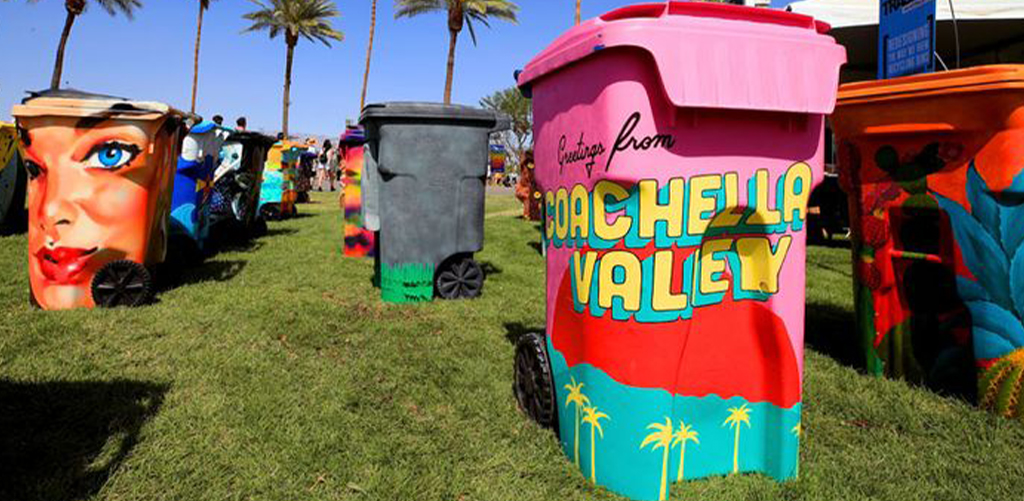
Another big festival that has adopted eco-friendly methods is Coachella. As a way to cut down on pollution, the event has recycling initiatives, solar energy systems, and encourages people to share. Coachella shows how events can be environmentally friendly by making the experience of going to the festival more eco-friendly.

Glastonbury Festival, UK

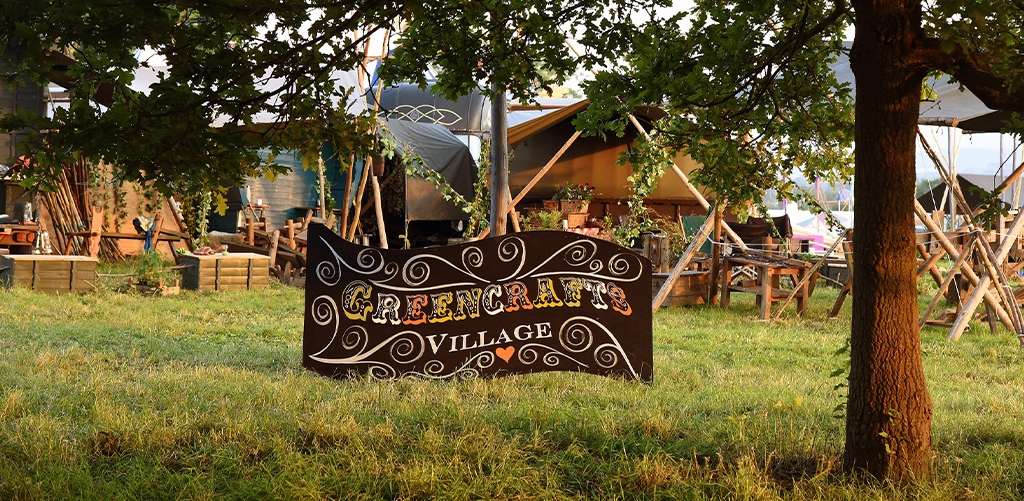
The Glastonbury Festival is known not only for its music but also for its commitment to sustainability. The festival banned single-use plastics and introduced reusable alternatives. It also promotes waste segregation and composting, while encouraging attendees to reduce their carbon footprint through ride-sharing and sustainable camping options.

Approaches for Sustainable Event Management

A wide range of resources, assets, and methods exist to assist organisers in planning sustainable events while maintaining a high-quality attendance experience.

Energy Conservation and Renewable Energy

One of the primary concerns for event organisers is energy consumption. Sustainable events can use LED lighting, solar panels, and energy-efficient generators to power venues. Additionally, sourcing power from renewable energy providers helps reduce reliance on fossil fuels.

Managing Waste and Recycling

Sustainable event management prioritises reducing waste at every stage. This can include digital ticketing to minimise paper use, encouraging reusable containers, and having clear waste segregation systems. Composting programmes for food waste, along with recycling initiatives, are vital strategies for waste reduction.

Eco-Friendly Sourcing

Choosing sustainable suppliers is essential for event planners. This includes sourcing eco-friendly products, from event decor to food and drinks. Local, organic food reduces the carbon footprint from transportation, and sustainable packaging minimises plastic waste.

Virtual and Hybrid Gatherings

One of the most effective ways to reduce the environmental impact of an event is by hosting it virtually. Hybrid events—combining both in-person and online experiences—also help cut down on the need for extensive travel and large-scale venue resources. These formats have become popular during the pandemic and are likely to continue growing in popularity.

The concept of sustainability is not merely an afterthought at JD Institute of Fashion Technology; rather, it is an essential component of the educational programme, notably in the Global Event Management course. In addition to the traditional abilities required for event planning, the institute acknowledges that modern event managers need to have a strong understanding of environmentally responsible practices.

Transforming Lives: RCDE Trust Empowers Women in Hauz Khas Village with Vocational Training

Wednesday, October 23rd, 2024

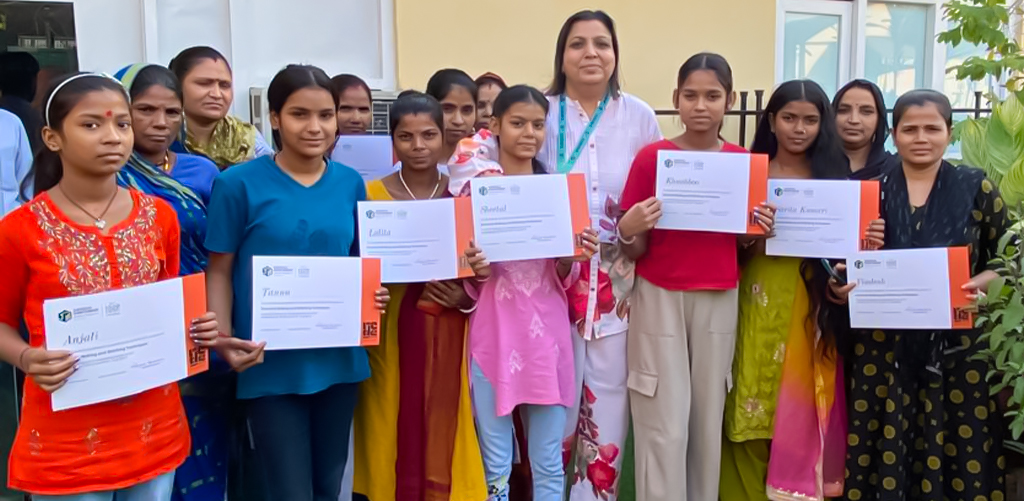
Uplifting and empowering communities through sustainable initiatives has always been our objective at RCDE Trust. This is why we are pleased to share the news that our second round of vocational training for women in Hauz Khas Village has been a resounding success. This success is a turning point in our journey, and it demonstrates how critical it is to equipping women with the tools they need to succeed in the modern world.

Guiding Women Towards a More Promising Future

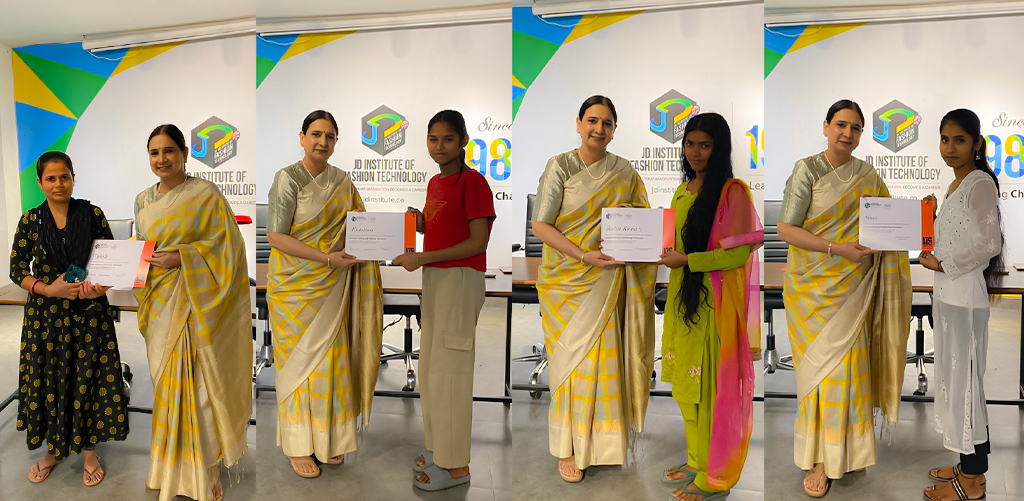
In order to assist women in establishing reliable livelihoods for themselves, RCDE Trust in collaboration with JD Institute provided a vocational training programme that focused on sewing and garment fabrication methods. Participants were able to build skills via practical training that would help them become self-sufficient and make a positive impact in their communities.
Vocational training has the ability to change people’s lives for the better, as this programme has shown. Giving women the tools they need to succeed in the workforce gives them the self-assurance and competence they need to launch successful businesses or find respectable jobs after college.

The Outcome of Skill Development

The impact of such endeavours extends well beyond the achievements of any one individual. When these ladies enter the workforce with their new abilities, they serve as role models for the rest of their community. The potential for increased social mobility, improved quality of life, and a more secure income makes this kind of vocational training a game-changer for whole families.

Heartfelt Gratitude

RCDE Trust takes great pride in the success of this initiative and the participants who have worked so hard to complete the training. The achievements of these women serve as a powerful reminder of the importance of vocational training in helping individuals secure stable livelihoods and lead more fulfilling lives. By developing their skills in garment construction, the women from Hauz Khas Village have not only enhanced their employability but also gained the confidence to face future challenges with resilience.

We congratulate the entire team behind this initiative, as well as the participants who have shown remarkable dedication and commitment throughout the training process. Their success is a collective victory for everyone involved and underscores the vital role of vocational training in community empowerment.

As RCDE Trust continues its efforts to support and uplift communities, we look forward to expanding this initiative to reach even more women across India. By providing accessible and relevant training programs, we can help more women take control of their economic futures and contribute to the overall development of their communities.

Looking Ahead

The long-term goals of the RCDE Trust in India continue to include assisting women in becoming economically independent, strengthening local communities, and empowering individuals. Looking ahead, we are thrilled to grow our initiatives and make a bigger difference in more people’s lives, furthering our aim to empower women by helping them develop their skills.

Check back for more information on our forthcoming batches and how you may join this life-changing adventure. Together, we can build a brighter, more inclusive future.

Latest Colour Trends in Interior Design: Transforming Spaces with Style

Saturday, October 19th, 2024

In the world of Interior Design, colours play a significant role in shaping moods, creating atmospheres, and bringing spaces to life. As trends evolve, so do the palettes designers use to craft dynamic environments. Whether you’re decorating a home, office, or commercial space, keeping up with the latest colour trends can elevate your interior design game. At JD Institute of Fashion Technology, our Interior Design course teaches students to master the art of blending colours with aesthetics and functionality, ensuring they are industry-ready to create captivating spaces.

Timeless Blues: A Classic Choice

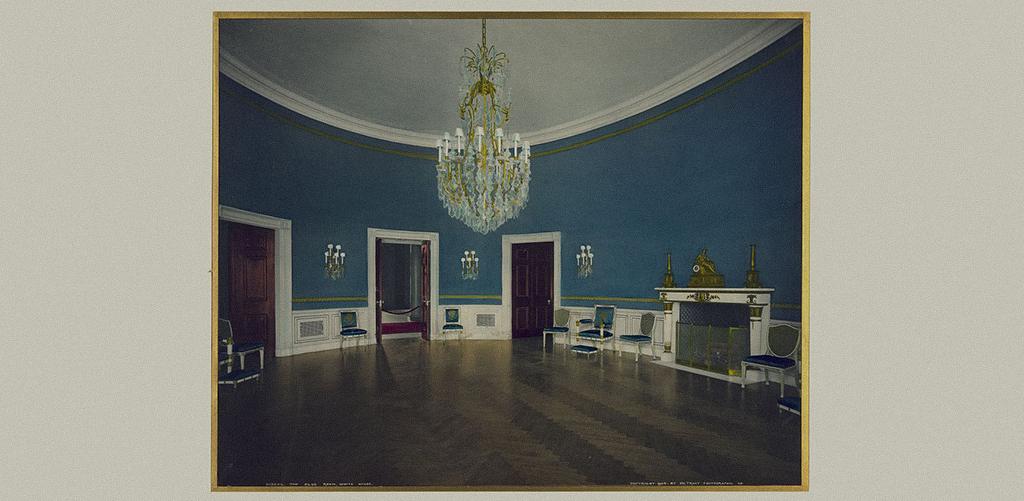
Blue is always an appealing colour in interior design because it is soothing and can be used in many ways. From deep dark to soft pastels, blue will always remain prominent. With these shades, you can make beds feel calm or living  rooms feel energised. For example, adding a navy blue highlight wall can turn a room into a cosy haven while still keeping it classy. The Blue Room at the White House is an iconic instance of how blue can communicate sophistication and peace.

Relaxing Earth Colours: A Reconnection with Nature

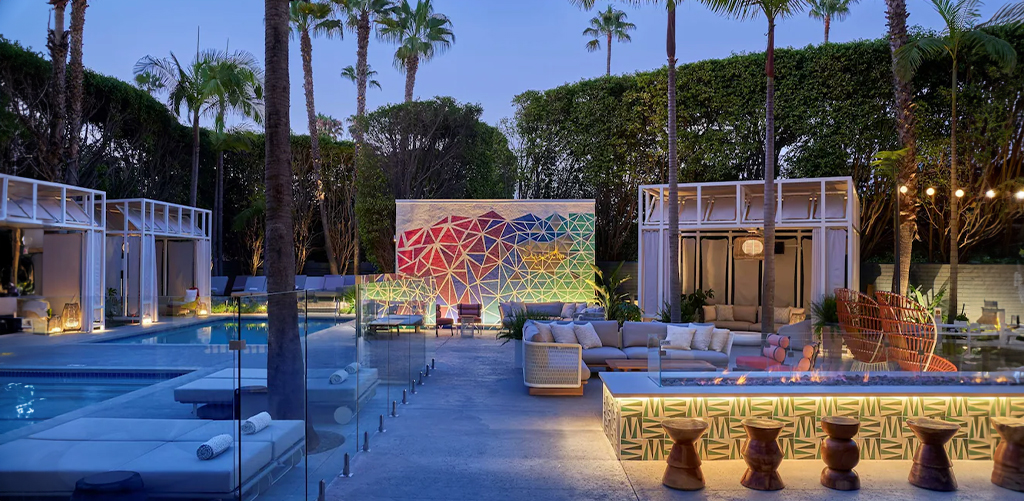
One of the most significant trends in interior design right now is the use of earth tones like beige, porcelain, olive green, and warm browns. These colours evoke feelings of tranquillity and a connection to the natural world, providing any room with a sense of serenity and a sense of being rooted in the earth. Kelly Wearstler, a designer who has won numerous awards, frequently employs earthy and warm tones in order to create rooms that are sophisticated and timeless. Her design work for the Viceroy Hotel in Santa Monica exemplifies the use of natural colours to create an atmosphere of luxury and tranquillity.

Bright Jewel Tones: Creating an Impact

Interior design is currently experiencing a rise in popularity for the use of vibrant jewel tones such as emerald green, sapphire blue, ruby red, and amethyst purple. Those individuals who are looking to create a statement and make a space more dramatic will find that these bold and rich colours are ideal.

Martin Brudnizki’s design of the Annabel’s Private Members Club in London is a prime example of how jewel tones can successfully create an environment that is lavish and extravagant. Vibrant colours fill the club’s interior, combining to create a visually stunning and unforgettable experience.

Minimalist Shades: The Power of Simplicity

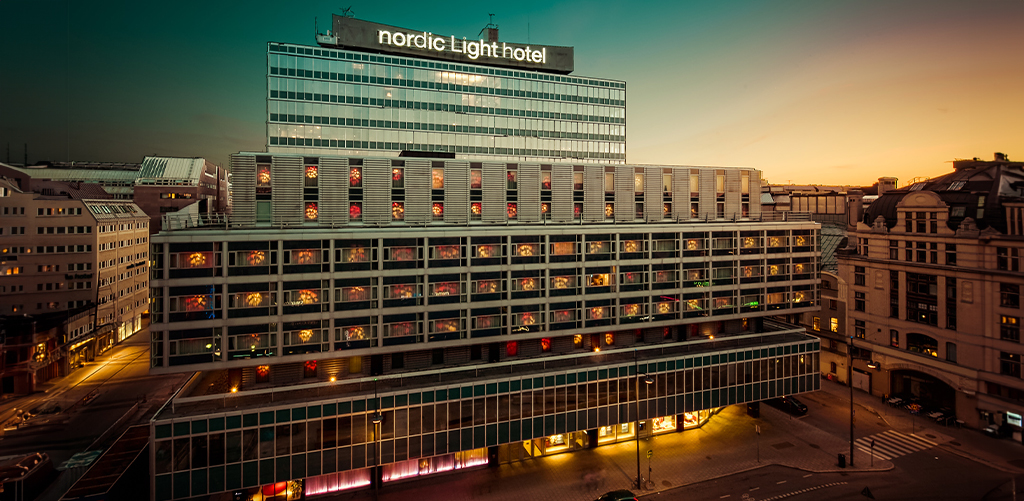
The minimalist design style is still very popular, particularly in light of the growing popularity of homes that are inspired by Scandinavian design. Greys, whites, and light tan are examples of neutral colours that offer an appearance that is clean, contemporary, and timeless. These colours are perfect for making interiors look neat and tidy while still giving off a sense of space and warmth. For instance, the Nordic Light Hotel in Stockholm is a well-known example of the minimalist function since it makes use of neutral tones and designs that are straightforward. A sense of peace and simplicity is promoted within the hotel’s interior, which contributes to the space’s effortless impression of modernity.

Sustainable Green: Environmentally Mindful and Refreshing

Considering that sustainability is becoming increasingly important in the design industry, the colour green, in all of its variations, including forest, mint, and slate green, is increasingly being used to represent eco-consciousness. Green not only gives interiors a rejuvenating and energising atmosphere, but it also serves as a reminder of the significance of being environmentally responsible. 

Given that it is a sign of growth, freshness, and prosperity, it is an obvious choice for brands that are looking to express a message of environmental conscience.

Master the Art of Colour at JD Institute

If you’re passionate about interior design and want to stay ahead of the latest trends, JD Institute of Fashion Technology offers a comprehensive Interior Design Course that covers all aspects of design, from colour theory to practical application. With a focus on creativity, innovation, and real-world skills, the institute prepares its students to become leaders in the dynamic field of interior design.

Illuminating Design: Surat Campus Interior Design Students Visit MYLIGHT Experience Centre

Friday, October 18th, 2024

We at JD Institute of Fashion Technology believe that teaching aspiring Interior Designers through practical experience is crucial. Our Interior Design students at the Surat campus had the unique opportunity to visit the MYLIGHT Experience Centre. The students in the Lighting and Furniture Design module went on this field trip so they could learn more about the importance of lighting in home decor.

Lighting is often the unsung hero in transforming a space from ordinary to extraordinary. It doesn’t just illuminate a room; it adds depth, atmosphere, and a unique character to the interiors. Our students were fortunate to gain firsthand knowledge from an expert in the field, Mr. Rishit Shah, who generously shared his expertise in lighting design. His guidance shed light on how the right lighting can enhance décor and influence mood, making it one of the most integral components of any interior design project.

Discovering the MYLIGHT Experience Centre

The MYLIGHT Experience Centre, situated in the centre of Surat, provides an interactive space for designers, architects, and students to explore cutting-edge lighting solutions. The centre exhibits a diverse array of lighting fixtures, ranging from decorative to utilitarian, enabling visitors to comprehend how various lights can impact a space.

Mr. Rishit Shah, an expert and innovator in the lighting sector, highlighted the significance of choosing appropriate lighting for various environments. He illustrated how lighting can fulfil multiple roles, from emphasising architectural features to establishing focus points or improving a room’s functionality.

The Power of Lighting in Interior Design

There is a lot more to Interior Design than picking out paint colours and placing furniture. A room’s lighting may make or break its mood and design scheme. At JD Institute of Fashion Technology, our Interior Design course is crafted to provide students with a comprehensive understanding of design principles, including the critical impact of lighting, space planning, and furniture design. With a blend of theoretical knowledge and hands-on experience, students are equipped with the skills to create functional, aesthetically pleasing environments.

Some of the key takeaways from the visit included:

Decoration and Lighting

Understanding the relationship between lighting and decor was an essential learning. The correct lighting can improve the aesthetics of a room, whether they are used to create a warm and inviting atmosphere in a living room or to provide practical, bright lighting in a kitchen.

Layering Lightning

The significance of lighting in creating the appearance of depth and dimension was also highlighted. Normal, task, and accent lighting are all part of this strategy, which aims to create a balanced lighting scheme.

Lighting for Various Spaces

Different spaces have different lighting needs, and the students understood how to tailor lighting for residential, business, or hospitality settings. For instance, warm, adjustable lighting may be ideal for a bedroom, whereas bright, functional lighting is more suitable for a study or work area.

Energy Conservation

Students gained knowledge of energy-efficient lighting systems, which are gaining importance in modern architecture due to the growing emphasis on sustainability. They observed the advantages of light-emitting diode (LED) lighting, which is better for the environment because it lasts longer and uses less energy.

MYLIGHT Experience: A Part of the Learning Journey

The practical experience at MYLIGHT enhanced their understanding of employing lighting as a design instrument, boosting their academic knowledge.

This hands-on experience allowed students to observe the practical implementation of principles learnt in class. Participants were encouraged to bring up enquiries, explore various lighting configurations, and engage in critical thinking around the integration of lighting into their upcoming innovative initiatives.

Empowering the Next Generation of Interior Designers

The students from the Surat campus had a significant experience at the MYLIGHT Experience Centre. Interior lighting plays a crucial role in achieving the intended mood, practicality, and aesthetic of any room, yet its significance often goes unnoticed. Thanks to this field trip, our students now have the knowledge they need to approach their designs with a more holistic perspective, taking into account the ways lighting can elevate or revolutionise their creations.

We extend our heartfelt thanks to Mr. Rishit Shah for welcoming our students and offering invaluable insights into the world of lighting design. We also encourage our readers to check out the MYLIGHT Experience Centre to explore more about their innovative lighting solutions. This experience is just one of the many ways JD Institute of Fashion Technology ensures that our students are industry-ready, equipped with both theoretical knowledge and practical experience.

Copyright © 2025 JD Institute of Fashion. All Right Reserved

Designed by Red Lemon

Whatsapp icon
Apply Now
Enquire
Quick Enquiry