
Apply Now

Author Archive

Concrete isn’t just for Foundations Anymore—it’s the Future of Luxury Interiors

Friday, December 6th, 2024

When you think of concrete, you probably picture sidewalks, bridges, or skyscrapers. But in today’s design world, concrete is shedding its industrial past and stepping into the spotlight as a luxurious and versatile material for Interior Design. From polished floors and chic furniture to textured walls and artistic installations, concrete is redefining modern spaces—and it’s here to stay.

But how did this industrial material earn its place in our living rooms and offices? Let’s break it down and uncover how this transformation is inspiring future designers to shape the spaces of tomorrow.

A Journey of Innovation: The Foundations of Decorative Concrete

“History is who we are and why we are the way we are,” historian David McCullough once said. The story of concrete ornamentation reflects this truth.

It begins between 1890 and 1920, an era marked by groundbreaking advancements in building materials. Companies at the time began experimenting with pigments, chemical stains, and textural enhancements to elevate concrete from a structural necessity to a visual masterpiece. What was once a gray, ordinary material transformed into a dynamic surface capable of mimicking stone, marble, or even intricate patterns.

These advancements were driven by pioneers who emphasized quality, creativity, and technical innovation. Some breakthroughs were by chance, born out of experimentation, while others stemmed from rigorous research. Regardless of their origins, these developments laid the foundation for the diverse applications of decorative concrete seen today.

How Concrete Ornamentation Is Rewriting the Rules of Interior Design?

Concrete Ornamentation surpasses simple aesthetics; it embodies the fundamental principles of interior design—functionality, durability, and creativity. Contemporary interior spaces are characterised by the interaction of textures, materials, and visual coherence. Decorative concrete integrates effortlessly into this discourse by providing:

  1. Durability: Concrete is renowned for its longevity and resilience, making it ideal for high-traffic areas or focal design pieces.
  2. Sustainability: When used creatively, concrete reduces the need for additional materials, aligning with eco-conscious design trends.
  3. Customization: Every surface can be tailored to a client’s vision, allowing designers to craft truly personalized spaces.
  4. Aesthetic Versatility: Concrete ornamentation offers an incredible range of finishes, from sleek, polished surfaces to raw, textured looks allowing designers to integrate concrete seamlessly into a variety of styles.
  5. Integration with Other Materials: Concrete works beautifully in combination with other materials like wood, metal, glass, and stone, with each material bringing its strengths to the table. 
  6. Light and Shadow Play: The art of concrete ornamentation allows for captivating light and shadow effects, enhancing the overall ambiance of a space.

The Centre Pompidou in Paris, designed by Renzo Piano and Richard Rogers, showcases how concrete can be utilized not only as a structural element but also as a sculptural piece. The exposed concrete framework and vibrant colors highlight its artistic and aesthetic potential.

The Concrete Factor: Shaping the Future of Stylish Interiors

“Concrete is the material with endless possibilities—it is not just poured, it is imagined.” This idea speaks volumes about the power of concrete in transforming spaces. As more people seek spaces that combine functionality with individuality, concrete is becoming the go-to material for creating impactful, lasting designs.

Floors & Walls: A Bold Foundation for Style

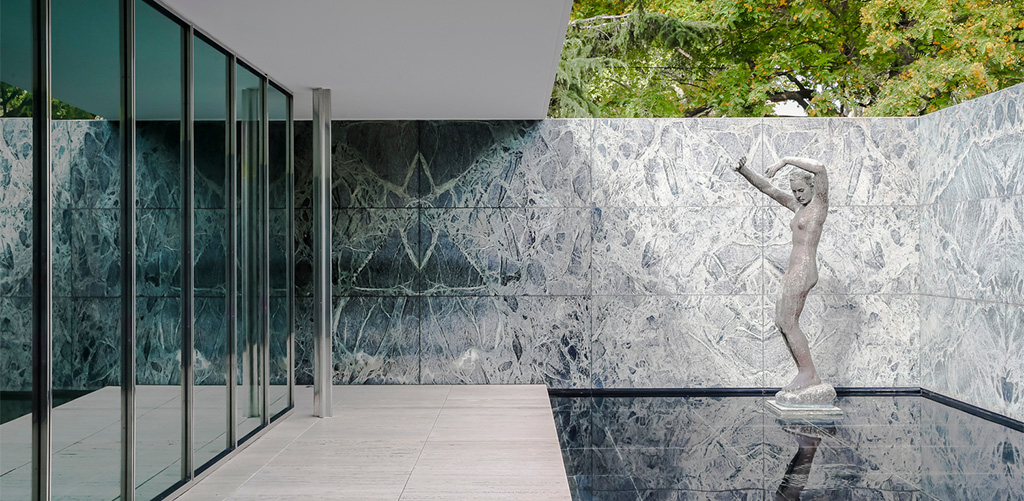
With its industrial edge, concrete brings raw sophistication to spaces while providing durability and flexibility. The material can be molded, polished, or textured to create stunning finishes that add depth to a room. The Barcelona Pavilion by Ludwig Miesvan der Rohe is a timeless example where concrete flooring and walls elevate the minimalist aesthetic.
Kitchen & Bathrooms: Where Style Meets Functionality

The capacity of concrete ornamentation to be cast into custom moulds facilitates the creation of seamless surfaces, sinks, and tiles that can enhance any aesthetic, ranging from industrial elegance to streamlined modernism. The SchwabenQuellen Hotel in Germany features sleek concrete sinks and countertops that showcases sophistication while offering exceptional durability against moisture.

Artsy Installations: Concrete as a Sculptural Masterpiece

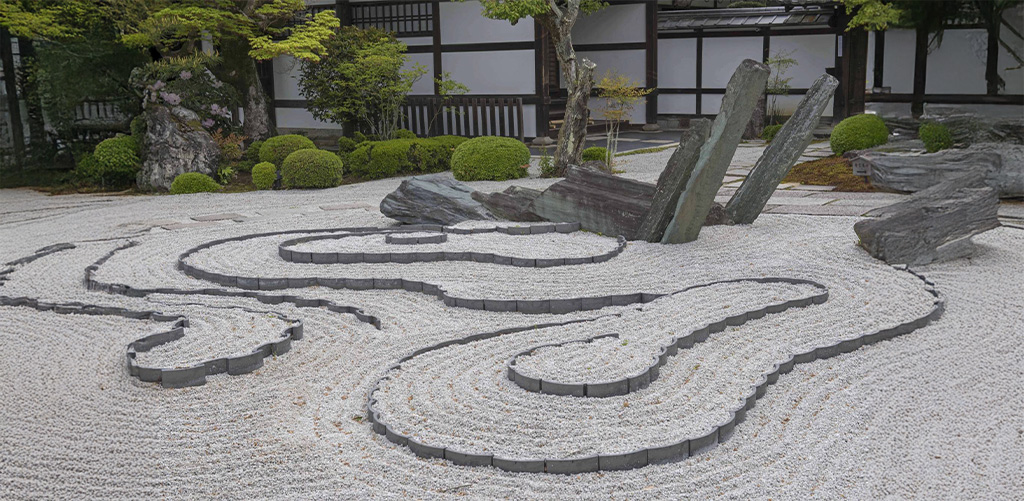
The Concrete Sculpture Garden in Tokyo is a great public place where concrete is used in an artistic way. The sculptures, which come in a range of sizes and shapes, show how concrete can be used to make modern art that is both interesting to look at and fits in with its surroundings, giving outdoor areas texture and depth.
Low Maintenance Costs: The Long-Term Advantage of Concrete

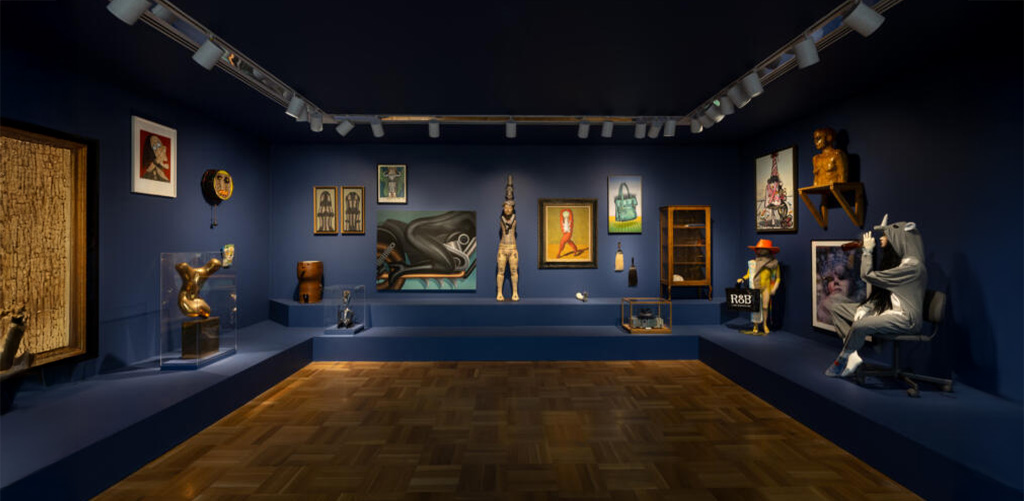
Unlike wood, stone, or fabric-based materials that require constant upkeep, concrete is highly resistant to wear and tear. The Museum of Contemporary Art in Chicago is designed with concrete surfaces that require minimal maintenance while depicting sophistication.
Be Part of the Interior Design Revolution

Concrete is no longer just the material for sidewalks and skyscrapers. It’s becoming the foundation of artistic expression in interiors and lifestyle. And if you’re ready to be at the forefront of this trend, JD Institute of Fashion Technology is your perfect launchpad. By implementing innovative techniques and sustainable practices into its Interior Design course, JD ensures that its students are not just designers—they’re pioneers. So, whether you dream of designing the next iconic concrete installation or simply want to explore this dynamic material, JD Institute is where your journey begins.
Transform Your Events with These Innovative Seasonal and Themed Merchandising Ideas

Friday, December 6th, 2024

Seasonal displays and themed merchandising are essential tools for engaging customers, enhancing brand visibility, and boosting sales. Successful visual merchandising combines creativity, strategic thinking, and market understanding. JD Institute of Fashion Technology, a pioneer in Visual Merchandising education, equips students with the skills to master these elements, making them industry-ready. Here’s a closer look at innovative ideas with examples that have captivated audiences globally.

Seasonal Storytelling: Crafting Narratives Through Displays

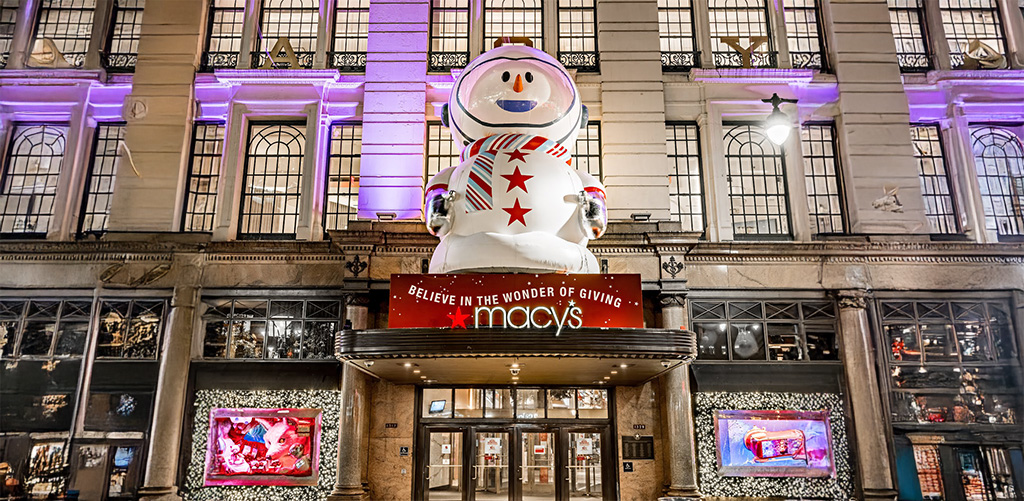
Creating a compelling story through displays captures customers’ emotions and keeps them engaged. A great example is Macy’s Holiday Window Displays in New York. Every Christmas, Macy’s transforms its windows into magical scenes featuring festive narratives that inspire shoppers.

At JD Institute, students learn to merge storytelling and design to build impactful displays. With hands-on training, they understand how to translate a theme into a visual experience that resonates with audiences.

Incorporating Technology for Interactive Experiences

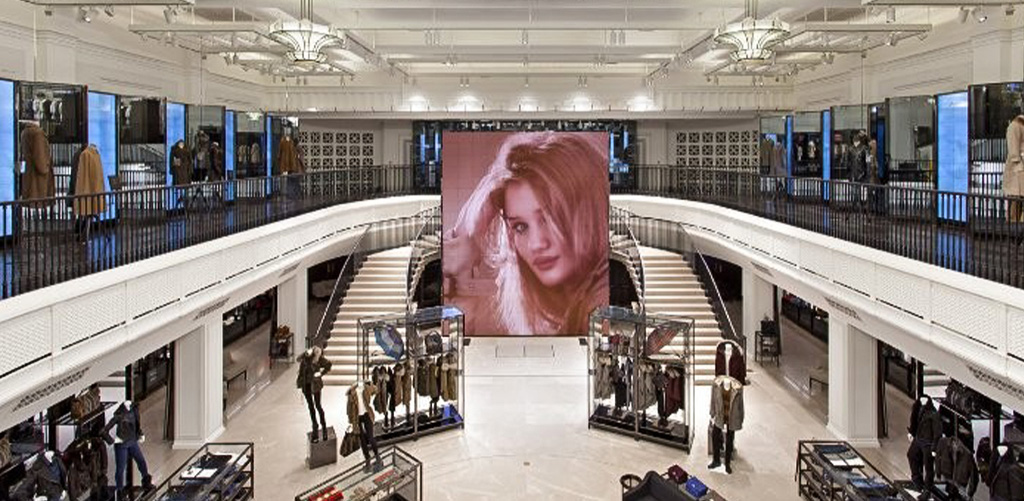
Technology is revolutionizing retail displays. Augmented reality (AR), projection mapping, and interactive screens enhance customer engagement. For instance, Burberry’s flagship store in London used digital screens that displayed runway collections and offered interactive features for customers to learn about the products.

Students in the Visual Merchandising course explore the knowledge of technologies through their comprehensive visual merchandising curriculum. They gain insights into integrating technology with creativity, enabling them to craft modern and immersive shopping experiences.

Themed Pop-Ups: Short-Term, High-Impact Displays

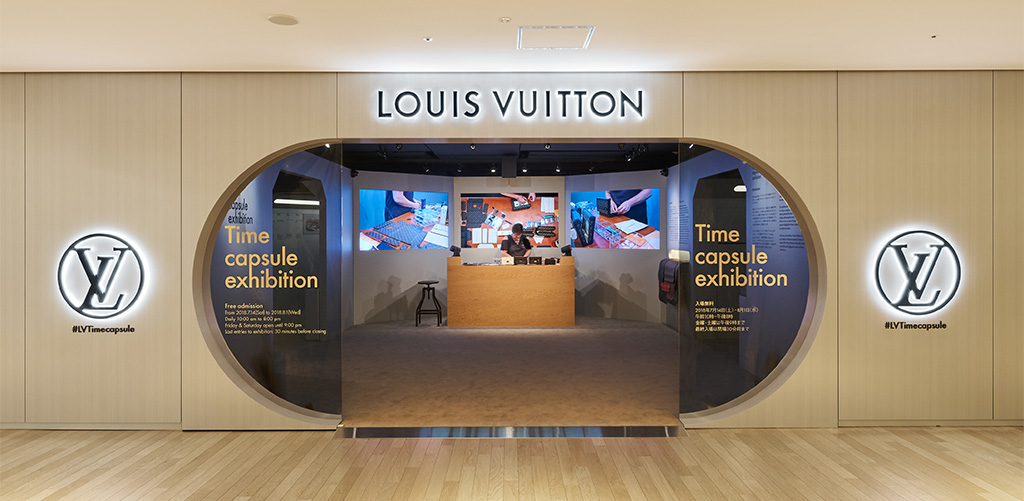
Pop-up stores and temporary setups are perfect for special events. A notable example is Louis Vuitton’s “Time Capsule” exhibit, showcasing the brand’s history while creating a buzz. Pop-ups like this focus on exclusivity and provide unique brand experiences.

Designing a themed pop-up requires innovative thinking and resource management. JD Institute’s course on visual merchandising emphasizes these skills, ensuring students can execute such projects seamlessly.

Seasonal Colors and Patterns: Evoking Festive Moods

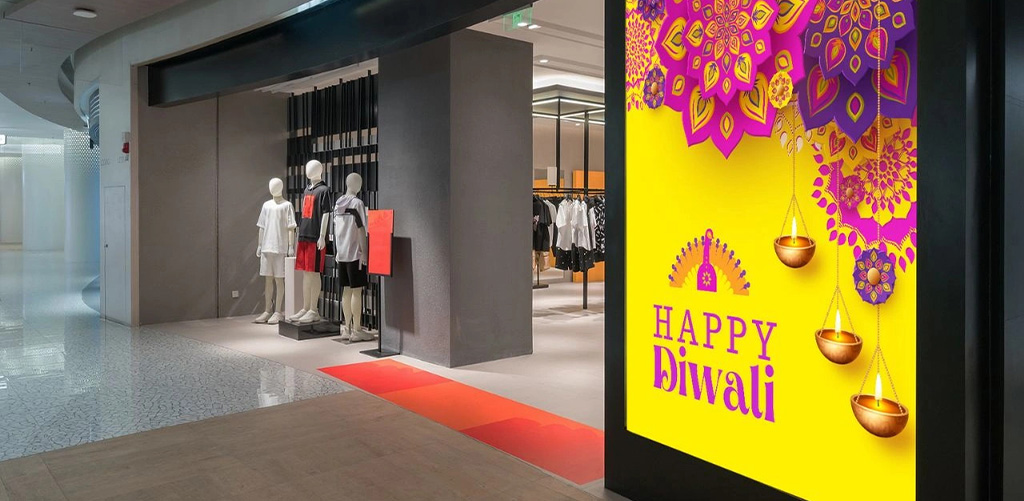
Seasonal merchandising can also reflect local culture and traditions. For instance, Diwali-themed displays in India often incorporate traditional elements like diyas, rangoli, and vibrant colors to create festive atmospheres. Similarly, Christmas displays in Western countries typically include winter imagery, such as snowflakes, reindeer, and twinkling lights.

Integrating local customs and cultural elements into your seasonal displays not only enhances authenticity but also connects with customers on a cultural level. Understanding the cultural significance of different holidays and celebrations helps you design displays that feel personal and relatable to your target audience.

Collaborations and Brand Partnerships for Themed Displays

Collaborating with other brands can help create themed displays that are more impactful and draw attention. A notable example is the partnership between H&M and Moschino, which produced bold and playful visuals for a capsule collection launch. Cross-promotions with artists, influencers, or other brands can add variety and excitement to your displays, making them more appealing to a broader audience. These partnerships can also provide fresh perspectives, making your seasonal displays feel unique and innovative.

Why Choose JD Institute?

The Visual Merchandising course at JD Institute blends theoretical learning with practical applications. Students gain access to industry-relevant tools, expert mentorship, and opportunities to work on real-world projects. By the end of the program, they are equipped to create displays that not only captivate but also drive sales.

Seasonal displays and themed merchandising are dynamic fields that require a blend of creativity, technical skills, and market understanding. By exploring global examples and mastering the craft through JD Institute’s specialized curriculum, aspiring designers can pave their way to success in this exciting industry.

Event Management and Crisis Control: The Art of Managing the Unpredictable

Friday, December 6th, 2024

Every detail, from logistics to marketing, requires careful attention when handling large-scale events in the fast-paced world of global event planning. The best-made plans can still fail to prevent unexpected challenges. Event organisers must also have crisis management expertise at this stage. In the event planning industry, crisis management skills are crucial, whether you’re planning a fashion show, a music festival, or a corporate conference.

 At JD Institute of Fashion Technology, students are trained to master these skills through its comprehensive Event Management course, which combines theoretical knowledge with real-world applications, preparing students for the dynamic demands of this profession.

Understanding Event Management and Crisis Control

Event management is the meticulous process of planning, organizing, and executing events, ranging from corporate conferences to large-scale cultural festivals. Crisis control is an integral subset, dealing with unexpected disruptions like logistical hiccups, technical failures, or natural disasters. JD Institute equips its students with the expertise to handle such scenarios, making them adept at managing high-pressure situations with professionalism and creativity.

Proactive Planning: The Backbone of Crisis Control

Good planning is the key to avoiding issues. For example, during the 2012 London Olympics, organizers prepared for every possible problem, from crowd control to bad weather. Their careful planning made the event a huge success.

The Event Management Course at JD Institute teaches students to think ahead and create backup plans for any situation. Through case studies and hands-on projects, students learn how to handle risks and ensure events run smoothly. 

Communication: Keeping Everyone on the Same Page

Clear communication is essential during a crisis. For instance, the 2017 Fyre Festival failed because organizers didn’t explain the problems they were facing, leading to a disaster. On the other hand, during the 2010 Chilean miner rescue, regular updates kept everyone informed and calm, turning a crisis into a success.

In Event Management, communication involves keeping all stakeholders informed, from vendors to attendees. Using tools like messaging apps and real-time alerts ensures everyone stays on the same page, minimizing confusion during emergencies.

Resource Management: Making the Most of What You Have

Efficient use of resources can make or break an event during a crisis. The 2019 Glastonbury Festival faced heavy rain, turning fields into muddy grounds. Organizers acted swiftly by redistributing manpower, deploying equipment, and adjusting schedules, allowing the festival to proceed without major interruptions.

Similarly, during the 2022 FIFA World Cup, resources were strategically allocated to manage large crowds and sudden weather changes, ensuring the safety and comfort of attendees. Understanding how to optimize resources like manpower, budget, and materials is an essential skill for event managers.

Teamwork and Leadership: Strength in Unity

Crises demand strong leadership and teamwork. Leaders must inspire confidence, delegate tasks effectively, and ensure the team stays focused. The 2008 Beijing Olympics is a shining example of how coordination among multiple teams resolved last-minute issues, from transportation challenges to technical glitches.

On a smaller scale, weddings often face unexpected challenges, like weather disruptions or vendor delays. In such cases, a strong team led by a capable manager ensures quick problem-solving and a stress-free experience for clients.

Why is Crisis Control Essential?

Crisis control ensures the success and reputation of an event. Poorly handled crises, like the Fyre Festival, can result in financial losses and long-term damage to credibility. On the other hand, well-managed crises, such as the 2012 London Olympics or the Chilean miner rescue, can turn challenging situations into inspiring success stories.

By mastering planning, communication, resource management, adaptability, and teamwork, event managers can confidently handle any challenge that comes their way.

Turning Challenges into Opportunities with JD Institute 

Event management is an exciting field that combines creativity, organization, and problem-solving. While crises are inevitable, effective crisis control transforms obstacles into opportunities, ensuring the success of events.

For aspiring event managers, understanding the principles of crisis control and learning from real-world examples is vital and this is where JD institute helps students by developing these skills, to manage the unpredictable and deliver unforgettable experiences.

Small Space, Big Impact: Visual Merchandising Strategies for Boutiques

Friday, December 6th, 2024

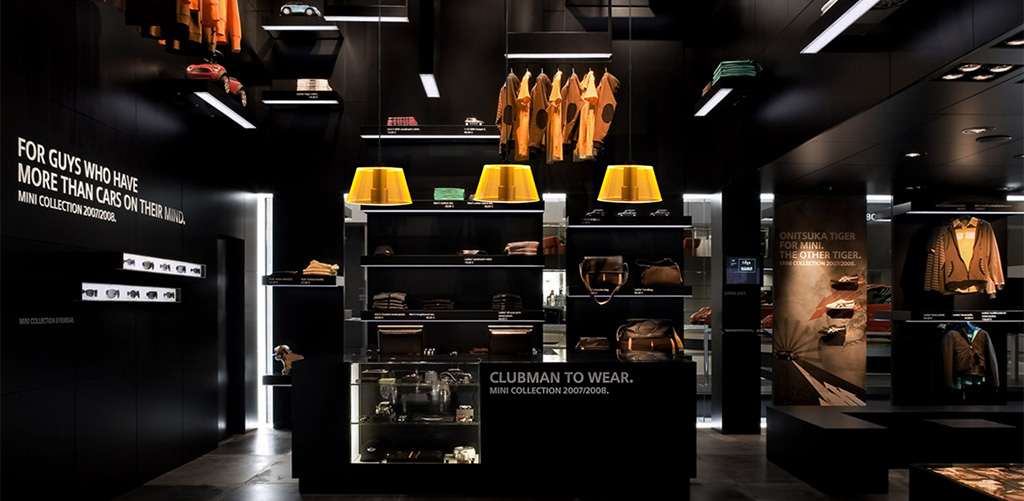
Boutique stores, with their limited space, face various challenges in creating inviting shopping experiences. However, with effective visual merchandising, they can make stores more appealing, boosting sales and customer loyalty. 

When it comes to mastering the art of visual merchandising, having the right education and training can make all the difference. This is where JD Institute of Fashion Technology stands out from the rest, offering a comprehensive approach to space planning, display techniques, and retail psychology that goes beyond the ordinary. 

Now, let’s look over a few strategies for small business owners and managers to make the most of limited space for building attractive and productive shopping experiences. 

Store Layout and Design

Before diving into visual merchandising techniques, it’s crucial to have a thorough understanding of your boutique’s layout. This involves setting up merchandise, displays, and equipment in such a way that shoppers can easily find their way throughout the store. A thoughtfully designed layout can enhance space, making it more welcoming and drawing attention to important products and promotions. 

Embrace Vertical Displays

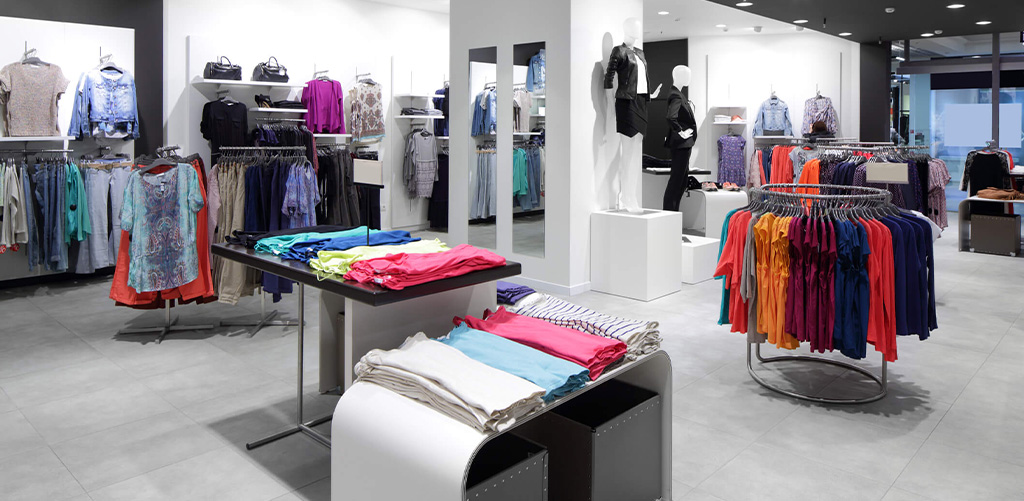
In small boutiques, floor space is precious. Employ vertical displays to draw the eye upward and create the illusion of height. This means using shelving units, wall displays, and other vertical elements to showcase products without messing up the floor. Doing so will make your store more visually appealing.

Adopt Illusory Tricks

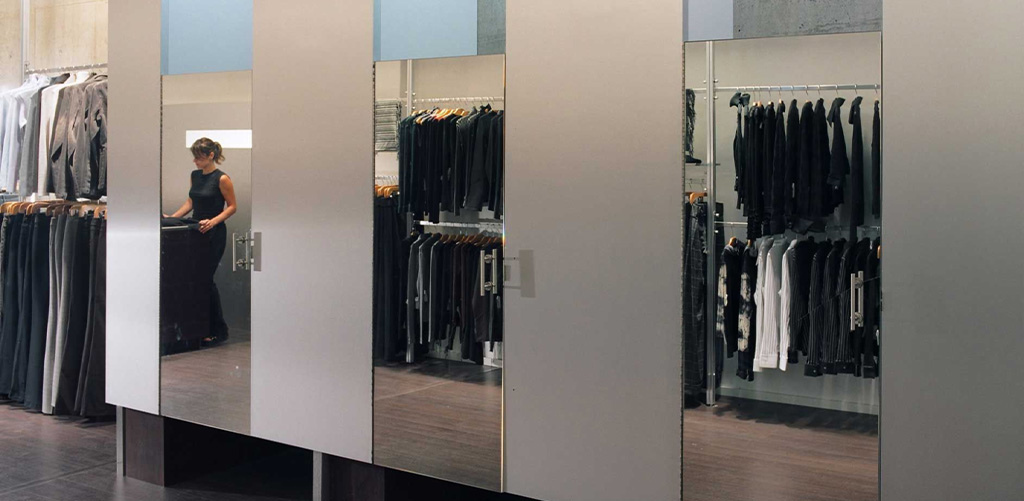
Using illusionary tricks is another smart way to expand your limited space. Mirrors, for instance, can create the illusion of a larger space by reflecting the surrounding area. They not only give the illusion of depth but also reflect light, resulting in a brighter and more spacious feel for the store. Additionally, using light colours such as white, cream, pastels, and soft neutrals also contributes to a clean, fresh, and versatile appearance.

Product Groupings and Multifunctional Furniture

Rather than overwhelming customers with mass displays, strategically group products based on themes, seasons, trends, colours, or styles. Organising products this way improves customer engagement by making products easy to find and promoting uniformity. 

Multifunctional pieces of furniture are also useful in small spaces. Incorporate display pieces that serve dual purposes, like ottomans with hidden storage compartments or tables with built-in shelving. This approach not only saves space but also improves the store’s appearance and functionality simultaneously.

Strategic Lighting

Lighting is a crucial element in visual merchandising, and it’s especially important in small spaces. Here are some key points to keep in mind when selecting lighting: 

  • Opt for bright, focused lights to highlight key products and create a welcoming ambiance.
  • Maximise natural light sources such as windows and skylights. They create a pleasant atmosphere, without blocking the view. 
  • Choose LED lighting for small spaces; they emit less heat, ensuring better temperature control.
  • Use multiple layers of lighting to add depth and dimension.

By choosing JD Institute, you’re not just enrolling in a programme; you’re joining a vibrant community of creative minds, industry experts, and future leaders in visual merchandising. Together, we’re shaping the future with new standards of excellence. So why wait? Join JD Institute today!

How Fashion Brands Are Merging Online & In-Store for a Seamless Experience

Thursday, December 5th, 2024

There have been significant shifts in the fashion business in recent years. With the rise of e-commerce and digital innovation, brands are now focusing on making it easier for customers to switch between online and offline experiences. The combination of methods makes shopping easy, personalised, and a unique experience for customers. 

In this ever-changing landscape, aspiring professionals need more than creativity—they need a deep understanding of business, technology, and consumer behavior. This is where JD Institute of Fashion Technology’s Fashion Business Management course comes into play. Designed to equip students with cutting-edge knowledge and practical skills, the programme offers insights into retail innovations, sustainability, and omnichannel strategies, ensuring graduates are industry-ready to thrive in this exciting transformation.

The Growth of Omnichannel Shopping

Customers no longer perceive any difference between online and physical; they expect brands to provide a uniform purchasing experience. A new Statista poll indicates that 73% of consumers use various channels during their purchasing process.

Brands such as Nike are pioneers in this domain. Their application integrates in-store and online shopping experiences, allowing customers to verify inventory, personalize items, and schedule store visits. Let’s explore how leading fashion brands are redefining the shopping journey by seamlessly blending digital and physical worlds.

Customisation via Technology

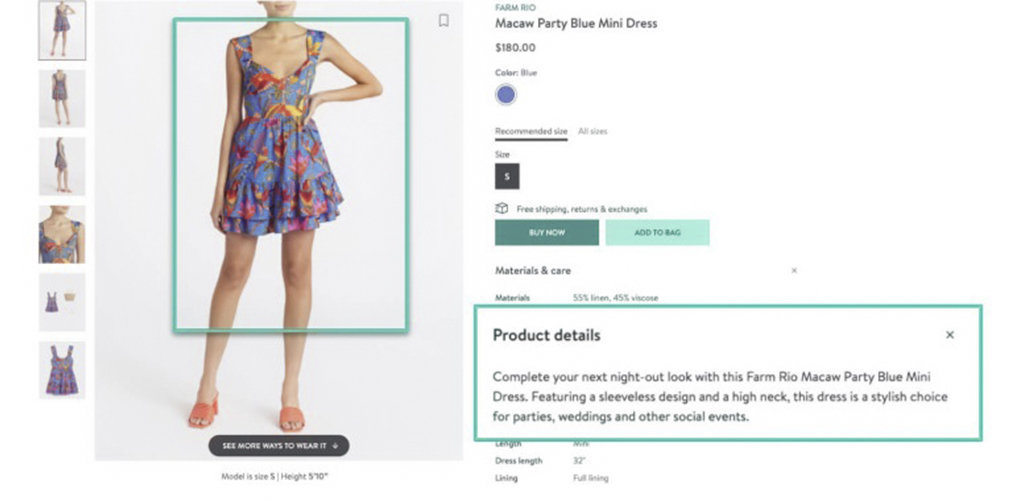
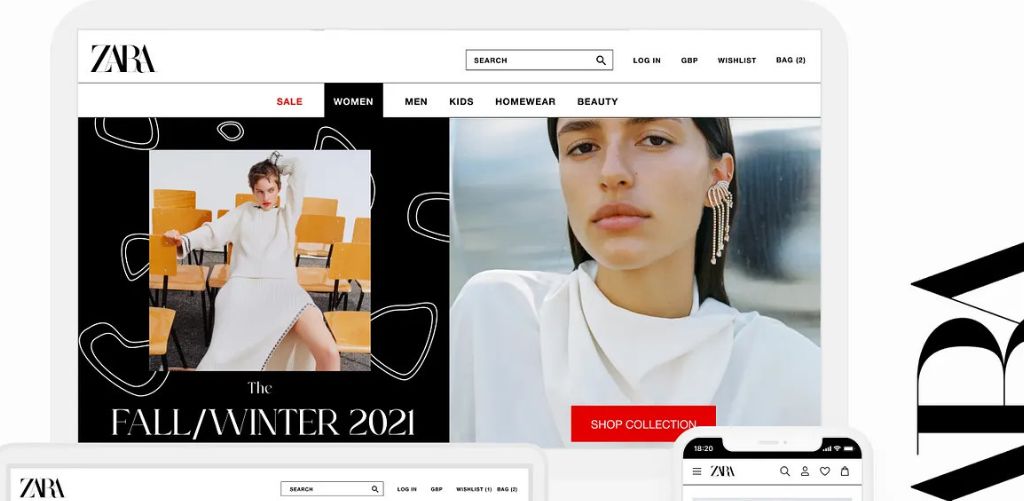
Technology is utilised by fashion brands to learn about and meet customer needs. Tools like virtual reality (AR) and artificial intelligence (AI) are changing the way people shop. Zara shops use AR to let customers see how clothes will look on virtual models, and Stitch Fix uses AI to offer personalised styling services. This personalized approach is shaping the future of the fashion business. 

At JD Institute of Fashion Technology, our Fashion Business Management course equips students with cutting-edge knowledge to understand consumer behavior, use technology effectively, and craft strategies for retail success. With industry exposure and expert-led modules, it’s the perfect foundation for those aspiring to lead in the dynamic world of fashion.

Introducing Phygital Experiences

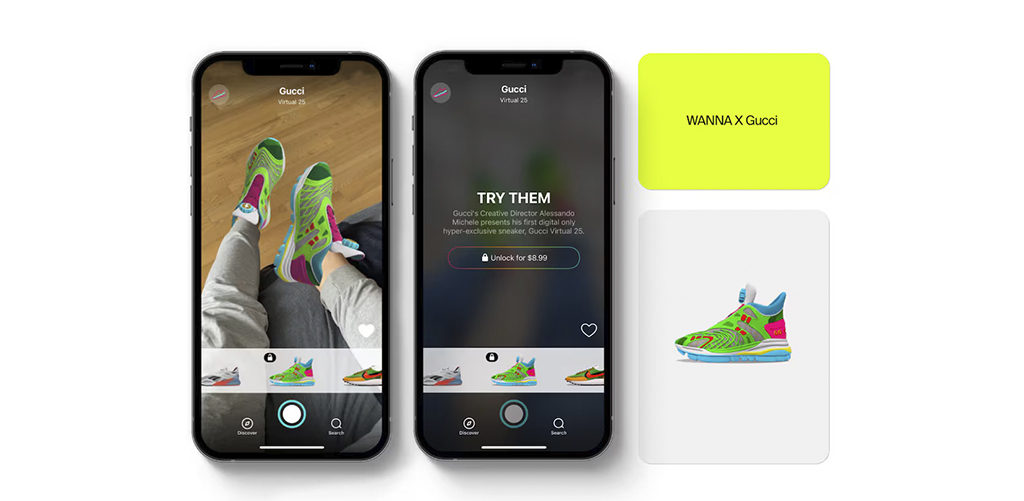
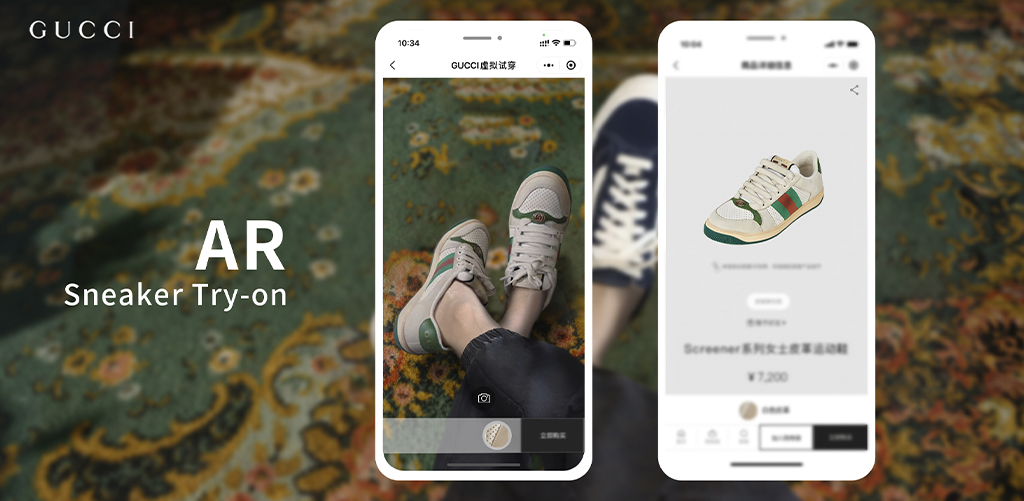
The idea of “phygital” (physical+digital) is becoming more popular. Both are being merged by brands like Gucci, which is doing concepts like virtual try-ons and experience pop-ups. The AR-powered sneaker try-on app and the immersive surroundings in Gucci’s flagship stores give customers the best of both worlds.

According to a study by McKinsey, brands that offer both online and offline touchpoints have 20% higher customer engagement rates. This shows that virtual experiences are not merely a trend but a must for growth in the future.

Utilising Social Media for Offline Influence

These days, social media platforms are more than simply tools for interacting with people online; they are also generating customers in physical locations. Companies like H&M use Instagram and TikTok to showcase new collections and entice fans to visit their stores for exclusive debuts. In a similar manner, Louis Vuitton uses social media to promote its in-store events, assuring a digital buzz that converts into involvement in the real world. 

JD Institute of Fashion Technology emphasizes the importance of digital marketing and communication in its curriculum. Students learn how to integrate social media strategies with offline branding, making them industry-ready professionals. 

A Look at Sustainability and Transparency in Hybrid Frameworks

Combining online and offline venues has also made it easier for brands to tout their green efforts. Some brands, like Patagonia, use their websites to show off how they handle their supply chains and to promote recycling programs in their shops. This mix of approaches builds trust and meets the growing need for fashion that is beneficial for the entire world.

Sustainability and ethical business practices are important parts of the Fashion Business Management study at JD Institute. This prepares students to lead the way in responsible fashion.

Looking Ahead: What’s Next?

As technology continues to advance, fashion firms are investigating new ways to improve the relationship between their online and offline presences. A few examples of this are virtual reality (VR) fashion shows, artificial intelligence (AI)-driven styling assistants, and smart mirrors in retail establishments. Companies like Amazon are testing the “Just Walk Out” technology in the fashion retail industry. This technology allows shoppers to select things and leave without having to go through the typical checkout process.

A New Era of Fashion Retail

Combining online and offline experiences will shape the future of the fashion industry, creating a dynamic and connected shopping trip that meets customers’ changing needs. In a world where user-friendliness and innovative concepts coexist, this hybrid approach is not merely a strategy; it is a necessity. For those aspiring to lead this transformation, programs like the Fashion Business Management course at JD Institute of Fashion Technology offer unparalleled opportunities. With its focus on practical insights, industry exposure, and cutting-edge strategies, the program prepares students to navigate and excel in this dynamic field.

Crafting Tomorrow’s Designers: JD Institute’s Visit to Birla Cellulose’s TRADC

Thursday, November 28th, 2024

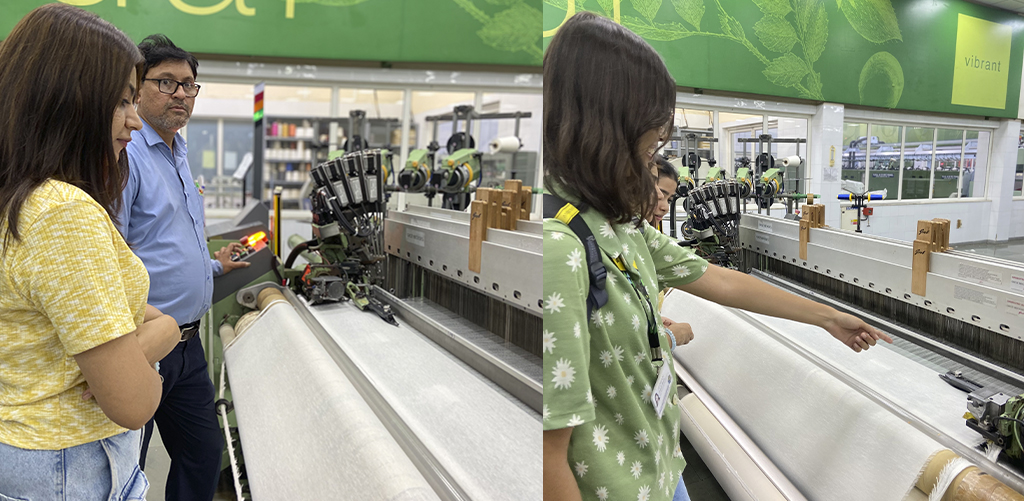
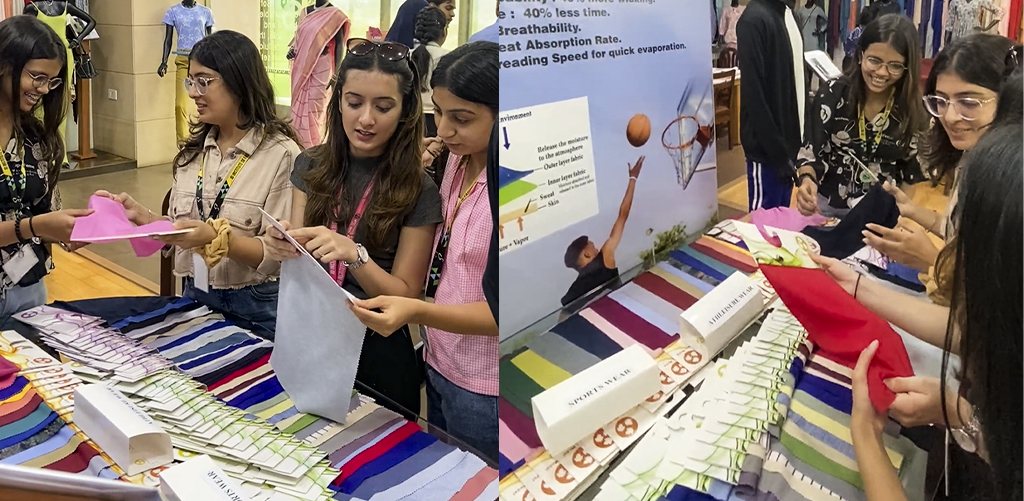
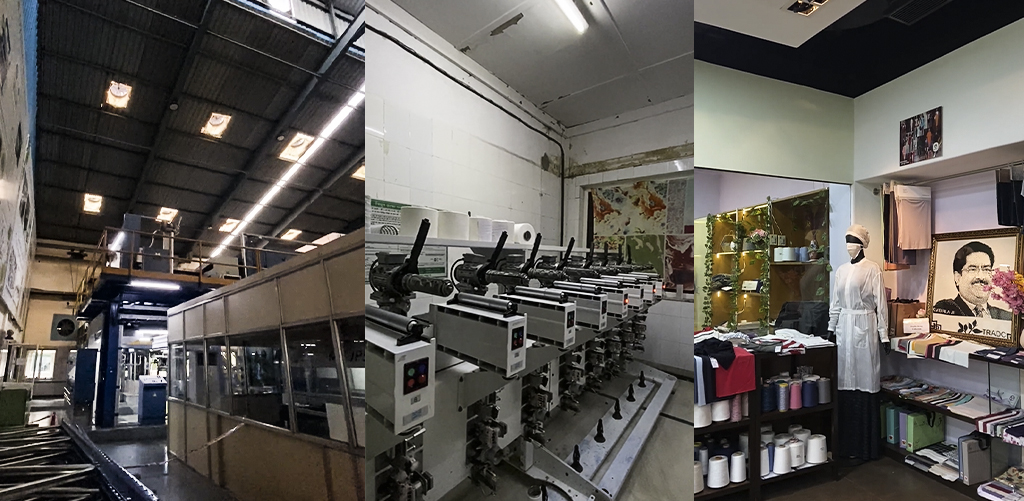
The world of textiles is a blend of art, science, and innovation. On 17th October 2024, this dynamic interplay came to life for students of JD Institute of Fashion Technology during their visit to the Technical Research and Development Center (TRADC) of Birla Cellulose in Kharach – Kosamba. This immersive experience offered a firsthand look at the intricate processes behind fiber-to-fabric transformation while highlighting the future of sustainable textile production.

Unveiling the Fiber-to-Fabric Journey

The visit unfolded with a comprehensive walkthrough of the various stages in textile manufacturing. Students observed the transformation of fiber into yarn and its subsequent evolution into fabric through diverse techniques such as woven fabric production, circular knitting (single and double jersey), and flat knitting.

They were also introduced to the meticulous processes of dyeing and digital printing, where technology meets creativity to bring patterns and colors to life. Post-processing techniques like washing, singing, and drying further demonstrated the steps required to refine and perfect fabric quality, making it ready for use in fashion and design. 

A Peek into Advanced Testing Techniques

An exciting highlight of the visit was the exploration of TRADC’s Yarn and Fabric Testing Labs, equipped with state-of-the-art technology for ensuring the highest standards of quality. Students were shown various testing methods for measuring strength, thickness, density, and composition, offering a deeper understanding of how each parameter impacts the final product.

Special attention was given to tests for color fastness and wash durability, critical factors that determine the reliability and lifespan of textiles. These hands-on demonstrations gave the students a clear sense of how rigorous quality checks are integral to professional textile production. 

The Sustainability Importance

Sustainability stood out as a recurring theme throughout the visit. Led by Mr. Abir Chakrobarty, the TRADC team shared insights into Birla Cellulose’s eco-conscious initiatives, including efforts to reduce carbon footprints and develop mechanically recycled products.

The emphasis on sustainability not only aligned with current industry trends but also inspired students to think about integrating environmentally responsible practices into their future designs. It was a valuable lesson in how creativity and responsibility can coexist to shape a better future for the fashion industry.

The Creative Showcase: The Design Room

The journey concluded in the Design Room, a hub of innovation where students saw the artistic potential of yarns transformed into unique and sustainable textile creations. This space bridged the technical aspects of textile manufacturing with the creative possibilities that drive design.

For the students, this segment was particularly impactful, showcasing the power of combining technical expertise with artistic vision. It encouraged them to think beyond traditional design boundaries while keeping sustainability at the forefront.

A Comprehensive Learning Experience

The visit to TRADC provided JD Institute students a comprehensive insight into the textile manufacturing process, encompassing fibre to finished product. Every phase of the process, from examining manufacturing procedures to comprehending quality control measures and investigating sustainable practices, provided insights that transcended textbooks and classroom discourse. 

The visit provided students with practical tools and motivation for their future in fashion and design by integrating technical knowledge with sustainability and creativity. Such experiences emphasise the significance of industry exposure in developing well-rounded professionals capable of making important contributions to the dynamic textile sector. Through initiatives like this, JD Institute of Fashion Technology continues to uphold its commitment to fostering innovation, quality, and sustainability in the field of design education.

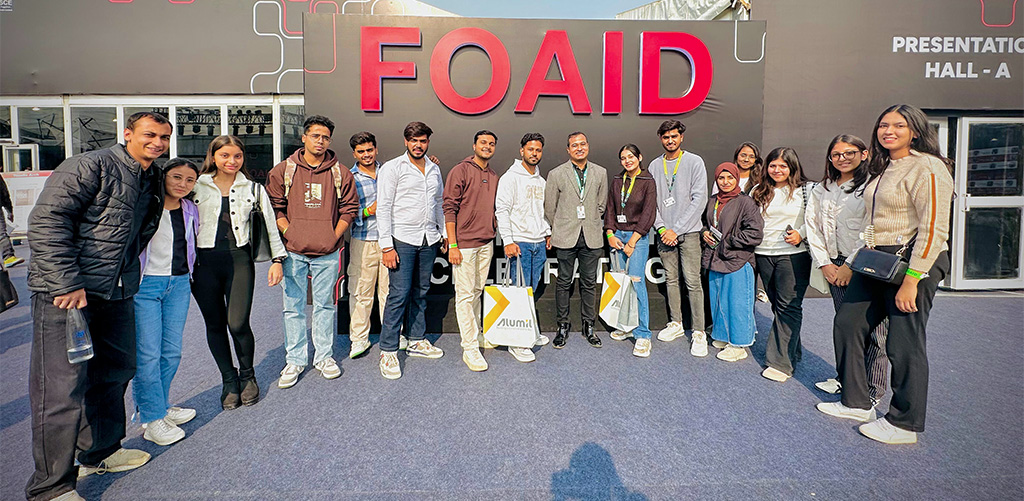
Designing a Sustainable Future: JD Institute Students Shine at FOAID 2024’s Design Karyashala

Tuesday, November 26th, 2024

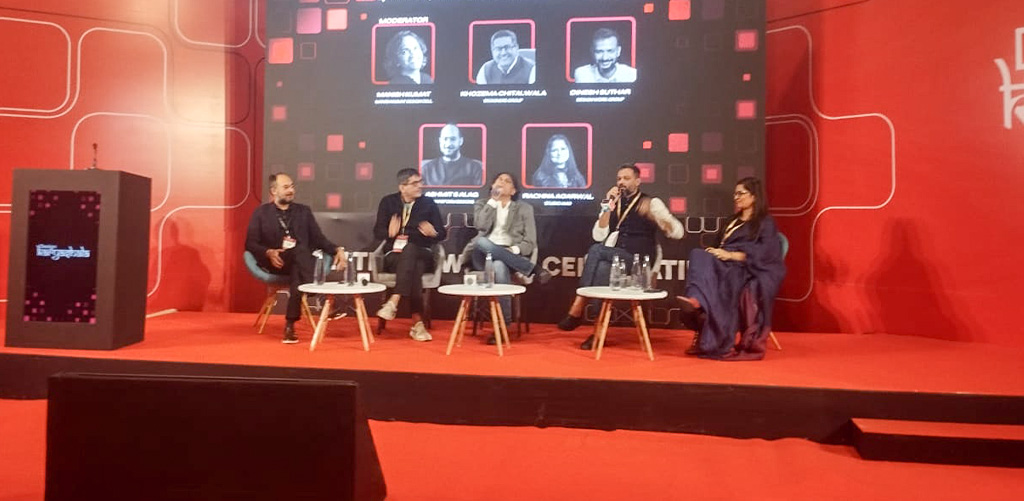
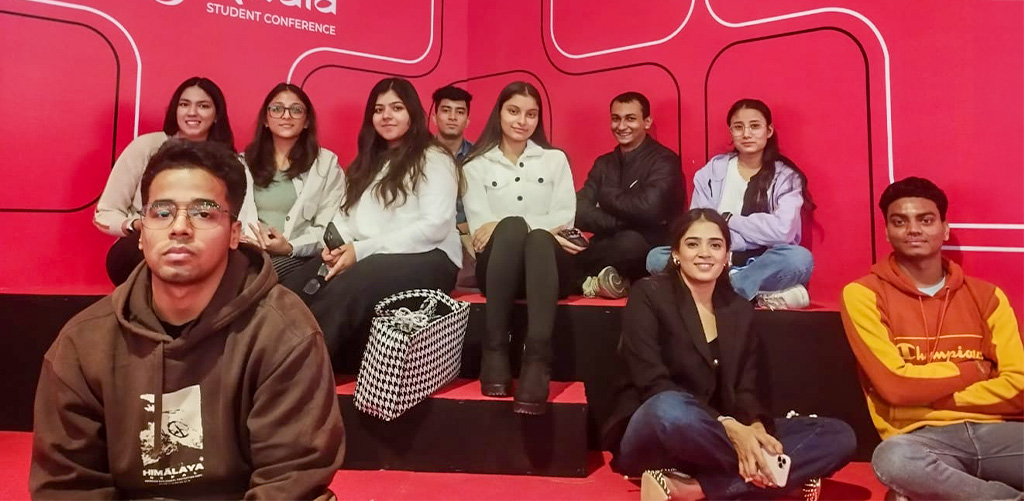
What happens when the brightest minds in design converge at a single platform? Innovation takes center stage, and inspiration becomes the driving force. At the Festival of Architecture and Interior Designing (FOAID) 2024, the Design Karyashala provided exactly that—a melting pot of creativity, learning, and transformative insights for aspiring designers, where our Interior Design Jediiians recently experienced a milestone in their educational journey by participating in it.

This exclusive session featured a lineup of industry stalwarts who shared their expertise, sparking discussions on the ever-evolving landscape of architecture and interior design.

A Meeting of Visionaries

The Design Karyashala was graced by some of the most influential names in the industry:

  1. Mr. Manish Kumat: Principal Designer of Manish Kumat Design Cell. 
  2. Ms. Monica Choudhary: An advocate for sustainable design principles and founder of Habitat Architects. 
  3. Mr. Dinesh Suthar: An urban designer, architect and founder of Design Work Group.
  4. Mr. Khozema Chitalwala: Principal Architect at Designers Group
  5. Ms. Rachna Aggarwal: Founder and Design Ideator at Studio IAAD (It’s All About Design)

Their collective wisdom created a learning environment that was as inspiring as it was educational, with topics ranging from groundbreaking architectural techniques to the future of sustainable interiors.

Thematic Highlights of the Visit

The event delved into a diverse array of topics critical to the future of architecture and interior design. Discussions emphasized the role of innovation in redefining architectural practices, encouraging participants to think beyond conventional boundaries and embrace modern tools and techniques. Sustainability emerged as a key focus, highlighting the integration of eco-conscious methods like renewable materials, waste reduction, and energy-efficient designs to create projects that prioritize environmental well-being.

Alongside these themes, the fundamentals of professional practice were explored, offering invaluable guidance on maintaining client relationships, adhering to ethical standards, and navigating the challenges of building a successful design career. The conversations also shed light on balancing tradition with modernity, inspiring attendees to preserve cultural heritage while meeting contemporary demands through innovative approaches.

A Transformative Experience

For the students of JD Institute, participating in the Design Karyashala was more than just an educational opportunity—it was a transformative experience. The session bridged the gap between academic learning and the practical demands of the industry, offering:

  1. Invaluable Knowledge: Insights into current industry practices and emerging trends.
  2. Practical Guidance: Strategies for addressing real-world challenges in design projects.
  3. Inspiration for Excellence: A renewed drive to approach design with creativity, responsibility, and innovation.

Building the Leaders of Tomorrow

The event underscored the importance of exposure to industry trends and professional expertise, elements that are integral to shaping the next generation of architects and interior designers. Through their participation, students gained not only technical skills but also a renewed commitment to sustainability and innovation.

The Design Karyashala at FOAID 2024 was more than just a learning experience—it was a step toward building a brighter future for design. Armed with the insights and inspiration from this event, these aspiring designers are well on their way to redefining excellence in architecture and interior design for years to come.

Navigating E-Commerce Trends with JD Institute: A Fashion Business Student’s Guide

Tuesday, November 26th, 2024

Imagine a world where your favourite fashion pieces are just one click, swipe, or even a voice command away. In this fast-paced digital era, the way we shop for fashion has undergone a radical transformation. The rise of e-commerce has not just changed how we purchase clothes but has revolutionised the entire fashion ecosystem, dictating trends, influencing customer preferences, and even shaping the way designers create collections.

But here’s the twist — understanding these changes isn’t just for retail companies like Amazon or fashion brands like Zara. If you’re a fashion student stepping into the industry, mastering ecommerce isn’t optional; it’s essential. This is where JD Institute of Fashion Technology’s Fashion Business Management course comes into play. It bridges the gap between creativity and commerce, ensuring students don’t just keep up with the industry but lead it.

Virtual Try-Ons and Augmented Reality (AR)

Augmented reality (AR) for virtual try-ons is one of the most important trends in e-commerce. It lets buyers “try before they buy” from the comfort of their own homes. This technology improves the experience of shopping online by letting people see how an item might look on them. For instance, Gucci’s mobile app has an AR feature that lets customers virtually try on shoes, and Sephora’s application lets customers virtually try on makeup.

Implementing AI for Personalised Purchasing Experiences

Through the introduction of personalised shopping recommendations and customer support solutions, artificial intelligence has revolutionised the online shopping experience. Using artificial intelligence algorithms, companies like H&M and Zara are able to forecast trends, stock the most recent designs, and provide clients with personalised recommendations.

Furthermore, artificial intelligence-powered chatbots have emerged as a crucial component of customer service. These chatbots offer assistance around the clock and can help customers locate the ideal product.

Partnerships with Influencers and Social Business

The increasing importance of social media platforms for product discovery and purchase explains the rise in popularity of social commerce. Fashion businesses are now utilising platforms like Instagram, TikTok, and Pinterest to directly sell to consumers. These platforms frequently involve partnerships with influencers in order to expand their reach and establish their credibility.

Louis Vuitton is a famous example of a company that works with fashion influencers to promote new collections. By doing so, the brand is able to reach millions of people through paid postings and engaging content. The Fashion Business Management course at JD Institute teaches students the knowledge of how to use online platforms to boost sales and create influencer marketing efforts that get people to buy things. The students learn how to work with influencers in a way that benefits both sides and helps brands reach younger, more interested audiences.

Practices in Ethical and Sustainable Online Trade

When it comes to making purchase decisions, consumers are increasingly placing an emphasis on ethical and environmentally responsible business operations. Companies in the fashion industry are responding by implementing environmentally friendly practices into their e-commerce operations.

These activities include utilising recycled materials, reducing wasteful packaging, and emphasising ethical labour standards. Patagonia and Stella McCartney are two companies that have been at the forefront of this trend, incorporating sustainability as a key element into their business models. 

Expanding Global Markets through E-commerce

Through the use of e-commerce, fashion companies have been able to extend outside their native markets, thereby reaching customers in other countries and increasing their brand awareness on a global basis. Shein and Zara are two examples of fast fashion companies that have successfully mastered this trend by using e-commerce channels to target clients all over the world. It is possible for them to quickly adapt to local markets by utilising online platforms, which allows them to cater to a wide variety of fashion preferences without the need for retail outlets.

Stay Ahead with JD Institute’s Fashion Business Management Programme

E-commerce in the fashion industry is changing quickly, and new trends are coming up to meet the needs of tech-savvy, socially aware, and globally connected customers. These trends are changing how brands work online, from personalised AI to being environmentally friendly. For students who want to have great careers in fashion, keeping up with these trends is very important. Students in the Fashion Business Management course at JD Institute learn all about these e-commerce changes, giving them the skills they need to do well in an industry that is always changing.

Global Cultural Influences Shaping Fashion Design: A Vibrant Fusion of Traditions and Trends

Friday, November 22nd, 2024

According to a survey by McKinsey & Company, 74% of global consumers believe fashion is a powerful medium for cultural expression.” 

This fact makes it clear that society has a big impact on modern fashion design. Fashion goes beyond nations, using different cultural elements to make designs that are popular all over the world. Globalisation is speeding up, and designers are getting more and more ideas from different cultures to make pieces that tell stories and celebrate tradition. 

Global cultural influences are changing fashion, and significant instances demonstrate how traditions and trends can coexist. Aspiring designers can learn how to handle these factors in the Fashion Design Course at JD Institute. This enables them to shape the future of fashion, drawing inspiration from culture.

The Growth of Ethnic Fusion: Putting Together Historic and Modern

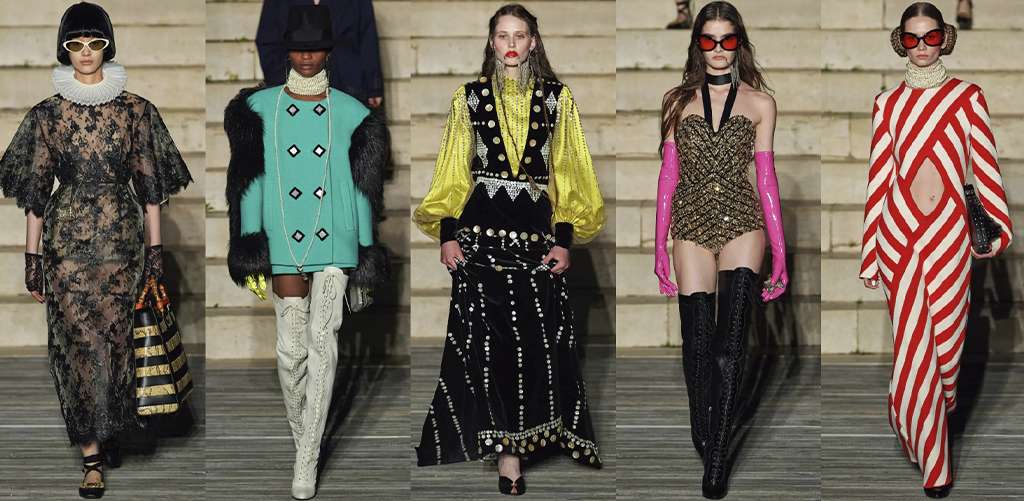
It is becoming increasingly common for designers to develop revolutionary designs by mixing present aesthetics with classic features. This combination not only pays tribute to heritage but also appeals to people all across the world. Gucci collaborated with Indian artisans to make its Resort 2023 collection, which featured detailed embroidery and mirror work. The collection mixed Indian craftsmanship with modern silhouettes. The end product was an amazing mix of cultural history and high-end fashion.

Such cross-cultural designs redefine fashion, emphasising inclusivity and creativity. Aspiring designers can learn to master this art of blending traditions with modernity through programs that encourage innovation and global exposure.

Cultural Identity and Streetwear Convergence

An important global movement, streetwear, has developed to incorporate cultural symbols and tales over the course of its evolution. Designers are using this casual fashion style as an opportunity to showcase their roots in the fashion industry. 

Japanese fashion streetwear brands like BAPE and UNDERCOVER commonly employ traditional Japanese features like kimono-inspired patterns and Ukiyo-e prints. This one-of-a-kind style has made Japanese fashion famous all over the world. Streetwear’s use of cultural elements shows how the newest generation is embracing their background while still staying on trend, which is essential knowledge for fashion students today.

Inspiring Festivals and Celebrations Around the World

The majority of the inspiration that designers draw from comes from festivals and other cultural events. The designers are able to incorporate a wide range of colours, textures, and feelings into their collections by taking use of the colourful palette the events provide. 

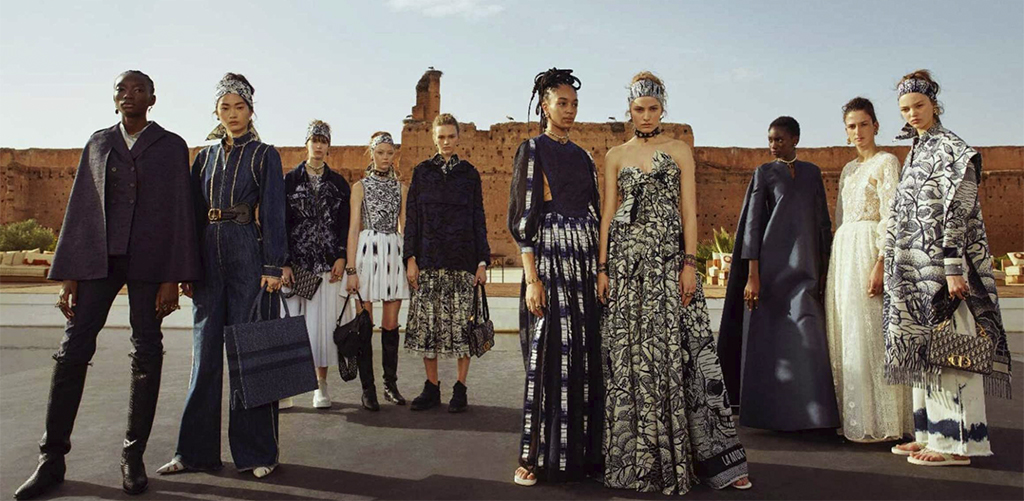
The Cruise 2020 Collection by Dior was inspired by Mexican customs. It had embroidery and designs that recalled the Día de los Muertos festivities. This collection showed how cultural events can lead to designs that are loved all over the world.

Sustainable Fashion with Traditional Roots

Natural dying, hand-weaving, and low waste creation are some of the sustainable practices that cultural groups have long used, and these are becoming increasingly important in the fashion industry as sustainability becomes a major focus.

Stella McCartney’s collaboration with Native American designers in 2021 emphasised sustainability through traditional weaving techniques. This initiative not only celebrated indigenous craftsmanship but also aligned with eco-conscious fashion.

At JD Institute, students are trained in sustainable fashion practices, emphasising the significance of blending environmental responsibility with cultural authenticity.

Global Travel and Inter Cultural Narratives

Travel has emerged as an essential source of inspiration for designers, as it enables them to discover other cultures and incorporate their knowledge into the making of exclusive works of art. African groups influenced Valentino’s Spring 2016 Collection. Bright prints, beadwork, and jewellery reminiscent of Maasai craftsmanship adorned the collection. While the collection was a celebration of Africa, it also led to conversations about the difference between recognizing and using other cultures. 

Conclusion: Fashion as a Blend of Cultures

The mixing of different cultures in fashion is making the business a rich blend of customs, stories, and new ideas. Designers aren’t limited by borders anymore; instead, they welcome differences to make designs that look good on everyone. Talented designers can lead this culture shift if they get the right education and work experience. The Fashion Designing Course at the JD Institute of Fashion Technology gives students a chance to learn, experiment, and do well in a field that is always changing.

Breaking Barriers: Analysing the Growing Trend of Gender-Neutral Fashion Design

Thursday, November 21st, 2024

In today’s rapidly evolving fashion industry, the concept of gender-neutral fashion has become a significant force, reshaping the way people express themselves through clothing. According to a recent Global Fashion Survey, 56% of Gen Z and Millennials are more likely to support brands that promote gender-neutral collections, demonstrating a clear shift in consumer preferences. Let’s delve deep into the trend of gender-neutral fashion, examining its rise, famous examples, and how JD Institute’s fashion design programme prepares the next generation of designers to thrive in this inclusive landscape.

The Rise of Gender-Neutral Fashion: A Shift Towards Inclusivity

Gender-neutral fashion isn’t merely a trend; it’s an approach that goes against traditional norms and celebrates diversity. As ideas about gender become less established in society, the fashion industry is changing how it designs clothes, markets them, and interacts with customers. This change is part of a bigger trend in society towards acceptance and freedom of expression.

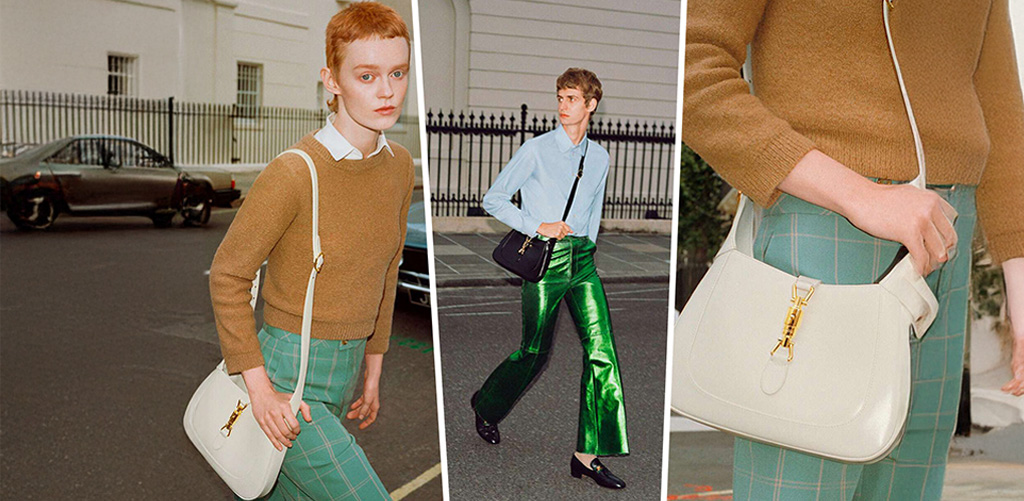
One of the most iconic brands leading the charge in gender-neutral fashion is Gucci. With its launch of the MX Collection, Gucci has blurred the lines between masculine and feminine, offering versatile, unisex pieces that can be worn by anyone. Alessandro Michele, the creative director of Gucci, has often spoken about dismantling the concept of gender in fashion, emphasising that clothing should not be confined to societal expectations.

By teaching students to think beyond traditional boundaries, the JD Institute nurtures creativity and inclusivity. The Fashion Design course focuses on innovative design concepts, allowing budding designers to explore fashion in ways that transcend conventional gender norms. 

Fashion as a Way to Express Yourself: Moving Beyond Stereotypes

Throughout history, gender roles have had a big impact on fashion. But today’s customers are rejecting these limits more and more. Today, clothes are more than just covering up; they’re a powerful form of self-expression that helps people find out who they are and show it off.

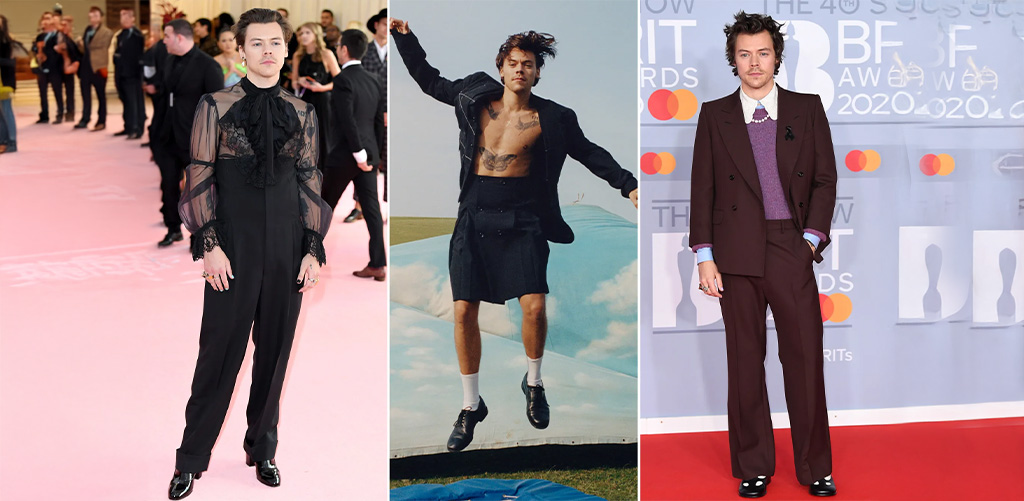
Harry Styles, the British singer, is a wonderful example of how celebrities are changing the rules of fashion. Styles has a wide range of clothes, and he often wears traditionally “feminine” clothes like skirts and dresses, which goes against the strict rules of men’s fashion. The moment he wore a gown on the cover of Vogue marked a significant moment that ignited a conversation about fashion that transcends gender boundaries. 

How Social Media and Influencers Drive Consumer Inclusivity

The call for gender-neutral fashion has been driven by social media platforms where celebrities and activists promote self-expression and inclusivity. Generation Z is increasingly outspoken in endorsing products that reflect its beliefs, including sustainability, ethical standards, and diversity.

Known for its bold designs and commitment to sustainability, Collina Strada has been a pioneer in embracing gender-neutral fashion. Designer Hillary Taymour has integrated gender fluidity into her collections, showcasing pieces that are inclusive, colourful, and unapologetically unique. The brand offers campaigns often featuring diverse models, further amplifying its message of inclusivity. 

Sustainability and Gender-Neutral Fashion: An Incredible Blend

People are becoming more aware of how the clothes they wear affect the world, so gender-neutral fashion has found its natural home in sustainability. It’s becoming clear to many brands that by using flexible designs, they can also help the environment by making timeless pieces that can be worn in any season or by any gender. Stella McCartney has long been a pioneer in sustainable fashion, and her collections often feature gender-neutral pieces made from eco-friendly materials. By focusing on timeless designs, McCartney has successfully merged sustainability with inclusivity, setting a benchmark for the rest of the industry.

JD Institute integrates sustainable practices into its Fashion Design curriculum. Students learn how to use eco-friendly materials, reduce waste, and create timeless designs that align with the growing demand for sustainability.

Why JD Institute is the Best Choice for Aspiring Designers

As the fashion industry continues to evolve, the JD Institute of Fashion Technology remains at the forefront, equipping its students with the tools and knowledge to navigate the future of fashion. Whether it’s mastering sustainable practices, understanding the nuances of gender-neutral design, or staying ahead of global fashion trends, JD Institute is the perfect launching pad for your career.

Copyright © 2025 JD Institute of Fashion. All Right Reserved

Designed by Red Lemon

Whatsapp icon
Apply Now
Enquire
Quick Enquiry