
Apply Now

Author Archive

Want to Design Like a Pro? Time to Embrace Technology!

Friday, January 24th, 2025

In today’s fast-paced world, the boundaries of design and technology are continuously dissolving, creating a dynamic synergy between creativity and innovation. The design industry is undergoing a transformative phase where technological advancements are reshaping the possibilities of artistic expression and functional creation. At the forefront of this transformation, JD Institute of Fashion Technology stands as a beacon of excellence, offering students a platform to master these evolving intersections of design and technology.

The Evolution of Digital Design Tools

The introduction of powerful digital design tools like Adobe Creative Suite, AutoCAD, and Blender has revolutionized the creative process. Designers can now conceptualize, iterate, and refine their ideas faster than ever before. For instance, Pixar’s groundbreaking animation in Toy Story became possible because of advancements in 3D modeling and rendering technologies. Such knowledge empowers students at JD Institute to hone their digital skills and prepare for a tech-driven future.

3D Printing: Turning Imagination into Reality

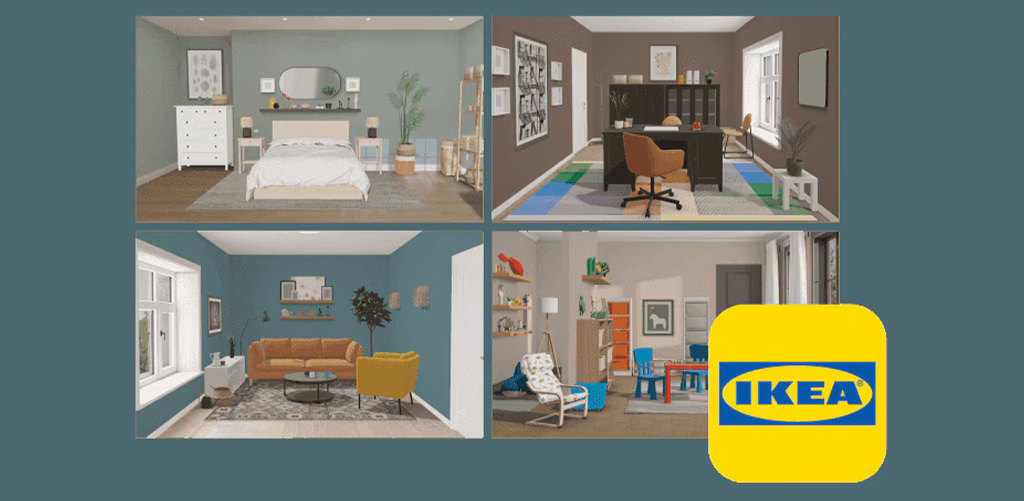
3D printing has turned what once seemed impossible into tangible reality. In architecture and product design, companies like IKEA are exploring 3D-printed furniture for sustainable living. Similarly, in fashion, designers like Iris van Herpen use 3D printing to create intricate, futuristic garments. At JD Institute, students learn to experiment with 3D printing, blending creativity with technology to bring unique designs to life.
Artificial Intelligence in Design

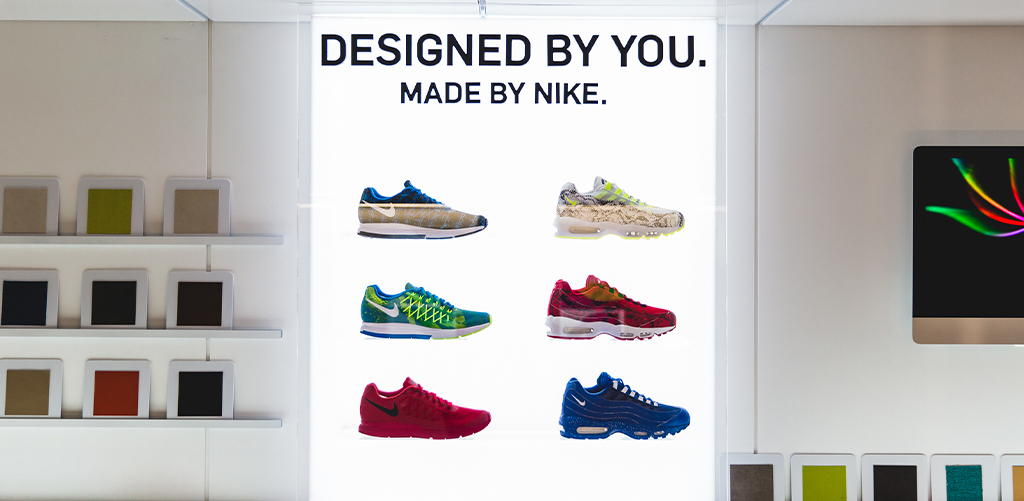
Artificial Intelligence (AI) has become an integral part of the design process. AI-powered tools like DALL-E and Canva are making design more accessible while enhancing efficiency. For example, Nike used AI to personalize shoe designs for its customers, offering a unique user experience. JD Institute provides students with the right knowledge of such tools, encouraging them to push the boundaries of creativity and redefine the future of design.

Virtual Reality and Augmented Reality in User Experience

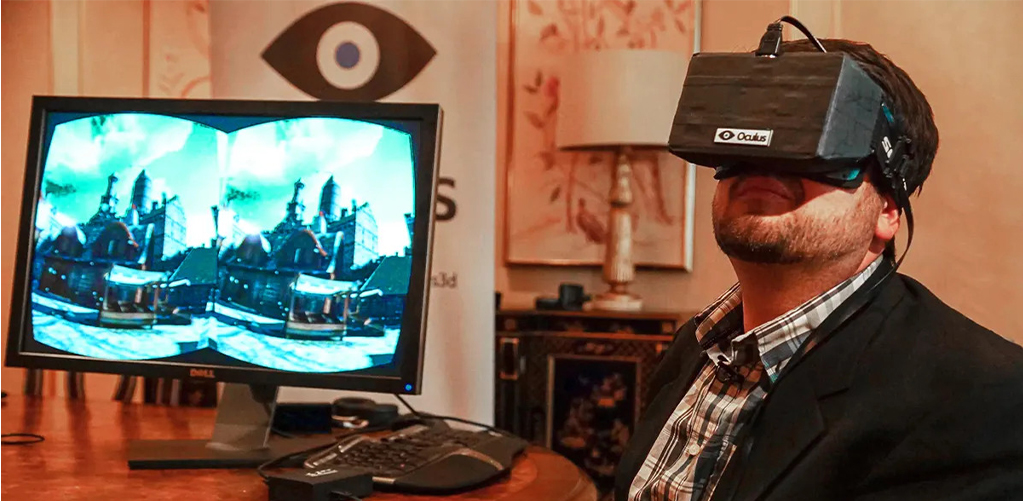
Virtual Reality (VR) and Augmented Reality (AR) are reshaping how designers approach user experience. From immersive gaming experiences like Oculus Rift to AR-powered apps like IKEA Place that visualize furniture in real spaces, the potential of these technologies is immense. JD Institute’s design curriculum ensures that students stay updated on these innovations, preparing them to craft designs that offer immersive experiences.
Sustainable Design Through Technology

Technology has also paved the way for sustainability in design. Designers are using eco-friendly materials, smart textiles, and AI to create products that are both functional and environmentally conscious. Adidas, for instance, has developed 100% recyclable sneakers using advanced technologies. Similarly, JD Institute encourages students to explore sustainable design solutions, ensuring that their creations have a positive impact on the planet.

The Role of Technology in Collaborative Design

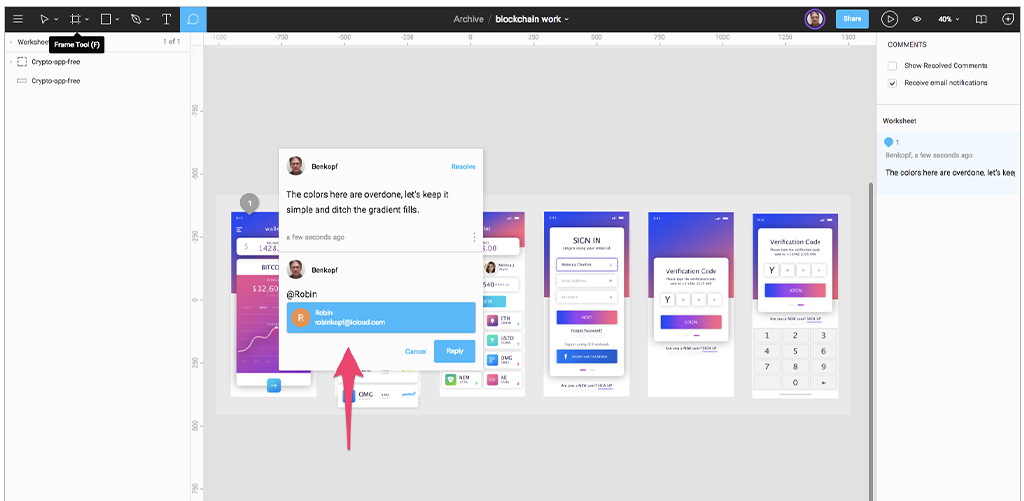
Technology has made global collaboration seamless. Platforms like Figma and Miro allow designers to work together in real time, breaking geographical barriers. Companies like Google and Microsoft use these tools to design user-friendly interfaces. JD Institute fosters a collaborative learning environment, helping students adapt to modern teamwork practices in design projects.
Conclusion: Design and Technology are Complementary to Each Other 

Design and technology are no longer separate entities but complementary forces shaping the future. From digital tools to sustainable innovations, the possibilities are endless for those willing to embrace this synergy. At JD Institute, students gain the knowledge and skills needed to thrive in this evolving landscape, making it the perfect launchpad for aspiring designers who want to combine creativity with innovation.

By understanding the influence of technology on design, students can transform their ideas into groundbreaking creations that redefine industries. As the world moves towards a tech-centric future, the role of visionary designers will only grow.
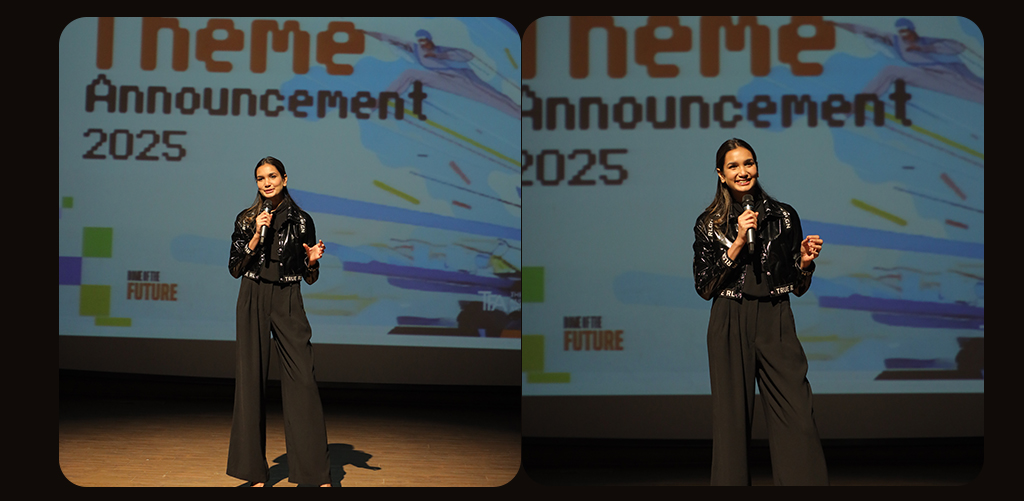
Pushing Creative Boundaries: iFestival 2025 Theme Announced

Tuesday, January 21st, 2025

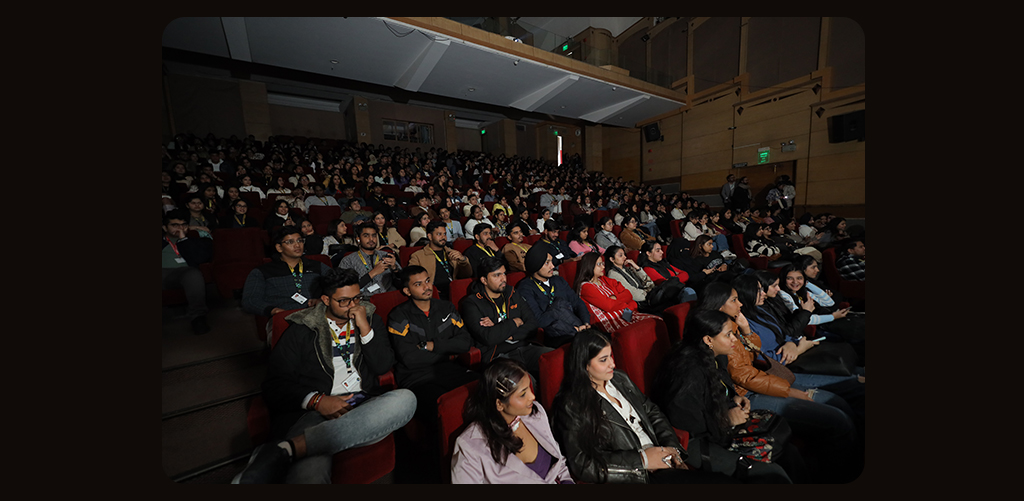
The excitement was tangible as students gathered at the JD Institute of Fashion Technology for the much-anticipated theme announcement for iFestival 2025. With eager anticipation, they awaited the unveiling of a concept that would shape their creative endeavors for the year ahead. What they received was not just a theme—it was a profound idea that challenged their perspectives and ignited their imaginations. 

The Grand Reveal: “The Last Invention”

As the stage came alive and the curtains parted, the theme, “The Last Invention,” was revealed. Gasps of excitement filled the air as students embarked on an intellectual and creative voyage. This theme, steeped in both intrigue and depth, posed thought-provoking questions:

  • What would humanity create if it knew it was facing its end?
  • What would a world look like where innovation had reached its zenith?
  • If the human mind or consciousness were the canvas, how would design evolve?
  • Could a “last invention” truly change the world for the better?

These questions were not merely abstract—they served as the foundation for a journey into speculative design, encouraging students to explore the limits of their creativity.

A Visionary Concept by Ms. Akshra Dalal

The theme was introduced by Ms. Akshra Dalal, Director of JD Institute of Fashion Technology, who offered a compelling vision for the initiative. In her address, she emphasized the duality embedded in the theme:
“Should my design evoke hope, or should it serve as a warning for future generations?”

Her words encouraged students to reflect on the implications of their designs—not just aesthetically but ethically and socially. The theme pushes boundaries by intertwining creativity with responsibility, urging students to design with purpose and foresight.

Exploring “The Last Invention” Across Disciplines

The theme, “The Last Invention,” offers endless possibilities across multiple design disciplines, challenging students to think beyond conventional paradigms. 

  • In Fashion Design: Students are prompted to explore garments that are timeless and adaptive. Imagine designs that can be resized, restyled, or repurposed over a lifetime, eliminating the need for overproduction and waste.
  • In Interior Design: The idea translates into the ultimate minimalist space—designs that eliminate excess while providing maximum comfort and utility, a perfect blend of sustainability and functionality.
  • In Fashion Styling: Students are tasked to curate and conceptualize looks that embody the essence of humanity’s final creative expression, balancing emotion, innovation, and artistry.

These are just glimpses of the boundless opportunities this theme provides. It challenges students to create designs that not only reflect the pinnacle of human achievement but also inspire dialogue about sustainability, innovation, and the legacy we leave behind.

Honouring Excellence Alongside the Theme Announcement 

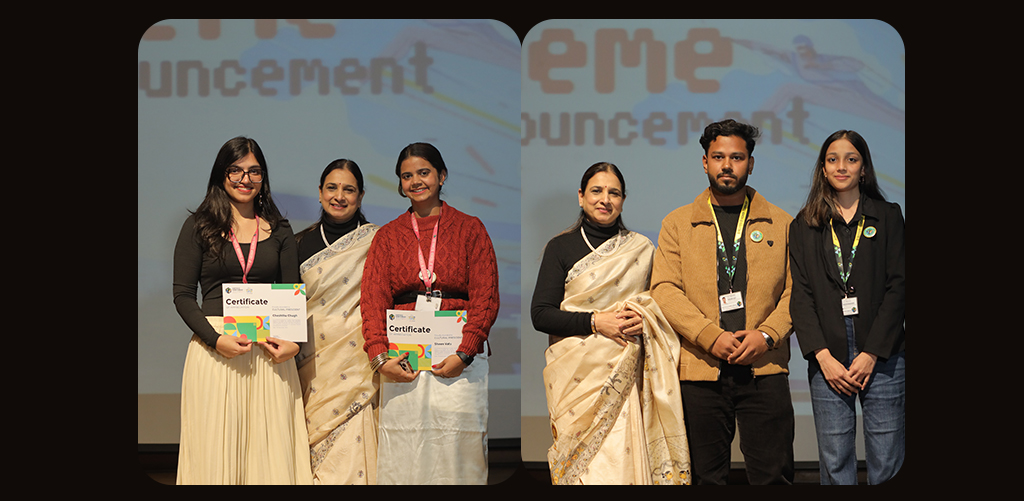
Beyond the grand theme reveal, the event also served as a platform to celebrate the dedication and contributions of the students. Ms. Rupal Dalal, Managing Director of JD Institute of Fashion Technology, took the stage to honour the Class Representatives (CRs) from each batch and the Heads of the Cultural Society with certificates of appreciation and batches

This gesture highlighted the institute’s philosophy of recognizing and nurturing excellence in all its forms. It underscored how JD Institute values every individual’s efforts, ensuring that even amidst major announcements, achievements and contributions are celebrated.

Alumni Interaction: Wisdom from the Stars

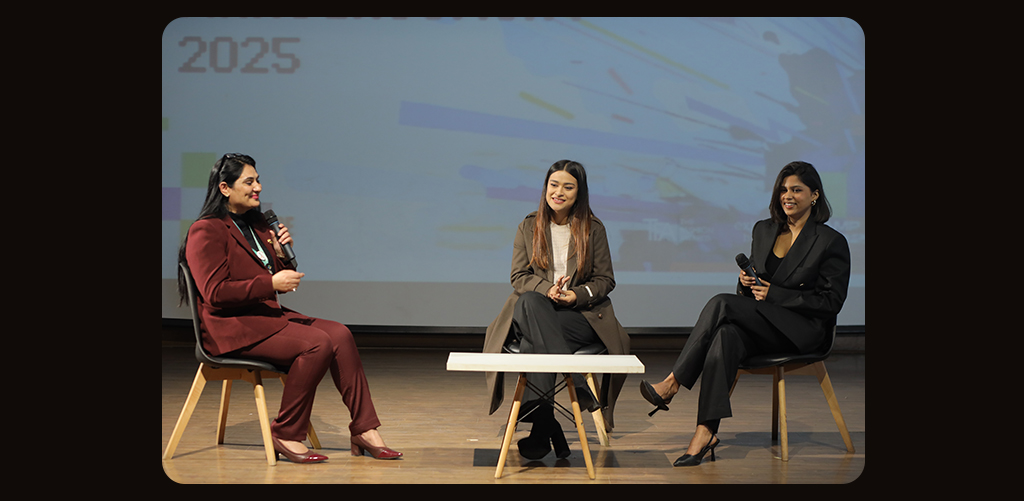
The event also featured an enriching Alumni Interaction Session with two successful graduates from the Fashion Design Batch of 2020: Bhawya Suri and Rohini Prasad. These alumni, who have achieved remarkable milestones in their careers, shared their journeys and insights with the current students.

  1. Bhawya Suri: Founder of her own brand, Bhawya Suri Couture, inspired students with her entrepreneurial spirit and her experiences building a successful label.
  2. Rohini Prasad: Currently working with the luxury UK brand House of R, shared her professional journey, emphasizing the importance of perseverance and adaptability in the fashion industry.

The duo spoke candidly about their experiences during iFestival and The Fashion Awards (TFA), underlining the significance of teamwork in managing workload and achieving excellence. They also shed light on navigating challenges, handling jury sessions, and staying focused during rigorous analytical and critical cycles. Their stories resonated deeply with the students, providing not just motivation but actionable advice for excelling in their own journeys.

Catalyst for Creativity and Critical Thinking

The theme announcement marked the beginning of a transformative journey for students from all departments—Fashion, Interior, and Styling. It serves as a catalyst for exploration, introspection, and innovation. Over the coming months, students will delve into:

  • Jury Sessions: Critical discussions and debates will allow students to refine their ideas, challenge assumptions, and develop well-rounded concepts.
  • Collaborative Projects: Peer engagement fosters the exchange of ideas and inspires fresh perspectives.
  • Prototyping and Experimentation: From installations to garments, students will translate their visions into tangible creations for the iFestival showcase.

Looking Ahead to iFestival 2025

The theme, “The Last Invention,” sets the stage for iFestival 2025 to be a groundbreaking event. Students will present their interpretations of the theme through immersive exhibits, installations, and performances that redefine the boundaries of creativity.

As JD Institute of Fashion Technology continues to push the envelope of design education, this theme embodies the institution’s commitment to fostering innovative thinking and socially conscious design. With its blend of inspiration and challenge, “The Last Invention” promises to be a turning point in the creative journeys of its students, ensuring that iFestival 2025 is a landmark event in the world of fashion and design.

Post-Pandemic Retail: Lessons from 19th-Century Window Shopping Culture

Monday, January 20th, 2025

The COVID-19 pandemic brought significant changes to the retail world, transforming how consumers interact with brands. Amid these shifts, a surprising trend has emerged: the revival of 19th-century window shopping culture. In an era of touchless shopping and digital-first strategies, this nostalgic yet modern phenomenon provides a fascinating blueprint for retailers.

Students aspiring to master this evolving retail landscape will find JD Institute’s Visual Merchandising course an exceptional platform to develop the creative and strategic skills needed to thrive in the industry.

The Birth of Window Shopping in the 1800s

Window shopping as we know it began in the 19th century, especially during the Industrial Revolution. Retailers like Macy’s in New York City and Harrods in London created elaborate window displays to entice passersby. These displays were more than just decorative; they told stories and created aspirational lifestyles for viewers.

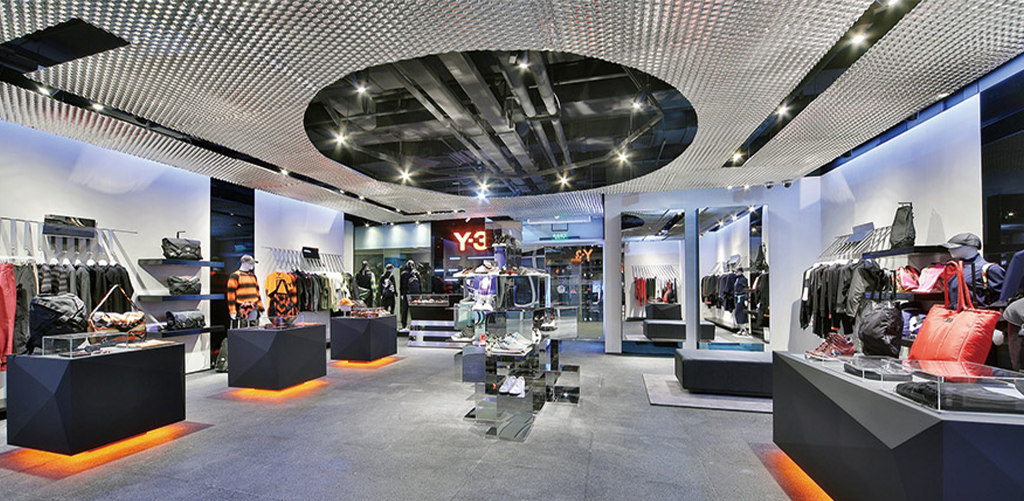
Today, this principle holds strong, with window displays offering a touchless yet engaging experience. Stores like Bergdorf Goodman in New York have revived this trend with elaborate visual storytelling, attracting customers even during social distancing.

Pandemic Retail: The Return of Visual Experiences

During the pandemic, when physical interaction was limited, window displays became more important than ever. Brands like Louis Vuitton and Tiffany & Co. invested heavily in creative window concepts, using them as a tool to connect with customers without requiring in-store visits.

Retailers realized that the right visual merchandising could communicate brand values and inspire purchases, even from a distance. This mirrors the 19th-century approach, where captivating displays were often the sole touchpoint for potential buyers.

From Physical to Digital: The Window Shopping Evolution

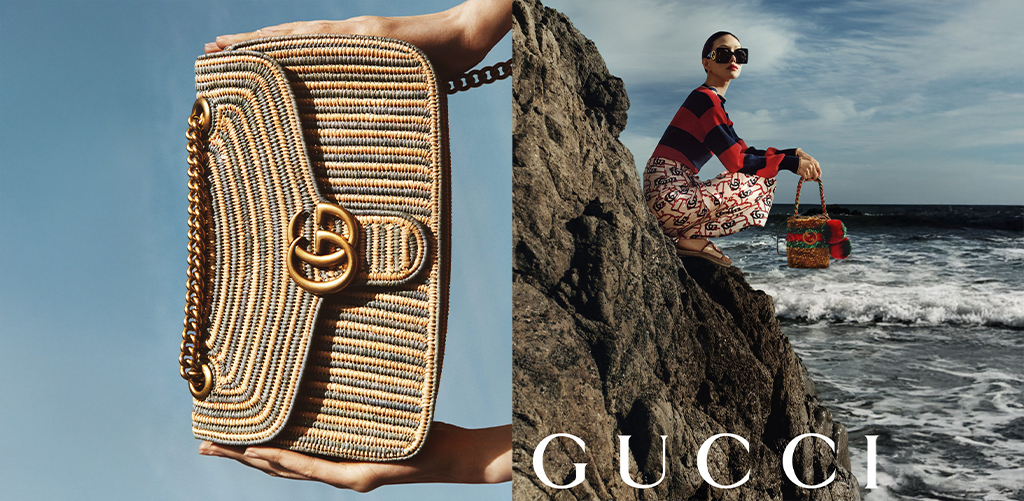
The modern version of window shopping isn’t limited to physical stores. Social media platforms like Instagram have become virtual windows where brands showcase their products. Gucci’s creative Instagram campaigns and augmented reality try-ons have redefined how customers browse and explore products.

Yet, physical displays still hold a special charm. As evidenced by the 1800s, tactile experiences like window shopping create lasting impressions. Combining digital and physical strategies has proven to be a winning formula for brands post-pandemic.

Lessons for Modern Retailers

1. Visual Storytelling is Timeless:
Retailers like Anthropologie have mastered the art of immersive displays, just as Harrods did in the 19th century. Storytelling through visuals is an evergreen tactic that captures attention and evokes emotion.

2. Innovation in Design:
Interactive displays, like the ones used by Adidas’ flagship stores, merge 19th-century aesthetics with 21st-century technology, offering touchless engagement while maintaining a personal connection.

3. Local Culture in Displays:
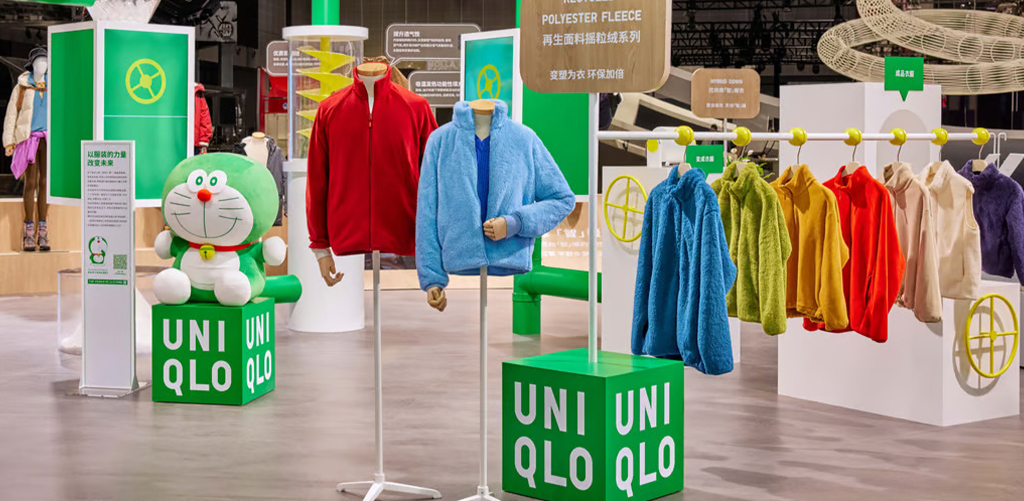
Much like the Parisian boutiques of the 1800s that reflected local charm, modern brands like Uniqlo incorporate regional culture into their displays, appealing to diverse customer bases.

Visual Merchandising: A Career for the Future

As retail continues to evolve, the role of visual merchandisers becomes increasingly crucial. At JD Institute, students gain hands-on experience and industry insights to create displays that resonate with today’s consumers. The curriculum of Visual Merchandising blends creative exploration with practical strategies, preparing students for the dynamic retail world.

Closing Thoughts

The revival of 19th-century window shopping culture in a post-pandemic world highlights the enduring power of visual merchandising. By combining historical inspiration with modern technology, retailers can create engaging experiences that drive connection and sales. For students eager to shape the future of retail, the Visual Merchandising course at JD Institute offers unparalleled training to turn ideas into impactful displays. The possibilities are endless, just like a beautifully designed shop window waiting to be explored.

Can Gaming Really Influence Design? The Answer Might Surprise You!

Saturday, January 18th, 2025

In the dynamic world of design, inspiration can come from the most unexpected places. Gaming, once purely a source of entertainment, has now emerged as a powerful influence on design across industries. From hyper-realistic environments to innovative interfaces, gaming is redefining how creativity is expressed in the digital space.

At JD Institute of Fashion Technology, students are equipped with the knowledge and skills to adapt to these emerging trends, preparing them for success in design careers influenced by gaming and other cutting-edge innovations.

Immersive Environments: The Rise of Realism

Games like The Last of Us and Red Dead Redemption 2 have redefined realism in digital environments. These games create lifelike settings through advanced graphics, lighting, and textures, inspiring designers to push the boundaries of what’s possible in virtual spaces. Interior Designers, for example, can now use gaming engines like Unreal Engine to create hyper-realistic walkthroughs of homes and offices, giving clients an immersive experience. 

Interactive Interfaces: Designing for Engagement

Games like Fortnite and Minecraft have captivated millions through their intuitive and interactive interfaces. Designers across industries are taking cues from these gaming platforms to create user-friendly interfaces for apps, websites, and even wearable technology. The emphasis on user experience (UX) and engagement has transformed how products are conceptualized and built. At JD Institute, students dive deep into these design concepts ensuring they stay ahead in creating products that are functional and aesthetically pleasing.

Storytelling in Design: Beyond Aesthetics

Gaming thrives on compelling narratives, with games like God of War and The Legend of Zelda becoming cultural phenomena due to their storytelling prowess. Designers in advertising, branding, and entertainment now prioritize storytelling as a critical element of their work. By getting inspired by these gaming examples, our students understand how to weave narratives into their designs, making their projects emotionally resonant and impactful.

Virtual Reality (VR) and Augmented Reality (AR): Expanding Possibilities

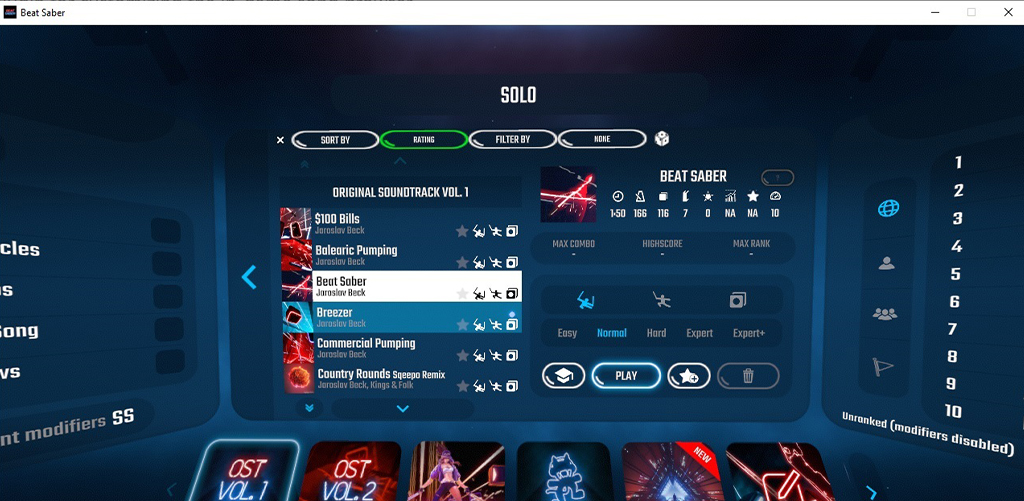
Games such as Beat Saber and Pokémon GO have revolutionized the way VR and AR are used for entertainment. These technologies are now influencing fields like Fashion and Interior Design, enabling designers to create virtual try-on experiences, interactive spaces, and more. Students at JD Institute are trained to have this creative flair of technologies in their projects and stay ahead in this transformative era.

Sustainability and Resourcefulness: Lessons from Gaming

Sustainable design is becoming increasingly important, and games like Minecraft teach resource management and creativity with limited tools. Designers can apply these lessons to develop sustainable solutions in fashion, architecture, and other fields. JD Institute instills the value of sustainability in students, ensuring they contribute positively to the environment through innovative and responsible designs.

Designing the Future with Lessons from Gaming

Gaming has evolved into a melting pot of creativity, innovation, and technology, offering endless inspiration for designers. From realistic environments and intuitive interfaces to VR, AR, and AI integration, gaming continues to shape the future of design across industries. By studying at JD Institute, students gain a comprehensive understanding of these trends and the skills needed to harness them effectively. With expert guidance it is the perfect place for aspiring designers to bring their creative visions to life in this exciting, game-inspired era of design.

What Makes K-Pop Fans Go Crazy in Stores? (Hint: It’s All About Design)

Friday, January 17th, 2025

The Korean Wave, popularly known as Hallyu, has taken the world by storm, with K-Pop being one of its most vibrant and impactful aspects. The influence of K-Pop extends far beyond music and entertainment—it has revolutionized global fashion, culture, and even retail design. Visual Merchandising, in particular, has embraced K-Pop’s bold and dynamic style, creating immersive shopping experiences that resonate with fans.

For aspiring visual merchandisers, understanding these trends can unlock creative potential, and courses like the one offered by JD Institute of Fashion Technology equip students with the tools and insights to thrive in this space.

Bold Colors and Energetic Themes

K-Pop is synonymous with vibrant aesthetics, and this is evident in how brands design their stores. Retail spaces inspired by K-Pop often use bold and energetic colors like neon pinks, blues, and yellows to create visually stimulating environments. These striking palettes reflect the playful and high-energy nature of K-Pop music videos.

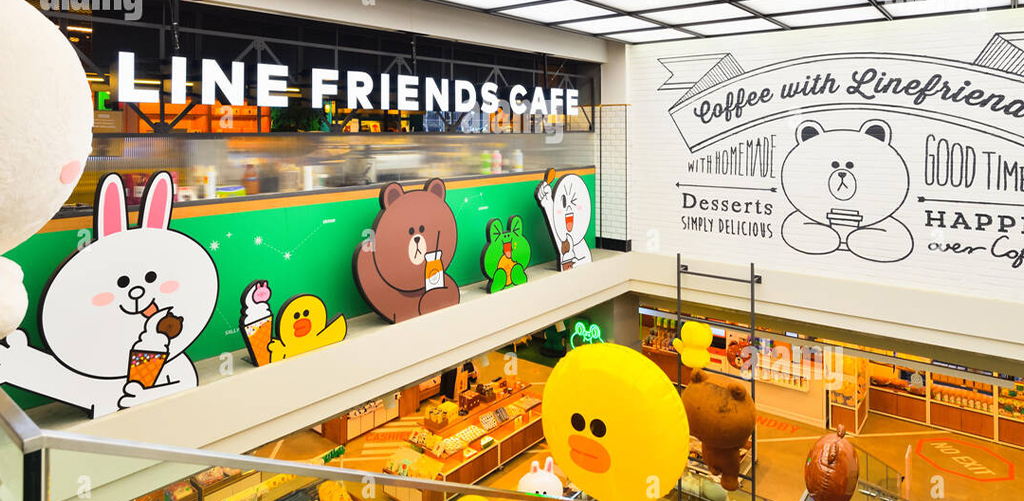
For example, the Line Friends stores in Seoul and other global cities are heavily inspired by BTS, a global K-Pop sensation. These stores utilize bright colors, playful lighting, and larger-than-life character installations to attract fans and encourage them to immerse themselves in the shopping experience.

Visual Merchandising at JD Institute emphasises the importance of understanding color psychology, ensuring students can craft similar captivating designs that appeal to target audiences.

Fan-Centric Store Layouts

K-Pop fandoms, known as “stans,” are among the most loyal and passionate communities. Retailers have tapped into this by designing fan-centric store layouts that celebrate idols and their fans. Stores often feature exclusive merchandise, photo zones, and themed décor that reflect the personality of the artist or group they represent.

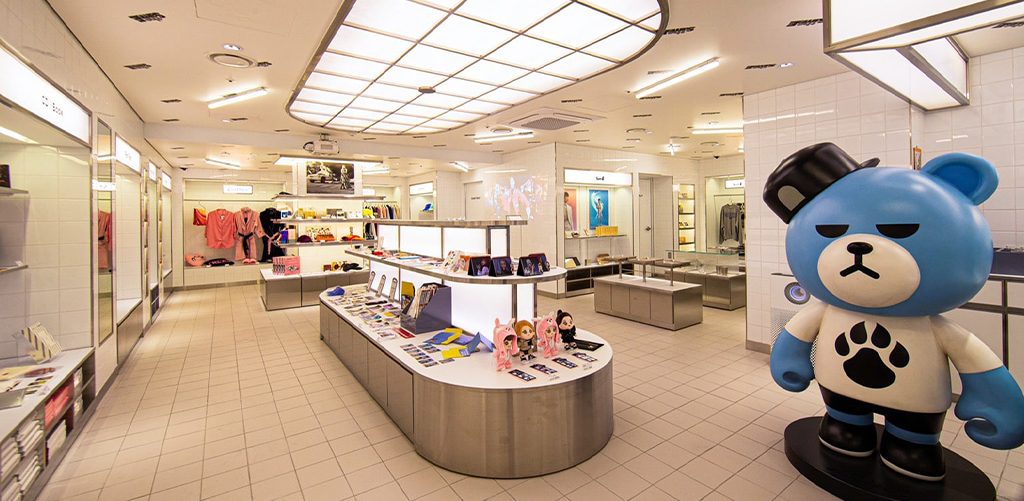
A great example is the YG Entertainment Store in Seoul, which is dedicated to groups like BLACKPINK and BIGBANG. The store offers fans a multi-sensory experience with exclusive merchandise, music, and visuals of their favorite idols. Similarly, pop-up stores for bands like SEVENTEEN often feature limited-edition products and interactive zones for fans to connect with their favorite artists.

Interactive Displays and Technology

K-Pop-inspired retail spaces often integrate cutting-edge technology to captivate audiences. From augmented reality (AR) displays to interactive video walls, these elements bring retail design to life. For instance, SMTOWN &STORE in Seoul uses holographic displays of idols and interactive screens for fans to browse music, videos, and merchandise in an innovative way.

Technology not only enhances the customer experience but also creates a deeper emotional connection, which is key to driving sales. JD Institute helps students explore how to use technology effectively to design engaging and future-ready retail spaces.

Limited Edition and Exclusive Collections

One of the most significant impacts of K-Pop on visual merchandising is the rise of exclusivity. K-Pop fans are always eager to purchase limited-edition merchandise, leading brands to design retail spaces that emphasize exclusivity. Pop-up stores, such as the BTS Map of the Soul Tour Pop-Up, are a testament to this trend. These stores are carefully curated, featuring themed zones and products that celebrate the group’s latest achievements.

By creating a sense of urgency and uniqueness, these stores generate excitement and foot traffic. JD Institute’s visual merchandising program empowers students to strategize layouts that prioritize exclusivity and enhance customer engagement.

Cultural Fusion and Global Appeal

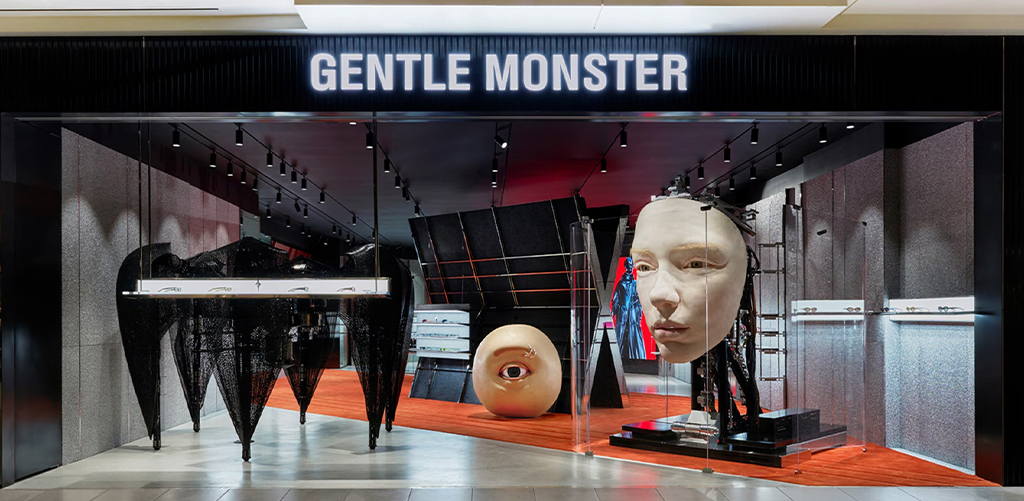
K-Pop’s global influence has encouraged retailers to incorporate elements of Korean culture while appealing to international audiences. For example, the Gentle Monster flagship stores blend contemporary Korean art and culture with innovative eyewear displays. Each store is designed like an art gallery, featuring bold installations and avant-garde designs that draw shoppers into an experiential journey. 

Conclusion: A Blueprint for Tomorrow’s Retail

The global phenomenon of K-Pop has transformed visual merchandising, inspiring bold colors, fan-centric layouts, innovative technology, and exclusive collections. Retail spaces are no longer just about selling products—they are about creating immersive experiences that resonate with fans and customers alike.

For aspiring visual merchandisers, understanding these trends is crucial to staying relevant in the fast-evolving retail industry. JD Institute of Fashion Technology aims to equip students with the skills to design innovative and impactful retail spaces. With its comprehensive curriculum and hands-on training, it’s the ideal choice for those looking to leave their mark in the world of retail design.

Revolutionising Living Spaces: The Era of Smart Home Interior Design

Wednesday, December 11th, 2024

In an age where technology seamlessly blends with every aspect of our lives, the concept of smart home interior design is emerging as a game-changer. Imagine a home where every element, from lighting to climate control, is tailored to your preferences and routines with a mere touch or voice command. This is not a distant dream but a reality that smart home interior design brings to life. As we delve into this exciting field, we’ll uncover how innovative technology is reshaping our living spaces and why the JD Institute of Fashion Technology stands out in providing exceptional education in the Interior Design field. 

Understanding Smart Home Interior Design 

Smart home technology refers to the use of devices and systems that can be controlled remotely to enhance comfort, security, and energy efficiency. This includes automated lighting, climate control, security systems, and entertainment units. The integration of these technologies into Interior Design creates a seamless living experience that prioritises user convenience and personalization.

Technology Integration: Making Homes Smarter

At the heart of smart home design is technology integration. This involves installing smart devices and systems that allow your home to adapt to your preferences. For example, a smart thermostat learns your schedule and adjusts the temperature for comfort, while smart lighting can change colours based on the time of day or your mood. By making technology an integral part of the home, we create environments that are not only stylish but also functional. Some of the key benefits of Smart Home Interior Design include-

  • Increased Convenience: Homeowners can control various aspects of their homes with simple voice commands or through smartphone applications, making daily tasks more manageable.
  • Enhanced Energy Efficiency: Smart technologies allow for better monitoring and control of energy usage, leading to lower utility bills and a reduced carbon footprint.
  • Improved Security: Advanced security features, such as remote monitoring and automated locks, provide peace of mind for individuals. 
  • Personalization: Smart home systems can be customised to fit individual preferences, allowing homeowners to create a living environment that reflects their lifestyle.

The Power of Home Automation: Simplify Your Life

The concept of home automation builds upon the integration of technology to provide an even higher level of convenience. You can manage your home’s temperature, lighting, and security system all from one convenient place, like your smartphone. Managing your home becomes easier and more simple with home automation, which enhances your living experience overall. This smooth control redefines how we communicate with the world around us, bringing us closer together and simplifying our lives.

User Experience in Smart Home Design

User experience (UX) in smart homes refers to how users interact with smart devices and systems within their living spaces. A positive UX is crucial because it directly impacts user satisfaction, engagement, and the overall effectiveness of smart home technologies. Key elements of UX in smart home design include:

  • Intuitive Interfaces: This consists of easy-to-understand voice commands, mobile apps, and touch controls that everyone, regardless of technical knowledge, may use.
  • Seamless Integration: This means that smart devices must work harmoniously together to create a uniform system.
  • Personalization: This includes that smart home systems should allow users to customise their home environment, such as adjusting lighting, temperature, and security features etc.

Smart home interior design is not just a trend; it is the future of how we live and interact with our spaces. With the integration of technology, individuals can enjoy enhanced convenience, security, and energy efficiency.

JD Institute of Fashion Technology is leading the way in educating aspiring designers in the Interior Design field, providing them with the knowledge and hands-on experience needed to thrive in the competitive landscape of smart home design.

Design in Motion: Changing Emotions, Driving Decisions, and Inspiring Actions

Tuesday, December 10th, 2024

Design is everywhere—it shapes how we feel, what we decide, and how we act. From the sleek sophistication of Apple products to the immersive layouts of IKEA stores, design influences our daily lives in ways we often don’t realize. At JD Institute, aspiring designers learn to harness this power through comprehensive courses in Communication Design, Fashion Design, Interior Design, Graphic Design, and more. These programmes equip students with the tools to create impactful designs that evoke emotions, guide decisions, and inspire actions.

In this blog, we’ll explore how thoughtful design can make a difference, supported by famous examples like Coca-Cola’s iconic bottle and Nike’s motivational branding, to show how design connects deeply with human psychology.

How Design Influences Emotions: Apple’s Minimalism and Color Psychology

Design directly impacts our emotions by using elements like color, texture, and layout. Apple’s minimalist approach exemplifies this. Their clean lines, use of white space, and elegant symmetry create feelings of simplicity, sophistication, and reliability. Even the tactile satisfaction of opening an Apple product box is meticulously designed to evoke excitement and anticipation.

Color is another powerful emotional trigger. For instance, warm colors like red and yellow are often associated with energy and enthusiasm, which is why fast-food brands like McDonald’s use them extensively. Meanwhile, calming tones like blue and green, commonly seen in healthcare facilities, evoke trust and relaxation.

As Paul Rand famously said, “Design is the silent ambassador of your brand.” Apple’s products consistently demonstrate how design influences emotions, creating loyal customers worldwide.

How Design Drives Actions: Nike’s Visual Branding and Google’s Simplicity

Nike’s branding demonstrates how design can inspire action. Their “Just Do It” slogan, paired with dynamic visuals of athletes, motivates viewers to take charge of their fitness journeys. Even the design of their apps, with interactive challenges and progress tracking, encourages users to stay active.

Google’s homepage, on the other hand, shows how simplicity drives action. With minimal distractions and a single focus on the search bar, users are naturally guided to perform the primary action: searching. According to Stanford University, 75% of users judge a website’s credibility based on its design, proving the importance of clear, action-oriented layouts.

These examples underline how well-crafted design prompts us to act, whether it’s buying a product or engaging with a digital platform.

Famous Examples of Impactful Design: Coca-Cola’s Timeless Bottle and Beyond

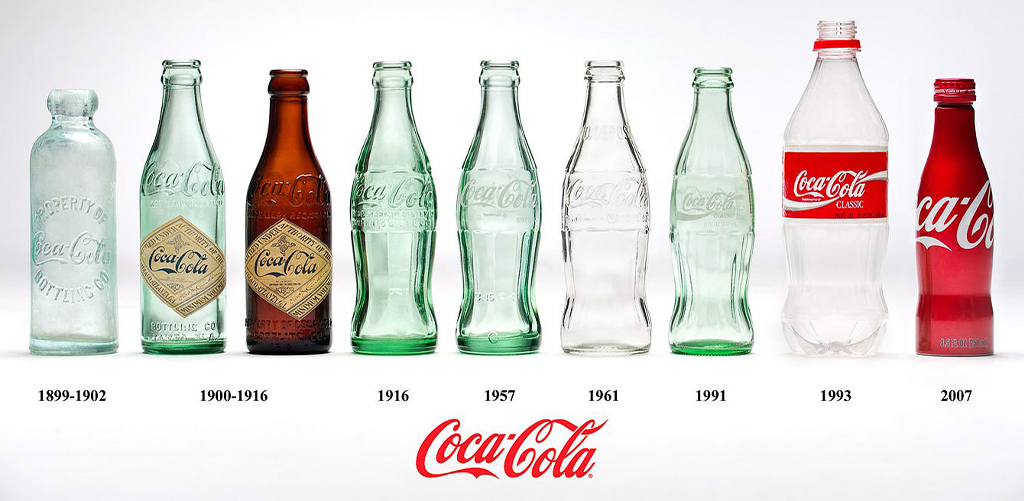
Coca-Cola’s bottle design is a classic example of how impactful design creates lasting connections. Introduced in 1915, its unique contour was intended to make it recognizable by touch alone. This design not only differentiated Coca-Cola from competitors but also evoked nostalgia and familiarity over decades.

Another example is Instagram’s infinite scrolling feature, designed to keep users engaged for longer periods. Such designs tap into human psychology to encourage continuous interaction, proving that impactful design can shape behavior on a global scale.

Why Learning Design Matters

These examples illustrate the profound influence of design on emotions, decisions, and actions. Understanding these principles is crucial for anyone looking to make an impact in fields like communication design, fashion, interior spaces, or branding.

At JD Institute, we prepare aspiring designers to harness the power of design across multiple disciplines. From Communication Design that tells compelling stories to Interior Design that transforms spaces, our programmes teach students how to create experiences that resonate and inspire.

The Future of Design: Shaping a World of Meaningful Experiences

As we navigate a world increasingly driven by aesthetics and functionality, the role of design becomes more critical than ever. Thoughtful design doesn’t just make life more beautiful—it creates experiences that resonate, influence, and inspire. Whether it’s a product that simplifies your day, a space that feels like home, or a campaign that moves hearts, design is at the core of human connection and innovation. At JD Institute, the emphasis is on empowering students to become creators of such meaningful experiences. By mastering the principles of design, they are shaping the future of industries, one idea at a time. With the right guidance and creative freedom, the possibilities of what design can achieve are limitless.

The Process of Design Thinking: Revolutionizing Problem-Solving Across Industries

Monday, December 9th, 2024

In an era defined by rapid innovation and constant challenges, the ability to think creatively and solve problems effectively has become more important than ever. Design thinking has emerged as a leading methodology for addressing complex problems, delivering user-centric solutions, and driving meaningful change across diverse industries. Let’s explore the process of design thinking, its influence across industries, and why JD Institute of Fashion Technology is your best choice to master this transformative skill.

Understanding the Process of Design Thinking

Design thinking is a problem-solving framework that encourages creativity, collaboration, and innovation. It’s widely used across sectors to tackle challenges by prioritizing the needs and experiences of end-users. The process consists of five interconnected stages:

Empathize: Understand the User

The first step involves deeply understanding the needs, desires, and challenges of users. This stage is all about walking in their shoes, observing their experiences, and gathering insights.

  • Example: In designing its safer shopping cart, IDEO’s team observed and interacted with supermarket shoppers to identify pain points and opportunities for improvement.
  • Why It Works: Empathy ensures that solutions are tailored to real user needs, fostering trust and relevance.

Define: Communicate the Problem

Once data is gathered, the next step is defining a clear and actionable problem statement. This acts as the foundation for generating ideas.

  • Example: Tesla focused on the challenge of sustainable mobility, leading to the creation of their highly successful electric vehicles.
  • Outcome: A well-defined problem keeps teams aligned and ensures targeted solutions.

Ideate: Generate Creative Solutions

During this phase, teams brainstorm diverse ideas without judgment. The goal is to explore all possibilities, from the practical to the unconventional.

  • Example: When Airbnb’s founders struggled with a low booking rate, they brainstormed solutions and improved their website’s design, significantly enhancing user experience.
  • Impact: This stage fosters innovation and encourages thinking beyond traditional constraints.

Prototype: Build to Learn

Prototyping involves creating simple models or versions of the solution. These prototypes are tested to gather feedback and identify areas for improvement.

Example: Healthcare company GE Healthcare created prototypes of pediatric MRI machines designed as pirate ships to reduce children’s fear during scans.

Benefit: Prototyping allows for rapid iteration and refinement, saving time and resources in the long run.

Test: Validate and Refine

The final step is testing the prototypes with real users to understand their effectiveness and gather feedback. This iterative process ensures that the solution is practical, efficient, and user-friendly.

  • Example: Apple’s iterative design process for the iPhone involved continuous testing and improvement, resulting in its seamless functionality and user experience.

The Impact of Design Thinking Across Industries

Design thinking has proven to be a transformative tool in diverse industries:

Healthcare: The Cleveland Clinic applied design thinking to enhance patient experience, leading to improved satisfaction and streamlined services.

Retail: Companies like Nike used design thinking to launch the NikeID platform, allowing customers to personalize their shoes and boosting engagement.

Technology: Microsoft adopted design thinking to enhance its Office suite, improving usability and accessibility for millions of users.

Education: Schools and universities use design thinking to create student-centered learning environments that encourage creativity and collaboration.

This methodology has also been a driving force in sustainability, as brands design eco-friendly products and services that align with modern values.

What Makes Design Thinking So Effective?

The secret lies in its adaptability and focus on human-centric solutions. Here are some key reasons why it’s so effective:

  1. Encourages Innovation: By promoting out-of-the-box thinking, design thinking helps create novel solutions that stand out in competitive markets.
  2. Promotes Collaboration: It brings together multidisciplinary teams, ensuring diverse perspectives and expertise are included.
  3. Prioritizes the User: With empathy at its core, it ensures solutions are aligned with real user needs.
  4. Supports Iteration: The iterative process allows for constant improvement, reducing the risk of failure and optimizing outcomes.

As Steve Jobs famously said, “Innovation distinguishes between a leader and a follower.” Design thinking empowers individuals and organizations to lead with confidence and creativity.

The Future of Design Thinking

Whether you’re in Fashion, Communication, Interior, technology, or education, mastering design thinking equips you with the tools to lead in any field. By understanding user needs, generating innovative ideas, and refining solutions, you’ll be prepared to navigate the challenges of tomorrow. When you choose JD Institute of Fashion Technology, you’re not just signing up for a course; you’re embarking on a journey of exploration and excellence. Our comprehensive programs, expert mentors, and state-of-the-art facilities ensure you gain the skills needed to excel in the world of design.

From Vision to Masterpiece: Exploring the Giants of Communication Design

Saturday, December 7th, 2024

Graphic design and illustration are more than just Communication Design aspects- they’re powerful tools of artistic expressions that transcend cultures and industries. From crafting iconic logos to illustrating unforgettable stories, designers have shaped how we perceive the world around us. In this blog, we delve into the journeys of celebrated graphic designers and illustrators, both global and Indian, whose work continues to inspire and educate aspiring creatives.

Saul Bass: The Master of Minimalism

Saul Bass revolutionized graphic design with his pioneering work in film title sequences. He redefined how movies began by crafting sequences that told a story before the story began. For instance, his work on Psycho involved minimalist lines and shapes that symbolized tension and chaos, setting the tone for the film. Beyond movies, his corporate logos for AT&T and United Airlines have stood the test of time.

What You Can Learn

  • The power of minimalism.
  • Creating timeless and versatile designs

Paula Scher: The Innovator

Paula Scher earned her reputation as a leader in typography by treating letters as visual elements. Her groundbreaking poster designs for The Public Theater used bold typefaces and vibrant colors to convey energy and modernity. Her redesign of the CitiBank logo, completed in just a few moments, demonstrated her deep understanding of brand identity.

What You Can Learn

  • Experimentation with typefaces.
  • Balancing creativity and functionality in branding.

David Carson: Breaking the Rules

David Carson’s work with Ray Gun magazine epitomizes his rebellious approach to design. He often ignored conventional grids and typographic rules, creating layouts that were chaotic yet emotionally powerful. In one famous issue, he replaced an entire article with the Dingbat font because he found the writing dull, emphasizing how design can provoke and engage.

What You Can Learn

  • Embracing creativity beyond conventions.
  • Designing for emotional and visual impact.

R K Joshi: A Pioneer in Indian Typography

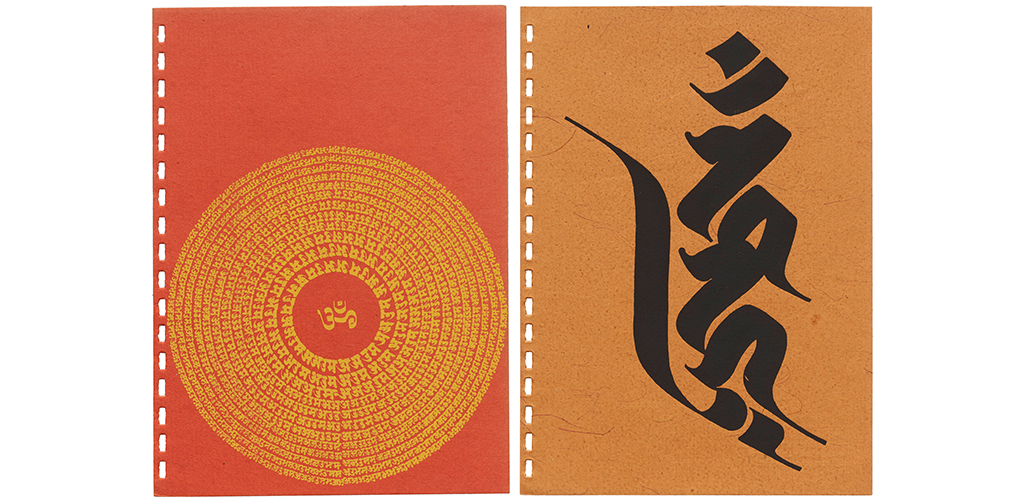
R K Joshi played a pivotal role in developing typefaces for Indian scripts, particularly Devanagari. He combined modern design principles with traditional Indian aesthetics, helping to bridge the gap between heritage and contemporary design. His work set the foundation for typography that reflects India’s linguistic diversity.

What You Can Learn

  • Adapting design to cultural contexts.
  • Preserving heritage through typography.

Archan Nair: Digital Art and Illustration

Archan Nair’s journey from a fashion background to digital art exemplifies the power of adaptability and innovation. His collaborations with global brands like Nike and Sony showcase his ability to fuse surrealism with modern techniques. Nair’s artworks often explore themes of connectivity and spirituality, earning him a global fanbase.

What You Can Learn:

  • Experimenting with digital tools.
  • Creating designs that resonate globally while retaining a personal touch.

Lessons from the Legends

The journeys of these iconic graphic designers and illustrators, both international and Indian, highlight the importance of creativity, innovation, and passion. By studying their techniques and approaches, aspiring designers can gain invaluable insights into the world of communication design.

A Path of Endless Possibilities

The journeys of Saul Bass, Paula Scher, R K Joshi, Archan Nair, and many others exceptional pioneers exemplify the transformative power of graphic design and illustration. Whether you aspire to create iconic logos, redefine typography, or illustrate unforgettable stories, the field of Communication Design offers limitless opportunities.

So, what’s holding you back? Dive into a world of design excellence with JD Institute—where the best minds in design shape the future!

Analyzing the Evolution of the Fashion Retail Landscape in the Post-Pandemic World

Saturday, December 7th, 2024

The fashion retail industry has undergone significant changes in the aftermath of the COVID-19 pandemic. New consumer preferences, technological advancements, and economic shifts have redefined the way brands operate and engage with their audiences. For those aspiring to build a career in fashion business management, understanding these changes is crucial. At JD Institute of Fashion Technology, the Fashion Business Management course equips students with industry-relevant insights and skills, preparing them for success in this dynamic field.

Let’s take a closer look at how the fashion retail landscape is evolving.

E-Commerce: The Cornerstone of Retail Growth

The pandemic accelerated the adoption of e-commerce, making it a primary revenue channel for fashion brands. Today, digital-first strategies are no longer optional—they are essential for survival and growth. Examples:

Zara has integrated its physical and online stores, allowing customers to shop seamlessly across both platforms.

H&M uses AI to optimize inventory and provide personalized recommendations.

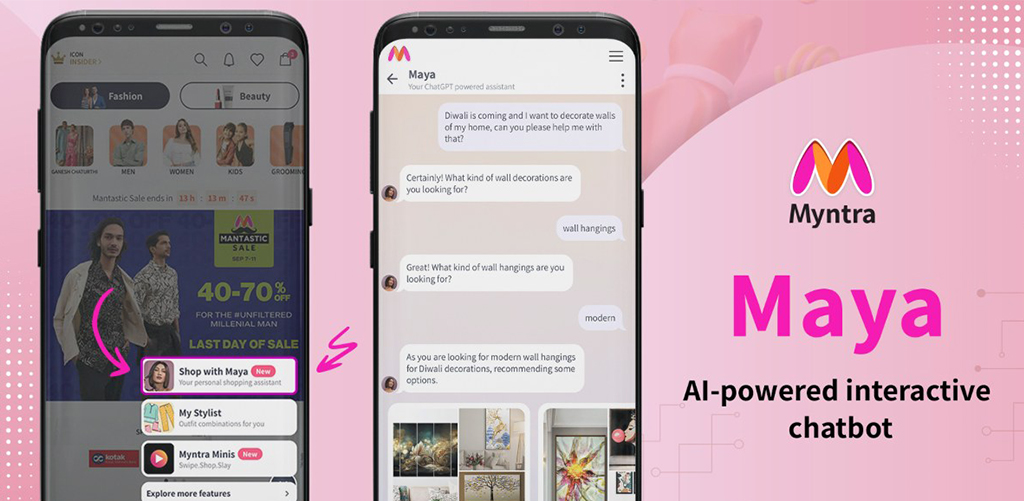
Indian platforms like Myntra and Ajio offer AI-powered virtual trial rooms, enabling users to try outfits digitally.

E-commerce has also expanded to include smaller brands and artisans, giving them a global reach. Platforms like Etsy have become a hub for sustainable and handcrafted fashion.

Insight for Students: JD Institute provides in-depth knowledge of e-commerce strategies, equipping students to manage digital platforms and optimize customer experiences.

Sustainability: A Non-Negotiable Priority

Sustainability has shifted from being a trend to a necessity. Consumers are increasingly conscious of the environmental and social impact of their purchases, pushing brands to adopt ethical practices. Examples:

Patagonia champions circular fashion with its repair and resale programs.

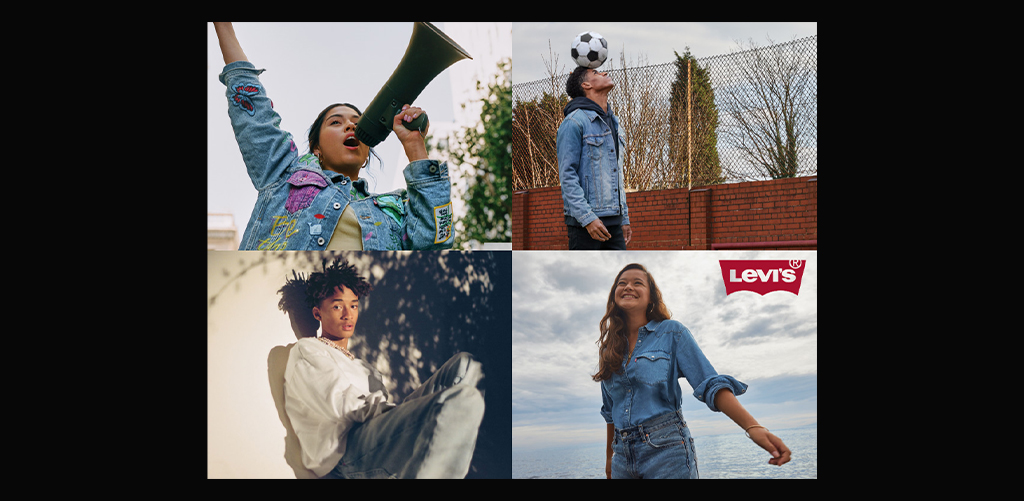
Levi’s promotes sustainable production through water-saving technologies and recycled fabrics.

Indian brand FabIndia supports rural artisans and uses organic materials.

From sourcing eco-friendly materials to reducing carbon footprints, brands are integrating sustainability into their operations.

Insight for Students: The JD Institute curriculum emphasizes sustainable Fashion Business practices, enabling students to drive positive change in the industry.

Brick-and-Mortar Stores Reinvented

Physical retail is making a comeback, but with a twist. Stores are no longer just transactional spaces; they are becoming immersive experiences. Examples:

Nike Live stores feature personalized services and exclusive products tailored to local communities.

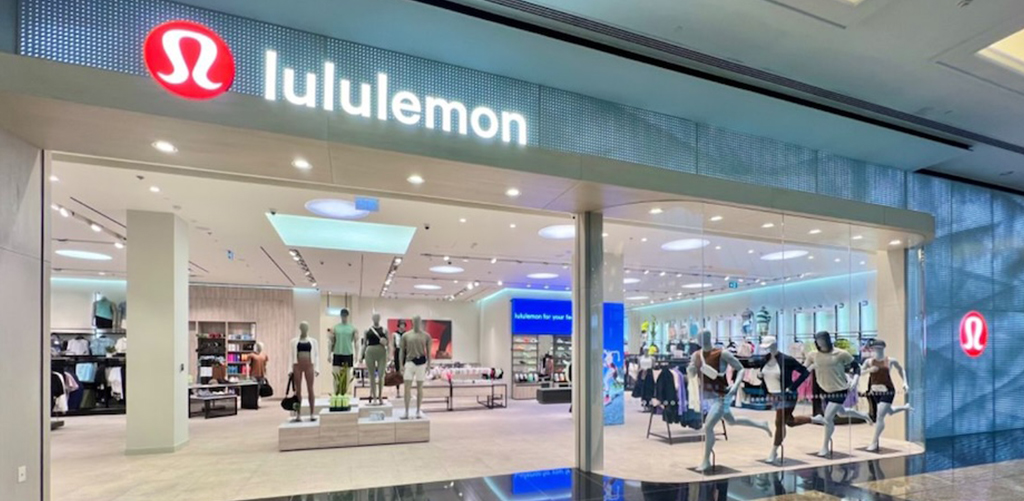
Lululemon combines retail with wellness by offering yoga classes and meditation spaces.

Tata CliQ Luxury has introduced lounges where customers can explore curated collections in a premium environment.

Experiential retail enhances brand loyalty and provides customers with a reason to visit physical stores, even in a digital age.

Technological Advancements in Personalization

Personalization has become the key to customer retention. Advanced technologies like artificial intelligence (AI) and machine learning (ML) are enabling brands to deliver tailored experiences.

Examples:

Stitch Fix uses AI to curate personalized outfit recommendations for its customers.

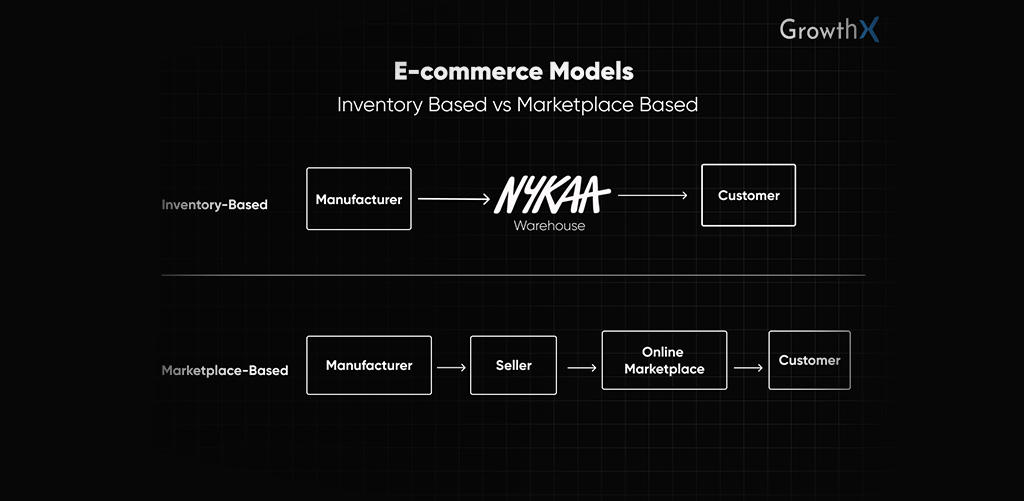
Nykaa Fashion in India leverages browsing data to create custom shopping experiences.

Uniqlo utilizes heat-mapping technology in stores to optimize product placement.

From chatbots to AR-based virtual try-ons, technology is transforming every aspect of the shopping journey.

Social Commerce and Influencer Marketing

Social media platforms have evolved into powerful retail channels, enabling brands to connect directly with consumers. Influencer marketing and shoppable posts have become central to fashion retail strategies. Examples:

Shein leverages micro-influencers to drive global sales.

FabIndia uses Instagram Live sessions to showcase its collections and connect with audiences.

Tanishq launched its latest collection with the help of celebrity influencers, enhancing brand visibility.

Social commerce, where consumers can shop directly through platforms like Instagram and TikTok, is growing rapidly.

Insight for Students: JD Institute’s Fashion Business course covers digital marketing and social commerce strategies, preparing students to navigate this evolving space.

The Fashion Business Management course at JD Institute is designed to prepare students for the challenges and opportunities in the modern fashion retail landscape. Key features include:

  • Comprehensive training in e-commerce, sustainability, and experiential retail.
  • Real-world projects and mentorship from industry leaders.

Copyright © 2025 JD Institute of Fashion. All Right Reserved

Designed by Red Lemon

Whatsapp icon
Apply Now
Enquire
Quick Enquiry