
Apply Now

Author Archive

Drape It Like It’s Hot: The Ultimate Fabric Manipulation Guide

Monday, February 10th, 2025

“Fashion is architecture: it is a matter of proportions.” – Coco Chanel.

A single piece of fabric can be lifeless until it meets the hands of a designer. With just a few folds, twists, and tucks, it transforms—whispering stories, embodying movements, and exuding elegance. Draping isn’t just a technique; it’s the heartbeat of fashion, the art of sculpting fabric into breathtaking silhouettes that redefine style.

At JD Institute of Fashion Technology, creativity isn’t just taught—it’s draped, sculpted, and brought to life. Here, students don’t just sketch designs; they master the magic of draping, where a simple piece of fabric transforms into a masterpiece. But why is draping such a game-changer in fashion? Let’s unravel the artistry behind it.

Draping 101: The Backbone of Fashion

Draping is the oldest and most intuitive method of designing garments. Before pattern-making and digital fashion tools, designers used fabric directly on mannequins to create designs.

One of the most famous examples? Madame Gres, the legendary couturier known for her Grecian-inspired gowns. She sculpted fabric like a sculptor carves marble, crafting timeless, draped masterpieces. Today, designers like Issey Miyake and Yohji Yamamoto continue pushing the boundaries of fabric manipulation, proving that draping is an ever-evolving art form.

From Runway to Reality: Draping in Action

Every designer has a different approach to draping—some use it to experiment with silhouettes, while others rely on it to achieve avant-garde designs. Alexander McQueen, for instance, revolutionized draping with his dramatic, gravity-defying creations, turning garments into sculptures.
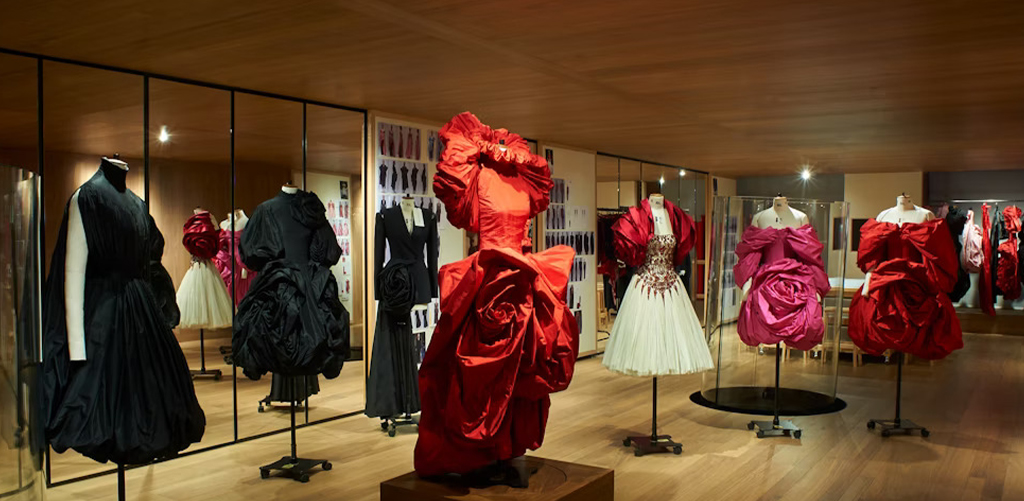
In real-world applications, draping allows designers to:

  • Create fluid, organic shapes that patterns can’t always achieve
  • Experiment with textures and movement before finalizing a design
  • Develop couture-level detailing, as seen in haute couture houses like Dior and Balenciaga

Why Every Aspiring Designer Must Master Draping

Why should aspiring fashion designers invest time in learning draping?

  • Precision & Innovation: Draping allows designers to visualize and refine their ideas directly on a mannequin.
  • Fabric Intelligence: Understanding how materials behave helps in selecting the right textiles for the right silhouettes.
  • Career Boost: Many top-tier designers and brands seek professionals with hands-on draping skills, making it a valuable asset for career growth.

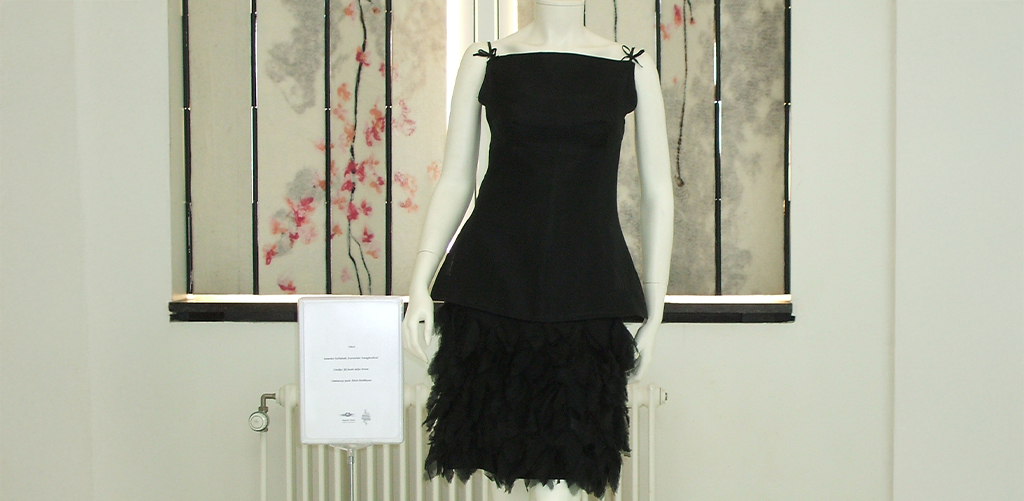
Even Coco Chanel’s legendary little black dress was a result of intuitive fabric draping. The technique remains a core part of modern fashion education, especially at institutions like JD Institute, where students get to explore hands-on draping methods and to the point fabric manipulation.
Draping Through the Ages: A Legacy of Elegance

From the ancient Greek chitons to the opulent Indian sarees, draping has been a part of human history for centuries. Some of the most iconic draped pieces include:

  • Marilyn Monroe’s White Dress – Created by William Travilla, the dress flowed effortlessly due to masterful draping.
  • Lady Gaga’s Red Carpet Gowns – Designers like Valentino have used draping to create jaw-dropping, voluminous dresses.
  • Traditional Indian & Japanese Drapes – The saree, dhoti, and kimono are prime examples of how draping is a cultural art form.

Mastering draping is like speaking an ancient yet ever-relevant language of Fashion Design. It connects history, culture, and contemporary design in one seamless flow of creativity.

Final Stitch: Why Learning at JD Institute is a Game-Changer

Great fashion isn’t just drawn on paper—it’s molded, draped, and sculpted into existence. The JD Institute of Fashion Technology nurtures this art, offering students an immersive experience in fabric manipulation, guiding them to turn their ideas into wearable masterpieces.

So, are you ready to drape, slay, and conquer the world of Fashion? The runway is yours—own it!
Jediiians at India Art Fair: Reviving Indigenous Threads for Tomorrow

Saturday, February 8th, 2025

What if every stitch in a garment carried a story—one of resilience, culture, and evolution?

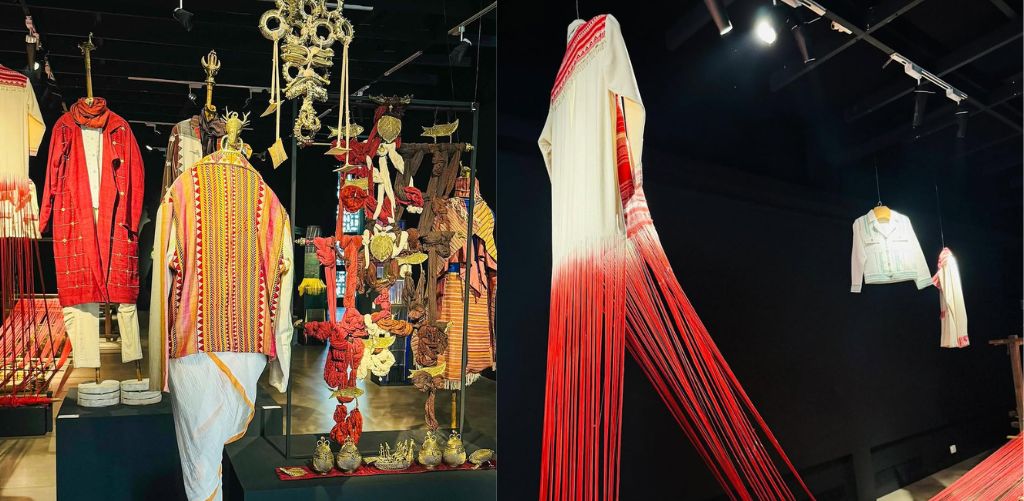
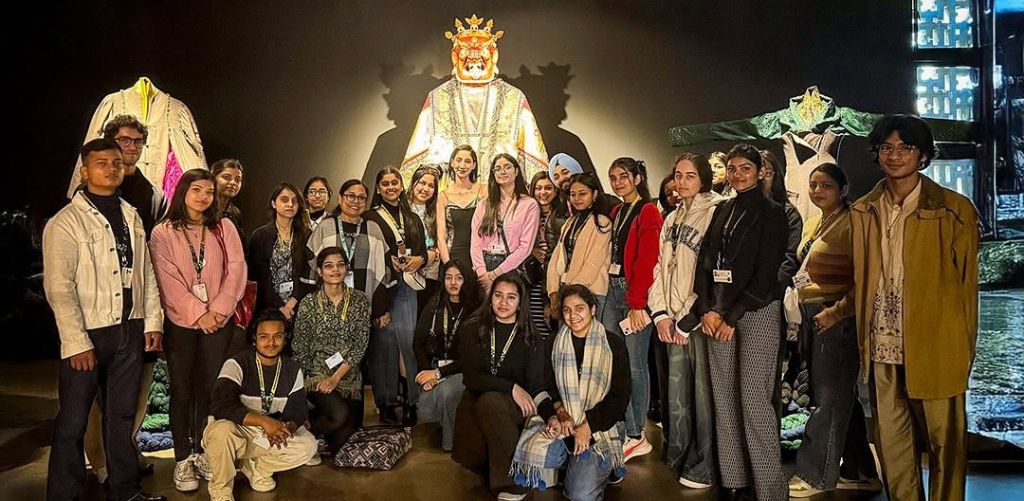
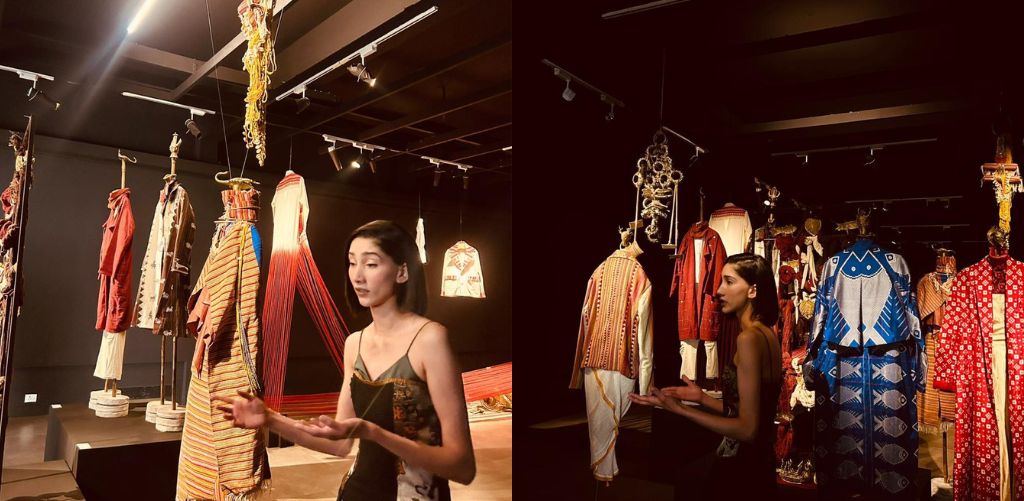
Fashion is more than aesthetics; it is a language that speaks across generations, preserving the wisdom of the past while influencing the future. This idea took a tangible form when students of JD Institute of Fashion Technology stepped into the ‘Indigenous Fashion Futures: A Living Archive’ exhibition, where heritage and innovation intertwined seamlessly.

Immersing in Cultural Narratives at Triveni Kala Sangam

Curated by renowned fashion researcher Sreyansi Singh, this exhibition, held on February 7th at Triveni Kala Sangam as part of the India Art Fair Young Collectors’ Programme, provided an in-depth look at indigenous fashion as a living, breathing archive. It highlighted how traditional craftsmanship is not just an art form but a means of storytelling—one that carries cultural memory, resistance, and innovation.

Indigenous Fashion: A Living, Breathing Archive

The exhibition traced India’s indigenous fashion identities, emphasizing their pivotal role in preserving ancestral knowledge. More than just garments, these creations serve as living storytellers—narrating histories, advocating resistance, and evolving with contemporary design practices. Through Sreyansi Singh’s curatorial vision, students discovered how indigenous fashion remains intertwined with societal shifts, historical events, and political narratives.

Engaging in Thought-Provoking Discussions

During the visit, JD Institute students engaged in insightful conversations about the future of indigenous textiles, the importance of sustainability, and the growing influence of community-led Fashion Design. These discussions shed light on how traditional craftsmanship continues to shape modern fashion while forging new avenues for ethical and innovative design.

A Reflection on Tradition and Innovation

The exhibition was more than an observational experience—it was a moment of realization for students, reinforcing the significance of preserving and reinterpreting traditional textiles. Witnessing how indigenous artisans blend heritage with modernity encouraged them to explore new ways to integrate these elements into contemporary fashion.

Shaping the Future of Fashion with Indigenous Wisdom

By delving into culture-driven narratives, students uncovered profound insights on how to weave heritage into the fabric of contemporary fashion while honoring its origins. This experience acted as a catalyst—bridging time-honored traditions with forward-thinking innovation, igniting a vision for the next generation of designers to champion indigenous wisdom in shaping a more ethical, sustainable, and meaningful fashion landscape.

For decades, JD Institute has nurtured creative minds, bridging heritage with modernity— Join the legacy and be a part of the movement that redefines the future of Fashion.

G20 India: The Global Event Planning You Didn’t Know You Needed

Friday, February 7th, 2025

They say a great event is like a magic trick—seamless, spectacular, and effortless to the audience.

But behind the curtain? It’s all about precision, strategy, and being steady and strong.

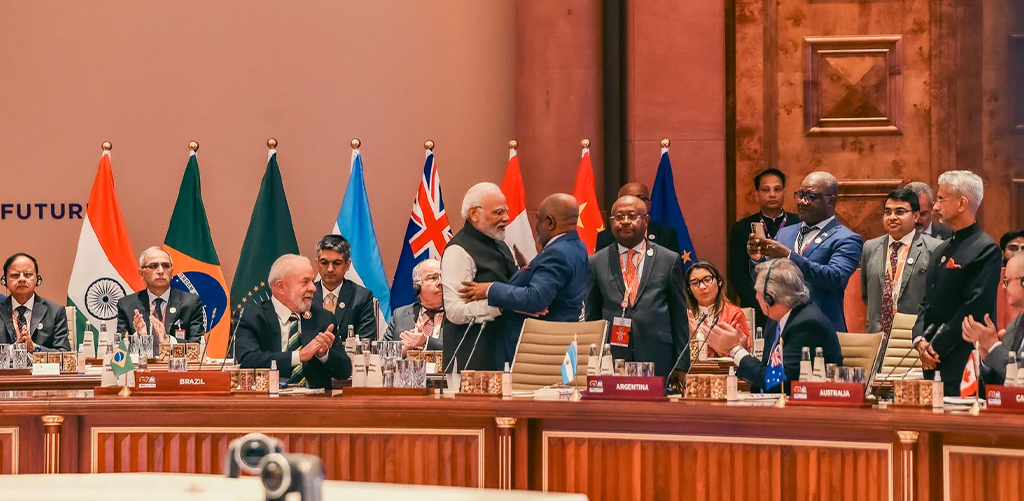
The G20 Summit in India was more than just a diplomatic gathering—it was a precision-driven spectacle of strategy, branding, and execution. From coordinating security for global leaders to ensuring flawless cultural representation, India’s G20 presidency was a masterclass in world-class event management. If you’ve ever wondered what it takes to orchestrate an event where nothing can go wrong, this is the ultimate case study.

And if you dream of mastering such high-profile events, JD Institute’s Global Event Management course is your gateway to making it happen. Let’s break down the biggest lessons from India’s G20 Summit—and what they reveal about event planning on a global scale.

Logistics: The Backbone of Any Mega Event

Managing an event with multiple venues, high-security protocols, and VIP attendees is no small feat. The G20 Summit in India spanned across multiple cities, including Delhi, Varanasi, and Bengaluru, requiring meticulous planning to ensure smooth transitions between locations. It had a highly synchronized transport system, from dedicated traffic corridors to specialized airport handling for dignitaries.

Lesson: Successful event logistics demand early planning, adaptability, and a crisis-management strategy—skills students refine in event management training.

Diplomatic Coordination: The Art of Hosting Global Leaders

Bringing together world leaders requires more than just a well-set dinner table; it demands strategic diplomacy and smooth coordination. India’s presidency saw representatives from countries with often conflicting interests, yet the summit unfolded with a spirit of unity. India’s G20 followed suit, ensuring a neutral yet engaging environment for productive discussions.

Lesson: From seating arrangements that respect political hierarchies to managing high-profile negotiations, event managers must anticipate every possible scenario—something that real-world training at JD Institute deeply focuses on.

Branding & Storytelling: More Than Just a Logo

The G20 Summit wasn’t just a diplomatic meet; it was a brand. India’s G20 logo, infused with the colors of the national flag and the lotus symbol, reflected its cultural identity while reinforcing its global vision. The branding extended beyond visuals to curated experiences—each venue was a cultural showcase, from handwoven table runners to local cuisine along with blending tradition with modernity, reinforcing a strong national identity.

Lesson: A well-branded event stays in people’s minds long after it ends. Understanding how to craft this lasting impact is a key component of professional event management education.

Security & Crisis Management: The Hidden Pillars of Success

With high-profile attendees, the risk factor multiplies. The G20 Summit had a multi-layered security framework, from cyber surveillance to physical barricades, ensuring a zero-disruption environment. It integrated strict measures, including drones and digital security networks. 

Lesson: No event is risk-free. Learning proactive crisis management is what differentiates an average planner from a professional event strategist, and this is something you will acquire with our one-year Diploma in Global Event Management and unlock a world of possibilities.

The Power of Cultural Integration in Event Design

One of the biggest highlights of the summit was its infusion of Indian heritage—every aspect, from Bharatanatyam performances to Madhubani-inspired decor, was designed to leave a cultural imprint. This wasn’t just an event; it was an experience. India’s G20 ensured that each international delegate took back a piece of India, not just in memory but in sensory experience.

Lesson: Event design is about creating an immersive experience. Learning the art of visual storytelling is essential for any event manager.

The Real Takeaway?

The G20 Summit was a playbook for executing global events with excellence. It wasn’t just about politics; it was about flawless event planning, crisis management, and experiential branding—lessons that every aspiring event manager should master.

If you’re ready to go beyond just watching world-class events and start creating them, JD Institute’s Global Event Management program is where you start.

Because why settle for attending history when you can be the one making it happen?

Game Interfaces Aren’t Just for Gamers: Why Designers Should Pay Attention

Thursday, February 6th, 2025

Press F to pay respects.
Hold Shift to run.
Inventory Full.

Sound familiar? Game interfaces have trained us for years, shaping how we interact with virtual worlds. But what if we told you that UI design is no longer just about menus and health bars? It’s about experience, immersion, and storytelling.

From the neon-glow interfaces of Cyberpunk 2077 to Fortnite’s ultra-responsive HUD, and the much-anticipated innovations of GTA VI, UI designers are transforming how we play, explore, and even feel in digital realms.

And if you think this magic is limited to gaming, think again. The principles of Communication Design—the very backbone of UI creation—are shaping industries like fashion, branding, and digital marketing. At JD Institute, students learn how to bridge technology with creativity, opening doors to careers in game design, interactive fashion experiences, and futuristic branding.

Now, let’s press start and explore how the UI is changing the game.

Fortnite: The Art of Keeping It Simple (But Stylish)

Fortnite isn’t just a battle royale; it’s a masterclass in user-friendly design. The game’s interface is a perfect blend of simplicity and style. A battle royale game where milliseconds decide victory, Fortnite perfects speed and accessibility in UI design. Its interface stands out due to:

  • Minimalist HUD: Only essential details—health, ammo, and map—are visible, avoiding distraction.
  • Smart Inventory System: One-button access to weapons and items keeps the action fluid.
  • Cross-Platform Adaptability: Whether on console, mobile, or PC, the UI scales seamlessly.

Aspiring Communication Designers must know how to balance function and aesthetics, much like how to craft user-friendly experiences in branding, retail, and digital spaces.

Cyberpunk 2077: UI as an Extension of Reality

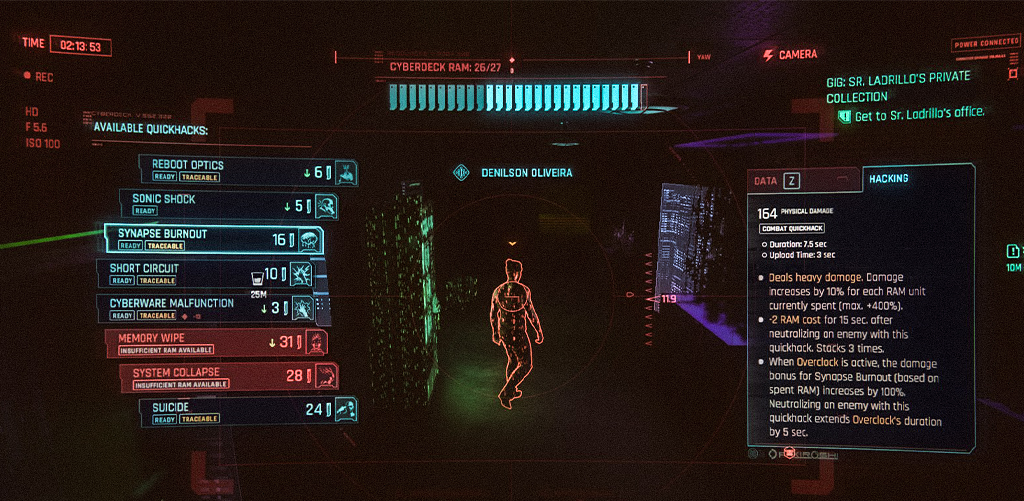
Cyberpunk 2077’s interface is more than just functional—it’s a narrative device. The game’s HUD is a neon-lit, glitch-filled masterpiece that immerses you in its dystopian world. Despite its controversial launch, Cyberpunk 2077 remains a masterclass in immersive UI. What makes its interface unique?

  • Holographic Menus: The in-game phone, messages, and maps feel like natural extensions of the cyber-world.
  • Augmented Reality (AR) Elements: Hacking, targeting, and scanning objects integrate UI seamlessly into gameplay.
  • Braindance Mechanic: A first-of-its-kind interactive investigation tool, blending UI with storytelling.

This immersive UI approach is a game-changer, proving that Communication Designers craft interfaces don’t just assist gameplay—they enhance storytelling.

GTA VI: The Future of Dynamic Design

Rockstar Games has consistently set the benchmark for open-world immersion, and GTA VI is expected to take UI realism to another level. While GTA VI is still under wraps, rumors suggest its interface will be a game-changer. Leaked details and past trends suggest:

  • Real-time Smartphone UI: Instead of pausing gameplay, players might access emails, messages, and maps through a functional in-game phone.
  • Dynamic GPS System: Instead of static mini-maps, GTA VI could integrate an AI-driven navigation system that reacts to traffic and weather conditions.
  • Customizable HUD: Players may get more control over interface elements, making their experience truly unique.

This evolution mirrors the rise of adaptive UI in modern design, where user behavior dictates how an interface responds—whether in gaming, social media apps, or e-commerce platforms. As a Communication Designer, you need to think about how your designs can evolve to meet user needs.

The Rise of Customization: Gamers as Co-Designers

Customization has become a major focus in modern game UIs. Titles like, NBA 2K, The Last of Us Part II and Elden Ring give players the power to modify their interfaces, offering:

  • Adjustable HUD elements for a personalized experience: (Elden Ring takes player customization to the next level where players can modify their HUD display (health bars, map markers, etc.) to enhance their personal experience.
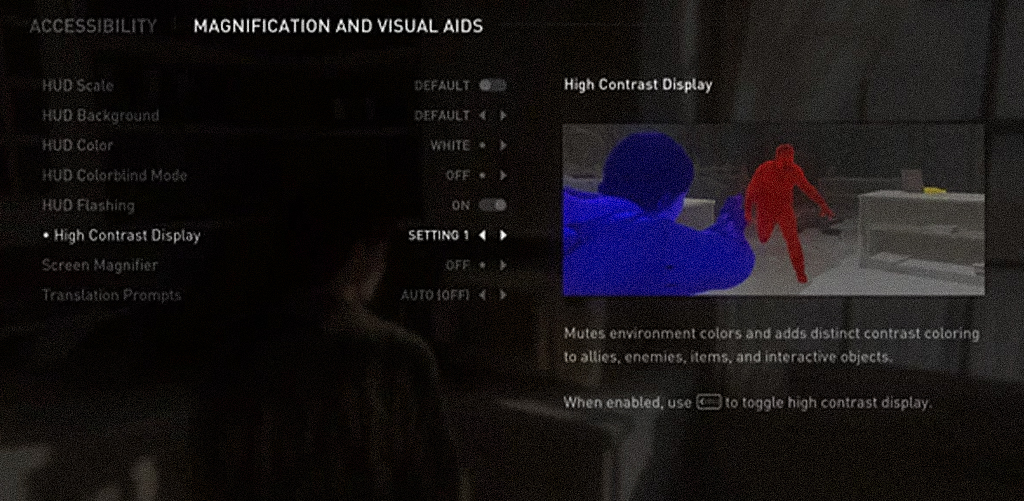
  • Customizable fonts and colors for accessibility: (The Last of Us Part II) offers a wide range of accessibility options, including customizable fonts and colorblind settings. Players can adjust text size and choose color schemes that better suit their visual needs, such as selecting a high-contrast mode for those with limited vision or colorblind filters to help players differentiate between colors more easily.

AI-driven recommendations based on playing style: NBA 2K also uses AI to offer dynamic recommendations based on a player’s in-game actions. The game analyzes how players are playing and suggests improvements, like adjusting their shooting style or recommending specific drills that align with their gameplay behavior.

This shift reflects a broader trend in digital design—users want control over their interactions. Students at JD Institute’s Communication Design programme learn these interactive UI principles into their own creative fields, making themselves future-ready innovators.

Final Boss: The Future is Yours to Design

Game UI isn’t just about clicking buttons—it’s about storytelling, immersion, and emotional connection. Today’s designers blend technology, psychology, and creativity to shape experiences across gaming, branding, and beyond.

At JD Institute, students go beyond textbooks—they experiment, innovate, and design future-ready experiences. Whether it’s crafting game interfaces, digital fashion showrooms, or interactive brand storytelling, this is where creativity meets limitless possibilities.

So, are you ready to design the future of digital interaction?
Or will you just press Start and watch?

Movie Sets That Scream Interior Goals—Get Inspired!

Tuesday, February 4th, 2025

“Great spaces, like great movies, tell a story.”

Imagine stepping into a room that transports you to the grand halls of The Great Gatsby or the sleek, powerful interiors of Succession. Film and television have long shaped our perception of beauty, culture, and design. But beyond entertainment, they inspire real-world interiors—turning dreamscapes into tangible spaces.

At JD Institute of Fashion Technology, students of Interior Design explore how storytelling and design intersect. From studying the psychology of color to mastering spatial composition, they learn how to transform cinematic aesthetics into functional living spaces. Let’s explore some of the most influential film and TV interiors that have left a lasting impact on home design.

The Grand Budapest Hotel – A Wes Anderson Dreamscape in Real Life

Wes Anderson’s films are a masterclass in aesthetic storytelling. The Grand Budapest Hotel is no exception, with its enchanting Art Deco style, pastel-drenched walls, and meticulously symmetrical layouts. The film’s striking use of pinks, reds, and gold accents has inspired a global design movement—bringing back nostalgia with a modern twist.

How This Translates to Home Interiors:

  • Soft pastel walls combined with deep jewel tones for contrast.
  • Vintage furniture, brass finishes, and detailed moldings.
  • Symmetry in furniture arrangement to create a balanced look.

Students at JD Institute learn how historical design trends like this can be reinterpreted in contemporary interiors. Through hands-on workshops and industry exposure, they learn about classic elements and modern functionality—making themselves future-ready interior designers.

Succession – The Power of Minimalist Luxury

The Roy family’s penthouses in Succession imparts wealth and power through minimalist, high-end design. Think open spaces, glass walls, marble-clad bathrooms, and furniture that makes a statement without being overly decorative. The show’s design aesthetic aligns with modern luxury homes seen in New York and London, making it a blueprint for those who want understated opulence.

Key Elements in ‘Succession’-Inspired Interiors:

  • A neutral color palette—whites, greys, and deep blues for sophistication.
  • High-end materials like marble, brass, and dark wood.
  • Functional yet stylish furniture with bold silhouettes.

At JD Institute, students study minimalist luxury as part of their curriculum, learning how to create sleek yet warm interiors. The program emphasizes material knowledge—understanding textures, finishes, and lighting to enhance elegance in every space.

The Great Gatsby – Roaring Twenties Glamour in Modern Homes

Baz Luhrmann’s The Great Gatsby (2013) brought back the exuberance of the 1920s—chandeliers dripping in crystals, gilded walls, and geometric Art Deco patterns. The lavish interiors of Jay Gatsby’s mansion became a style phenomenon, leading to a revival of black-and-gold themes, velvet upholstery, and intricate wall details.

Incorporating Gatsby-Inspired Design at Home:

  • Large mirrors with gold or silver frames to reflect opulence.
  • Black-and-gold color combinations, with rich jewel tones for depth.
  • Statement lighting—crystal chandeliers or sculptural floor lamps.

Interior Design at JD Institute, don’t just let students learn trends but also how to master them and how to adapt them to contemporary living.

Friends – The Cozy, Eclectic Apartment Look

Monica’s apartment from Friends is one of the most beloved TV interiors—effortlessly mixing vintage finds with quirky decor. Unlike ultra-modern homes, this aesthetic embraces mismatched furniture, colorful walls, and a warm, inviting atmosphere.

Key Takeaways from Monica’s Apartment:

  • Open shelving filled with personality-driven decor.
  • A mix of bold, warm colors like purple, mustard, and teal.
  • Mismatched furniture pieces for an organic, lived-in look.

For those who love spaces with personality and character, the Friends-inspired look is all about layering textures, repurposing old furniture, and embracing imperfections to create a welcoming, cozy atmosphere.

Harry Potter – Enchanting, Gothic Interiors

The Hogwarts aesthetic has found its way into home interiors—moody lighting, dark wood furniture, grand staircases, and candle-lit spaces. It’s about creating an environment that feels magical yet deeply cozy.

Bringing Hogwarts Into Your Home:

  • Rich, dark wood furniture with intricate carvings.
  • Dramatic lighting—candles, sconces, and vintage chandeliers.
  • Velvet drapes and heavy rugs for a warm, old-world feel.

Dark wooden furniture, oversized fireplaces, rich tapestries, and candle-lit chandeliers create an old-world charm that many homeowners have adopted. Whether it’s a Hogwarts-inspired library or a warm Gryffindor-themed bedroom, the magic of the wizarding world lives on in Interior Design.

Bringing Hollywood Magic Into Real Homes

Cinema is more than just entertainment—it’s a window into creative possibilities. From the timeless elegance of The Great Gatsby to the sleek minimalism of Succession, every iconic film and TV set has inspired real-world interiors in profound ways.

At JD Institute of Fashion Technology, students don’t just learn what’s trending—they learn why it matters and how to apply it. With a curriculum that blends design theory, practical application, and industry exposure, the Institute empowers future Interior Designers to turn cinematic dreams into reality.

So, if you’ve ever wanted to design spaces that feel straight out of a Hollywood masterpiece, maybe it’s time to step behind the scenes—and into a career in interior design.

Inside the World of Textile Engineering with Miguel Carvalho

Monday, February 3rd, 2025

Imagine a world where clothing does more than just cover the body—it enhances performance, comfort, and even well-being.

This vision came to life at the JD Institute of Fashion Technology during an enlightening session on Functional Garment Design – Textile Engineering, led by Mr. Miguel Carvalho, Associate Professor and Researcher at the University of Minho, Portugal. Held on 28th January 2025 at the Hauz Khas campus communication room, the event attracted an eager audience of students, faculty members, and industry professionals, all keen to explore the future of fashion innovation.

Mr. Carvalho, with his extensive research expertise, delved into the critical aspects of functional garment design and the significant role of textile engineering in shaping the fashion industry. His session provided a deep understanding of how engineering principles influence product development and innovation in modern garment and Fashion Design.

What You Need to Know from the Session

Product Design & Engineering:

The discussion shed light on the intersection of fashion and engineering, emphasizing the importance of material selection, construction techniques, and innovative design solutions. Mr. Carvalho illustrated how these elements work together to create garments that go beyond aesthetics to deliver superior functionality and performance.

Understanding Comfort Variables:

Comfort in clothing extends beyond fabric choice. Mr. Carvalho highlighted key comfort variables, including thermal regulation, moisture management, and garment fit. These factors are crucial in designing garments that enhance user experience, particularly in activewear, protective clothing, and specialized apparel.

Anthropometrics & Ergonomics in Design:

The session underscored the significance of designing garments tailored to human anatomy. By integrating anthropometric and ergonomic principles, designers can ensure better usability and performance, particularly in sectors such as sportswear, protective clothing, and medical textiles.

Engaged Minds, Inspired Futures

An engaging and interactive discussion followed, with students keenly listening to Mr. Carvalho, absorbing every detail, and making diligent efforts to grasp his explanations. Their enthusiasm reflected their deep interest in the subject, as they asked insightful questions and connected the learnings to their own aspirations in fashion and textile innovation. Mr. Carvalho also shared case studies and examples from his research, demonstrating real-world applications of functional garment design across multiple industries.

With technology becoming a crucial part of fashion, this session provided students with a fresh perspective on how engineering principles can be leveraged to enhance garment innovation. The knowledge imparted by Mr. Carvalho will undoubtedly empower students to explore new frontiers in performance wear, smart textiles, and sustainable innovations, shaping the future of functional fashion.

A Gesture of Gratitude

As a token of our gratitude, JD Institute of Fashion Technology extended a heartfelt thanks to Mr. Carvalho for sharing his invaluable knowledge and inspiring the next generation of Fashion Designers. His visit was a testament to the power of collaboration between academia and industry, paving the way for continued innovation in fashion engineering.

This session is yet another example of what JD Institute stands for—an institution that continuously raises the bar by integrating global expertise into its curriculum. By fostering such enriching interactions, JD Institute remains at the forefront of Fashion and Design education, preparing students to lead the industry with knowledge, creativity, and technical prowess.

Are you ready to take your passion for fashion to the next level? Join JD Institute of Fashion Technology and be part of an ecosystem that nurtures innovation, pushes boundaries, and equips you with the skills to redefine the future of fashion.

Fashion Blunders on Front-Page News? Case Studies Every Fashion Student Needs to Learn

Monday, February 3rd, 2025

In the high-stakes world of fashion, a single misstep can send shockwaves through a brand, threatening its reputation, consumer trust, and market position. Fashion brands, despite their glamorous appearances, are no strangers to scandals, controversies, and crises. These events can be triggered by anything from poor business practices to social missteps, and when they do occur, they demand swift, strategic crisis management.

Fashion management students, at JD Institute, are equipped with the skills to handle such challenges. The course of Fashion Management ensures that students are well-prepared to manage brand crises with a professional mindset, understanding both the business and creative sides of the fashion world.

Dolce & Gabbana’s Cultural Misstep in China

In 2018, Dolce & Gabbana found itself in the middle of a PR nightmare when a promotional video featuring a Chinese model attempting to eat Italian food with chopsticks was deemed offensive. The backlash intensified after racist comments were allegedly made by the brand’s co-founder, Stefano Gabbana.

Crisis Management Strategy: The brand issued an apology and attempted damage control by emphasizing their respect for Chinese culture. However, the response was delayed and perceived as insincere, leading to widespread boycotts and removal of products from Chinese e-commerce platforms. The key takeaway? Timing and authenticity in crisis response are everything.

H&M’s Racially Insensitive Advertisement

In 2018, H&M faced severe backlash after releasing an ad featuring a Black child wearing a hoodie with the phrase “Coolest Monkey in the Jungle.” This led to global outrage, protests, and even store vandalism in some regions.

Crisis Management Strategy: H&M swiftly removed the ad, issued a public apology, and appointed a diversity leader to oversee brand communication. This case underscores the importance of diversity awareness in marketing and the role of quick corrective action in damage control.

Burberry’s Noose Hoodie Controversy

During London Fashion Week in 2019, Burberry unveiled a hoodie featuring a drawstring designed like a noose, triggering outrage for its insensitivity toward suicide and mental health issues.

Crisis Management Strategy: Burberry immediately removed the product and issued an apology, with the CEO personally addressing the matter. The brand also implemented stricter review processes for designs, proving that internal quality checks are vital to prevent such missteps.

Gucci’s Blackface Sweater Incident

Gucci sparked outrage in 2019 when it launched a black turtleneck sweater that resembled blackface imagery. The backlash was swift, with calls for boycotts and criticism from influential figures in the industry.

Crisis Management Strategy: Gucci quickly pulled the sweater from stores and launched an internal diversity initiative, hiring a global director for diversity and inclusion. This incident highlighted how even high-end brands must be culturally sensitive in their designs and marketing.

Victoria’s Secret and the Lack of Inclusivity

For years, Victoria’s Secret faced criticism for its lack of diversity, body inclusivity, and trans representation. The breaking point came in 2018 when the brand’s former CMO made dismissive comments about plus-size and transgender models.

Crisis Management Strategy: As sales declined and competitors gained traction, Victoria’s Secret finally revamped its marketing approach by hiring diverse brand ambassadors and rebranding its fashion show. However, the delayed response had already cost the brand a significant loss in market dominance.

Key Takeaways for Future Fashion Managers

Each of these scandals serves as a lesson in the importance of cultural awareness, social responsibility, and timely crisis management. In today’s interconnected world, fashion brands must prioritize ethical practices, be attuned to global sensitivities, and respond proactively when facing backlash.

For aspiring fashion professionals, understanding crisis management is just as vital as mastering design and branding. This is where institutions like JD Institute of Fashion Technology equip students with industry insights, real-world case studies, and strategic Fashion Management skills. Learning from past brand missteps allows students to navigate future challenges with confidence, ensuring that creativity is not overshadowed by controversy. 

Fashion is more than just trends—it’s about responsibility, adaptability, and impact. Are you ready to be the next leader who shapes the industry with innovation and integrity?

Caps Off to Success: JD Institute Convocation 2025

Saturday, February 1st, 2025

The runway to success isn’t just stitched with fabric or built with blueprints—it’s shaped by vision, perseverance, and the courage to dream beyond boundaries.

For the graduating batch of 2025 at JD Institute of Fashion Technology, January 19th was more than just a date; it was a defining moment. A day when aspirations transformed into achievements, and years of creativity, learning, and hard work culminated in the pride of holding a degree. Students from Fashion and Interior Design across Undergraduate, Postgraduate, and One-Year Diploma programs received their degrees, marking the culmination of their academic journey with heartfelt emotions and a deep sense of accomplishment. 

Honoring Excellence with Distinguished Guests

The ceremony was graced by two esteemed Guests of Honor, each a stalwart in their respective fields.

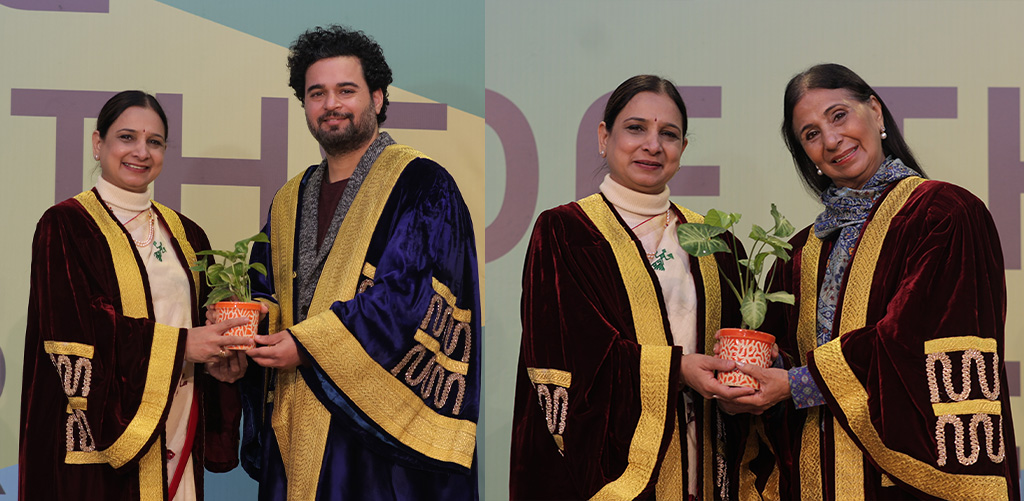
Mr. Rishu Anand, a highly respected name in the interior design industry, attended as the Guest of Honor. Serving as the Chairperson of the Institute of Indian Interior Designers (IIID) – Delhi Regional Chapter, and the Founder & Creative Director of Twenty North, Mr. Anand is known for his visionary approach to design. He had the honor of conferring degrees upon the Interior Design graduates, inspiring them with his insights and industry experience. Another distinguished Guest of Honor, Ms. Leena Singh, Co-founder of the iconic brand Ashima-Leena, presented degrees to the Fashion Design graduates alongside Ms. Rupal Dalal, Managing Director of JD Institute. With over 33 years of groundbreaking contributions to the fashion industry, Ms. Singh has left an indelible mark, including designing for the opening and closing ceremonies of the 2010 Commonwealth Games, a recognition bestowed upon her by the Government of India.

Memorable Moments and Engaging Discussions

The event commenced on an auspicious note with Saraswati Vandana, followed by a spellbinding dance performance by Anjali, setting a vibrant and celebratory tone for the evening.

One of the most insightful sessions of the convocation was the panel discussion, skillfully moderated by the dynamic Director, Ms. Akshra Dalal. The panel featured distinguished alumni who have made remarkable strides in the industry:

  • Mr. Ramanuj Kalita (Batch of 2004) – Senior Merchandiser at Pearl Global Ltd.
  • Mr. Mohit Chugh (Batch of 2011) – A seasoned interior designer with 19+ years of experience, currently leading the design team at Infinite Ideas Interiors.
  • Mr. Nitin Hirani (Batch of 2015) – Winner of India’s 100 under 40 Competition, and Founder of The Positive Space, as well as a successful furniture brand, Morph Meubels.

The discussion delved into critical topics shaping the future of design:

  • The ever-evolving demand for design professionals and the transformation of essential skills over the years.
  • The growing impact of technology on design, from traditional techniques to advanced software tools, emphasizing the importance of tech proficiency in today’s industry.

A Heartfelt Farewell and Lasting Memories

Following the panel discussion, the Cultural Society took center stage, presenting a captivating dance performance dedicated to the graduating batch. It was an emotional moment as current students bid a heartfelt farewell to their seniors, sending them off with warm wishes for their future endeavors. The convocation ceremony concluded with memorable photo sessions, warm exchanges, and bittersweet emotions. As the graduates stepped into the professional world, the event served as a reminder of the knowledge, creativity, and values instilled in them at JD Institute. Not only this, in a symbolic and joyous moment, the graduates threw their graduate caps into the air, bidding a final farewell to their institute and marking the beginning of their professional journeys.

The convocation ceremony concluded with memorable photo sessions, warm exchanges, and bittersweet emotions. As the graduates stepped into the professional world, the event served as a reminder of the knowledge, creativity, and values instilled in them at JD Institute. Not only this, in a symbolic and joyous moment, the graduates threw their graduate caps into the air, bidding a final farewell to their institute and marking the beginning of their professional journeys.

From Museums to Event Pop Ups: The Unconventional Merchandising Revolution

Friday, January 31st, 2025

Visual merchandising is often associated with retail spaces and storefronts, but its scope extends far beyond these conventional applications. From captivating art galleries to immersive museum exhibits and experiential event pop-ups, visual merchandising has found a home in various creative domains. At JD Institute of Fashion Technology, students gain an edge in this evolving field, learning how to apply their skills in diverse settings to create impactful designs that leave a lasting impression.

Art Galleries: Transforming Spaces into Narratives

Art galleries are a perfect example of how visual merchandising can be used to tell a story. Renowned galleries like the Louvre in Paris or the Museum of Modern Art (MoMA) in New York use strategic layouts, lighting, and spatial planning to guide visitors through a curated journey. By highlighting focal pieces and creating thematic zones, these galleries ensure that every artwork is displayed to its maximum potential.

Students of Visual Merchandising at JD Institute learn how to curate similar experiences. Through hands-on training, they understand the nuances of lighting, spacing, and color coordination to create displays that resonate emotionally with the audience. Imagine designing a gallery exhibit where every element—from the walls to the signage—complements the artwork and elevates the visitor’s experience.

Museums: Bringing History to Life

Museums are no longer static spaces filled with glass cases; they have embraced the art of storytelling through dynamic visual merchandising. The Smithsonian National Museum of Natural History, for instance, uses interactive displays, digital projections, and themed settings to transport visitors into different eras. The Anne Frank House in Amsterdam employs minimalist design to evoke the solemnity of its narrative, proving that visual merchandising can convey powerful emotions.

At JD Institute, students are trained to think beyond the basics, exploring how to merge traditional design principles with the growing technology. This enables them to craft displays that are both educational and engaging, striking the perfect balance between aesthetics and function.

Event Pop-Ups: Creating Memorable Experiences

Pop-up events have redefined experiential marketing, leveraging visual merchandising to create unique and immersive environments. Brands like Glossier and Louis Vuitton have set benchmarks with their innovative pop-up designs, attracting massive footfall and generating social media buzz. Glossier’s pastel-themed pop-up stores are a testament to the power of cohesive branding, while Louis Vuitton’s traveling exhibits showcase how storytelling can be integrated into product displays.

The curriculum of Visual Merchandising at JD Institute emphasizes creativity, practicality, and an understanding of audience behavior. The skills acquired ensure that students can seamlessly adapt their expertise to diverse scenarios, making them invaluable assets in the industry.

Why Non-Traditional Applications Matter

The shift toward non-traditional applications of visual merchandising reflects the growing demand for experiences over products. In spaces like art galleries, museums, and pop-ups, the focus is not just on visual appeal but on creating an emotional connection. This aligns perfectly with the training provided at JD Institute, where the curriculum emphasizes innovation and adaptability. By understanding the intricacies of these applications, students are better prepared to thrive in a competitive and ever-changing industry.

Unlocking New Horizons in Visual Merchandising

The non-traditional use of visual merchandising opens doors to limitless possibilities, blending art, technology, and storytelling to create unforgettable experiences. By exploring its application in art galleries, museums, and pop-up events, students can unlock new career opportunities and redefine the boundaries of this dynamic field. With a curriculum that emphasizes creativity, innovation, and practical knowledge, students at JD Institute are well-equipped to make their mark in the industry. If you aspire to bring stories to life through design, JD Institute is your gateway to an exciting and fulfilling career in Visual Merchandising.

Is Sustainability the Future of Fashion? Here’s What Every Designer Must Know!

Thursday, January 30th, 2025

Fashion is no longer just about trends; it’s about responsibility. With climate change, resource depletion, and ethical concerns on the rise, the future of fashion lies in sustainability. This is why students of fashion design must embrace eco-friendly practices from day one. At JD Institute, sustainability is not an afterthought—it’s a core principle woven into every module, ensuring students are ready to lead the green revolution in Fashion Design.

Green is the New Black: The Rise of Eco-Fashion

Sustainability in fashion isn’t a passing phase; it’s a movement. Global brands like Stella McCartney and Eileen Fisher have built empires around ethical production and cruelty-free fashion. These brands prove that responsible design doesn’t compromise style or success. Students must understand that eco-conscious designs are not just good for the planet but also a smart business strategy, attracting an audience that values responsible choices and long-lasting quality.

Fashion with a Conscience: Ethical Production is In

Fast fashion has taken a toll on the environment and workers’ rights. Brands like Patagonia and People Tree are leading the way in fair trade, ethical wages, and sustainable manufacturing. Future designers must learn about sustainable sourcing, worker rights, and low-impact materials. At JD Institute, students learn theoretically as well as practically thereby, understanding the balance between aesthetics, quality, and social responsibility in the design process.

Trash to Trend: The Art of Upcycling & Circular Fashion

The fashion industry generates 92 million tons of textile waste annually. Forward-thinking designers like Marine Serre and Christopher Raeburn are proving that upcycling can be both chic and sustainable. Circular fashion, which focuses on reuse, repair, and recycling, is the future. JD Institute encourages students to rethink waste, transform discarded materials into statement pieces, and explore circular economy principles that reduce landfill waste and extend a product’s lifecycle.

Luxe Goes Eco: The Future of Sustainable Fabrics

Organic cotton, hemp, bamboo, and Tencel are revolutionizing fabric choices. Veja uses wild rubber from the Amazon for sneakers, while Ganni embraces responsible sourcing with eco-friendly alternatives. Aspiring designers must grasp the importance of fabric selection in reducing environmental impact. JD Institute’s Fashion Design curriculum ensures students work with sustainable materials, redefining luxury fashion with innovative, planet-friendly textiles.

Tech Meets Trend: The Digital Future of Sustainable Fashion

From 3D printing to biodegradable fabrics, technology is shaping the future of sustainable fashion. Brands like Bolt Threads have developed Mylo, a leather alternative made from mushrooms, while Adidas has introduced sneakers made from ocean plastic. JD Institute imparts the knowledge sustainability into its courses, allowing students to experiment with futuristic materials and digital tools to create fashion with minimal waste and maximum impact.

Slow is the New Chic: The Power of Timeless Fashion

Slowing down is the new speeding up! Labels like Reformation and E.L.V. Denim champion slow fashion—creating timeless pieces that outlive seasonal trends. Instead of mass-producing cheap, short-lived garments, slow fashion focuses on quality, durability, and classic aesthetics. JD Institute instills this mindset in students, teaching them how to craft high-quality designs that encourage mindful consumption and reduce fashion’s environmental footprint.

Sustainability isn’t just a buzzword—it’s the future of fashion.

At JD Institute, students are not just taught to design but to innovate responsibly. The curriculum nurtures ethical creativity, preparing young Fashion Designers to be game-changers in a world that demands sustainable solutions. So, if you’re ready to shape the future of fashion with purpose, JD Institute is where your journey begins.

Copyright © 2025 JD Institute of Fashion. All Right Reserved

Designed by Red Lemon

Whatsapp icon
Apply Now
Enquire
Quick Enquiry