
Apply Now

Author Archive

Lights, Camera, History! Behind the Curtain of World’s Grandest Events

Saturday, February 22nd, 2025

Imagine a moment that stops the world. Cameras flashing, millions watching, every detail flawlessly orchestrated. Whether it’s a royal wedding in London, an Olympic opening ceremony in Paris, or a presidential inauguration in Washington D.C., these spectacles don’t just happen—they are meticulously designed, rehearsed, and executed. But what really goes on behind the scenes of history’s most-watched events? Let’s unveil the artistry, precision, and challenges that shape global spectacles.

And for those who dream of planning such grand moments, mastering Global Event Management at JD Institute is the first step to making history.

The Royal Affair: Planning a Wedding for the World to See

When Prince William and Kate Middleton tied the knot in 2011, over two billion people tuned in. Every flower arrangement, seating plan, and media broadcast was curated with military precision. Royal weddings demand extreme attention to cultural protocols, security, and seamless coordination of multiple stakeholders.

From iconic processions to the perfect guest experience, these events set trends for weddings worldwide. Event planners must work under immense pressure, ensuring that the grandeur matches public expectations while keeping surprises under wraps.

Olympic Openings: The Art of Global Storytelling

Remember the breathtaking opening ceremony of the 2008 Beijing Olympics? The synchronized drummers, the giant LED scroll, and the mesmerizing fireworks were a spectacle of unmatched scale. Behind this magic was a team of thousands working for years, blending technology, tradition, and storytelling to create an unforgettable experience.
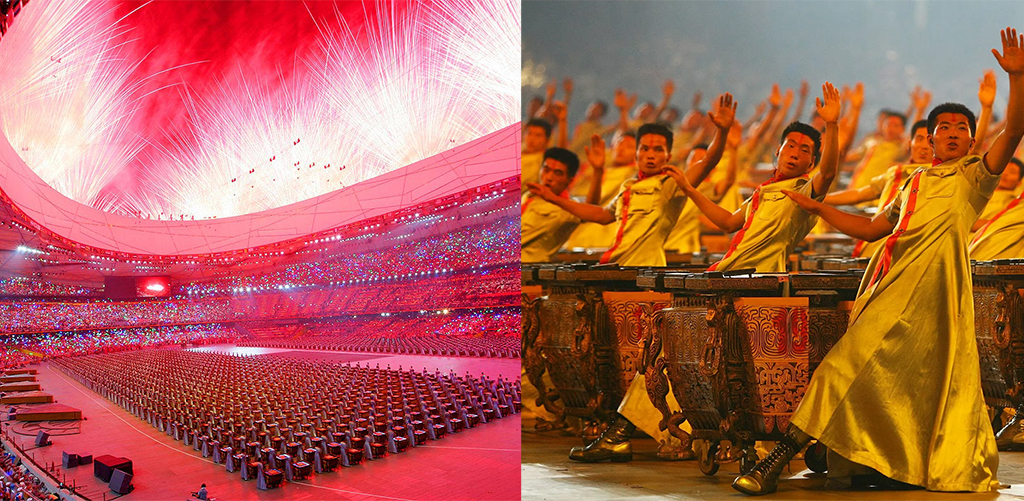
Event managers handling global sports events deal with logistical nightmares—coordinating hundreds of performers, ensuring technological synchronization, and managing unpredictable weather conditions. The goal? To craft a visual masterpiece that reflects a nation’s heritage while captivating a global audience.

Presidential Inaugurations: A Political and Logistical Marvel

A new leader stepping into power isn’t just a political event—it’s a historic spectacle. Take Barack Obama’s 2009 inauguration, which drew a record-breaking 1.8 million attendees to Washington, D.C. Managing an event of such magnitude requires expertise in security, public crowd control, media handling, and protocol adherence.

Every second, from the oath-taking to the inaugural speech and parade, is mapped out to perfection. Event professionals ensure that the transition of power is not just smooth but also symbolically powerful, reinforcing national unity and global influence.

The Met Gala: Where Fashion Meets Event Mastery

Dubbed the “Oscars of Fashion,” the Met Gala is a masterclass in exclusive event planning. With celebrities, designers, and billionaires gracing the red carpet, this invite-only event is a mix of high glamour and strategic execution.

From conceptualizing immersive themes like Camp: Notes on Fashion to managing the media frenzy, event professionals curate an experience that remains the talk of the town for years. Guest lists, seating arrangements, and brand collaborations are orchestrated like a fine-tuned symphony.
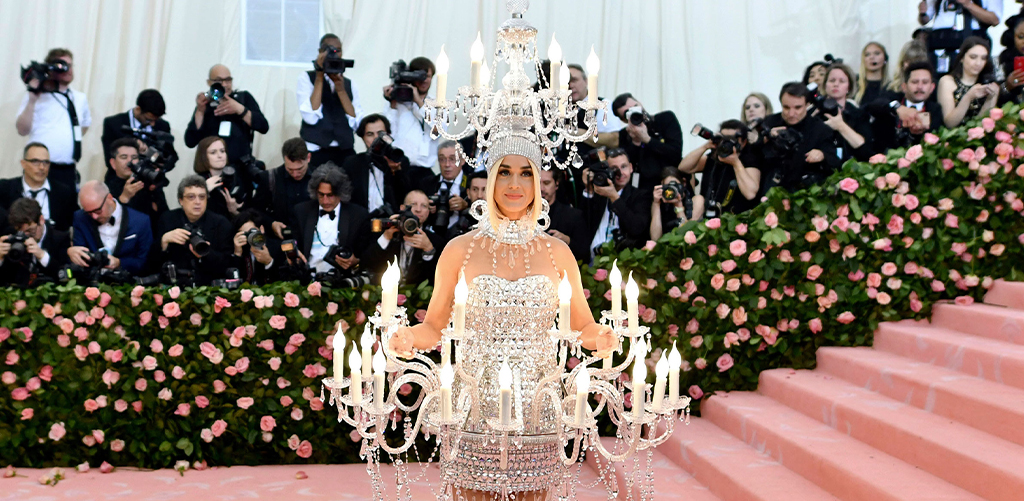
Our Global Event Management program nurtures both creative vision and practical execution, giving students an edge in high-profile event planning.

The Academy Awards: A Night of Flawless Execution

The Oscars are the epitome of precision event management. One small mix-up—like the Moonlight-La La Land Best Picture fiasco in 2017—can create global headlines. The coordination of live performances, award presentations, and global telecast leaves no room for error.

Planners oversee red carpet logistics, backstage movements, and real-time crisis management. Every detail, from the host’s script to the envelope containing the winner’s name, is triple-checked to ensure a seamless show. 

From budgeting and logistics to risk management and media coordination, JD Institute covers every facet of event execution learning. 

Your Journey to Creating Unforgettable Experiences Begins Here

Mastering event management isn’t just about organizing gatherings—it’s about crafting experiences that leave a lasting impact. At JD Institute, the Global Event Management course equips students with the knowledge, skills, and confidence to orchestrate iconic events, be it a royal wedding, a presidential inauguration, or a world-class fashion showcase.

The next grand spectacle is waiting to be created. Will you be the one to bring it to life?
JD Institute at Bharat Tex: A Step into the Future of Fashion

Friday, February 21st, 2025

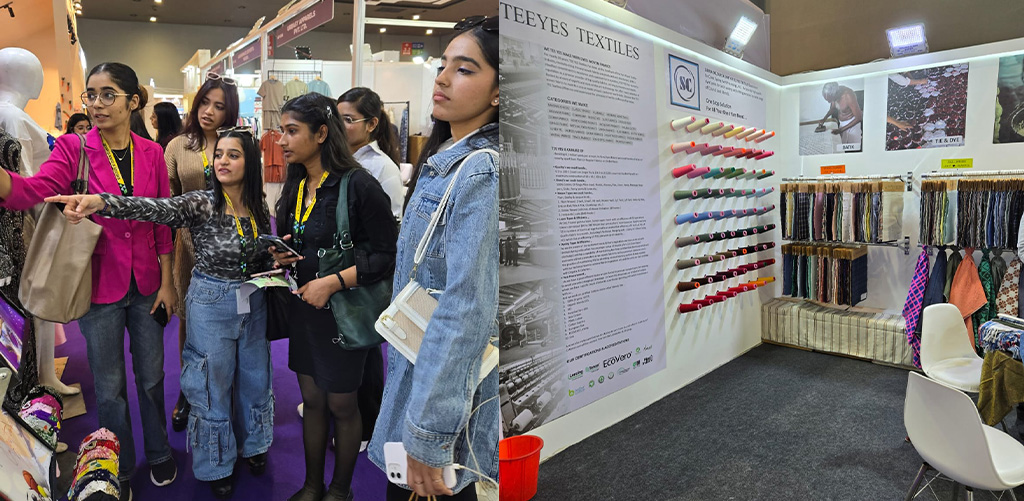
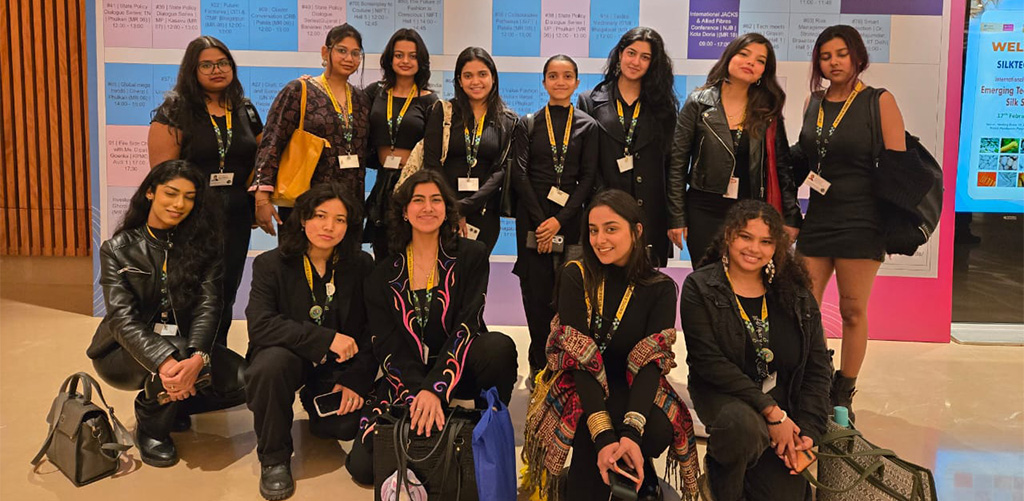
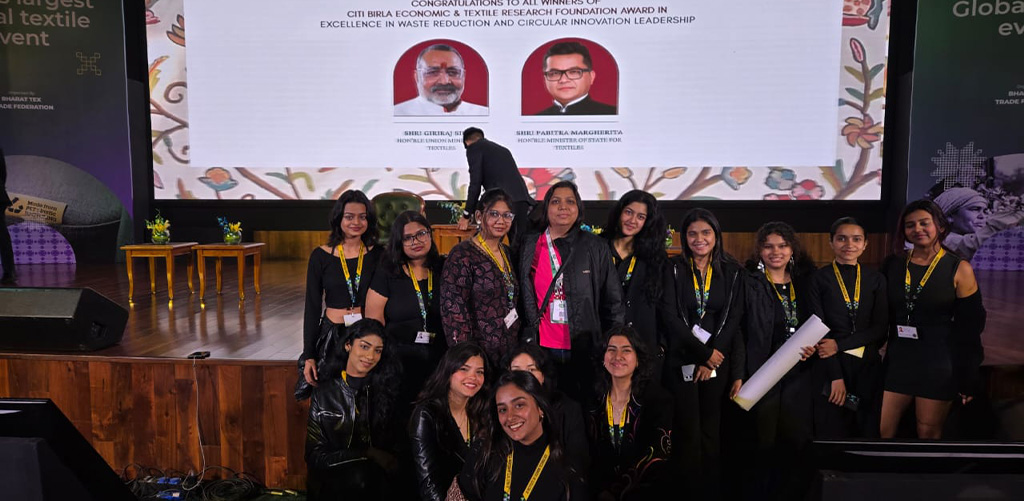
Stepping beyond the boundaries of traditional classrooms, Fashion Design students of JD Institute of Fashion Technology embarked on an immersive learning journey at Bharat Tex, India’s largest textile exhibition organized by the Ministry of Textiles, Government of India. This experience offered them hands-on exposure, direct engagement with industry leaders, and deep insights into the latest advancements shaping the world of fashion and textiles.

Exploring Sustainability: VIBGYOR – Weaving the Future

One of the most engaging sessions at Bharat Tex was VIBGYOR – Weaving the Future, a conference centered on sustainability and innovation in the textile industry. JD Institute students actively contributed to discussions on crucial topics such as circular fashion, zero-waste design, and integrating technology into textiles. A few selected students had the prestigious opportunity to present their groundbreaking ideas to an esteemed panel of industry experts, showcasing their vision for a more ethical and sustainable future in fashion.

Gaining Industry Insights

Real-world industry exposure is key to a successful fashion career. During the exhibition, our students volunteered with prominent textile manufacturers and exporters, gaining invaluable knowledge about various aspects of the industry:

  • Glitter Exports – Assisted in understanding export procedures, quality control, and supply chain management.
  • House of Textiles – Explored fabric innovation, sustainable materials, and evolving market trends.
  • Other Exhibitors & Brands – Participated in interactive sessions on modern weaving techniques, dyeing processes, and fabric treatments.

These experiences provided our students with hands-on learning, helping them build professional connections and a deeper understanding of the textile industry. 

Making an Impact at the Earthloom Fashion Show

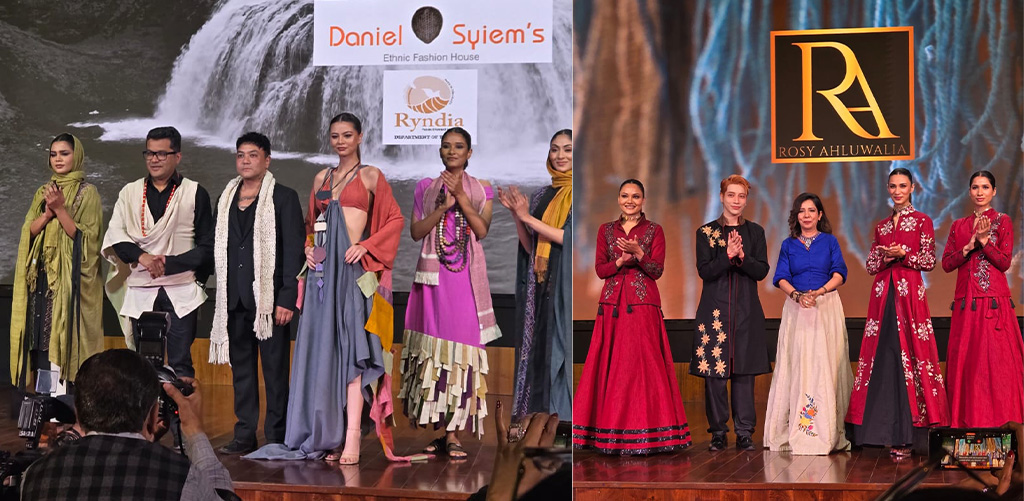
A major highlight of the event was the “Earthloom” Fashion Show, which showcased sustainable collections from four renowned designers:

  • Shilpi Gupta – Merging traditional textiles with contemporary silhouettes.
  • Rosy Ahluwalia – Renowned for her grand couture creations.
  • Daniel Syam – Experimenting with cutting-edge textile craftsmanship.
  • Sanjukta Dutta – Reviving Assamese weaves in modern fashion.

Our students played an essential role in the smooth execution of the fashion show, managing backstage operations, coordinating outfit changes, assisting models, and ensuring everything ran seamlessly. Their professionalism and efficiency contributed to the show’s success, earning admiration from designers and attendees alike.

Discovering Textile Innovations

Apart from their active participation, students explored the latest advancements in textile technology, including:

  • Smart textiles and wearable technology
  • Biodegradable and eco-friendly fabrics
  • Advanced digital printing and weaving techniques
  • Traditional handloom crafts with modern adaptations

These insights will serve as valuable assets for their future careers, equipping them with knowledge of the evolving landscape of textiles and fashion.

A Defining Moment for JD Institute’s Students

JD Institute’s participation at Bharat Tex was a proud moment, highlighting the passion and potential of our students. From engaging in sustainability conversations to managing high-energy backstage operations, they demonstrated their commitment to learning and innovation.

We commend our Fashion Design JEDIIIANS for making the most of this prestigious opportunity. With their drive and creativity, they are set to shape the future of fashion and textiles, making a lasting impact on the industry.

Power, Pixels, and Politics: How Communication Designers Shape Campaign Narratives

Thursday, February 20th, 2025

Imagine scrolling through your social media feed during election season. Bright campaign posters, bold slogans, and eye-catching videos flood your screen. Every color, font, and image is carefully chosen to influence your perception of a candidate. But have you ever wondered who crafts these visuals? Enter the communication designer—the mastermind behind the political brand.

At JD Institute of Fashion Technology, the Communication Design course teaches students to create compelling visuals that leave a lasting impact. Whether in politics, advertising, or branding, mastering this skill opens doors to powerful storytelling. Let’s dive into how communication designers shape political campaigns.

The Power of Colors and Symbols

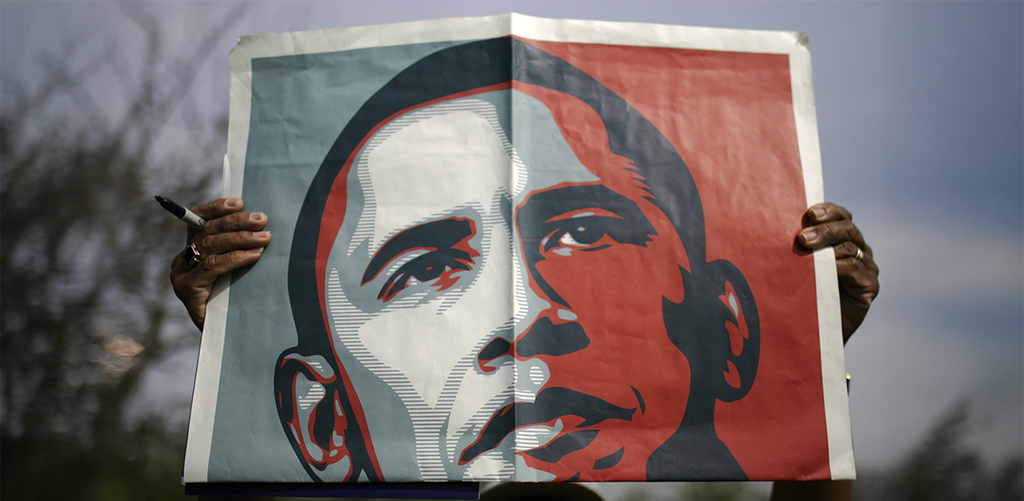
Color psychology plays a huge role in political branding. Think of Barack Obama’s 2008 “Hope” campaign—his team strategically used blue for trust, red for energy, and white for purity. Similarly, India’s BJP heavily incorporates saffron to symbolize nationalism and tradition. A designer’s job is to select the right colors and symbols that connect emotionally with voters and reinforce campaign messaging. Our Communication Design course trains students in color theory and branding strategies, making them industry-ready for such impactful roles.

The Art of a Perfect Logo

A well-designed political logo becomes a candidate’s identity. Remember Donald Trump’s red “Make America Great Again” cap? Simple, bold, and instantly recognizable. Similarly, Narendra Modi’s ‘Chai Pe Charcha’ campaign used a cup of tea as a symbol to connect with the masses. A communication designer ensures that logos are not just visually appealing but also carry strong political meaning. JD Institute equips students with the skills to create visually powerful and concept-driven logos that stand out in any campaign.

Social Media Graphics That Go Viral

In today’s digital world, a viral meme can be more influential than a speech. Alexandria Ocasio-Cortez’s campaign graphics used bold fonts and modern designs, making them stand out on social media. In India, the Congress party’s ‘Chowkidar Chor Hai’ slogan spread through engaging digital posters. Communication designers craft these visuals to make them shareable and memorable. Such training in digital marketing and social media content creation, ensures the aspiring communication design students to master the art of viral political branding.

Crafting the Perfect Political Ad

Political advertisements have the power to shape public opinion. Take Ronald Reagan’s 1984 ‘Morning in America’ ad—it used warm visuals and optimistic narration to sway voters. In India, Arvind Kejriwal’s AAP leveraged simple but relatable video ads to connect with the common man. Every frame in a political ad is carefully designed to evoke emotions and drive engagement. JD Institute’s specialized training in video production and advertising design prepares students to create high-impact political advertisements.

Merchandise and Street-Level Campaigning

From T-shirts to banners, merchandise is a huge part of political branding. Remember the ‘I’m With Her’ shirts from Hillary Clinton’s campaign? Or the iconic white caps of the Aam Aadmi Party? Designers create visually appealing merchandise that not only promotes the candidate but also builds a sense of unity among supporters. JD Institute trains students in merchandising and product design, preparing them to create campaign merchandise that resonates with the public.

Shaping the Visual Future of Politics

Political campaigns are more than just speeches and debates—they are a visual battleground where communication designers play a crucial role. From social media graphics to massive billboards, every element is crafted to tell a compelling story.

If you’re fascinated by the power of design in shaping narratives, JD Institute of Fashion Technology’s Communication Design course is your gateway to mastering this art. With hands-on training and industry insights, students here learn to turn ideas into impactful visuals that influence millions. Who knows? The next big political campaign might just have your design at its heart!

Palace Playbook: Classic Interior Lessons for Today’s Designers

Wednesday, February 19th, 2025

“A house is made of bricks and beams, but a home is made of stories and dreams.”

Nowhere is this truer than in India’s historic havelis and palaces—architectural masterpieces that have preserved the essence of craftsmanship, culture, and sustainability for over a century. While modern design leans toward minimalism, a growing number of homeowners are reviving the grandeur of the past, integrating elements from these iconic structures into contemporary interiors.

For aspiring interior designers, understanding traditional Indian interiors is more than just an aesthetic exercise—it’s a lesson in timeless design, spatial planning, and cultural storytelling. The Interior Design course at JD Institute of Fashion Technology equips students with the knowledge to blend heritage with modernity, helping them create spaces that are as functional as they are breathtaking. Here’s what we can learn from India’s most magnificent havelis and palaces:

Courtyards: Mastering Natural Ventilation & Open Spaces

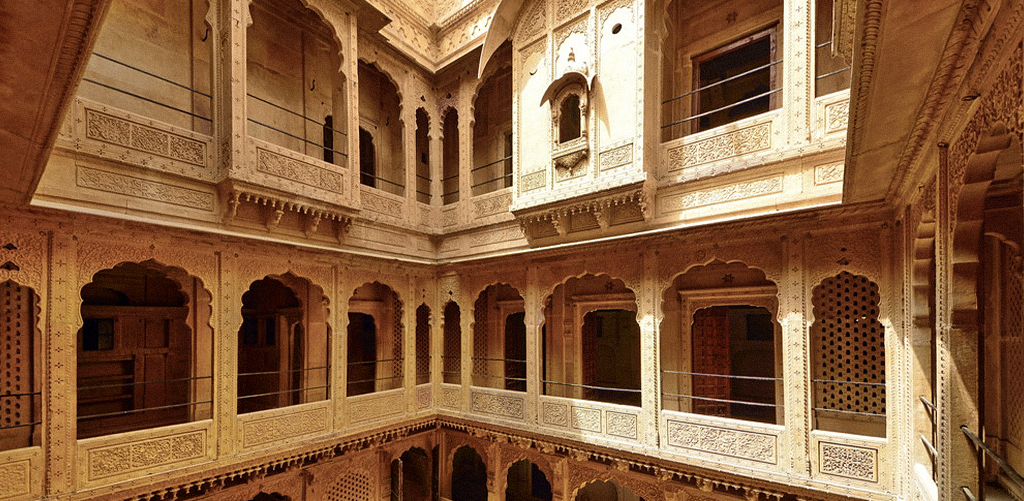
Example: Patwon Ki Haveli, Jaisalmer
Traditional Indian homes were built around central courtyards (chowks), designed to facilitate airflow and regulate indoor temperatures. The Patwon Ki Haveli in Jaisalmer, with its interconnected courtyards, is a prime example of passive cooling techniques that kept interiors comfortable even in extreme climates.

Lesson for Interior Designers:
In contemporary homes, courtyards can be reimagined as green pockets or atriums, bringing in natural light and ventilation while fostering a connection with nature. Interior designers must explore biophilic design principles to create sustainable, energy-efficient spaces that enhance well-being.

Jharokhas & Arched Windows: Creating Statement Architectural Elements

Example: City Palace, Udaipur
Jharokhas—ornate overhanging balconies—are an iconic feature of Rajasthan’s havelis and palaces. The City Palace of Udaipur showcases exquisite jharokhas and arched windows that frame breathtaking views while maintaining privacy and shade.

Lesson for Interior Designers:
These elements can be reinvented in modern homes as decorative window seats, extended balconies, or indoor partitions. By incorporating jharokha-inspired arches and screens, designers can add depth, dimension, and a royal touch to contemporary spaces.

Frescoes & Wall Art: Telling Stories Through Design

Example: Shekhawati Havelis, Rajasthan
The Shekhawati region is famous for its intricate frescoes that narrate mythological tales, historical events, and cultural traditions. These stunning hand-painted walls have made these havelis a living museum of art.

Lesson for Interior Designers:
Incorporating handcrafted murals, textured walls, and traditional motifs can make interiors more expressive. Designers should experiment with custom wallpapers, digital prints, or modern fresco adaptations to create walls that reflect personality and heritage.

Students at JD Institute gain hands-on experience learning how to integrate such techniques into modern architecture.

The Magic of Mirror Work & Inlay Craftsmanship

Example: Sheesh Mahal, Amer Fort
The Sheesh Mahal (Palace of Mirrors) in Amer Fort is a masterpiece of mirror inlay work, designed to reflect minimal light and create an illusion of infinite space. Similarly, intricate marble inlay flooring at places like the Taj Mahal showcases unmatched craftsmanship.

Lesson for Interior Designers:
Mirror work can be used strategically to enhance space and lighting, while inlay flooring can add a bespoke element to interiors. Aspiring designers should learn the art of material selection and detailing to create luxurious yet balanced aesthetics.

Carved Wooden Furniture: A Lesson in Sustainable Craftsmanship

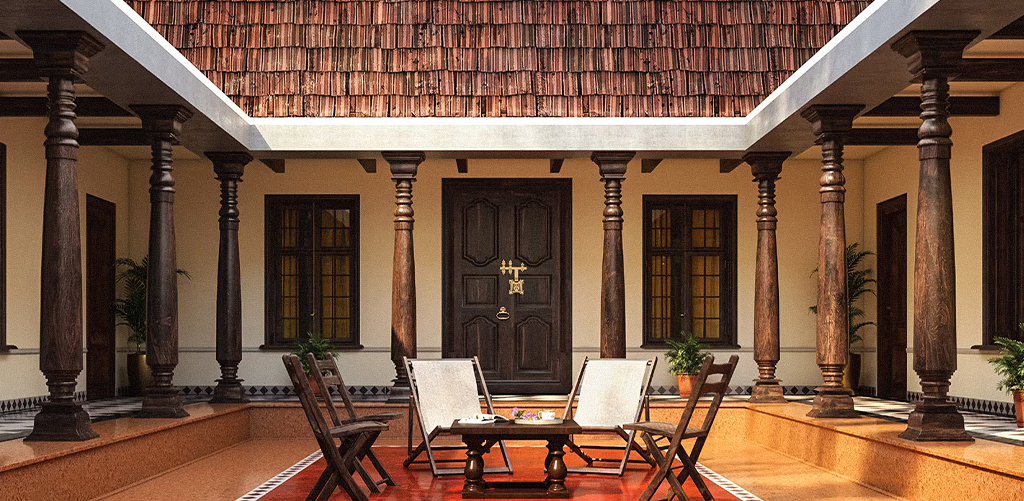
Example: Chettinad Mansions, Tamil Nadu
The Chettinad mansions are renowned for their elaborately carved wooden doors, pillars, and furniture, often crafted from teak and rosewood. These homes showcase how quality craftsmanship and durable materials can create heirloom-worthy pieces.

Lesson for Interior Designers:
Sustainability is at the heart of modern design, and the use of reclaimed wood, hand-carved elements, and traditional joinery techniques can elevate a space while promoting eco-friendly practices. Understanding traditional craftsmanship allows designers to curate custom furniture that lasts generations.

JD’s Interior Design curriculum covers these learnings, helping students master these aesthetics.

Heritage Meets Innovation: The JD Institute Edge

While history offers incredible design inspiration, knowing how to modernize and adapt these elements is what makes a great interior designer. At JD Institute of Fashion Technology, students get the best of both worlds—traditional knowledge and modern innovation.

  • Practical Learning: Hands-on workshops, heritage study tours, and real-world projects.
  • Industry-Ready Curriculum: Covering classical architecture, material sourcing, lighting design, and space planning.

If you’re passionate about creating Interior Designs that tell a story while staying future-ready, JD Institute is your gateway to mastering the art of design.

So, are you ready to bring history back to life in modern homes?

Holograms Redefining Visual Merchandising?– Here’s How

Tuesday, February 18th, 2025

Imagine walking into a store where clothes float mid-air, perfectly shaped on invisible figures that twist and turn, showing every angle. No plastic. No fabric. Just light and imagination. Sounds like a scene from a sci-fi movie, right? But it’s closer to reality than you think.

Holographic displays are steadily entering the fashion world, challenging the age-old dominance of mannequins. But can they truly replace them? Let’s dive deeper.

Visual Merchandising at JD Institute equips students with the skills to master these futuristic technologies, preparing them to shape the retail experiences of tomorrow.

The Evolution of Retail Displays

Mannequins have long been the silent salespeople of fashion stores. From the carved wooden figures of the 15th century to today’s hyper-realistic models, they’ve played a crucial role in showcasing fashion. However, as the digital world merges with reality, static displays are losing their charm. Enter holograms – dynamic, eye-catching, and limitless in creativity.

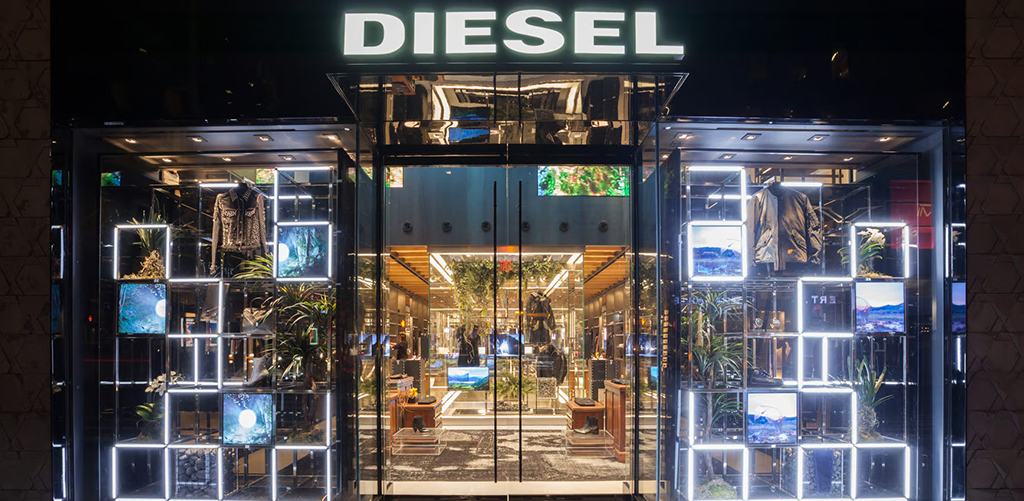
Famous Example: In 2018, Diesel used holographic models in its New York flagship store, captivating onlookers with outfits seemingly worn by invisible figures. This innovative approach proved that holograms could make heads turn and attract more footfall.

How Holograms are Transforming Retail Displays

Interactive Customer Experience
Holograms provide a dynamic and interactive experience. Shoppers can view products from every angle, see outfits in motion, and even visualize different color combinations with a single click. This level of engagement enhances customer satisfaction and encourages more purchases.

Famous Example: Ralph Lauren’s flagship store in London used holographic runway models to showcase its collection. The models moved, posed, and changed outfits seamlessly, offering an immersive experience that captivated customers.

Impact on Future Visual Merchandisers:
Visual merchandisers need to think beyond static displays. By mastering holographic technology, they can design interactive experiences that connect with tech-savvy customers, ultimately driving sales.

Space and Cost Efficiency: A Smart Investment

Holograms eliminate the need for physical mannequins, saving floor space and reducing costs associated with storage and maintenance. A single holographic display can showcase multiple collections, optimizing space and enhancing the store’s overall layout.

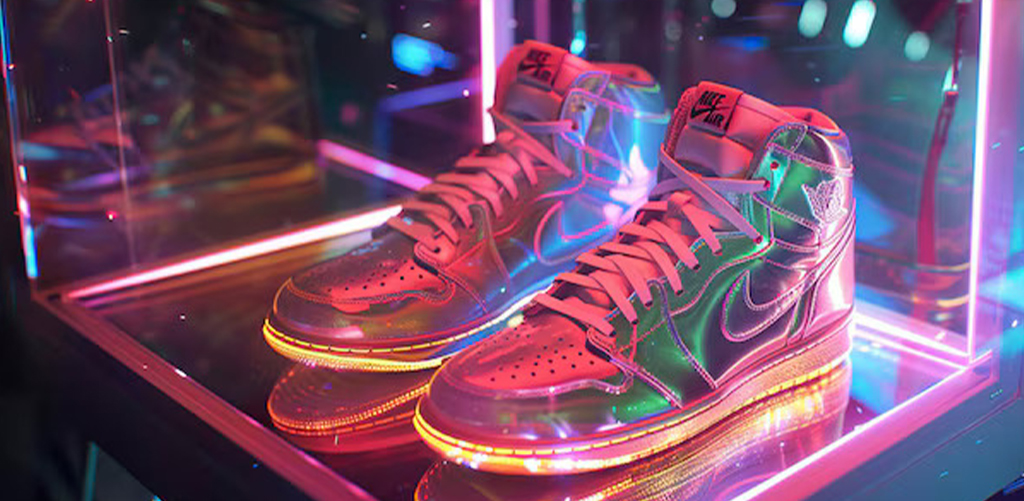
Famous Example: Nike utilized holographic displays during product launches to maximize space while maintaining high visual appeal. This approach allowed them to showcase different styles without crowding the retail floor.

Impact on Future Visual Merchandisers:
Learning to strategically design digital displays can help future merchandisers create cost-effective yet impactful layouts, a valuable skill in today’s competitive retail industry.

Eco-Friendly Displays: Aligning with Sustainability

With increasing awareness about environmental impact, brands are shifting towards sustainable practices. Holograms eliminate the need for plastic or fiberglass mannequins, reducing waste and supporting eco-conscious branding.

Famous Example: H&M experimented with holographic fashion shows to promote its eco-friendly line, highlighting the brand’s commitment to sustainability while captivating environmentally-conscious shoppers.

Impact on Future Visual Merchandisers:
Understanding sustainable display solutions will enable visual merchandisers to design eco-friendly retail spaces, aligning with brand values and attracting conscious consumers.

Augmented Reality (AR) Integration: The Future of Virtual Try-Ons

Holograms are just the beginning. Retailers are increasingly integrating augmented reality with holographic displays, allowing customers to virtually try on outfits without physically touching the products. This blend of AR and holography offers a futuristic shopping experience.

Famous Example: Zara introduced AR displays in its flagship stores, where shoppers could see virtual models wearing different outfits. This innovative approach not only enhanced customer experience but also boosted social media engagement as customers shared videos of the interactive displays.

Impact on Future Visual Merchandisers:
Mastering AR and holographic integration can set visual merchandisers apart in the digital age. By blending physical and virtual experiences, they can craft unique shopping journeys that keep customers engaged and loyal.

Emotional Connection Through Storytelling

Holographic displays are not just about showcasing clothes – they’re about storytelling. Brands can use holograms to narrate the inspiration behind a collection, depict cultural stories, or highlight the craftsmanship involved. This emotional connection enhances brand loyalty.

Famous Example: Burberry used holographic projections during a runway show to showcase the story behind its iconic trench coats. The display transported viewers to the rainy streets of London, creating an emotional connection with the audience.

Visual Merchandising at JD Institute has this storytelling approach that drives engagement in students and makes them learn to weave narratives into displays.

Limitations of Holograms: Why Mannequins Won’t Disappear Just Yet

Despite the advantages, holograms have limitations. They lack the tactile experience that physical mannequins provide. Shoppers still want to feel the fabric and see how the garment drapes in reality. Additionally, holographic technology requires high maintenance and can be expensive to implement.

Balanced Approach for the Future:
Instead of completely replacing mannequins, retailers may opt for a hybrid approach, combining holograms with traditional displays. This blend will offer both digital interactivity and physical touchpoints, enhancing the overall shopping experience.

The Future is Digital – Are You Ready to Lead?

Holograms are transforming retail displays, and the trend is here to stay. As technology continues to advance, the line between digital and physical will blur even more. The question is – are you ready to embrace the change?
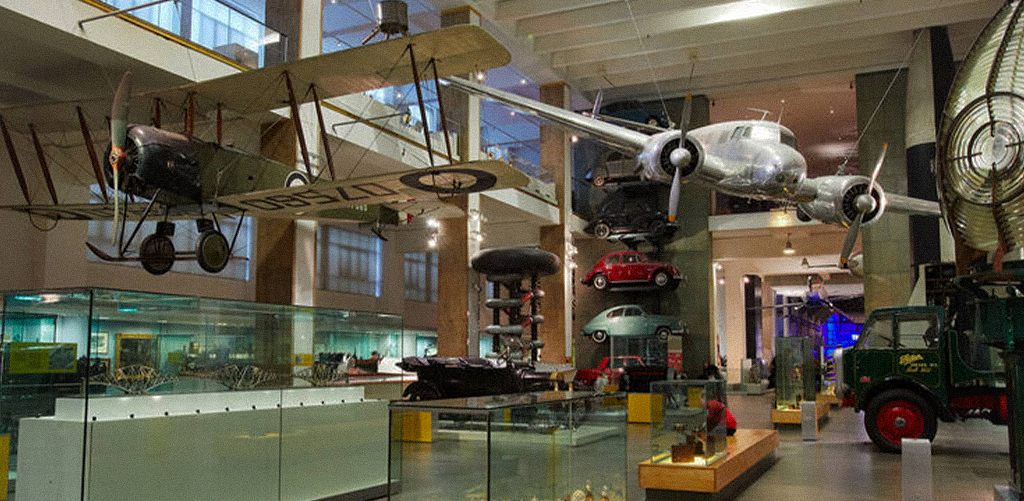
Visual Merchandising isn’t just about designing store layouts; it’s about curating experiences that connect with customers. JD Institute prepares students to be pioneers in this field, equipping them with the skills to harness the power of digital displays.

Want to be at the forefront of retail innovation? Your journey begins with us.

Don’t just keep up with trends – lead them.

Passionate About Fashion? Master Pattern Making First!

Monday, February 17th, 2025

“A designer without a pattern is like an architect without a blueprint.” 

This saying holds true for the world of fashion design. Behind every stunning garment lies the precision of pattern making, the silent architect that shapes fabric into wearable art. But what exactly is pattern making, and why is it so crucial in fashion design?

Pattern making is the technical foundation that transforms a designer’s vision into reality. It involves creating templates that guide the cutting and sewing of fabric, ensuring the garment fits perfectly and drapes beautifully. From Christian Dior’s revolutionary silhouettes to Alexander McQueen’s avant-garde creations, pattern making is the unsung hero behind iconic designs.

For aspiring designers, mastering this skill is non-negotiable. And for those looking to learn it the right way, the Fashion Design course at JD Institute offers comprehensive training, combining technical knowledge with creative freedom. This approach ensures students are well-prepared to bring their unique ideas to life.

Turning Sketches into Reality: The Blueprint of Fashion Design

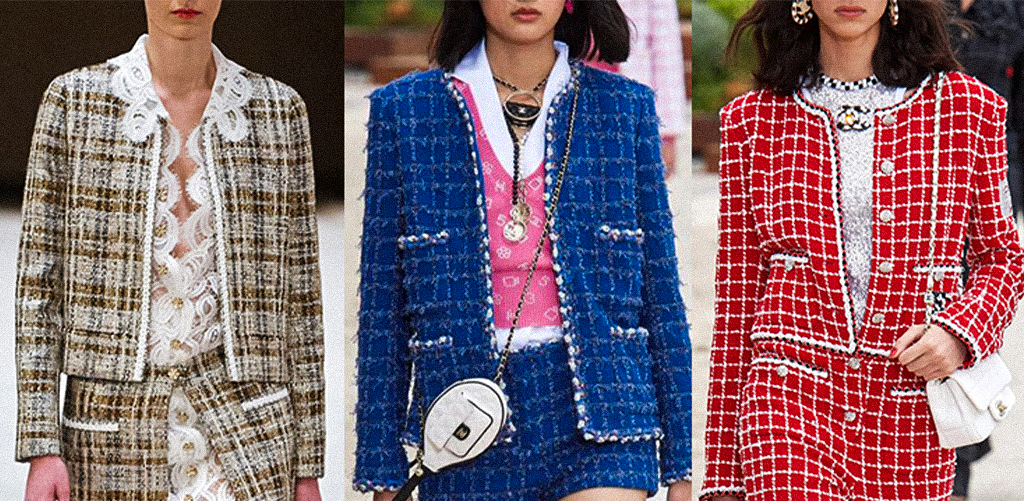
A sketch is just a piece of paper until pattern making gives it life. This process translates 2D illustrations into 3D garments, maintaining the designer’s vision while considering fabric properties and body movement. Coco Chanel’s iconic tweed jackets, known for their perfect fit and comfort, were a result of exceptional pattern making. She meticulously designed patterns to ensure elegance and ease, revolutionizing women’s fashion.

Aspiring designers must learn to visualize their sketches in three dimensions. Understanding how flat patterns transform into structured garments is crucial. This requires knowledge of fabric behavior, seam placements, and garment construction—skills that can only be honed through practical experience and experimentation.

Mastering Fit and Comfort: The Secret Behind Timeless Fashion

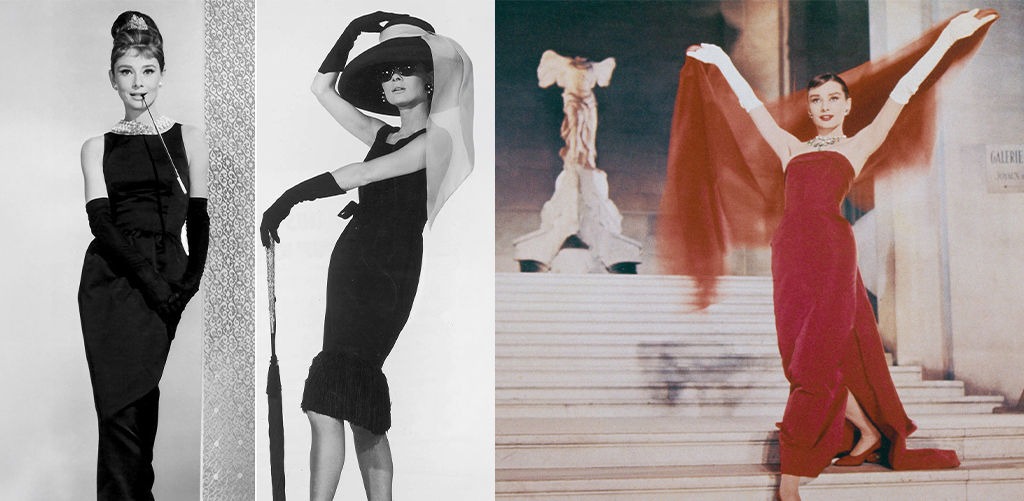
A difficult fitting garment can ruin even the most beautiful design. Perfect fit is what separates haute couture from fast fashion. Pattern making ensures this precision, customizing designs to various body types while maintaining comfort and elegance. For instance, Hubert de Givenchy’s designs for Audrey Hepburn were celebrated for their impeccable fit. His understanding of pattern making allowed him to create garments that moved gracefully with the wearer. 

Learning how to take accurate measurements and translate them into patterns is essential. This skill not only guarantees comfort but also boosts the confidence of the wearer. Mastery of fitting techniques can elevate a designer’s creations to timeless classics.

Balancing Creativity and Practicality: The Craft of Innovative Design

Pattern making isn’t just about technical accuracy—it’s about preserving the designer’s creative vision while ensuring the garment’s practicality. Alexander McQueen was a master at this. His dramatic silhouettes maintained perfect balance and movement, thanks to his exceptional pattern-making skills. His designs were daring yet wearable, a balance achieved through meticulous planning and execution.

At JD Institute, the Fashion Design curriculum encourages students to explore their creativity while maintaining practical wearability. They learn to push boundaries without sacrificing comfort or functionality, an essential trait for modern designers.

Precision and Efficiency: Reducing Waste in Fashion Design

In today’s world, sustainable fashion is more important than ever. Efficient pattern making reduces fabric waste, making the design process cost-effective and eco-friendly. Japanese designer Issey Miyake is known for his zero-waste approach, creating intricate designs with minimal material wastage. His revolutionary pleating technique relied heavily on advanced pattern making, showcasing sustainability without sacrificing style.

A must-know for aspiring designers is to learn how to maximize fabric usage while minimizing waste. This involves mastering the art of pattern layout and understanding fabric grainlines. By adopting sustainable practices, designers contribute to environmental conservation and set themselves apart in the competitive fashion industry. 

Creating Iconic Silhouettes: The Legacy of Pattern Making

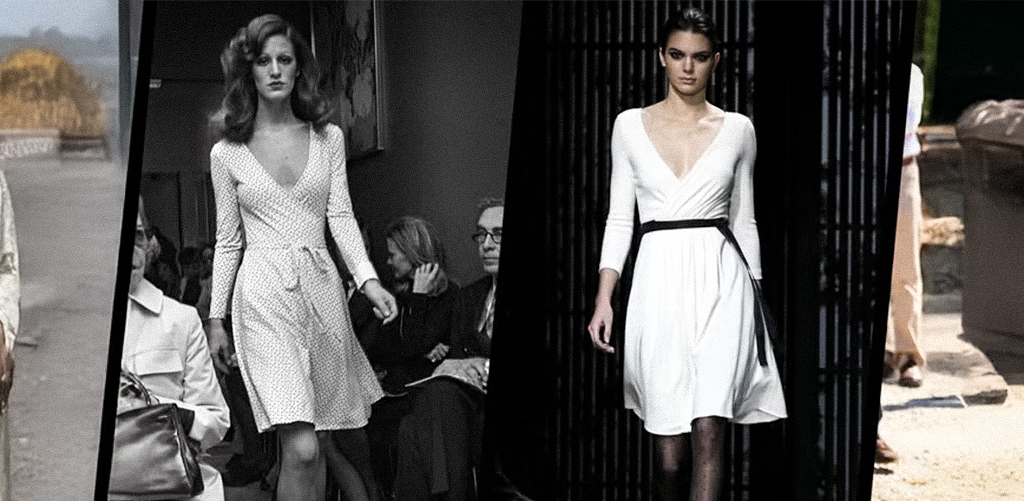
Behind every iconic silhouette is a masterful pattern. Diane von Furstenberg’s wrap dress became a symbol of empowerment because of its flattering fit and comfortable design—achieved through innovative pattern making. Similarly, the Chanel suit’s timeless elegance lies in its structured yet comfortable silhouette, crafted with precision and attention to detail. By analyzing iconic designs, designers can learn how to create their own unique styles while paying homage to fashion history.

Craft Your Legacy with Pattern Making

Pattern making is more than just a technical skill—it’s the foundation of fashion design. It bridges the gap between imagination and reality, turning sketches into wearable art. For those dreaming of making their mark in the fashion world, mastering pattern making is a must. If you’re ready to learn this craft with a blend of creativity and precision, JD Institute is the place to be. With industry-relevant training and hands-on experience, students learn the art of pattern making in its truest form.

Ready to transform your ideas into iconic Fashion Designs? The journey starts at JD Institute.

Beyond Curtains and Spotlights: India’s Event Mastery

Friday, February 14th, 2025

It’s not just about lights, cameras, and action. It’s about experiences that linger long after the curtain falls. India is redefining the global event landscape, crafting spectacles that blend tradition with modernity. But what makes these events so unforgettable? And what can aspiring event planners learn from this vibrant industry?

Mastering the art of global event management isn’t merely about logistics or scheduling; it’s about creating memorable experiences. At JD Institute, the Global Event Management course equips students with the skills to design, strategize, and execute world-class events.

Cinematic Extravaganza: IIFA’s Global Influence

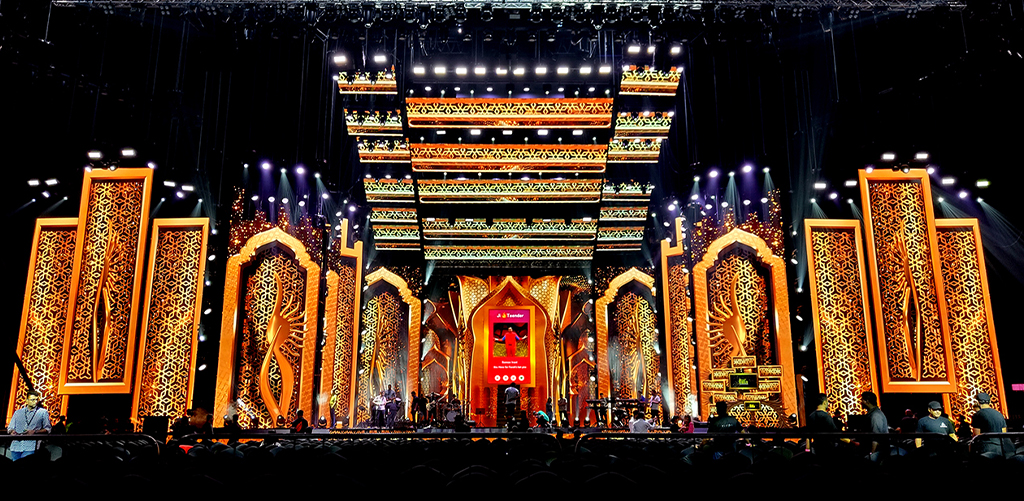
The International Indian Film Academy Awards (IIFA) isn’t just an award show—it’s a global celebration of Indian cinema. With hosts ranging from New York to Abu Dhabi, IIFA blends Bollywood glamour with international appeal.

Key Event Takeaways:

  • Destination Strategy: By choosing international locations, IIFA not only reaches global audiences but also boosts tourism for the host cities.
  • Cross-Cultural Marketing: Integrating local cultural elements, like the Thai-themed gala in Bangkok, bridges cultural gaps while retaining the essence of Bollywood.
  • Strategic Partnerships: Collaborations with global brands and streaming platforms maximize event visibility and revenue streams.

JD Institute’s Global Event Management course teaches students how to create immersive experiences through strategic planning, audience engagement, and cross-cultural branding.

Fashion Forward: Lakme Fashion Week’s Innovative Platform

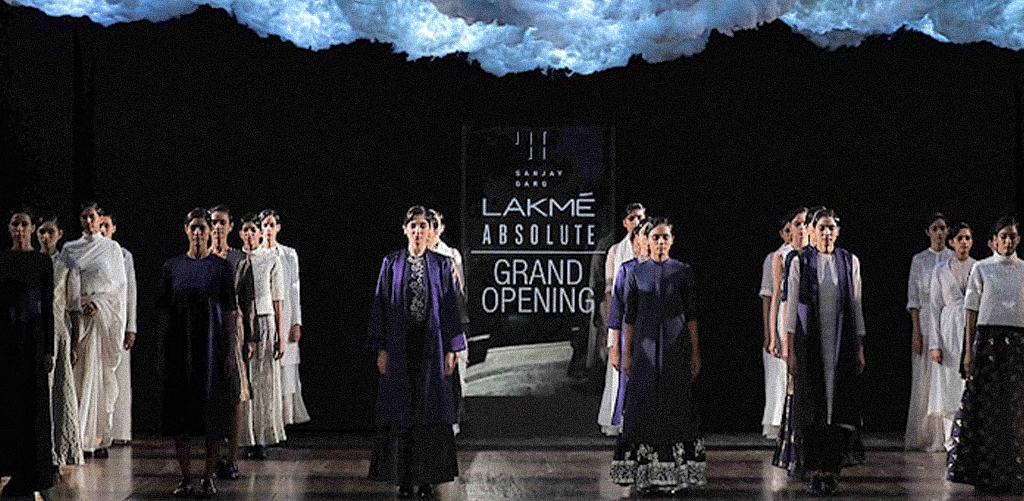
Lakme Fashion Week (LFW) is a trendsetter in the world of fashion, not just for its designer collections but also for its dynamic event strategy. 

Key Event Takeaways:

  • Digital Engagement: Virtual runways and live streaming during the pandemic maintained global audience reach, setting new standards in digital event management.
  • Collaborative Opportunities: Collaborations with global fashion councils provide a platform for emerging designers, boosting international exposure.
  • Sustainability in Event Design: The Sustainable Fashion Day promotes eco-conscious designs, reflecting the global shift towards sustainable events.

The Global Event Management course at JD Institute emphasizes digital event strategies, sustainable practices, and international collaborations, preparing students to lead in the evolving event landscape.

Entertainment Spectacle: IPL’s Immersive Experience

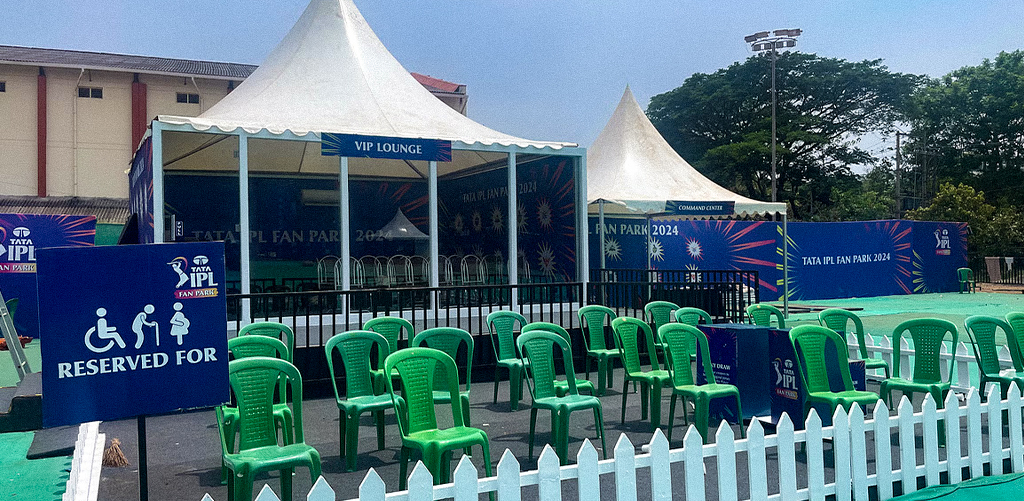
The Indian Premier League (IPL) isn’t just a sports tournament—it’s a festival of entertainment, marketing, and fan engagement.

Key Event Takeaways:

  • Multi-Platform Marketing: IPL leverages social media, OTT platforms, and traditional broadcasts for maximum visibility. Its collaborations with digital giants like Hotstar illustrate how multi-platform marketing enhances audience engagement and sponsorship value.
  • Experiential Fan Engagement: Interactive fan zones, augmented reality experiences, and celebrity appearances enhance audience interaction. The introduction of fan parks across India exemplifies how localized experiences can amplify brand loyalty.
  • Sponsorship and Branding: Strategic sponsorship deals, like those with Tata and Dream11, maximize brand visibility and revenue. IPL’s innovative sponsorship model teaches event planners the art of strategic brand integration and revenue maximization.

The IPL’s success lies in its ability to transform a sports event into a global entertainment spectacle. It sets an example of how immersive experiences and strategic branding can redefine event management.

Musical Mastery: Sunburn and NH7 Weekender

India’s music festivals are setting global standards in experiential entertainment. Sunburn and NH7 Weekender are more than concerts—they are cultural movements.

Key Event Takeaways:

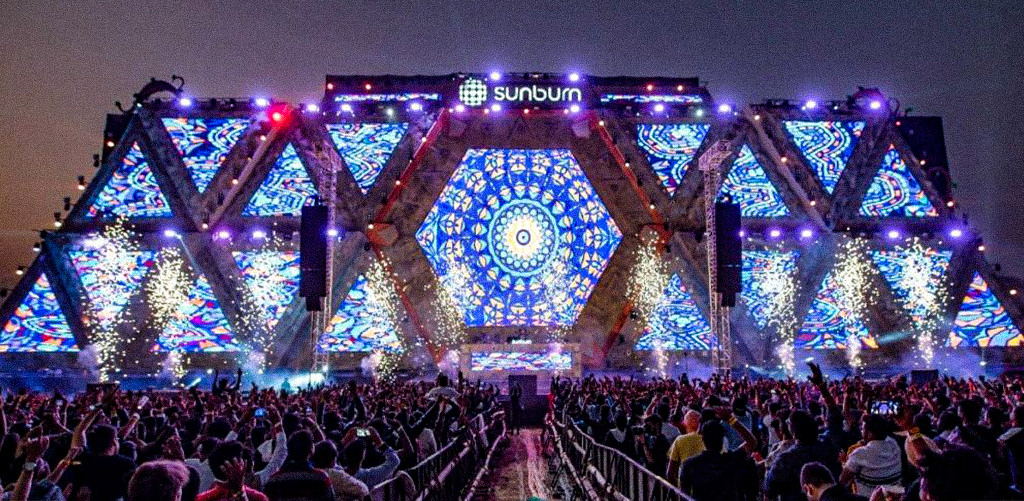
  • Immersive Design and Technology: Use of AR/VR, holograms, and synchronized light shows create a multi-sensory experience. Sunburn’s larger-than-life stage setups and digital interactions demonstrate the power of technology in audience engagement.
  • Community Building: Music festivals foster community engagement through social media challenges, fan clubs, and interactive installations. NH7’s “Express Yourself” campaign showcases the importance of inclusive, participatory event designs.
  • Safety and Logistics Management: Managing large crowds in open venues demands strategic safety protocols and logistics planning. By collaborating with global safety experts, these festivals set benchmarks in crowd control and emergency management.

These music festivals highlight the importance of experiential design and community engagement in event planning. They teach the art of creating vibrant, interactive environments that resonate with audiences.

Lessons from India’s Event Powerhouse

India’s rise as a global event leader isn’t just about scale or grandeur—it’s about mastering the art of storytelling, community engagement, and strategic planning. These events demonstrate the importance of:

  • Cultural Integration: Blending traditional aesthetics with modern design.
  • Experiential Marketing: Creating immersive experiences through technology and storytelling.
  • Sustainability and Adaptability: Embracing eco-friendly practices and hybrid event models.

Do you have the creativity to design the next IIFA? Or the strategic skills to orchestrate a global summit? Begin your journey with JD Institute’s Global Event Management course.

Your stage awaits—are you ready to transform it?

Binge-Worthy Designs: The Motion Graphics Every Aspiring Communication Designer Need to Learn

Thursday, February 13th, 2025

Ever wondered why the eerie title sequence of Stranger Things sends shivers down your spine before the story even begins? Or how the futuristic worlds of Black Mirror feel so real? It’s not just clever storytelling—it’s the power of motion graphics. These invisible magicians are redefining visual experiences on streaming giants like Netflix, Amazon Prime, and HBO.

For aspiring communication designers, this isn’t just a trend—it’s a golden opportunity. At JD Institute of Fashion Technology, students learn the art of motion graphics, blending creativity with cutting-edge technology. This approach equips them to meet the rising demand in the streaming industry.

Why Motion Graphics Are Taking Over Streaming Platforms

With millions of shows and movies vying for attention, streaming platforms need to stand out. And motion graphics are their secret weapon. From mesmerizing title sequences to interactive storytelling, they are shaping how narratives are presented.

Take Netflix’s The Witcher, for example. Its intricate, animated symbols foreshadow upcoming plot twists, engaging viewers even before the episode begins. Similarly, Westworld on HBO uses haunting, AI-inspired visuals that echo its futuristic narrative. These designs don’t just set the tone—they shape the viewer’s emotional experience.

At JD Institute, students learn the knowledge to harness this emotional impact, creating visuals that don’t just look good but resonate with audiences. 

The Power of Opening Sequences: Setting the Mood and Tone

The first few seconds can make or break a viewer’s interest, and streaming platforms know this well. That’s why they invest heavily in unforgettable opening sequences. Think of Game of Thrones—its iconic, animated map of Westeros wasn’t just eye candy; it was a narrative tool, updating viewers on the changing political landscape.

Another brilliant example is Stranger Things, whose retro neon typography immediately pulls viewers into its 80s-inspired, supernatural world. These openings don’t just introduce the show—they create an atmosphere, a sense of anticipation.

Aspiring Communication Designers need to understand this narrative power. At JD Institute, students learn the art of crafting impactful openings, ensuring that their designs not only catch the eye but also set the stage for the story.

Social Media Marketing: Viral Visuals That Captivate Audiences

In the age of social media, a show’s success isn’t just about viewership—it’s about buzz. Motion graphics play a crucial role in creating shareable, viral content. Netflix’s Money Heist became a global phenomenon partly because of its powerful promotional animations, which cleverly used the red jumpsuit and Dali mask as visual motifs.

Amazon Prime’s The Boys also mastered this art with its satirical, comic-book-inspired animations that went viral on social platforms. These graphics weren’t just marketing tools—they were extensions of the show’s universe, engaging fans beyond the screen.

JD Institute trains its students to think beyond traditional design. By understanding social media dynamics, they learn to create graphics that don’t just promote but resonate and go viral.

Motion Graphics in Interactive Storytelling: Shaping Viewer Choices

Streaming platforms are no longer just about passive viewing—they’re about interactive experiences. Black Mirror: Bandersnatch on Netflix was a game-changer, allowing viewers to choose the storyline. But what made it seamless was its sophisticated motion graphics, guiding users through complex narratives without breaking immersion.

Motion graphics play a vital role in shaping these interactive experiences, offering intuitive navigation and narrative cues. Aspiring designers must understand this evolving trend, mastering dynamic storytelling that engages users on a deeper level and must emphasize this forward-thinking approach. 

Essential Skills for Aspiring Motion Graphics Designers

To succeed in the competitive world of streaming platforms, designers need a unique blend of creativity and technical prowess. Here’s what they should master:

  1. Advanced Animation Techniques: From 2D to 3D animations, designers need to be versatile. Shows like Rick and Morty showcase how diverse animation styles can enhance storytelling.
  2. Software Expertise: Mastery of tools like After Effects, Cinema 4D, and Blender is crucial. For example, The Mandalorian used advanced CGI and motion graphics to create immersive worlds.
  3. Narrative Design: It’s not just about aesthetics but storytelling. The minimalist yet powerful visuals of Westworld are perfect examples of narrative-driven design.
  4. Cross-Platform Versatility: Motion graphics aren’t just for TV—they’re crucial for social media, apps, and even VR experiences. The dynamic, multi-platform campaigns for Stranger Things are proof of this trend.

Ready to Animate Your Future?

Motion graphics designers are the new storytellers, shaping experiences that resonate across platforms. From gripping title sequences to viral social media content, their creativity knows no bounds. And with streaming giants like Netflix, Amazon Prime, and HBO leading the way, the demand for skilled designers is only growing.

Unleash your creativity and Shape the Communication Design narrative at JD Institute, where the future is yours to animate.

Trend-Proof? Try Disaster-Proof! Interiors Every Designer Must Master

Wednesday, February 12th, 2025

“Would your home stand strong if tomorrow turned turbulent?”

From violent hurricanes and torrential floods to relentless wildfires and earthquakes, the climate is more unpredictable than ever. Our homes, once mere shelters of comfort, now need to be fortresses of resilience. This shift has given rise to a new era in interior design—one that fuses safety, sustainability, and style.

At JD Institute of Fashion Technology, the Interior Design course equips future designers with the knowledge to face such challenges head-on, blending creativity with practicality. Here, students learn how to design spaces that are not only aesthetically pleasing but also disaster-proof.

Rising Above: Flood-Proof Interior Designs

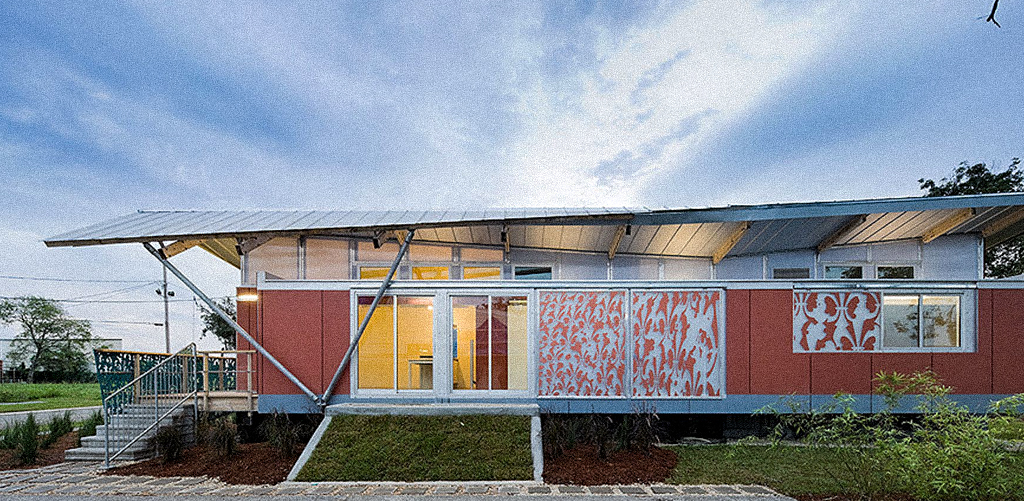
Floods can strike suddenly, destroying homes and belongings. But modern design solutions are changing the game. Take the FLOAT House by Morphosis Architects in New Orleans—built on a floating foundation, it rises with floodwaters, safeguarding its interiors.

Smart flood-resistant designs include:

  • Waterproof Flooring: Materials like concrete, ceramic tiles, and waterproof vinyl that withstand water damage.
  • Elevated Power Outlets and Appliances: Installing outlets and heavy appliances above expected flood levels prevents electrical hazards.
  • Water-Resistant Furniture: Using marine-grade plywood and metal furniture ensures durability.

At JD Institute, students learn to blend such practical solutions with creative design, ensuring safety without sacrificing style.

Fire-Safe Interiors: Shielding Against Wildfires

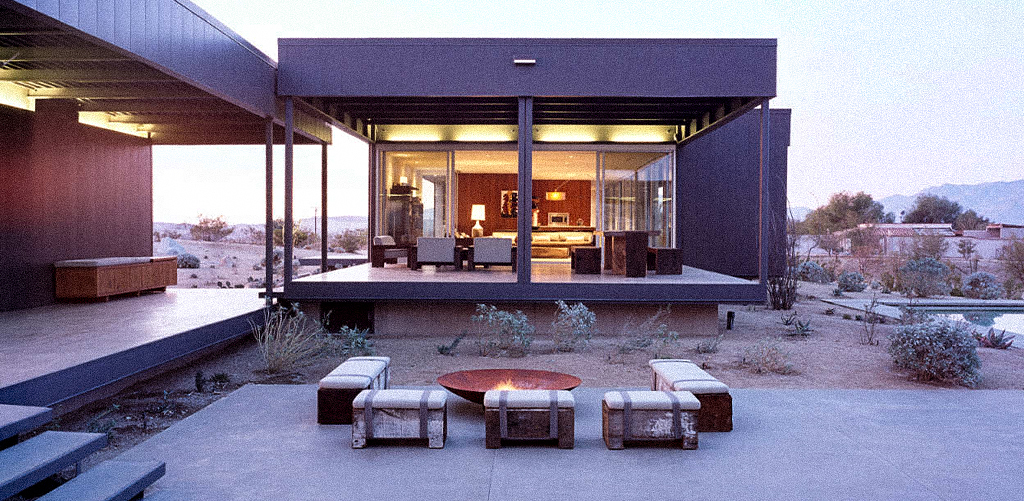
Wildfires are fierce and fast-moving, but some homes are built to resist. The Desert House by Marmol Radziner in California uses fire-resistant steel and concrete exteriors, paired with minimalist interiors that reduce flammable items.

Effective fire-resistant interiors include:

  • Non-Combustible Materials: Stone, metal, and glass are excellent for countertops, walls, and furniture.
  • Flame-Retardant Upholstery: Sofas and curtains treated with flame-resistant coatings minimize fire risks.
  • Fire-Resistant Windows and Doors: Using tempered glass and metal frames protects against extreme heat.

JD Institute empowers students to design interiors that are as safe as they are stylish, with the knowledge of the latest technologies and materials.

Earthquake-Ready Interiors: Safety in Motion

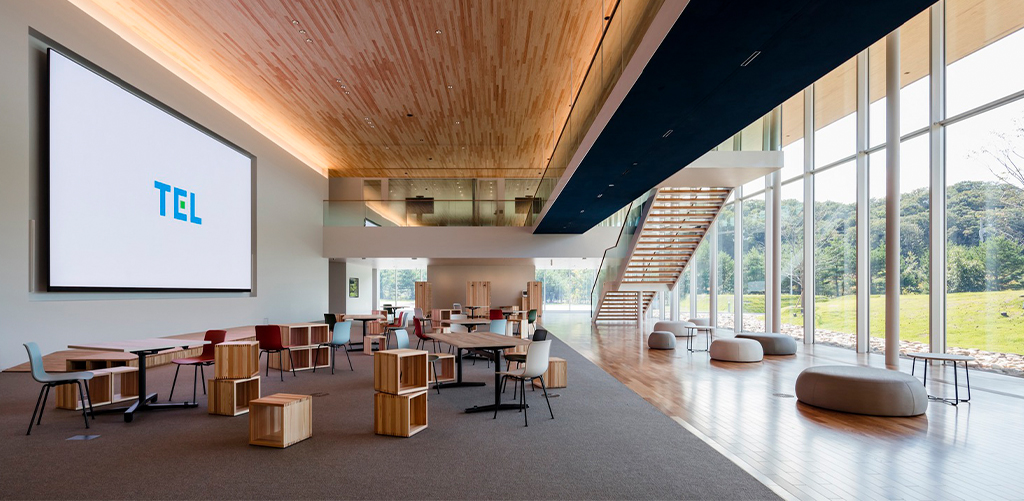
When the ground shakes, secure and flexible interiors save lives. The Taisei Technology Center in Japan showcases advanced seismic design, with flexible joints and secured furnishings that reduce injury risks.

Earthquake-resilient interiors focus on:

  • Flexible Materials: Using lightweight materials like plywood reduces damage and injury.
  • Secure Storage Solutions: Anchoring cabinets and shelves prevents them from tipping over.
  • Open Floor Plans: Reducing load-bearing walls provides flexibility and safety during quakes.

These features not only enhance safety but also bring a modern, minimalist aesthetic to interior spaces. By embracing flexibility and adaptability, earthquake-ready interiors make homes safer and more comfortable. This approach also allows for innovative interior designs, as open floor plans and lightweight materials provide endless creative possibilities.

Storm-Proof Interiors: Standing Strong Against Hurricanes

Hurricanes bring powerful winds and flying debris, but homes like the Safe House by KWK Promes in Poland showcase how design can defend against storms. This home features thick concrete walls and retractable shutters, protecting the interiors while maintaining a sleek, modern look.

To storm-proof interiors:

  • Impact-Resistant Windows: Laminated glass windows protect against flying debris.
  • Reinforced Walls and Doors: Using concrete or steel reinforcements adds strength.
  • Built-In Safe Rooms: Designing hidden safe rooms provides security during extreme weather.

With these strategies, homes can be both resilient and beautiful, ensuring safety without compromising on design. Additionally, storm-proof interiors enhance a home’s value by increasing durability and reducing maintenance costs. These designs demonstrate that strength and elegance can coexist.

Adaptive Living: Climate-Responsive Interiors

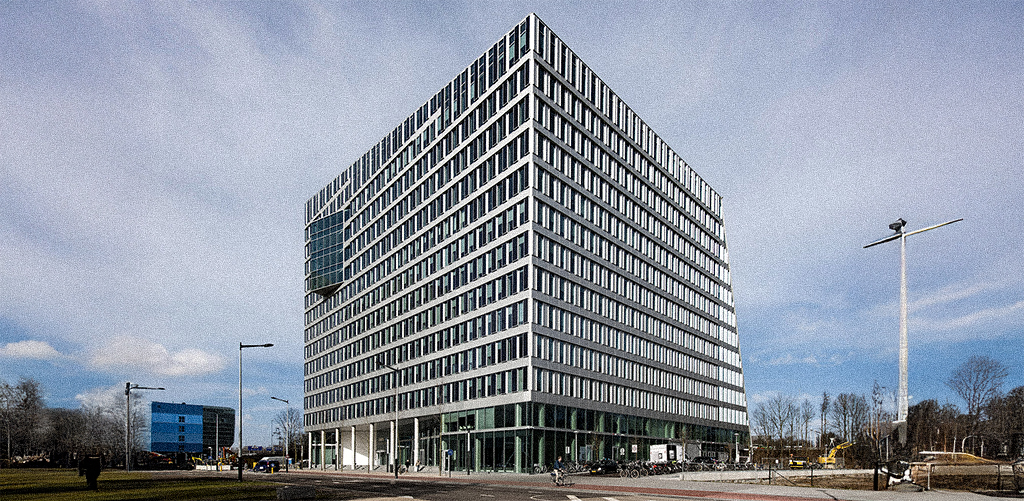
With unpredictable weather patterns becoming the norm, homes need to adapt to extreme heat, cold, and humidity. The Edge in Amsterdam is a perfect example of climate-responsive design, with smart technology that adjusts temperature and lighting according to the weather.

Adaptive interiors use:

  • Smart Thermostats and Ventilation Systems
  • Insulated Windows and Walls
  • Sustainable Materials

This approach ensures that interiors are not only comfortable but also energy-efficient and environmentally friendly. Climate-responsive interiors reduce energy consumption, lowering utility bills and minimizing the environmental impact.

Designing for Tomorrow: Learn to Build the Future

Disaster-proof interiors are more than just a trend—they are the future of living. From flood-proof floors to fire-resistant furniture, modern interiors need to be tough yet beautiful.

The Interior Design course at JD Institute of Fashion Technology equips students with the knowledge and skills needed to create these resilient spaces.

Are you ready to shape the future of living? Step into the world of interior design with JD Institute, and transform your passion into a purpose. Let’s design safe, smart, and stunning homes for a climate-challenged future.

Stay a Little Longer: How Museums Master the Art of Visual Merchandising

Tuesday, February 11th, 2025

Ever walked into a museum just to take a quick look but found yourself lingering for hours? What if we told you that the Mona Lisa’s gaze isn’t the only thing keeping you hooked? The magic lies in the curation—a craft borrowed straight from retail’s playbook. Museums are the ultimate masters of Visual Merchandising, strategically designing spaces to hold your attention, evoke emotions, and create an immersive experience.

At JD Institute of Fashion Technology, the Visual Merchandising course helps students decode these techniques, opening doors to careers that blend art, psychology, and business. Let’s explore how museums worldwide use visual merchandising to make you stay longer—and what future professionals can learn from them.

The Grand Entrance: The First Impression Matters

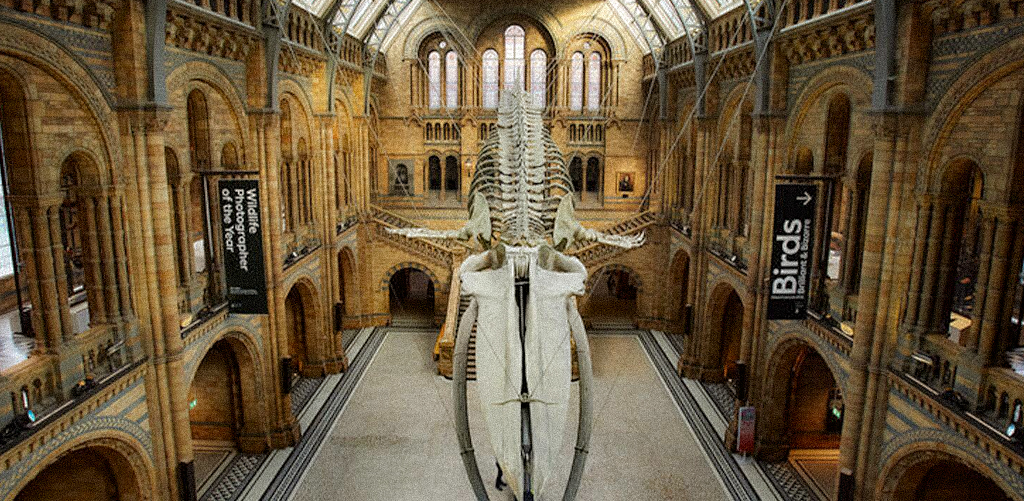
Ever noticed how flagship stores like Apple or Louis Vuitton design their entrances to captivate you instantly? Museums do the same. The Louvre’s glass pyramid entrance in Paris is not just an architectural marvel but a strategic gateway that builds anticipation. Similarly, The Natural History Museum in London uses high ceilings and grand staircases to instill a sense of wonder, compelling visitors to explore further.

The lesson? The first few seconds matter. Whether in retail or museums, the entrance sets the tone, drawing visitors deeper into the experience.

Strategic Flow: Leading Visitors Like a Storyteller

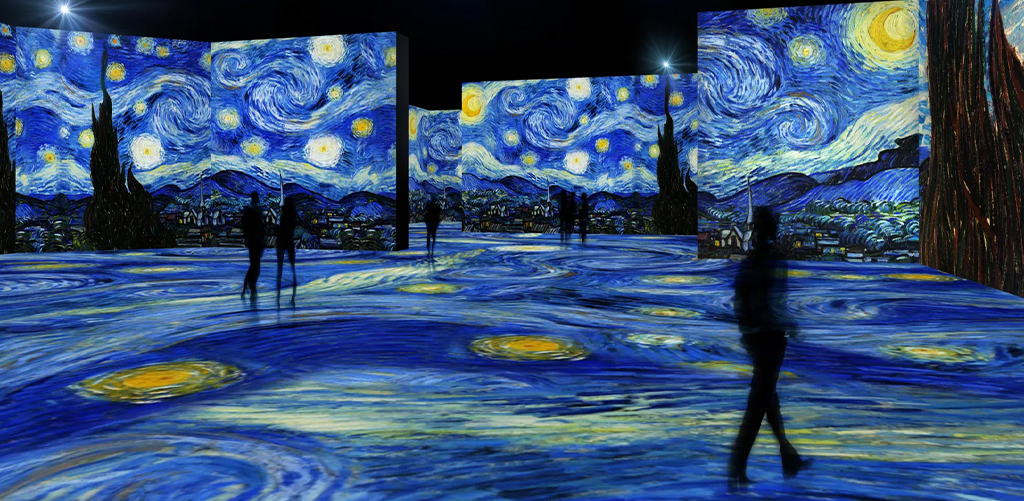
Retail stores use strategic layouts like the “loop” or “grid” to guide customers effortlessly. Museums adopt a similar technique, curating a journey rather than a random display. The Guggenheim Museum in New York, designed by Frank Lloyd Wright, follows a spiral design that subtly nudges visitors through exhibits without feeling forced. The Van Gogh Museum in Amsterdam arranges paintings in a chronological narrative, keeping visitors engaged as they follow the artist’s evolution.

This technique is crucial in visual merchandising—guiding customers through a carefully crafted story, ensuring they experience the brand in its entirety.

Lighting Drama: The Silent Storyteller

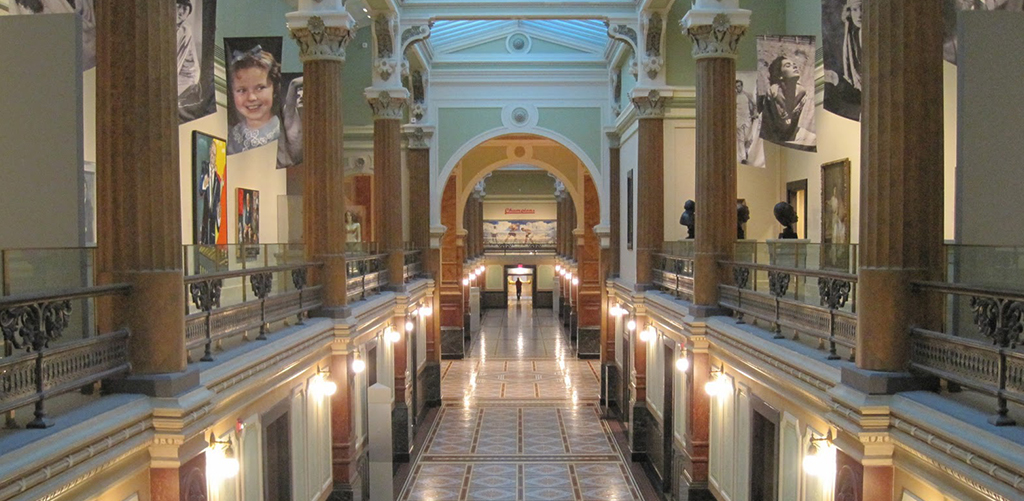
Why do diamonds sparkle more under certain lights? Retailers use focused lighting to make products irresistible, and museums apply the same trick. The Smithsonian’s National Gallery in Washington D.C. uses warm spotlighting to highlight key paintings, drawing the eye instantly. The Egyptian Museum in Cairo strategically dims surrounding areas while illuminating artifacts like King Tut’s mask, making it the undeniable center of attention.

Proper lighting enhances not just visibility but emotional impact, making objects feel exclusive and powerful—just like an expertly curated retail display.

Interactive Displays: Engaging the Senses

In retail, interactive mirrors and AR fitting rooms are revolutionizing how customers engage with products. Museums, too, integrate interactivity to keep visitors invested. The Museum of Ice Cream in New York transforms its exhibits into an Instagrammable playground, while The Science Museum in London allows hands-on experiments, turning passive observation into an engaging experience.

The Visual Merchandising course at JD Institute teaches students how to design engaging, interactive spaces that make audiences feel like active participants rather than passive spectators.

Color Psychology: The Emotional Hook

Just like brands use colors to evoke emotions—think Tiffany’s blue or McDonald’s red—museums carefully choose hues to influence mood. The Museum of Modern Art (MoMA) in New York uses neutral backgrounds to let bold contemporary artworks stand out. In contrast, The Victoria and Albert Museum in London plays with deep, rich colors to create a regal atmosphere for historical pieces.

Students in the Visual Merchandising course at our institute learn how color psychology influences consumer behavior, helping them create visually appealing and emotionally engaging retail and exhibition spaces.

The Takeaway: Learning from the Masters

Museums aren’t just about art—they are living, breathing case studies of visual merchandising in action. From strategic layouts to lighting, interactivity to color psychology, they demonstrate how space, design, and storytelling can shape human behavior.

At JD Institute, students in the Visual Merchandising course don’t just learn about arranging displays; they master the psychology behind captivating spaces.

Are you ready to craft moments that make people stay, feel, and remember?

Copyright © 2025 JD Institute of Fashion. All Right Reserved

Designed by Red Lemon

Whatsapp icon
Apply Now
Enquire
Quick Enquiry