
Apply Now

Author Archive

India’s Top Interior Design Exhibitions & Trade Fairs Every Designer Must Attend

Wednesday, April 9th, 2025

“Design adds value faster than it adds cost.”
But what if we told you—some of the best value in design isn’t found in a classroom, but in an expo hall buzzing with innovation?

For interior designers, exhibitions and trade fairs are more than events—they are live wireframes of the future. It’s where textures, techniques, and technology unveil the next big thing in interiors. Whether you’re a professional or a passionate student, these events are the ultimate playbook for design excellence.

Let’s walk you through India’s top interior design exhibitions and trade fairs that every designer should bookmark—complete with examples of what you’ll learn and how these events open doors to futuristic design thinking.

India Design ID – Where the Industry’s Heart Beats

Hosted in New Delhi, India, Design ID is often called the “Fashion Week of Interiors.” With brands like Arttd’inox, Asian Paints, Klove Studio, and Ravish Vohra Home showcasing avant-garde collections, it’s the go-to platform for trend forecasts.
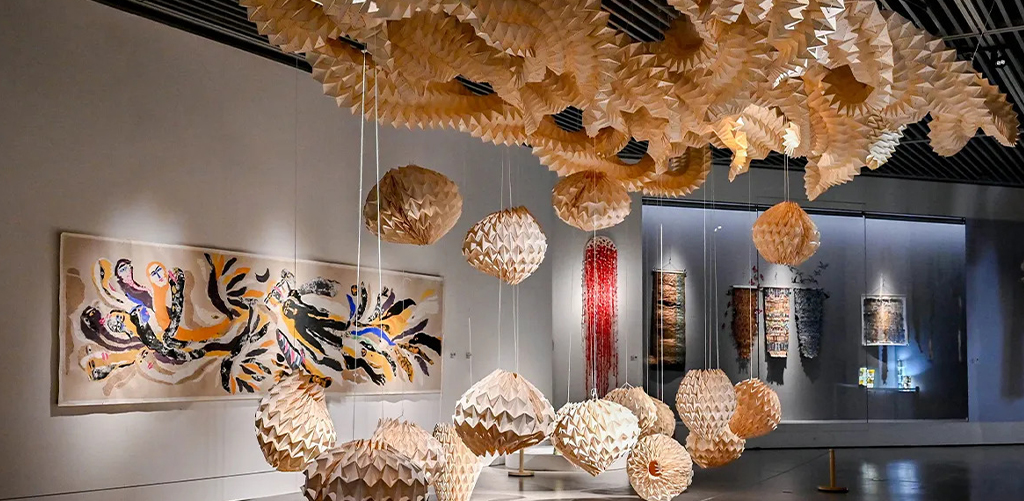
Attending this event gives you insights into storytelling through space and understanding how global aesthetics are localized.

JD Institute students of the Interior Design department have visited India Design ID, and have explored how brands mix aesthetic and function. These visits are not just field trips—they’re deep-dive lessons in spatial branding, layout, and trend prediction.

FOAID – Festival of Architecture & Interior Design

Held in Mumbai and Delhi, FOAID is more than an event—it’s a movement of creative minds. From emerging talents to design legends like Hafeez Contractor, Sanjay Puri, and Rajiv Saini, the festival includes panel discussions, exhibitions, student showcases, and immersive installations.
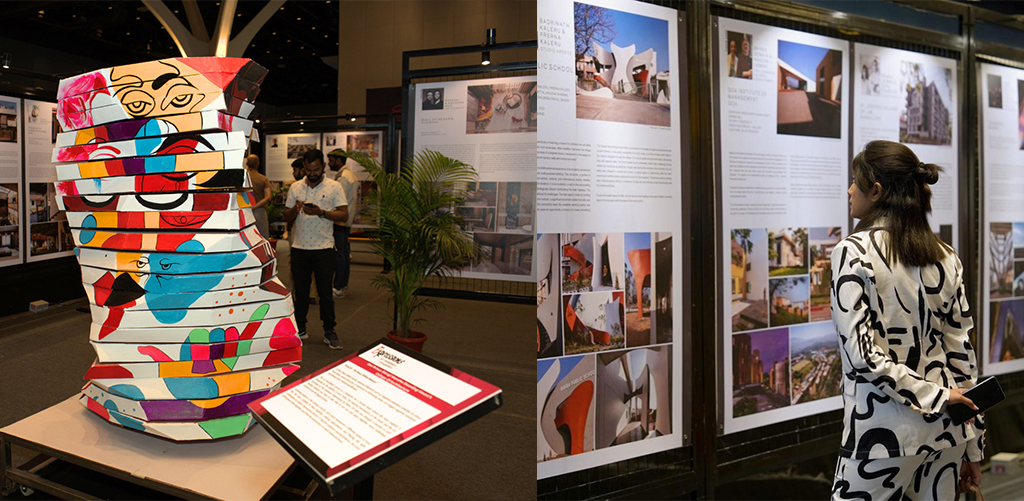
The Design Arena and Art Installation Pavilion are perfect for understanding how design crosses into philosophy and social commentary. Our Interior Design Jediiians have also visited and actively participated in FOAID, thereby attending panel talks and viewing concept installations. These moments of interaction help them understand the “why” behind every design choice and how spatial thinking evolves into innovation. 

ACETECH – Innovation Meets Interior Design

Hosted in major cities like Delhi, Mumbai, and Bengaluru, ACETECH is Asia’s largest expo for building materials and architecture technologies.

From Greenlam Laminates to Jaquar Lighting and Godrej Interio, brands unveil smart home tech, energy-efficient designs, and sustainable materials. It’s where design meets real-world utility.

For future Interior Designers, it’s an essential lesson in specifications, safety codes, and sustainable planning—core pillars taught at JD Institute, where material science and technology are woven into design education.

Interior Lifestyle India by Ambiente – The Luxury Showcase

A Mumbai-based show co-hosted with Ambiente Frankfurt, this exhibition features curated selections from Ellementry, Freedom Tree, and Good Earth.
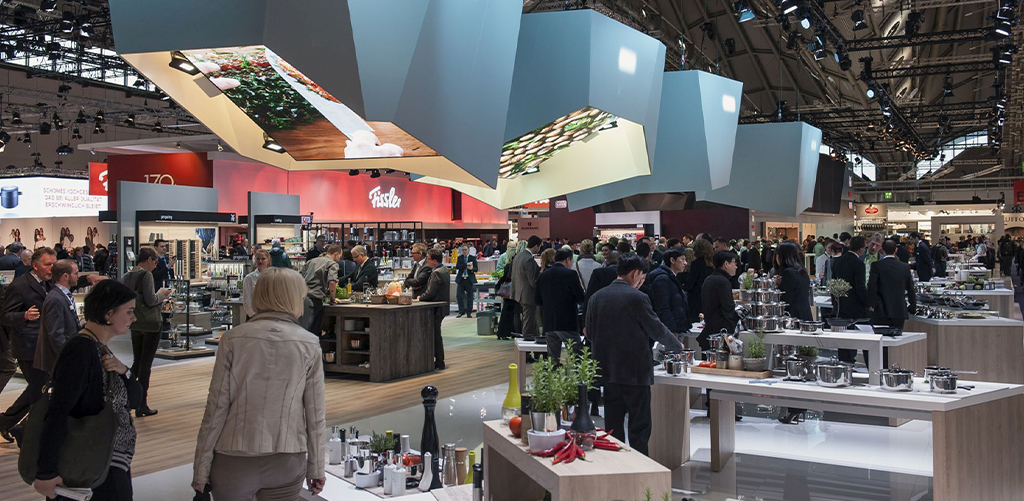
Luxury interiors aren’t just about expensive materials—they’re about curated storytelling, tactile contrasts, and ambiance.

JD Institute introduces these learnings early on, with luxury space design and styling being part of advanced interior modules. Visits to such events help students connect curriculum with high-end design practices.

DelhiWood & IndiaWood – Masters of Material

These Bengaluru- and Delhi-based expos focus on the nuts and bolts of interior design—woodworking machinery, fittings, laminates, and joinery.
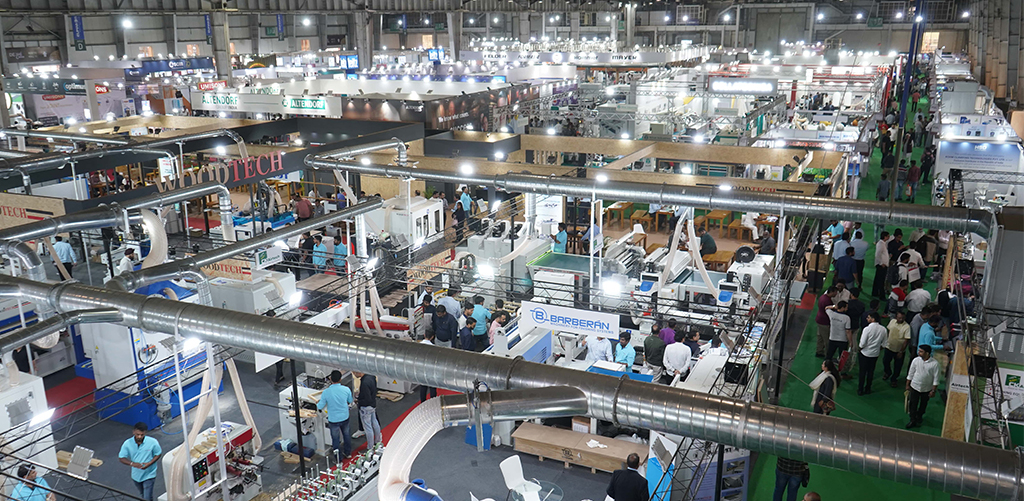
Brands like Hafele, Rehau, and Hettich reveal innovations in materials and smart storage. Design here becomes tactile and technical.

Students learn how furniture is crafted, understand joinery systems, and experience the balance between craftsmanship and automation—topics JD Institute includes through hands-on workshops and industry-linked assignments.

A Classroom Without Walls: Learning That Lives

India’s top interior design fairs are living textbooks, offering real-world insight that transforms theory into reality. And JD Institute of Fashion Technology ensures its students aren’t just readers—they’re participants.

Whether it’s visiting India Design ID, FOAID, or curated trade exhibitions, JD students are constantly immersed in experiences that expand their design thinking and prepare them for the demands of tomorrow’s interiors. Now, if you want a design education that starts with curiosity and leads to creation, then JD Institute is already your first step.

Aspiring Visual Merchandisers, This Is the Language You Need to Learn

Tuesday, April 8th, 2025

“Ever bought something just because it felt right?”
That magnetic pull, the sudden urge to walk into a store, the sense that the brand “gets you”—it’s not luck. It’s semiotics at play. A powerful yet silent storyteller that thrives in the world of Visual Merchandising. While the mannequins may stand still, the signs and symbols surrounding them speak volumes.
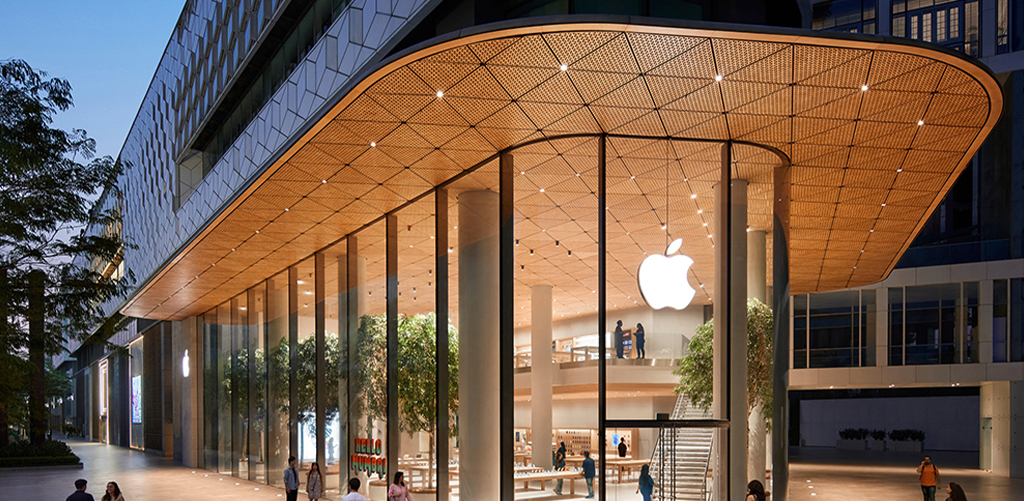
Let’s decode this unspoken language and explore how big brands use semiotics to influence your every retail move—and what future visual merchandisers can learn from it.

The Apple Effect: Minimalism as a Sign of Modernity

Walk past an Apple Store, and you’ll see a clean, sleek, and futuristic space with glowing white tones and minimal product display. The use of space, light, and simplicity communicates more than just aesthetics—it screams innovation, sophistication, and trust

Semiotics Lesson?
Symbols like white space, glass, and geometry denote clarity and control—traits consumers subconsciously connect with high-end technology. Visual merchandisers can learn how even silence (or in this case, minimalism) can be loud in branding.

At JD Institute of Fashion Technology, students studying Visual Merchandising dive into such perspectives to understand how to decode modern-day design narratives and apply them in real-world setups.

Starbucks & The Green Siren: Cultural Codes and Identity

Ever wondered why Starbucks doesn’t need a full logo anymore? That green siren symbol alone does the job. Starbucks has built a global language of semiotics that includes earth tones, rustic wood finishes, and handwritten chalkboard menus.

Semiotics Lesson?
The brand taps into “third place” culture—neither home nor office, but a comforting space in between. The symbols create a warm, community-driven identity, making you want to stay, sip, and share.

Visual merchandisers must learn that it’s not just about how things look, but what they represent. This is precisely where design education, like the one provided at JD Institute, bridges the gap between aesthetics and psychology.

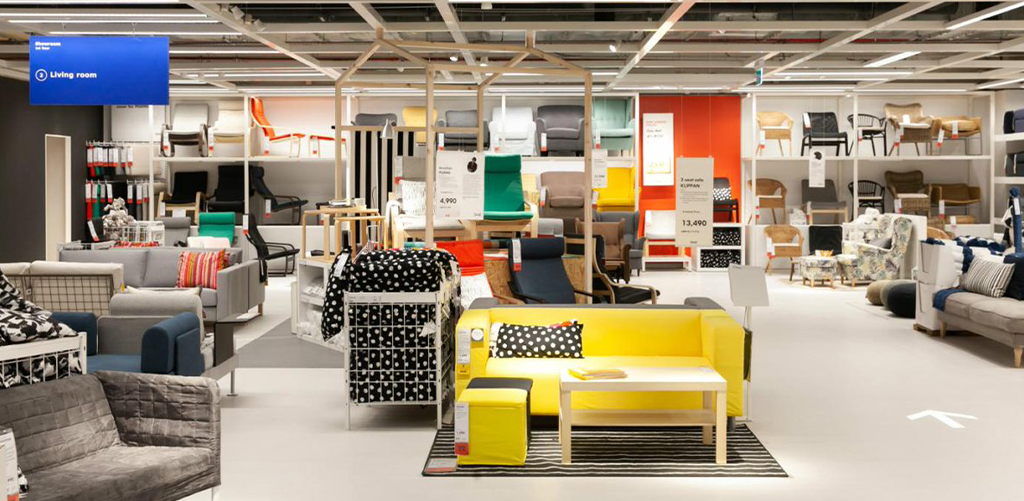
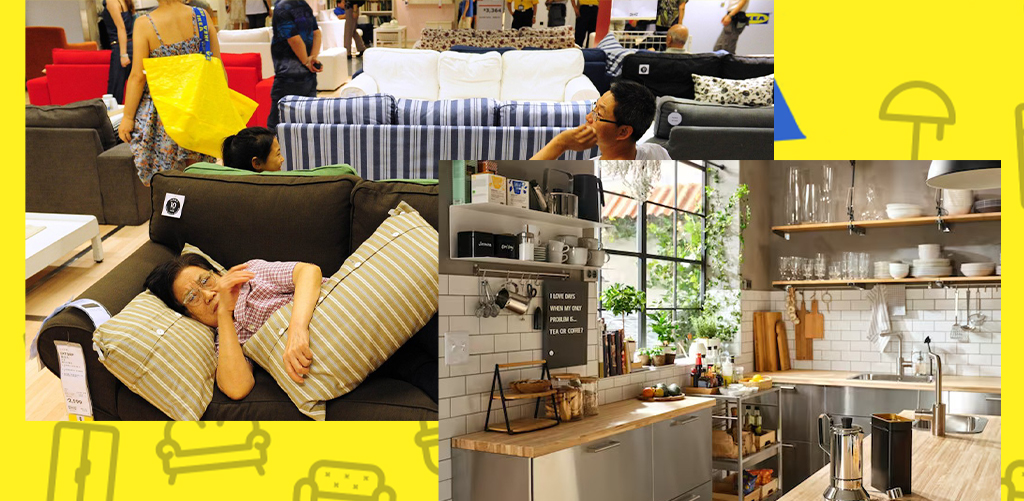
IKEA’s Maze: Navigating Semiotics of Lifestyle

IKEA doesn’t just sell furniture—it sells living. Ever noticed how you’re guided through a fixed path inside the store, each section resembling a real home setup? That’s semiotics in motion. 

Semiotics Lesson?
From Swedish product names to cozy mock apartments, every element suggests simplicity, efficiency, and homeliness. The layout itself communicates a journey through possibilities—nudging you to imagine your future within those four walls.

Visual merchandisers can pick up valuable cues on how the placement of a product and the environment around it can change buying behavior entirely.

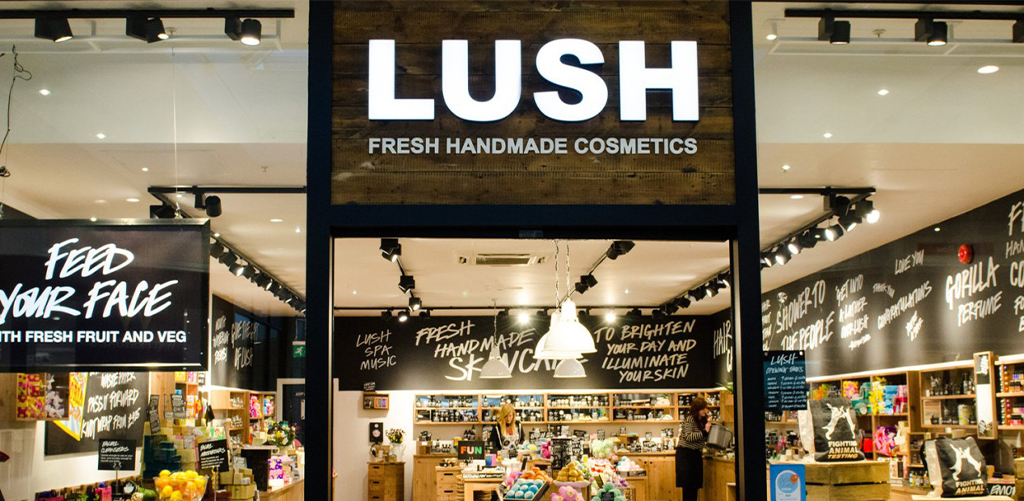
Lush Cosmetics: Sensory Symbols and Ethical Signs

Stepping into a Lush store is like entering a vibrant, fragrant garden. The bright visuals, bold signage, and zero-packaging displays communicate an ethical, organic lifestyle.

Semiotics Lesson?
Colors, smells, and textures work as semiotic triggers. Blackboard signs signal handmade authenticity, and the absence of plastic stands for sustainability. It’s an experience that feels personal and principled.

A deep understanding of how sensory signs affect decision-making is part of what JD Institute instills in its Visual Merchandising curriculum—blending creativity with responsible messaging.

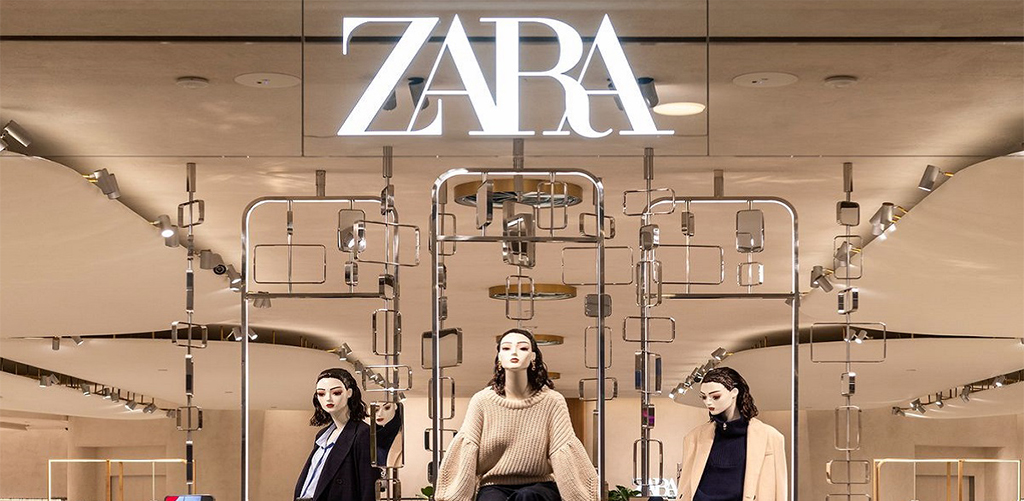
Zara: Fast Fashion’s Unspoken Urgency

Zara’s constantly changing window displays and limited stock signage create an unspoken message: Buy now or regret later.

Semiotics Lesson?
Dark themes, spotlighted products, and sleek mannequins communicate exclusivity, while the ever-changing inventory sets a tone of urgency. The symbols here manipulate time and trend perception—essential tools in fashion visual merchandising. Aspiring Visual Merchandisers must learn to read these retail signs like a second language, and prepare themselves to lead future brand strategies confidently.

Decoding the Future with the Right Lens

Semiotics isn’t just for marketers or philosophers—it’s the everyday toolkit for visual merchandisers. In a world driven by symbols, those who can decode, construct, and communicate meaning through design are the real trendsetters.

But to master this art, you need more than instinct—you need the right training. That’s where the JD Institute of Fashion Technology steps in, offering a deep dive into the psychology, culture, and design thinking behind successful visual merchandising. So next time you’re walking past a window display and find yourself slowing down—ask yourself:
“What story is it trying to tell me?”
And better yet, “Could I be the one to tell it next?”

Why Fashion Designers Can’t Ignore Color Psychology

Monday, April 7th, 2025

“If color were a language, fashion would be poetry.”

Ever walked past someone and felt captivated—without them saying a word? Chances are, it was their outfit’s color doing the talking. In fashion, color is more than a visual element; it’s an emotional tool, a storytelling device, and a strategic choice that can elevate a collection from good to unforgettable.

From high-end runways to streetwear revolutions, understanding the science of colors is key to creating impact in the world of fashion. Let’s break down how color theory, psychology, and palette play come together to shape the style stories we love.

The Foundation of Color Theory in Fashion Design

Before designers sketch, they plan their colors. Color theory offers the guidelines to combine hues in ways that feel pleasing, striking, or even disruptive—depending on the intent.

The color wheel is central here. Designers experiment with:

  • Complementary colors for contrast (e.g. purple and yellow)
  • Analogous colors for harmony (e.g. blue, turquoise, green)
  • Triadic colors for dynamic balance (e.g. red, yellow, blue)

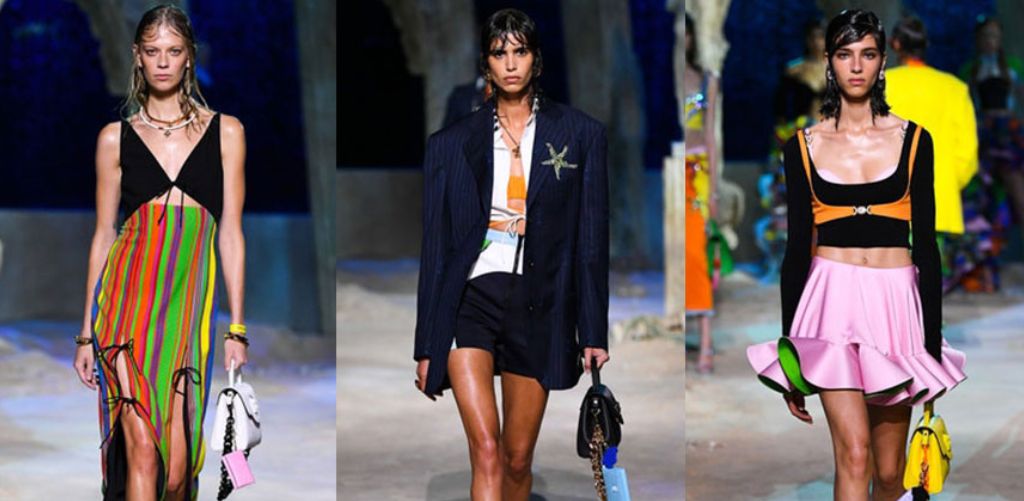
Famous Example: Versace’s 2021 runway was a masterclass in triadic play—bright reds, bold yellows, and rich blues danced together in perfect balance.

Color Psychology: Fashion’s Emotional Trigger

Color can influence how a collection feels and how it’s perceived. Color psychology studies how hues trigger emotions and behaviors. Designers use this to build emotional narratives.

  • Green: Nature, balance, and growth
  • Purple: Luxury, mysticism, and individuality
  • White: Purity and peace
  • Orange: Energy and creativity

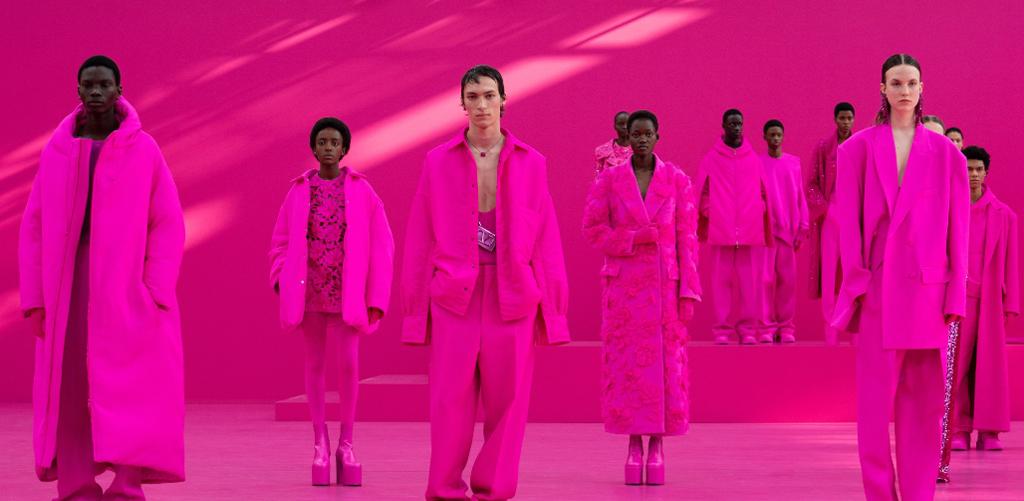
Famous Example: Valentino’s head-to-toe pink 2022 collection was more than bold—it was a celebration of optimism post-pandemic.

At the JD Institute of Fashion Technology, students are taught how to pair psychological principles with trend forecasting to create collections that connect deeply with the audience.

The Mood Board Magic: Building Color Palettes with Purpose

Color palettes aren’t random—they’re thematic. Designers curate mood boards that reflect their vision, pulling colors from nature, architecture, culture, and art.

Key considerations:

  • Season (pastels for spring, jewel tones for fall)
  • Message (activism, elegance, nostalgia)
  • Audience (youth, luxury buyers, streetwear fans)

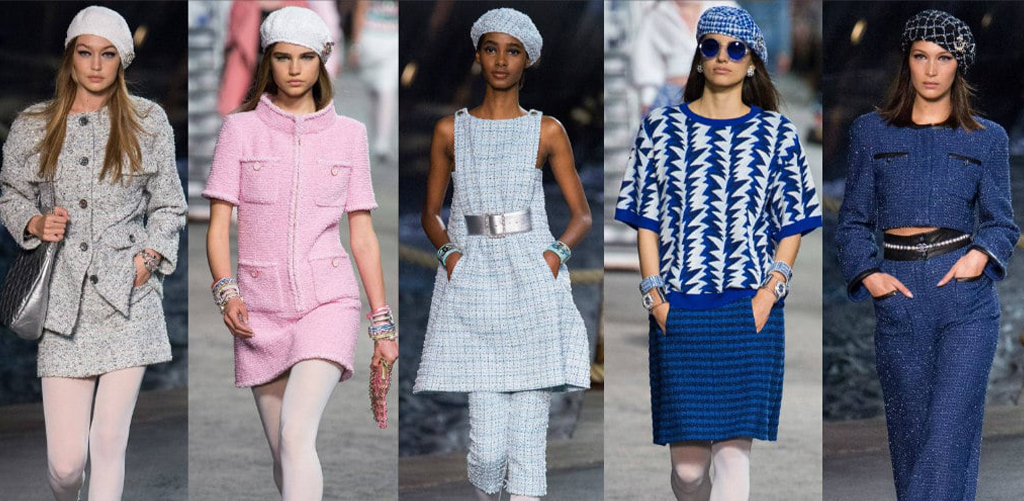
Famous Example: Chanel’s Cruise Collection often features sea-inspired hues—think turquoise, sandy beige, and deep navy—perfectly capturing the travel mood.

JD Institute equips students with the knowledge to build mood boards and palettes in their Fashion Design course that align with both creative instinct and commercial success.

Monochrome and Minimalism: When Less Is More

Designers often embrace monochrome to focus attention on silhouette, cut, and texture. One-color collections offer subtlety with sophistication that has benefits as: 

  • Sleek and timeless
  • Easier to mix and match
  • Focus shifts to garment construction

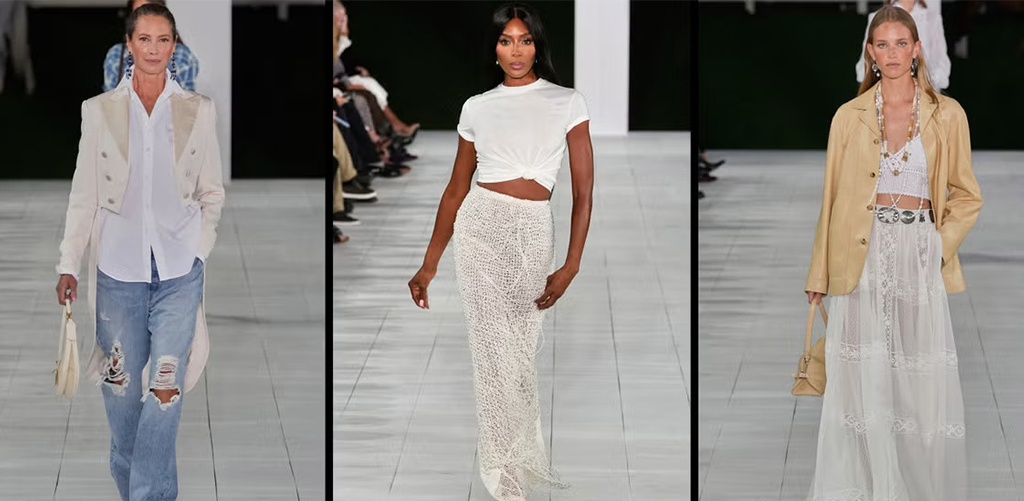
Famous Example: The iconic all-white looks from Ralph Lauren Spring 2020 were ethereal and elegant—pure monochrome magic.

Visual Illusion and Perception: Designing with Intent

Colors can shape how we perceive bodies. Strategic placement of light and dark shades can lengthen, slim, highlight, or soften body contours.

Key techniques include:

  • Dark side panels for slimming effect
  • Bright accents to draw focus
  • Gradient prints for depth

Famous Example: Stella McCartney’s illusion dresses used panels to flatter every shape—without changing the garment’s size.

Cultural Significance: Color as a Global Language

Color carries deep cultural meaning. Successful designers honor these while crafting global appeal.

Examples:

  • Red: Celebration in China, passion in the West
  • Black: Elegance in Europe, mourning in India
  • Gold: Royalty in Africa, wealth globally

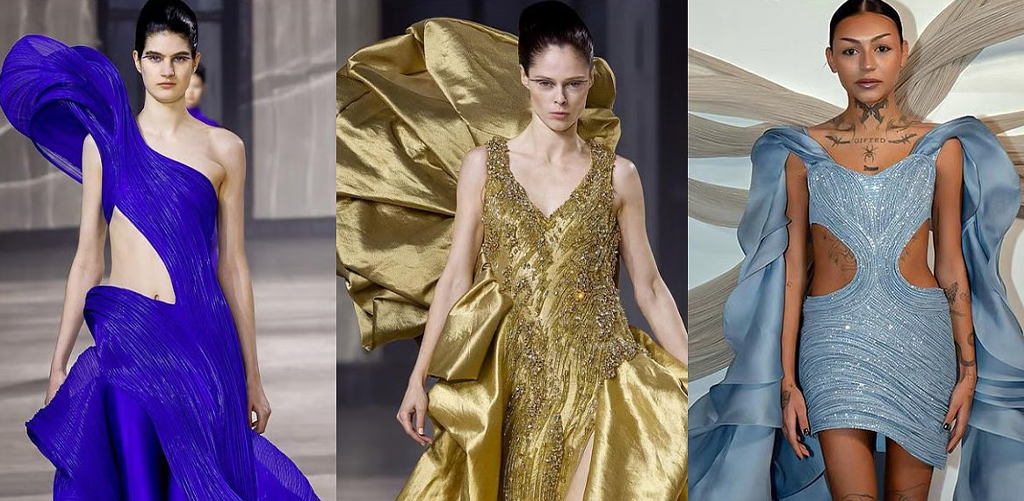
Famous Example: Gaurav Gupta’s use of gold and sapphire blue in couture celebrates both Indian tradition and futuristic silhouettes.

Fashion Design students at JD Institute learn to research and respect these cultural elements while working on global-themed projects.

From Runway to Retail: The Commercial Power of Color

Color isn’t just an artistic tool—it’s a commercial strategy. Studies show that 85% of consumers cite color as the main reason for buying a product.

Retail benefits:

  • Red tags for urgency (sale!)
  • Soft pastels for baby/kidswear
  • Neutrals for long-term wardrobe pieces

Aspiring Fashion Designers at JD Institute are trained on how to blend creativity with market psychology, making sure they get the best of it.

Color Isn’t Just a Choice—It’s a Superpower

Designing with color isn’t guesswork—it’s intention, emotion, and strategy wrapped into one. Whether it’s the calm of blue, the energy of orange, or the luxury of gold—every hue has the power to make fashion unforgettable.

At JD Institute of Fashion Technology, students don’t just learn to design—they learn to think in color. With expert mentorship, hands-on learning, and exposure to cultural as well as global Fashion Design practices, it’s the perfect launchpad for anyone ready to color the world their way.

So what’s your shade of impact? Maybe it’s time to turn your fashion dreams into color-coded reality.

Smart Fashion Styling: Know What Not to Buy

Saturday, April 5th, 2025

What if the next big fashion statement is saying “No” to the latest trends? Social media has always dictated what’s “in,” but now, a new wave of influencers is flipping the script. Enter de-influencing—the trend where fashion bloggers and content creators expose overhyped fashion products, urging their followers to make smarter choices. But why is this movement gaining traction, and what should aspiring fashion stylists learn from it? Let’s dive in.

When Influence Becomes Honesty: What Is De-Influencing?

For years, fashion influencers have promoted must-have products, but with endless sponsorships, consumers have started questioning authenticity. De-influencing is the response—a movement where influencers expose products that don’t live up to the hype.

For example, TikTok creator Alyssa Lenore critiques luxury handbags that aren’t worth the price tag, while Matilda Djerf warns against fast fashion knock-offs that compromise quality.

At JD Institute’s Fashion Styling course, students learn how to build credibility in personal branding—an essential skill for navigating today’s fashion industry.

Overhyped and Underwhelming: Fashion Products That Didn’t Deliver

De-influencers have put the spotlight on several fashion products for all the wrong reasons.

  • UGG Platform Boots – While viral on TikTok, many users later found them uncomfortable and impractical.
  • Marc Jacobs Tote Bag – Once a cult favorite, critics have flagged it for peeling material and poor durability.
  • Shein’s Dupes – Many influencers have exposed fast fashion brands for misleading product images and unsustainable practices.

Aspiring stylists must learn how to differentiate between true quality and marketing hype—something the JD Institute’s Fashion Styling program focuses on through practical training.

Why Are Consumers Trusting De-Influencers?

With excessive sponsored content, many consumers now prefer honest reviews over paid promotions.

For instance, Mikayla Nogueira, a beauty influencer, faced backlash for allegedly exaggerating a mascara’s performance. This incident fueled the de-influencing trend, proving that transparency is more valuable than endorsements.

In India, creators like Komal Pandey, known for her dramatic yet relatable style transformations, have increasingly opened up about the pressure of trends and the beauty of finding one’s authentic voice.

Fashion stylists must adapt to this new landscape. Learning how to communicate authenticity while maintaining industry credibility is something JD Institute emphasizes through its Fashion Styling course.

What Every Fashion Stylist Should Know

If you’re an aspiring stylist, here’s what you should take from this trend:

  • Quality Over Quantity – Understanding fabrics, construction, and longevity is key.
  • Sustainability Matters – Ethical fashion is on the rise, and stylists must guide consumers toward responsible choices.
  • Trends vs. Timelessness – Instead of chasing every new trend, focus on classic styles that stand the test of time.

These insights are crucial for any stylist who wants to be taken seriously in today’s more aware, more conscious fashion world.

Is De-Influencing the Future of Fashion?

While trends come and go, consumer awareness is here to stay. Brands are already shifting toward transparent marketing, and fashion professionals must stay ahead of this shift to remain relevant.

If you want to build a career that blends style with smart decision-making, the Fashion Styling course at JD Institute teaches students how to critically assess, curate, and communicate fashion choices with confidence.

Because in the future of fashion, it’s not just about what to wear—it’s about knowing what not to wear.

The future belongs to stylists who can style smart. Are you ready to be one of them?

Redefining Event Management: Lessons from Global Fan-Driven Events

Friday, April 4th, 2025

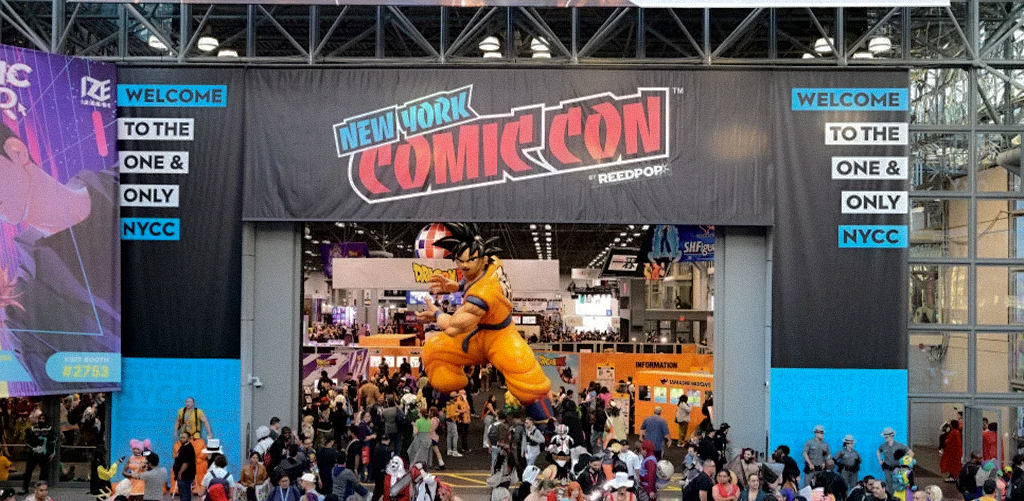
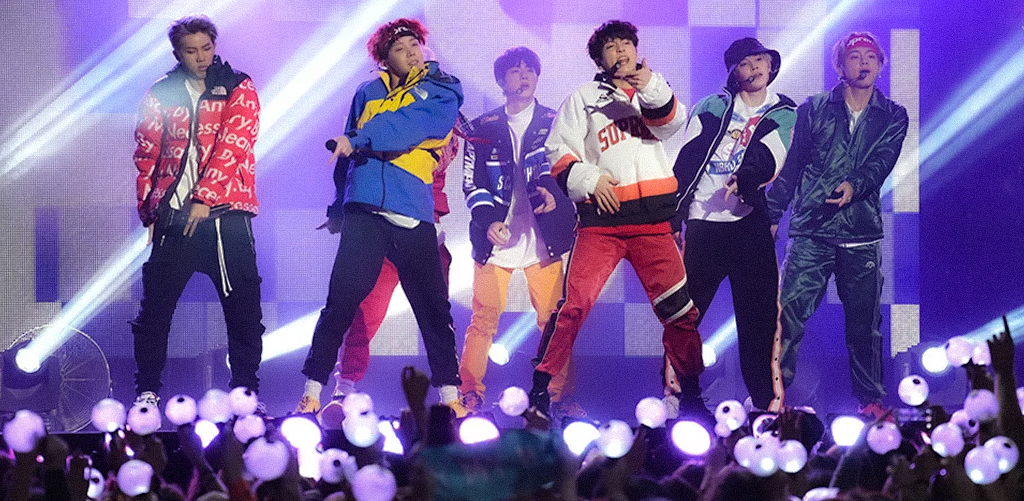
Imagine walking into a space where thousands of people, dressed as their favorite superheroes, musicians, or race car drivers, come together with one goal—to celebrate their passion. The energy is electric, the excitement is contagious, and businesses are paying close attention. Welcome to the new era of event management, where fan-driven events like Comic-Con, BTS ARMY gatherings, and the Formula 1 Grand Prix are setting new benchmarks for engagement, sponsorships, and revenue generation.  

Fandoms: More Than Just Fans, They Drive the Industry

Events today are no longer about just selling tickets and organizing performances. The real power lies in fandoms, which are shaping how events are planned, executed, and monetized. Take Comic-Con, for example—what started as a small comic book convention in the 1970s has grown into a billion-dollar industry, with major movie studios, gaming companies, and celebrities using it as a platform to connect with fans.

The Global Event Management course at JD Institute of Fashion Technology teaches students how to understand audience behavior, leverage pop culture trends, and create events that go beyond expectations.

Ticketing Models: More Than Just Entry Passes

Selling tickets is no longer just about getting people through the door. Events today focus on multiple-tier ticketing models, offering different experiences at different price points.

A perfect example is the Formula 1 Grand Prix. Standard tickets allow entry to the race, but premium packages offer VIP hospitality, exclusive pit lane access, and even meet-and-greet opportunities with drivers. This approach not only increases revenue but also enhances fan engagement.

For event planners, understanding how to price and package tickets is crucial. The Global Event Management program at JD Institute helps students learn about dynamic ticket pricing, VIP experiences, and revenue-maximizing strategies.

Interactivity & Fan Engagement: The Future of Events

The most successful events don’t just entertain—they involve fans. With the rise of digital technology, interactive experiences have become an essential part of event planning. At San Diego Comic-Con, for example, Warner Bros. created a Batman-themed escape room, allowing fans to live inside the world of Gotham.

Similarly, during the BTS online concerts, fans could participate in real-time by customizing digital light sticks, chatting with members, and even appearing on virtual screens during the performance.

This growing trend of interactivity is a game-changer in event management. To succeed in this field, future event planners need to understand how to blend physical and digital experiences to create unforgettable events.

Merchandising: A Billion-Dollar Business

For fan-driven events, merchandise isn’t just an extra—it’s an essential part of the experience. Limited-edition collectibles, clothing lines, and themed accessories generate massive revenue.

Consider Formula 1’s official merchandise—teams release exclusive racing gear, which sells out within days. Similarly, at BTS fan events, everything from official albums to light sticks is a must-have for ARMYs, contributing significantly to the band’s revenue.

Understanding the impact of merchandise sales in events is crucial for future event managers, and courses like JD Institute’s Global Event Management program cover such strategies in it.

What Can We Learn From These Trends?

The success of Comic-Con, BTS ARMY events, and the F1 Grand Prix teaches us that fan engagement is the future of event planning. These events are not just about performances or races; they are full-fledged experiences that blend branding, interactivity, digital integration, and strategic ticketing.

To build a career in this dynamic field, aspiring event planners must learn how to create events that don’t just attract audiences but turn them into loyal communities. If you have the vision to build events that bring people together and create unforgettable experiences, the Global Event Management course at JD Institute is the perfect place to start your journey.

So, are you ready to make your mark in the event industry?

The Changing World of Graphic Design: What You Need to Know

Thursday, April 3rd, 2025

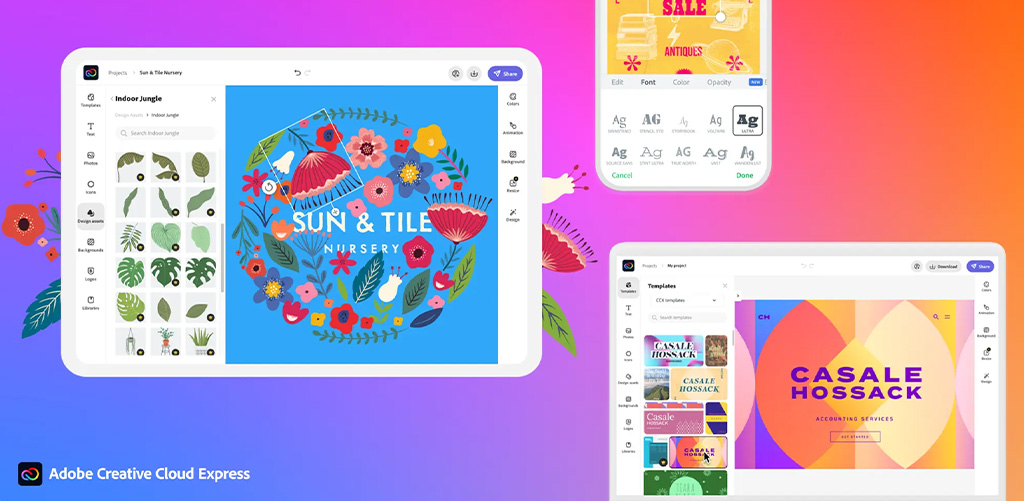
Imagine walking into a bakery where cakes are made in minutes using pre-mixed ingredients. They look good, but do they have the richness of a cake made from scratch by a skilled baker? This is exactly what’s happening in the world of graphic design today. With beginner-friendly tools like Canva, Figma, and Adobe Express, anyone can create designs effortlessly. But does that mean professional designers are no longer needed? Let’s explore how these tools are shaping the industry and what aspiring designers should focus on.

How Easy-to-Use Tools Are Changing Graphic Design

Graphic design used to require years of practice with complex software like Adobe Photoshop and Illustrator. Today, platforms like Canva, Figma, and Crello make it easy to create designs with simple drag-and-drop features. These tools have made graphic design more accessible, allowing small businesses, influencers, and startups to create their own marketing materials.

However, while these tools are great for quick designs, they lack originality and depth. This is why learning the core principles of design in Communication Design at JD Institute is essential. It helps students develop skills that go beyond pre-made templates, allowing them to create unique and impactful designs.

Are Professional Designers Being Replaced?

A common concern among designers is whether these easy-to-use tools will take away job opportunities. The reality is that while they make design accessible, they cannot replace creativity, branding knowledge, or complex design skills.

Think of it like this—anyone can take a photo with their phone, but that doesn’t make them a professional photographer. Brands still need expert designers to create unique visual identities and high-quality campaigns. Tools like Adobe Express and VistaCreate are useful for basic tasks, but professional designers offer storytelling, strategy, and innovation—things no template can provide.

This is why aspiring designers should invest in learning through structured courses like JD Institute’s Communication Design program, where they gain expertise in advanced software and design principles.

The Shift from Execution to Conceptualization

Since beginner-friendly tools handle the technical aspects of design, the future of graphic design is shifting towards conceptualization and branding. Companies are now looking for designers who can develop creative campaigns, brand identities, and interactive experiences.

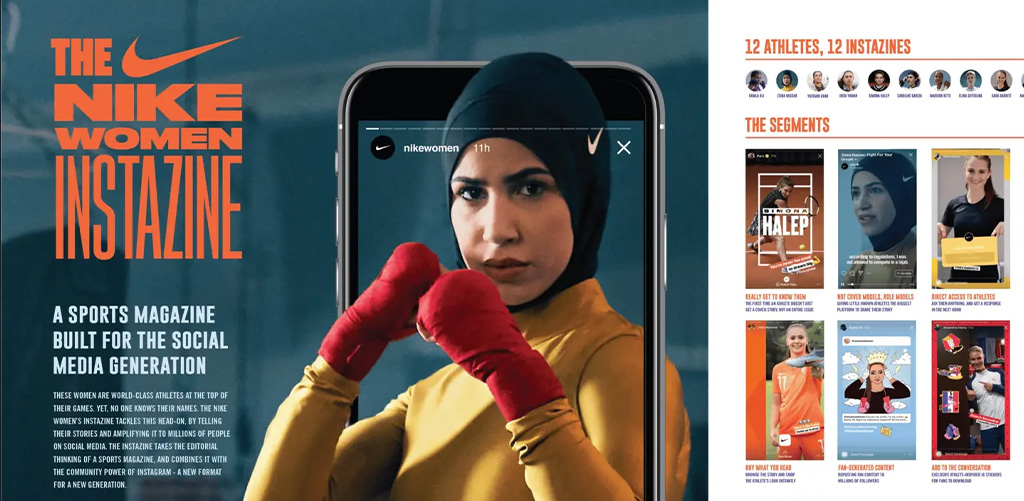
For example, brands like Nike and Apple don’t just rely on good designs—they focus on storytelling and branding. This is why structured learning in design thinking, typography, and UX/UI design is essential to staying ahead.

What Aspiring Designers Should Focus On

If you’re an aspiring designer, the key to success is to go beyond just using tools and focus on developing strong design skills. Here’s what you should learn:

  • Mastering Professional Software – Tools like Adobe Creative Suite (Photoshop, Illustrator, After Effects), Sketch, and Procreate help in creating high-quality, custom designs.
  • UI/UX and Motion Graphics – The future is interactive. Learning UX/UI design with Figma and Adobe XD will open more career opportunities.
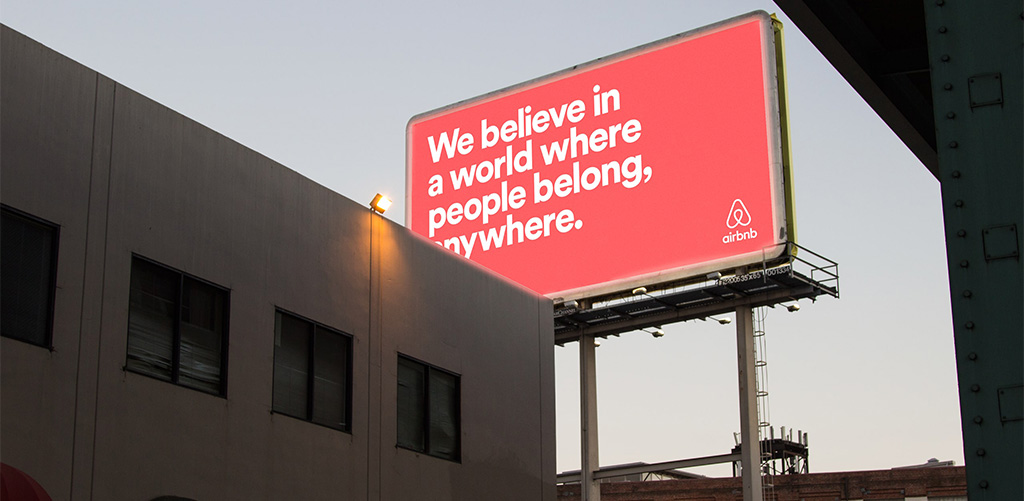
  • Branding & Visual Identity – Brands like Coca-Cola and Airbnb use design to create strong brand identities. Understanding this will set you apart.
  • Typography & Color Psychology – Great designs aren’t just about images; colors and fonts play a huge role in communication.
  • Creative Thinking & Problem-Solving – No tool can replace human creativity. Companies need designers who can think outside the box.

The Need for Expert Designers

Beginner-friendly tools have made graphic design more accessible, but they haven’t eliminated the need for professionals. Instead, they’ve shifted the industry towards higher-level creativity and branding. If you’re serious about a career in graphic design, don’t just rely on quick-fix tools—invest in learning, build a strong foundation, and master the skills that will make you stand out. And if you’re looking for the perfect place to begin, JD Institute’s Communication Design course will help you develop the expertise needed to excel in the ever-evolving world of graphic design.

Thinking Like a Designer? Start with These Magazines

Wednesday, April 2nd, 2025

Ever wondered how some spaces instantly feel inviting and visually stunning while others seem uninspired? Great interior design isn’t just about aesthetics—it’s about understanding trends, materials, and functionality. For aspiring designers, staying ahead requires more than creativity; it demands continuous learning from the best. Interior Design magazines are an incredible resource, offering a glimpse into the latest styles, expert insights, and transformative ideas that shape the industry.

From global masterpieces to homegrown gems, here’s a curated list of must-read interior design magazines that will shape your design journey.

Architectural Digest (AD): The Global Design Bible

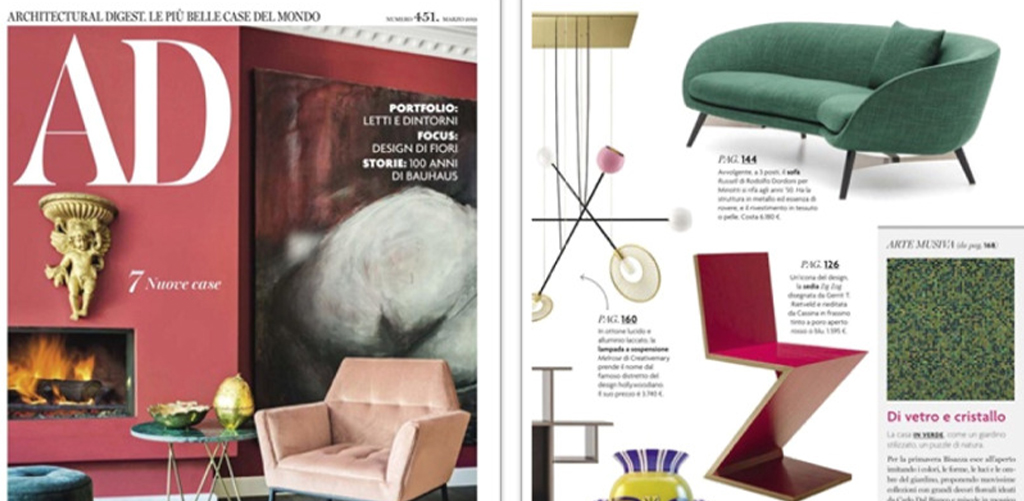
Architectural Digest is the holy grail of interior design, offering an exquisite blend of high-end architecture, stylish interiors, and celebrity homes. With editions across the US, India, France, and more, it provides global perspectives on evolving aesthetics.

  • Why Read? AD showcases luxurious residences, exclusive interviews with top designers, and trendsetting decor ideas. From Zaha Hadid’s futuristic creations to Kelly Wearstler’s bold color palettes, every issue is a goldmine of inspiration.
  • Bonus Tip: The Indian edition of AD covers local design sensibilities, making it a must-read for designers who want to blend international styles with Indian heritage.

Reading AD gives future designers a taste of global excellence, helping them develop a refined design eye for premium and high-end projects.

Elle Decor: Where Fashion Meets Interiors

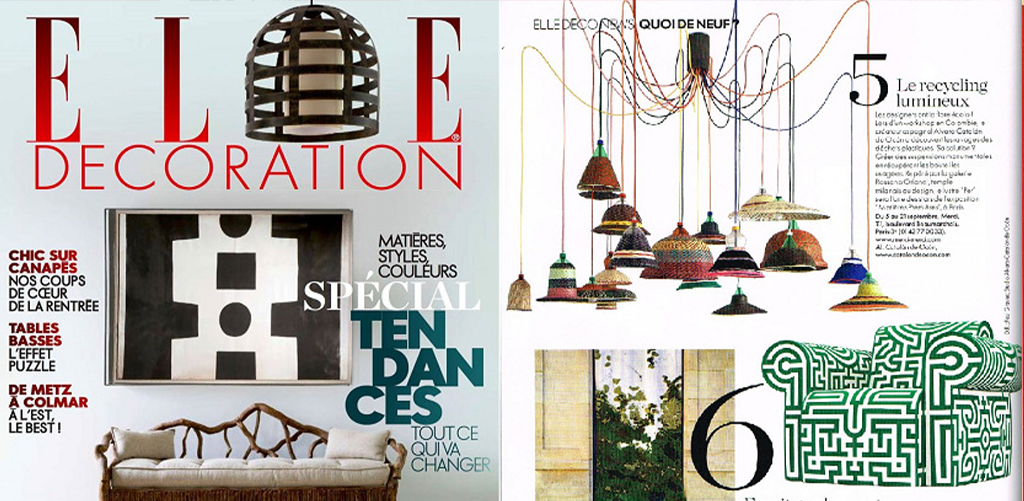
A perfect blend of fashion and home styling, Elle Decor is for those who love contemporary and avant-garde designs.

  • Why Read? It delves into chic interior setups, styling hacks, and the latest design innovations. From minimalistic Scandinavian interiors to extravagant French aesthetics, Elle Decor introduces designers to diverse styles.
  • Pro Insight: If you’re fascinated by how textiles and patterns influence interior spaces, this magazine is a masterclass in layering elements for the perfect look.

Every issue is a guide to mastering elegance and functionality, a crucial aspect of creating visually striking yet practical spaces.

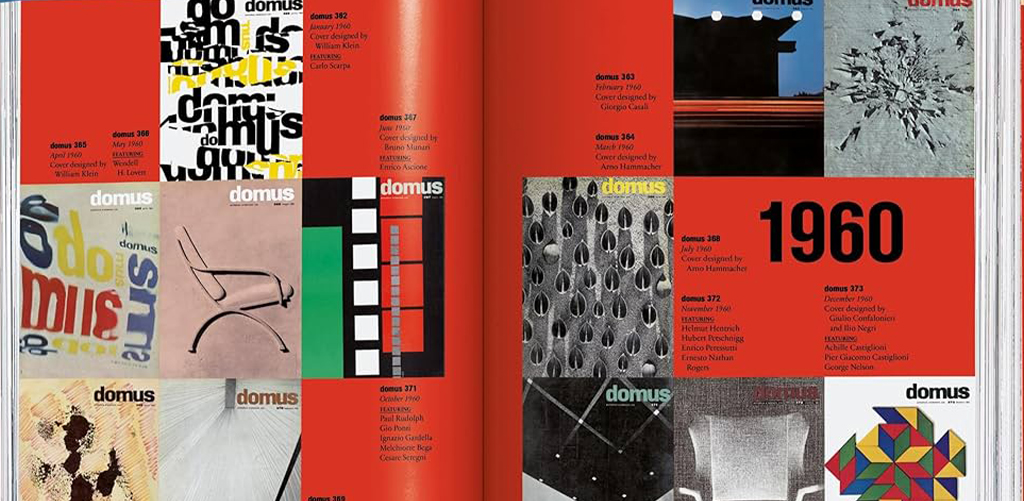
Domus India: Architectural Excellence with an Indian Touch

For those who want a deep dive into architectural concepts alongside interiors, Domus India offers intellectual insights into urban design, art, and culture.

  • Why Read? It provides analytical and well-researched content on contemporary architecture, traditional craftsmanship, and sustainable interior solutions. With a strong focus on Indian design sensibilities, it helps aspiring designers connect their work with cultural heritage.
  • Sustainability Alert: With eco-friendly designs becoming a key aspect of modern interiors, JD Institute ensures students learn about sustainable materials, much like what Domus India advocates.

Understanding design through cultural and environmental perspectives makes a designer more versatile, a skill highly valued in the industry.

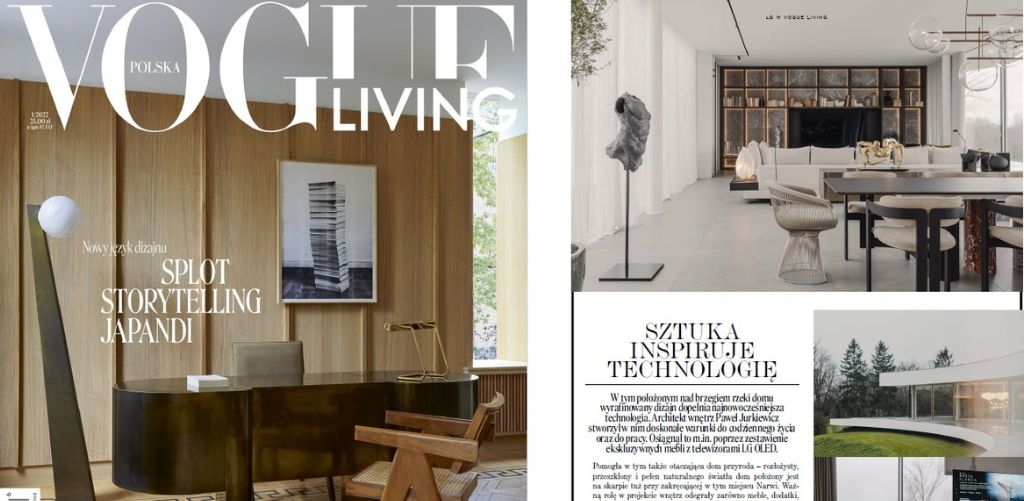
Vogue Living: Where Luxury Meets Lifestyle

Vogue Living is all about high-end, aspirational interiors with a touch of luxury and artistic influence.

  • Why Read? This magazine beautifully combines interior styling with fashion, art, and culture. It’s a must-read for those who wish to design for elite clients and luxury spaces.
  • High-End Inspiration: From celebrity homes to couture-inspired interiors, Vogue Living provides an exclusive look into the world of stylish, opulent living spaces.

For future designers, Vogue Living is an essential read to understand how interiors and fashion influence each other, creating spaces that feel both luxurious and expressive.

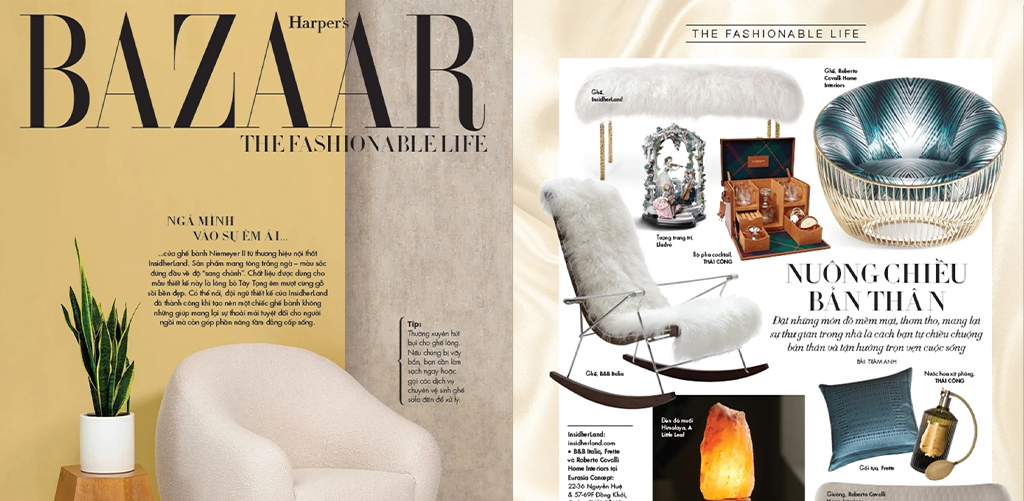
Harper’s Bazaar Interiors: The Art of Sophisticated Spaces

Harper’s Bazaar Interiors is a magazine that celebrates the intersection of art, culture, and high-end interior design.

  • Why Read? It offers deep insights into luxury interiors, curated spaces, and the latest design trends embraced by the elite.
  • Luxury and Beyond: Whether it’s a modern penthouse or a heritage restoration project, Harper’s Bazaar Interiors explores timeless elegance in interior spaces.

This magazine is a go-to resource for understanding how refined aesthetics and storytelling through interiors can create breathtaking spaces.

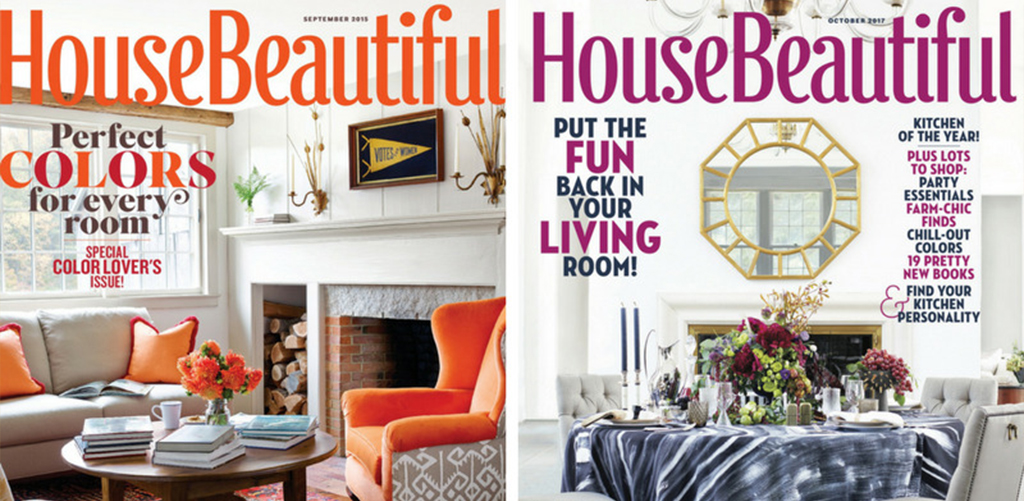
House Beautiful: The Everyday Designer’s Guide

If you love practical yet stunning home designs, House Beautiful is the go-to magazine. Unlike high-end luxury publications, this one focuses on real, accessible design ideas.

  • Why Read? It provides budget-friendly decor ideas, color guides, and DIY inspirations that help future designers understand client-friendly design solutions.
  • Trend Check: Their ‘Color of the Year’ section is a must-follow for those keen on staying ahead in color trends and combinations.

Learning how to create beautiful yet affordable interiors is a skill that will always be in demand.

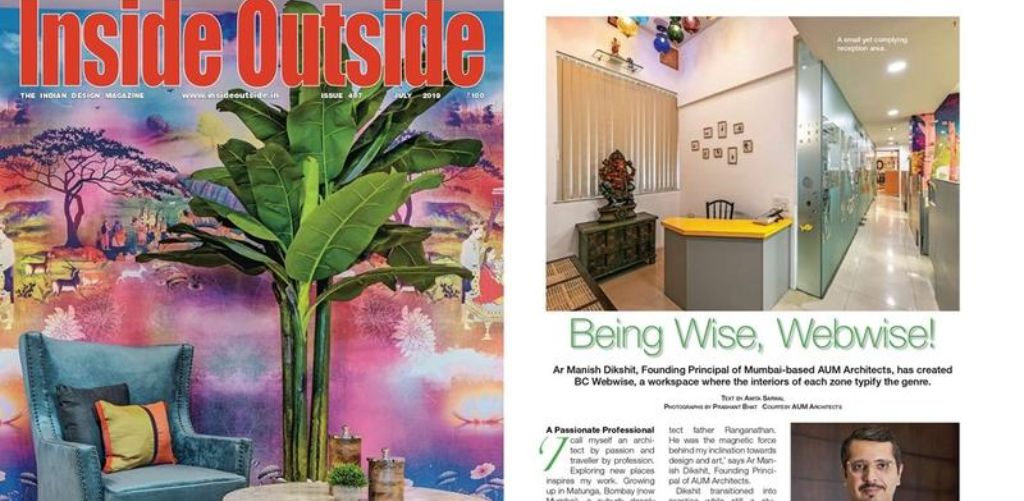
Inside Outside: India’s Oldest Interior Design Magazine

A pioneer in Indian interior design publications, Inside Outside has been setting benchmarks for decades.

  • Why Read? It covers everything from residential interiors and landscaping to commercial spaces, with an in-depth analysis of materials, craftsmanship, and design principles.
  • Pro Tip: Understanding Indian spatial planning is crucial, and this magazine helps designers bridge the gap between tradition and contemporary needs.

A strong foundation in local design principles makes a designer capable of innovating while staying true to cultural roots.

Read, Learn, Create: The Future Awaits

Being an interior designer is not just about choosing the right fabrics or arranging furniture; it’s about vision, knowledge, and storytelling through spaces. The best designers never stop learning, and these magazines are the perfect gateway to design excellence.

At JD Institute, students don’t just read about Interior Design—they live it. Through hands-on projects, international collaborations, and exposure to real-world industry trends, they gain an unparalleled understanding of what it takes to be a modern designer.

So, pick up a magazine, let creativity flow, and start shaping the future of interior design—one inspired idea at a time!

Ever Wondered How Designs Go Global? Here’s Your Answer!

Wednesday, April 2nd, 2025

Imagine walking into a McDonald’s in another country and seeing a burger you’ve never heard of before. Or stepping into an IKEA store where the furniture looks a little different from what you’re used to. Brands all over the world adapt their designs to fit local cultures while still maintaining their global identity. This balance between global appeal and local preferences is what makes design such a powerful tool in business.

At JD Institute, students are taught how to blend latest design trends with local aesthetics, ensuring they can create designs that resonate with diverse audiences. Understanding cultural nuances is a crucial skill in today’s interconnected world, and JD Institute prepares students to master this art.

Coca-Cola – One Brand, Many Flavors

Coca-Cola is a global brand, but it understands that people in different countries have different taste preferences. In Japan, Coca-Cola introduced flavors like Green Tea Coke and Peach Coke to match local tastes. In India, the brand launched Coca-Cola Spiced, catering to the love for bold flavors. Even the sweetness level of Coke is adjusted in different countries to suit local preferences.

At JD Institute, students learn how global brands modify their products and designs to connect with local cultures while keeping their identity strong. This knowledge helps them create designs that resonate worldwide.

IKEA – Changing Furniture for Different Lifestyles

IKEA is famous for its Scandinavian designs, but the company knows that homes and lifestyles vary around the world. In China, where apartments are often small, IKEA focuses on space-saving furniture. In India, they introduced larger kitchen storage and daybeds inspired by traditional charpoys to fit local needs. By understanding how people live in different places, IKEA makes its products more useful and appealing.

At JD Institute, students in Interior Design study how culture affects design choices, making them ready to create products that fit different markets.

Nike – Sportswear That Feels Personal

Nike is a global sports brand, but its designs are not the same everywhere. In Brazil, Nike promotes football gear, while in China, it focuses on running shoes because marathon running has become very popular there. Nike also releases special sneakers for events like Chinese New Year, adding cultural patterns and colors to make them more meaningful for local customers.

This ability to mix global brand identity with local traditions is something JD Institute teaches, ensuring students can create products that are both trendy and culturally relevant.

Starbucks – A Coffee Shop That Feels Like Home

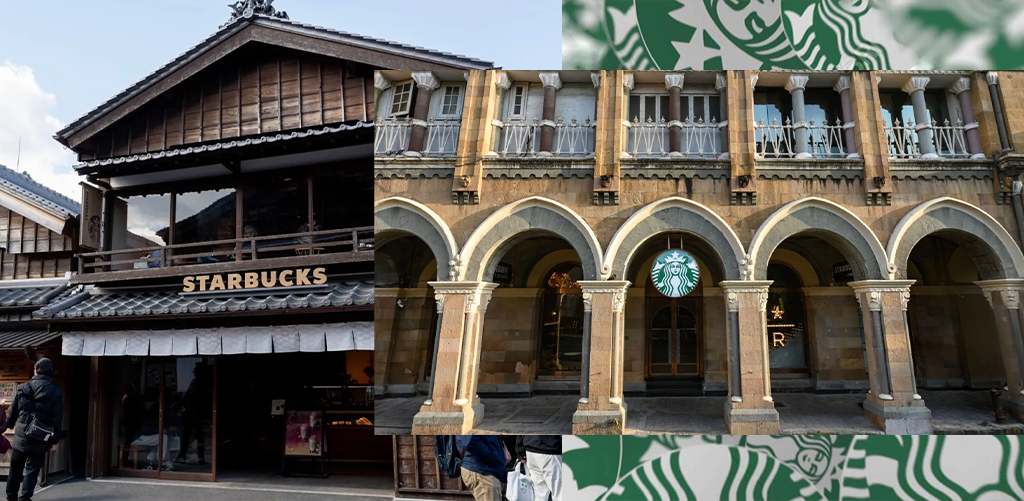
Starbucks is known for its coffee, but did you know that its store designs change based on location? In Japan, some Starbucks stores have wooden exteriors inspired by traditional tea houses. In India, some stores include local design elements like Rajasthani-style windows. The menu also adapts, offering Matcha Green Tea in Japan and South Indian filter coffee in India.

Understanding local preferences is key to making customers feel comfortable, and JD Institute helps students master this skill in design and branding, especially in Communication Design.

Apple – Keeping It Simple Yet Effective

Apple takes a different approach compared to other brands—it keeps its designs the same everywhere. However, it does make small changes, like offering different keyboard layouts for various languages or adding software features that suit different regions. Apple proves that sometimes, the best way to connect with people globally is through a simple and consistent design. Aspiring design students must explore both universal and localized design approaches as this will prepare them to create products that work for a wide audience.

Why Adaptable Design Matters

Design is not just about making something look good—it’s about making people feel connected to a product, no matter where they are. Brands like McDonald’s, Nike, and Starbucks show that small changes in design can make a big difference in how people experience a brand. For students who want to master this art, JD Institute provides the perfect learning environment. Through their courses in fashion, interior, communication design, students gain a deep understanding of how global and local influences shape creativity.

Real-World Fashion Insights: JD Institute Students at B.K. Fashions

Wednesday, April 2nd, 2025

Fashion is not just about glamorous runways or trendsetting designs—it’s a meticulously crafted process that begins long before a garment reaches the shelves. To truly understand fashion, one must step into the world of manufacturing, where creativity meets precision.

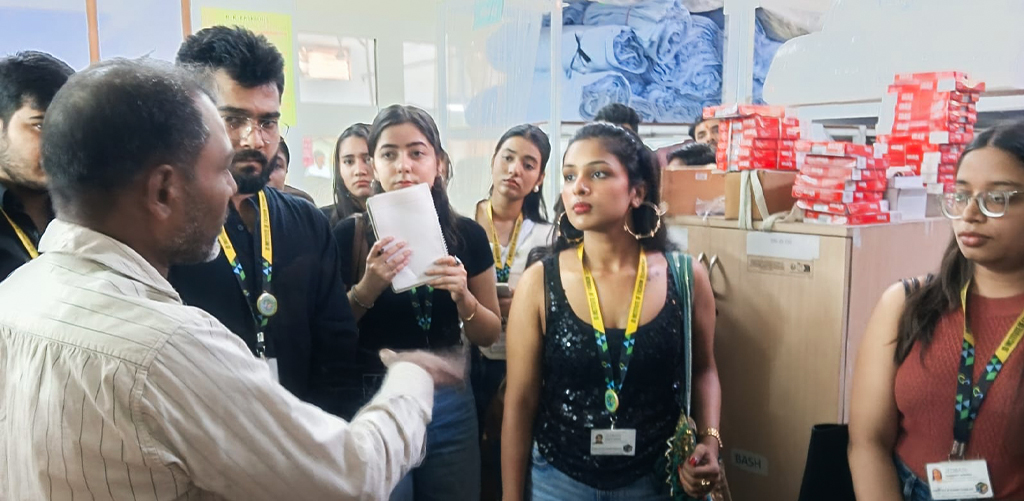
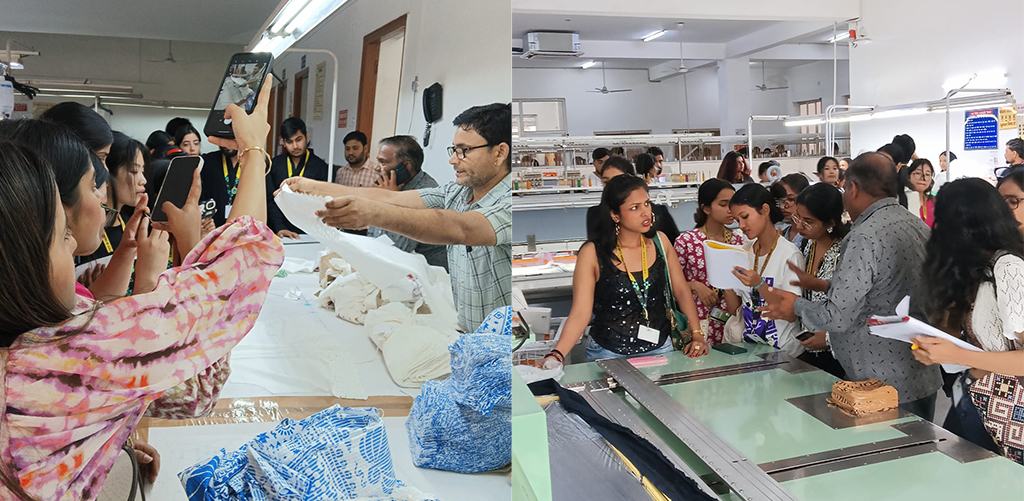
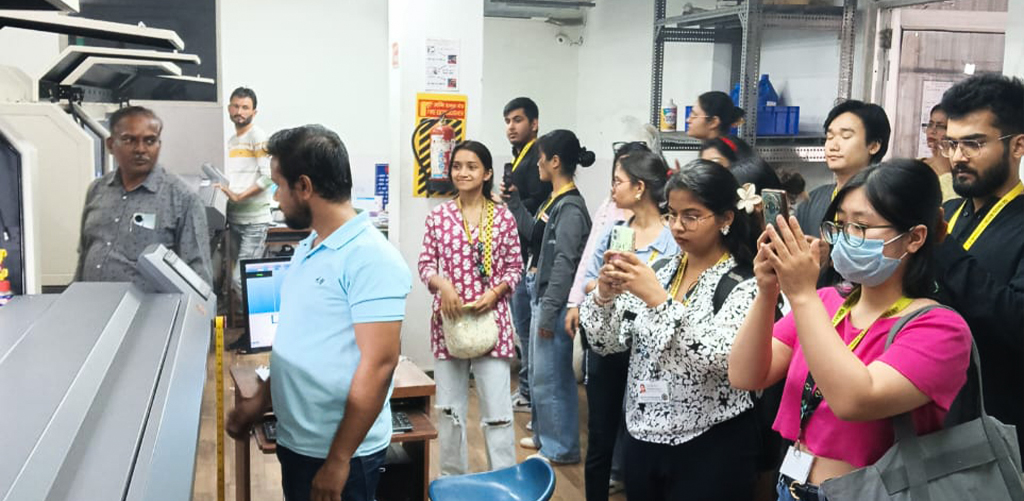
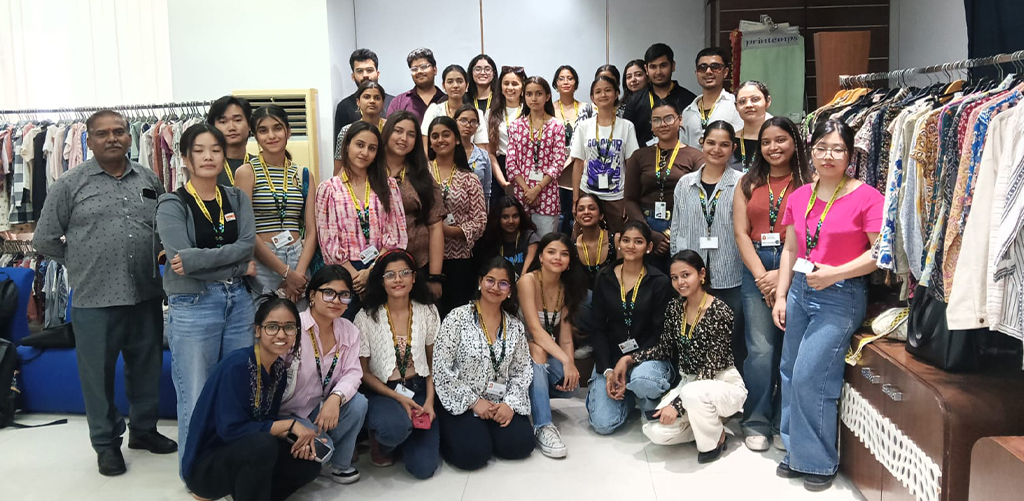
Recently, our students from  Fashion Design and Fashion Business courses, took this journey firsthand, visiting B.K. Fashions in Noida. This wasn’t just another classroom lesson—it was a deep dive into the very core of fashion production, where ideas transform into tangible products through skill, technology, and teamwork.

A Comprehensive Look at Garment Manufacturing

At B.K., students were given a detailed tour of the various departments crucial to garment production. From sampling to stitching, cutting, and finishing, each department was explored in depth. Students observed the critical steps in the garment manufacturing process, including printing, dyeing, washing, and packing, gaining valuable insights into how each function works together to create a finished product.

Hands-On Learning in Action

What made this visit so impactful was the hands-on learning experience. The students were not just passive observers; they interacted with industry professionals, asking questions and observing the workflows up close. This allowed them to see how theoretical concepts studied in their courses are applied in real-world operations. They learned about quality control, production efficiency, and supply chain management, all of which are essential components of the fashion and retail industries.

Building a Strong Foundation for Future Careers

This visit reinforced the importance of practical exposure in the education of future designers and fashion entrepreneurs. By witnessing the industry in action, students gained a clearer understanding of the fast-paced, detail-oriented world they will be entering. Such experiences prepare students to navigate the complexities of the fashion industry, from design to logistics.

A Step Closer to Industry Readiness

JD Institute continues to prioritize providing students with real-world exposure. The visit to B.K. Fashions is just one of many such opportunities that ensure students are not only equipped with knowledge but also the practical skills needed to thrive in the dynamic fashion industry.

A Future of Fashion Awaits

This visit marks just the beginning of a series of industry engagement opportunities for JD Institute students. As they step forward into their careers, they carry with them the invaluable lessons and hands-on experience gained from visits like these. Stay tuned for more industry visits and hands-on experiences that will continue to shape the future of fashion design and fashion business management at JD Institute.

Mastering Movie-Inspired Trends: What Every Fashion Stylist Should Know

Saturday, March 29th, 2025

“Movies aren’t just entertainment; they are trendsetters, shaping the way we dress, think, and express ourselves.”

One day, you’re watching a movie, admiring the stunning costumes. The next thing you know, those very styles are everywhere—from high-fashion runways to your local cafe. Movies don’t just tell stories; they dictate fashion revolutions. 2024 proved this yet again, with films like Oppenheimer, Barbie, and even Wednesday (yes, the Netflix hit) influencing what people wear.

For aspiring fashion stylists, learning to spot and predict such trends is essential. That’s where institutions like JD Institute of Fashion Technology come in—training students to transform cinematic inspiration into cutting-edge styling. Let’s explore how Hollywood has reshaped our closets this year.

Oppenheimer: The Vintage Power Suit Comeback

Christopher Nolan’s Oppenheimer wasn’t just a box office hit—it brought back the 40s-era power suit. Sharp tailoring, wide lapels, and fedora hats made a resurgence, redefining classic menswear and androgynous styling. High-end brands like Gucci and Ralph Lauren quickly integrated vintage silhouettes into their collections.

Fashion Stylist’s Takeaway: Learning to modernize historical styles for contemporary fashion is a key skill. At JD Institute, students master the art of adapting such aesthetics for today’s audience.

Barbie: The Pink Takeover & Hyper-Feminine Revival

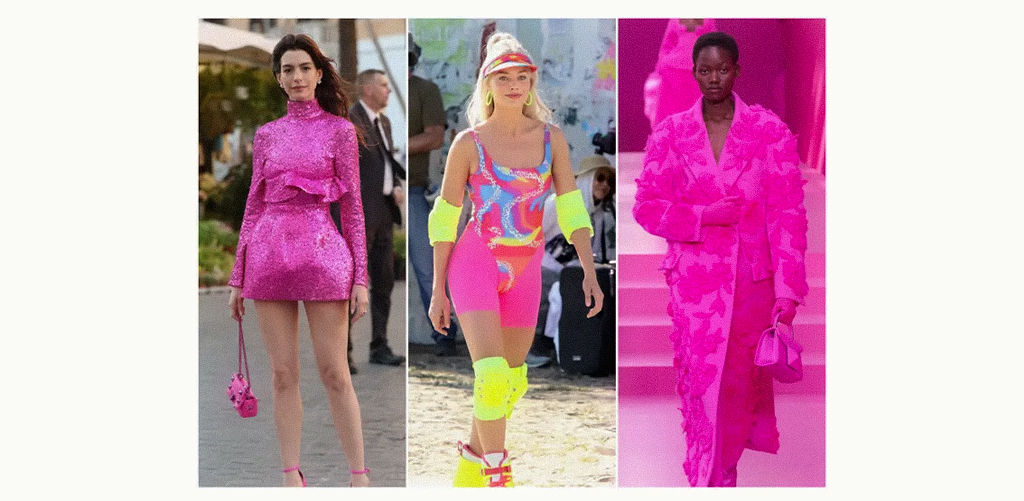
Thanks to Greta Gerwig’s Barbie, pink became the color of the year. Barbiecore embraced glitter, miniskirts, and playful, hyper-feminine fashion. Luxury brands like Valentino launched pink-drenched collections, and celebs like Megan Fox rocked all-pink red carpet looks.

Fashion Stylist’s Takeaway: Knowing how to style maximalist trends without making them overwhelming is crucial. Fashion Styling course at JD Institute trains students in balancing bold colors and statement pieces while keeping looks wearable.

Wednesday: Gothcore Goes Mainstream

While Wednesday hit Netflix in late 2022, its dark, gothic aesthetic continued dominating 2024. Jenna Ortega’s black lace dresses, structured corsets, and chunky platform boots became street style staples. Brands like Alexander McQueen and Rick Owens capitalized on the gothcore wave, blending Victorian influences with edgy modernity. Mastering the art of layering textures and creating depth with dark hues is an important styling skill. Aspiring fashion stylists must learn how to make monochrome outfits visually engaging.

Dune Part Two: Sci-Fi Desert Fashion Takes Over

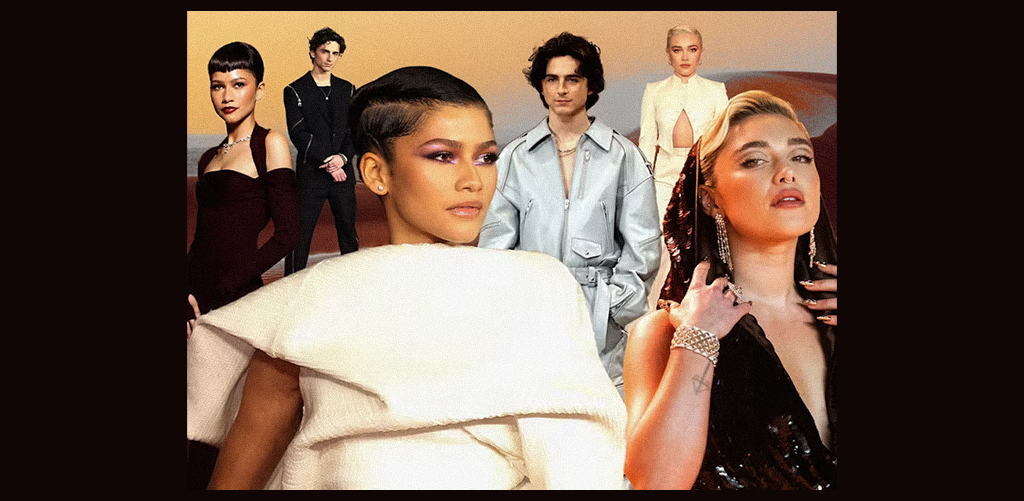
The futuristic, desert-inspired outfits in Dune (2024) introduced earthy tones, oversized silhouettes, and techwear elements to street fashion. Flowing cloaks, muted color palettes, and structured vests dominated collections from Balenciaga and Givenchy, proving that futuristic fashion isn’t just for the big screen. Understanding how film costumes influence avant-garde fashion is essential. Future fashion stylists must know trend forecasting and translating cinematic fashion into real-life styling.

The Unexpected Fusion: Barbenheimer & Beyond

If there’s one thing 2024 fashion proved, it’s that opposites attract. The Barbenheimer trend—mixing Barbie’s playful pink with Oppenheimer’s dark sophistication—created a unique fashion aesthetic. Imagine pairing a bubblegum pink dress with a structured blazer and vintage brogues—unexpected but stylish! 

Learning to mix contrasting aesthetics while maintaining balance is a game-changer. JD Institute specializes in teaching students to create unconventional yet striking looks.

Why Fashion Styling Matters

From the sleek suits of Oppenheimer to the whimsical pink explosion of Barbie, fashion in 2024 is proof that movies don’t just entertain—they shape how we dress. As an aspiring stylist, your job isn’t just to follow trends—it’s to decode, reinvent, and set them.

If you’re ready to turn your passion for fashion into a career, the JD Institute of Fashion Technology is the place where screen-worthy styling meets real-world fashion. The runway is waiting—are you ready to take center stage?

Copyright © 2025 JD Institute of Fashion. All Right Reserved

Designed by Red Lemon

Whatsapp icon
Apply Now
Enquire
Quick Enquiry