
Apply Now

Author Archive

AI in Advertising? Only if You’re Ready to Create Smarter, Not Just Faster

Wednesday, April 16th, 2025

“What if your next favorite ad was created by a robot that knows more about your habits than your best friend?”

Sounds strange? Well, this is no longer a futuristic fantasy—it’s the new normal in the world of advertising.

Artificial Intelligence (AI) is now playing a huge role in how brands design, write, and deliver ads. Tools like ChatGPT, DALL·E, MidJourney, Synthesia, and others are changing how advertising managers work. Instead of doing everything manually, ad professionals now work alongside machines that think and create.

Let’s dive into how AI-generated ads are reshaping the job of advertising managers—and how this opens up exciting new possibilities for future creators.

AI Art Tools: Turning Words into Stunning Visuals

Imagine typing a few words like “a futuristic sneaker ad on Mars” and getting a high-quality image ready to post. This is possible through AI tools like:

  • MidJourney
  • DALL·E
  • Stable Diffusion
  • Adobe Firefly

These tools create original images using simple text prompts. Brands like Heinz used DALL·E to ask the AI what “ketchup” looks like—and found that the AI mostly imagined something that looked just like a Heinz bottle. This helped them show how strong their branding is.
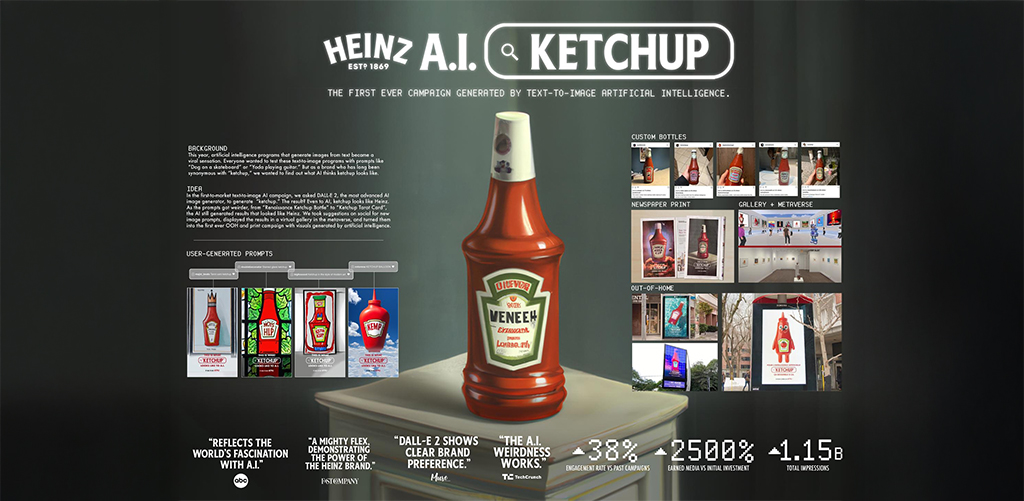
For advertising managers, these tools are game-changers. They can quickly test visual ideas, present many versions to clients, and cut down production time. However, they still need to decide which images match the brand’s voice and message.

Text-Based AI Tools: Copywriting in Seconds

Creating ad slogans, social media captions, or email campaigns used to take hours of brainstorming. Now, AI tools can do this in seconds. Some of the top text-generating AI tools are:

  • ChatGPT
  • Jasper AI
  • Copy.ai
  • Writesonic
  • Anyword

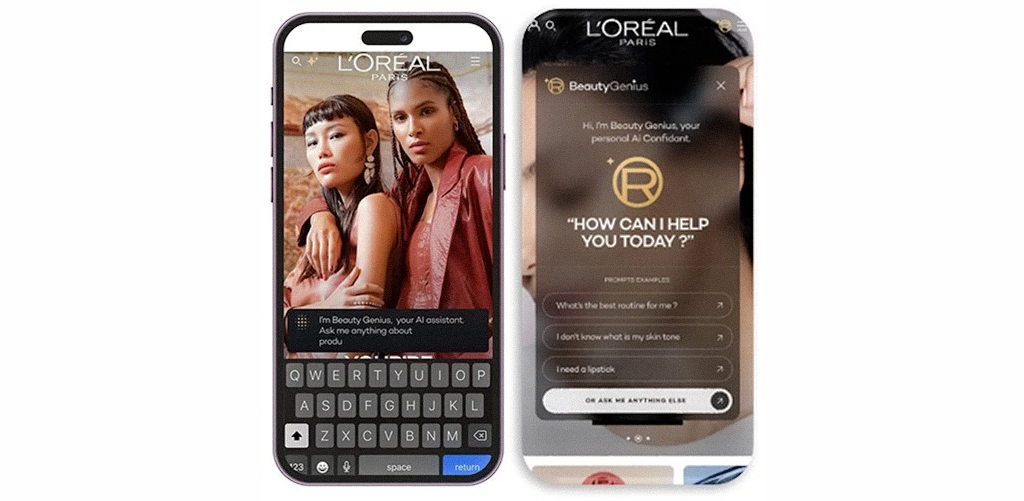
For example, companies like BuzzFeed have used AI to create personalized quizzes and content for users. Meanwhile, L’Oreal uses AI-generated copy to adapt product descriptions to different markets and languages. AI makes content creation faster, but it still needs a human touch. Advertising managers now review, edit, and customize AI-generated content to ensure it sounds natural and matches the brand.
AI Video Tools: Making Videos Without a Camera

Video ads are powerful, but shooting them can be expensive and time-consuming. AI has made this process much easier. Popular video creation tools include:

  • Synthesia – creates videos using digital avatars
  • Runway ML – edits and generates video effects with AI
  • Pictory – turns text into short videos
  • Lumen5 – converts blog posts into video content

For example, Sephora has used Synthesia to create videos with AI avatars that give product tutorials in different languages. This helps them reach more customers without hiring actors or video crews for each version.
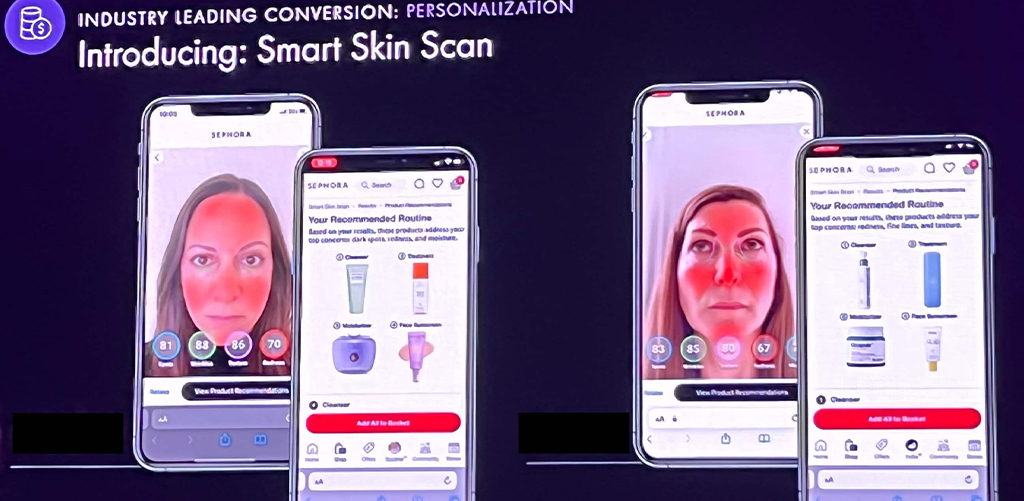
Advertising managers now need to guide these tools with clear scripts, brand tone, and strategy. Their job becomes more about directing and refining rather than just producing.

Smart Design Tools: Ads That Perform Better

AI is also helping brands design ads that are not only beautiful but also more effective. Tools like:

  • AdCreative.ai – creates performance-focused ad designs
  • Canva AI – suggests design layouts, fonts, and colors
  • Designs.ai – helps create logos, videos, and voiceovers
  • Crello – AI-powered design for social media and web

These tools analyze what type of content performs well and suggest the best creative options for specific platforms. For example, Nike uses AI-powered designs that adjust their look depending on the customer’s location, language, and preferences.
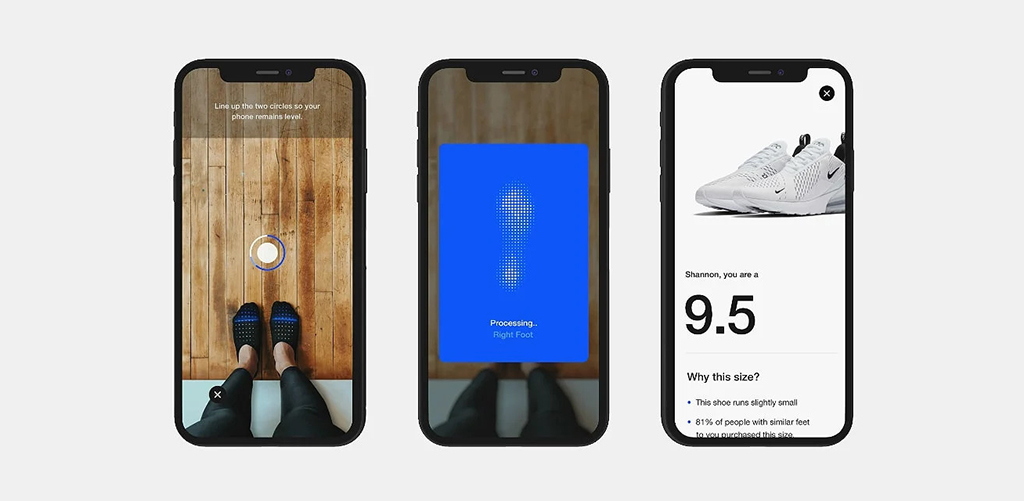
Advertising managers now need to read and understand AI suggestions and choose what works best. This adds a data-driven side to a creative job, making it more analytical than ever before.

If you want to learn this mix of design sense and digital tools then the Communication Design course at JD Institute is your best launchpad. 

Voice & Audio AI: New Sound for Modern Ads

AI can also create voices, music, and sounds for ads. Tools like:

  • Murf.ai – creates human-like voiceovers
  • Soundraw.io – composes original background music
  • Play.ht – generates audio from written content
  • LALAL.AI – separates vocals and instruments for editing

Many YouTube creators and even podcast advertisers use these tools to quickly add professional-quality audio to their content. Ad managers no longer need voice actors or music composers for every project—they can now produce everything using AI and spend more time on concept and storytelling.

The New Role of Ad Managers: Guide, Curator, Strategist

As AI takes over routine work, advertising managers now focus more on:

  • Guiding the creative direction
  • Checking brand consistency
  • Understanding audience data
  • Selecting the best AI-generated options
  • Mixing human emotions with machine efficiency

Brands like Netflix, Coca-Cola, and Unilever are already using AI-powered campaigns to personalize ads and reach millions more effectively. 
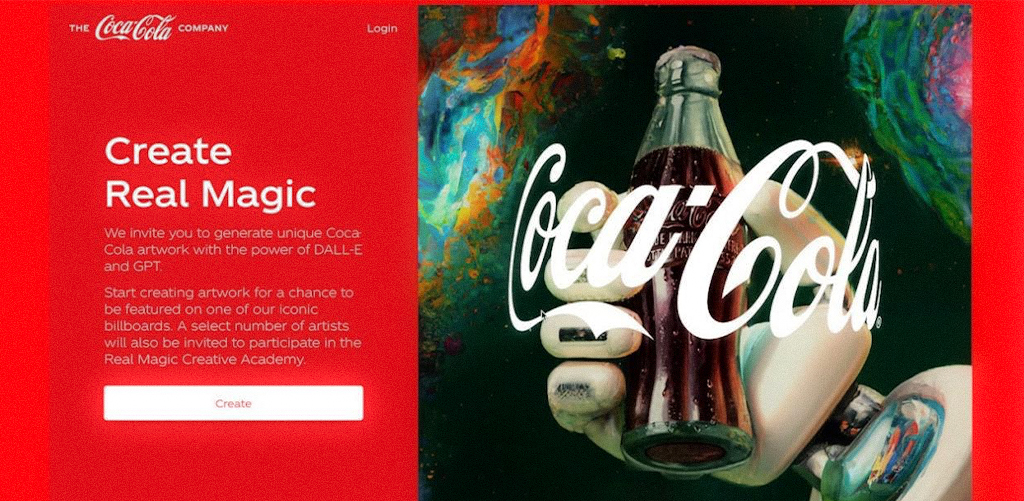
But none of this works without human insight. Knowing how to brief the AI, review its output, and tell the right story still requires sharp creative thinking—and that’s what top design institutes, like JD Institute focus on building in their Communication Design course. 

It’s Time to Lead the Future of Ads

AI isn’t here to steal jobs—it’s here to change how we work. Advertising managers of the future will need to understand both creativity and technology. They will use AI not just as a tool, but as a creative partner.

And if you want to be someone who leads this transformation, it’s important to learn both the art and science of communication.

The Communication Design program of ours teaches students how to blend creativity with the latest tech, preparing them to work confidently in this AI-powered world.

Ready to create the next big campaign—not just follow trends?
Start where creativity meets innovation.
Start at JD Institute.
Why Working with Local Artisans is a Smart Move for Designers

Tuesday, April 15th, 2025

“What’s your home wearing today?”
That’s not a usual question. But think about it—just like fashion tells stories of culture, moods, and moments, so does your home. From the hand-knotted rugs in Kashmir to the clay murals in Gujarat, every space can wear a tale when interior designers collaborate with local artisans. In a country like India, where every region breathes craftsmanship, this partnership isn’t just a trend—it’s a treasure trove of creativity, sustainability, and community building.

Let’s explore how interior designers can work with India’s skilled artisans to create soulful spaces that go beyond aesthetics.

Celebrate Craft Over Commercial: Start with the Source

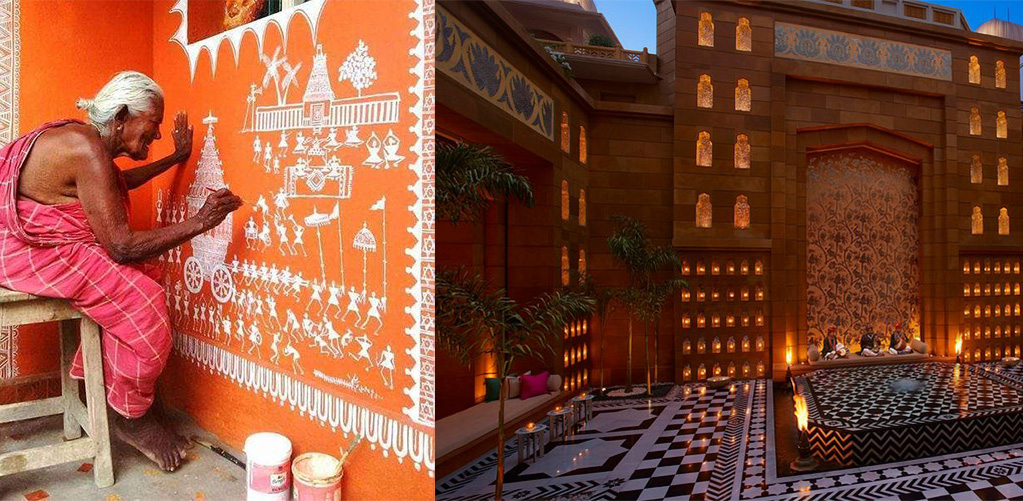
Why opt for mass-produced decor when you can go straight to the roots? Designers today are reviving age-old crafts by working directly with artisans. From Madhubani painters in Bihar to Warli artists in Maharashtra, integrating these into wall panels, installations, or even ceilings transforms a space into a living canvas.

Famous Example: The Leela Palace Udaipur features local Rajasthani craftsmanship, including hand-painted murals and silver-inlay furniture, sourced directly from artisans.

Interior Designing at JD Institute teaches students not just about space planning, but how to find and value these native sources, blending classroom concepts with on-ground exposure to local craft communities.

Build Together: Collaborating, Not Commissioning

True collaboration means co-creation. Interior designers must respect the artisan’s process, giving space for improvisation. By being part of the design process, artisans often bring in their own flair that adds richness to the final piece.

Famous Example: Architect and designer Bijoy Jain of Studio Mumbai is globally known for working hand-in-hand with local craftsmen, using natural materials like mud, stone, and wood in contemporary architecture.

Working this way brings authenticity to design—something JD Institute instills through its hands-on workshops and rural craft immersion activities and practical exposure.

Sustainable Spaces: Handmade is Planet-Friendly

India’s crafts—like bamboo furniture, terracotta lighting, and handloom upholstery—are inherently sustainable. Designers can reduce their carbon footprint by sourcing locally instead of importing synthetic decor.

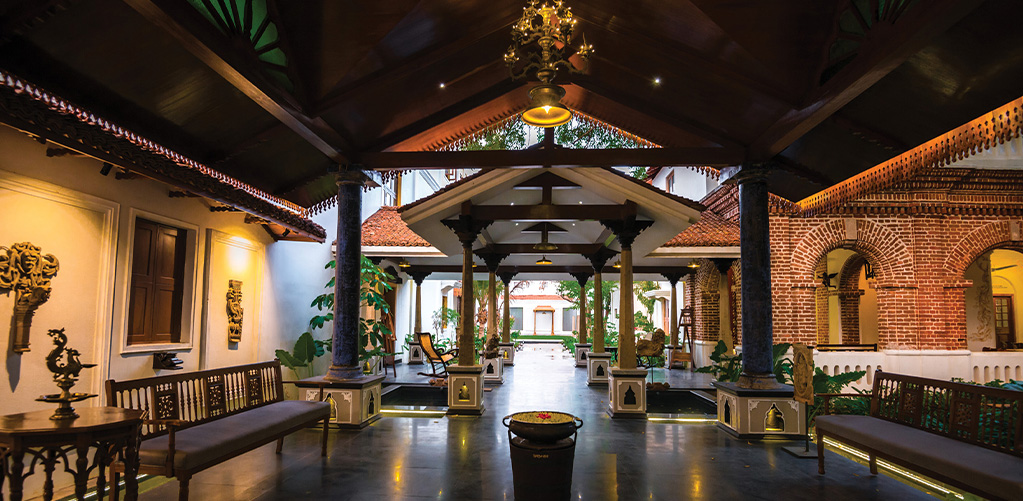
Famous Example: The Svatma Hotel in Thanjavur incorporates bronze sculptures, antique wood carvings, and Tanjore paintings—each locally sourced and environmentally respectful.

Interior Designing education at institutes like JD Institute not only talks about sustainability but also shows how to apply it in real projects, through real artisan partnerships.

Cultural Storytelling: Make Homes That Talk

Each artisan product holds a story—of culture, geography, community. Designers can work with artisans to tell these stories through their designs. From Gond paintings telling forest tales to Kashmiri papier-mache showing valleys in bloom, these are not just decorations—they’re conversations.

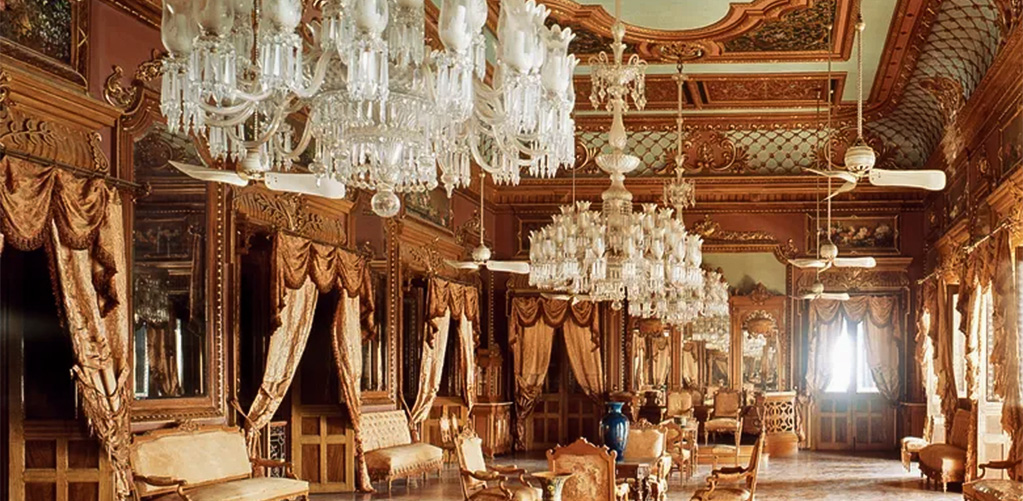
Famous Example: The interiors of Taj Falaknuma Palace, Hyderabad include hand-crafted chandeliers, mosaic flooring, and local Hyderabadi woodwork—a true ode to Deccan history.

Aspiring Interior Design students must go beyond textbook trends and understand how to incorporate narratives into design that resonates deeply with clients and cultures.

Revive Dying Crafts: Be a Trendsetter, Not a Follower

With industrialization, many traditional crafts are vanishing. Designers have the power to bring them back to life by creating demand and giving artisans steady work. Instead of using generic store-bought pieces, they can make a difference by choosing crafts that need revival.

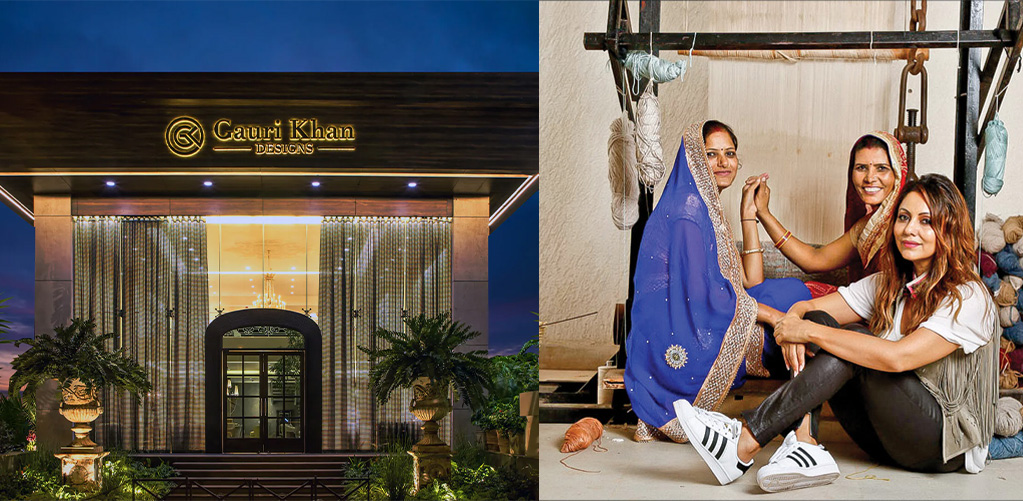
Famous Example: Gauri Khan’s interior label often works with local weavers and block printers for custom-designed spaces, helping preserve heritage crafts in luxury homes.

When students at JD Institute learn Interior Design, they don’t just learn styles—they understand the responsibility of their influence. The institute’s focus on social design helps budding designers become changemakers.

Let the Walls Speak & the Floors Whisper

In a world moving fast, handmade design makes us pause and feel. It tells us where we came from and where we can go—if we walk together. If you’re a future designer who wants to make a real impact, learning from artisans is as important as learning design software. And the right place to start is where both are respected—at the JD Institute of Fashion Technology, where culture meets curriculum and passion meets purpose.

Next time you step into a space, ask yourself: is it just built, or is it crafted?

Think You Know Display Design? These Visual Merchandising Materials Might Surprise You

Tuesday, April 15th, 2025

“If walls could talk, would your store display be saying something sustainable?”

Visual Merchandising is no longer just about catching the eye—it’s about catching hearts, minds, and yes, saving the planet too. The new-age shopper notices more than colors and lights; they look for meaning. In response, brands are swapping out old-school cardboard cutouts and plastic stands for eco-smart materials that tell powerful, planet-friendly stories.

From mushrooms that grow into display stands to fabrics made from banana plants, the material world in VM is getting a bold, green makeover. Let’s explore the coolest eco-materials taking over store windows and experience zones across the globe.

Mycelium: For a New Retail World

Mycelium, the root structure of fungi, is being used to create packaging, plinths, and modular displays. Lightweight, compostable, and strong enough for display design, Mycelium is grown in molds using agricultural waste, reducing environmental impact at every stage.

Famous Example: IKEA collaborated with Ecovative Design to explore Mycelium as a replacement for polystyrene packaging. Retailers have also used it for signage and product stands, giving their display not just structure but soul. 

At JD Institute of Fashion Technology, students in the Visual Merchandising course learn the knowledge of how to design with unconventional, biodegradable materials, while also understanding their sourcing and production processes.

Bananatex: Banana Fibres Doing Big Things in Design

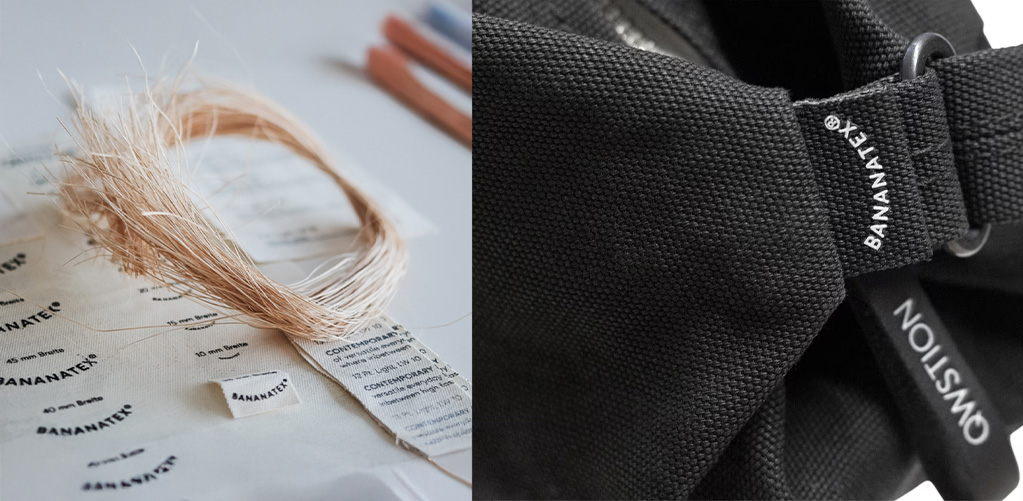
Made from Abaca banana plants, Bananatex is the world’s first durable, waterproof fabric made entirely from banana fibers. It’s strong yet flexible and ideal for banners, wall wraps, fabric panels, and soft VM structures.

Famous Example: QWSTION, a Swiss brand, uses Bananatex in bags and store installations to emphasize sustainability throughout the customer journey.

This material works beautifully in eco-luxe stores, lifestyle pop-ups, or fashion zones where texture, story, and sustainability need to blend effortlessly.

Recycled Plastics: From Ocean Waste to Artistic Displays

Instead of ending up in landfills or oceans, plastic waste is now being reborn as VM materials. Brands are using recycled plastics to craft modular panels, mannequins, display boxes, and even decorative installations.

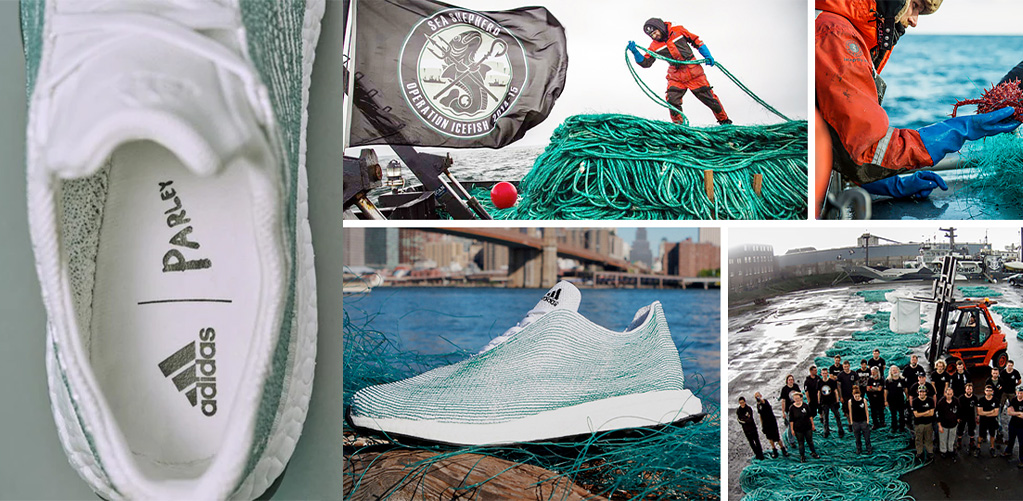
Famous Example: Adidas partnered with Parley for the Oceans to use marine plastic waste in their in-store displays and exhibits—literally showing customers what impact can look like.

Recycled plastics can be clear, colored, glossy, or matte. They’re especially great for futuristic themes or high-energy brands that want to make a bold visual statement. At JD Institute, the Visual Merchandising syllabus encourages students to experiment with upcycled materials and sustainable prototyping, transforming waste into wow-worthy installations.

Cork: Soft, Sustainable & Seriously Stylish

Cork is harvested without harming the tree, making it one of the most sustainable materials available. It’s lightweight, sound-absorbent, and has a natural, earthy look that makes it a favorite for display walls, counter panels, shelving, and plinth covers.

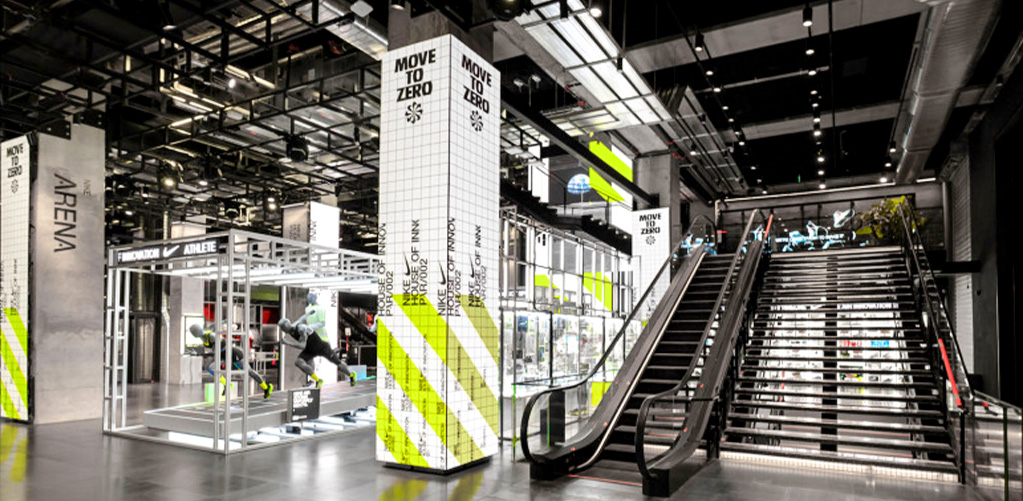
Famous Example: Nike’s House of Innovation store used cork for wall panels, reflecting their commitment to a lower-carbon footprint in both product and presentation.

Cork adds a quiet luxury to the display and works perfectly for brands leaning towards eco-minimalism, earthy tones, or artisanal vibes.

Reclaimed Wood: Old Timbers, New Tales

Reclaimed wood adds rustic charm and history to visual displays. Taken from old barns, ships, or flooring, this wood is repurposed into display frames, signage, risers, or accent structures.

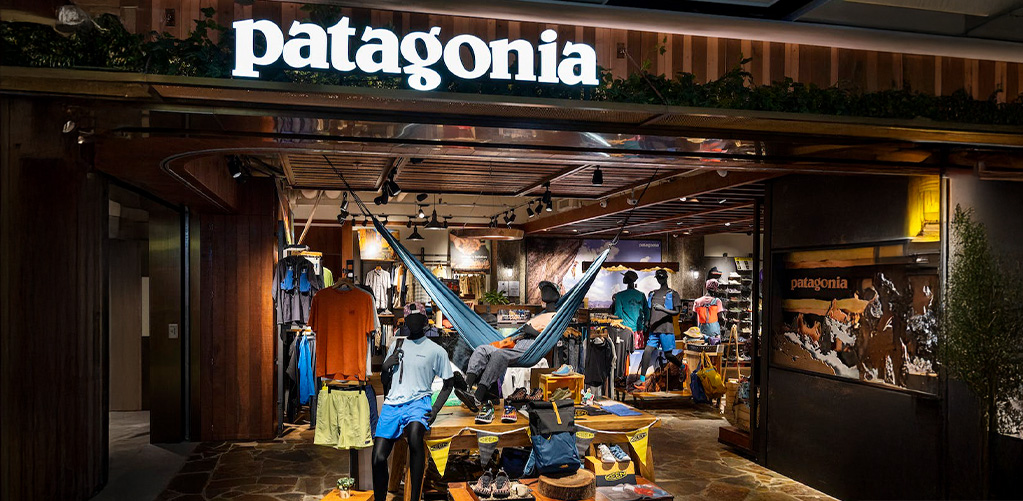
Famous Example: Patagonia is known for its environmentally responsible stores built using reclaimed wood to reflect their commitment to reuse and recycling.

This material brings depth and character to storytelling zones within retail spaces and is a natural fit for ethical, vintage, or sustainable fashion brands.

Hemp & Jute: The Tough Threads of Eco-Display

Natural textiles like hemp and jute are strong, biodegradable, and give a handcrafted touch to visual setups. They’re used in backdrops, ropes, display wraps, and even handcrafted mannequins.

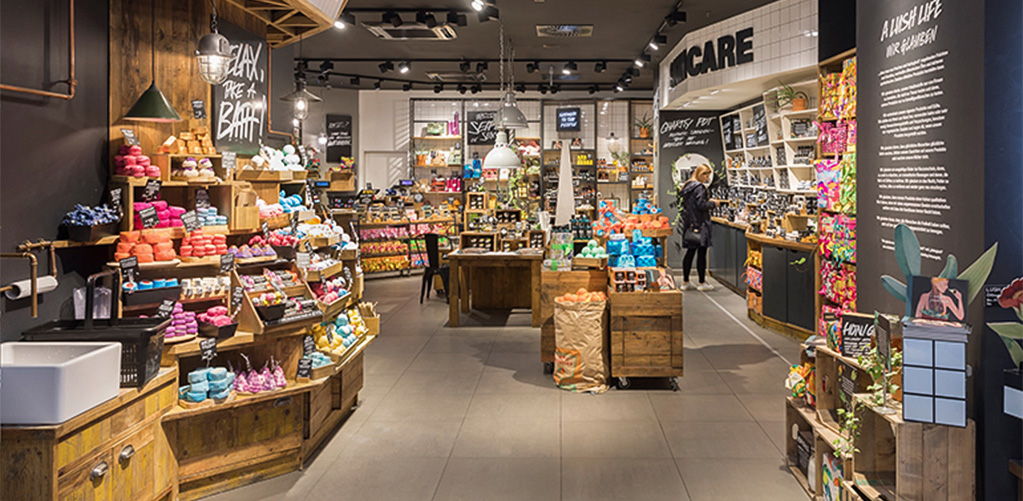
Famous Example: Lush Cosmetics incorporates jute ropes and handmade jute accessories in VM for their product tables and gift stations.

Because these materials are flexible and low-cost, they’re ideal for short-term campaigns or pop-ups. At JD Institute, students are made to learn and understand the versatility of such natural fibres and how to design for local sourcing and global impact.

Now What? Time to Rethink What You Display—and How You Learn It

The next time you walk past a store, pause and look closely. Behind the glam might be mushrooms, banana fibers, or recycled ocean waste. And behind those innovations? Designers who chose to learn differently.

If you’re someone who sees art in aisles and stories in setups, maybe it’s time to sharpen that eye with the right education.

Don’t just display differently—learn differently.
Your journey begins at JD Institute of Fashion Technology.

Bespoke & Made-to-Order: Why Hyper-Personalisation is the New Luxury

Monday, April 14th, 2025

“Why fit in when you were born to stand out?” – Dr. Seuss
Have you ever wanted to wear something no one else owns? Or walk into a room that feels exactly like you? That’s what luxury means today. It’s no longer about showing off a brand logo. It’s about showing yourself.

Welcome to the world of bespoke and made-to-order—where every design is unique, every product is personal, and everything is made just for you. Let’s explore how this new idea is changing fashion, interiors, and even branding—and how students at places like JD Institute are learning to create this future.

The Shift from Mass Production to Personal Style

In the past, luxury meant buying expensive items off the shelf. But now, people want things that tell their story. Instead of buying what everyone else has, they want pieces that show their style, choices, and personality.

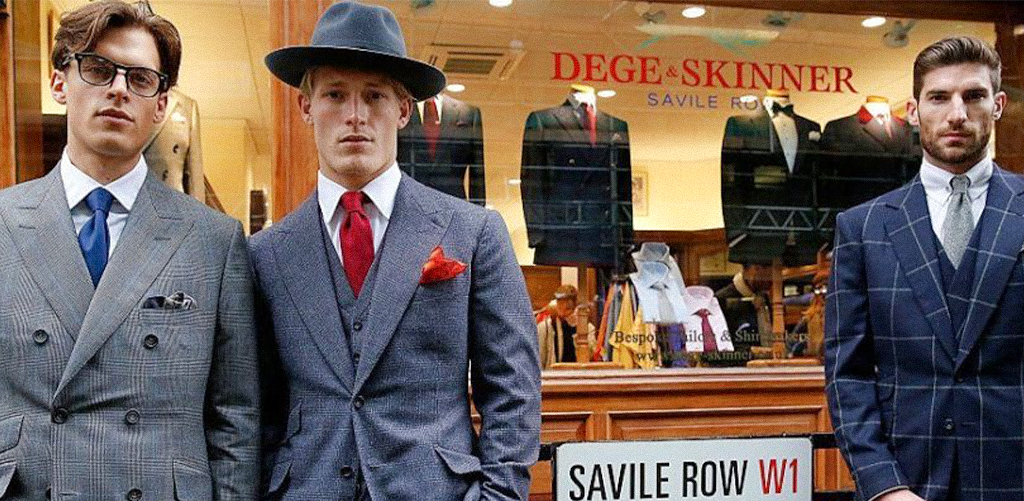
For example, Savile Row in London is famous for its hand-stitched suits made specially for each customer. These suits are not just clothes—they are a part of someone’s identity.

At JD Institute, students in fashion and interior design are taught how to think for individuals. They learn to design by understanding the client’s lifestyle, choices, and taste. This approach helps them create designs that feel personal and meaningful.

What is Made-to-Order and Why Is It Popular?

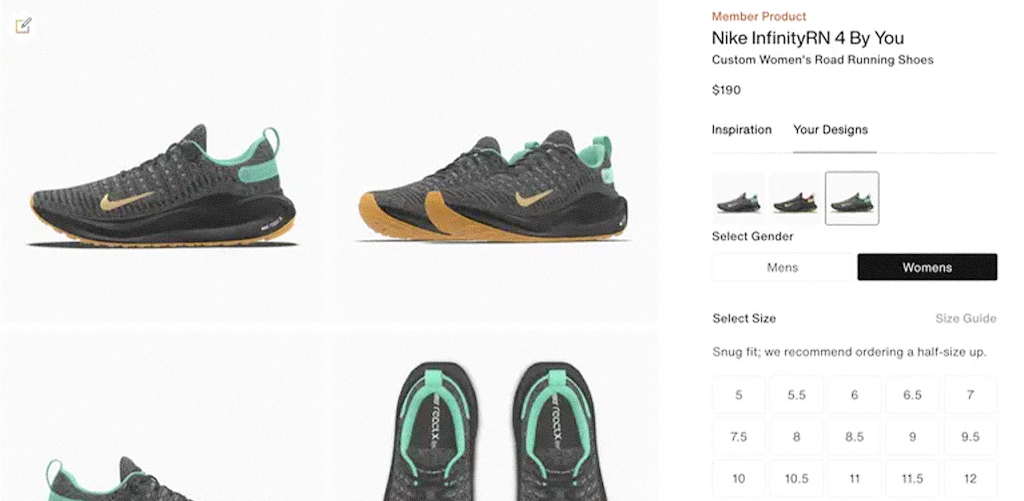
Made-to-order means a product is made only after someone places an order. This avoids waste, keeps it special, and allows full customization. Big brands like Dior offer made-to-order dresses where clients can choose colors, fabrics, and cuts. Even Nike By You lets people design their own sneakers with their names or favorite colors.

This concept is also growing in interior design. Whether it’s furniture made for a specific space or décor pieces that match a person’s story—custom design is taking over. JD Institute students work on projects where they learn how to deliver personalized experiences through thoughtful design.

When Celebrities Go Custom, the World Follows

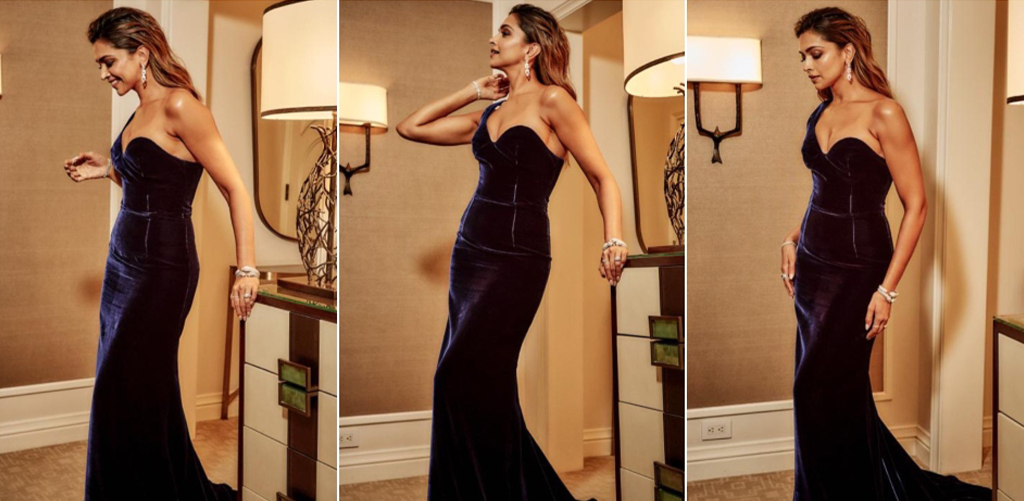
Celebrities love wearing things that no one else has. That’s why designers often create custom outfits just for them. Think of Beyonce wearing custom Balmain costumes on her tour, or Deepika Padukone adorned in royal blue Louis Vuitton custom made gown at Annual Academy Museum Gala 2023. Even Indian cricketer Virat Kohli gets his suits custom-made.

These examples show how personalization has become a symbol of success. JD Institute understands this culture. Their design students learn to shape personal brands, develop visual identities, and help others express themselves through design.

Emotion Makes It Special

Custom-made things are not just products—they are memories. A handmade ring, a personalized bag, or a room designed for a new home carries emotional value. These pieces become special because they are connected to moments and feelings.

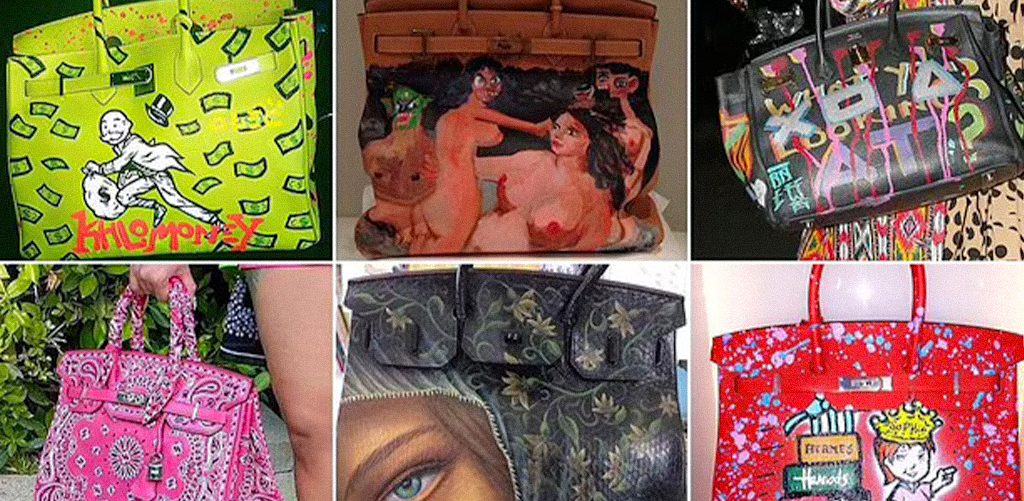
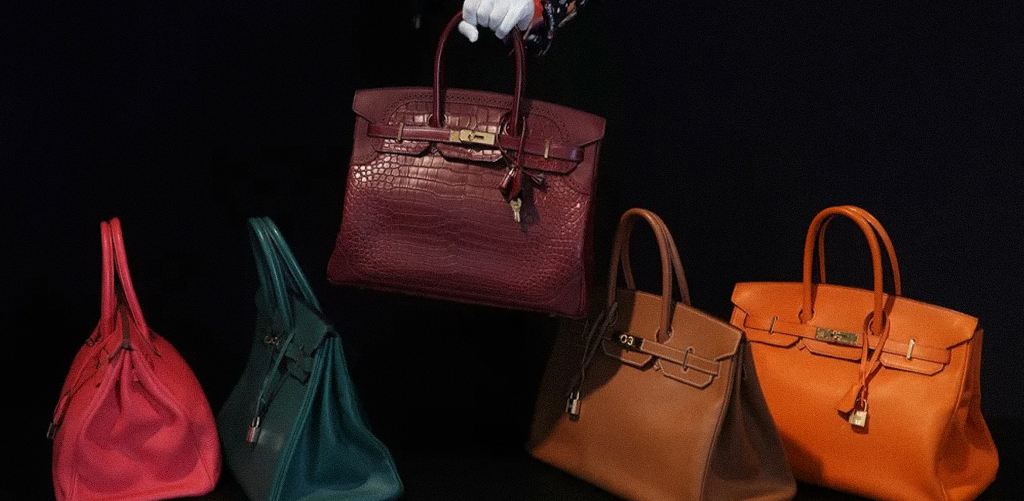
For example, Hermes offers personalized Birkin bags where clients choose everything from the leather to the color of the stitches. For example Kim Kardashian and Cardi B have personalised their Hermes Berkins bags. People wait years for these bags because they reflect who they are.

This emotional side of design is a key part of learning it as a concept. Students must think not only about how things look, but also about how they feel. This makes their designs more powerful and personal.

Personalization = Sustainability

One big reason why bespoke and made-to-order are growing is because they are eco-friendly. Since things are only made when ordered, there’s less waste and overproduction. This fits well with the modern idea of “slow luxury”—where less is more, and quality matters more than quantity.

Brands like Burberry now offer monogramming options, while Gucci lets you personalize your jackets, bags, and sneakers. These services reduce waste and increase customer happiness.

At JD Institute, students learn how to combine creativity with responsibility. From sustainable fabrics to eco-conscious packaging, they’re trained to make a difference with their design choices.

Why This Matters More Than Ever

In today’s world, where almost everything can be copied, people are searching for what can’t be: originality. They want their homes, clothes, and brands to reflect who they are—not what’s trending.

This new wave of personalized luxury is more creative, more thoughtful, and more meaningful. And for anyone looking to make a career in design, it’s the perfect time to learn how to create these custom experiences.

Looking to shape a future where your designs truly matter?
At JD Institute, students are trained not just in design—but in creating stories, solving real problems, and building identities through fashion, interiors, and communication. Because the future of design is personal—and your journey should be, too.

Design That Talks: How Fashion Makes a Statement

Monday, April 14th, 2025

“What if your outfit could speak? What would it say?”

Every day, we wear clothes that show a part of who we are. But beyond style, can fashion still say something deeper? Can what we wear reflect our thoughts, our protests, or our hopes for the world?

This idea isn’t new. For decades, designers have used clothing to make bold statements—about politics, culture, and society. But in today’s fast-changing world of reels and trends, does fashion still have that power?

Let’s find out.

When Clothes Spoke Louder Than Words

Fashion has a long history of making strong statements.

In the 1980s, designer Rei Kawakubo used uneven shapes and torn fabrics to challenge beauty standards. Her designs looked strange to many, but that was the point. She wanted to show that fashion doesn’t have to be “perfect” to be powerful.

Martin Margiela took it a step further. He reused old clothes and covered models’ faces to fight back against fashion’s obsession with fame and consumerism. His work made people think about waste, identity, and the pressure to look a certain way.

At JD Institute of Fashion Technology, students are taught to study the concept of such designers—not just to copy their work, but to understand how Fashion Design can become a tool to question, to express, and to create change.

Fashion That Changed Politics and Culture

Clothing has also been used to speak on political issues.

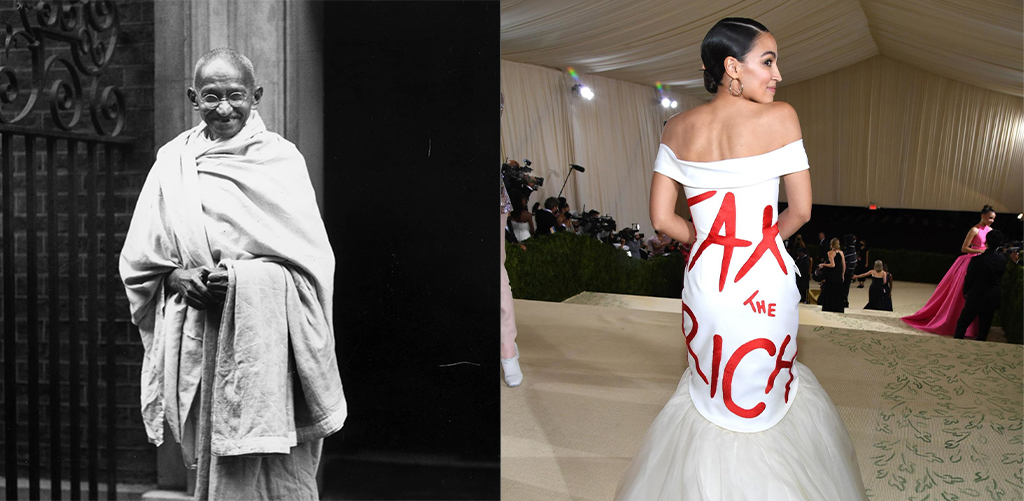
Remember when Mahatma Gandhi wore only khadi (homespun cotton) to support India’s freedom movement? It wasn’t just about fabric. It was a call for independence and self-reliance.

In 2021, US Congresswoman Alexandria Ocasio-Cortez wore a white gown with “Tax the Rich” written on the back at the Met Gala. It was bold. It got people talking. Whether they agreed or not, it made them think.

At JD Institute, students are encouraged to study how culture, politics, and fashion connect—and how clothes can say things that words sometimes cannot.

Modern Fashion with a Message

Today, many fashion brands are trying to show they care about the world.

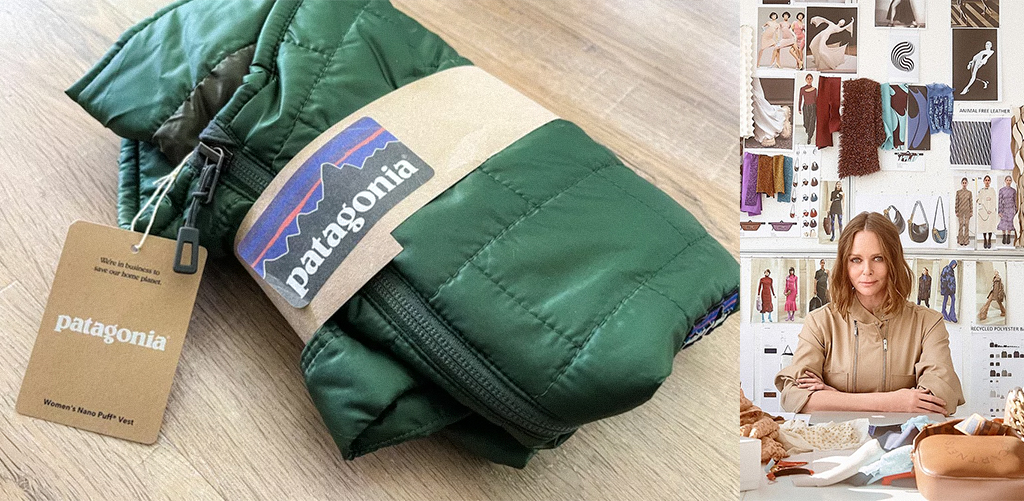
Brands like Patagonia promote sustainability by making long-lasting clothes and using recycled materials. Designer Stella McCartney refuses to use animal products and speaks openly about ethical fashion.

Through social media, videos, and blogs, these brands tell stories about how their clothes are made and what they stand for. This is called digital storytelling, and it’s a big part of how modern fashion connects with people. Students of Fashion Design must learn how to use these tools—from photoshoots to social media campaigns—to share messages behind their designs.

But Is the Message Getting Lost?

Here’s the challenge: today, trends change fast. Platforms like TikTok and Instagram create new micro-trends almost every week. A design meant to start a conversation can quickly become just another look.

Worse, fast fashion companies often copy meaningful designs without the message behind them. When that happens, the original purpose is lost. A t-shirt that stood for equality might end up as just another graphic tee in a store.

Also, many designers worry that speaking out might hurt their sales or offend customers. So they stay silent. The pressure to sell can sometimes stop them from saying what they really feel.

This is why design education matters. At JD Institute, students are encouraged to take creative risks, research deeply, and stand by their messages—even when it’s not the easy choice.

Designers Making a Difference Today

Here are a few designers students can explore and learn from:

  • Bethany Williams creates clothes while supporting social causes like women’s shelters and rehabilitation centers.
  • Kerby Jean-Raymond, founder of Pyer Moss, uses fashion to highlight Black history and racial injustice.
  • Marine Serre focuses on climate change by upcycling old clothes into new designs.

Students can study how these designers use runway shows, collaborations, and social media to share strong messages—and how audiences react.

Time to Make Your Design Speak

So, can fashion still be a powerful form of social commentary?

Yes—but only if we create with care and meaning.

Fashion is not just about what’s trendy. It’s about what matters. And at JD Institute of Fashion Technology, students are not only taught how to create stunning designs—they’re taught how to make those designs say something important.

Want your clothes to start conversations? Want your design to carry meaning? It’s time to learn the language of fashion—and there’s no better place to start than JD.

The ‘No Sale’ Strategy Every Future Fashion Entrepreneur in the Making Must Master

Saturday, April 12th, 2025

“The moment you put a price tag with a slash, you slash your brand’s power too.”

Ever noticed how you can walk into a fast-fashion store and grab a trendy jacket for half the price during sale season… but when you walk into Louis Vuitton, Rolex, or Chanel, there’s never a discount in sight?

It’s not arrogance. It’s a strategy.
In a world obsessed with deals, there are brands that refuse to play that game—and still win. So, how do they do it? And what can aspiring fashion business professionals learn from them?

Let’s decode the psychology, power, and profitability behind never going on sale.

The Illusion of Scarcity Builds Obsession

Luxury thrives on one rule: if everyone can have it, then how is it even a luxury?

Brands like Hermes, Rolex, and Telfar use limited supply to drive demand. Hermes’ Birkin bag is famously difficult to buy, not because of the price, but because of the waitlist. Rolex creates fewer watches than there is demand for—even if you’re ready to pay, you may not get one.

Similarly, streetwear brands like Supreme and Yeezy drop limited pieces weekly, which sell out in minutes. No discounts. No leftovers. Just hype.

This strategy makes the product feel like a reward, not a purchase.

Fixed Prices, Global Prestige

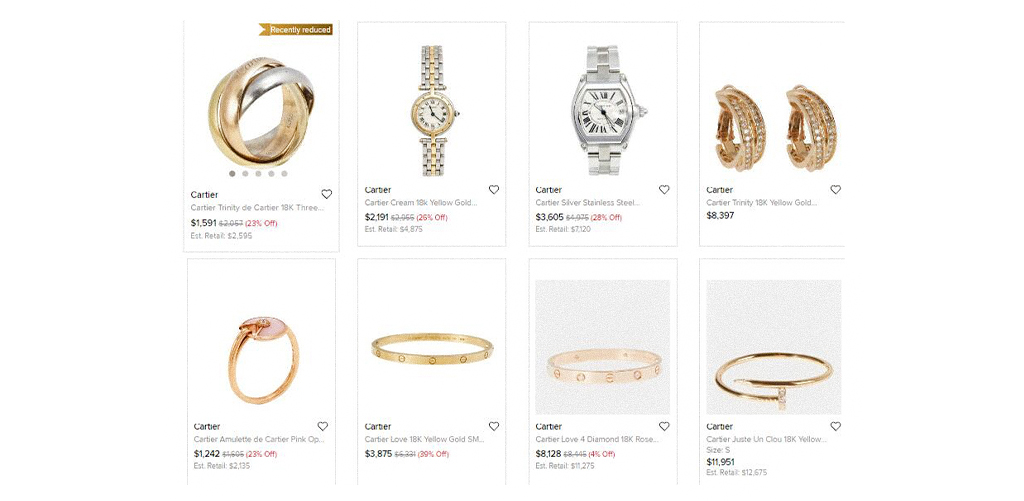
Brands like Louis Vuitton, Apple, and Cartier maintain uniform pricing worldwide. Whether you’re shopping in Tokyo, Paris, or New York—you’ll pay the same amount. Why? Because the brand’s value stays constant.

Louis Vuitton doesn’t believe in markdowns. In fact, unsold inventory is often burned rather than discounted to protect its image. Cartier, on the other hand, is known for pulling pieces from retail rather than marking them down, reinforcing its long-term value.

This no-sale policy maintains the brand’s luxury perception and avoids “cheapening” the customer experience.

For students studying Fashion Business Management at JD Institute, these concepts are key lessons in how perception shapes profit

Sales = Mixed Signals (And Lost Control)

Brands like Gucci and Burberry have learned this the hard way. Gucci once flooded online platforms with markdowns, only to realize it diluted their exclusivity. They’ve since pulled back and returned to full-price, high-design models.

Burberry faced backlash when their iconic trench coats became too common, partly due to discounts and licensing. They’ve since restructured and focused on controlling their distribution and price points again.

When a product constantly goes on sale, customers stop valuing it at full price. Even mid-tier brands like Michael Kors have struggled with this perception shift after over-discounting.

The Real Luxury? The Experience, Not Just the Product

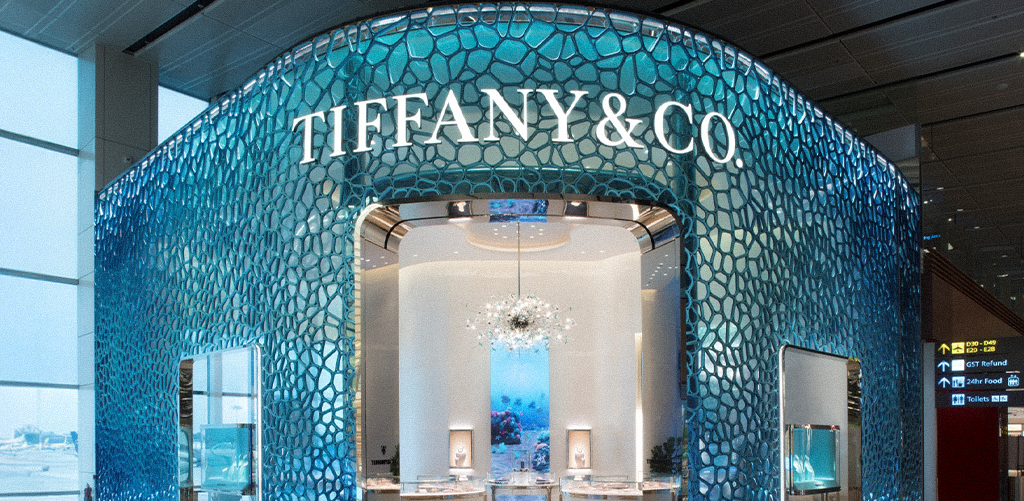
Walk into a Chanel or Tiffany & Co. boutique. You’re not just buying a product—you’re buying the story, the ambiance, and the way it makes you feel.

Luxury is a theatre, where presentation matters as much as the item. That experience loses value when paired with bargain-bin pricing.

Tiffany once experimented with mass-market jewelry and lower prices—it didn’t go well. Customers expected elegance, not affordability. The brand had to re-elevate its identity through exclusivity and high-end campaigns.

JD Institute’s curriculum of Fashion Business Management helps students understand this key insight: fashion business isn’t just about product pricing; it’s about designing the entire customer journey.

Controlled Resale Drives Future Demand

Brands like Nike (with its SNKRS app), Off-White, and Balenciaga benefit from high resale value—not by chance, but by choice.

When an Off-White x Nike collab sells out, the resale price often doubles or triples. By controlling how much stock goes out and never reducing prices, brands let the market do the price escalation.

This not only builds hype but also converts buyers into collectors. The more coveted an item becomes, the more people want it—even at full price.

Understanding this ripple effect is essential for future fashion entrepreneurs. Knowing how to create resale buzz is one of the game-changing strategies an aspiring fashion business owner can learn.

Not Discounting = Not Playing Small

Luxury fashion proves one truth: the fewer people can access your product, the more they want it.
That’s not just branding. It’s business brilliance.

For anyone stepping into the fashion industry, learning how brands like Louis Vuitton, Rolex, Chanel, and Supreme profit without discounts is a lesson in power pricing, perception, and positioning.

Want to create a brand that never needs to go on sale to sell out?

Study the real mechanics of Fashion Business at JD Institute, where creativity meets commerce—and pricing becomes a powerful storytelling tool.

After all, in fashion, it’s not about how cheap you can sell. It’s about how strong you can stand.

Double Duty: The Skill Every Fashion Stylist Must Master

Friday, April 11th, 2025

Clothing has always been more than just a basic need — it’s a powerful tool for communication. The right outfit can express personality, tell a story, or make a lasting impression. In the world of fashion styling, especially within media, this idea holds even more importance.

Media stylists often work in two very different environments: styling characters for films or TV shows, and styling celebrities for red carpet events or public appearances. While both roles require creativity and a deep understanding of fashion, the goals, methods, and results are completely different.

This blog explores these two sides of media styling and highlights what future stylists can learn from each — especially those looking to build their skills through professional training like the Fashion Styling course at JD Institute.

Styling a Character: Telling Stories Through Clothes

When styling for films or TV shows, the goal is not to make the character look fashionable — it’s to make them look real. That means thinking deeply about the character’s life, personality, background, and even emotions.

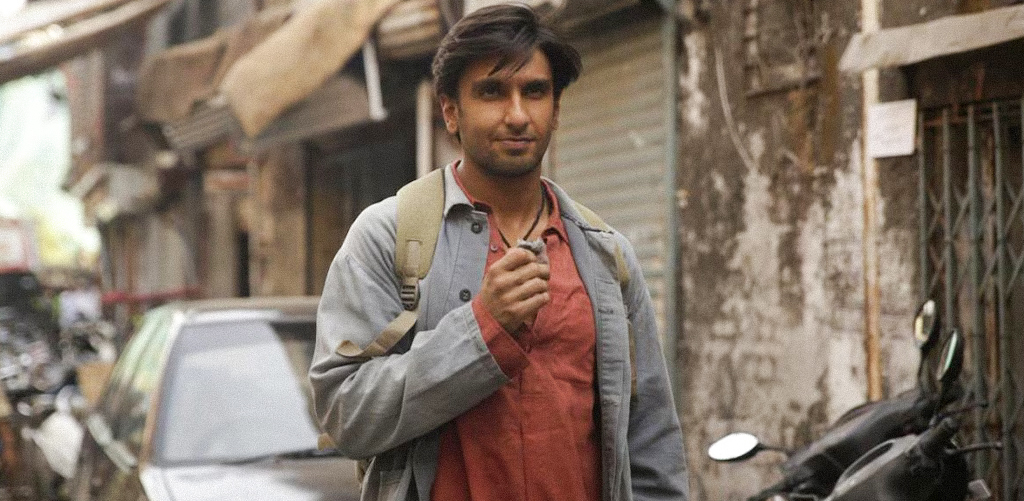
For example, think of Ranveer Singh as Murad in Gully Boy — his loose hoodies, worn-out jeans, and simple streetwear reflect his life as a struggling rapper in Mumbai. Or Alia Bhatt in Raazi — her soft, traditional kurtas showed her as a simple yet strong woman in a serious time.

At JD Institute, students in the Fashion Styling course learn the character development, and choose looks that support the story. It’s not about making the actor look good — it’s about making the character believable.

Styling a Celebrity: Making Fashion Speak Without Words

Now flip the script — celebrities are not playing a role; they are representing themselves. Whether it’s an award show, a magazine shoot, or a brand event, the stylist’s job is to make the celebrity stand out while staying true to their public image.

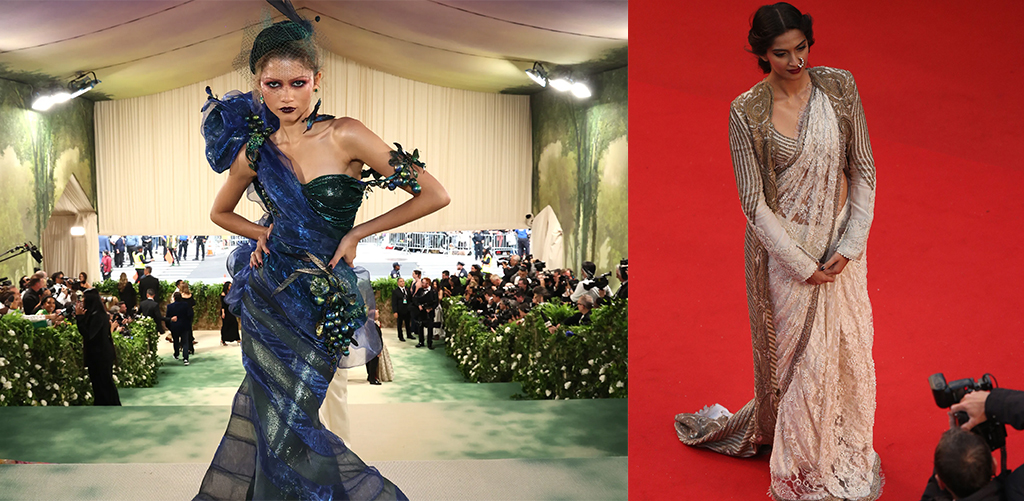
Think about Zendaya’s bold metallic outfits at the Met Gala or Sonam Kapoor’s elegant saree gowns at Cannes — those weren’t just pretty outfits. They were carefully chosen looks that sent a message, made headlines, and started trends.

Celebrity stylists need to know current fashion trends, body types, color theory, and brand partnerships — all while dealing with short deadlines and huge expectations.

Behind-the-Scenes Work: It’s Not Always Glamorous

While the end result may look stunning, the work behind the scenes is intense. Film stylists often spend days researching historical references, sourcing costumes, and coordinating with makeup and art teams. Celebrity stylists might deal with last-minute outfit changes, fitting issues, or unexpected red carpet themes.

Take Deepika Padukone’s golden couture gown for the Cannes red carpet — that outfit took weeks of planning, coordination with designers, and fittings. Or Shah Rukh Khan’s classy suits in Pathaan — they reflect his power and charm, and each piece is chosen with intent.

A stylist must be creative, quick-thinking, and calm under pressure — skills that are practiced and perfected at JD Institute through workshops and practical training.

What Every Future Stylist Should Learn

Whether you want to work in movies or with celebrities, here’s what you need to learn:

1. Adaptability – One day you might style a village girl from the 1980s, and the next day a pop icon going to Paris Fashion Week.
2. Observation – Notice the small details: fabric textures, cultural symbols, or even how an outfit moves on camera.
3. Communication – You’ll work with directors, photographers, makeup artists, and of course, clients. Teamwork is key.
4. Styling with Purpose – Always ask yourself: Why this look? What story does it tell?

JD Institute makes sure that its Fashion Styling course offers a balance of creative theory, industry experience, and personal mentoring, helping you grow into a complete media stylist.

One Job, Two Worlds — Are You Ready for Both?

Being a media or fashion stylist means living two lives — one that helps characters come alive on screen, and another that creates unforgettable fashion moments for stars. It’s not just about clothes; it’s about confidence, identity, and emotion.

At JD Institute, students don’t just study styling — they live it. So if you’re someone who dreams of working behind the scenes but making a visible impact — this is your sign.

Step into the double life of Fashion Styling, and let JD Institute guide your journey.

Because style may change, but the power of storytelling never goes out of fashion.

Your Event Won’t Always Go as Planned—Here’s How to Handle It

Friday, April 11th, 2025

“The show must go on,” they say. But what if the show becomes the problem?

Picture this: Thousands of fans, flashing lights, music pumping—and then, silence. Confusion. Headlines the next morning screaming “Tragedy Strikes!” This is not the script any event manager ever wants. Yet, controversies and crises are very much a part of the event industry, and how PR teams respond in real-time can define the future of the brand, the event, and even the careers involved.

Welcome to the world of crisis communication in event management—where smart decisions, fast action, and clear messaging can mean the difference between a bounce-back and a brand breakdown.

Let’s decode this high-stakes game with some real examples and what aspiring event managers must learn from them.

The Astroworld Tragedy: When the Crowd Turns Deadly

In 2021, Travis Scott’s Astroworld Festival turned into one of the darkest moments in live music history, when a crowd surge led to the deaths of 10 people. Social media exploded, videos went viral, and fans demanded answers.

What went wrong? Lack of crowd control, slow response, and unclear communication.

PR teams initially gave short, generic statements, but the damage was already done. The takeaway? A crisis plan should never be an afterthought.

  • Always have emergency communication strategies in place.
  • Prepare official statements ahead for possible scenarios.
  • Train your team to respond with empathy and responsibility.

At JD Institute, the Global Event Management course prepares students to not only design events but also to handle such tough moments with professionalism.

Cannes 2023: Glamour Meets a Security Glitch

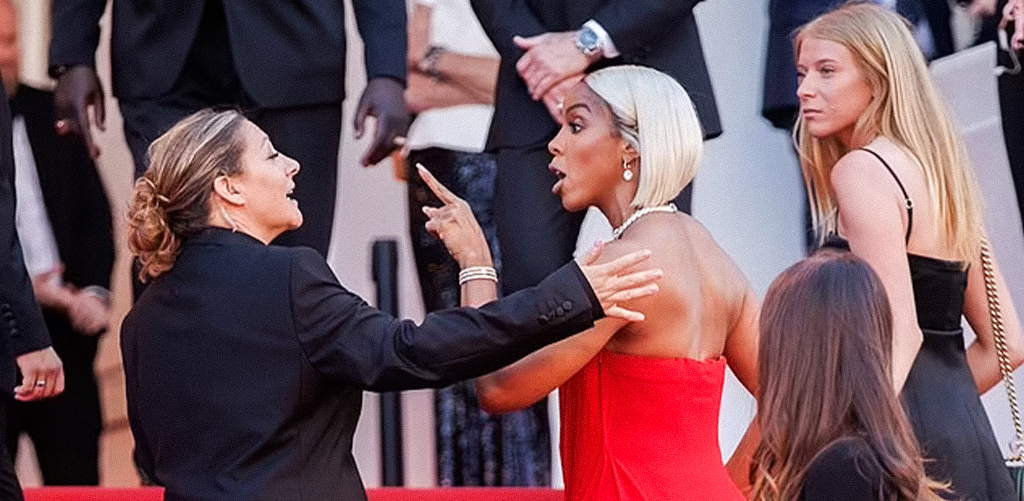
At the 2023 Cannes Film Festival, a major security breach occurred when an unauthorized person slipped past checks during a celebrity walk. The glittering world of red carpets suddenly seemed vulnerable.

What did the organizers do right?

  • They immediately paused the event, addressed concerns with the media, and issued a strong public reassurance that extra security was added.
  • By owning the mistake and acting fast, they turned potential panic into control.

Lesson: In the age of instant news, speed + transparency = trust. Real-world simulations help you understand what to say, when to say it, and how to say it without spiraling.

The 2017 Fyre Festival: A PR Disaster for the History Books

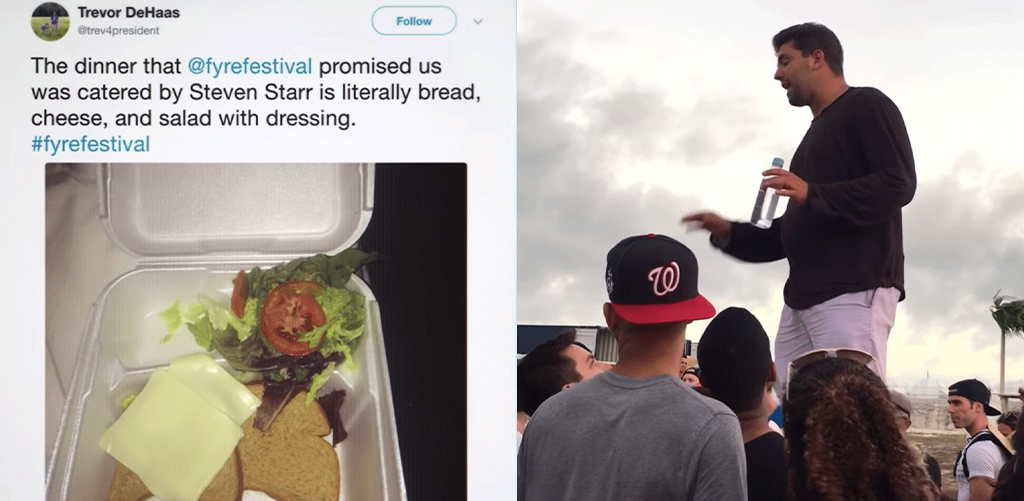
The Fyre Festival promised luxury and delivered cheese sandwiches in tents. What started as a marketing dream became a case study in how not to manage events or crises.

Their biggest mistake? Denial. The organizers kept posting promotional content even as attendees were stranded without food, water, or shelter.

What students must learn:

  • Never let the PR talk louder than the reality.
  • Authentic communication beats fancy hashtags.
  • Always have a crisis team ready, not just a marketing team.

India’s Own: IPL 2021 Bio-Bubble Breach

In the middle of the pandemic, the Indian Premier League (IPL) had to be postponed after multiple players tested COVID positive, despite being in a bio-bubble. Fans were disappointed, but the BCCI’s PR team acted swiftly, issuing statements, organizing press conferences, and shifting focus toward safety.

Important learning:

  • Health crises need clarity and facts, not speculation.
  • A strong spokesperson and message consistency is crucial.

In the JD Institute’s Global Event Management course, students learn how to draft crisis statements, handle media, and lead from the front—even during unexpected global situations.

Met Gala 2018: The Theme That Offended Many

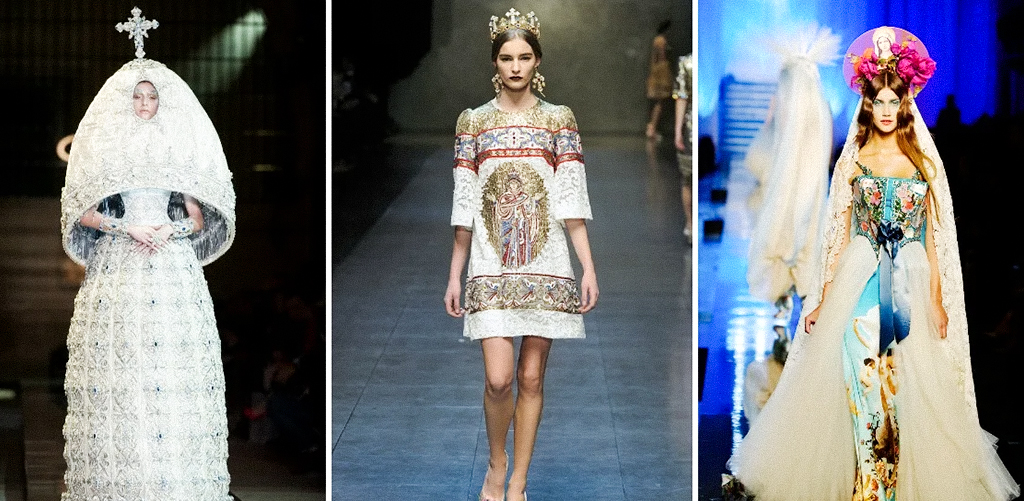
While the Met Gala is known for its bold fashion, the 2018 theme “Heavenly Bodies: Fashion and the Catholic Imagination” triggered backlash for being culturally insensitive.

How did the PR team manage it?

  • By bringing in cultural experts to explain the theme.
  • They engaged the audience with behind-the-scenes content and shifted the narrative toward artistic expression.

Key learning:

  • When you face controversy over creativity, turn to education, not argument.
  • Let your audience in—make them part of the story, not just the spectators.

The Final Mic Drop

Every successful event has a team that’s not just planning the party—but also preparing for the storm. Crisis communication is about being calm when others panic, speaking when others hide, and leading with empathy.

And if you’re dreaming of building your career in global event management, don’t just learn how to make events grand—learn how to protect them. That’s where the JD Institute of Fashion Technology’s Global Event Management course steps in. It gives you the tools and knowledge to manage both the lights and the shadows of this thrilling industry.

So next time the mic cuts off, the lights flicker, or a controversy strikes—will you panic or will you manage?

The answer lies in your training. Make it count.

Wrapped with Purpose: What Communication Designers Should Be Crafting Next

Thursday, April 10th, 2025

“What if your next big design didn’t just look good — but helped save the planet?”
We live in a world where what you throw away says as much about you as what you wear or buy. From morning coffee cups to online shopping boxes, packaging is everywhere. But with growing environmental concerns, the spotlight has shifted — it’s no longer just about how something looks, but what it’s made of, how it’s printed, and where it ends up.

Welcome to the era of sustainable packaging design — where print media meets purpose. This shift has not only changed consumer expectations but also opened up exciting career opportunities for designers who can combine creativity with eco-conscious thinking. Let’s dive into how brands are transforming their packaging game and why print media designers are suddenly the heroes of this green revolution.

The Shift in Packaging Purpose

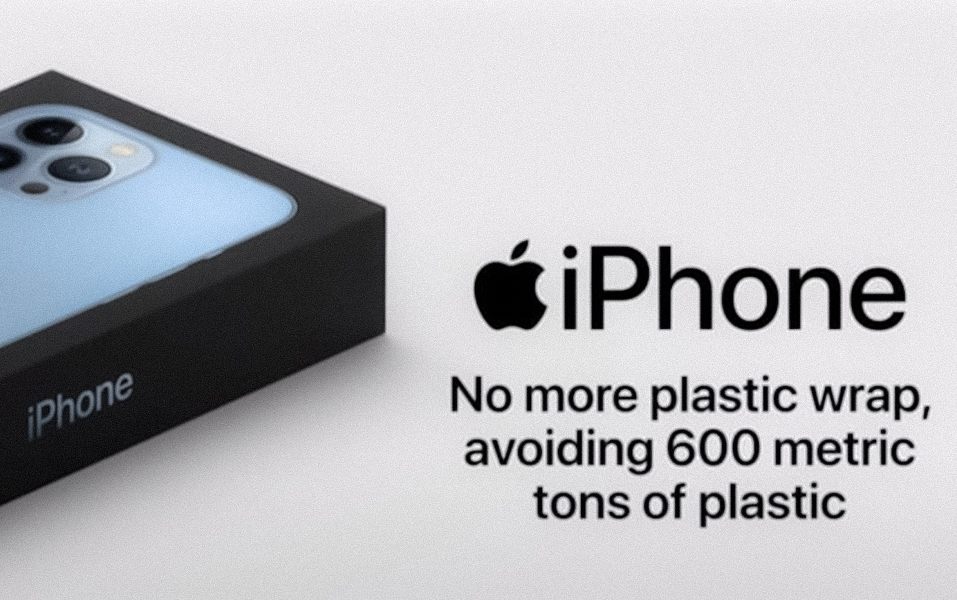
Remember when packaging was all about flashy looks and shelf appeal? That era is fading fast. Today, packaging must tell a brand story while being gentle to the planet. Major players like Apple have redefined their packaging, eliminating plastic in many products and using 100% recycled fiber instead.

Brands aren’t just doing this out of goodwill — consumers are demanding it. A Nielsen report showed that 73% of global consumers would change their buying habits to reduce environmental impact. That’s why sustainable packaging has become the new design goldmine.

Print Media Pros for the Green Revolution

Here’s where it gets exciting: brands are hiring print media designers like never before. Why? Because creating eco-friendly packaging needs more than a switch to paper — it needs strategic thinking, material knowledge, and visual storytelling.

Take The Body Shop, for instance. Known for its eco-ethics, the brand uses recycled plastics and refill stations to cut down on packaging waste. Their printed labels use minimal ink and are often made from biodegradable materials — making it a go-to example for sustainable print design in beauty packaging. 
This rising demand means designers with knowledge in sustainability, material sciences, and visual communication are being snapped up by top brands.

And this is exactly where JD Institute’s Communication Design course bridges the gap — teaching students not just the aesthetics but also the science and purpose behind responsible packaging

The Role of Recyclable Aesthetics

Sustainability doesn’t mean boring. In fact, it’s pushing creativity like never before. Designers are turning trash into treasures — literally. Look at Notpla, a brand that designs seaweed-based packaging for food. Their print work is minimal, innovative, and always on-brand.
Print designers are now learning how inks, adhesives, textures, and even folds affect a product’s recyclability. That’s a lot more than color palettes and fonts — it’s about building a greener tomorrow, one layer at a time.

The Rise of ‘Eco-Storytelling’

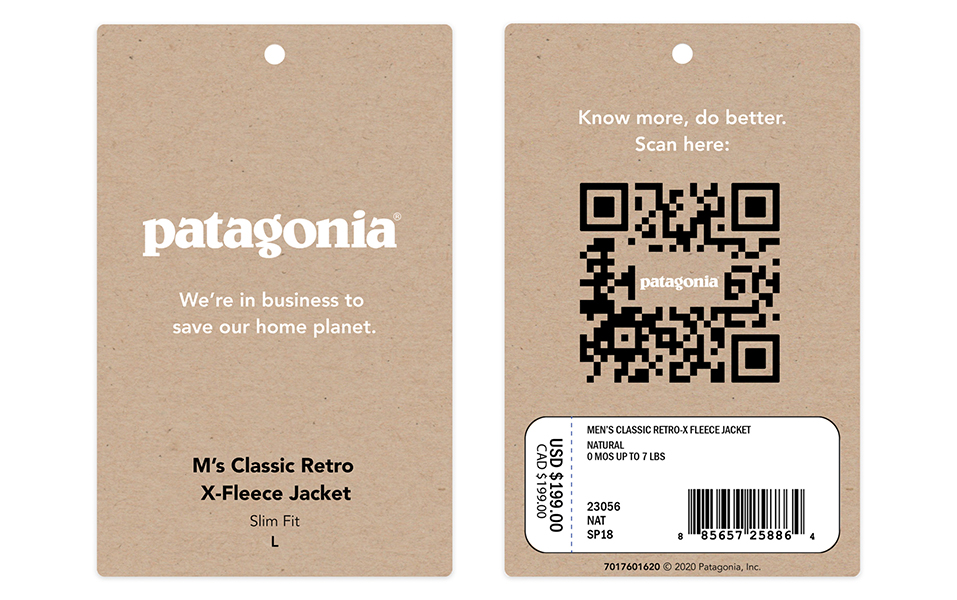
Today’s packaging does more than protect a product — it tells a story of sustainability. Think of Patagonia’s packaging — clean, raw, recycled, and with clear messaging about their environmental commitment. The packaging itself becomes part of the brand’s activism.

Designers in this field need to know how to weave a narrative visually, and that’s where Communication Design education plays a huge role. At JD Institute, students dive deep into branding, material culture, and user behavior — crucial tools for mastering the art of eco-storytelling.

The Future is Bio-Based, Not Plastic-Wrapped

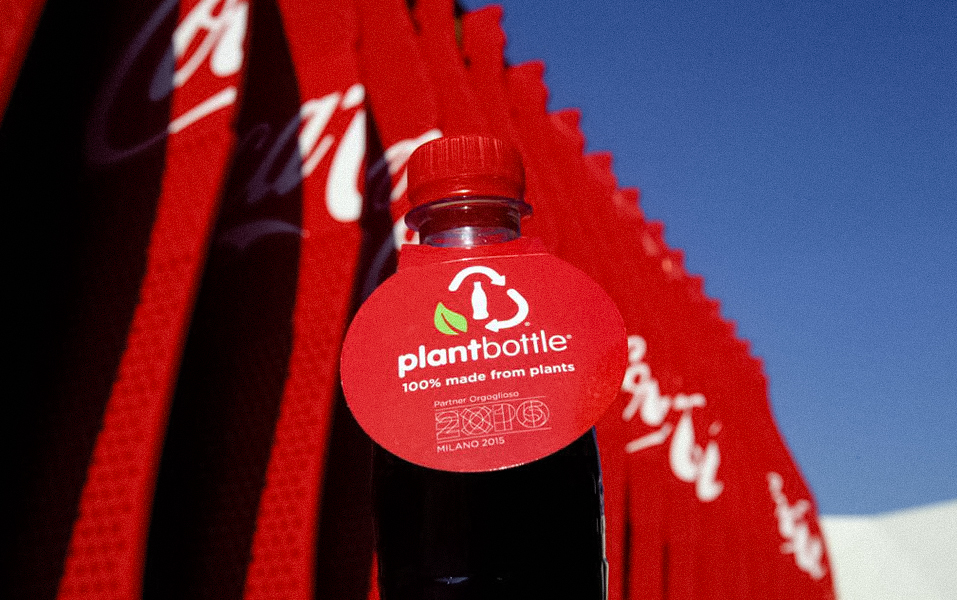
Innovation is exploding in this space — with new biodegradable materials like mushroom leather and sugarcane pulp hitting the design world. Companies like Coca-Cola have introduced bottles made from plant-based materials, needing entirely new label and print design strategies.

This is no longer a niche. It’s the future of print media in packaging, and designers who can adapt fast are the ones riding the wave.

So, if you’re wondering where to start, the Communication Design course at JD Institute could be your launchpad. From understanding biodegradable materials to crafting narratives that connect, the course equips you with every skill needed to lead the design revolution. 

If It’s Not for Everyone, It’s Not Design- Why Designers Must Think Differently

Wednesday, April 9th, 2025

“If design isn’t for everyone, is it even good design?”

What if the most stylish outfit was impossible to wear? Or a beautifully designed room became a maze for someone in a wheelchair? Or a sleek app couldn’t be used by someone with limited vision?

Design isn’t just about how something looks—it’s about how it works for everyone. Accessibility is no longer an option or a “special feature”—it’s a responsibility. And the world of design is waking up to that.

From fashion to interiors to communication platforms, creators are weaving in universal design principles to build inclusive, disability-friendly innovations. And future designers trained at places like JD Institute of Fashion Technology are leading this movement—with empathy, awareness, and smart design thinking.

Let’s break down how accessibility is revolutionizing design across all domains:

Fashion Forward: Adaptive Clothing and Smart Wearables

Fashion isn’t just about looking good. It’s about feeling good and being independent.

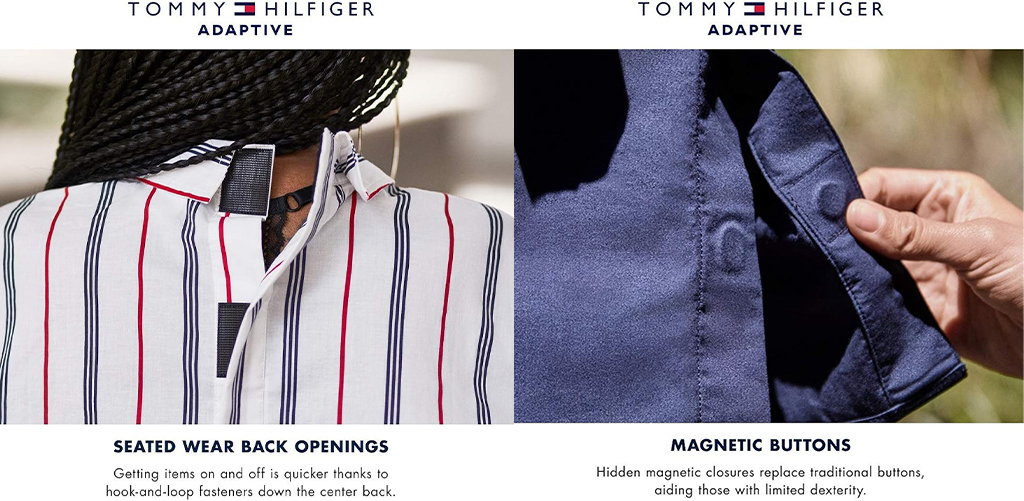
Big brands like Tommy Hilfiger launched adaptive clothing lines with magnetic buttons, side openings, and easy-to-wear features for people with mobility issues. Another great example is Open Style Lab, which makes stylish clothes for people with disabilities.

At JD Institute, Fashion Design students learn to create clothes for all body types and needs. They understand that true fashion includes everyone—not just the models on the ramp.

Interiors that Welcome Everyone

Think about a home where someone on a wheelchair can’t reach the kitchen shelves. Or a hotel room where the bathroom is too tight to move around. These are common problems—but they can be fixed with better interior design.

Buildings like the Ed Roberts Campus Workstations in the USA have wide doorways, ramps, and easy-to-read signs built right into the design. Another example is the peaceful and accessible Maggie’s Centre in the UK, designed to support cancer patients in a calm, open space.

At JD Institute, Interior Design students  learn how to make spaces inclusive, safe, and easy to navigate. They are made to learn how to create spaces that work for people of all ages and abilities. From lighting to flooring and furniture placement—every detail matters.

Communication That Speaks to Everyone

What happens if someone can’t read small text or doesn’t hear sound on a video? Without accessible communication design, they miss out.

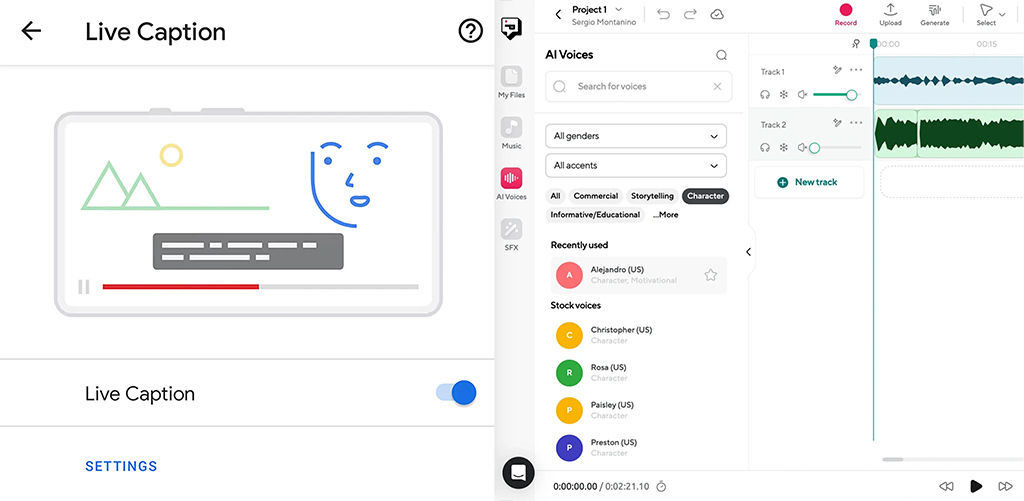
Companies like Apple and Google have added helpful features like VoiceOver (reads text out loud) and Live Caption (shows words on videos). Websites now use large fonts, good color contrast, and image descriptions so that everyone can understand the content.

At JD Institute, Communication Design is taught to create inclusive websites, apps, posters, and videos with a focus on making content that connects with everyone.

What is Universal Design?

Universal design means creating things that everyone can use easily—regardless of age, ability, or background.

A simple example is the OXO Good Grips kitchen tools. Originally made for people with arthritis, they became popular with everyone because of their soft, easy-to-hold handles. That’s the power of universal design—it helps all of us, not just a few.

At JD Institute, this concept is taught from day one. Whether you’re studying fashion, interiors, or communication, you’re trained to think about all kinds of users. You’re taught that great design is not just about trends—it’s about care, empathy, and inclusion.

Let’s Rethink Design—Together

So, next time you admire a well-designed outfit, room, or website, ask yourself—can everyone enjoy this?

If not, it’s time to do better.

At JD Institute of Fashion Technology, students are taught to do just that. With a focus on universal design, real-world problem-solving, and human-first creativity—they’re building a new generation of designers who believe in designing for all.

Because the future belongs to those who create with heart, purpose, and access for everyone.

Copyright © 2025 JD Institute of Fashion. All Right Reserved

Designed by Red Lemon

Whatsapp icon
Apply Now
Enquire
Quick Enquiry