
Apply Now

Author Archive

Inside India Art Fair 2026: Jediiians Explore Contemporary Design Thinking

Friday, February 13th, 2026

Design is no longer confined to studios, it lives in dialogue, debate, and cultural exchange.

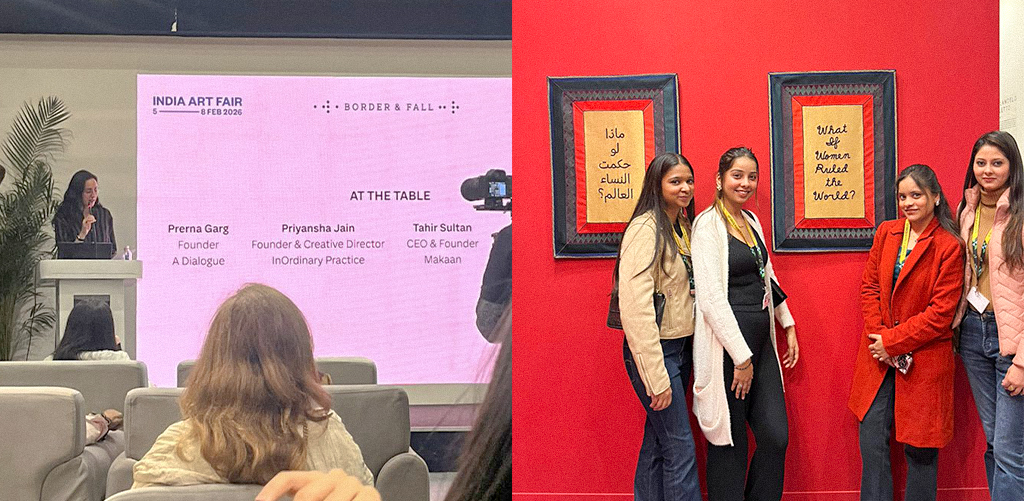
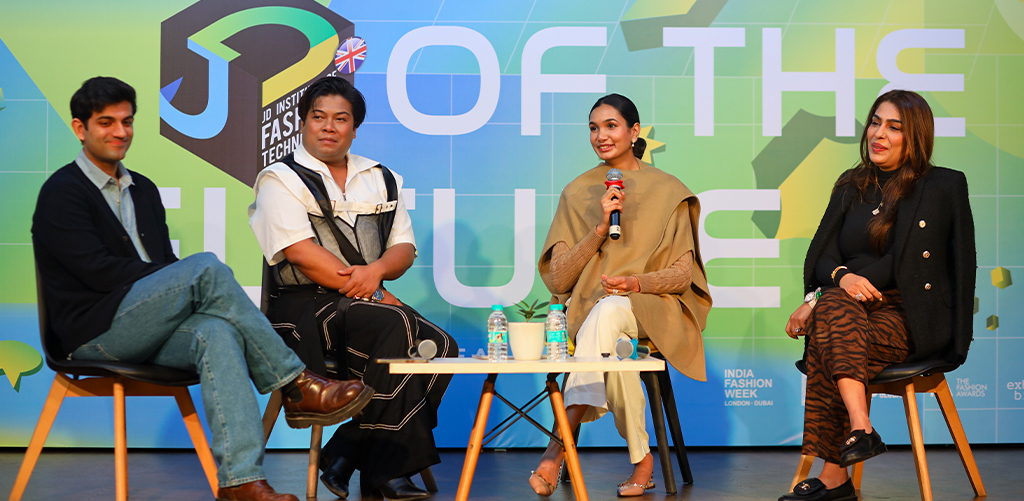
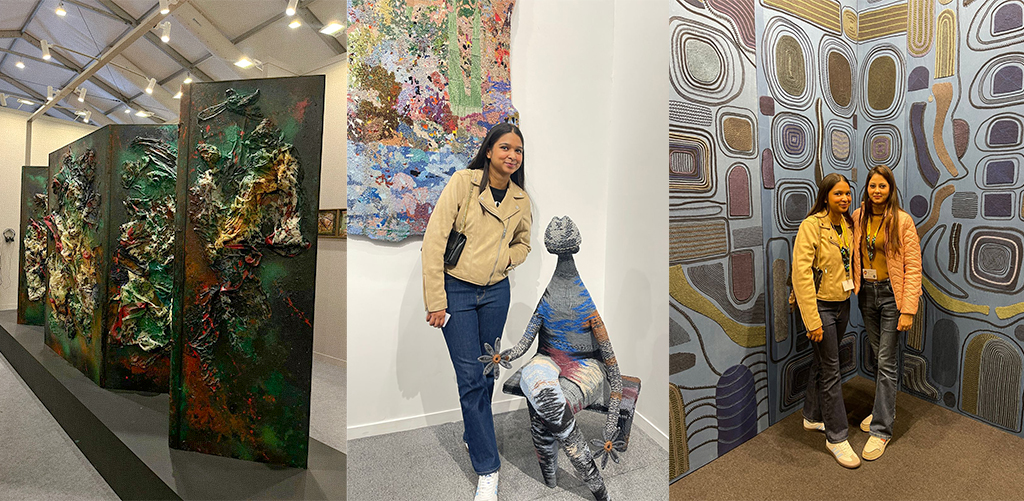
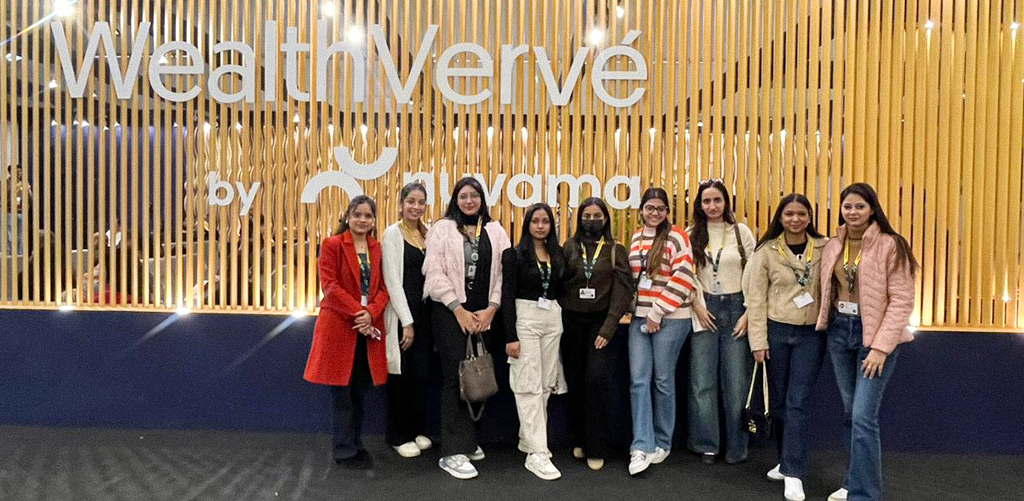
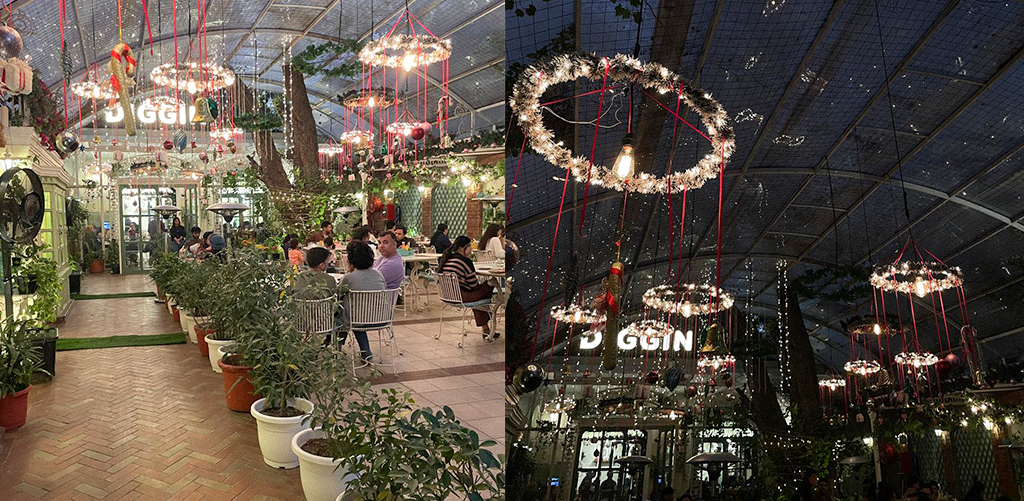
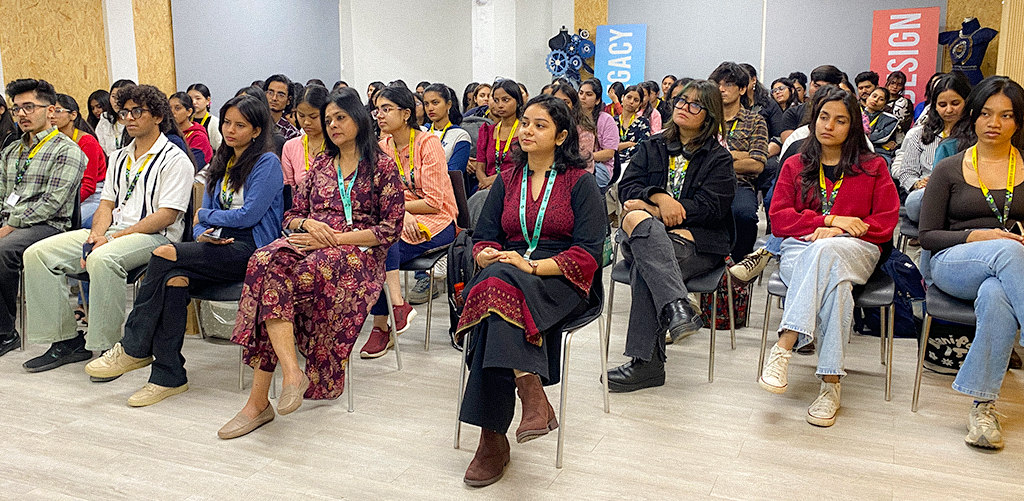
Students of JD Institute of Fashion Technology participated in the OPEN Design Talks at India Art Fair 2026, a two-day immersive experience held at the Nuvama Private Wealth Verve Lounge, VIP Entrance Hall, India Art Fair (IAF), New Delhi.

Representing the Hauz Khas and Kamla Nagar campuses, jediiians stepped into South Asia’s leading platform for modern and contemporary art to witness design thinking in action.

Why India Art Fair?

India Art Fair (IAF) is recognised as South Asia’s premier platform for modern and contemporary art. It brings together leading galleries, artists, designers, institutions, and cultural practitioners from across India and globally.
Within this dynamic space, the OPEN Design Talks focus specifically on:

  • Indian design practices
  • Material exploration
  • Cultural narratives
  • Evolving visual languages

For fashion, interior, and design students, this was not just a visit, it was exposure to the larger ecosystem shaping contemporary creative industries.

What Students Observed & Learned

Jediiians attended two curated panel discussions:

Day 1 – “At The Table”

Day 2 – “Reclaiming the Made World”

Both sessions explored contemporary design thinking within the Indian context, offering real-world perspectives beyond classroom theory.

During “At The Table”

Students explored how:

  • Gathering and food culture influence design thinking
  • Archives, objects, and space shape creative decisions
  • Designers stay relevant in an expanding visual landscape

The session highlighted experimentation, iteration, and contextual storytelling in modern design practice.

During “Reclaiming the Made World”

The focus shifted to:

  • Material life cycles
  • Reuse and sustainability
  • Ethical design methodologies

Students gained insights into how working with existing materials and cultural histories can redefine innovation. The discussion reinforced how sustainability and cultural archaeology are becoming central to contemporary design.

Industry Experts Who Led the Dialogue

Panel 1 – “At The Table”

  • Daksha Salam – Designer
  • Prerna Garg – Founder, A Dialogue
  • Priyansha Jain – Founder & Creative Director, InOrdinary Practice
  • Tahir Sultan – Designer

Panel 2 – “Reclaiming the Made World”

  • Lokesh Ghai – Textile Artist & Researcher
  • Ritwik Khanna – Founder, Rkive City
  • Sarita Sundar – Designer & Design Historian, Founder – Hanno
  • Priyanka Shah – Founder, SHED

These professionals shared their expertise on sustainability, material innovation, cultural research, and evolving Indian aesthetics, offering students direct insight into contemporary industry practices.

An Experience Worth Remembering

Participation at OPEN Design Talks allowed JD Institute students to witness how design conversations are shaping global and Indian creative landscapes.

It reinforced one key idea:
Design today is about responsibility, research, and relevance.By stepping into platforms like India Art Fair 2026, students continue to expand their learning beyond classrooms, engaging with thought leaders, industry pioneers, and evolving creative narratives.
When Jediiians Learned Directly from Rajasthani Artisans at Bikaner House, New Delhi

Thursday, February 12th, 2026

What happens when centuries-old crafts meet contemporary design education?

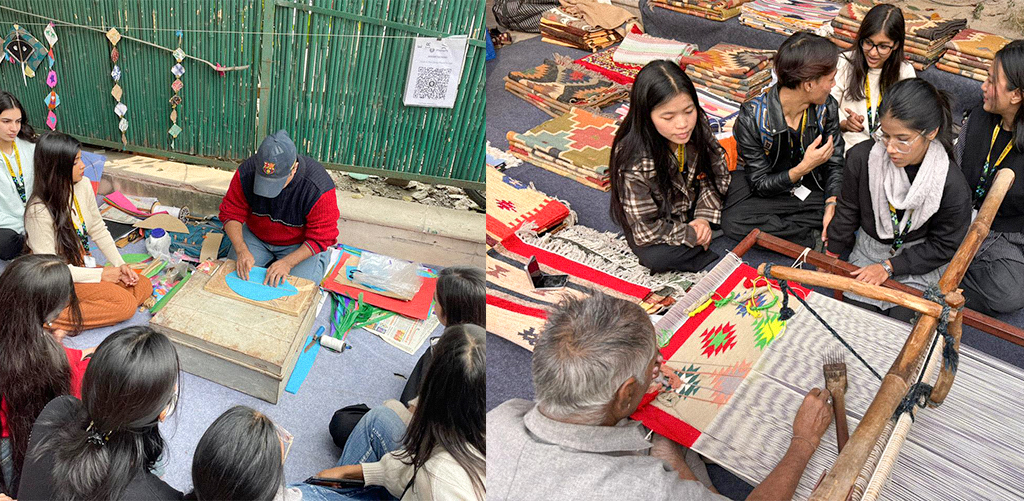
At Bikaner House, New Delhi, our students didn’t just learn about heritage, they experienced it, hands-on.

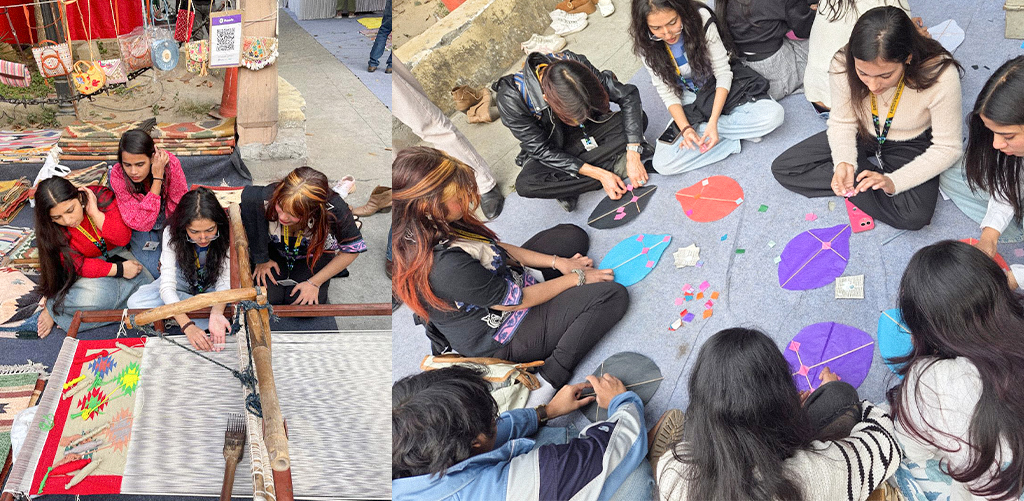
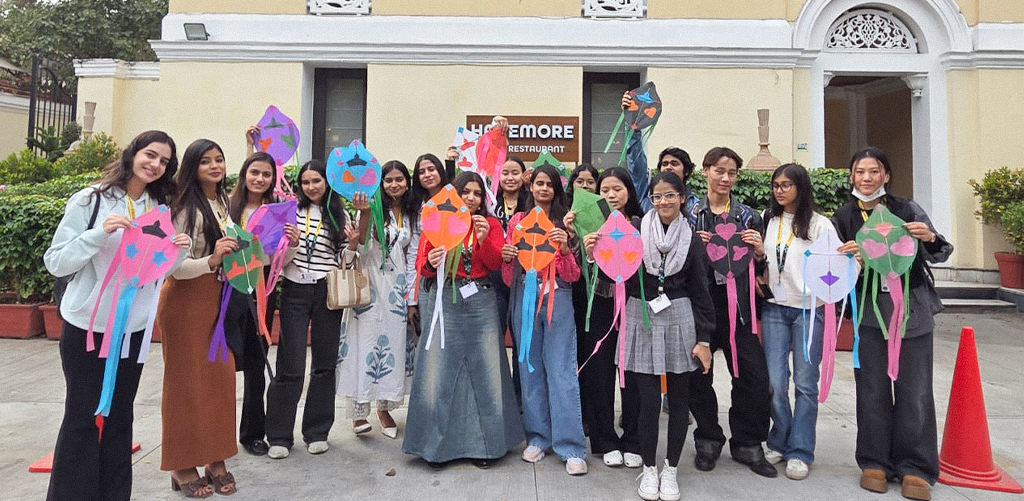
JD Institute facilitated two immersive workshops on Dari-making and Kite-making, led by traditional artisans from Rajasthan, offering students an opportunity to slow down, observe, and create with intention.

Why These Workshops Mattered

In a fast-paced design world driven by trends and technology, these workshops brought attention back to process, patience, and purpose.

Conducted for students from the PGFD and FDFT batches of 2025, the sessions aimed to:

  • Reconnect students with indigenous Indian crafts
  • Highlight the relevance of traditional techniques in modern design
  • Promote sustainable and culturally rooted design thinking

The focus wasn’t just skill-building, but sensitisation.

Learning Directly From the Source

The workshops were conducted by skilled artisans from Rajasthan, practitioners who continue to preserve and practise traditional crafts passed down through generations.

Students were introduced to:

  • Dari-making, a traditional textile craft rooted in regional weaving practices
  • Kite-making, an art form that combines structure, balance, and cultural expression

Through live demonstrations, artisans shared not only techniques, but also stories, about materials, regional identity, and livelihoods connected to these crafts.

What Jediiians Did (and Learned)

Rather than observing from the sidelines, students actively participated throughout both workshops.

Hands-on Experiences Included:

  • Learning the basic techniques of Dari weaving
  • Understanding tools, raw materials, and manual processes
  • Practising traditional kite-making, focusing on structure and balance
  • Exploring pattern creation and craftsmanship precision

Under the artisans’ guidance, students experimented, asked questions, and gained clarity on how much skill and intent go into each handcrafted piece.

Culture, Sustainability, and Design

The sessions also opened conversations around:

  • Regional craft traditions
  • Sustainability and slow design practices
  • The realities of artisan livelihoods
  • How traditional crafts can inspire contemporary fashion and textile applications

For many students, this was a shift in perspective, from viewing crafts as references to seeing them as living design systems.

A Step Towards Conscious Design Education

Such initiatives reinforce JD Institute’s commitment to providing learning experiences that go beyond classrooms and textbooks. By integrating indigenous knowledge into design education, the institute continues to nurture designers who are not only skilled, but also culturally aware and socially responsible.

The workshops at Bikaner House proved to be enriching, insightful, and deeply meaningful, leaving students with lessons they’ll carry far beyond their academic journey.

Jediiians Engage with the Global Creative Economy at the British Council, New Delhi

Tuesday, February 3rd, 2026

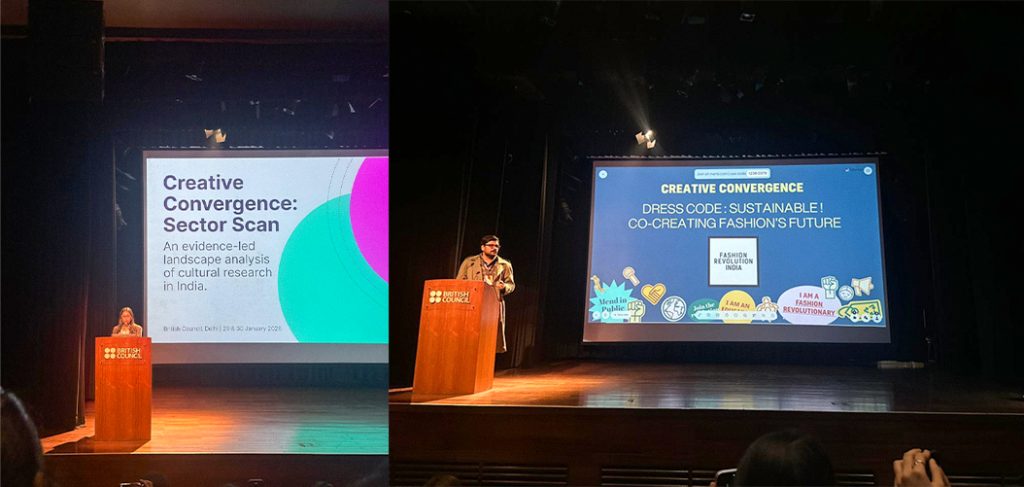
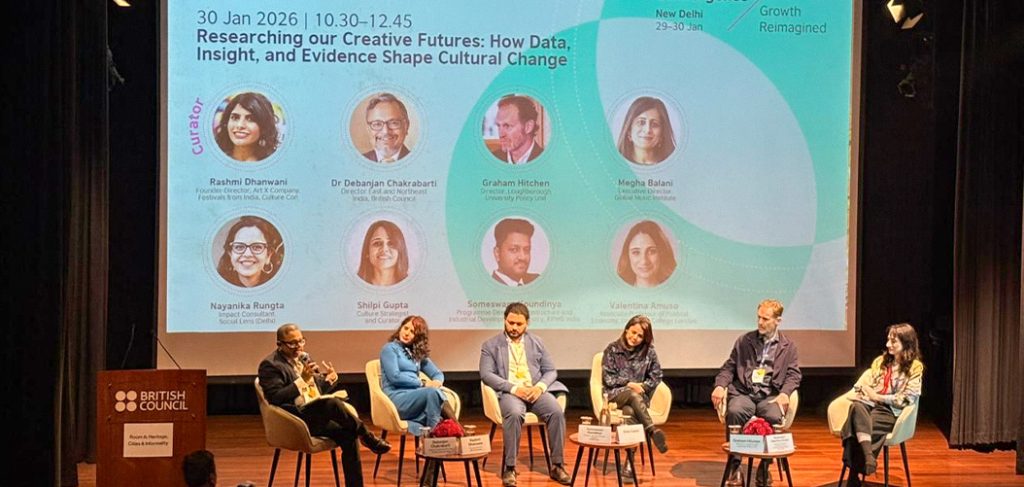
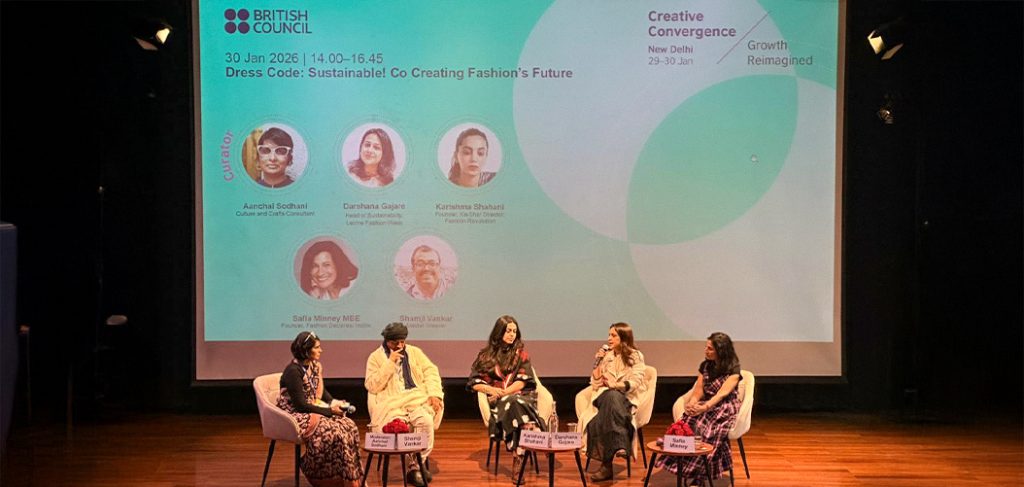
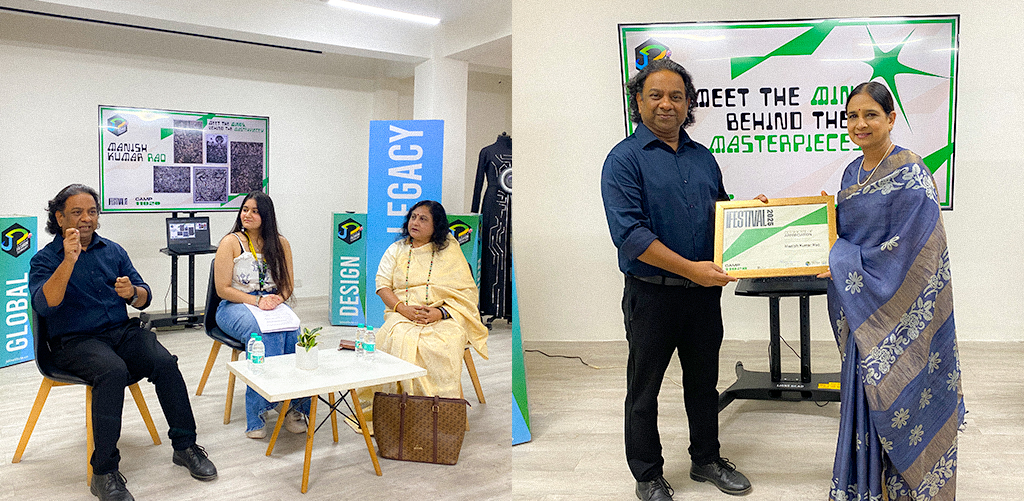
As part of its continued focus on industry-integrated education, JD Institute organised a Creative Economy Visit and Industry Interaction at the British Council, New Delhi. The visit was designed to expose students to the global creative ecosystem, offering insights into how culture, sustainability, policy, and entrepreneurship collectively shape contemporary creative industries.

The experience enabled students to step beyond academic frameworks and engage directly with professionals, institutions, and communities influencing the creative economy at national and international levels.

Why the British Council?

The British Council is the United Kingdom’s international organisation for cultural relations and educational opportunities. Known for fostering cross-cultural exchange and creative collaboration, it actively supports interdisciplinary initiatives across fashion, art, music, cultural heritage, and sustainability.

For Jediiians, the British Council provided a meaningful environment to understand how global creative practices are researched, funded, governed, and implemented, making the visit both timely and academically relevant.

Focus of the Creative Economy Interaction

The visit centred on understanding the evolving landscape of the creative economy, with emphasis on:

  • Interdisciplinary creative practices
  • Sustainability and ethical production systems
  • Policy frameworks impacting the creative industries
  • Global collaborations and cultural exchange
  • Entrepreneurship and leadership within creative sectors

Through a combination of panel discussions, knowledge sessions, and open dialogues, students explored how creative industries function beyond design, at the intersection of economics, advocacy, and social impact.

How JD Institute Students Engaged

Panel Discussions & Knowledge Sessions
Students actively participated in discussions on creative research, industry trends, and policy frameworks at both national and international levels.

Industry Interaction with Founders
Direct conversations with creative entrepreneurs gave students clarity on leadership journeys, business realities, and evolving professional roles within the creative economy.

Sustainability & Ethical Practice
Sessions focused on responsible fashion, advocacy, and sustainable production systems, reinforcing sustainability as a core industry responsibility.

Community & Craft Perspectives
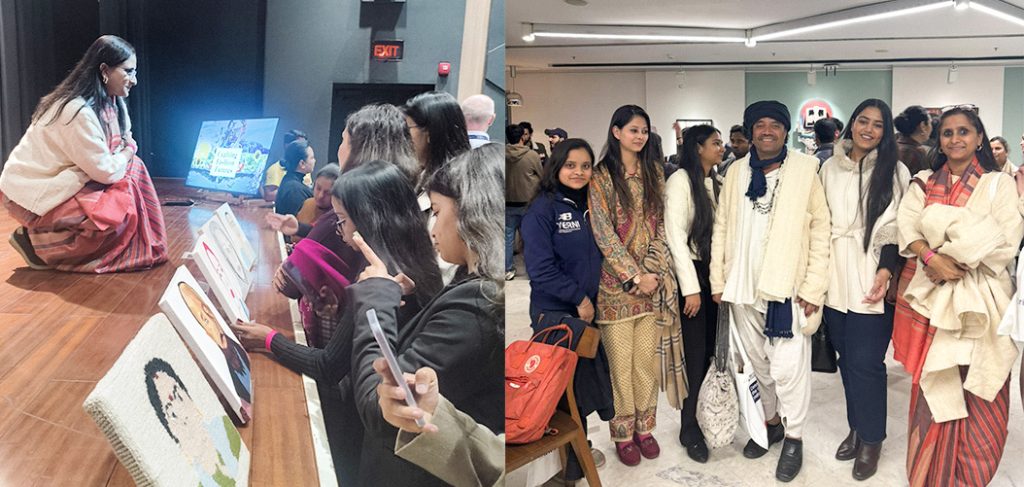
Interactions with members of the weaving community offered meaningful exposure to traditional craftsmanship, indigenous knowledge systems, and the socio-cultural importance of artisan networks.

Dialogue, Q&A & Reflection
Open-floor discussions helped students sharpen communication skills, think critically, and confidently articulate informed perspectives.
Industry Experts Who Led the Interaction

The interaction was enriched by the presence of experienced professionals and thought leaders, including:

Their diverse perspectives offered students a holistic understanding of the creative economy, from policy and advocacy to practice and community engagement.

What This Visit Ultimately Delivered

The British Council visit reinforced JD Institute’s commitment to industry-integrated learning. Students walked away with a clearer understanding of how creative practice, sustainability, policy, and cultural responsibility converge in today’s global industry. More importantly, the experience encouraged them to approach the creative economy not just as professionals, but as responsible, informed, and culturally aware contributors.

From Fashion Designing at JD Institute to Dressing Icons: Savnit Arora Gurnani

Wednesday, January 28th, 2026

JD Institute of Fashion Technology | Lucknow Campus

Fashion Designing Alumna

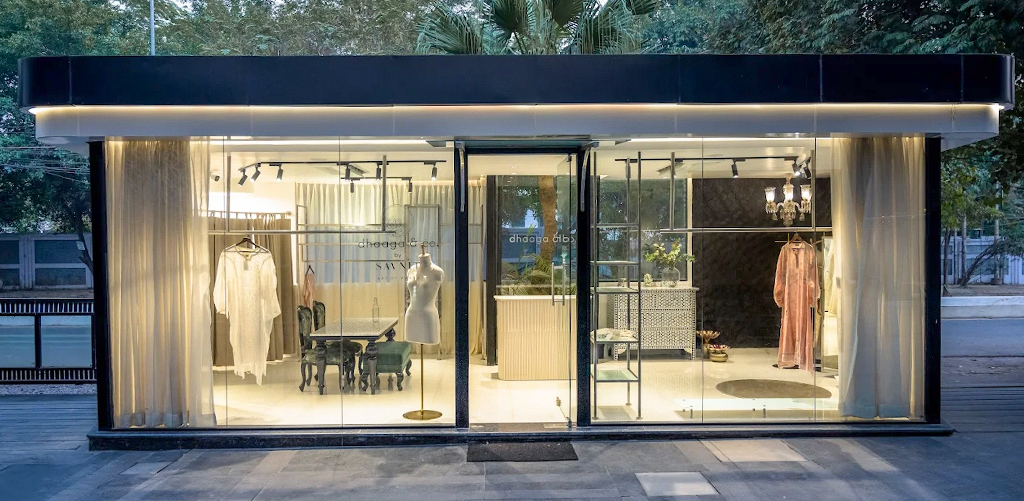
From campus to celebrity wardrobes, Savnit Arora Gurnani’s journey stands as a strong example of entrepreneurial growth rooted in craft. As the founder of Dhaaga & Co., she has steadily built a label that brings traditional Chikankari into contemporary relevance, earning recognition from some of the country’s most celebrated names.
The Label: Dhaaga & Co. and Its Design Focus

Dhaaga & Co. builds its collections around Lucknawi Chikankari craftsmanship, working with artisans who carry forward long-standing techniques. These traditional skills are interpreted through a modern design lens, resulting in pieces that feel understated, timeless, and refined.

Each garment is designed with attention to form and detail, where handwork enhances the design rather than overpowering it, bringing together heritage and modern wearability.

Celebrity Appearances Featuring Dhaaga & Co. Designs

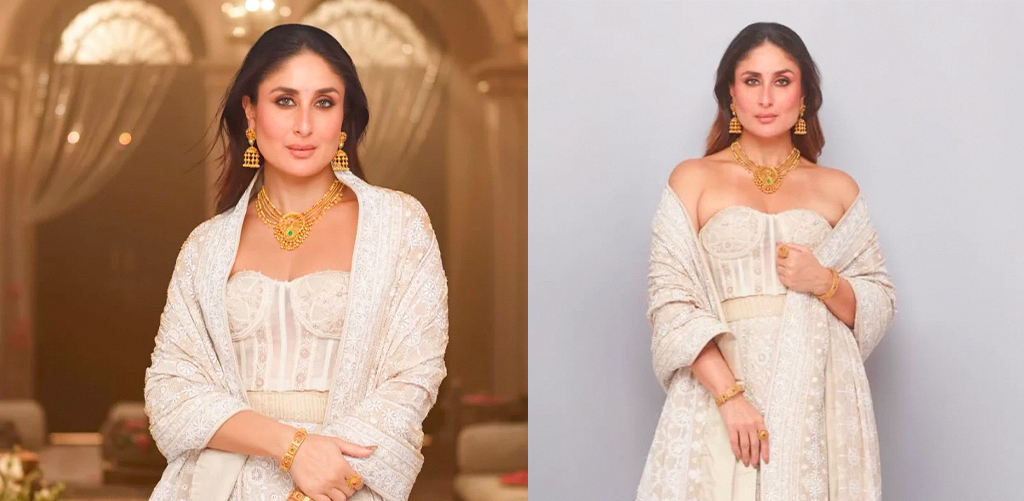
  • Kareena Kapoor Khan wore Dhaaga & Co.’s Ivory and Gold Georgette Ek-Taar Chikankari Lehenga Set for Malabar Gold and Diamonds, highlighting timeless craftsmanship with understated elegance.
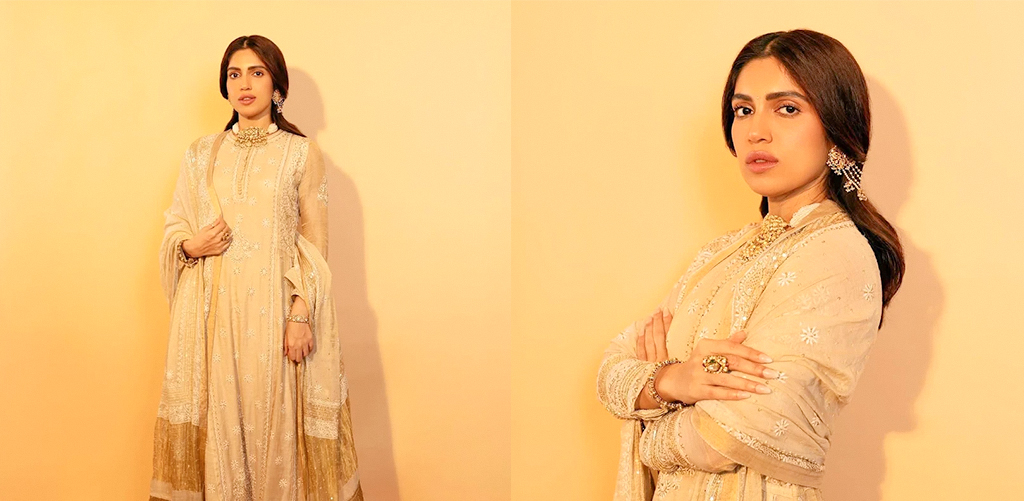
  • Bhumi Pednekar embodied confidence and grace in the brand’s handcrafted bestselling Chikankari Anarkali, crafted in tissue fabric with signature motifs, gold sequins, and a statement embroidered dupatta.
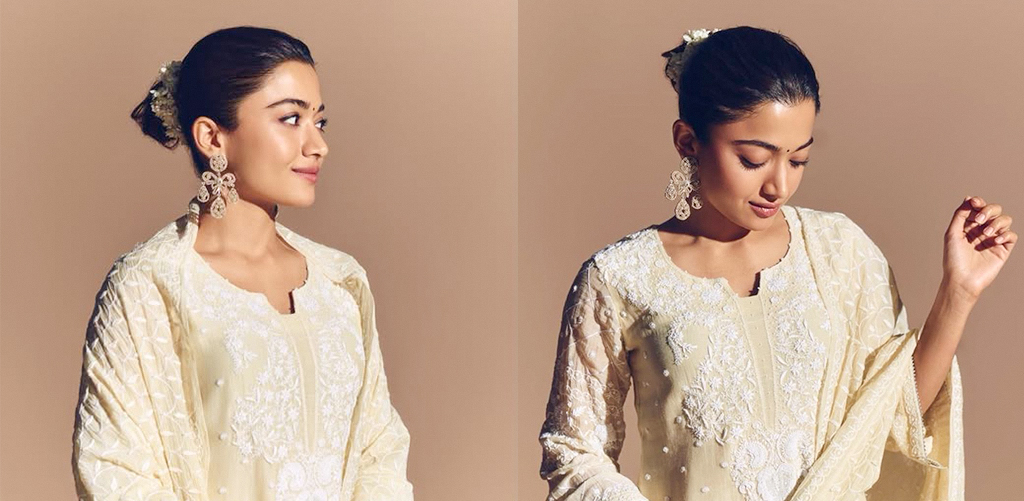
  • Rashmika Mandanna was seen in a Mul Chanderi Chikankari ensemble, featuring an embellished neckline, detailed front embroidery, a statement back boota, and a lace-detailed dupatta with embroidered pants.

Through her label Dhaaga & Co., Savnit has carved a distinctive space for handcrafted Indian wear, earning recognition through celebrity patronage that speaks volumes of her brand’s authenticity. From academic grounding to industry visibility, this milestone reflects education in action and we at JD Institute, celebrate Savnit’s achievement who continues to convert craft, training, and intent into industry relevance.

JD Institute Puts off its 38th Convocation: 500+ Graduates Ready for the Industry

Friday, January 23rd, 2026

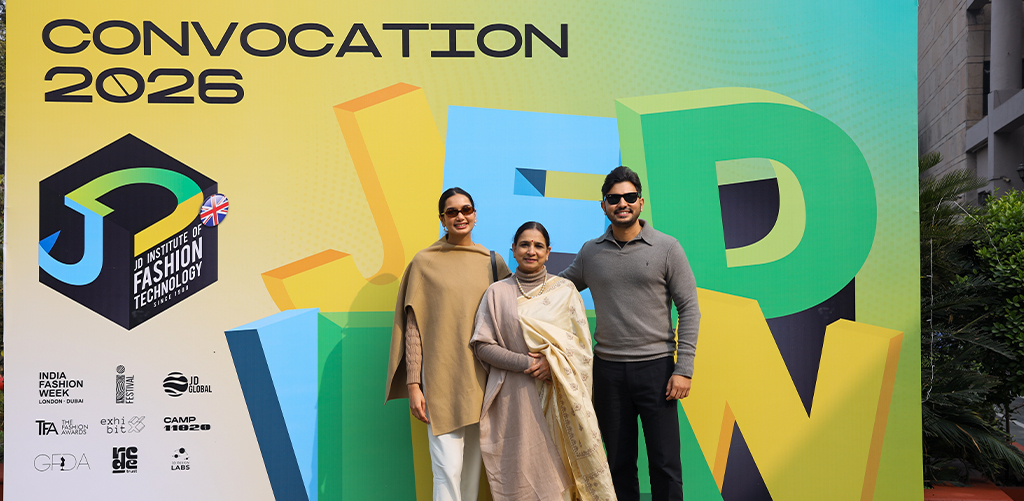
Every convocation at JD Institute is a story of transformation. The 2026 edition, held at the India Islamic Cultural Centre, Delhi, celebrated 500+ graduates in fashion and interior design, not just as students, but as professionals shaped by immersive learning, industry exposure, and a vision aligned with the creative world beyond the classroom.

The event brought together graduating students, faculty members, alumni, and industry professionals to reflect a learning model shaped by exposure, practice, and real-world expectations.

Conversations That Addressed Industry Reality

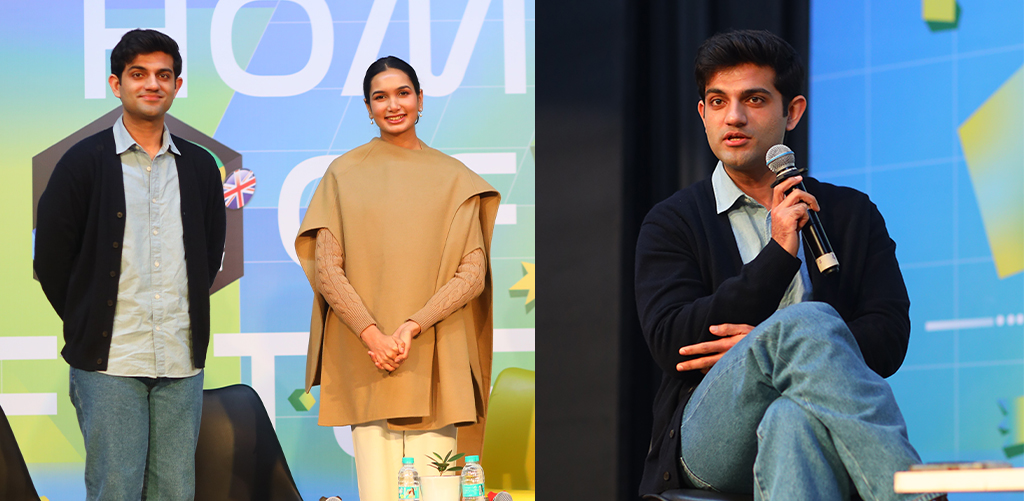
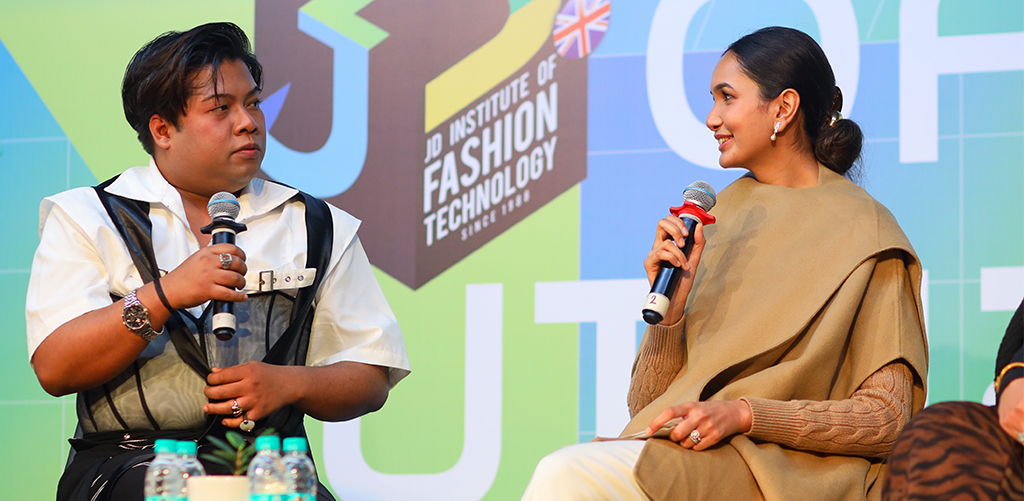
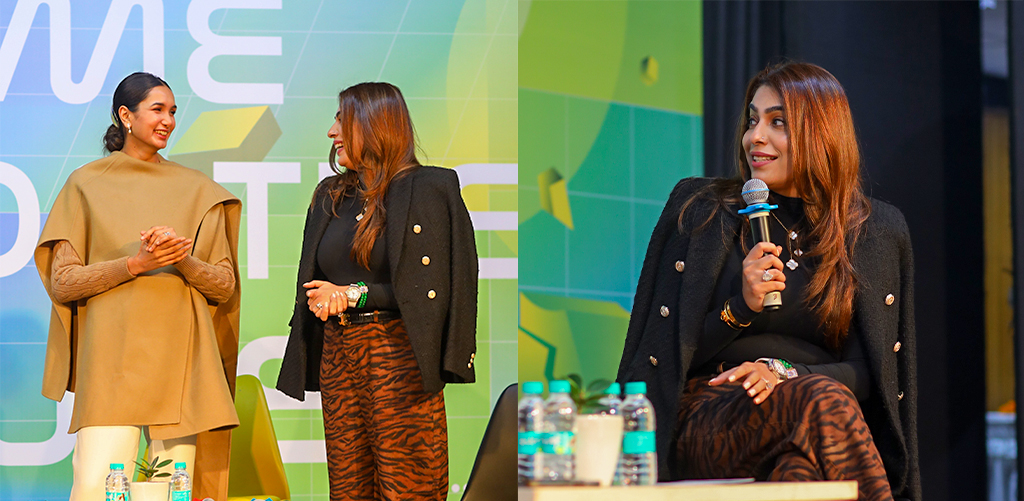
One of the key segments of the convocation was “Reality, Expectations & Ask Me Anything,” led by Ms. Akshra Dalal, Director, JD Institute of Fashion Technology.

The session encouraged honest discussions around career paths in fashion and interior design. Using a structured cue-card format, panelists responded to real industry scenarios by distinguishing between common expectations and actual professional realities. Topics included workplace culture, long-term career planning, and the consistency required to sustain creative careers.

The segment concluded with an Ask Me Anything interaction, where students received direct responses to questions they had submitted in advance. The focus remained on clarity, helping graduates understand what the industry demands once formal education ends.

Learning from Those Already in the Field

The convocation featured professionals whose journeys reflect the institute’s industry-aligned approach.

  • Shivang Chandna, Founder and Creative Director of Past Modern, spoke about building a brand that balances cultural context with contemporary relevance, offering practical insight for students entering competitive markets.
  • Akash Chetia, Fashion Designer at Tarun Tahiliani, represented the impact of JD Institute’s alumni network. His professional journey demonstrated how foundational training translates into roles within established design houses.
  • From interior design, Parnika Kapur Julka, Co-founder and Principal Designer of Attico Homes and a JD alumna, shared perspectives on functionality, spatial planning, and client-focused design—key expectations in today’s interior practice.

Each interaction added practical context to how creative careers unfold beyond classrooms.

Testing Adaptability Through Real-Time Thinking

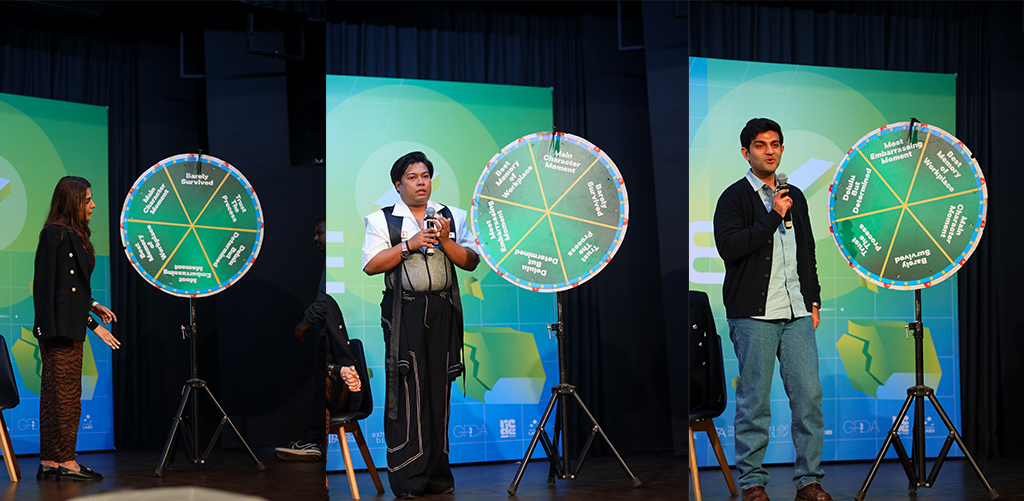
The energy of the convocation shifted with the “Spin the Wheel” segment. Panelists were asked to respond to spontaneous questions on creative challenges, evolving trends, and decision-making, each within a one-minute limit.

The format reflected the pace of the industry itself, where quick thinking and adaptability are essential. It served as a practical demonstration of how experience shapes confident decision-making under pressure.

Celebrating the Journey of Being a Jediiian

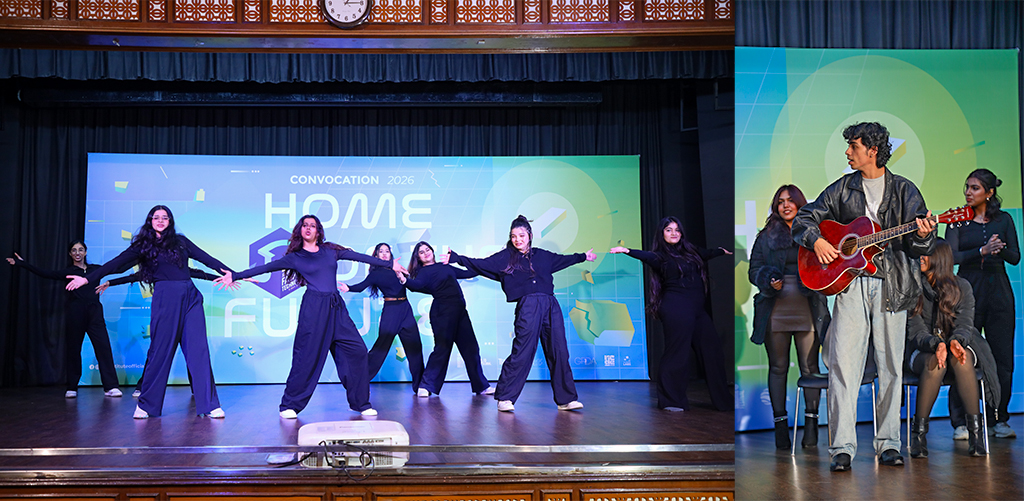
Beyond discussions and degrees, the convocation also celebrated the cultural fabric of JD Institute. Students from the cultural society showcased the journey of being a Jediiian through music, skits, and dance performances. These moments reflected shared experiences of learning, collaboration, and growth within the institute’s ecosystem.

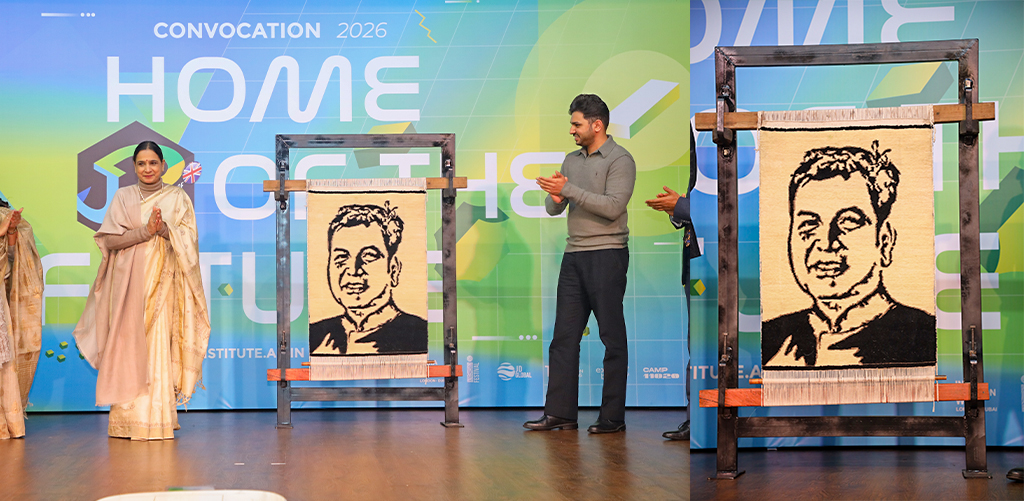
A defining highlight was a student-led tribute to Shri R.C. Dalal, Co-Founder of JD Institute, as a hand-woven portrait of him was presented by JD Institute alumnus Saurabh Mishra from the Lucknow campus. Designed and woven using the traditional Dan/Kaleen carpet technique in Dharchula, Uttarakhand, the artwork reflects years of skill, cultural knowledge, and collaborative artistry with master artisans from the Rung community. Leadership. Mentorship. Legacy.

This portrait stands as a proud testament to the values that define the ceremony’s most meaningful moments.

Moving Forward with Direction

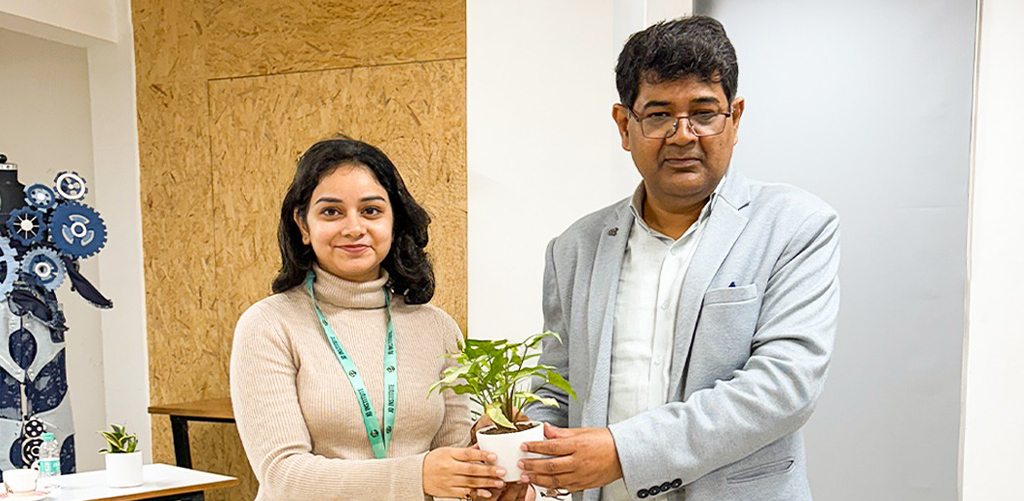
The convocation concluded with a thoughtful gesture, guests were presented with planters, symbolising growth and continuity. It aligned with the institute’s focus on nurturing long-term professional journeys. The JD Institute Convocation 2026 reflected an education model grounded in industry relevance, practical exposure, and structured learning, preparing graduates to step forward with clarity, confidence, and professional awareness.

JD Institute’s House of Jediiians Returns to India Fashion Week London

Thursday, January 22nd, 2026

India Fashion Week London has been shaping global conversations around Indian fashion for over 12 years.

It stands as a powerful platform where heritage, contemporary design, and global sensibilities come together, showcasing both emerging and established Indian designers on an international stage.

At the heart of this journey stands JD Institute of Fashion Technology, continuing its long-standing association with one of the most prestigious fashion weeks in the world.

A Partnership That Has Stood the Test of Time

JD Institute of Fashion Technology proudly marked yet another year as the Official Event Partner of India Fashion Week London, a role it has consistently held since 2014.

Organised by The Platinum Group and sponsored by Johnnie Walker, India Fashion Week London continues to be a global celebration of Indian fashion, creativity, and craftsmanship, one that JD Institute has actively contributed to for over a decade.

This partnership reflects a shared vision:
to take Indian design talent to the world.

House of Jediiians: Where Young Designers Took Centre Stage

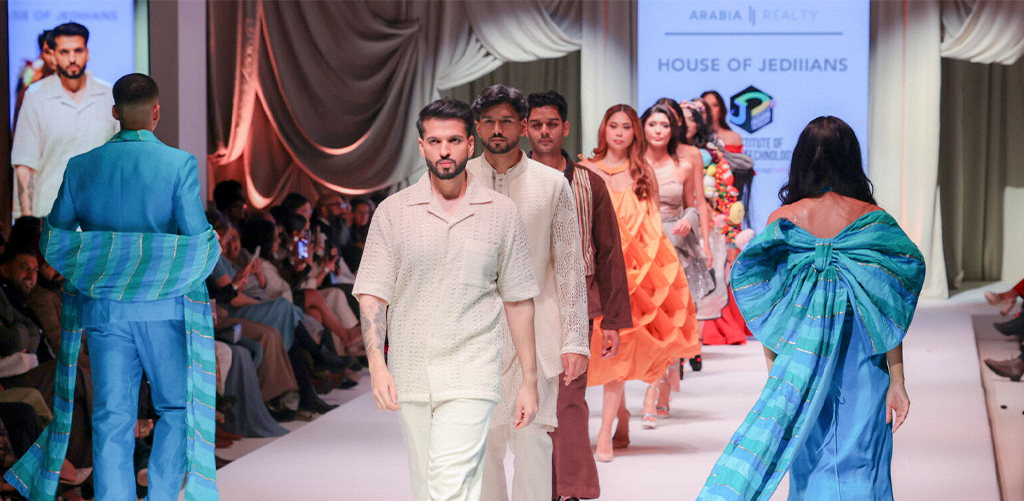
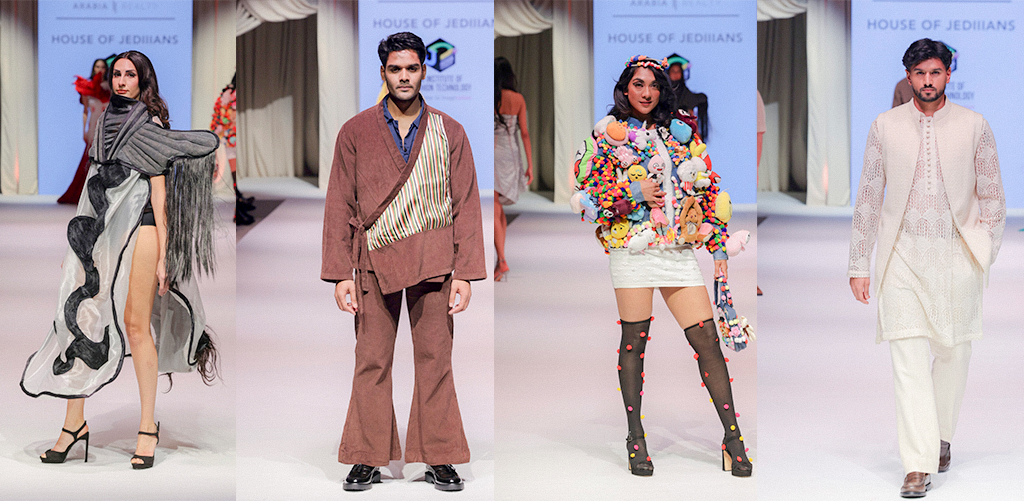
Just like every year, JD Institute proudly presented its signature segment-

“House of Jediiians”

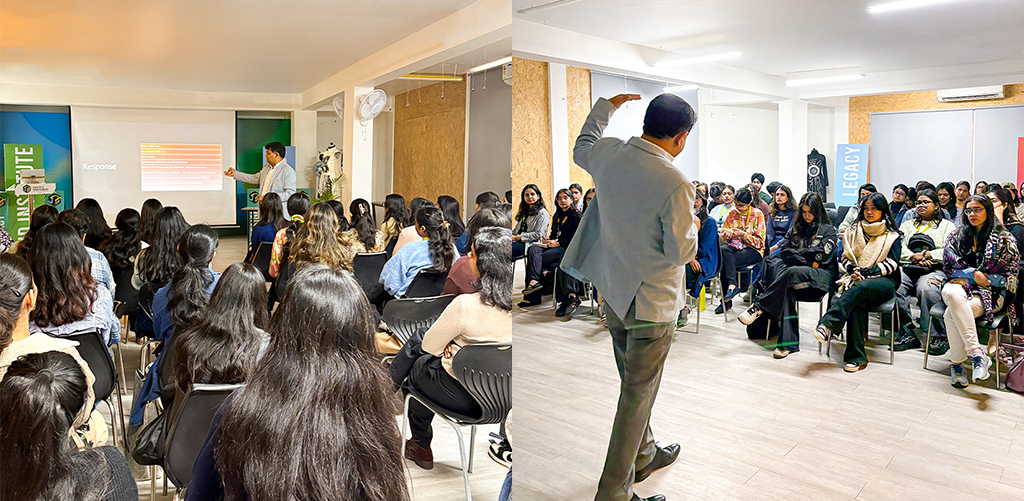
Hosted at Novotel London Hammersmith, this exclusive showcase was dedicated to collections created by JD Institute’s fashion design students, offering them a global runway to express their ideas, identity, and innovation.

The segment celebrated:

  • Fresh perspectives
  • Experimental silhouettes
  • Craft-driven storytelling
  • A strong focus on sustainability

Each collection reflected not just design skills, but a conscious approach to fashion that blends tradition with modern responsibility.

Campuses That Walked the International Ramp

Fashion Design Jediiians from the following campuses showcased their collections:

  • Surat
  • Dehradun
  • Rajouri Garden
  • Hauz Khas Village (HKV)
  • Kamla Nagar (KN)

Every garment carried the individual essence of its creator, while collectively celebrating sustainable fashion and thoughtful design. Each campus brought a unique voice to the runway, proving that design diversity is a strength.

More Than a Show: A Global Learning Experience

For Jediiians, India Fashion Week London was not just about walking an international ramp, it was about exposure, interaction, and opportunity.

Students experienced:

  • Networking with industry leaders
  • Interaction with media professionals and influencers
  • Exposure to marketing experts and global fashion figures
  • Connections with CEOs, Presidents, VPs, Directors, and influential London personalities

With an audience reach of:

  • 3,500+ in-person visitors
  • 9,000 online viewers
  • 50,000+ social media reach

The platform offered students unmatched visibility and professional insight.

Global Fashion Design Awards

Running alongside India Fashion Week London was the Global Fashion Design Awards, organised by Rupal Dalal, Managing Director at JD Institute of Fashion Technology.

The awards brought together designers, brands, and industry leaders from across the world to celebrate creativity, innovation, and design excellence.

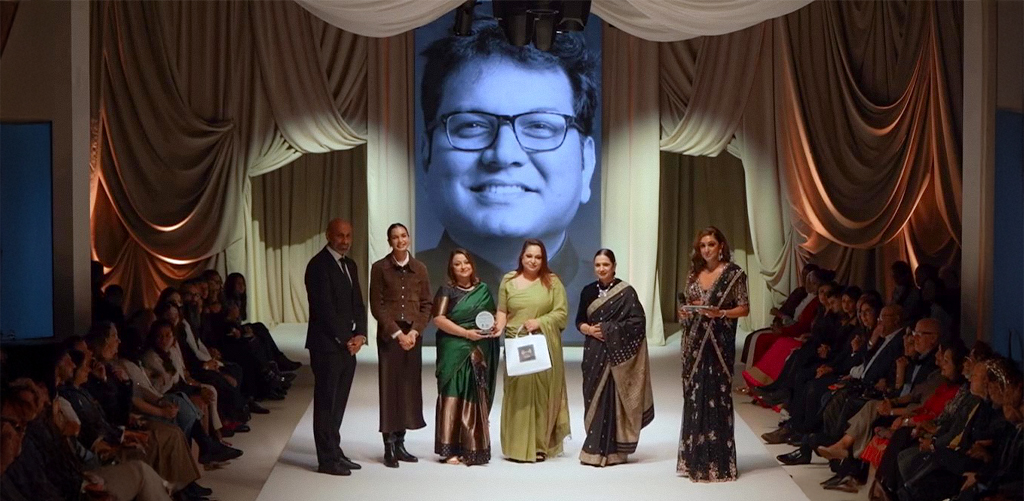
The RC Dalal Memorial Award

Among the most prestigious honours was the RC Dalal Memorial Award – a tribute to a visionary whose legacy continues to shape fashion education and global platforms.

As a founder member of India Fashion Week London, alongside Manny Singh, RC Dalal helped build a platform rooted in ambition, creativity, and shared belief. Their bond went far beyond business – it was the bond of two brothers driven by the same dream.

Why This Platform Matters

At its core, this initiative aims to:

  • Provide a global platform for recognition
  • Celebrate innovation and exceptional talent
  • Empower the next generation of designers

But above all, it delivers something invaluable to Jediiians – real global exposure. JD Institute of Fashion Technology continues to open doors that allow its students not just to learn design, but to live it, on the world stage.

Is Your Design Disaster-Proof? A Thought-Provoking Session at JD Institute, Hauz Khas

Wednesday, January 21st, 2026

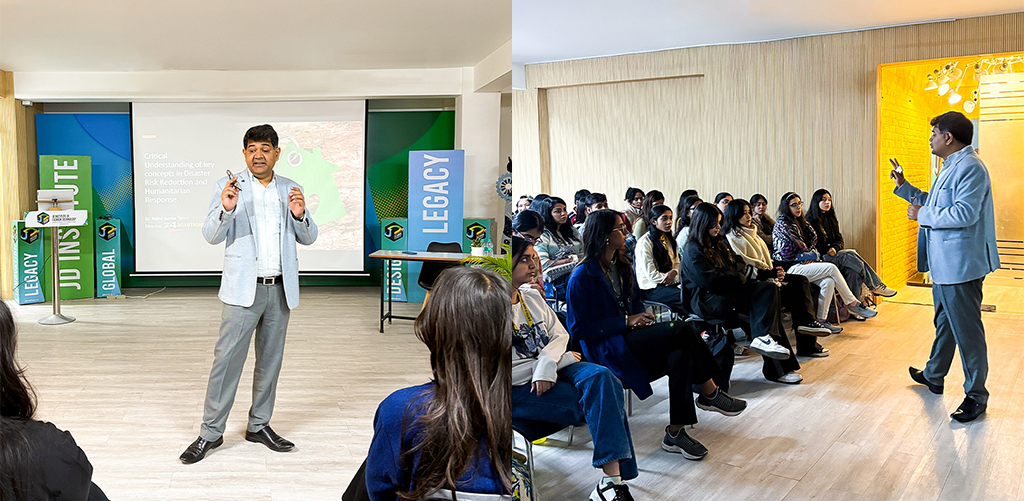
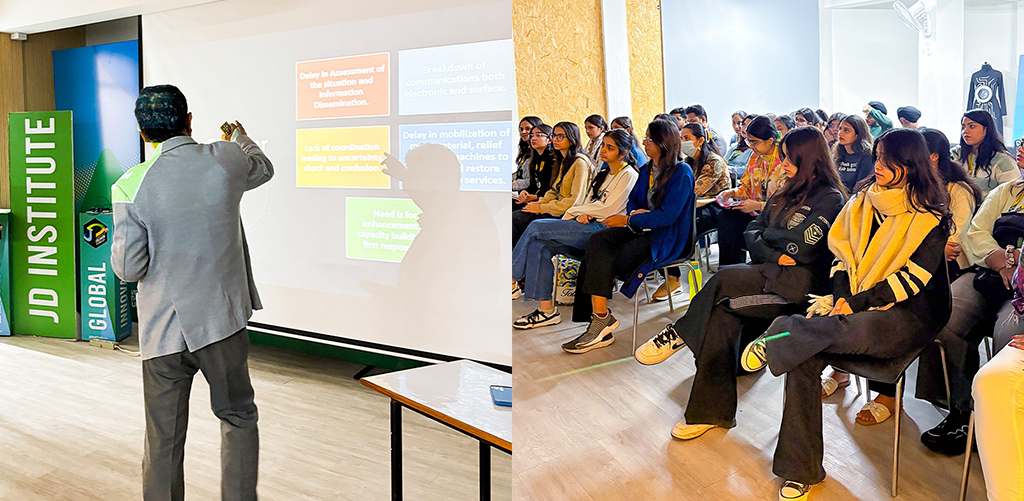
What happens when design is placed in the context of crisis, safety, and survival? This was the central question explored during a compelling session on Disaster Management and Humanitarian Response held at our JD Institute of Fashion Technology, Hauz Khas campus.

Curated for our Jediiians of fashion and interior design, the session was led by Dr. Nakul Kr Tarun, Founder of Zone4Solutions, that challenged conventional ideas and urged students to rethink their role as designers in a world increasingly affected by disasters.

Redefining the Role of a Designer

Dr. Nakul Kr Tarun dismantled the traditional idea that disaster management belongs only to emergency responders or policymakers. Instead, he placed designers at the centre of disaster risk reduction.

Students learned that:

  • Design decisions affect safety, accessibility, and resilience
  • Aesthetic choices without context can increase vulnerability
  • Responsible design protects people, not just spaces

The key message was simple yet powerful:

A designer’s job isn’t just to decorate the world but also to protect it.

What Students Learned (Clearly & Practically)

The session focused on helping students understand, evaluate, and apply disaster management concepts.

Key Areas Covered:

  • Disaster Risk Reduction (DRR): Preparedness, mitigation, response, and recovery
  • Humanitarian Response Standards: Global frameworks used across disasters and conflicts
  • Real-world Applications: How these standards are adapted across countries and cultures

Instead of overwhelming students with technical language, the session broke down complex ideas into relatable examples, making it easier to connect theory with practice.

India, the World, and Policy Reality

A major highlight was the critical evaluation of disaster management policies, with a strong focus on India.

Students examined:

  • Strengths and gaps in India’s disaster management framework
  • How other countries plan and respond differently
  • Why some disaster responses succeed while others fail

This comparative approach encouraged students to think from multiple angles like, social, developmental, environmental, and ethical, rather than seeing disaster management as a one-dimensional topic.

The “Development vs Disaster” Paradox

One of the most engaging discussions centred around a crucial contradiction: Can development increase disaster risks?

Students explored how:

  • Rapid urbanisation without planning amplifies vulnerability
  • Poor infrastructure worsens disaster impact
  • Design choices directly influence safety and resilience

For fashion and interior design students, this insight was transformative. It connected their creative future with real human consequences.

What Students Took Away

By the end of the session, students developed competencies in:

  • Applying disaster management concepts to real-life scenarios
  • Understanding different categories of disasters
  • Recognising their societal role as future designers
  • Designing with awareness of human safety and sustainability

More importantly, they began designing with a pulse on people, not just products.

A Step Towards Holistic Design Education

JD Institute of Fashion Technology continues to expand design education beyond studios and classrooms by integrating industry insights and global concerns.

This session didn’t just inform, it reframed how students think. The institute extends its sincere gratitude to Dr. Nakul Kr Tarun for delivering such a thought-provoking and impactful lecture, and remains committed to shaping designers who are creative, conscious, and socially responsible.

House of Talrejas: A New Chapter by Our Alumnus Sachit Talreja

Monday, January 19th, 2026

The success of an alumni is a reflection of years of learning put into practice.

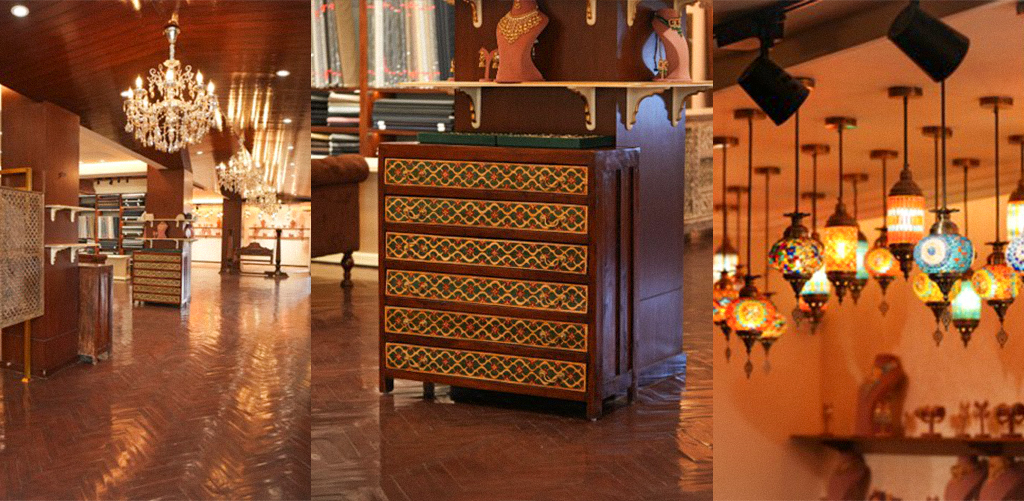
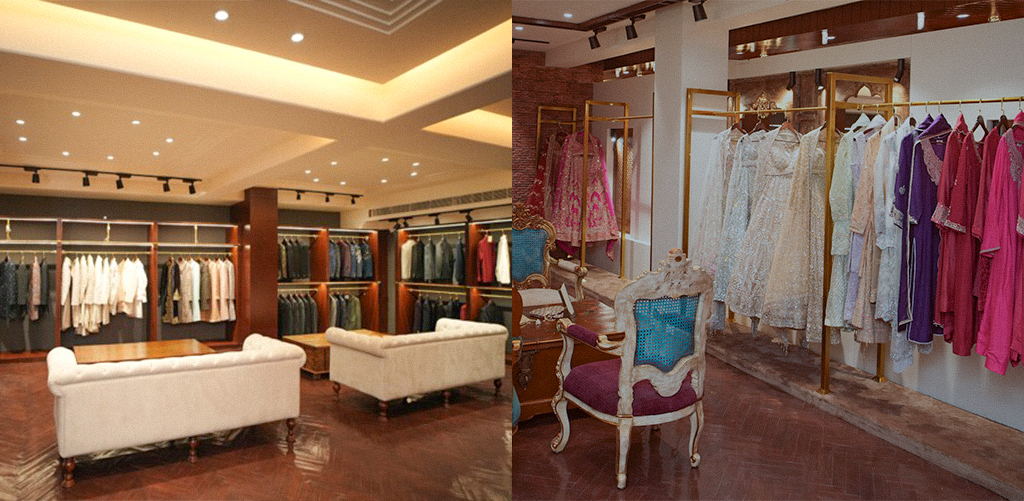
Sachit Talreja, from our Fashion Designing Class of 1993, marks a significant professional milestone with the launch of House of Talrejas. As Founder and Creative Director, Talreja brings over two decades of refined production expertise and master craftsmanship to this impressive 4,000-square-foot fashion sanctuary.   

The house artfully balances heritage-inspired aesthetics with a modern architectural edge, offering an elite stage for India’s premier designers and their collections. This legacy of excellence is built upon:

  • Precision Artistry: Meticulous attention is paid to every intricate detail.
  • Luxury Fabric Curation: A steadfast commitment to sourcing the finest materials in the industry.
  • Masterful Silhouettes: An unparalleled command of technical fit, structure, and form.

Under one roof, the establishment offers infinite design possibilities across a wide array of categories:

  • Refined Menswear and Womenswear
  • Exquisite Bridal Couture
  • Festive and Special Occasion Wear
  • Contemporary Luxury Fashion

More importantly, it reflects the evolution of a designer who has translated education into enduring professional practice. 

JD Institute proudly acknowledges this milestone as a reflection of what focused learning can evolve into.

Where better to showcase your designs and collections than on a platform that understands the journey behind them? For this isn’t just a space to showcase your work. It’s where it’s meant to stand.

Jediiians Gain Critical Industry Exposure at Ramp Asia Fashion Show

Monday, January 12th, 2026

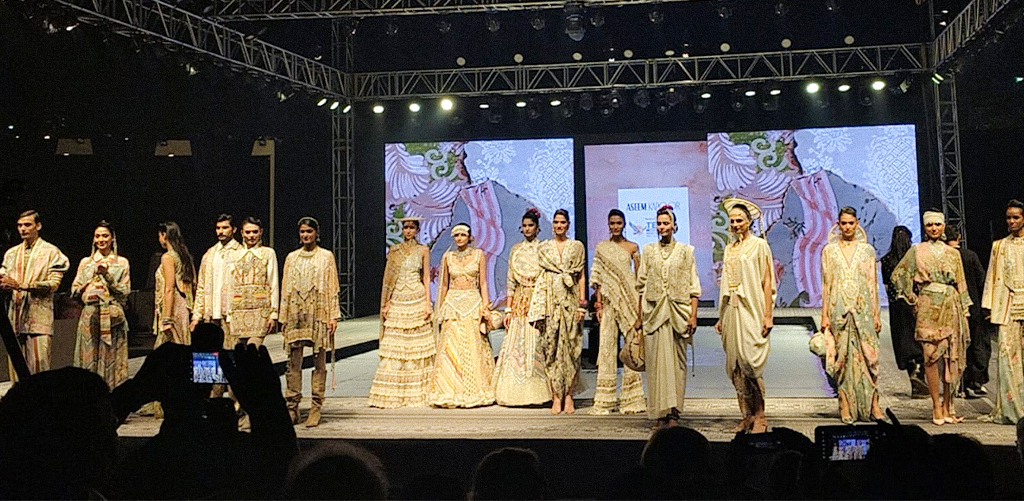
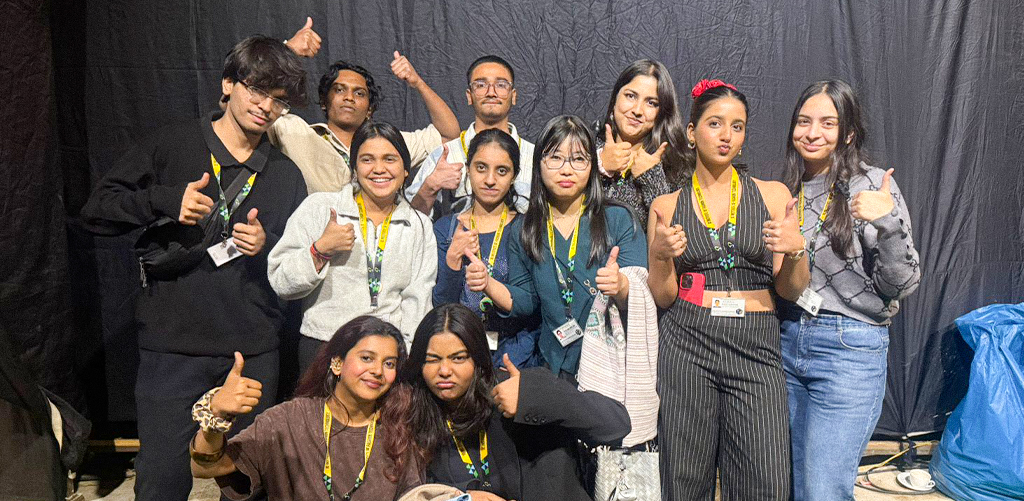
The distance between a design studio and a professional runway is best measured by the precision of its backstage operations. Our Fashion Design jediiians bridged this gap by participating at the Ramp Asia Fashion Show in Delhi. This exciting environment provided a rare, immersive look into the logistical complexities and artistic standards of the contemporary fashion industry.

Mastering the High-Energy World of Fashion Production

The event, curated by the professional fashion platform Ramp Asia (The Ramp), was centered on the showcase of celebrated Delhi-based designer Aseem Kapoor. For fashion students, the opportunity to work with a label known for its distinctive “tribal motifs reimagined for modern cityscapes” offered a direct lesson in high-quality design application and minimalist aesthetics.

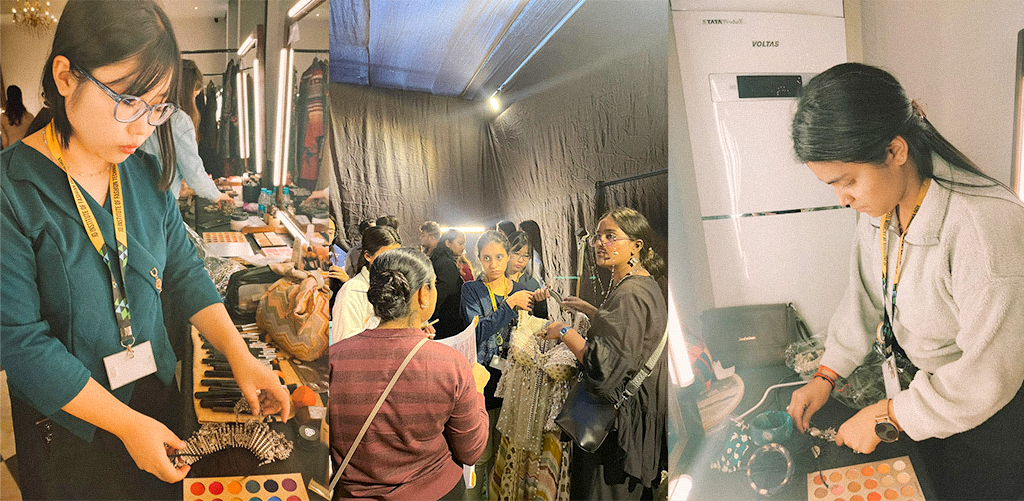
Stationed deep within the backstage ecosystem, the student volunteers were responsible for ensuring that every garment reflected the designer’s original vision before stepping into the spotlight. This involved a series of high-pressure tasks, including garment fittings, immediate alterations, and meticulous preparation for runway models.

The Professionalism of Backstage Coordination

A primary focus of the students’ experience was the management of intricate styling details. Beyond the apparel, the volunteers organized, managed, and coordinated jewelry pieces for multiple runway looks. This role required a high level of organizational discipline, to ensure smooth transitions between sequences.

The professional lifecycle of a show does not end with the final walk. Following the event, the JD students managed the post-show logistics, including the careful packing and safe management of all garments and jewelry. This exposure to “industry-standard workflows” taught the participants that the success of a fashion brand depends as much on technical precision and teamwork as it does on creative flair.

Bridging Classroom Theory with Industry Reality

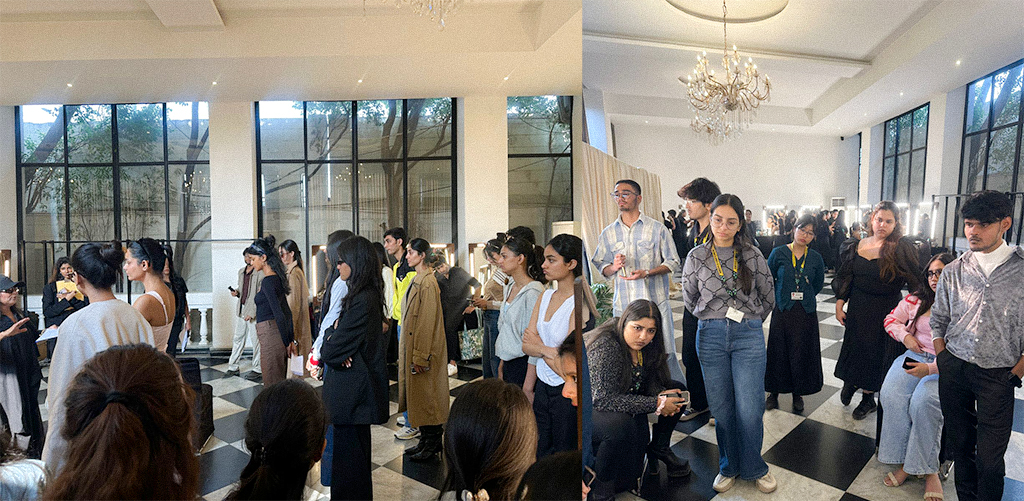
The collaboration with Ramp Asia and the team behind Aseem Kapoor allowed students to observe the pace and discipline required in large-scale events. By interacting with professional curators, stylists, and models, the students developed essential soft skills, such as time management and professional communication, that are invaluable in the ever-changing fashion industry.

Academic experts note that such backstage experiences are defining moments that transform a student’s technical talent into professional triumph. Standing backstage provides a front-row seat to the bustling reality of fashion, teaching students how to present ideas with confidence and handle the intense pressure of public scrutiny.

A Launchpad for Future Fashion Leaders

In recognition of their hard work and commitment to the craft, all participating students received official certificates from Ramp Asia. This industry validation serves as a powerful addition to their professional portfolios, proving their ability to handle the multifaceted aspects of fashion production beyond the drawing board.

By facilitating such high-level industry interactions, JD Institute of Fashion Technology continues to nurture designers who are not only creative thinkers but also disciplined professionals. This backstage exposure ensures that these future-ready Jediiians enter the workforce with a clear understanding of the grit and passion required to lead in the competitive world of global fashion.

A successful design career needs the right direction and we are here to equip you with structured learning and industry exposure.

Connect with our counsellors to understand courses, fees, and outcomes.

Kamla Nagar and Hauz Khas Jediiians Master Contemporary Art Practices

Monday, January 12th, 2026

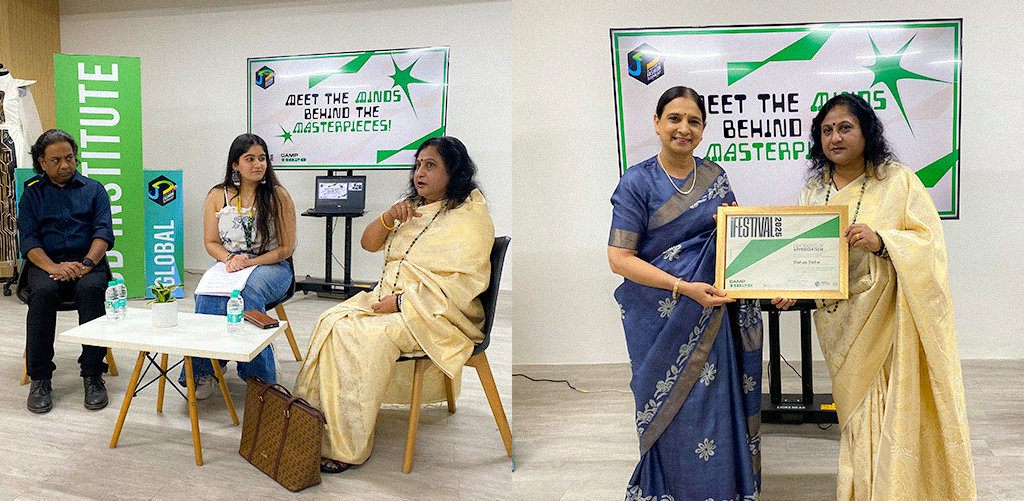
In the world of fashion and interior design, the most striking creations are often born from a deep understanding of fine art. To help students bridge the gap between classroom theory and professional artistic expression, JD Institute of Fashion Technology recently hosted a transformative two-day academic event- Artist Session: Exploring Contemporary Art Through Creative Exchange.

This unique event was a milestone for the institute, bringing together first-year students from both the Kamla Nagar and Hauz Khas Village campuses. By uniting these two creative communities, the session fostered a collaborative environment where young “Jediiians” could explore the emotional, conceptual, and cultural dimensions of art together.

Why Contemporary Art Dialogues Matter in Design

Contemporary art dialogues play a crucial role in helping young designers understand intention, context, and meaning behind visual expression.

  • Contemporary art helps decode the why behind visual forms and creative choices.
  • These dialogues encourage designers to move beyond decoration and focus on storytelling.
  • Engagement with contemporary art enhances perception, observation, and interpretation skills.
  • Students learn to question their design decisions and think critically about their work.
  • Exposure helps designers build a unique visual vocabulary that reflects individuality.

This approach not only sharpens their creative sensibility but also prepares them to create work that is meaningful, relevant, and impactful in the real world.

Insights from the Masters: Five Professional Perspectives

The highlight of the two-day session was the presence of five renowned artists, each bringing a different specialty to the table. These experts didn’t just show their work; they shared their personal philosophies, helping students navigate the complexities of a creative career.

1. Manish Kumar Rao: Overcoming the Creative Block

Mr. Manish Kumar Rao, a celebrated visual artist from New Delhi, shared his journey as an alumnus of the College of Art, Delhi University. Known for his phantasmagorical paintings that take viewers on a journey through imaginary lands, he offered students invaluable advice on handling creative blocks.

His experience as a recipient of the Young Achiever’s Award (2024) and his work for the Rajya Sabha and Lok Sabha provided a powerful example of how art can achieve national recognition.

2. Mahua Sinha: Culture and Communication

Ms. Mahua Sinha is a freelance artist whose realistic paintings are deeply rooted in the vast beauty of Indian culture. As a seasoned artist and Tarot Card Reader, she offered a fascinating perspective on how ancient ethnic characteristics can be used in modern design.

She encouraged students to see painting as “poetry that is seen rather than felt,” pushing them to find positivity and depth in their work.

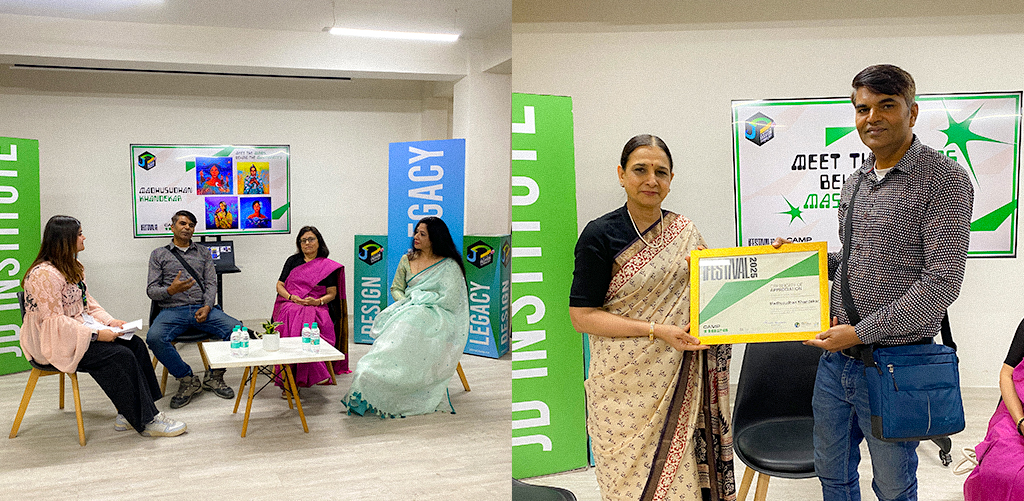
3. Madhusudan Khandekar: The Harmony of Nature and Women

With over two decades of experience, Mr. Madhusudan Khandekar is a contemporary artist and art educator known for his expressive mixed-media works.

His art often explores themes of life philosophy and consciousness through a blend of vibrant colors and intricate lines. He taught the students about color temperature, light, and texture, explaining how the “chaos” in colors can reflect the nature of the human mind.

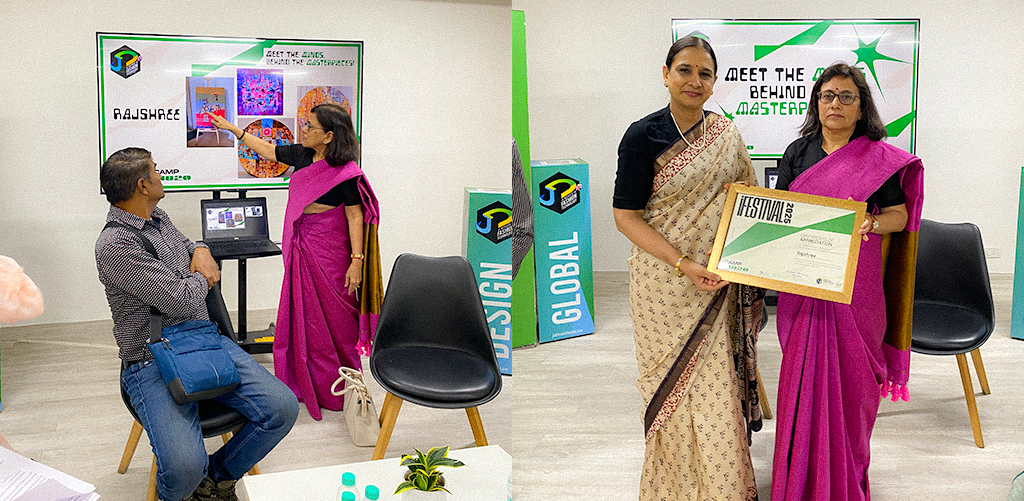
4. Rajshree Verma: Bridging Traditional and Contemporary

Ms. Rajshree Verma, a postgraduate from Agra College and a UGC scholarship recipient, focused on the technical side of art. She discussed experimental techniques and the importance of knowing when an artwork is truly complete.

Her insights helped students understand how traditional art practices are still incredibly relevant to contemporary design thinking.

Together, these master-led interactions offered students, a meaningful bridge between experience and aspiration, in order to navigate their own creative journeys.

The Jediiian Experience: A Journey of Critical Observation

For the students from Kamla Nagar and Hauz Khas, these two days were an intensive dive into the professional art world. The sessions were held in a moderated discussion format, which allowed for a natural and engaging flow of ideas.

What the students learned?

  • Through live digital displays, students saw how artists translate complex emotions into visual symbols.
  • Discussions highlighted the crucial roles of negative space, texture, and light in creating a balanced composition.
  • Students gained clarity on how to handle self-doubt and artistic decision-making, challenges every designer faces.

By interacting directly with the artists, students learned to connect traditional art concepts with the modern design challenges they face in their fashion and interior modules.

Designing with Purpose

By exposing students to such diverse artistic philosophies, JD Institute ensures that its graduates don’t just follow trends, they build with intention.

Whether it was through Mr. Rao’s surreal fables or Dr. Bhatia’s spiritual mandalas, the Kamla Nagar and Hauz Khas Jediiians left the session with a renewed sense of purpose. They now understand that the highest form of design is one that combines technical skill with a deep, meaningful narrative.

Got ideas? We help you find your voice and turn it into impact.

Speak to our counsellors today and find the right design course for you.

Copyright © 2025 JD Institute of Fashion. All Right Reserved

Designed by Red Lemon

Whatsapp icon
Apply Now
Enquire
Quick Enquiry