
Apply Now

Author Archive

Our Fashion Styling Jediiians at the Timex Fashion Show, Hyatt Regency

Friday, April 25th, 2025

On the 5th of April 2025, the luxurious Hyatt Regency became the venue for an extraordinary event — the Timex Fashion Show. The event wasn’t just about fashion; it was about the art of showcasing time itself through a collection of finely crafted watches. The show brought together the sophistication of luxury timepieces and the boldness of modern styling in one seamless performance. It offered a striking experience for every viewer while also opening a meaningful door for young learners behind the scenes.

About Timex and Its Presence in the Fashion World

Timex Group is one of the world’s largest and most recognized watchmaking companies. It creates, manufactures, and promotes stylish and high-quality watches that are worn around the globe. The group is behind several major watch brands such as Timex, Nautica, Guess, GC, Salvatore Ferragamo, Versace, Ted Baker, Missoni, Furla, Adidas, Philipp Plein, and Plein Sport. The fashion show at Hyatt Regency was organized to present Timex’s latest collection, bringing together timeless watch design and high-end fashion in an elegant and unforgettable way.

Crafted to Perfection: Direction, Styling, and Star Presence

The show was professionally organized by Runway Fashion Management, known for putting together impactful fashion experiences. The entire event was skillfully choreographed by Shakir Shaikh, a well-respected name in the fashion industry. He ensured that every sequence was smooth, expressive, and impressive. The styling of the models was led by celebrity stylist Bharat Gupta, who carefully curated each look to match the essence and personality of the Timex collection.

One of the most exciting highlights of the event was the appearance of supermodel Jatin Khirbat. His strong presence on the runway and confident walk added energy and elegance to the entire show. His participation lifted the atmosphere and gave the event a more powerful impact.

Learning by Doing: A Real-Time Industry Experience

This event gave students from JD Institute of Fashion Technology, especially those specializing in Fashion Styling, a golden chance to learn directly from the field. They were involved as backstage assistants, working behind the curtain where much of the real action takes place. From managing looks and helping with model preparation to assisting in styling decisions, the students were actively part of the show’s execution.
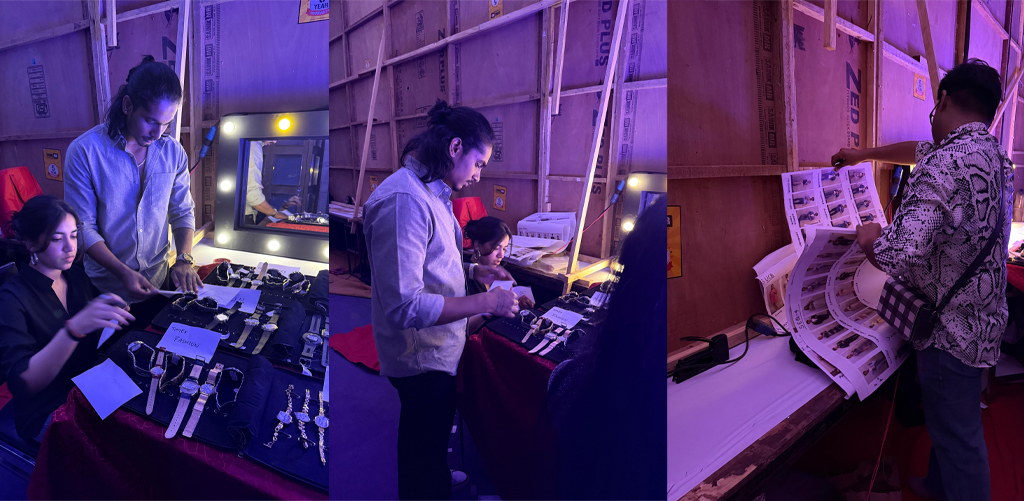
This hands-on involvement helped them understand the real-life demands of the fashion world — managing multiple tasks quickly, working closely in teams, and making fast decisions in high-pressure situations. It was a valuable exercise in professionalism and practical learning.

Skills Gained in a Fast-Paced Environment

Participating in this live event helped the students sharpen several skills. They got firsthand experience in styling, hair and makeup, and backstage organization. More than technical learning, they gained self-assurance by contributing meaningfully to a large-scale fashion show. Working in such an energetic and time-sensitive environment helped them grow both personally and professionally.

The experience was not just about tasks — it was about becoming more aware of how the fashion industry really functions and what it demands from those who wish to become part of it. This event became a learning ground that extended far beyond the classroom.

Closing the Loop on a Memorable Opportunity

The Timex Fashion Show was not only a successful presentation of luxury watches and styling — it also became a platform where education met experience. For the JD Institute students, this was more than an event. It was a direct bridge into the professional world they aim to enter, giving them lessons that can’t be taught in books.

Why Thumbnail Design Is the First Thing a Communication Designer Should Practice

Friday, April 25th, 2025

“What made you click that video?”

Was it the title? Maybe. But chances are—it was the thumbnail. That one small image, packed with colors, faces, text, or emotion, made you stop scrolling and click.

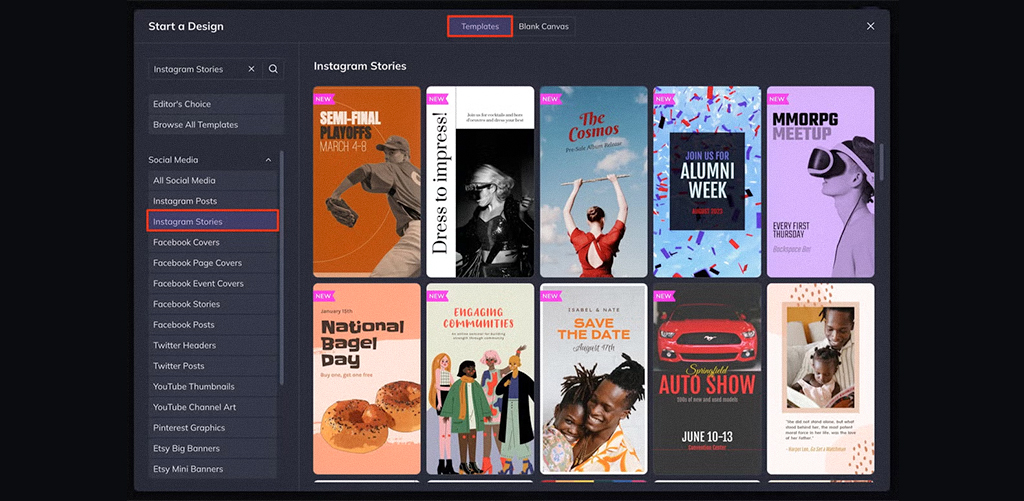
Whether it’s Netflix, YouTube, Spotify, or even Instagram, thumbnails and banners rule the digital world. And if you’re a communication designer or planning to be one, you need to understand how these tiny visuals are actually smart design strategies that move millions—and even make billions.

Let’s break it down.

It’s Not Just a Picture, It’s a Decision-Maker

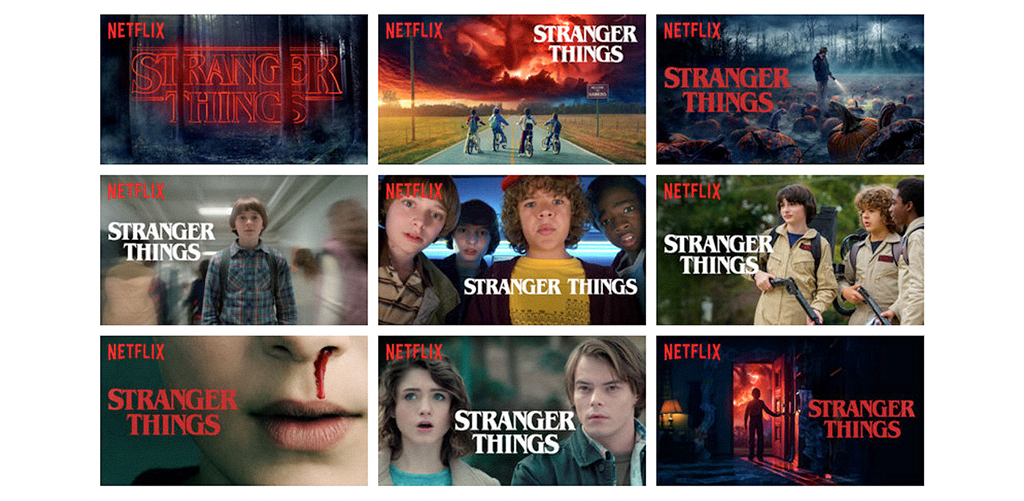
Netflix doesn’t randomly pick a poster for each show. In fact, they test different thumbnails to see what works best. Stranger Things alone had many versions—some showing Eleven, others focusing on the group, depending on who’s watching.

The same happens on YouTube. Creators like MrBeast test dozens of versions to find the one that gets the most clicks.

It’s not luck. It’s smart communication design at work—knowing what makes people stop and say, “Okay, I’ll watch this.”

Faces Always Win

Ever noticed that most thumbnails have faces? Big, close-up faces showing emotion? 

That’s because we’re wired to notice faces first. Netflix shows like The Queen’s Gambit use intense expressions to draw you in. On Amazon Prime, Fleabag or Mirzapur posters always focus on the main character’s emotion.

Even on Spotify, popular podcasts like Call Her Daddy and The Joe Rogan Experience use facial expressions in their tile design.

If you’re designing something that’s meant to grab attention fast—start with a face. It creates instant connection.

Big Words, Big Hooks

On YouTube, you’ll often see words like “SHOCKING,” “HOW I DID IT,” or “$100,000 CHALLENGE” splashed across thumbnails. That’s because words give context—and urgency.

But Netflix and Amazon Prime don’t use words at all. Why? Because they focus more on strong visuals that match the mood.

Instagram Reels? They go both ways. Some reels have bold text overlays like “WAIT FOR IT…” or “DON’T MISS THIS.” Others are purely visual.

The smart takeaway? It depends on where you’re designing. And knowing when to use text—and when to skip it—is something students learn practically in the Communication Design course at JD Institute.

Colors Speak Louder Than You Think

Red grabs attention. Blue feels calm. Yellow looks cheerful.

YouTubers like Dhar Mann or T-Series use bright, bold colors that pop out of the screen. On Spotify, shows like Crime Junkie use black backgrounds with red fonts to build mystery.

Netflix? They go moody—deep blues, shadows, or even black-and-white for serious content like Narcos or The Crown.

When you’re a communication designer, you don’t just pick a color because it “looks nice.” You choose it because it tells a story.

Design is Not Just Creative—It’s Smart

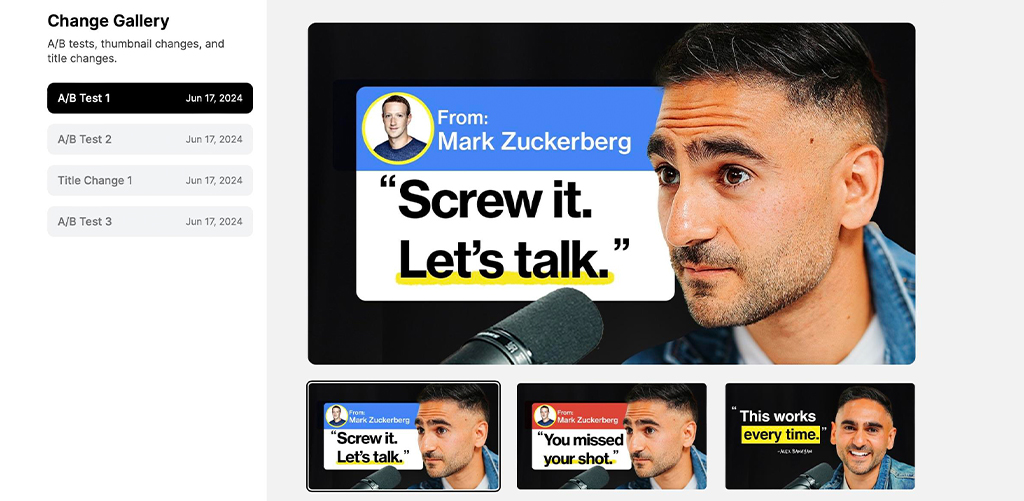
Did you know A/B tests are done for thumbnails? They show different versions of a poster to different people and track which one works better. 

YouTubers often change thumbnails later if the video isn’t getting enough views. They watch the data and make changes.

Spotify also updates tile designs based on which ones people are clicking more.

This is a big tip for future designers: Good design needs testing, not guessing. That’s what makes the Communication Design program at JD Institute special—it trains you to think both creatively and strategically.

So, What Should Aspiring Designers Do?

Whether you’re creating for social media, video platforms, or podcasts, remember:
Thumbnails and covers are not decorations. They’re conversations. They say:
“Look here.”
“Watch me.”
“Trust this.”
“Click now.”

And if you’re dreaming of a future in design—where your ideas don’t just look good but work well—then learning how to build such smart visuals is essential.

It Starts with What You See

Next time you scroll past a YouTube video, a Netflix series, or an Instagram Reel—pause for a second.

Ask yourself, Why did this one catch my eye?

That’s your first step into the mind of a communication designer.

\And if you want to dive deeper, the Communication Design course at JD Institute helps you turn that curiosity into a career—where you don’t just admire good design, you create it.

Inclusive Interiors wins hearts—and clients. Here’s how you can master it

Thursday, April 24th, 2025

“What if your home knew your needs even before you spoke to them?”

Imagine walking into a room that understands you. The lights adjust gently for your eyes, furniture responds to your comfort, and the layout guides you with ease. This isn’t the future—it’s inclusive interior design. A human-centric approach that goes beyond aesthetics to create spaces that truly feel like home for the elderly, the differently-abled, and the neurodivergent.

In this blog, we’ll explore what it takes to design spaces that care for everyone—and why the next generation of designers must lead this change.

Designing for Dignity: Interiors for the Elderly

Aging doesn’t mean slowing down—it just means spaces need to catch up. For elderly individuals, inclusive design means creating environments that support independence, safety, and ease.

Key applications:

  • Wider doorways for wheelchairs or walkers
  • Non-slip flooring and grab bars in bathrooms
  • Lever-style door handles instead of knobs

Real-world inspiration:
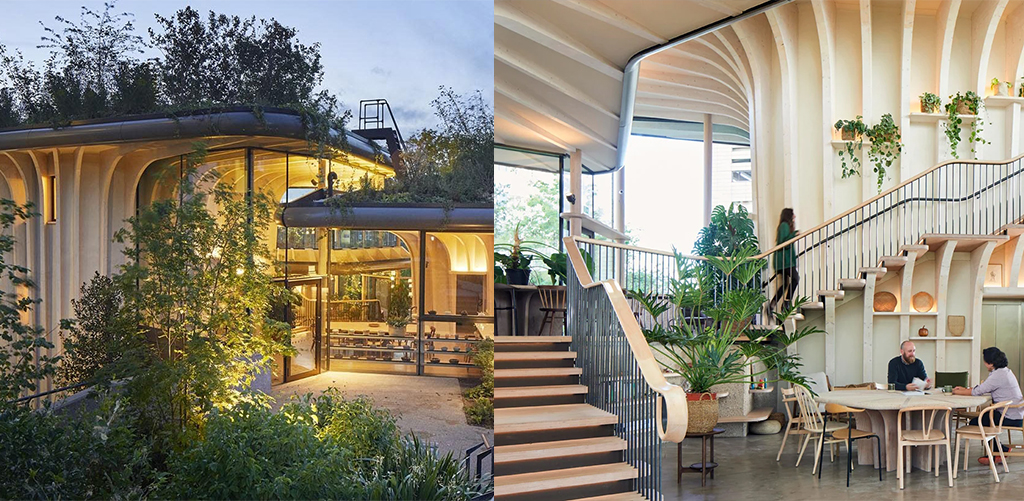
The Maggie’s Cancer Care Centres across the UK, designed by top architects like Frank Gehry and Zaha Hadid, are perfect examples. These cancer care centers use warm lighting, accessible layouts, and nature-focused interiors that reduce stress and promote healing—designed especially with aging patients in mind.

Why it matters:
At JD Institute, students learn to blend form with function, understanding how space impacts mobility and mental wellness, especially for seniors. These practical lessons go beyond theory and empower students to design Interior spaces that care.

Barrier-Free Living: Designing for the Differently-Abled

Disability isn’t a design limitation—it’s a design opportunity. Inclusive interiors should be about removing physical and psychological barriers while enhancing usability for everyone.

Key features to consider:

  • Ramps and level flooring instead of stairs
  • Voice-activated devices for smart home control
  • Clear pathways with proper lighting and tactile flooring

Iconic example:
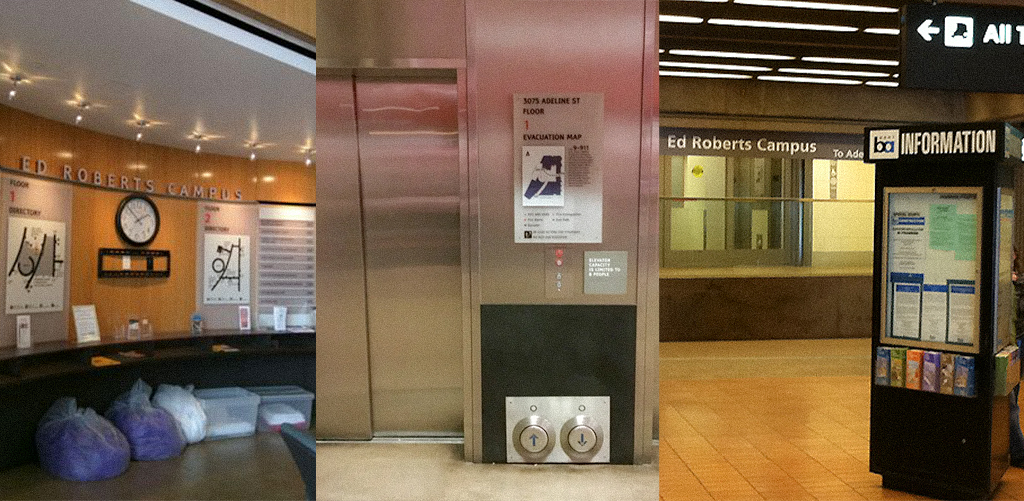
The Ed Roberts Campus in Berkeley, California is a masterclass in universal design. Built with input from disabled individuals, it features wide hallways, Braille signage, and sensor-activated doors—all seamlessly blended with style. 

What aspiring designers should learn:
Design should never exclude. JD Institute’s curriculum of Interior Design pushes students to learn to prototype spaces, ensuring they design with empathy and understanding.

Neuro-Inclusive Design: Supporting the Neurodivergent Mind

Neurodivergent individuals, including those with autism, ADHD (Attention deficit hyperactivity disorder), and sensory processing disorders, experience spaces differently. Design for them should be calm, intuitive, and sensory-friendly.

Design approaches include:

  • Muted, non-clashing color palettes
  • Quiet zones and soundproofing
  • Predictable layouts with minimal clutter

Famous reference:
The Autism ASPECTSS™ Design Index, used in educational spaces like the Haugland Learning Center in Ohio, offers clear principles—like low-stimulation environments, clear visual cues, and safe sensory zones—that are transforming classrooms for neurodivergent students.

Design students must grasp:
Understanding sensory triggers is vital. Students must be introduced to behavioral psychology and neuro-inclusive design practices, preparing them to create spaces that soothe instead of overwhelm.

Designing with Empathy: A Human-Centered Approach

At the heart of inclusive design lies one powerful concept: empathy. The best designers aren’t just creators—they’re listeners. Understanding the stories and challenges of users helps build interiors that heal and connect.

Best practices:

  • Involve the users in the design process
  • Create flexible spaces that adapt over time
  • Prioritize emotional comfort as much as physical accessibility

Case in point:
The VanDusen Botanical Garden Visitor Centre in Vancouver, by Perkins+Will, was designed using feedback from a wide range of community members, making it both ecologically sustainable and universally accessible.

How JD Institute prepares you:
Through hands-on projects, community collaborations, and real-time workshops, JD students don’t just learn design—they learn how to think like a designer. That difference shapes spaces that people can live in, grow in, and heal in.

Every Space Tells a Story—Let Yours Say “Welcome”

Inclusive interiors aren’t just about following rules—they’re about reimagining what’s possible. Every design choice becomes a gesture of care. Whether it’s a kitchen a grandparent can use comfortably, a sensory corner for a child with autism, or a tangible hallway for someone with low vision—these thoughtful choices make all the difference.

If you’re someone who sees design as a way to change lives, you’re already halfway there.

The other half? Learning how to turn your empathy into action—and that’s exactly where the Interior Design course at JD Institute steps in. It’s not just about learning trends. It’s about learning to design with purpose.

So, what will your next design say?

Let it say: “You belong here.”

Can AI Dress Better Than You? Stylists, It’s Time to Level Up

Wednesday, April 23rd, 2025

“If algorithms can compose music, write poems, and drive cars… can they dress you better than your BFF stylist?”

That thought might sound far-fetched, but it’s already happening. Fashion styling is entering a bold new era where artificial intelligence is curating looks, picking prints, and matching accessories—sometimes better than humans (ouch!).

But does that mean the future belongs to robots in Gucci? Or is there still room for the magic touch of human creativity? Let’s explore how AI is transforming the fashion styling landscape—and what it means for budding stylists everywhere.

AI in Your Closet: How Smart Styling Apps Work

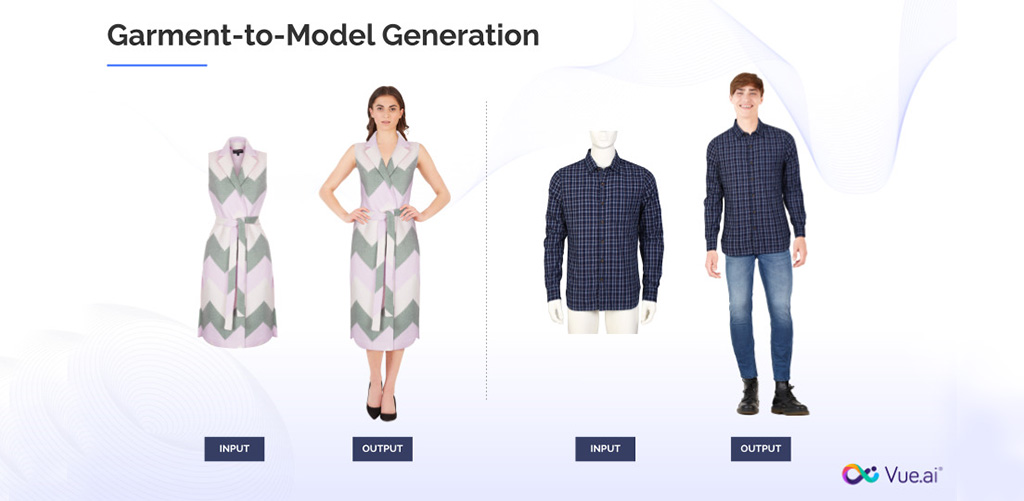
AI-driven fashion apps use algorithms to analyze your preferences, body type, facial features, and even past shopping behavior to generate personalized outfit suggestions. Some standout examples include:

  • The Yes (acquired by Pinterest) – learns your taste with swipe-based interactions
  • Vue.ai – used by Microsoft AppSource, an online cloud marketplace providing tailored line-of-business solutions.
  • Amazon Echo Look (retired but revolutionary) – gave styling advice based on full-length selfies

These tools save time, reduce decision fatigue, and often introduce users to combinations they wouldn’t consider otherwise. For brands, AI helps scale personalization like never before. For consumers, it’s like having a pocket stylist—one that never sleeps.

Can Algorithms Truly Understand Style?

Here’s the catch: style isn’t just about fit and trends. It’s also about storytelling, emotions, identity, and culture. AI may understand that stripes are in this season, but it doesn’t know why you’re dressing up—be it a heartbreak brunch or a big date.

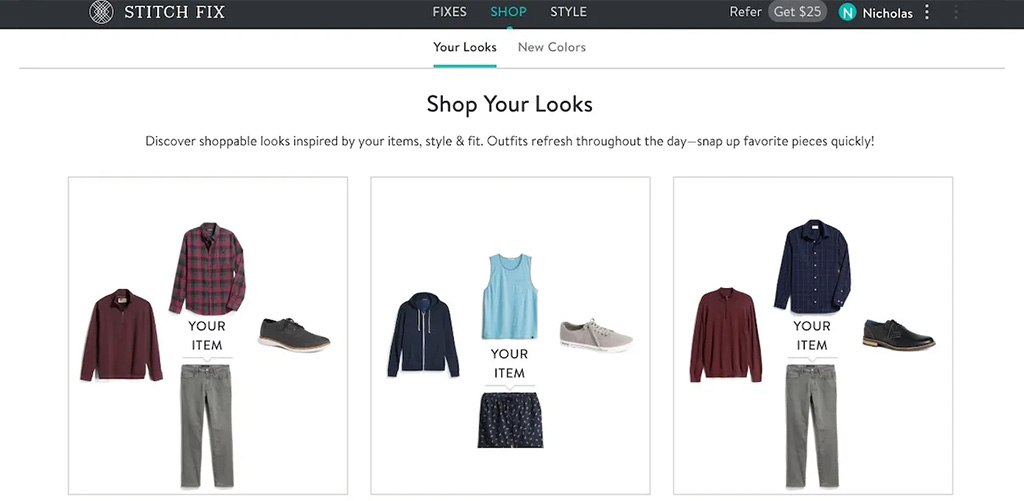
Take Stitch Fix—a hybrid model that uses data science to generate outfit options, but still needs human stylists to finalize selections. The reason? Empathy, intuition, and personality can’t be coded.

This is where students from JD Institute’s Fashion Styling course gain an edge—by learning both the artistic and analytical side of fashion, they become versatile creatives equipped for the evolving industry.

Tech Fluency is the New Fashion Fluency

In today’s digital-first world, a stylist who doesn’t understand tech is like a DJ who can’t use Spotify. Aspiring stylists must get comfortable with tools like:

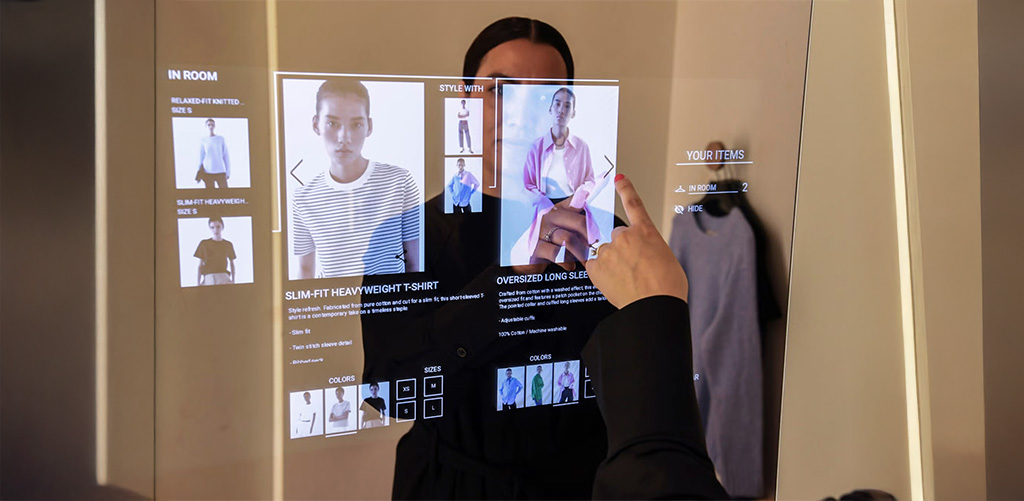
  • Digital fitting rooms powered by AR/VR (like H&M’s virtual try-on mirrors)
  • AI recommendation engines used in platforms like Zalando
  • 3D styling software for virtual shoots and ecommerce

Understanding how these tools work helps stylists not only stay relevant but lead innovation. And let’s be honest—if you can speak fashion and tech, you’re automatically 10 steps ahead.

How AI is Influencing Consumer Behavior

The real impact of AI styling lies in how it changes what people wear and why. Personalization algorithms influence everything from online browsing to buying decisions. You’re more likely to purchase an outfit if an app tells you it matches your “personal vibe”—even if you didn’t think of it yourself.

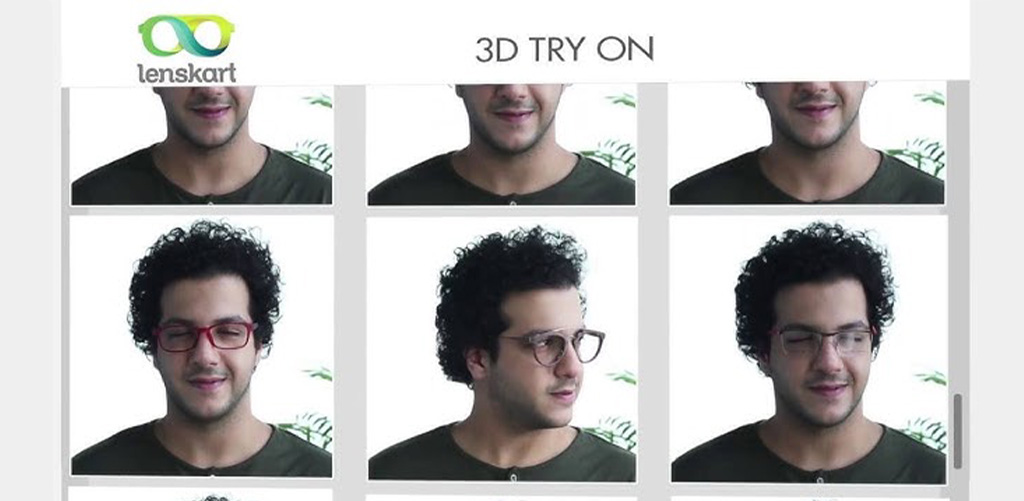
With platforms like Farfetch’s AI-powered concierge or Lenskart’s face-mapping try-ons, consumer choices are no longer just based on store visits or celebrity trends. They’re driven by data-backed suggestions made in real-time.

Stylists today must learn to decode how these algorithms work in order to influence, collaborate, or compete with them.

Will AI Replace Stylists or Redefine Them?

Rather than fearing replacement, the smarter question is—how will AI reshape what a stylist does?

Stylists will increasingly become style strategists—curating experiences, consulting on digital avatars, and working with both real and virtual wardrobes. From Metaverse fashion shows to AI-led campaigns, the role is expanding, not disappearing.

The human touch will always matter in moments that require emotion, sensitivity, and cultural insight—something no bot can replicate. AI can tell you what looks good; a human stylist can tell you what feels right.

So, are you ready to outsmart the machine? Or better yet—design with it? Time to plug into your fashion styling future. Learn. Adapt. Style smarter—with the right education, at JD Institute.

The Sold-Out Strategy Every Visual Merchandiser Should Master

Wednesday, April 23rd, 2025

Scarcity marketing plays with the idea that when something is limited, it becomes more valuable in our minds. This isn’t new—it dates back to luxury brands like Hermes with their extremely limited Birkin bags. The harder it is to get, the more desirable it becomes.

You’ll often see phrases like:

  • “Hurry, only 1 left!”
  • “24-hour flash sale”
  • “Limited edition drop”

This creates urgency. It whispers to your brain, “Act fast or regret later.”

At JD Institute’s Visual Merchandising course, students learn how to design such layouts and messaging that tap into this psychology. It’s not just about putting products on shelves—it’s about knowing what makes people reach for them faster.

FOMO Retail: The Fear You Didn’t Know Was Being Triggered

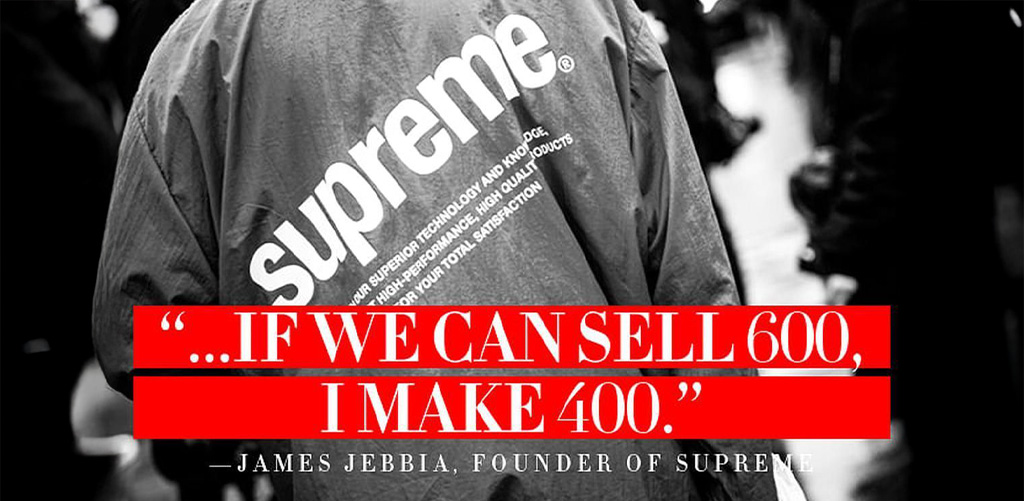
FOMO—Fear Of Missing Out—is no longer just internet slang. In retail, it’s a full-fledged strategy. Think of Supreme’s iconic product drops. They don’t just sell products; they create hype that makes people camp overnight outside their stores.

Visual merchandisers use:

  • Timed countdowns
  • Pop-up displays
  • Queues that are visible from outside

These tricks make customers feel that everyone is buying in, and if they don’t act now, they’re out of the trend loop.

JD Institute helps aspiring merchandisers to master this art of retail timing and consumer psychology, helping them set up experiences—not just displays.

Psychological Display Strategy: More Than Pretty Shelves

Have you ever walked into an Apple Store and felt drawn to touch everything? That’s no accident. Every product is placed at a specific angle, height, and space to invite interaction.

Visual merchandisers apply psychological techniques like:

  • Eye-level is buy-level (products placed at your eye line sell more)
  • Zoning displays that guide you through the store
  • Decoy pricing strategies (one super expensive item to make others seem affordable)

These aren’t random—they’re rooted in consumer behavior studies.

Why “Sold Out” Isn’t Always About Stock

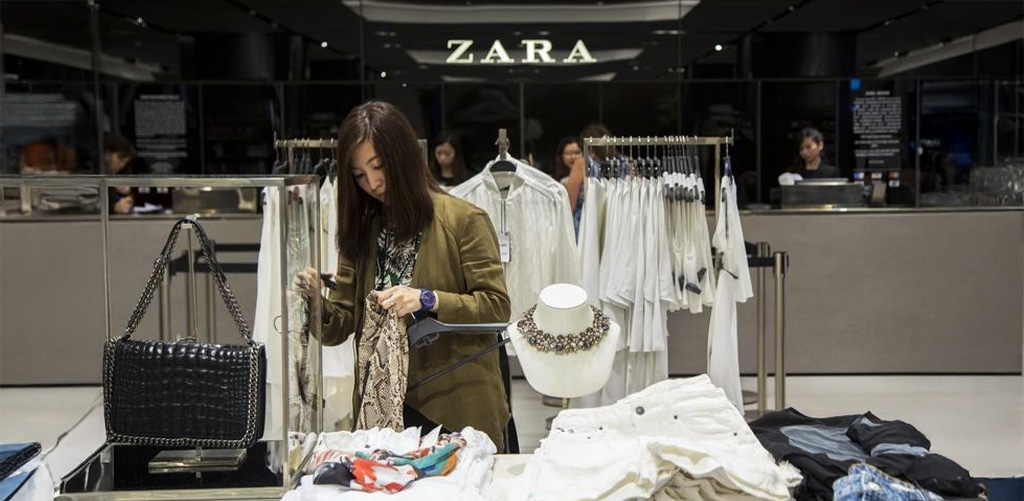
Sometimes, a sold out board is left on purpose even when the stock is refilled. Why? To increase perceived value. Brands like Zara often rotate stocks quickly, letting items vanish and return, building the illusion of demand.

This technique:

  • Builds urgency
  • Sparks conversation
  • Keeps the brand “hot” in people’s minds

Aspiring visual merchandisers must learn when to use illusion, and when to be direct for it’s a fine balance.

Famous Fakes and Scarcity Buzz: Marketing Genius or Manipulation?

Sometimes, the product scarcity we see isn’t real—it’s manufactured. But does that make it unethical? Not always. In fact, some of the most successful brands in the world have built their entire identity around limited availability and timed hype. Yeezy by Kanye West uses artificial scarcity to keep their resale value and desirability high.

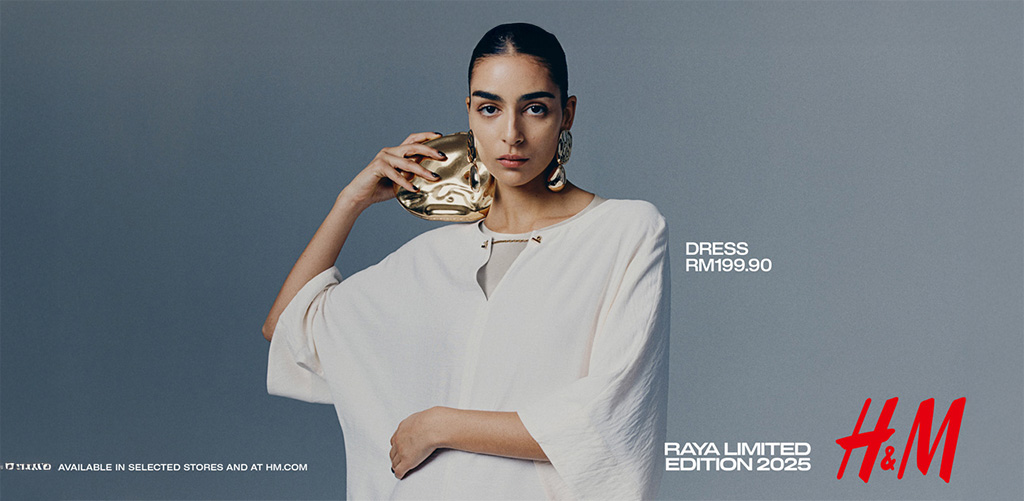
Even fast-fashion brands like H&M, during designer collaborations (like with Balmain or Moschino), have used phrases like “limited edition” and “one-time-only collection” to spark mad rushes online and in-store.

What these brands are doing is tapping into consumer psychology—making people believe that if they don’t buy now, they’ll miss something big. It’s a fine line between manipulation and marketing brilliance. And for visual merchandisers, understanding this balance is crucial. It’s not just about styling a product—it’s about creating perceived value through timing, layout, and messaging.

Why You Need to Learn the Trick Behind the Treat

Think of Anthropologie. Their window displays aren’t just pretty—they’re hand-crafted art pieces that change with seasons or social movements. They don’t just sell clothes; they sell a mood, a moment, an aesthetic. Once inside, the layout feels like wandering through a whimsical, creative home—encouraging exploration and emotional connection. Or take Nike flagship stores, like the one in New York. Every section is immersive. There are mini basketball courts, treadmill stations to test shoes, even digital screens where you can personalize sneakers.

These brands understand that people no longer shop for just products—they shop for meaning, feeling, and identity. And visual merchandisers are the architects of that journey.

Final Thought: Blink, and You’ll Miss More Than a Sale

Retail isn’t just about buying anymore—it’s about experiencing, rushing, wanting, and sometimes even regretting. Visual merchandisers are the silent storytellers who make us feel all of this without saying a word.

If you’re someone who sees magic in displays and strategy in every “sold out” board, it’s time to turn that instinct into a career. Because, just like those limited drops, opportunities to learn from the best—like JD Institute—don’t stay on the shelf for long.

Ready to design the moment someone decides to buy?

Before You Design with AI—Read This!

Tuesday, April 22nd, 2025

“A blank canvas used to wait for a human hand. Now, it might just be waiting for a bot.”

Imagine asking a robot to design a logo or a dress—and it actually does it! That’s not the future. It’s today. Designers around the world are using tools like Midjourney, DALL·E, and Runway to create art, logos, fashion illustrations, and even full collections.

But here’s the big question: who owns that design? You, or the machine?
Let’s dive into how this impacts creativity, ownership, and why new-age designers must understand these topics from day one.

What Happens When AI Becomes the Artist?

In 2022, an AI-generated artwork titled “Theatre D’opera Spatial” won first place in a fine arts competition in Colorado. The twist? It was created by a human using a tool called Midjourney. This sparked outrage in the art community. Was it cheating? Or just a new kind of collaboration?

Designers must now question: if AI does the heavy lifting, where does human creativity fit in? At JD Institute of Fashion Technology, students learn how to navigate these very dilemmas. Whether it’s generating a garment or visualizing interior spaces through AI, the emphasis is on combining human intuition with machine intelligence responsibly.

Who Owns AI-Generated Designs?

Let’s say you use AI to create a poster or a product design. Can you say it’s 100% yours?

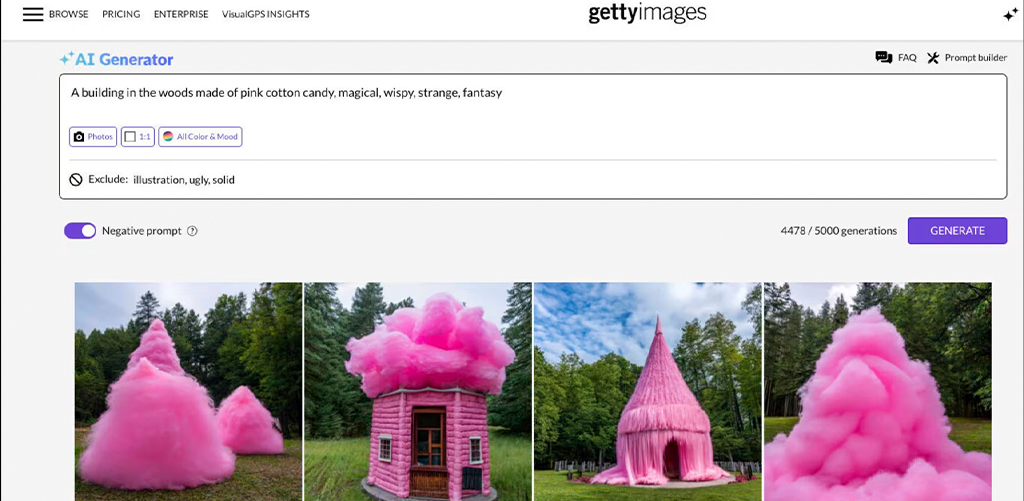
Here’s a real-world case: Getty Images sued an AI company for using its photos to train their machine without permission. That’s a big deal! Why? Because the machine “learned” using someone else’s work.

That’s why designers today must understand intellectual property—the rules around who owns what in the creative world. JD Institute ensures students learn about copyright, fair use, and how to use AI tools wisely. This way, they protect their ideas and stay ethical at the same time.

Design Fast, But Think First

AI can design a hundred versions of a logo in minutes. But is faster always better?

AI has even been used to create dresses inspired by Alexander McQueen or interior spaces like Zaha Hadid’s work. But copying styles without respect or credit can become unethical.

At JD Institute, students are taught to always ask:
“Where did this idea come from?”
“Am I giving credit where it’s due?”
“Is this design truly mine?” 

This mindset builds responsible creators who stand out in the industry.

The Beauty of Human Touch

Sure, AI can make beautiful things. But there’s something special about human-created work—it carries emotion, purpose, and culture.

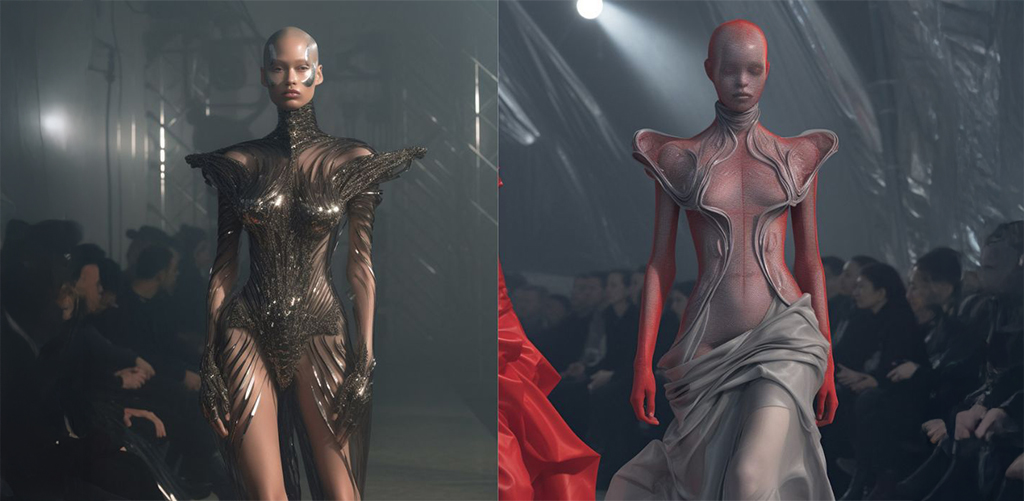
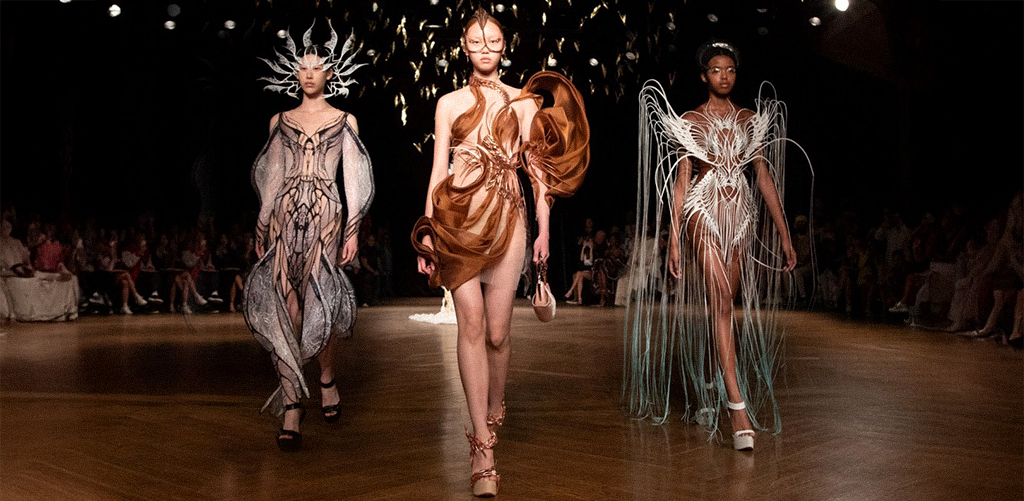
Famous fashion designer Iris van Herpen uses AI to explore shapes, but she finishes her pieces by hand. That’s the best of both worlds—technology + human touch.

JD Institute teaches students exactly that. Use tech to boost your creativity, not replace it. From Fashion draping to Interior planning and Communication Design, every course here shows how to work with AI, but lead with heart.

Why Young Designers Must Learn This Now

The future of design will be tech-powered. That’s a fact.
But success will belong to those who know how to ask the right questions. Not just, “What should I create?” but also, “Am I creating responsibly?”

Designers who understand AI ethics, copyright rules, and creative ownership will always stay ahead. At JD Institute, students don’t just learn to design—they learn to think deeply, act ethically, and create boldly.

So, Who Owns Creativity in the Age of AI?

Maybe it’s not about ownership anymore. Maybe it’s about guidance. We create the idea, AI helps shape it, but only you bring the soul into it.

If you want to be that kind of designer—the kind who knows the how, the why, and the what next—then learning at the JD Institute of Fashion Technology is your perfect starting point.

It’s time to lead design with ideas, not just tools. Your creative future starts now—make it count.

Fashion Starts With Form: A Designer’s Guide to Silhouettes

Tuesday, April 22nd, 2025

“A well-shaped outfit speaks before you do.”
But have you ever stopped and thought — what makes a simple black dress unforgettable on one person, and just another outfit on someone else?

It’s not just about fabric or embroidery. The real secret? The silhouette — the first thing you see and the last thing you remember. Whether it’s the exaggerated hips of the Victorian era or the clean cuts of modern minimalism, silhouettes have been shaping fashion — and culture — for centuries.

Let’s uncover the world of silhouettes, how they’ve ruled the runway across eras, and why understanding them is a must for every aspiring designer.

A-Line: The Queen of Versatility

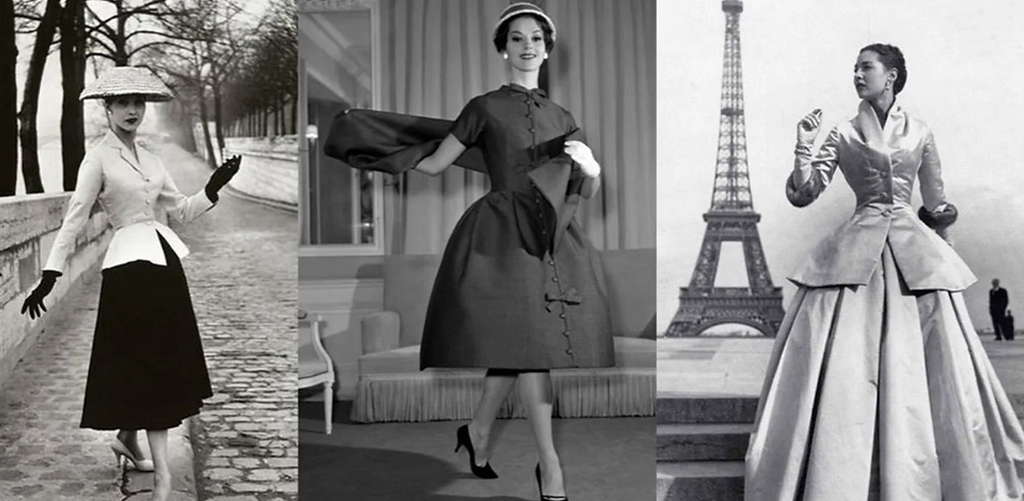
First introduced by Christian Dior in the 1950s and loved by the fashion crowd ever since, the A-line silhouette flares gently from the waist, forming the shape of the capital letter “A”.

It works across dresses, skirts, tunics, and even coats. Think Kate Middleton’s royal wardrobe — elegant, comfortable, and timeless.

Why it matters: A-line designs suit nearly every body shape, making them a staple for fashion designers. Knowing how to balance fabric flow, darts, and hemlines is crucial here — skills that come with deep understanding, often nurtured in fashion courses like those offered at JD Institute, where design meets functionality.

Hourglass: The Classic Comeback

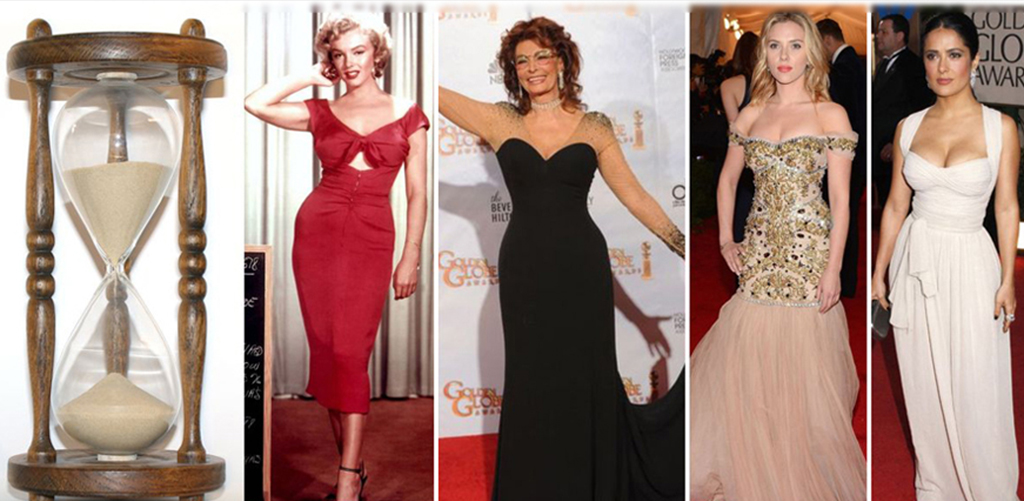
Defined by a cinched waist and balanced bust and hips, this silhouette has been iconic since the Victorian corset days. In the 1950s, Dior’s “New Look” brought it roaring back with fuller skirts and fitted bodices. Fast forward to today, and celebrities like Dita Von Teese and Kim Kardashian have reinvented it with a modern twist.

Why designers love it: It teaches how to accentuate curves, work with boning, paneling, and strategic seam placements. Creating this silhouette is an art form — one that’s still very relevant in both bridal and evening wear design.

Sheath: Elegance in Every Inch

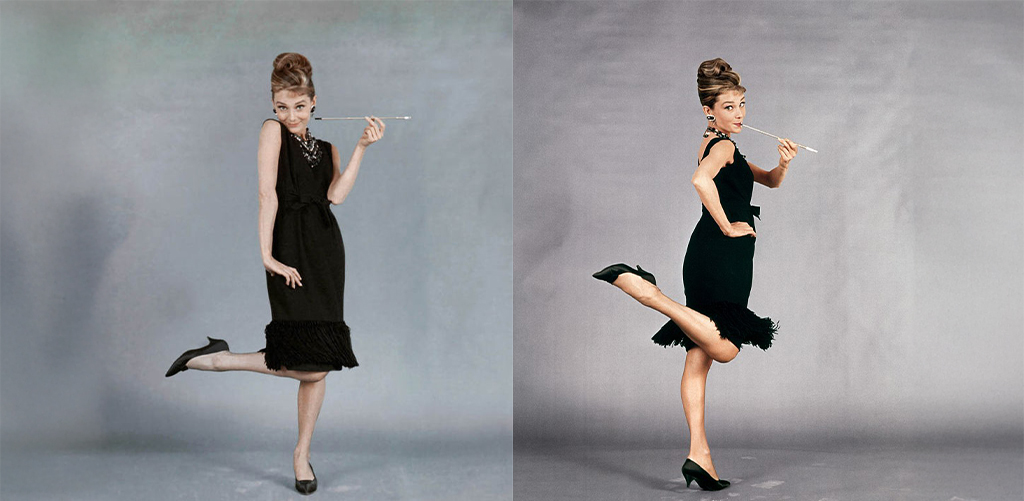
Slim, body-skimming, and sleek — the sheath silhouette has a strong presence in corporate, cocktail, and couture settings. Popularized in the 1960s by icons like Audrey Hepburn and Jacqueline Kennedy, it remains a power move on red carpets today.

Design challenge: Because it fits closely, there’s no room for error in tailoring. It teaches precision and the importance of fit, body measurements, and contouring — topics covered thoroughly in design education at institutes with strong practical orientation. 

Empire Waist: From Royalty to Boho Chic

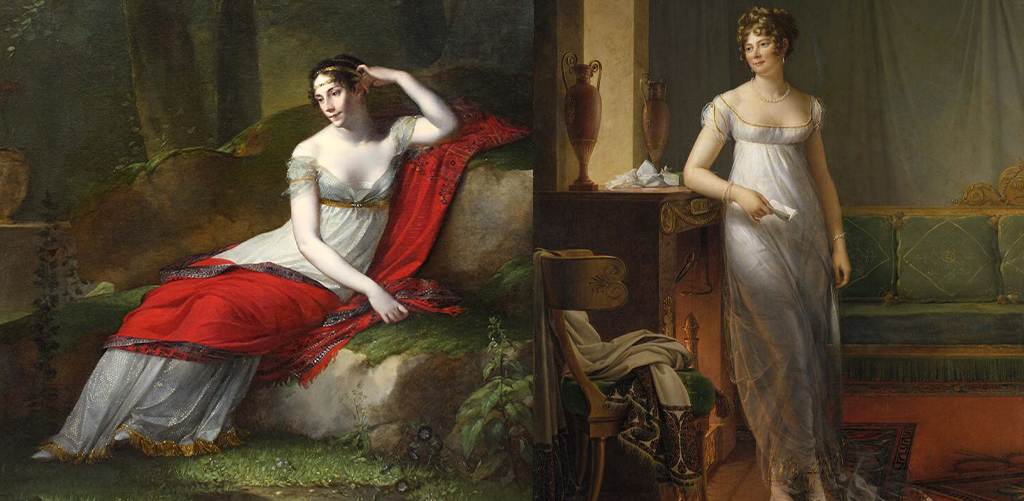
This silhouette raises the waistline just below the bust, flowing softly to the hem. It first gained fame during the Napoleonic era, seen in portraits of Empress Joséphine. Today, it’s a favourite for maternity wear, summer dresses, and soft occasion outfits.

Silhouette significance: It helps in creating illusion — making the body appear taller or disguising the midsection. For designers, it’s a lesson in visual trickery and understanding body types — a key area in fashion design curriculum.

Mermaid: Drama with Every Step

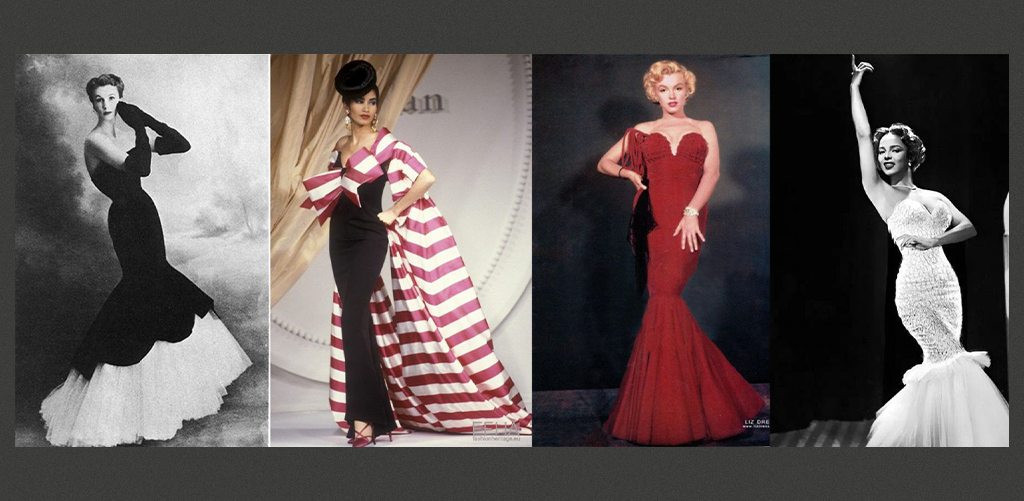
The mermaid silhouette is tight from the bodice to the knees, then flares out like a fishtail. Beyoncé’s stage outfits, Priyanka Chopra’s wedding reception gown — need we say more?

Design mastery: The fit must be exact, allowing room for movement while highlighting the curves. Designers learn how to use internal structuring, boning, stretch fabrics, and even pattern manipulation to bring this dramatic form to life. Such complex execution is taught in detail in the Fashion Design course at JD Institute, where the focus lies on both aesthetics and technique.

Ball Gown: Where Fairytales Meet Fabric

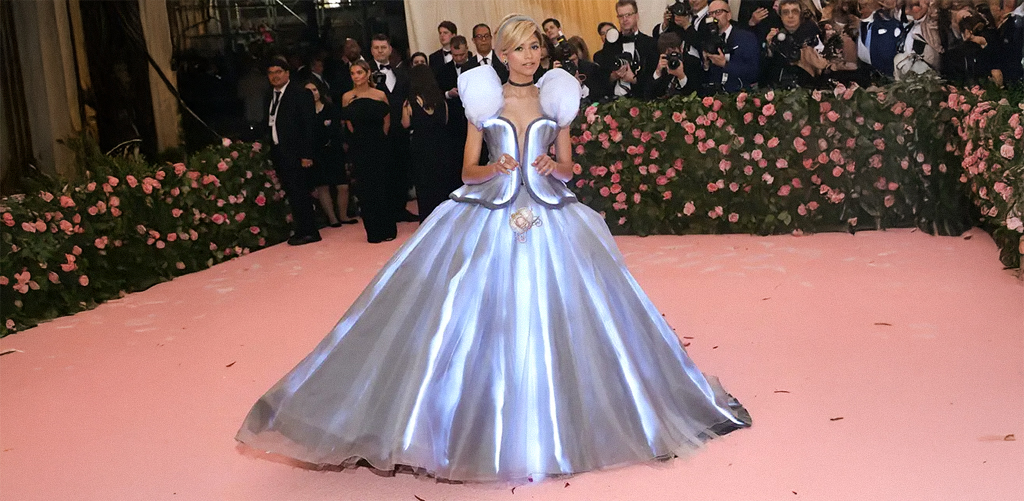
Every designer dreams of crafting that one breathtaking ball gown — full skirt, fitted bodice, drama galore. This silhouette has been the crown jewel of couture for centuries — from Grace Kelly’s wedding dress to Zendaya’s Cinderella moment at the Met Gala.

What it teaches: Layering, weight balance, fabric behavior, and the psychology of grand fashion. It’s more than just big — it’s a thoughtful design, requiring hours of craftsmanship.

Experimental Silhouettes: The Rule-Breakers

Designers like Rei Kawakubo, Iris van Herpen, and Alexander McQueen have taken silhouettes into a whole new dimension. Cocoon shapes, asymmetry, inflatable forms — these are for designers who dare to disrupt.

Why designers should explore this: It pushes the boundaries of imagination, textile manipulation, and 3D thinking. At JD Institute, students in the Fashion Design course are encouraged to break conventions and use silhouettes as a medium for storytelling, not just design.

So… Why Should You Even Care About Silhouettes?

Because a good silhouette can tell a story without words. It can express power, grace, rebellion, or fantasy — all through form. As a designer, knowing silhouettes isn’t just a skill, it’s your signature. And if you’re serious about mastering this art, JD Institute of Fashion Technology is where you shape that future. With expert mentors, real-time projects, and an environment that promotes experimentation, it’s the place where your dream silhouettes are born — and taken to the Fashion runway.

Buy Less, Buy Better- The Fashion Business Trend You Need to Know

Saturday, April 19th, 2025

What if the secret to better style wasn’t having more clothes—but having fewer?
Sounds wild, right? But it’s true. The trendiest thing in fashion today isn’t just the latest drop or runway moment—it’s conscious consumption.

We’re talking about the “Buy Less, Buy Better” movement—a global wave changing the way people shop, and shaking up how fashion businesses are run. From the boardrooms of luxury labels to the pop-ups of indie brands, everyone is talking sustainability, transparency, and longevity.

And for anyone studying Fashion Business Management, this isn’t just a buzzword—it’s your future workplace.

Big Brands, Bold Moves: Saying ‘No’ to Overconsumption

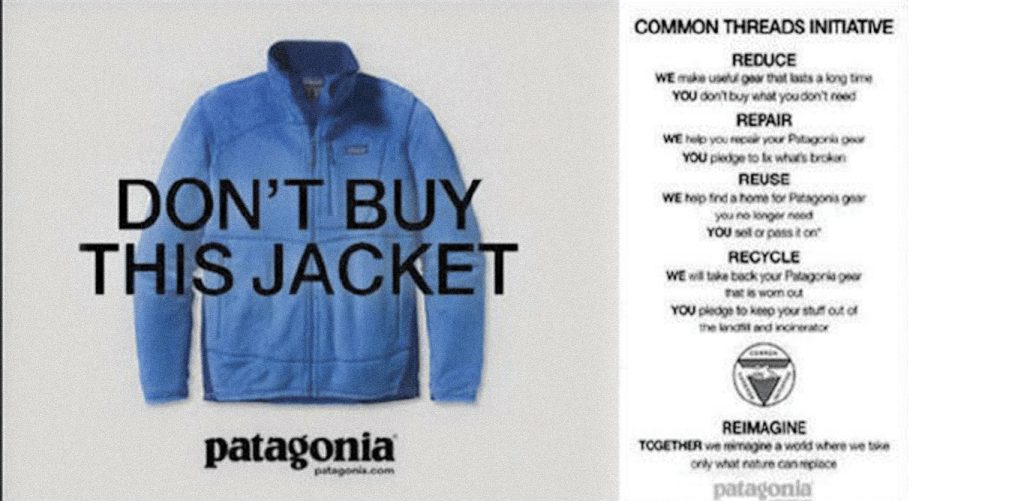
Let’s start with a shocker: Patagonia, one of the world’s most respected outdoor brands, once ran an ad that read “Don’t Buy This Jacket.” Why would a brand discourage you from shopping? Because Patagonia believes in reducing consumer waste. They offer repair services, resell pre-worn gear through Worn Wear, and even invest in environmental activism.

This isn’t just ethics—it’s strategy. Their customers trust them, which builds loyalty.

Lesson for students: Ethical branding is profitable branding. Building consumer trust today means being open, honest, and purpose-driven.

Another pioneer, Eileen Fisher, is famous for her “take-back” program. Old clothes get repaired, redesigned, or remade—turning waste into fresh inventory. Her brand works on circularity, where nothing goes to waste.

The Problem with Fast Fashion: Quantity Kills Quality

Fast fashion makes style accessible—but it also creates huge problems. Tons of unsold stock end up in landfills. Workers in underdeveloped countries are often underpaid. Fabrics used are cheap and unsustainable.

This is why many fashion-forward businesses are now embracing the slow fashion model—fewer launches, better quality, timeless designs.

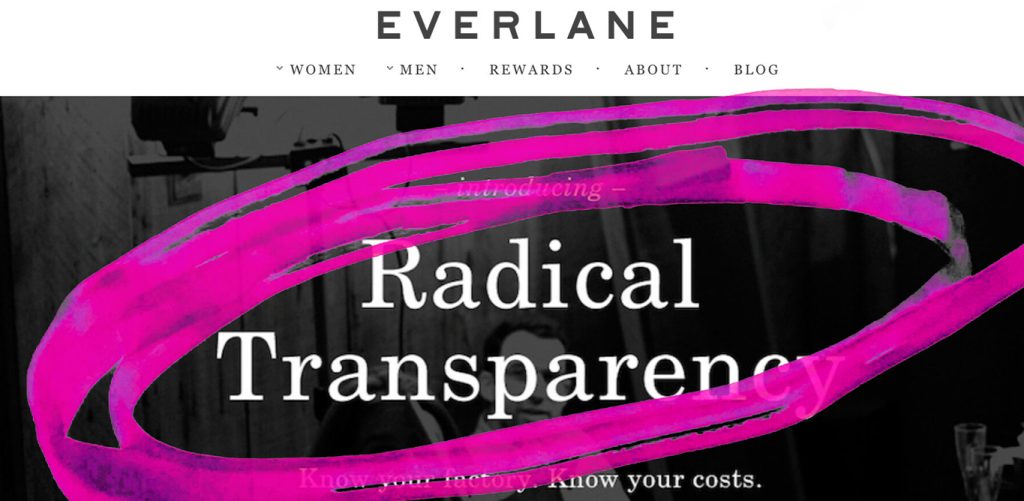
Take Everlane for example. Their “Radical Transparency” approach shows customers exactly how their clothes are made, where they’re made, and what they cost. This kind of openness is changing the way people trust brands.

Fashion Business Management students need to study these practices deeply—because tomorrow’s customers will expect brands to be open, sustainable, and honest. Students at the JD Institute of Fashion Technology are learning why this shift matters and how smart choices in design and planning can help both people and the planet.

Cool Meets Conscious: Trendsetting Sustainable Brands

Let’s talk about PANGAIA, a brand using scientific innovation to create fashion out of seaweed, eucalyptus, and even recycled plastic. They’re not just designing clothes—they’re solving problems. Their bio-based fabrics and botanical dyes are pushing fashion tech to new levels.

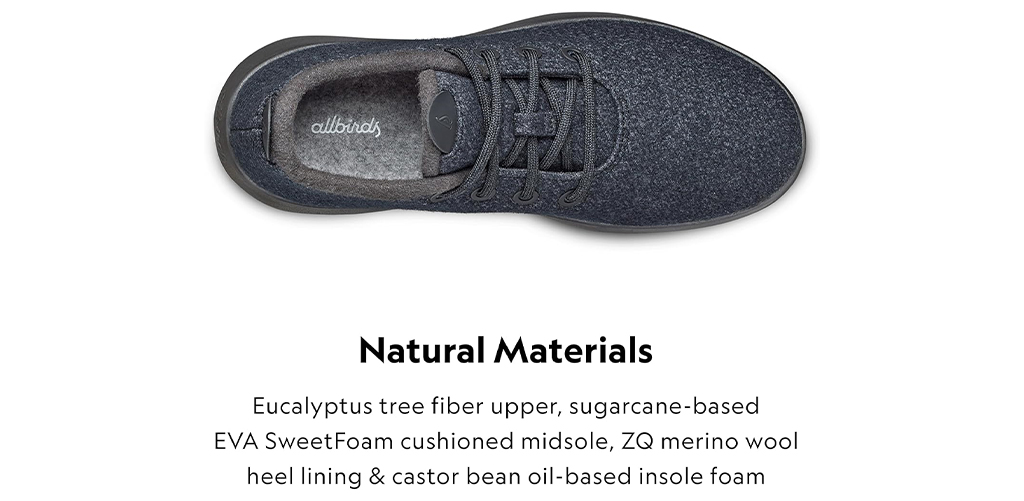
Another trailblazer is Allbirds, which makes shoes from sugarcane, wool, and tree fiber. Their simple designs, carbon labeling, and eco-friendly packaging have turned them into a case study in smart, sustainable branding.

Reformation, based in LA, uses deadstock fabrics (waste materials) to create stylish pieces with low environmental impact. Their website even shows the carbon footprint of each product.

Lesson for students: Fashion is now part of a bigger ecosystem. Understanding materials, supply chains, and consumer data is as crucial as knowing what’s trending.

The Rise of Resale, Rental, and Refurbish Models

Gone are the days when “new” meant “best.”
Today, second-hand fashion is first-class style.

Platforms like The RealReal, Vestiaire Collective, and ThredUp are turning resale into a billion-dollar market. They’ve turned luxury pre-owned goods into a status symbol.

Even luxury giants like Gucci and Balenciaga are collaborating with resale platforms to stay relevant with Gen Z and millennials who want sustainability with their status.

Then there’s Rent the Runway, a subscription-based model for renting designer outfits. This taps into a new kind of customer—those who want variety without ownership.

Students should explore: How different models (subscription, resale, rental) impact inventory planning, pricing strategies, and profit margins in modern fashion businesses.

Consumer Mindset: The Shift from “More” to “Meaningful”

The “Buy Less” philosophy isn’t just about saving the planet—it’s also about a smarter, more curated wardrobe. Welcome to the age of capsule wardrobes—where a few versatile, high-quality items can create endless outfit combinations.

This isn’t a trend—it’s a lifestyle. Customers now value versatility, comfort, quality, and ethics. They prefer stories over logos. They want to know: Who made my clothes? Is this brand greenwashing or real?

And that’s where education comes in. The Fashion Business Management course at JD Institute of Fashion Technology doesn’t just teach trends—it teaches you to read markets, understand consumer behaviour, plan sustainable supply chains, and build future-proof brands.

If you dream of launching a brand, managing one, or changing how people think about style—this is where you learn to do it right.

So What’s the Future of Fashion? It’s You.

The fashion industry is in the middle of a massive transformation. Sustainability is no longer an option—it’s a must. Customers are smarter. Competition is global. And innovation is everything.

Ask yourself:

  • Can I build a fashion business that solves real problems?
  • Can I make clothes that matter?
  • Can I learn how to manage fashion not just with flair, but with focus?

If the answer is yes, then your journey starts with learning.
And if you’re serious about being part of this change, JD Institute’s Fashion Business Management program could be your first smart choice—just like “buying better” over “buying more.”

Dress Up, Cash In: The Fashion Stylist’s Guide to Earning Big

Thursday, April 17th, 2025

“You know you’re a real stylist when people come to you for advice—even if it’s just for picking their brunch outfit.”

In today’s world, fashion styling is more than putting together cute looks. It’s a career—and in 2025, it’s a career that can pay really well if you play your cards right.
If you love helping people look their best and you’re obsessed with fashion trends, you can turn your passion into a successful business. From working with brands to launching your own course, there are many ways to earn money as a fashion stylist.
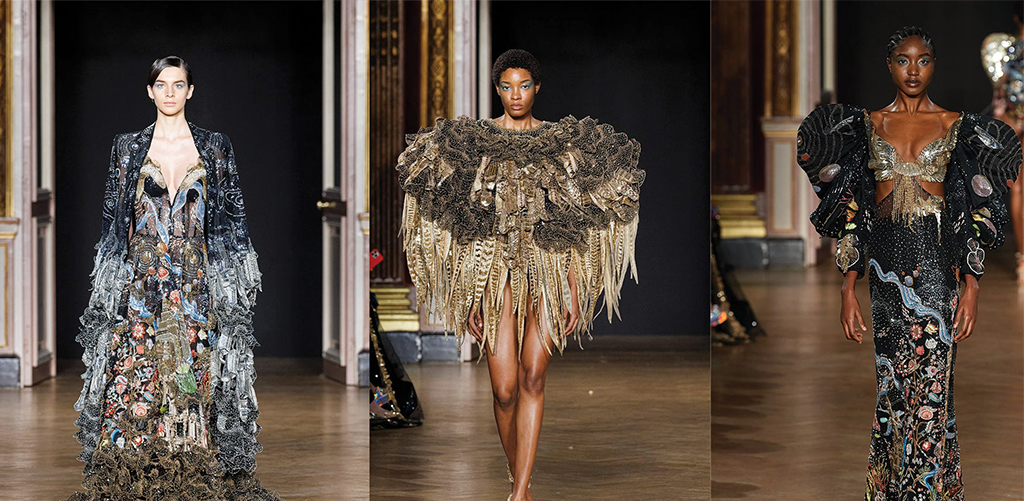
Let’s break them down—simple and clear.

Style for Celebrities, Weddings & Everyday Clients

This is the most common way stylists earn—by helping people look great! You could style someone for a wedding, a photo shoot, or even update their whole wardrobe.

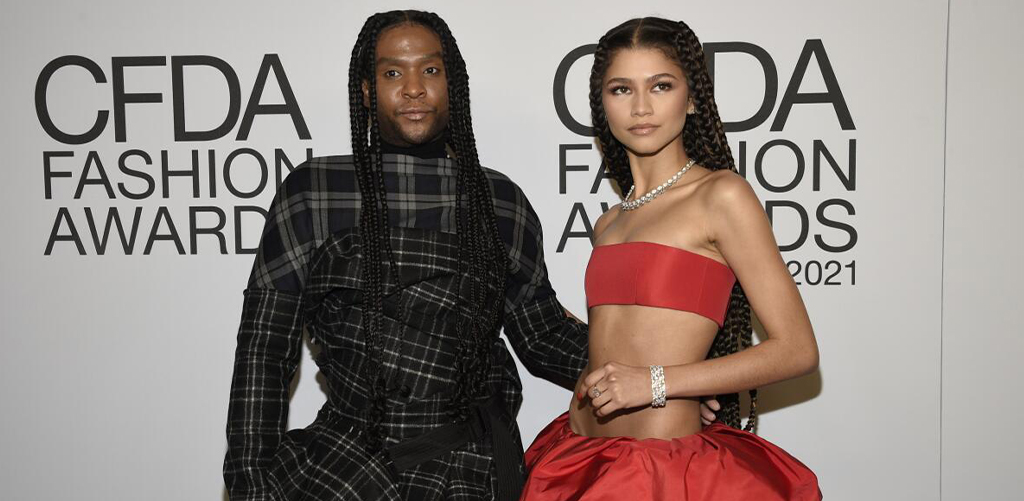
Top stylist Law Roach styled Zendaya and made headlines around the world. He proved that when you know how to dress people well, opportunities will follow.

And the good part? You don’t have to only work with celebrities. There are many clients who need help with fashion for their daily life or special events and are ready to pay for it.

The Fashion Styling course at JD Institute teaches students how to identify different body types, understand colors, and choose clothes that make people feel confident.

Earn Through Instagram & YouTube

Fashion stylists who are active on social media often work with brands and get paid for promotions. If you love being on camera or posting outfit reels, this can be a great way to earn.

Stylist Alyssa Coscarelli shares fashion tips and reviews on Instagram and has worked with top fashion brands.

In 2025, stylists are not just behind the camera—they are influencers, content creators, and brand ambassadors.

Style for Magazines, Ads, and Fashion Brands

Styling for magazines, fashion shows, and advertisements is called editorial or commercial styling. These jobs help build your portfolio, and once you grow, the pay gets better.

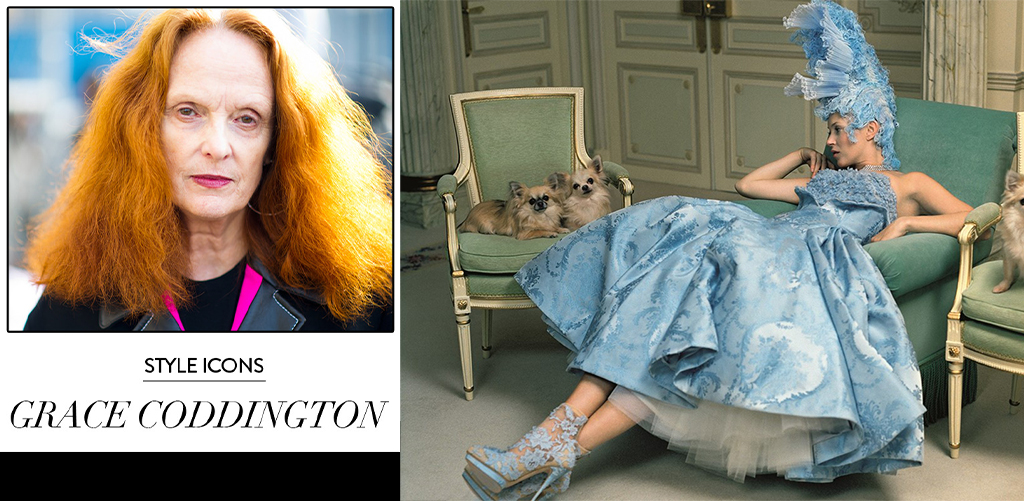
Grace Coddington, who worked with Vogue, is one of the most famous editorial stylists in the world. She made magic with clothes and created stories through fashion photos.

This kind of styling is creative, fun, and great for networking in the industry.

Become a Consultant for Fashion Businesses

Many clothing brands and startups look for experts who can help them build collections, style models, or suggest fashion ideas. As a stylist, you can give your advice and earn as a consultant.

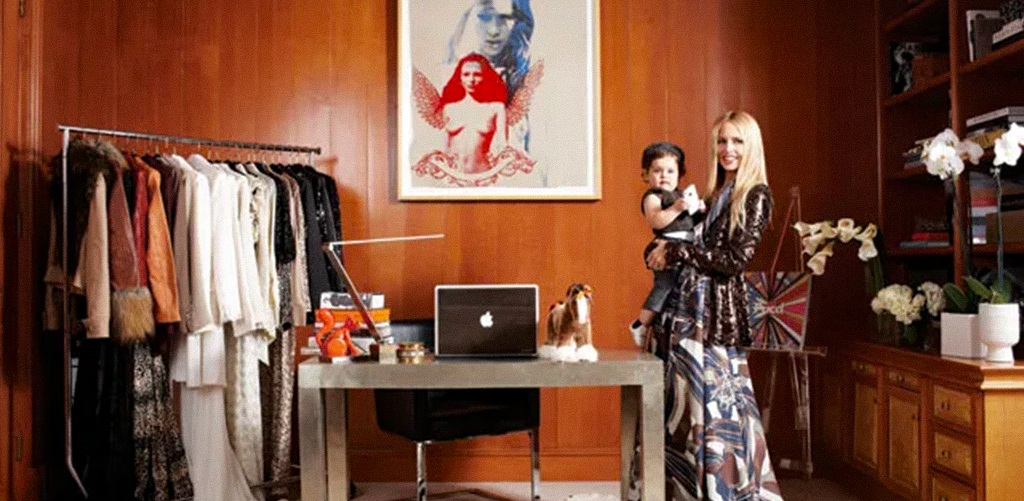
Rachel Zoe, a well-known stylist, now runs her own fashion company and helps other brands grow too.

At JD Institute, students also learn how to present their ideas professionally and pitch their styling services to clients and brands. This helps them turn their talent into a real business.

Create Your Own Styling Course or Workshop

If you’ve learned styling skills and love teaching, why not start your own course? You can teach styling online through video classes, host workshops, or even offer styling tips on Zoom.

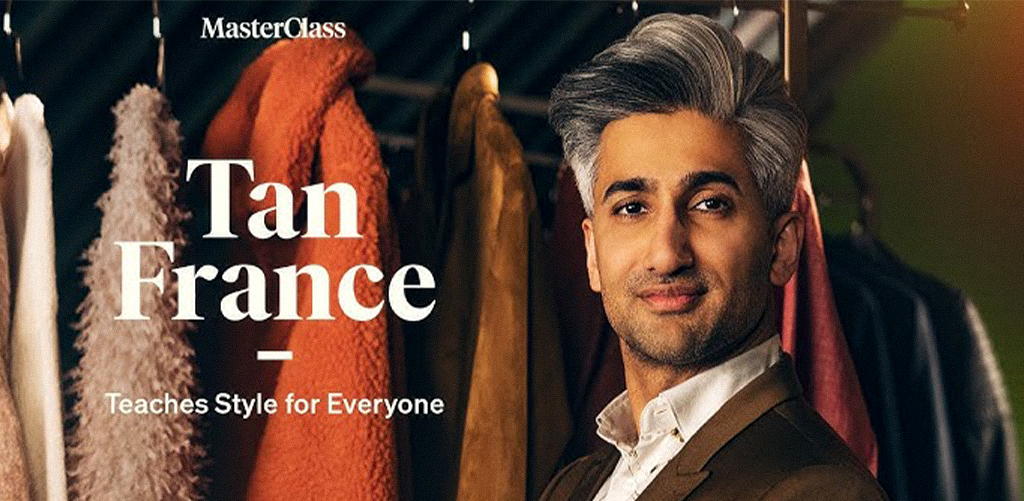
Tan France, known for Queer Eye, has a styling course on MasterClass that is loved by thousands.

People love learning how to dress better. If you have the knowledge, sharing it can earn you money and build your name as an expert.

Help Clients With Closet Makeovers (Even Online!)

Not everyone wants a full makeover. Some people just want help with cleaning their closet, choosing what to keep, and knowing how to style what they already own. This is called closet styling or virtual wardrobe editing.

Britt Theodora, a celebrity stylist, offers virtual services to help people organize and update their style.

You can do this from home with a phone or laptop. In fact, many clients prefer this easy, online option today.

Fashion Styling Students at JD Institute are taught how to use digital tools to offer such styling services. This helps them grow faster in today’s world.

Let’s Wrap It Up Like a Perfect Outfit

Being a fashion stylist in 2025 is not just about matching shoes to a dress—it’s about turning your eye for style into a brand, a service, and a business.

You can work with clients, brands, magazines, or even teach others. You just need the right training, creativity, and the drive to do more.

So, are you ready to take your styling dream seriously?
Because fashion is waiting. And so is your future paycheck.
Start learning, start styling, and start earning—with JD Institute showing you the way.

Fashion Weeks Are the New Embassies—Here’s Why It Matters for Event Planners

Wednesday, April 16th, 2025

“What if a saree could speak Russian? Or a trench coat could whisper Japanese poetry?”
Welcome to the global runway, where fashion is not just fabric—it’s diplomacy stitched in style. From the shimmering ramp of Lakmé Fashion Week in Mumbai to the historical elegance of Milan’s catwalks, fashion weeks today have evolved beyond glitz and glamour. They’ve become silent ambassadors, showcasing the cultural stories, national pride, and even political nuances of a country.

Let’s dive into how fashion weeks across the world have turned into powerful stages of cultural diplomacy, blending creativity and identity in the most unexpected ways.

India on the Runway: From Kanjivarams to Khadi Cool

Lakme Fashion Week has long been a torchbearer of Indian craftsmanship. Designers like Gaurav Gupta and Rahul Mishra don’t just design clothes—they tell India’s story. From Banarasi silks to tribal prints of Northeast India, each collection often reflects the country’s diverse heritage.

One of the best examples is Rahul Mishra’s Paris Haute Couture debut, where hand-embroidered outfits inspired by Indian nature motifs like lotuses and peacocks were applauded by a global audience.

This kind of cultural storytelling is exactly what students at JD Institute’s Global Event Management course learn to master—how to blend tradition with presentation and turn an event into a global conversation.

Italy’s Elegance: When History Walks the Milan Ramp

Think Milan, and you think sleek tailoring, timeless style, and a nod to Roman grandeur. Italian designers like Dolce & Gabbana have made headlines not just for fashion, but for showcasing Sicilian culture, Baroque art, and southern Italian traditions. Their runway shows are often dramatic storytelling events, reflecting Italy’s deep cultural roots.

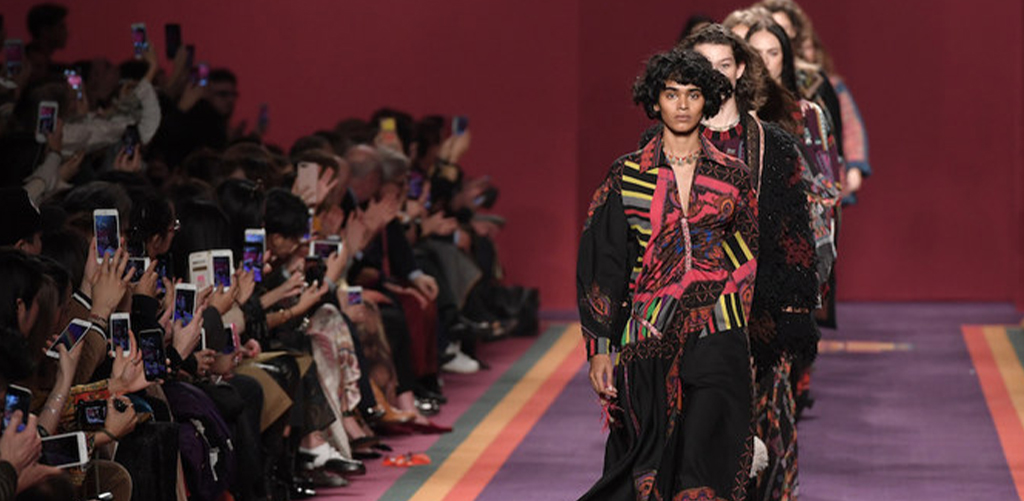
At Milan Fashion Week 2021, Etro’s collection infused boho with Renaissance, using traditional paisley and Venetian prints to express Italy’s vibrant culture.


Here, fashion becomes an emotional memory—an elegant echo of the country’s past and a soft diplomatic message to the world.

South Korea’s Street Chic: Seoul’s Pop Culture Influence

Seoul Fashion Week has become a hotbed of cultural export, thanks to the Hallyu wave. Brands like Wooyoungmi and Ader Error push South Korea’s identity through edgy, gender-fluid collections inspired by K-pop, Korean folklore, and futuristic streetwear.

What’s amazing is how this creative expression has redefined South Korea’s global image—from tech giant to a style powerhouse. The fashion here is not just about looks, but about asserting national confidence on a global scale.

Understanding how pop culture fuels diplomacy is one of the modern insights taught in the Global Event Management program at JD Institute, helping students read between the seams of international fashion narratives.

Paris Couture: A Showcase of Global Heritage

Though known as the fashion capital, Paris Fashion Week is no longer just French. It’s now a canvas for global designers to tell cross-cultural stories. In 2022, Lebanese designer Elie Saab brought Middle Eastern elegance to the ramp with flowing gowns inspired by ancient Arab architecture.

Paris has become a space where cultures merge and fashion diplomacy is at its peak. When designers from different parts of the world are invited to show in Paris, it’s not just a fashion moment—it’s a symbolic invitation of respect and recognition from France.

Japan’s Subtle Statements: Kimono to Avant-Garde

Tokyo Fashion Week showcases a different side of diplomacy—quiet, precise, and deeply philosophical. Designers like Yohji Yamamoto and Rei Kawakubo use deconstruction, minimalism, and symbolism to reflect Japanese heritage.

In many collections, the kimono is reimagined not just as a garment but as an icon of national pride. Even the use of origami folds in high fashion reflects traditional Japanese artistry, proving how design and identity are inseparable.

For students looking to explore how minimalism can hold such cultural weight, JD Institute’s Global Event Management curriculum offers insight into the planning and execution of such thematic showcases.

United Nations of Fashion: When Diplomacy Walks Together

Fashion Weeks are increasingly hosting country-themed showcases. The Russian, Colombian, and Nigerian cultural presentations at fashion events like London Fashion Week and iFestival (India’s Largest Student Design Festival) in India by none other than JD Institute itself, have allowed entire nations to be represented through costumes, traditional music, and textiles.

In one iconic moment at iFestival 2024 in Delhi, cultural attire from Colombia and Russia walked the ramp—sending a message of collaboration and unity. It’s diplomacy dressed in haute couture.

Ready to turn passion into your global event voice? Your seat at the international table awaits—only at JD Institute.

Copyright © 2025 JD Institute of Fashion. All Right Reserved

Designed by Red Lemon

Whatsapp icon
Apply Now
Enquire
Quick Enquiry