
Apply Now

Author Archive

BioDesign in Fashion? A Skill Future Designers Must Master

Monday, May 5th, 2025

Ever wish your hoodie could get bigger on pizza nights and smaller on gym days?
Or imagine if your shirt could breathe a little more when the sun’s out, or even grow as your kid does. Sounds wild, right? But this isn’t science fiction anymore — welcome to the bold world of BioDesign in Fashion, where garments aren’t just stitched, they’re grown, and they adapt just like we do.

This might sound like something out of a Marvel movie, but real-life fashion innovators are already creating clothing that grows with you, adjusting to age, climate, and even movement using living materials. And yes, this is the kind of fascinating stuff students explore in the Fashion Design course at JD Institute, where creativity meets sustainability with a futuristic twist.

What Is BioDesign in Fashion, Really?

At its core, BioDesign in fashion means designing garments using biological processes or materials. Think: fabrics made from algae, bacteria, mushrooms, or yeast — yes, the same stuff that makes bread rise. These materials can grow, change, and adapt based on the environment around them.
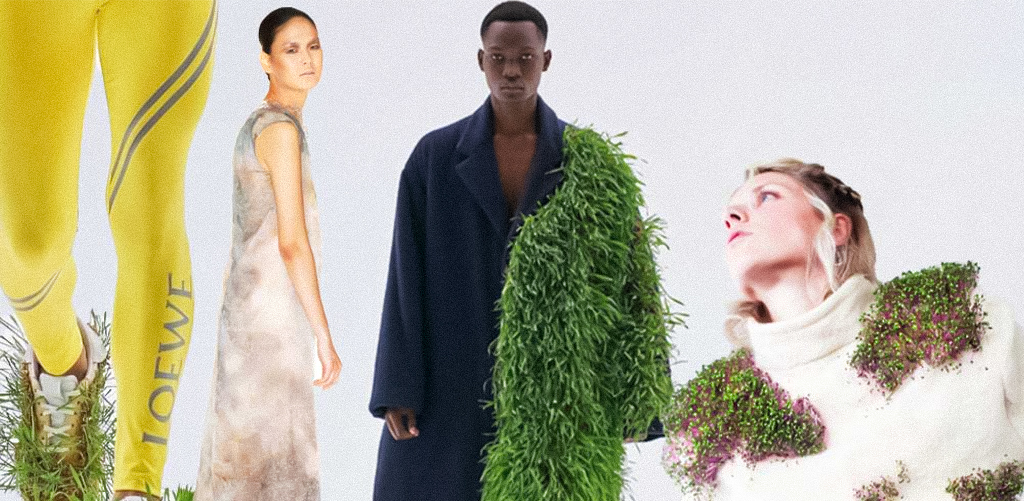
This means the clothes you wear might one day live, breathe, and evolve with you. Sounds a little sci-fi? Sure. But it’s very, very real.

Clothes That Grow As You Do — Literally

Startup Spotlight: Petit Pli (UK)

Founded by aeronautical engineer Ryan Mario Yasin, Petit Pli designs expandable clothing for kids — clothes that grow up to seven sizes, so parents don’t have to keep buying new ones every few months. The idea was sparked by a personal frustration: gifting clothes to his nephew that were already too small by the time they arrived!
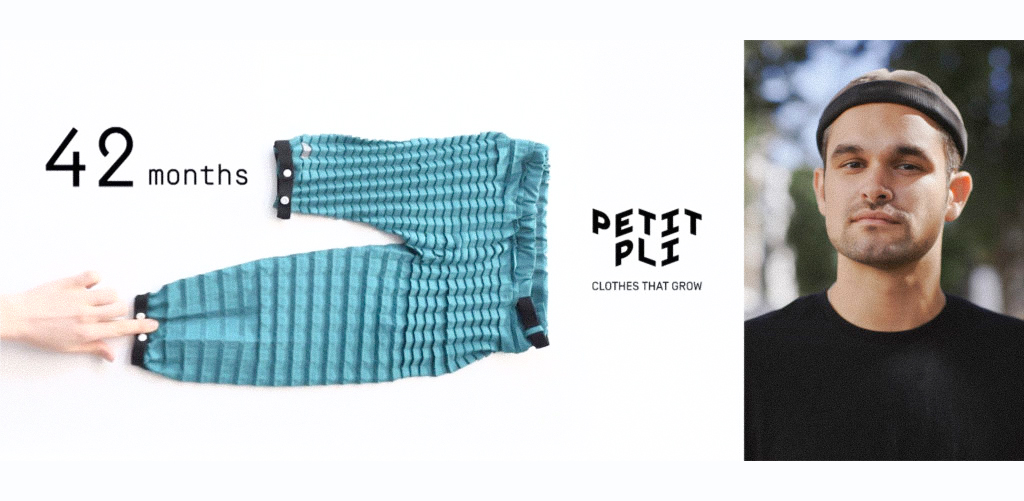
This startup uses special pleated fabric tech that adapts with movement and growth — making it one of the first real-world examples of adaptive, bio-inspired fashion.

Why does it matter for designers? Because rethinking how we dress at every life stage could reduce waste, save money, and totally change the kidswear game.

Smart Textiles That React to Climate

Startup Spotlight: Skynfeel by Puma x MIT Design Lab

Now picture a jacket that knows when you’re sweating and opens up to cool you down. That’s what Skynfeel, a collaboration between Puma and MIT Design Lab, is doing. They created breathable sportswear that opens and closes based on your body temperature and humidity.
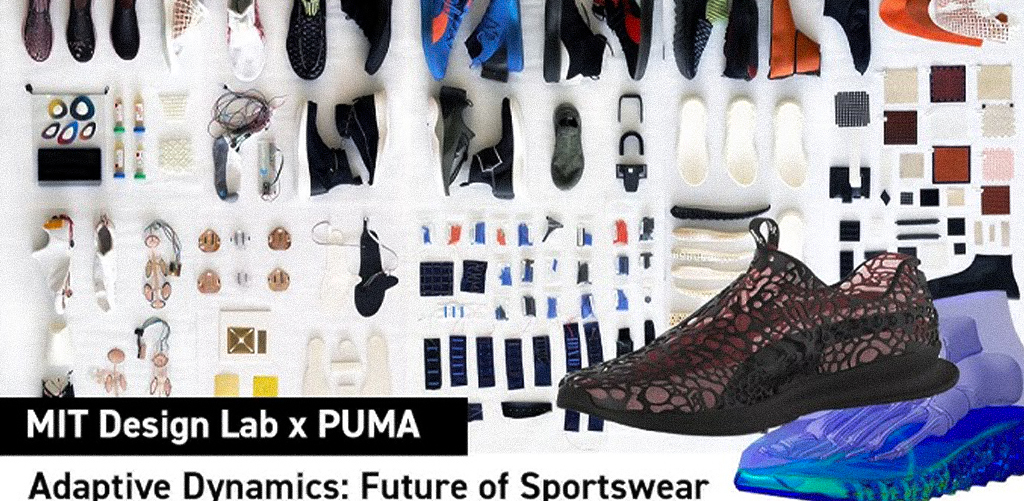
Why should you care as a fashion student? Because this kind of interactive fashion is where high-tech meets high-style — a field you get to explore hands-on during the Fashion Design course at JD Institute, which now includes future-forward modules like wearable tech and sustainable innovation.

Fabrics Made from Fungi, Not Fossil Fuels

Startup Spotlight: MycoWorks (USA)

Let’s talk about mushrooms. Not the kind on your pizza — but mycelium, the root system of fungi, which startups like MycoWorks are using to create leather alternatives. Their product, Reishi, is grown in labs and behaves like high-end leather — minus the animals and chemicals.
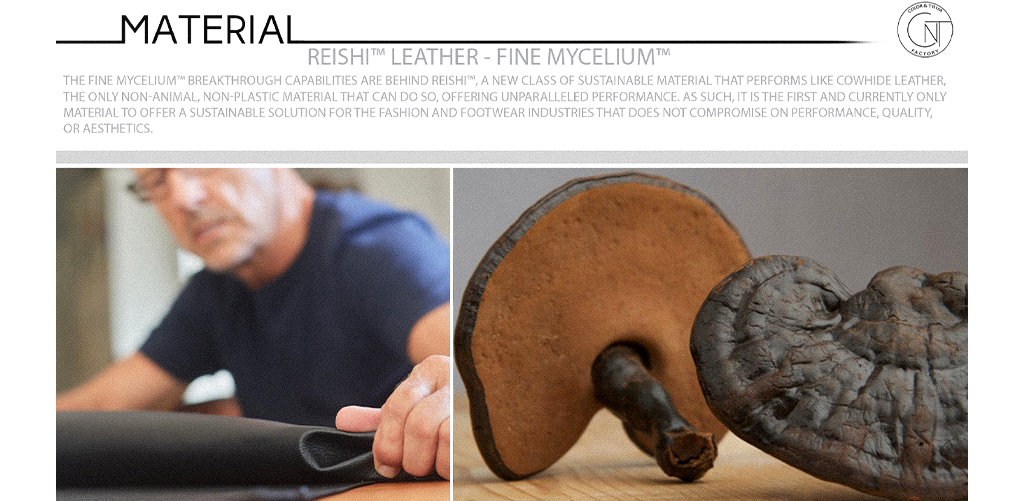
This means your next designer handbag could be made from a mushroom, and you wouldn’t even know it.

Why should young designers care? Because bio-fabrics might soon become the norm. Knowing how to design with and around them will be essential, not optional.

Bacteria That Dye Your Clothes (and Keep the Rivers Clean)

Startup Spotlight: Colorifix (UK)

Traditional dyeing processes pollute tons of water with toxic chemicals. Enter Colorifix, which uses microorganisms to produce vibrant, sustainable dyes — all without polluting rivers or hurting ecosystems.
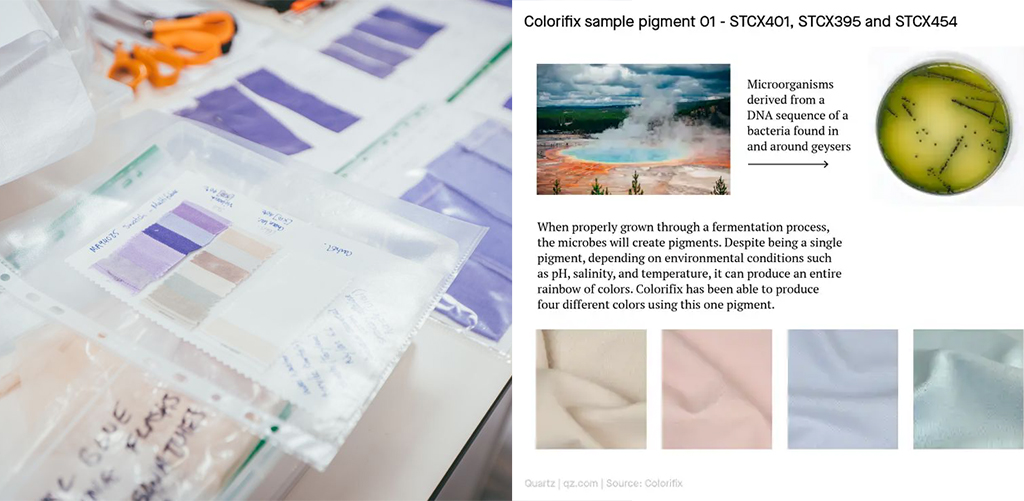
They genetically program microbes to produce color, then use that to dye fabrics naturally. It’s genius, science-based, and exactly the kind of green thinking the industry is hungry for.

In your design career, knowing the story behind the color could become as important as picking the palette. The JD Institute’s Fashion Design course doesn’t just teach color theory — it nudges students to question where color comes from and how to make it better.

Ready to Design a World Where Clothes Don’t Just Fit, They Adapt?

Fashion Design is no longer about trends — it’s about transformation. And if you’re serious about standing out in a world full of copy-paste designers, then learning to work with living materials, adaptive fabrics, and sustainable systems is your superpower.

At JD Institute, you don’t just learn to make clothes. You learn to challenge what clothes can be.

So — shrink, stretch, sweat or grow — maybe your next design doesn’t just follow the body, it keeps up with it.

Now that’s fashion that lives.
Designers Who Get Human Psychology, Win. Here’s How to Be One of Them

Saturday, May 3rd, 2025

“Design is not just what it looks like and feels like. Design is how it works.” – Steve Jobs.

Ever wondered why a sleek black dress makes you feel confident, or why walking into a well-lit cafe instantly lifts your mood? That’s not coincidence — it’s design psychology at play. Behind every thoughtfully crafted product, outfit, or space lies a deep understanding of how human brains think, feel, and behave. Welcome to the world where cognitive science and creativity collide — where form and function become silent influencers of your daily decisions.

At the JD Institute of Fashion Technology, future designers aren’t just taught to make things look pretty. They’re trained to decode the why behind every successful design — the human psychology that powers perception, emotion, and behavior.

Let’s explore how design isn’t just seen or touched — it’s felt, processed, and lived.

The Brain Loves Balance: Form Meets Function

Your brain is hardwired to crave harmony. When something looks good and works smoothly, it gives us a sense of satisfaction and trust. This is the magic of form and function working hand in hand.

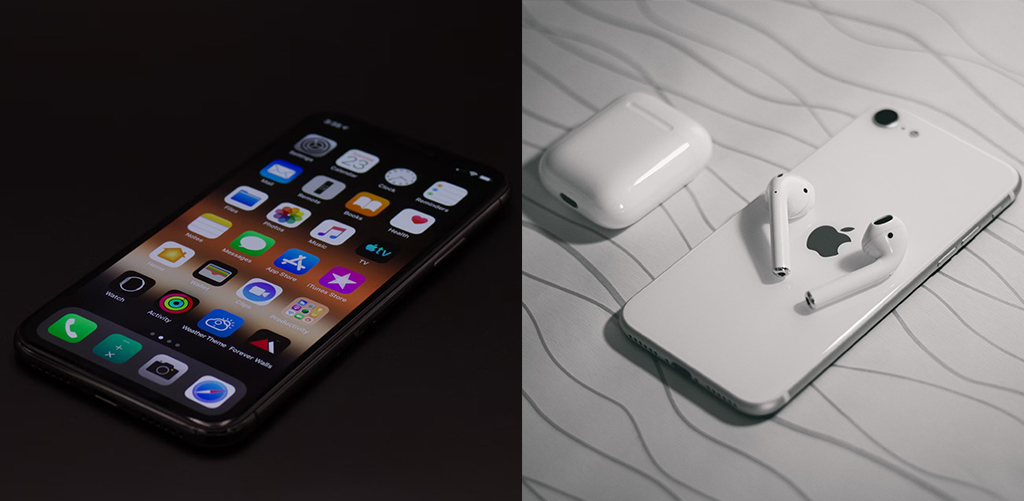
Take Apple’s iPhone. Its minimalist look and intuitive user interface are a direct result of psychological research on cognitive load — the less mental effort it takes to use a product, the more we love it. The sleek design isn’t just for aesthetics; it reduces friction, increases emotional engagement, and makes users feel smart and in control.

In fashion design, silhouettes that complement the human body, fabric choices that consider comfort, and even zipper placements are based on ergonomic and psychological cues. People are more likely to wear what makes them feel good, not just look good — and that’s a powerful insight for any designer.

Interior Design that Talks to Your Brain

Ever noticed how you breathe easier in a decluttered space or feel energized in a room with natural light and pops of yellow? That’s your environment playing with your subconscious.
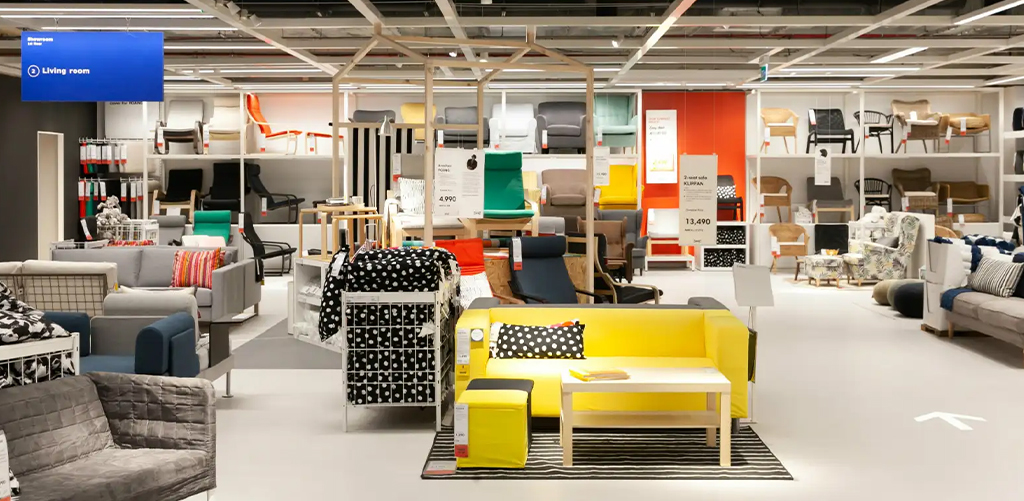
IKEA’s store layout is a perfect example of psychology in motion. The maze-like path encourages longer browsing times, subtle lighting shifts direct your attention, and strategically placed low-cost items create the illusion of affordability — all to influence shopper behavior. Every curve and corner is a silent suggestion.
Similarly, in interior design, colors, textures, and spatial flow are key psychological tools. Rounded furniture evokes softness and safety; earthy tones create calm; symmetry offers a sense of control. Designers who understand how environments affect mood are able to create homes, offices, and commercial spaces that feel right — even if the users don’t know why.

Communicate to Influence: Visual Psychology in Design

Your brain processes visuals 60,000 times faster than text. That’s why communication design — from packaging to posters — relies heavily on visual hierarchy, color psychology, and typography to get messages across quickly and effectively.

Think about McDonald’s red and yellow branding. Red stimulates appetite, yellow sparks happiness and grabs attention — both chosen to trigger fast, emotional responses. It’s not random; it’s rooted in behavioral psychology.

At JD Institute, the Communication Design course dive deep into how layout, contrast, spacing, and visual cues guide attention and decision-making. Whether it’s a campaign or a product label, the goal is to not just inform, but to influence — smartly and ethically.

Emotion by Design: Why We Bond with Objects

Humans are emotional creatures. We assign feelings to objects and spaces — sometimes even personalities. This is where design psychology becomes storytelling.

Why do people love vintage clothing or handmade decor? It’s not just aesthetics; it’s nostalgia, identity, and emotional resonance. Designers who understand this emotional mapping can craft experiences that feel personal and memorable.

At JD Institute, learners are encouraged to explore these deeper layers of design. How does a certain cut or color feel on the skin or in the heart? How can we design for empathy, inclusivity, or even activism? These questions matter — and future designers are taught to seek answers from both art and science.

Designing for the Senses: Multisensory Design in Action

Design doesn’t just appeal to the eyes — it whispers to all the senses. When form and function consider touch, sound, smell, and even temperature, they create richer emotional connections.

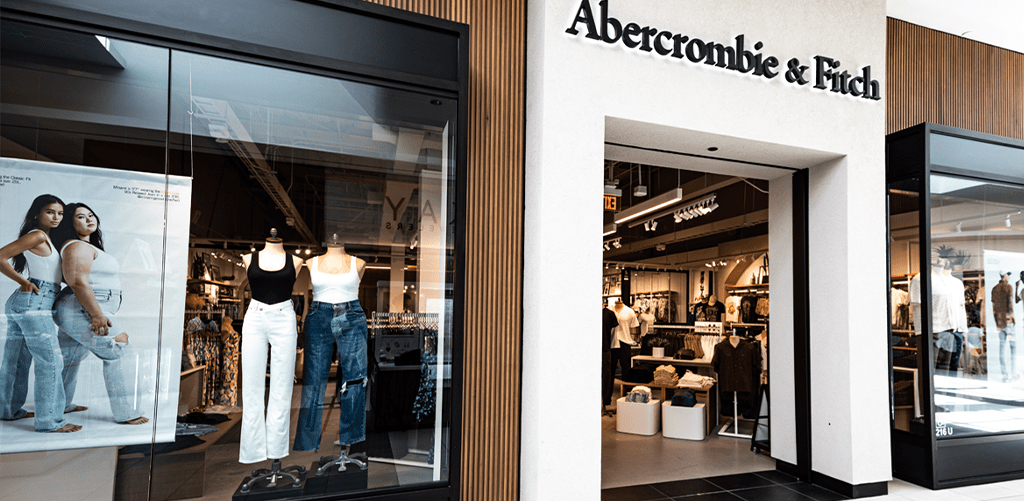
Consider the soft-touch matte packaging of luxury cosmetics — it communicates sophistication before you even open the product. Or how retail stores like Abercrombie & Fitch use signature scents to build brand identity. These sensory triggers tap into associative memory — our brain’s ability to link feelings to physical experiences.

In Visual Merchandising, textured walls, ambient music, and warm lighting build a sensory narrative, and this is something that the Jediiians explore in JD Institute, as in how to design for a complete sensory experience — not just what users see, but how they feel, move, react, and remember. Because great design isn’t just visual — it’s visceral.

Design Smarter, Live Better — The JD Way

Design is not just decoration — it’s persuasion, connection, and behavior engineering. And understanding that takes more than talent; it takes insight. That’s exactly what students at JD Institute of Fashion Technology are trained for — to create designs that are not just visually powerful, but psychologically impactful. Whether it’s shaping how people dress, how they feel in a space, or how they respond to a message, JD teaches you to be a designer who thinks beyond trends — someone who asks why it works, not just how it looks.

What India’s Mega Events Teach About Master Planning

Friday, May 2nd, 2025

What do a Bollywood red carpet, a fashion runway, and a cricket stadium have in common?

They’re not just flashy moments—they’re mega-events that bring people together, create huge business, and make India shine globally.

From IIFA to Lakme Fashion Week to the IPL, India is becoming a top destination for world-class event planning.

And guess what? The real magic isn’t just in the stars or the clothes. It’s in the planning, creativity, and tech that go behind these events.

If you’re someone who dreams of working at big events, or creating your own—then this is your sign to get serious. That’s where the Global Event Management course at JD Institute comes in. It teaches you the behind-the-scenes action that brings these massive events to life.

IIFA: Bollywood Goes Global

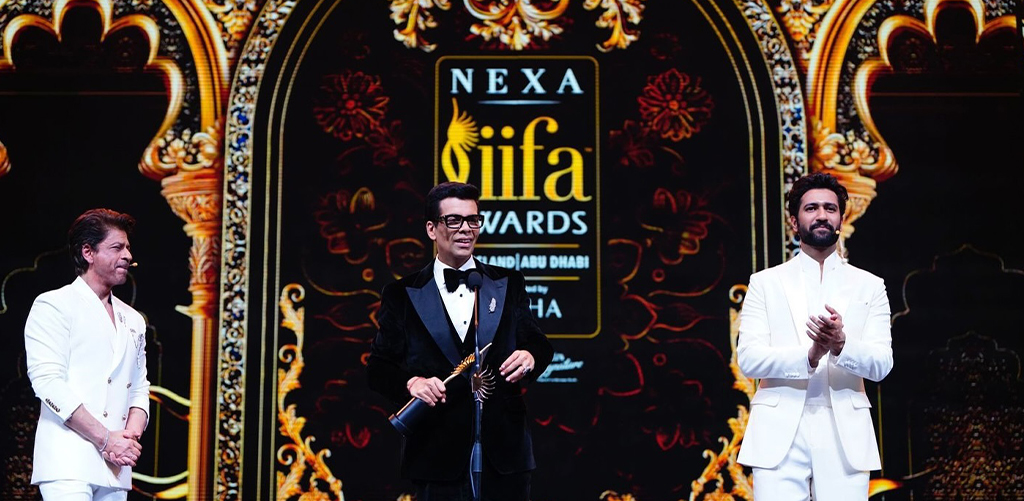
The International Indian Film Academy Awards (IIFA) is not just another film awards show. It’s a moving festival of Indian cinema that takes place in different countries every year.

What makes it special?

  • It brings Indian film culture to global audiences.
  • Big sponsors, tourists, and fans fly across the world just to be part of it.
  • Each show mixes Indian glamour with local vibes, making it feel fresh every time.

Take a cue from BookMyShow, which started as a ticket booking app but now handles concerts, sports events, and even international shows.

Lesson for event planners? Think global, plan local. Always add a unique touch that fits the city and the crowd.

Lakme Fashion Week: More Than Just Fashion

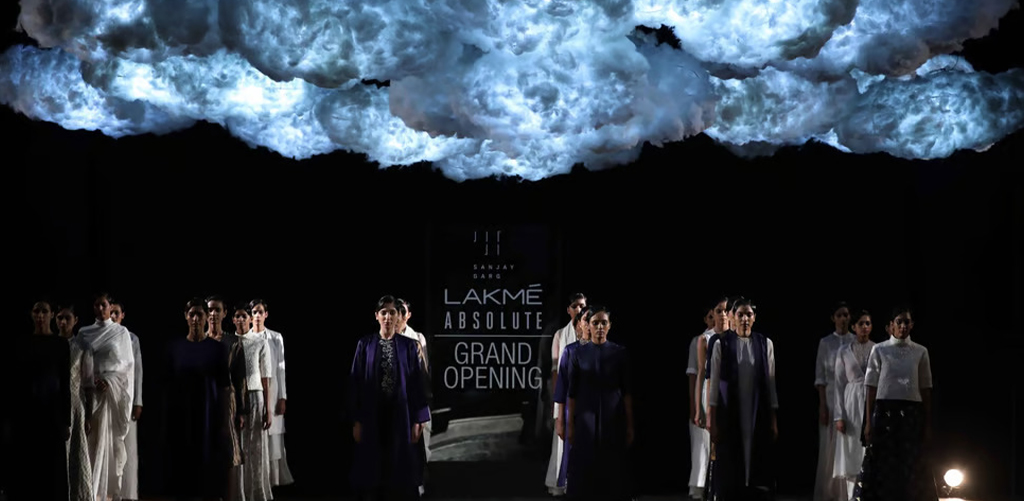
Lakme Fashion Week (LFW) is India’s biggest fashion event. But it’s not just about clothes—it’s a full-on experience.

Why it’s cool:

  • They use digital technology—like live streaming and virtual reality—to let anyone join from anywhere.
  • They promote sustainable fashion, encouraging designers to use eco-friendly materials.
  • They’re inclusive—showcasing models of different ages, sizes, and genders.

Check out Fynd, a startup that blends fashion and tech. They’ve worked with designers at LFW to make fashion more interactive and shoppable.

If you’re studying at JD Institute, you don’t just watch these events—you can actually be part of them. The Global Event Management course connects students with live fashion weeks and shows, helping them learn by doing.

IPL: When Sports Meets Showbiz

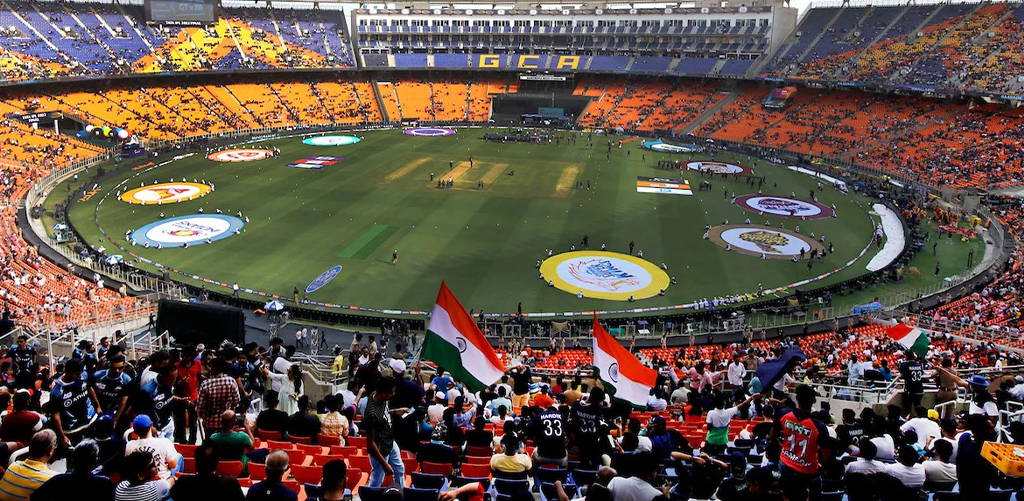
The Indian Premier League (IPL) isn’t just a cricket tournament. It’s a massive entertainment event watched by millions across the world.

Why it’s a masterclass in event planning:

  • Each match is like a mini festival, with music, fireworks, and celebrity appearances.
  • They use social media and apps to keep fans hooked before, during, and after matches.
  • Every team has its own branding, merch, and fan base—like mini businesses.

Think of Dream11, the fantasy sports platform that grew fast by riding the IPL wave. It added another fun layer to the game by letting fans feel like part of the action.

Takeaway? Turn your audience into your community. Make them feel involved.

India’s Music Festivals: From Local Beats to Global Stages

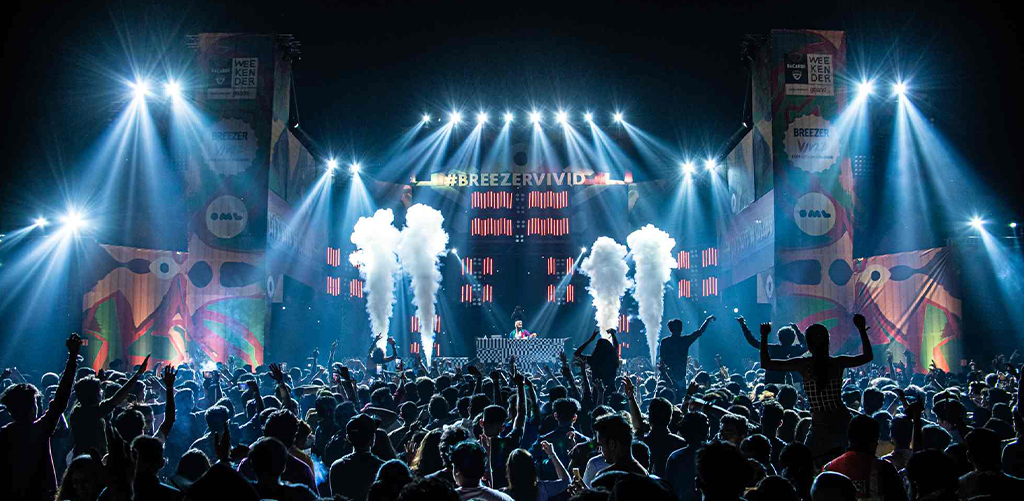
You might have heard of Sunburn or NH7 Weekender—they’re India’s answer to Coachella and Tomorrowland.

Why they matter:

  • These music fests are bringing world-famous DJs and artists to Indian cities.
  • They’re big on experiential zones, food pop-ups, fashion stalls, and chill spaces.
  • The vibe is as important as the music—people go to feel something different.

Example? Winkl is a startup that helps connect event organizers with local influencers and micro-creators—perfect for promoting music events in a fun, organic way.

Future event managers can learn how to create experiences, not just shows. That’s something JD Institute helps you build through hands-on training and industry tie-ups in their Global Event Management course.

Cultural Fests & Youth Carnivals: Where Creativity Comes Alive

From college fests like Mood Indigo to large public festivals like Jaipur Literature Fest, these events mix education, performance, and networking.

What they teach us:

  • Planning involves scheduling multiple artists, managing sponsors, and handling crowds.
  • Social media buzz is everything—hashtags, reels, and campaigns create the hype.
  • Even with small budgets, big ideas can shine.

Take a look at Altfest, a student-run festival that became a brand. With clever planning and bold creativity, it grabbed media attention and influencer partnerships.

Students in Global Event Management at JD Institute learn teamwork, budgeting, and creative thinking all in one place.

Events Today Need a New Kind of Leader

Planning events today is like running a startup. You need to think about everything:

  • What will grab attention?
  • How will people engage online?
  • What if something goes wrong?

It’s not just about being creative. You need project management, digital marketing, logistics, and design skills. That’s why the JD Institute’s Global Event Management course is designed to turn you into a complete professional—from pitching ideas to managing live events.

Time to Think Bigger Than Just Designs and Decorations

India’s rise as an event powerhouse is proof that events aren’t just background noise—they’re the main act. IIFA, Lakme, IPL, and many others have shown that good planning makes great experiences.

If you want to stand out in fashion, entertainment, or branding, start by learning how these mega-events work.

Dopamine Dressing? Fashion Managers, This Could Change How You Do Business

Thursday, May 1st, 2025

Ever worn something and suddenly felt 100x better?

Like that bright yellow shirt that makes you feel like sunshine, or your favorite jeans that magically boost your confidence? That’s not just in your head—it’s actually backed by science. It’s called dopamine dressing, and it’s one of the coolest ways fashion is connecting with mental health.

We’re now examining the connection between psychology, personal style, and brand marketing strategies like never before. This shift isn’t just a social media trend—it’s something smart fashion business managers should seriously care about. In fact, at JD Institute’s Fashion Business Management course, students are learning how emotions influence what people wear, and how brands use this to shape their identity and marketing.

Bright Colors, Better Moods: Fashion Meets Psychology

Dopamine is your brain’s happy chemical—it’s what gives you those good vibes. Studies show that wearing bold colors, fun prints, or your favorite outfit can actually help boost your mood.

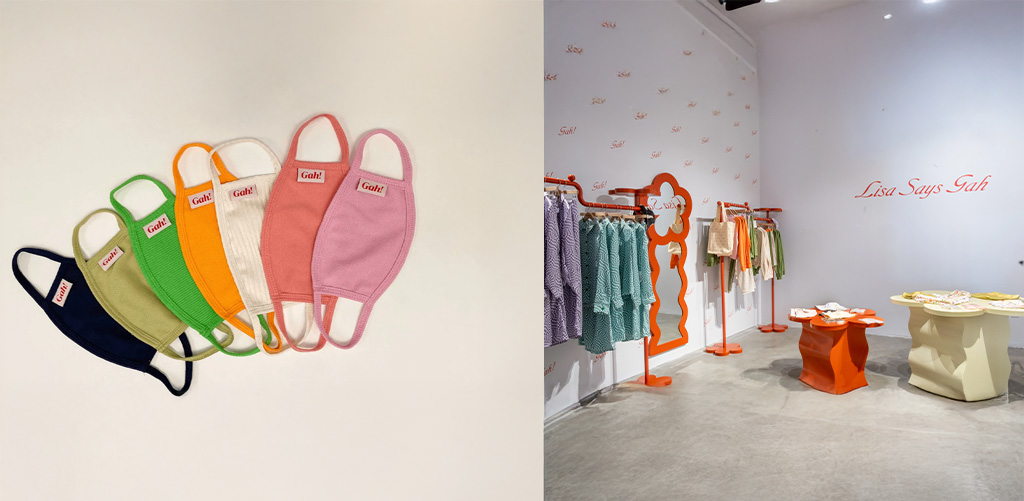
Take the brand Lisa Says Gah for example. During the lockdown, people were stuck indoors and feeling low. This brand dropped colorful, quirky clothes that made people feel seen and cheerful, especially her colourful masks. They didn’t just sell clothes—they sold joy. And they grew fast because they understood the emotional side of fashion.

Fashion isn’t just about trends anymore. It’s about how people feel. And when brands figure that out, they connect deeper with customers.

When Marketing Gets Personal (And Emotional)

Today, customers don’t just buy clothes. They buy stories, values, and feelings.

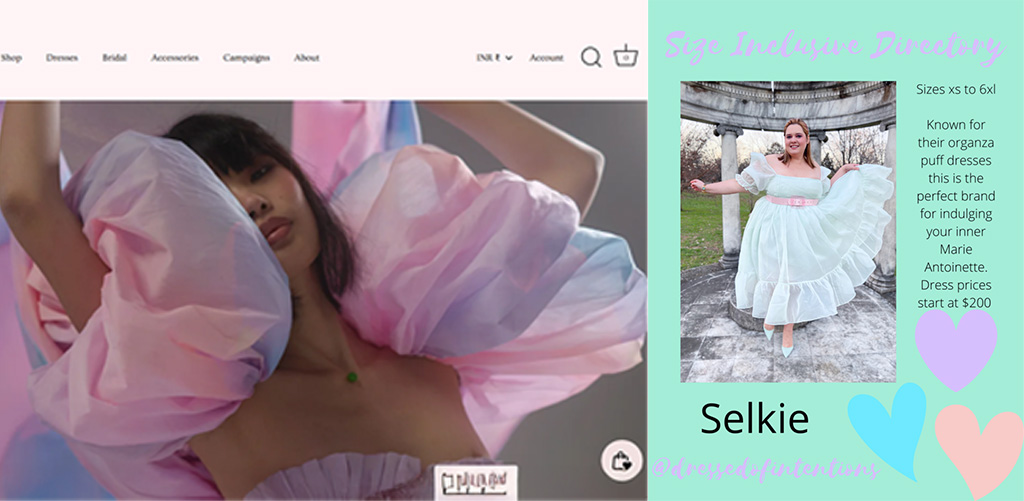
Look at Selkie. Their dresses are dreamy, dramatic, and full of emotion. People who wear them say it feels like self-care. Many customers even share emotional stories about how the clothes helped them feel strong or beautiful again.

That’s a perfect example of examining the connection between psychology, personal style, and brand marketing strategies. If you want to build a brand that sticks, you need to understand the emotions behind what people buy.

That’s why the JD Institute’s Fashion Business Management program doesn’t just teach how to sell products—it teaches how to build a brand that feels right to people.

Mood-Driven Shopping: The Future Is Already Here

Let’s be real—shopping is emotional. Ever bought something just because you were sad, bored, or happy? Brands are starting to design their whole shopping experience around this.

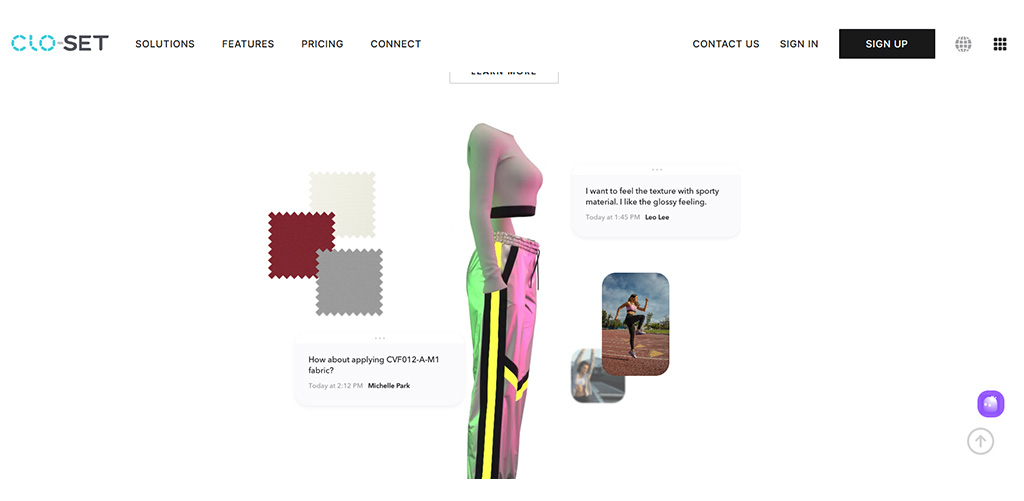
Startups like CLOSET let people choose outfits based on how they’re feeling that day. And major brands like Zara are using softer lighting and colorful displays during stressful seasons (like holidays or winter) to make people feel better—and spend more.

It’s not just clever marketing. It’s smart business. Fashion managers who understand emotional behavior are way ahead in the game.

Social Media = Your Brand’s Moodboard

Instagram and TikTok are filled with people showing off their “dopamine fits.” But it’s not just for clout—it’s how they express their feelings.

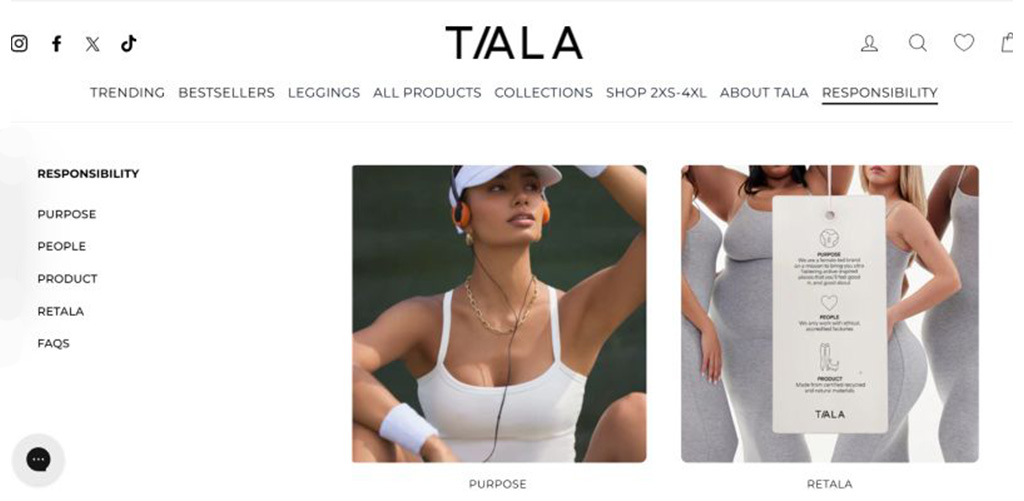
Brands like TALA and Alo Yoga know this. Their content is full of uplifting messages, real bodies, and clothes that scream confidence. They mix wellness, style, and positive vibes—making customers feel like part of something bigger.

If you’re aiming to grow a fashion business, this is where you play smart. It’s not only about good visuals anymore—it’s about real connection.

This Isn’t Just About Clothes. It’s About Connection

Dopamine dressing proves that fashion can be more than style—it can be healing, expressive, and powerful. So if you’re stepping into the fashion world, remember this:

You’re not just designing outfits. You’re designing how people feel.

If you’re someone who wants to build meaningful, trend-savvy, and emotionally smart brands—there’s no better place to learn than at JD Institute.

AI and Ethics in Communication Design: What You Should Be Learning Now

Thursday, May 1st, 2025

Ever seen a video of a celebrity saying something super weird — only to find out it was totally fake?
Yep, that’s AI doing its thing. It can now copy your face, your voice, and even your expressions — all without you ever showing up. Wild, right?

This new wave of AI tools is exciting, but it also brings up some big questions — especially for people in design, media, and communication. If you’re planning a career in these fields, you’ll need to know what’s real, what’s fake, and what’s right.

That’s exactly why courses like the Communication Design program at JD Institute now focus on more than just creativity — they teach you how to design responsibly in a fast-moving digital world.

Let’s break down what you really need to know about AI voice & face duplication — and why ethical design is going to be a must-have skill from here on out.

What’s Actually Happening With AI Voice & Face Duplication?

AI tools today can mimic how someone speaks, looks, and even moves — almost perfectly. From voice cloning to face-swapping, this tech is used in:

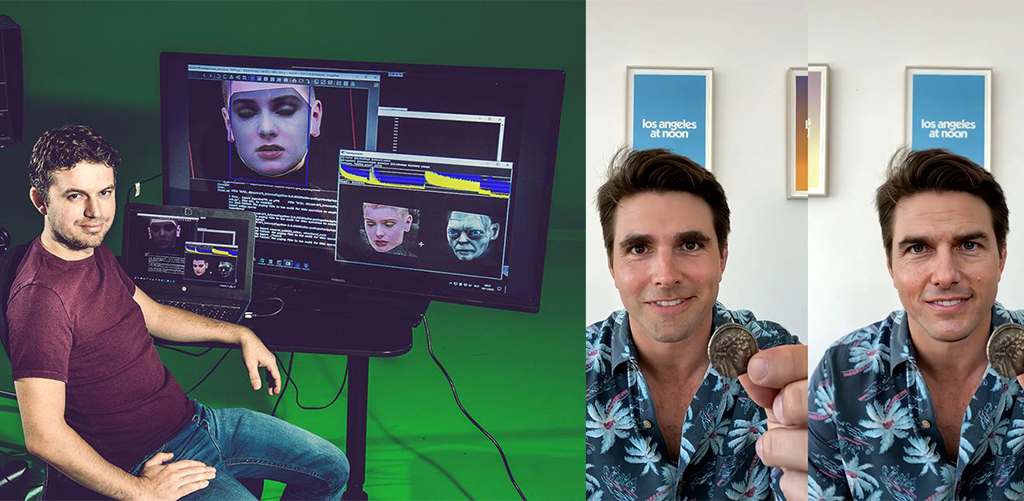
  • Movies and gaming (like Metaphysic, the startup behind viral Tom Cruise deepfakes)
  • Customer service chatbots (with voices trained to sound human)
  • Influencer campaigns and advertising (yep, some faces you see might be synthetic)

The scary part? It’s getting easier and faster to do, but the Communication Design course at JD Institute explores not just how to use such tech, but how to handle it ethically. Because design today isn’t just about visuals — it’s about values too.

Designers Are Now the ‘Gatekeepers’ of What’s Real

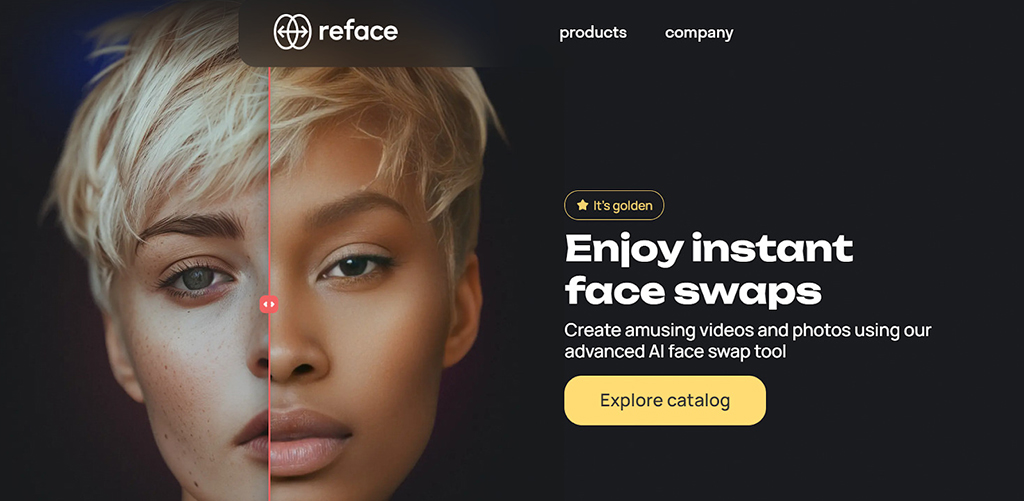
Remember Reface App? It lets you swap your face with celebs and movie characters. Fun, right? But what if someone uses that same tech to make a fake political video?

That’s where ethical design steps in.

If you’re a communication designer, you’re not just making ads and posts — you’re helping shape how people see the world. So you need to ask yourself:
Is this honest? Is this respectful? Can this be misunderstood or misused? That’s the kind of thinking students learn at JD Institute’s Communication Design course — to stay creative while also being responsible with tech.

Sometimes the Most Powerful Design Choice Is Saying ‘No’

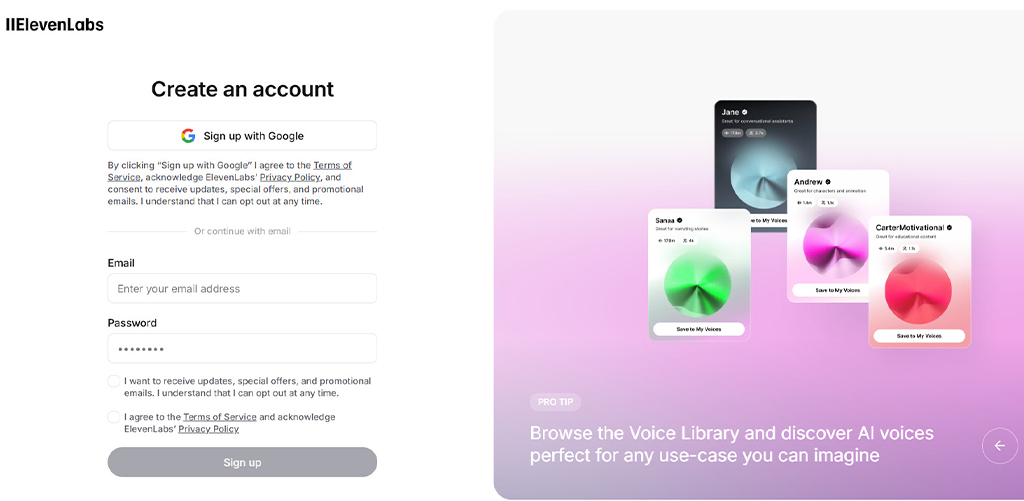
There are amazing tools like ElevenLabs, which create super-realistic AI voices. But they can also be used to copy someone’s speech and make them say things they never actually said. Just because something looks cool doesn’t mean you should use it.

As a designer, it’s your job to decide what’s okay and what’s not. You may be the only person in the room who says,
“This might go viral, but it doesn’t feel right.”
And that’s a powerful stand to take.

The Bottom Line: Design Needs Brains and Heart

AI is going to keep getting smarter. It can copy voices, faces, even emotions. But it still doesn’t understand what’s right or wrong.

That part? That’s on you.

Future communication designers, especially in fashion, events, branding, and digital media, need to lead with both creativity and conscience. And that’s exactly what you’ll learn at JD Institute’s Communication Design course — how to stay ahead of the curve, without losing your ethics.

Why Designers Hold the Steering Wheel of the AI Age

As AI keeps upgrading itself, there’s one thing it still doesn’t get — ethics. That’s the human part. And it’s why future designers, especially in fashion, branding, and media, need more than tech skills. They need a compass.

So, if you’re dreaming of being the next big name in creative direction, event tech, or digital storytelling — make sure your ideas aren’t just beautiful, but also built on values, the approach you’ll find at JD Institute.

AI Is Fast, But Trust Is Fragile

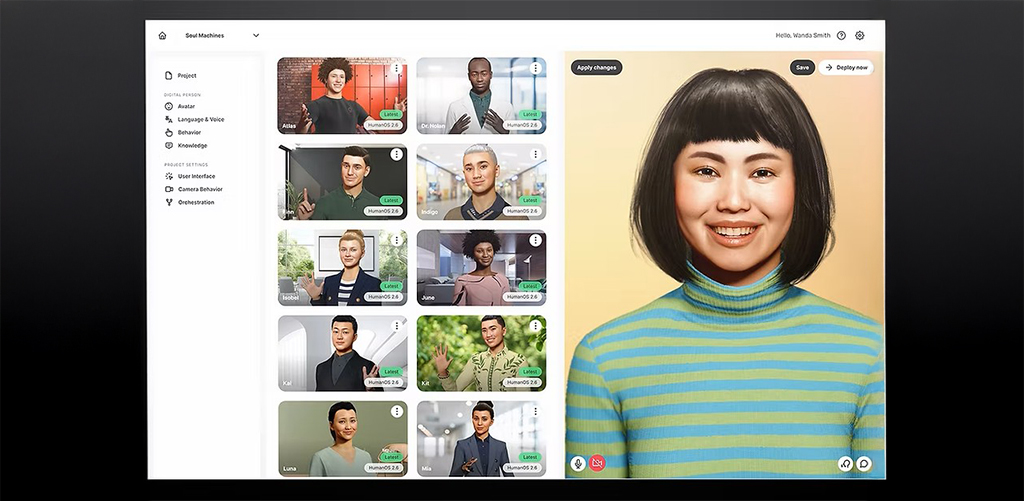
Some startups like Soul Machines are creating digital humans for customer service. You might be chatting with one and not even realize it’s not real.
It saves time and money — but at what cost?

If people find out they were talking to a robot pretending to be human, they might feel tricked. That’s bad news for any brand or designer involved. So now, designers need to be honest and transparent when using AI. Say it’s AI. Add a disclaimer. Keep it clear. You don’t want to lose trust over something that looked “too perfect.” At JD Institute, students also learn how to balance tech and truth — in a way that feels human and fair.

Design That Moves: A Future Every Interior Student Should Explore

Wednesday, April 30th, 2025

Ever thought of turning a van into your home, or a shipping container into a stylish studio apartment?
Sounds crazy, right? But it’s real—and it’s trending. Welcome to the world of Design that Moves: Van Life & Mobile Interiors, where less space doesn’t mean less comfort or style. In fact, it means more creativity.

From tiny homes on wheels to smart furniture that transforms in seconds, people everywhere are rethinking how to live in small spaces with big personalities. And guess what? This is opening up huge opportunities for interior designers—especially those trained to think smart and design smarter.

That’s why design institutes like JD Institute of Fashion Technology are helping students understand this fast-growing area by mixing creativity with real-life practicality.

Think Outside the Box (Literally)

Startup to Check Out: Boxabl
These guys build foldable houses that literally arrive in a box and pop open like magic. Think of it as Lego for grown-ups—with full-size kitchens and bedrooms. Fun Fact: Billionaire Elon Musk Lives In A 375 SQ FT Boxabl Foldable House. 

To design for something like this, you need to completely shift your mindset. You’re not working with large empty rooms anymore—you’re working with walls that fold, beds that tuck away, and shelves that double as desks. Every inch matters. And that’s what makes it so exciting for interior designers—every decision becomes a smart design move.

Vans Are the New Apartments

Startup to Check Out: Vanlife Customs
They turn everyday vans into cozy, mobile homes—with compact kitchens, comfy beds, and even built-in workspaces. 

Designing interiors for vans is like solving a fun puzzle. You have to make the most of the small space while keeping things stylish, comfortable, and safe for travel. Plus, there’s the added challenge of designing for movement—nothing can fall or break while the van is in motion. It pushes you to be extra thoughtful.

The Interior Design program at JD Institute helps students explore these real-world design challenges through projects that focus on flexible layouts and practical creativity.

Tiny Homes, Big Ideas

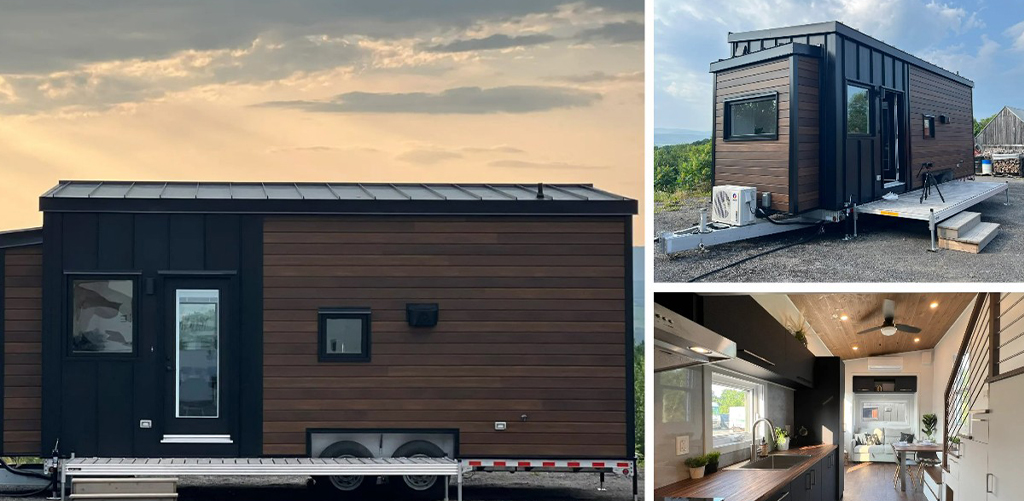
Startup to Check Out: Minimaliste
This brand creates tiny homes that feel luxurious—without needing a big footprint.

When space is limited, smart design becomes everything. Every corner needs to have a purpose. Maybe a staircase also holds storage. Maybe a window nook turns into a bed. As an aspiring Interior Designer, you won’t be just decorating—you’re engineering beauty and utility together.

And let’s be honest—there’s something really satisfying about making a small space feel huge with just clever ideas and good design.

Eco-Friendly Living Made Easy

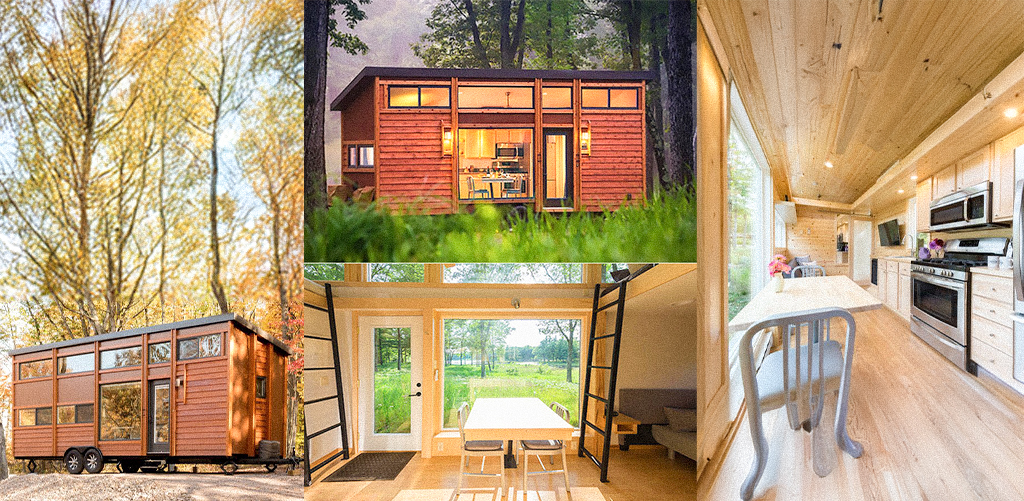
Startup to Check Out: Escape Traveler
These tiny homes are designed with the planet in mind. They include things like solar power, water-saving systems, and eco-materials.

More people today want to live sustainably, and tiny living is a great way to do that. But being eco-friendly doesn’t mean being boring. Designers are now figuring out how to combine green choices with great style—using bamboo, recycled materials, natural lights, and more.

JD Institute in its Interior Design course, teaches students to think long-term, mixing modern style with environmental responsibility—because that’s what future clients are looking for.

Furniture That Flips, Slides, and Hides

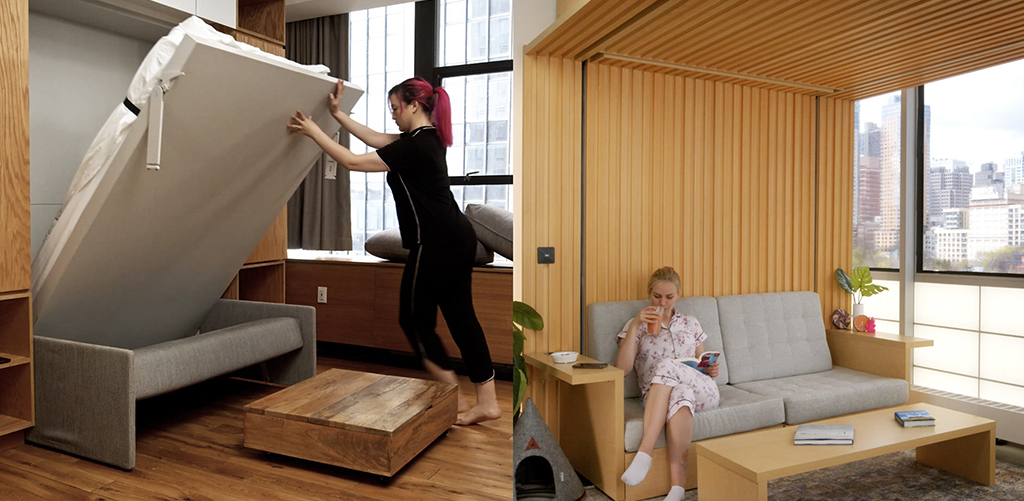
Startup to Check Out: Ori Living
From beds that fold into closets to desks that slide out of walls—Ori designs furniture that moves with you.

Multi-use furniture is a total game-changer for small spaces. Instead of a basic table, imagine one that opens up into a dinner table or folds into a work desk. Instead of a bulky bed, picture one that tucks away neatly to free up space.

Designing these pieces requires a solid understanding of space mechanics and creativity. That’s why Interior Design students at JD Institute get to experiment with modular designs, smart fittings, and movable pieces through hands-on learning.

Social Media Loves Small Spaces

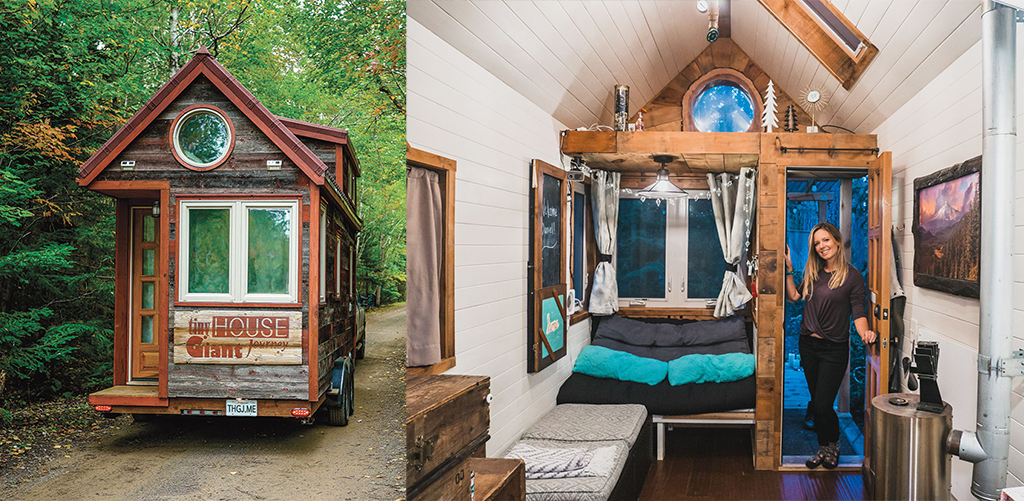
Startup to Check Out: Tiny House Giant Journey (Jenna Spesard)
Jenna turned her tiny home journey into a huge online success, with millions of views and a growing audience.

Van tours, tiny house makeovers, and space-saving tricks are some of the most-watched content online today. People love to see clever design ideas packed into small areas—it’s satisfying and inspiring.

For young designers, this is the perfect way to showcase their talent. Every project becomes a piece of content. Future Interior Designers must learn how to present their work in a way that connects with the modern world—including social media, blogs, and design showcases.

So, What’s Next?

Here’s the truth: design isn’t always about going big. Sometimes, the smartest design choices happen in the smallest places.

Whether you’re looking to design for fashion shows, retail stores, or rolling homes, learning to think “space-first” can help you stand out from the crowd. And if you’re ready to create cool, clever, and creative designs that fit anywhere—maybe it’s time to let JD Institute be your design partner on this exciting journey.

Inside the Airport Looks of Indian Celebs: Styling Lessons for Future Fashion Stylists

Tuesday, April 29th, 2025

Bollywood celebrities are out there turning airport terminals into fashion runways — in oversized jackets, messy buns, and sneakers that scream cool without trying too hard. You wonder, How do they always look so effortless yet on-point?

Welcome to the world of celebrity airport style — a mix of casual, clever styling and a sprinkle of personal flair. In this blog, we’re decoding Indian celebrities’ airport looks: the art of effortless styling — and trust us, it’s not about wearing expensive labels. It’s about knowing how to wear what you wear.

If you’ve ever wanted to style like a pro or decode the magic behind these “casual but camera-ready” looks, this is your runway. (Also, if you’re serious about turning this into a career, the Fashion Styling course at JD Institute is where many young stylists start learning these behind-the-scenes tricks.)

Because Fashion Doesn’t Have to Hurt

Bollywood stars know one thing for sure: long flights demand comfy clothes. But comfort doesn’t mean boring!
Take Deepika Padukone for example — her oversized sweatshirts, neutral joggers, and designer sneakers define effortless cool.

Key takeaway for stylists:
Prioritize fabric choice (think: breathable cotton, soft knits), loose silhouettes, and smart layering. Comfort is the foundation on which great travel looks are built.

Pro Tip:
Future stylists should practice creating looks that are stylish but still feel like a second skin — a skill that’s emphasized during hands-on projects at institutes like JD Institute’s Fashion Styling course.

The Power of Signature Style: Know Thy Client

Ranveer Singh could wear a rainbow at the airport and still trend! Meanwhile, Kangana Ranaut sticks to vintage florals and easy-chic sarees.
The trick? Knowing your personal style — and sticking to it.

Key takeaway for stylists:
Every client has a unique vibe. As a stylist, your job is to enhance that personality, not change it. Airport fashion is a brilliant reminder: Styling is not about trends; it’s about authenticity.

Pro Tip:
Study celebrity airport looks to understand how subtle elements (like a single accessory) can mirror a client’s brand identity.

Monochrome Magic: Keep It Simple, Keep It Strong

Notice how many celebs swear by one-color dressing?
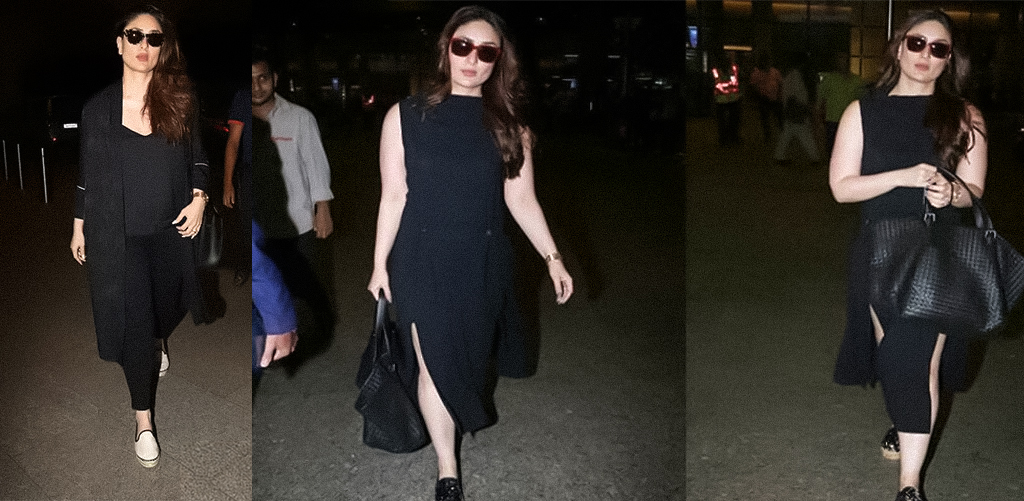
Kareena Kapoor Khan slays in all-black airport outfits, making travel look like a photoshoot.

Key takeaway for stylists:
Monochrome outfits instantly look polished and taller. Teach your future clients to pick one color family and work within it for quick, foolproof airport looks.

Example:
White oversized shirts with matching linen pants and tan loafers — minimal, breathable, and editorial-worthy!

Accessories Are the Real Game-Changers

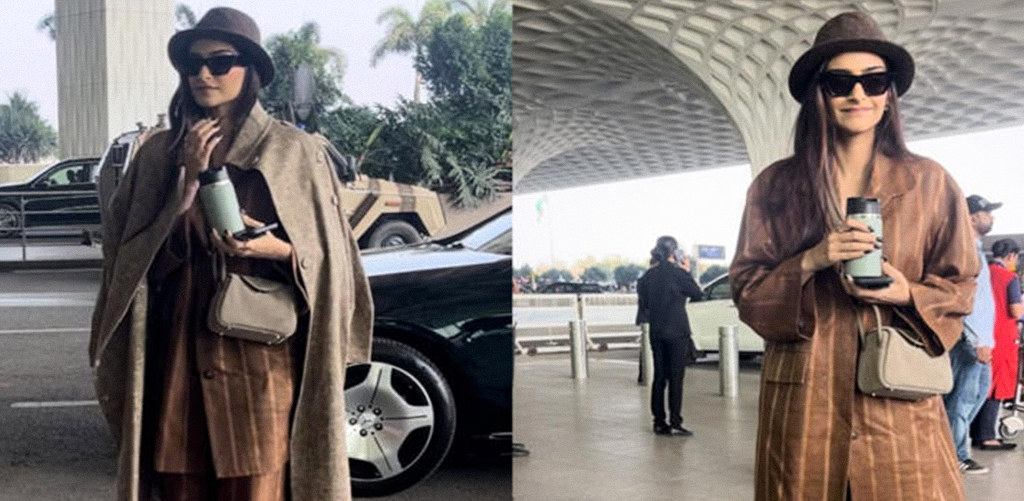
Sonam Kapoor Ahuja never misses with statement sunglasses, scarves, or luxury handbags.
Accessories are not just add-ons; they complete the airport look.

Key takeaway for stylists:
Sometimes a classic outfit needs just one hero piece — oversized shades, a colorful tote, chunky sneakers — to go from plain to paparazzi-ready.

Pro Tip:
In a good styling course like JD Institute’s Fashion Styling program, you’ll learn how to pick the perfect add-on without overwhelming the outfit — a super important skill for any successful stylist.

Layer Like a Pro: When in Doubt, Throw It On

Celebrities know airports are chilly, so layers are not just stylish — they’re practical! Shraddha Kapoor’s denim jackets or Vicky Kaushal’s bomber layers add instant edge to basic travel fits.

Key takeaway for stylists:
Teach clients to invest in light jackets, shrugs, or overshirts. Bonus points if they can be tied around the waist or carried stylishly when not worn.

Example:
Pair a graphic tee with ripped jeans and toss a neutral trench on top — effortless drama with zero fuss.

Get Ready to Style the Future

The next time you spot a star making headlines for their airport outfit, remember — behind that “effortless” look lies a deep understanding of fashion, fabric, and persona.
If you dream of crafting iconic looks for real people (and maybe celebrities too!), start building those skills today.

Because someday, it could be your styled airport looks that everyone is double-tapping on Instagram.
Ready to make your mark? The runway (and the runway lounge! JD Institute)  awaits.

Master the Art of Space: Essential Skills for Future Store Designers

Tuesday, April 29th, 2025

Ever wondered why you walk into a store ‘just to look’ and end up buying things you never planned to?
That’s not accidental—it’s spatial design doing its magic. From the moment you step in, every inch of space is quietly convincing you to stay longer, touch more, and buy often. Now imagine if you were the one designing that space. That’s exactly where the role of spatial design in visual merchandising curriculum: what students must learn today comes into play.

If you’re thinking of entering the creative and competitive world of retail design, understanding store design fundamentals and spatial planning isn’t just helpful—it’s essential. And if you’re looking for the right place to begin, the Visual Merchandising course by JD Institute packs in everything future fashion-forward minds need to know.

Let’s break down the must-learns of spatial design in a way that’s not just informative, but actually fun to read.

Layout Is Your Silent Salesperson

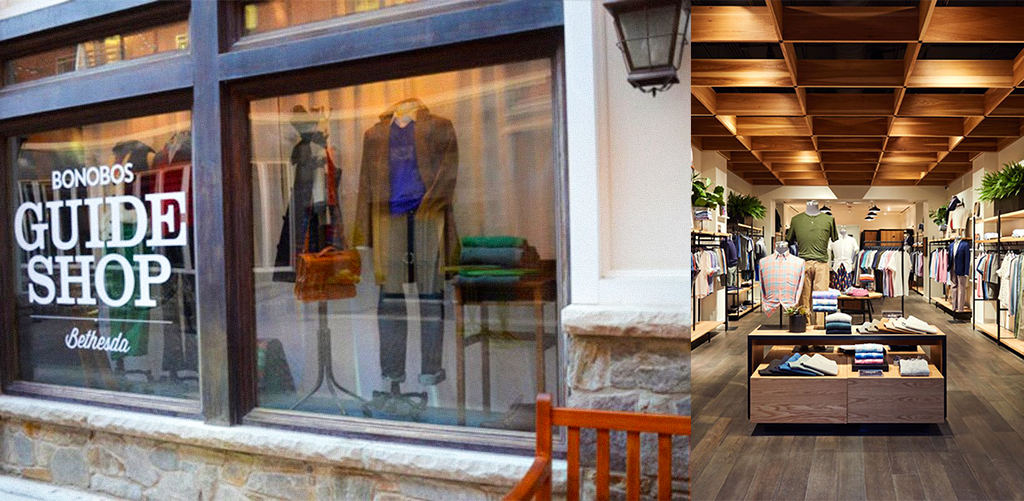
Bonobos ditched the traditional retail chaos. Their Guideshops are designed for one-on-one, no-pressure appointments. Customers can try, feel, and fit clothes—with zero racks crowding their way out. No instant checkout. No carry-home stock.
It’s spatial planning with intention—removing the “I’m just browsing” barrier.

Students must learn: How to control customer flow through layout logic. From entrance zones to fitting areas, every inch must lead to better experiences and higher conversions. The academic curriculum needs to cover not just product placement, but emotional space too.

Aesthetics Meet Function- Glossier’s Storytelling

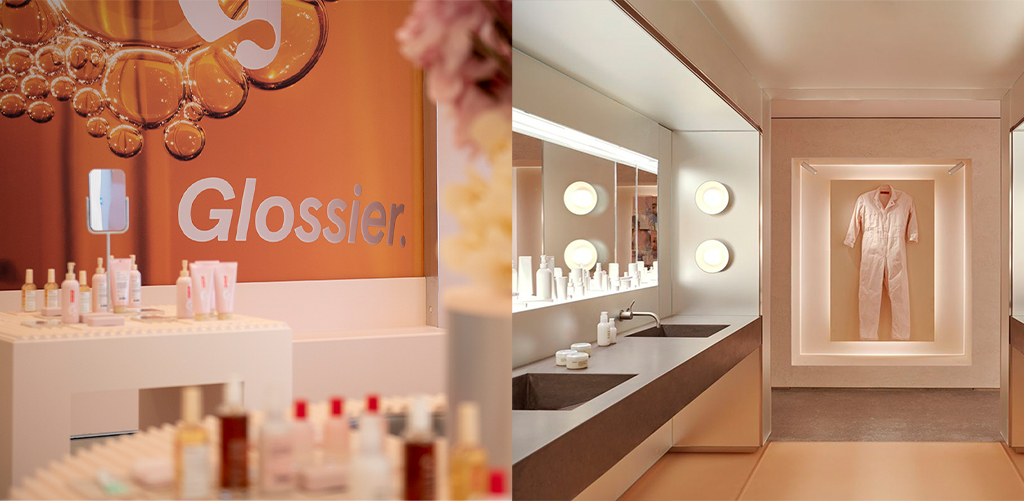
Glossier’s stores are designed for the ‘Gram. Think oversized product sculptures, clean pink tones, and mirror-lined corners. Every spot is Instagram-worthy and product-accessible. That’s no accident—it’s spatial storytelling.

Students must learn: That store design fundamentals go beyond looking good. The layout should prompt interaction, encourage product trial, and support brand aesthetics. It’s part showroom, part selfie studio—and that combo boosts engagement.

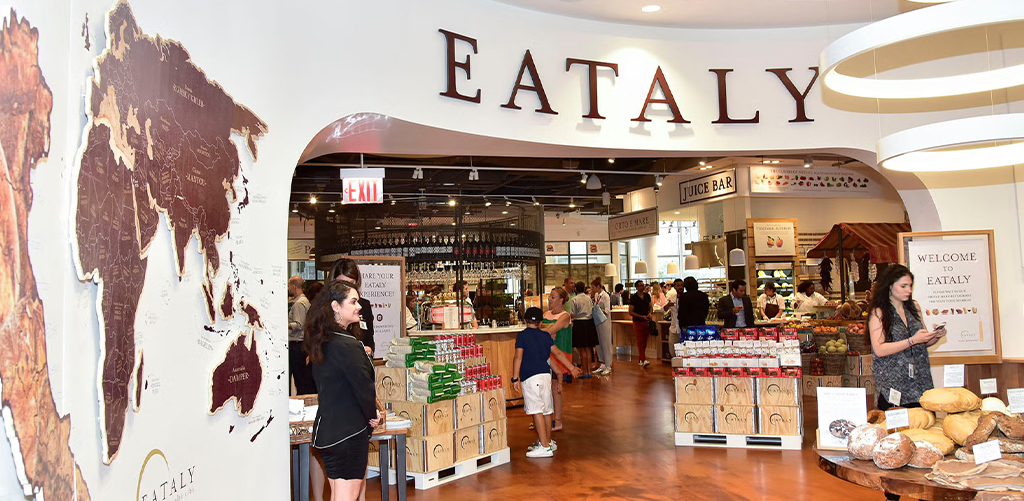
Multipurpose Magic — How Eataly Blends Culture, Food & Flow

Eataly isn’t just a market—it’s a walkable experience of Italy. Their stores merge restaurants, bakeries, wine cellars, and grocery counters—all in one seamless flow. Shoppers are immersed in the culture through spatial planning, not just branding.

Students must learn: How to create multi-use spaces that educate, entertain, and sell. When spaces offer layered experiences, they keep people inside longer—and make the brand memorable.

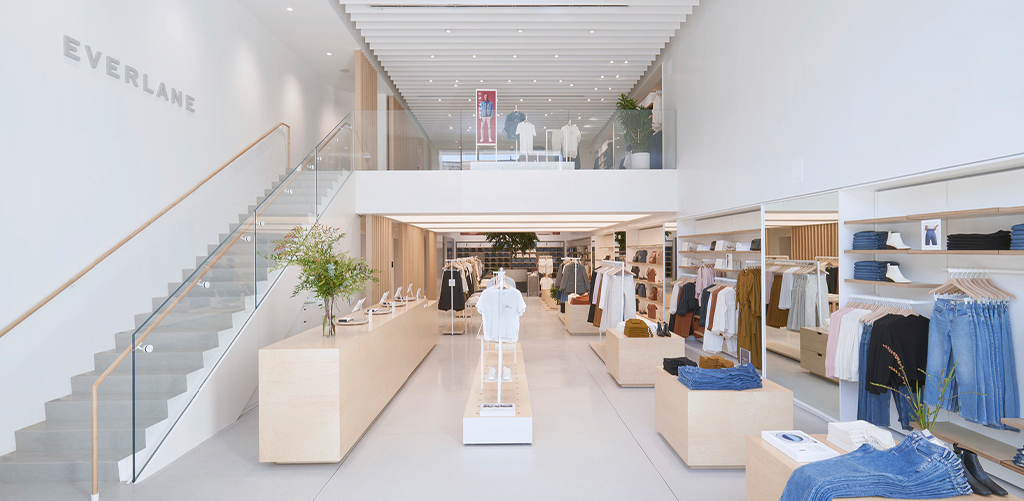
Honesty in Design- Everlane’s Transparent Spaces

Everlane’s entire brand is about ethical, honest fashion—and their store design follows suit. Products are organized with breathing space, pricing is clear, and zones are de-cluttered. Nothing about their store screams “sale,” and that’s the point.

Students must learn: That sometimes the best way to sell is not to push. Design choices like spacing, clean typography, and open shelving reflect brand values. A solid visual merchandising syllabus just like that of JD Institute, must teach this subtle but powerful branding-through-design skill.

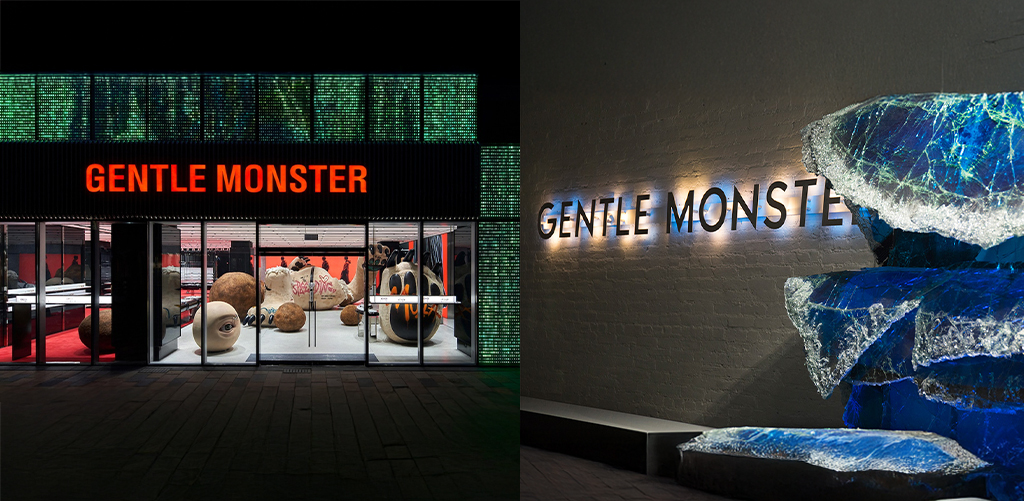
Spatial Drama — Gentle Monster’s Artistic Approach

Gentle Monster doesn’t do basic. Their stores look more like immersive art galleries than eyewear shops. Seasonal spatial themes (like underwater worlds or sci-fi forests) turn store visits into full-on experiences.

Students must learn: That physical retail can compete with digital by becoming experiential. Spatial storytelling, sensory lighting, and theme-based zoning should be explored in every solid academic curriculum for merchandising.

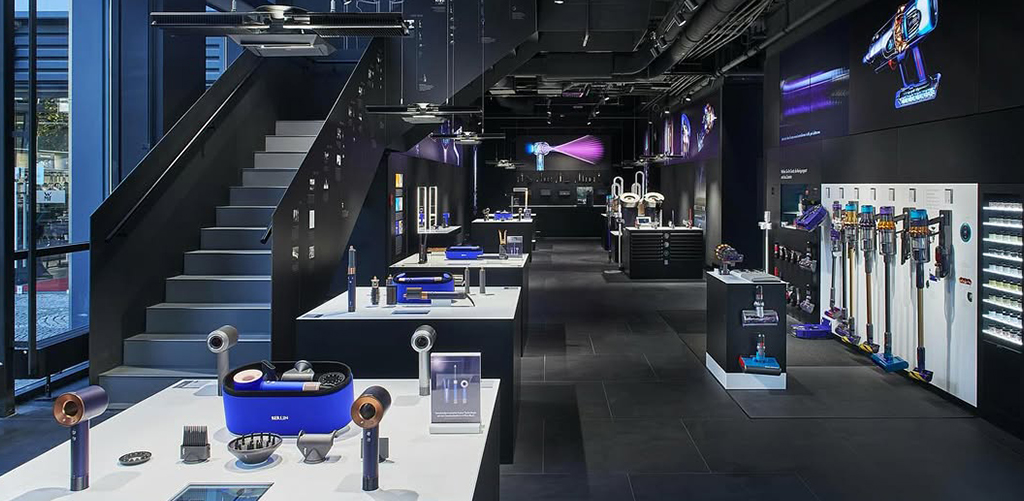
Storytelling Through Space — Dyson’s Demo Store Magic

Dyson goes hands-on. In their stores, you use the product before you buy it—whether it’s vacuuming fake pet hair or testing the hairdryer. It’s physical interaction, embedded into layout.

Students must learn: The power of store design fundamentals that include demo spaces, trial zones, and ‘play areas.’ Spatial planning should be interactive and educational—letting products prove their worth through experience, not hype.

So Why Should Future Designers Pay Attention to All This?

Because spatial design is no longer optional—it’s your secret weapon. Brands that win are those that design their space as cleverly as they design their product. If you’re serious about building a creative career that understands people, psychology, and smart business—spatial design is your sweet spot.

That’s exactly why the Visual Merchandising course at JD Institute is a smart move. It’s not just about making things look nice. It’s about designing retail spaces that work. With an eye on global trends and hands-on learning, the course helps students future-proof their creative journey.

Fashion’s Next Big Thing? Regeneration — And Here’s What Designers Must Know

Monday, April 28th, 2025

Imagine if every T-shirt you wore could make the Earth greener, not just less polluted.
Sounds crazy? Well, that’s exactly where fashion is headed — straight into regenerative territory. We’re talking about a whole new vibe: Regenerative Fashion: The Next Step Beyond Sustainability.
It’s not just about doing less damage anymore. It’s about fixing things, healing the soil, bringing life back to the planet.
(And if you’re serious about riding this wave, the Fashion Designing course at JD Institute can teach you exactly how to do it.)

Let’s break it down nice and easy.

First Things First: What Even Is Regenerative Fashion?

Think of sustainability as “doing no harm.”
Now think of regeneration as “doing serious good.”

Regenerative fashion uses practices that actually improve the Earth — better soil, cleaner water, stronger communities.
It’s fashion that heals instead of just “harms less.”

Startup Spotlight: Christy Dawn
Christy Dawn teamed up with Indian farmers to grow cotton that actually fixes the soil. Their dresses are like little eco-superheroes.

At JD Institute, students in the Fashion Designing course learn why future designers have to be changemakers.

Good Fashion Grows from the Ground Up

Your jeans started in a field somewhere.
Problem is, a lot of farming today wrecks the land — chemicals, over-farming, erosion.
Regenerative agriculture flips the script. It grows cotton and other fibers in ways that bring life back to the Earth.

Startup Spotlight: Patagonia’s Regenerative Cotton Project
Patagonia isn’t just saving mountains; they’re saving farms too. Their cotton fields are proof that clothes can be grown in ways that heal the planet.

Nature Made It, Let Nature Break It Down

Ever think about what happens to your clothes after you toss them?
Most fast fashion ends up clogging landfills for hundreds of years. Yikes. Regenerative fashion focuses on biodegradable fabrics — clothes that return safely to the Earth.

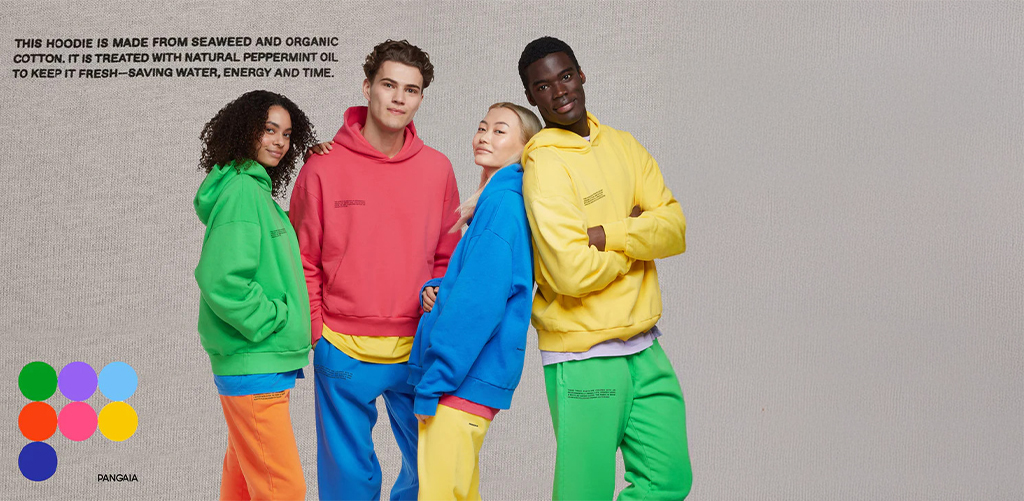
Startup Spotlight: Pangaia
Pangaia is blending seaweed, plants, and even wildflowers into cozy jackets and hoodies. Cool, right?

Designers need to plan not just the look but the goodbye of a garment. That’s the kind of thinking JD Institute teaches in Fashion Design — designing the whole life cycle smartly.

Fashion That Gives Communities a Boost

Regenerative fashion isn’t just about dirt and plants. It’s about people, too.
It supports local artisans, preserves ancient crafts, and helps small farming communities thrive.

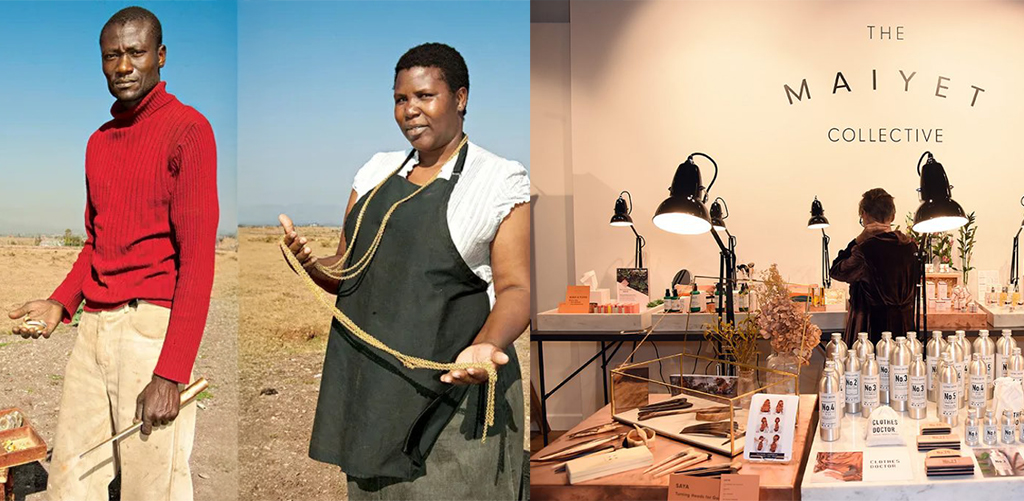
Startup Spotlight: Maiyet Collective
Maiyet partners with artisans around the world, creating luxury fashion that also supports traditional skills and fair trade. Fashion that feels good and does good? Yes, please.

When you study at JD Institute, you learn why design today isn’t just about sketches and patterns — it’s about culture, community, and big-picture impact.

So, What’s the Bottom Line?

Sustainability was the starter pack.
Regenerative fashion is the upgrade.

If you want to be the kind of designer who’s not just creating clothes but changing the world, now’s the time to get moving.
And honestly? Learning from a place like JD Institute — where Fashion Design and future-ready thinking go hand in hand — could be the best decision you make for your career and the planet.

Fashion’s next icons won’t just follow trends. They’ll plant seeds — literally. Are you ready to be one of them?

Event Tech Startups to Watch in 2025

Saturday, April 26th, 2025

“If the future feels far away, you’re just not looking at the right guest list.”

That’s what a techie whispered at a massive music festival last year — right before attendees were checking in through facial recognition, scanning AR maps with their phones, and feeling safer than ever thanks to smart security bots.

And honestly? He wasn’t wrong.

The future of event experiences isn’t around the corner. It’s here, RSVP’ed, and ready to blow our minds in 2025.

If you’re even a little bit into event management innovations, you need to know the names shaping this revolution — because tomorrow’s big festivals, exhibitions, and concerts will run on their ideas.

And if you’re an aspiring event manager? (Spoiler alert: knowing these trends could make or break your career — exactly the kind of sharp insights students gain through the Global Event Management course at JD Institute.)

So let’s meet the event tech disruptors who are stealing the spotlight.

Smarter Ticketing: Goodbye Lines, Hello Lightning Entry!

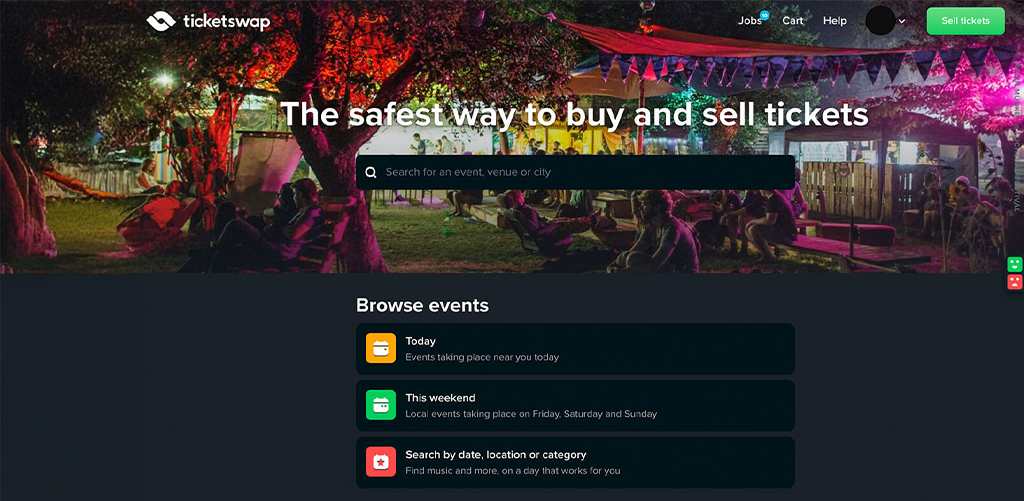
Remember the agony of standing in endless queues at concerts? Well, startups like Lyte and TicketSwap are making that old news.
Lyte is reinventing the resale model, making sure real fans — not bots — get the tickets. Meanwhile, TicketSwap’s verified exchanges are bringing transparency and trust back into buying last-minute tickets.

In 2025, expect ticketing tech to focus on mobile-first, AI-powered platforms that manage everything from smart seat selections to dynamic pricing based on real-time demand.

AR/VR Magic: Events You Can Touch, Feel, and (Virtually) Live

Pop quiz: Would you rather watch a concert video on your phone, or jump into a 360° live experience where you can almost feel the bass? That’s the dream companies like Wave and Virbela are building.

Wave lets artists perform as avatars in virtual worlds, creating events that break physical barriers. Virbela, on the other hand, builds entire virtual campuses for conferences and networking events. The future of event experiences is immersive — blending physical with digital through AR overlays, VR concerts, and holographic meetups.

And here’s the catch: managing these hybrid mega-events takes a brand-new skill set, something the JD Institute of Fashion Technology masterfully integrates into its Global Event Management training. (Because it’s not just about logistics anymore — it’s about crafting virtual emotions.)

Safer Spaces: Tech That’s Got Your Back

Security isn’t the boring sidekick of events anymore — it’s the invisible hero.

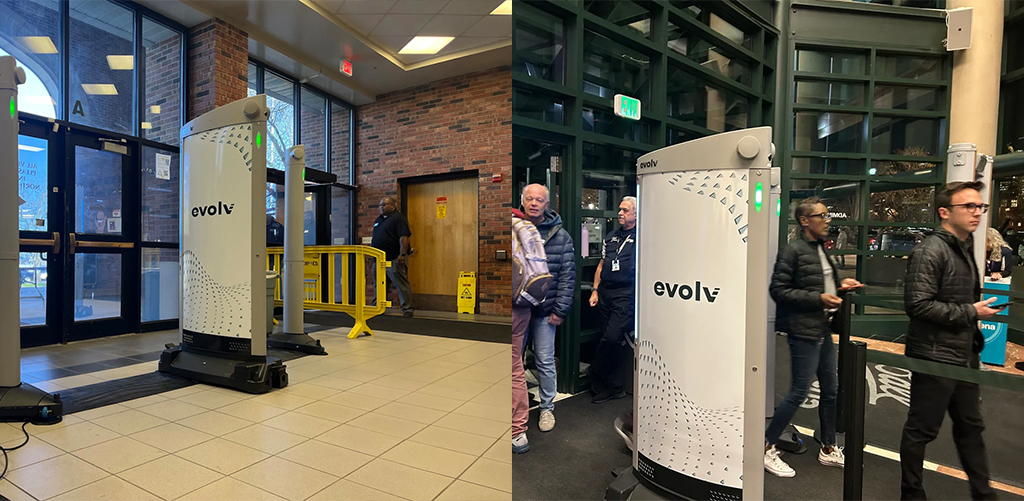
Startups like Patronus AI and Evolv Technology are making security smarter, faster, and way less intrusive.
Patronus uses AI to detect suspicious activity at large venues in real-time, while Evolv offers touchless security checks that are quicker than traditional metal detectors.

With crowd sizes increasing post-pandemic, event security innovation isn’t just a bonus — it’s a must-have.
New managers stepping into the field will need to know how to plan tech-integrated security — and guess what? Understanding how to balance tech, crowd psychology, and brand experience is exactly what aspiring event managers should learn.

Blockchain and NFTs: The New VIP Passes

Ticket fraud, ownership issues, and boring loyalty programs? Outdated. YellowHeart and GET Protocol are startups leading the blockchain wave in event tech.

YellowHeart uses NFTs for ticketing, offering fans unique collectibles along with secure access. GET Protocol provides a transparent system where ticket authenticity can be verified instantly, cutting down on scams and scalping.

With blockchain slowly becoming the backbone of trusted ticketing systems, future event managers need to know how these technologies work.

Why It All Matters (And Why You Need To Keep Up)

If you still think “event management” just means putting up tents and arranging catering, think again.
Today’s event managers are part tech enthusiasts, part experience designers, and part crisis managers — and those who master the new tools will lead the pack. Knowing which event tech startups to watch (and work with!) could be the difference between building a sold-out mega event or managing a half-empty room.

JD Institute doesn’t just teach you the basics — it trains you to think like the future. It sharpens your instincts, helps you decode tech trends, and turns you into the kind of professional the industry is already hunting for.

Copyright © 2025 JD Institute of Fashion. All Right Reserved

Designed by Red Lemon

Whatsapp icon
Apply Now
Enquire
Quick Enquiry