
Apply Now

Author Archive

Fashion Styling Jediiians Participation in Times Lifestyle Fashion Show

Monday, May 12th, 2025

Fashion shows may look like glamorous spectacles from the outside, but the real magic lies behind the scenes—where learning, creativity, and coordination come alive. For the students of the Fashion Styling course of JD Institute of Fashion Technology, the Delhi edition of Times Lifestyle Fashion Week on 2nd May 2025 was more than an event; it was a real-world experience that blended classroom concepts with high-stakes execution.

A Prestigious Platform at Hyatt Regency, Gurgaon

JD Institute proudly facilitated the participation of its students at one of India’s most celebrated fashion events. Held at Hyatt Regency, Gurgaon, this edition of Times Lifestyle Fashion Week formed a part of the renowned Times Fashion Week series that travels across India’s top cities. The show brought together leading designers and vibrant new talents in a celebration of style, creativity, and innovation.
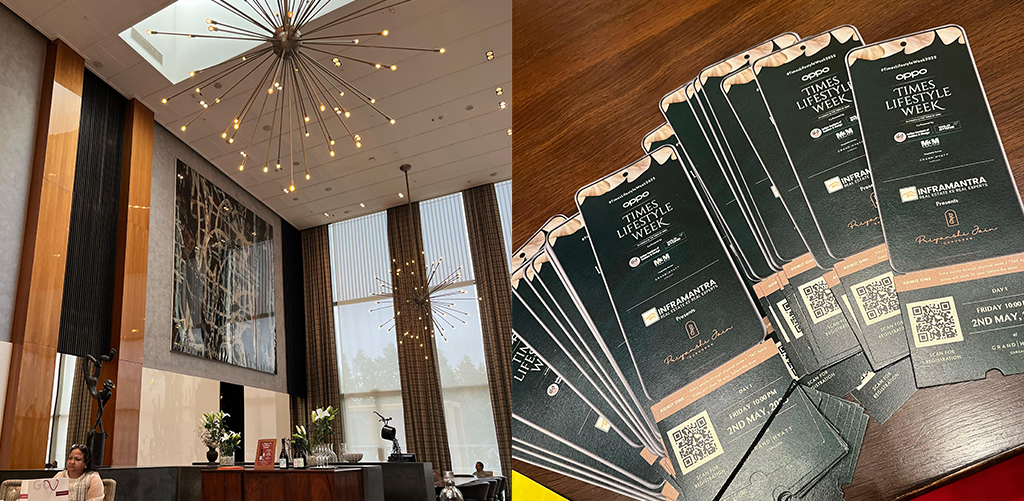
Among the featured designers was Ms. Priyanshi Jain, an accomplished alumna of JD Institute. Known for her detailed string work and ability to merge traditional and modern design sensibilities, she represented both excellence and inspiration for the participating students.

Students in Action: Learning by Doing

Three of our Fashion Styling students—Adhiraj Kaur, Aliza Qureshi, and Neelam Pradhan—were actively involved in the execution of the show. Each of them took on a unique role, contributing to different facets of the event:
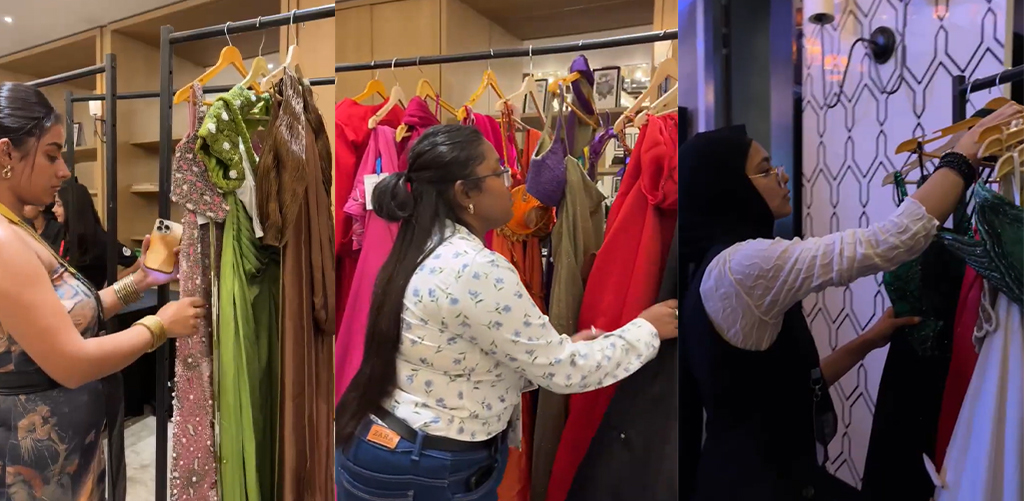
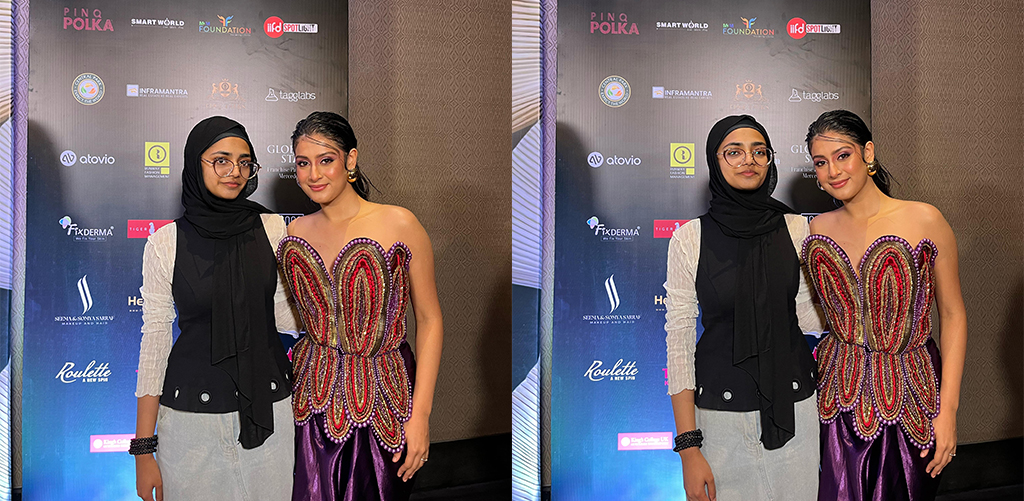
  • Aliza Qureshi was entrusted with managing guest relations. She also coordinated with the celebrity showstopper, Isha Malviya, a noted contestant from Bigg Boss 17. This responsibility allowed Aliza to refine her interpersonal skills and understand the nuances of celebrity and guest engagement in a high-pressure setting.
  • Neelam Pradhan was the backstage powerhouse, ensuring that model line-ups and show preparations went off without a hitch. Her involvement taught her the value of timing, precision, and backstage coordination in making a fashion show flow smoothly.
  • Adhiraj Kaur worked closely with Ms. Priyanshi Jain, assisting in fittings and the final runway presentation. This hands-on styling experience brought her face-to-face with the technical and aesthetic demands of live fashion production.

Real-World Lessons Beyond the Classroom

This experience served as more than a behind-the-scenes pass—it was a comprehensive, on-ground learning opportunity. The students not only contributed to a large-scale fashion event but also gained practical insights into styling, communication, and event execution. Working alongside industry professionals and gaining insights from our alumni, Priyanshi Jain, the students received constructive feedback, observed industry standards firsthand, and learned to adapt quickly—skills that no textbook can fully teach.
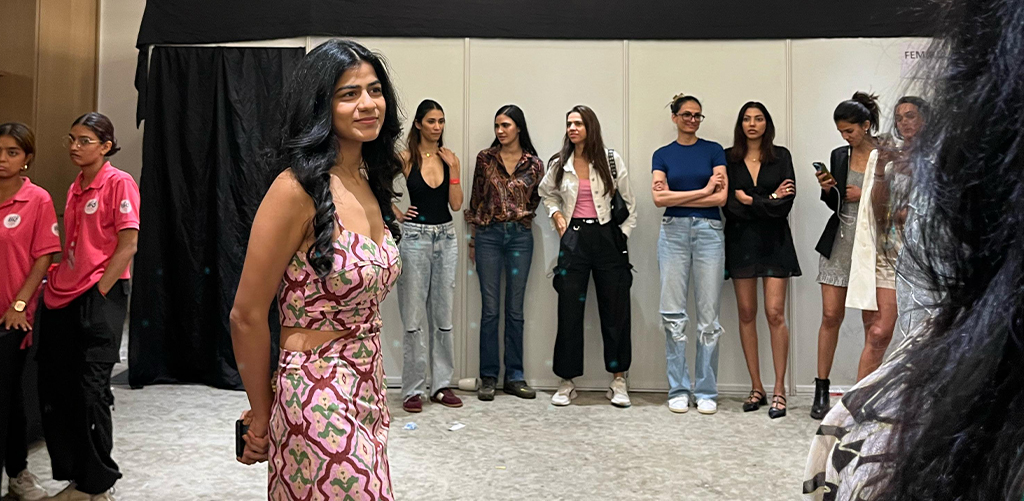
This exposure reinforced JD Institute’s emphasis on blending theoretical learning with real-world applications.

Crafting Future Professionals, One Show at a Time

Events like these don’t just add weight to a resume—they shape professional identities. For Adhiraj, Aliza, and Neelam, the Times Lifestyle Fashion Week wasn’t just a milestone; it was a stepping stone. It highlighted JD Institute’s commitment to nurturing talent through experience, not just instruction.

Curious what it feels like to turn creativity into action under runway lights? Next time you see a show, imagine yourself not just watching—but running the show.
The Pattern Hack Every Future Designer Needs to Know

Monday, May 12th, 2025

Ever tried solving a jigsaw puzzle in the dark?
That’s how fashion design feels without proper patterns. You can imagine a dress, draw it beautifully, pick stunning fabric — but if your measurements are off, the outfit just won’t work. Now imagine you have a digital tool that fixes all that for you — fast, easy, and super accurate. That’s pattern-making software — a survival kit for the fashion industry.

At the JD Institute of Fashion Technology, students learn early how to mix creativity with technology. Fashion isn’t just about drawing; it’s also about using the right tools to bring those drawings to life. And digital pattern-making is at the top of that list.

Why Designers Are Going Digital

Startup Spotlight: CLO Virtual Fashion

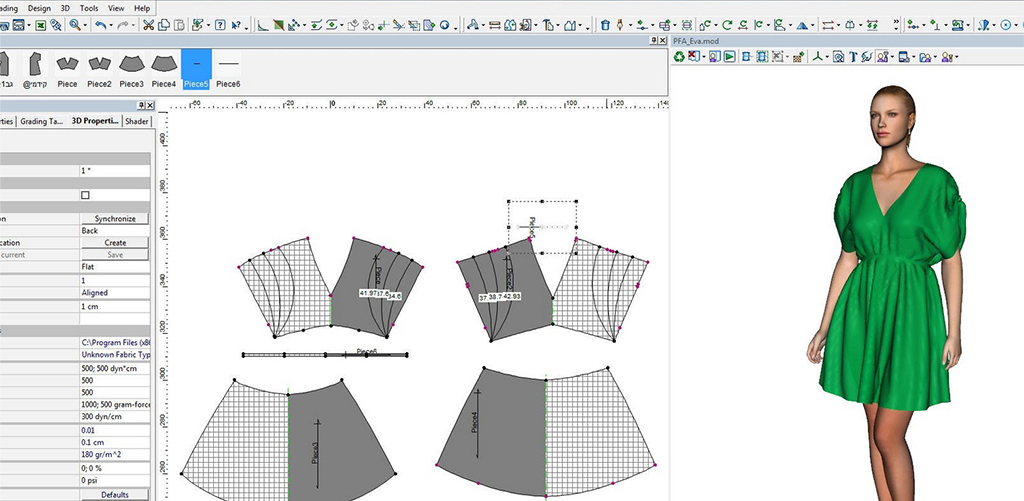
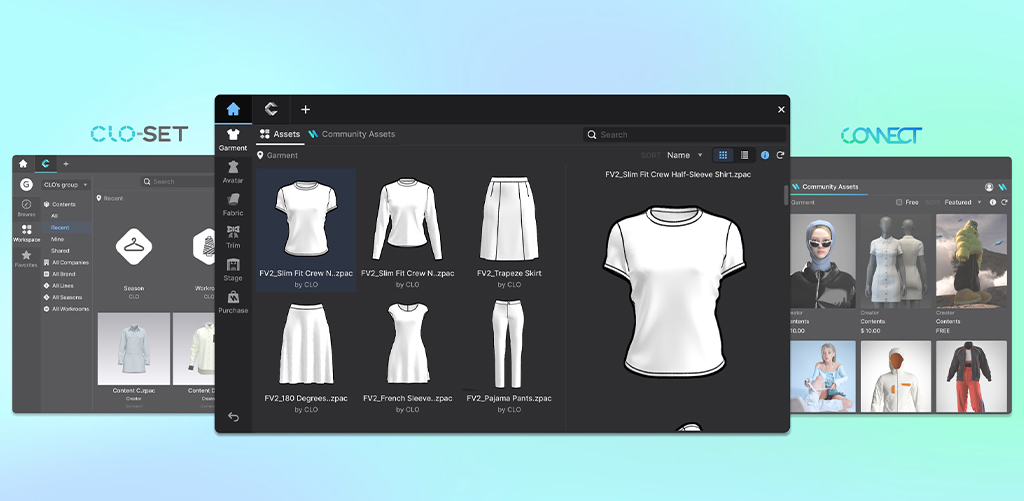
Designers used to create patterns by hand on huge paper rolls. It took hours, and if you messed up one line, you had to start again. Now, tools like CLO Virtual Fashion help designers create 3D digital patterns. You can see how the clothes will look and fit on a model before sewing anything.

This saves time, fabric, and money. You can make changes quickly, try out new designs, and avoid making physical samples until you’re really sure. For students just starting out, this is gold. Learning software like this from day one — like they do at JD Institute — gives you a head start over others still doing things the old-school way.

Design Faster, Smarter, Better

Startup Spotlight: Gerber Technology (Lectra)

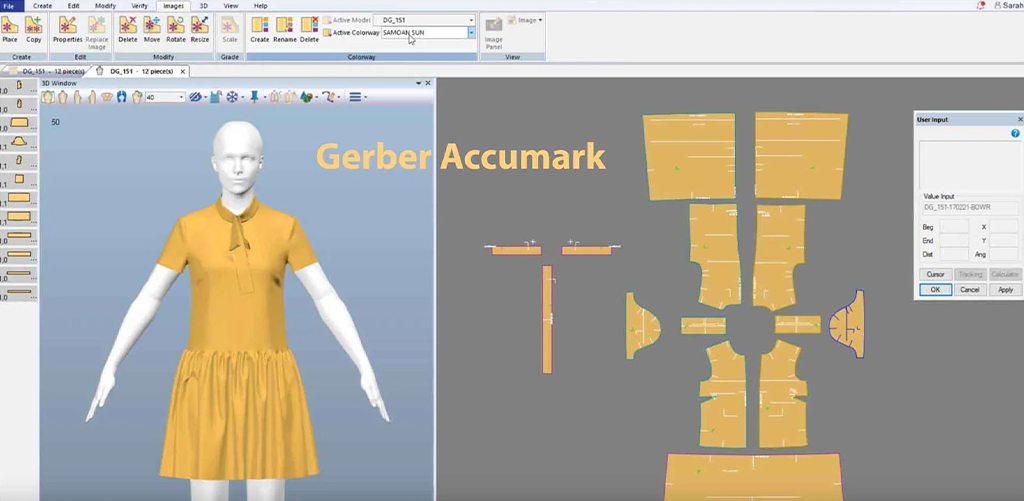
In fashion, everything moves fast — trends, seasons, deadlines. You can’t afford to be slow. That’s why pattern-making software is a lifesaver. With tools like Gerber AccuMark, you can design, modify, and finalise your pattern in minutes instead of hours.

This helps you keep up with fast-changing trends and tight production schedules. While others are still struggling with manual pattern corrections, you could already be working on your next big design. That’s the kind of speed every designer needs — and Fashion Design students at JD Institute are already learning how to handle it.

Because Good Fit is Everything

Startup Spotlight: Tukatech

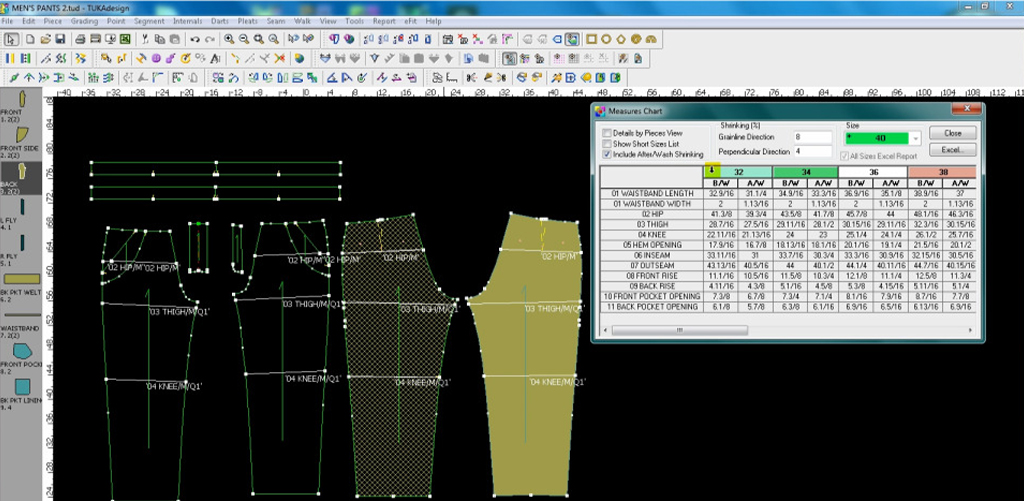
Ever worn a shirt that looks amazing but feels all wrong? That’s a pattern problem. With software like TUKAcad by Tukatech, you get measurements right down to the tiniest detail. The result? Perfect fit, every time.

You can play with different sizes, adjust for body types, and create garments that actually feel as good as they look. This is especially useful if you want to design for plus-size fashion, kidswear, or made-to-measure clothing. The more accurate your pattern, the better your outfit.

Sustainability Starts With Smart Patterns

Startup Spotlight: Optitex

Fashion waste is a huge problem. Every time a designer makes extra samples or throws out fabric due to mistakes, it adds to the pile. But software like Optitex helps you plan and lay out your patterns in the most efficient way.

This means less waste, fewer samples, and more eco-friendly designs. You’re not just saving material — you’re helping the planet. And let’s be honest — in today’s world, every fashion designer should care about sustainability. Learning to design smart from the start, as students do in the Fashion Design course at JD Institute, helps you stay stylish and responsible.

Why Should Aspiring Designers Care About This Anyway?

Let’s face it — fashion today isn’t just about drawing pretty outfits. It’s about turning your ideas into real clothes that people want to wear. You need to know how things fit, how to cut fabric, and how to do it fast and right. Pattern-making software does all that and more.

When you apply for jobs or start your own label, this is the skill that will make you stand out. Many companies now expect designers to know digital tools — they don’t have time to train you from scratch. So the earlier you learn it, the better.

The Pattern to Your Future Starts Here

Great designs don’t just happen — they’re built. And today, they’re built digitally. Pattern-Making Software in Fashion Design isn’t just about tech — it’s about making your creative life easier, faster, and smarter. So if you’re dreaming of being the next big designer, don’t just rely on your sketchbook. Think bigger. Think digital. At JD Institute, they don’t just teach you to dream — they show you how to make it wearable.

The eSports Interface Secrets Every Student Should Know

Saturday, May 10th, 2025

In the world of eSports, it’s not just about gaming skills; it’s about strategy, precision, and most importantly, how you interact with the game. Imagine trying to make a split-second decision in a fast-paced competitive game, only to be slowed down by a confusing interface. That’s where design comes into play.

A well-designed interface can make or break a gamer’s performance. The design of eSports interfaces, from menus to control layouts, has a huge impact on player experience and success. Let’s explore how the right design choices can give players an edge, and how JD Institute teaches the art of creating such intuitive designs across various disciplines like fashion, interior, and communication design.

User-Centered Design: Putting Gamers First

When designing for eSports, the primary focus is always the user — in this case, the gamer. The best interfaces are those that prioritize ease of use, speed, and clarity. Take the game League of Legends as an example. The clean and intuitive interface of this game allows players to quickly navigate through their abilities, items, and maps, giving them an edge during intense moments.

This user-first approach is something that JD Institute instills in its students, no matter their design discipline. Whether it’s interior design or communication design, understanding the importance of user experience is key. Students at JD learn to craft designs that place the end user at the center, ensuring functionality meets aesthetics.

Minimalism: Less Clutter, More Focus

When it comes to eSports, every second counts. A crowded and overwhelming interface can create unnecessary distractions. Counter-Strike: Global Offensive (CS:GO) is a perfect example of minimalist design at its best. The HUD (heads-up display) offers only the essential information — health, ammo, and the current map. This simplicity allows players to stay focused on the game, not the interface.

This minimalist approach should be the principle in design as a concept. Students must learn the power of simplicity and how reducing clutter can make a design more effective and engaging. The design curriculum of any institute must emphasise the importance of clear, focused design that enhances user experience.

Responsive and Adaptive Interfaces

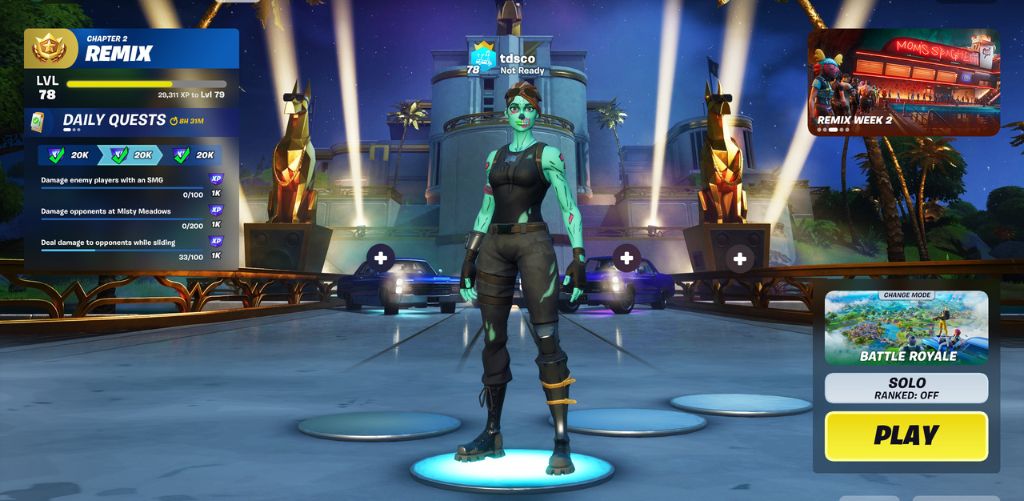
In competitive gaming, adaptability is crucial. An interface needs to respond quickly to the player’s actions and adapt seamlessly across different devices and screen sizes. Fortnite excels in this area. Its interface adjusts fluidly across mobile, console, and PC, ensuring that no matter where players are, they get the same level of control and information.

JD Institute’s approach to design is no different. Students are taught to design spaces that adapt to the needs of users, while communication design emphasizes how digital interfaces should adjust to different platforms. Learning how to make interfaces responsive and adaptable is a skill students gain here, equipping them to excel in the ever-evolving world of design.

Color and Contrast: Keeping It Clear Under Pressure

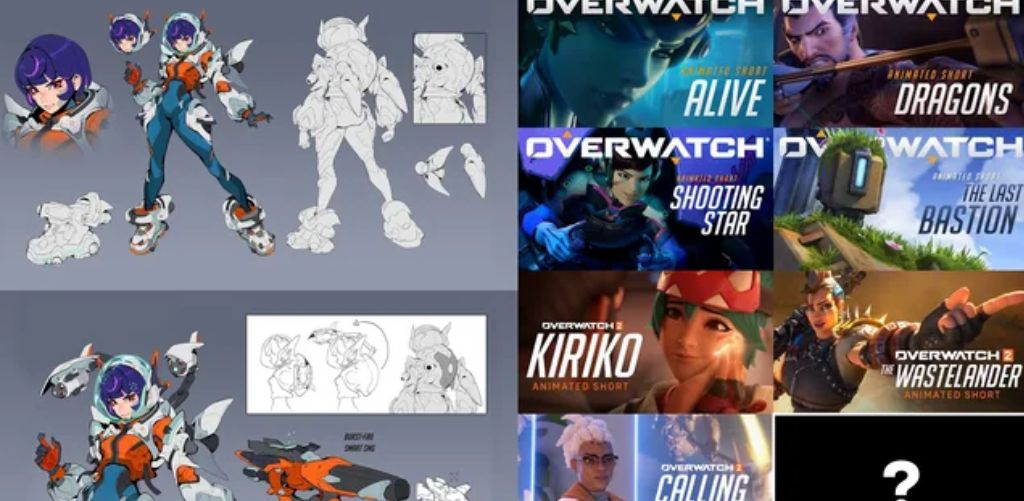
In high-stakes eSports matches, players often find themselves under intense pressure, and they need to process information quickly. Here, color and contrast play a huge role. Take Overwatch, for instance. The game uses bold colors and high contrast to differentiate between players, enemies, and objectives, making it easy for players to quickly assess the situation.

Color theory and contrast are vital elements in design, and JD Institute places a strong emphasis on these concepts across its programs. Whether in fashion, where color choices can influence trends, or in interior design, where color affects mood and functionality, JD ensures its students grasp the power of color to influence perception and clarity.

Navigation and Customization: Personalizing the Experience

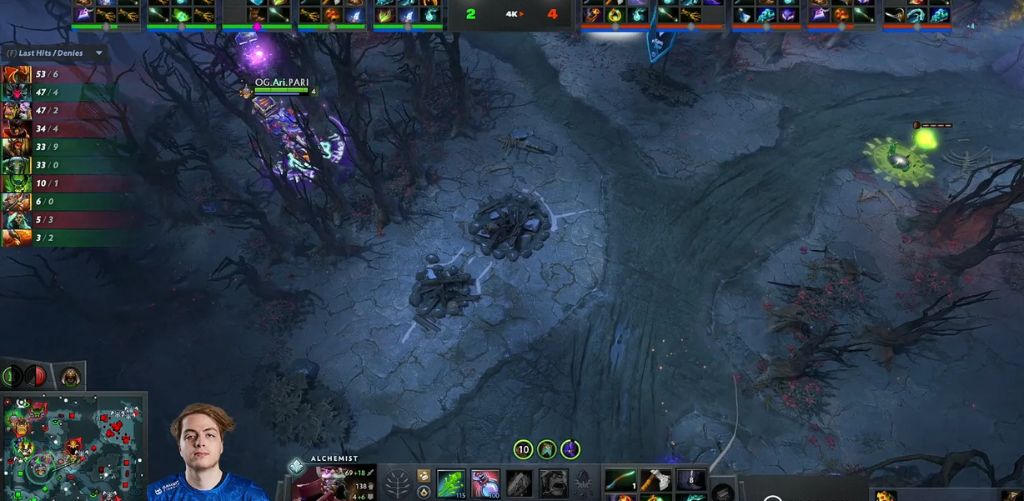
Every gamer has their own preferences when it comes to how they interact with a game. Dota 2 allows players to extensively customize their HUD, giving them full control over which elements appear on screen and how they’re arranged. This level of personalization is crucial for optimizing gameplay, as it allows gamers to set up their interface in a way that suits their playstyle.

Customization is not just a luxury; it’s a necessity in design. Courses of design must emphasize the importance of personalization in design work. Whether it’s creating customized fashion pieces, interior layouts, or communication strategies students must be taught how to design experiences that are adaptable and user-centric.

Feedback Mechanisms: Instant Information for Immediate Decisions

In fast-paced games, players need instant feedback to make decisions. Games like Call of Duty have integrated auditory and visual cues — the sound of an enemy’s footsteps or a flash of red when taking damage. This immediate feedback helps players react in real-time, which can be the difference between winning and losing a match.

This principle of responsive design is taught across all design disciplines at JD Institute. Students learn how to integrate feedback into their designs, whether it’s in the form of interactive elements in digital design or the feedback a consumer gets from a fashion piece or interior design layout.

Designing for the Future of Competitive Play

As eSports continues to grow, so does the need for sophisticated, user-friendly interfaces that enhance competitive play. From minimizing distractions to providing immediate feedback, design plays a critical role in helping gamers succeed. JD Institute equips its students with the skills and knowledge needed to create such impactful designs across multiple fields. By emphasizing principles like user-centric design, customization, and consistency, it prepares students to shape the future of design, not just in gaming but across industries like fashion, communication, and interior design.

The Trend That’s Breaking the Rules — And What Fashion Entrepreneurs Should Learn From It

Friday, May 9th, 2025

Ever worn socks with sandals and felt a little judged?
Well, guess what — that ‘fashion crime’ just walked down a designer runway. Yes, we’re talking about The ‘Ugly’ Fashion Trend: Why Balenciaga, Crocs, and Diesel Are Making ‘Bad Taste’ Cool Again. From oversized silhouettes to intentionally bizarre designs, fashion’s elite have embraced what once made our inner fashion police cringe.

But hold up — before you brush this off as a passing meme, know this: there’s deep psychology, brilliant strategy, and bold creativity behind these “bad taste” trends. And if you’re an aspiring student of Fashion Business Management, especially at institutions like JD Institute, this is the kind of bold, rule-breaking innovation you need to understand.

Let’s dig into why ugly is in, how it’s rewriting fashion rules, and what lessons the next generation of style leaders can steal from it.

The Balenciaga Playbook

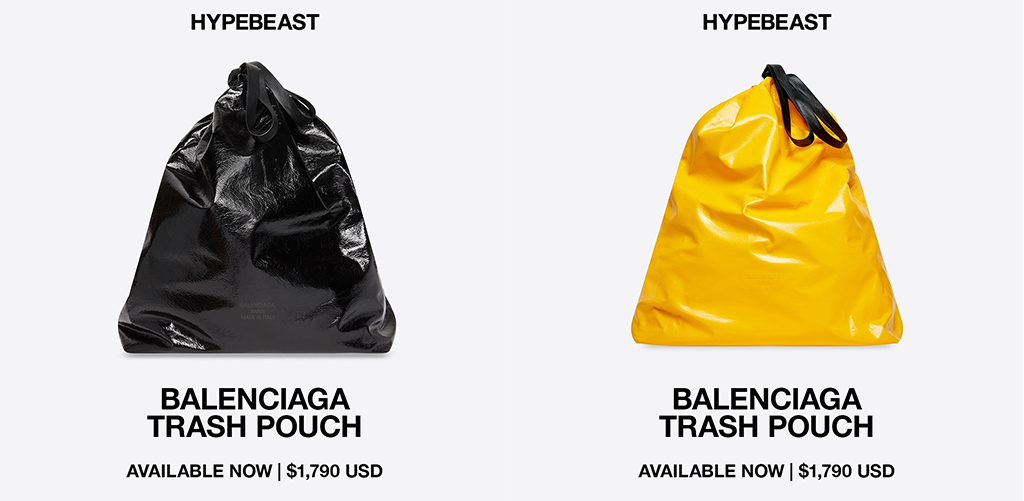
Balenciaga didn’t just hop on the ugly trend — they drove the bus. Literally. Their $1,800 “trash bag” inspired purse made headlines and eyeballs roll. But here’s the twist: it sold out.

Why? Because in a sea of “perfect” aesthetics, something weird stands out. Designer Demna Gvasalia used irony and absurdity to flip fashion on its head. People bought Balenciaga not just for style, but for statement — an anti-fashion, fashion statement.

Lesson for fashion biz students? Don’t chase beauty. Chase boldness. At JD Institute’s Fashion Business Management program, students explore how disruptive thinking like this builds brand identity, sparks conversation, and breaks the internet.

Crocs: From Cringe to Cult

Remember when Crocs were considered the most unfashionable shoes ever? Now, thanks to high-profile collaborations with celebrities like Post Malone and luxury brands like Balenciaga (yup, again), they’re dripping with street cred.

The success of Crocs lies in two things: comfort and irony. Fashion today is not just about how you look, but why you choose what you wear. The “so-bad-it’s-good” vibe taps into a cultural moment — where being unapologetically yourself is the new luxury.

Fashion Business Management students should look at this and ask: How did a practical foam clog become a $7 billion brand? Understanding consumer psychology, emotional branding, and timing is everything — and that’s exactly the kind of business insight you dig deep into during the JD Institute’s industry-driven modules.

Diesel’s Grunge Revival: Dirt Is In

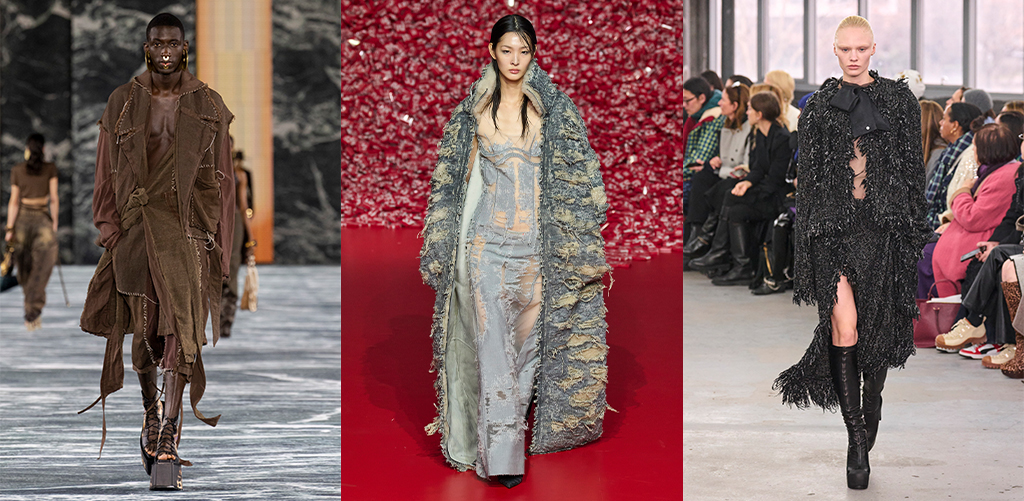
Diesel’s latest runway collections have looked like a post-apocalyptic party. Think ripped jeans, distressed tees, dirty-looking denim — and it’s all intentional.

What makes Diesel’s ugly-cool approach work? Authenticity. Gen Z isn’t here for polished perfection — they want real, raw, and rugged. Diesel leaned into that energy, giving their brand a powerful reboot.

This is branding genius. It speaks to a generation that doesn’t want to fit in. Aspiring fashion leaders must understand how subcultures shape trends. And how brands like Diesel turn rebellion into revenue.

Vetements: Meme Fashion, but Make It High-End

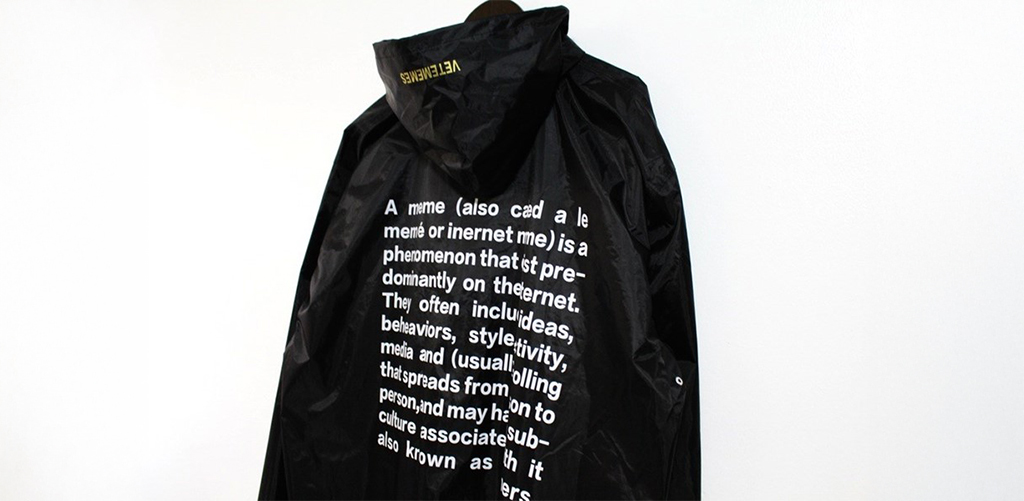
Founded by Balenciaga’s own Demna and his brother Guram, Vetements turned DHL t-shirts into luxury fashion. The move was ironic — and totally iconic.

They understood how to turn mundane into must-have. Their success shows how brand storytelling and cultural commentary can turn even the “ugliest” idea into a runway sensation.

This is a goldmine for Fashion Business Management students — knowing how to craft meaning around a product is often more valuable than the product itself.

Why Should Fashion Students Care?

Because this is where fashion is headed. The ‘Ugly’ Fashion Trend: Why Balenciaga, Crocs, and Diesel Are Making ‘Bad Taste’ Cool Again isn’t just about appearances. It’s about attitude, strategy, and cultural conversation. If you’re dreaming of running your own label, becoming a buyer, or managing luxury fashion houses — you need to know how to read between the trends. Fashion Business at JD Institute teach you to not only design or curate fashion, but to decode why something sells, how it fits into global markets, and when to take a creative risk.

Costuming for AI Characters: What Future Stylists Must Learn Now

Thursday, May 8th, 2025

“What if your next fashion muse isn’t human?”
In a world where robots show emotions and androids walk in designer boots, the future of fashion is no longer limited to humans. Sci-fi films like The Creator and Dune: Part Two are showing us what’s next—not just in storytelling, but in style. Costuming is no longer about just dressing actors; it’s about designing for artificial intelligence, cyborgs, and entire civilizations of the future.

This shift is shaking up the world of fashion styling. Now, it’s not just about following trends—it’s about imagining the unimaginable. For today’s aspiring stylists, understanding futuristic costuming is not optional. It’s essential.

Let’s dive into how movies are giving stylists a new job description.

Costuming AI: More Than Just Fabric on Metal

When you look at The Creator, what strikes you first isn’t just the visual effects—it’s the realism of the AI characters. These aren’t your typical robots. They’re beings with personalities, backstories, and wardrobes that reflect both.

Stylists working on this film had to blend minimalism with emotion—using neutral palettes, functional design, and soft silhouettes to make robots feel “alive.” Costuming became storytelling. It’s not about what’s trending; it’s about what makes sense for a robot raised in a war-torn future.

This level of creativity is exactly what students explore in JD Institute’s Fashion Styling course, where futuristic thinking and narrative styling are core parts of the curriculum.

Dune 2: Building Fashion from Dust and Destiny

Frank Herbert’s Dune was already a visual masterpiece, but Dune: Part Two took things up a notch. Stylists didn’t just design outfits—they built a world.

From the moisture-saving stillsuits of the Fremen to the royal gowns of House Atreides, every costume told a political, environmental, and emotional story. Even the color tones—burnt sienna, sand, silver—were chosen to match the planet’s ecosystem.

Here, stylists had to work hand-in-hand with tech, 3D modeling, and even architecture to create believable looks for non-earth cultures. The JD Institute ensures budding stylists don’t just learn fabric draping but also the future of wearable design technologies.

Robots in Couture: The Rise of Digital Models and Meta-Stylists

In Blade Runner 2049, Joi—an AI companion—became an icon not just for her dialogue but her fashion. Transparent sheers, holographic overlays, and digital shimmer made her look like a walking screen-saver. But it wasn’t random—it reflected her programmable, ever-changing identity.

Costumes like these are challenging stylists to think beyond cloth. What does a hologram wear? How does a digital character change outfits in real-time?

Stylists now need to understand CGI, virtual wardrobes, and even motion sensors. Fashion Styling students must explore these areas through live projects, collaborations with tech departments, and styling labs focused on fashion innovation.

Fashion Meets Function: The Utility Trend in Sci-Fi Films

From Elysium to Oblivion, costume design in sci-fi is now favoring functionality. Jackets double up as body armor, boots store energy, and every zipper or pocket has a purpose. This “future-military” look is becoming so popular that it’s influencing real-world streetwear too.

For stylists, this means knowing how to design outfits that can survive space, battle, or nuclear winter—and still look great. Styling is no longer just about aesthetics; it’s about performance.

Learning this balance is a major part of the Fashion Styling course. Students must be trained to not only design for red carpets or met gala events, but also for screen, stage, and the space-age.

Why Aspiring Stylists Must Think Sci-Fi Now

Because the industry is heading there. Major brands are already collaborating with AI models. Meta-fashion shows are trending. Designers are styling virtual influencers. Films are hiring stylists not just for human actors, but for avatars and bots.

As a Fashion Stylist, knowing how to style for a future-forward film—or even a virtual fashion shoot—makes you more employable, more relevant, and way ahead of the game and no matter your vision, the future needs stylists who can dream and deliver. Therefore, at JD Institute, students don’t just learn how to dress—they learn how to imagine. So if your creativity belongs in tomorrow’s cinema or digital runways, you already know where to begin.

Mental Health in Events: What Every Future Manager Should Know

Thursday, May 8th, 2025

Ever seen someone dancing backstage while their headset screams “Cue in 3 seconds!”? That’s not just energy — that’s stress in sequins.

While the spotlight glows on center stage, behind it stands a crew that runs on caffeine, adrenaline, and often… silent breakdowns. It’s time we pull back the curtain and talk about addressing mental health in event staff culture — because glitter doesn’t hide burnout.

With events getting bigger, louder, and more immersive, there’s one backstage tech that’s finally gaining traction: emotional intelligence. At JD Institute, the Global Event Management course is already paving the way for students to understand not just logistics, but the real humans behind them.

Let’s dive into why this shift is happening — and why future event managers (like you!) need to care.

HR in Event Ecosystems: Not Just a Fancy Term

Imagine planning a multi-day music festival. You’ve got vendors, performers, stage designers, security, and 200 volunteers who skipped lunch (again). HR isn’t just about hiring — it’s about managing people under pressure.

Take Zeroin, an experiential marketing startup. They don’t just brief their staff on tasks — they debrief them emotionally post-event. Why? Because one anxious coordinator can derail the whole show.

What great HR looks like in events:

  • Crew check-ins between acts
  • Safe spaces to vent or reset
  • Wellness activities in pre-event planning

Students entering this field need to see HR as the heart of events. That’s why the Global Event Management course by JD Institute teaches people-first planning from day one.

Emotional Intelligence in Leadership: The New VIP Pass

The best event leaders don’t bark orders — they build trust. Emotional intelligence isn’t soft; it’s strategic.

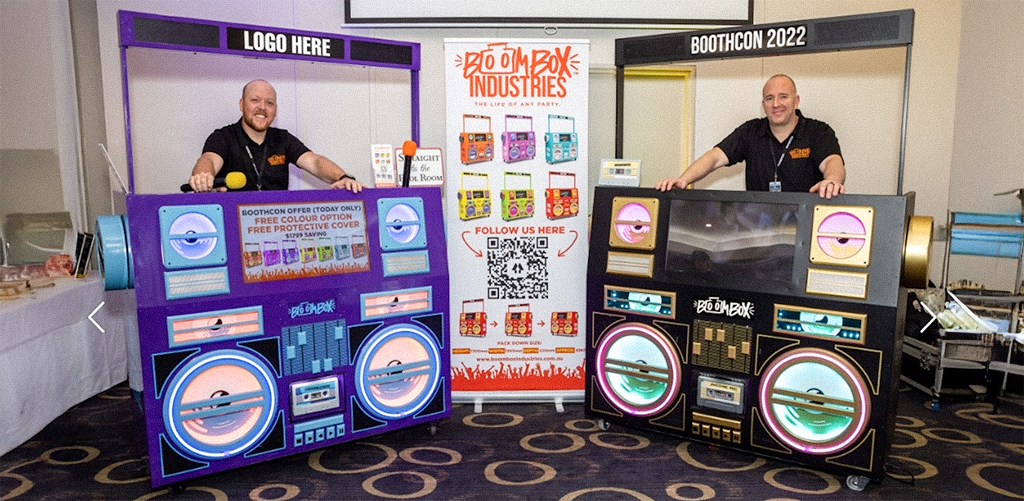
Boombox Productions, for example, trains its leads to recognize burnout signs early. Their backstage teams function like clockwork because their leaders listen, not just assign.

Emotional intelligence shows up in:

  • Creating a team culture where breaks are encouraged
  • Allowing flexible role-swaps to reduce task fatigue
  • Spotting silent stress before it explodes

As an event management student, learning to lead with empathy could be your biggest power move.

Occupational Health: Beyond Physical Safety

When you hear “occupational health,” most people think of helmets and fire drills. But in events, it’s also about managing emotions under flashing lights and tight timelines.

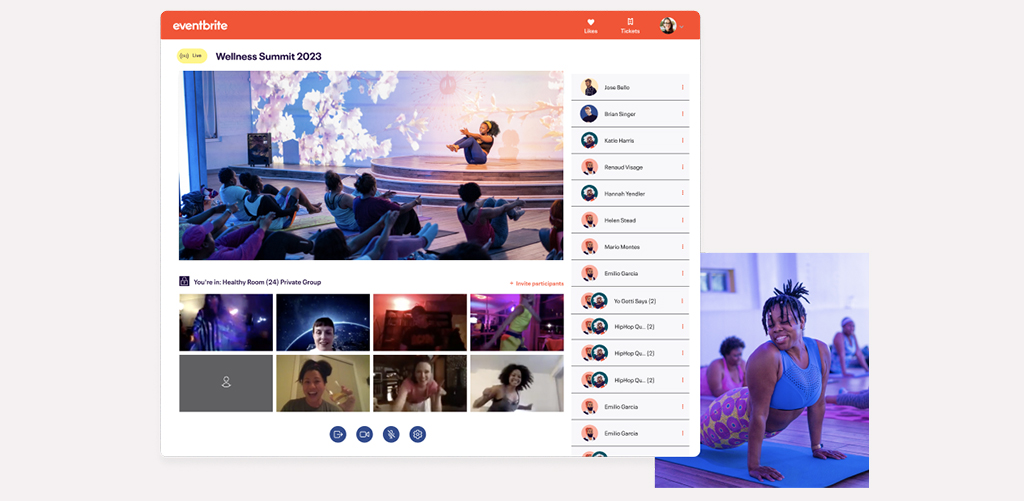
Eventbrite, a global ticketing platform, goes beyond physical safety. Their teams get therapy access, wellness budgets, and rest days post-event. It’s not pampering — it’s preventive.

Modern occupational health practices include:

  • Digital fatigue trackers for long events
  • Emotional support kits backstage
  • Mandatory recovery days post-wrap

If you’re aiming to run smooth events that don’t crush your team, this is where your training should begin.

Psychological Safety in Crew Culture

Here’s a concept you won’t find in every classroom — but you should. Psychological safety means creating a space where your crew feels safe to speak up, without fear of backlash or being sidelined.

Hopin, a rising star in hybrid events, fosters this with open Slack channels, anonymous feedback loops, and empathy-first communication. The result? A team that functions better, even across time zones.

Why this matters for students:

  • Crew members who feel heard are more productive
  • It reduces conflict backstage
  • It builds long-term trust across freelance teams

The JD Institute’s Global Event Management course weaves this into the learning curve — because no matter how fancy your concept, it won’t fly without a safe team behind it.

Preventive Stress Protocols: The Smartest New Tech

Prevention is cooler than recovery — and event pros are starting to get that.

SXSW, one of the world’s most iconic festivals, now includes:

  • Hydration and rest stations for staff
  • On-call therapists during long runs
  • Quiet rooms backstage for mental resets

This isn’t overkill — it’s future-proofing. Event managers who plan for stress before it spikes are the ones who actually enjoy their events, not just survive them.

Students, take note: building events is high-stakes. Knowing how to prevent burnout is what makes you stand out.

Why Should You Even Care?

Because burnout isn’t a badge of honor. It’s a design flaw.
Because emotional labor isn’t optional anymore — it’s the core of great event management.
And because as a future designer, stylist, or creative visionary, you’ll either lead teams or be part of them. Learning how to care — truly care — for your team will be your biggest flex. If you’re dreaming of creating events that move people and protect the crew behind the scenes, JD Institute’s Global Event Management course isn’t just a choice, it’s your backstage pass to doing things right.

Why Health Apps Need Designers Like You — A Must-Read for Communication Students

Wednesday, May 7th, 2025

Ever opened a health app and felt totally lost? Like, you just wanted to book a doctor’s appointment, but the app made you click through 10 different buttons? That’s bad UX (user experience), and in healthcare, it can lead to real problems.

Welcome to the world of health apps — where good design can make a huge difference. This blog is all about The UX of Healthcare Apps: Why Designers Are Needed More Than Ever. And if you’re someone learning communication design or thinking about it, this space is full of exciting new career paths. A course like the one at JD Institute of Fashion Technology teaches you how design isn’t just about looks — it’s about making life easier, safer, and smarter.

Big Brands, Big Impact: Practo and 1mg

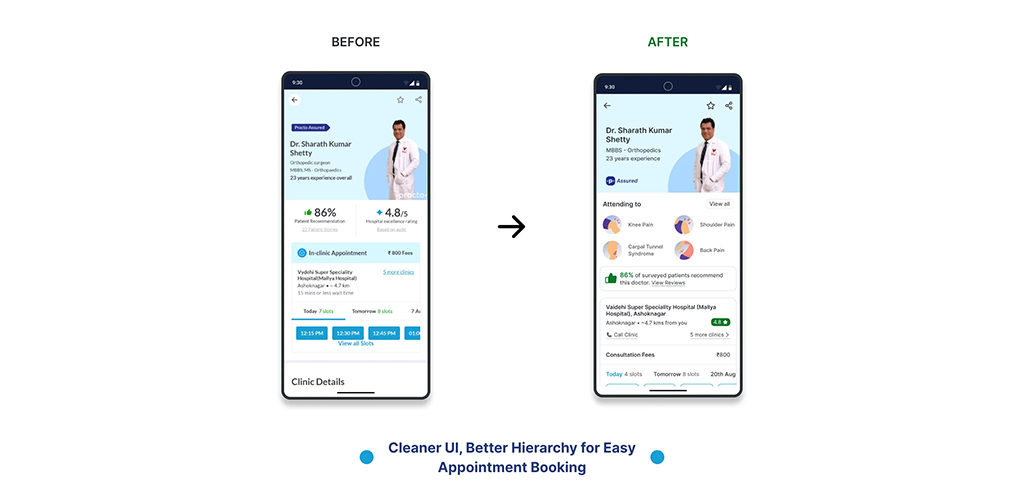
Practo helps you find and book doctors easily. You can filter by area, experience, or even see reviews — all in a few taps. The design is clean, fast, and doesn’t stress you out.

1mg (now Tata 1mg) helps you order medicines online, get lab tests done at home, and even speak to doctors. The reason people trust it? The app is simple to use. It tells you exactly what you need to know, and nothing more.

These apps show how a smart design can make healthcare feel less scary and more helpful.

Making Things Easy When You’re Not Okay: MyChart and Ada

When someone’s unwell, they don’t want to scroll through endless pages or get confused by tech terms.

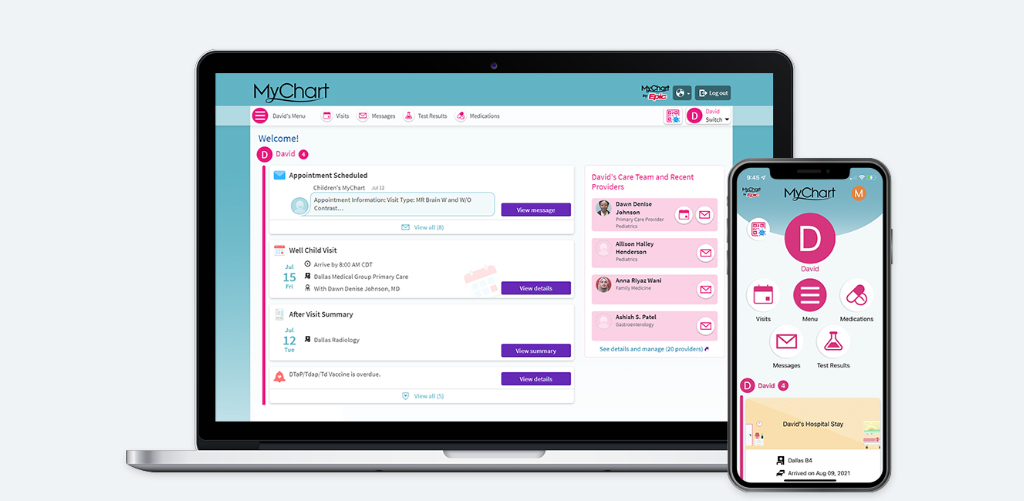
MyChart (used mostly in the U.S.) gives patients direct access to their health reports, prescriptions, and doctor notes. It’s easy to log in, check what you need, and feel in control.

Ada is another great app. You tell it your symptoms, and it gives you possible health info and next steps. What makes Ada stand out is how calm and clear its interface feels. It talks to users in a friendly way — like a real person, not a robot.

This is why designers are so important in health apps. Good UX helps people feel less worried and more supported.

In fact, design students at JD Institute’s Communication Design learn how to mix creativity with real-life problems — like this one.

Designing for Every Type of User: HealthifyMe and Babylon

Not everyone using a healthcare app is tech-savvy. Some are older. Some don’t read English well. Some just want quick help.

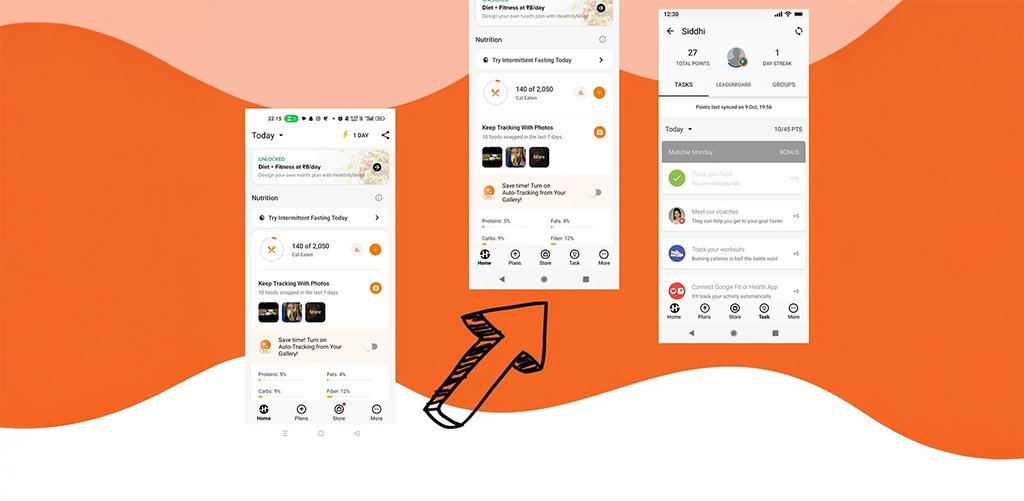
HealthifyMe started as a calorie tracker but now helps people manage weight, track steps, talk to dieticians, and stay healthy. Its simple layout works for users of all ages.

Babylon Health, popular in the UK, offers online doctor consultations. You can talk to a doctor on video and get advice without leaving your home. The app makes the whole process feel easy and private — thanks to great design.

When designers create apps that are easy for everyone, not just tech experts, that’s true UX magic.

Fast Help, No Stress: MediBuddy and Zocdoc

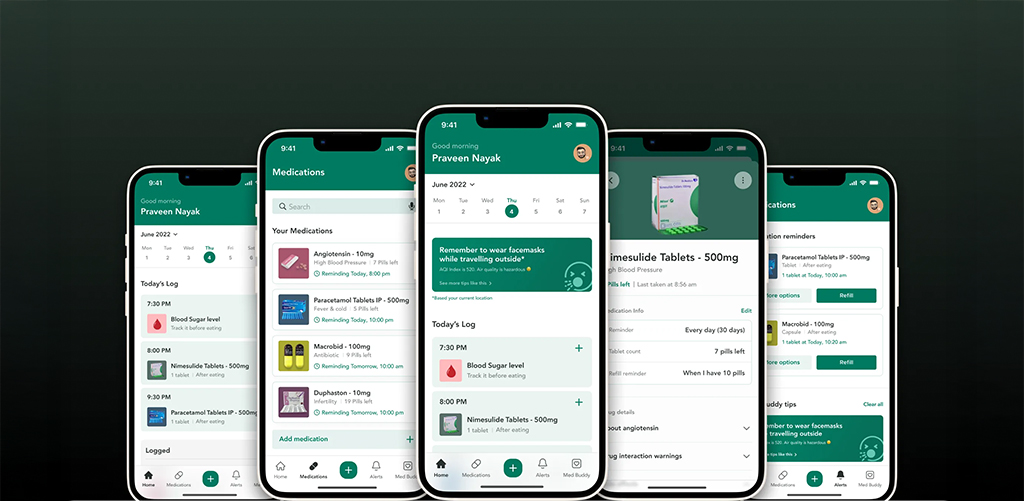
MediBuddy is an Indian app that lets users book doctor visits, order medicines, and file insurance claims. Its success lies in how fast and simple the process feels. You don’t have to hunt around the app — everything is right where it should be.

Zocdoc is a U.S.-based app that shows doctors near you, real-time availability, and even lets you book same-day appointments. It looks clean, works fast, and takes just a few clicks. That’s what good UX looks like.

These apps prove one thing: people want healthcare that doesn’t feel like a headache. Designers help make that happen.

Final Thought: Design That Heals

Think about it — if your design can help someone book a doctor on time, get test reports easily, or understand their health better, you’re not just designing screens. You’re changing lives.

So whether you dream of working in fashion, tech, or healthcare, the smart move is to build skills that help people. And if you’re starting your design journey, JD Institute’s Communication Design course is a great place to begin.

Your ideas could become someone’s lifeline. Why wait?

Why Brutalism Is Back and What Every Interior Design Student Should Know

Wednesday, May 7th, 2025

You know — grey walls, concrete floors, super minimal furniture… and yet, somehow, it felt cool. That’s Brutalism. It’s a design trend that looks strong, serious, and sometimes even a bit cold — but lately, it’s making a big comeback, especially among new-age designers.

So why are designers obsessed with Brutalism again (and how can you bring it into your home without making it look like a parking lot)? Let’s break it down.

And hey, if you’re a design student or thinking of becoming one, this is the kind of trend you’ll love learning about in the Interior Design course at JD Institute — it’s where creativity meets real-world design thinking.

What Even Is Brutalism?

The word “Brutalism” comes from the French term beton brut, which means “raw concrete.” It started in the 1950s, when architects and designers wanted to break away from decorative, fancy styles. They were responding to a world recovering from war — one that needed quick, honest, affordable buildings. So they stripped things down to the bare essentials.

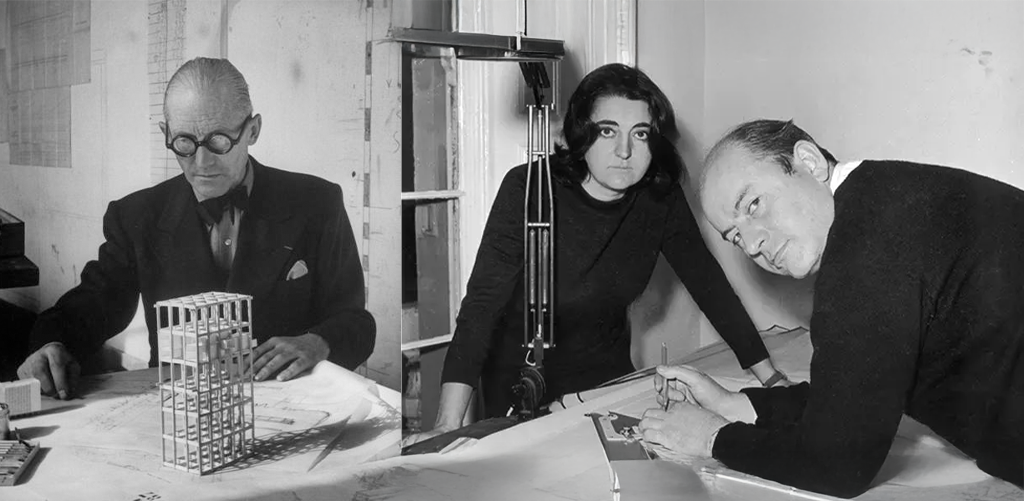
One of the first names you should know? Le Corbusier. He was a modernist architect who used raw concrete and bold geometric shapes to build structures that felt powerful and practical. His design for Unite d’Habitation in France is considered one of the earliest brutalist buildings.

Then came Alison and Peter Smithson, a British duo who really defined the brutalist movement. Their Hunstanton School and Robin Hood Gardens were about function over flair — buildings that showed their structure with pride.

So what can design students learn from them?
That great design isn’t always about being pretty. Sometimes, it’s about being real. Brutalist designers focused on purpose, materials, and truth — all lessons that still matter today, especially when designing sustainable, honest spaces.

From Harsh to Homey: Brutalism Gets a Makeover

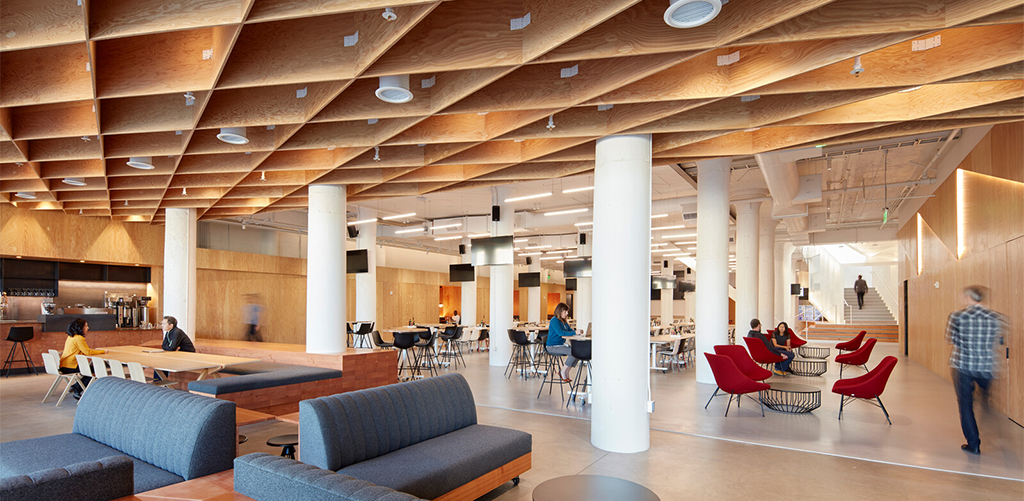
Example: Pinterest HQ, San Francisco

Pinterest’s office mixes cold concrete with warm lights, plants, and soft fabrics. The result? A space that’s strong and welcoming. You can do the same at home.

Try this:

  • Add wooden furniture to balance concrete
  • Use warm lights (not cool white ones)
  • Throw in soft cushions, rugs, and greenery

At the JD Institute, students learn how to mix materials and moods to turn even bold ideas like Brutalism into livable, lovable interiors.

Keep It Simple (But Strong)

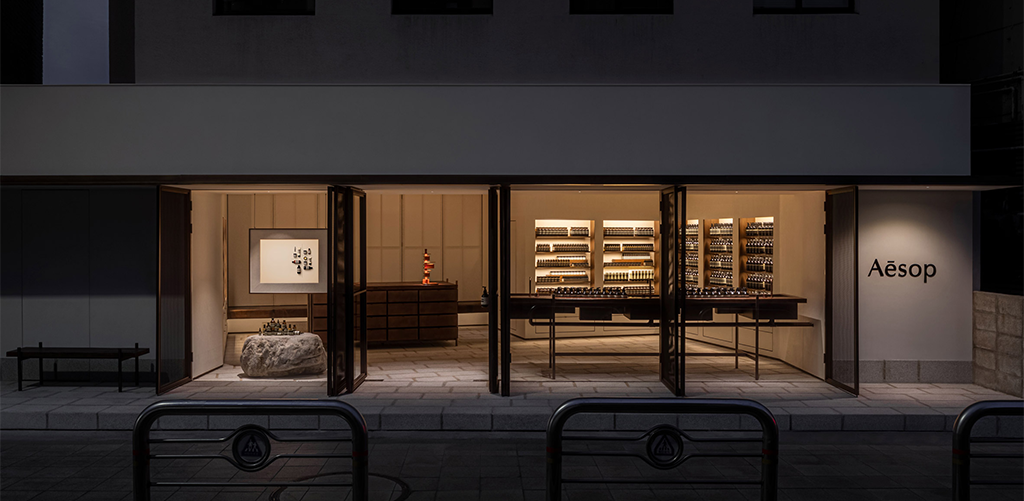
Example: Aesop Stores Around the World

Skincare brand Aesop has brutalist stores with raw concrete sinks, metal shelves, and simple layouts — but they feel calm, not cold. That’s the trick.

If you want to try this look:

  • Stick to a neutral color palette
  • Use fewer but bolder design pieces
  • Let textures do the talking (rough walls + soft fabrics = wow)

Good design isn’t about doing a lot. It’s about doing the right things, the smart way — something interior design students need to understand early on.

Go Small, But Make It Bold

Example: Berlin Airbnb Lofts

Some Airbnb apartments in Berlin have brutalist touches like concrete ceilings or metal lighting. But they balance it with soft bedding, colorful art, and cozy furniture.

This works because:

  • Brutalism becomes a statement, not the whole story
  • It gives the room character without being overwhelming

Designers today love using this trend in bits and pieces — and so should you. And if you’re learning interior design, you’ll find out how small changes can make a big impact.

Brutalist Bathrooms Are a Whole Vibe

Example: Monocle Cafe, London

Yes, even bathrooms are getting a brutalist glow-up. At the Monocle Café in London, the bathroom has raw stone finishes, matte black fixtures, and a clean, minimal look — but it still feels classy.

To try this at home:

  • Use concrete-look tiles or plaster
  • Pick bold, geometric shapes for mirrors or sinks
  • Add warm wood or brass to balance the cool tones

In the Interior Design course like the one at JD Institute, students explore how to apply trends like this in functional spaces, not just fancy showrooms.

Still Think Brutalism Is Just a Cold Trend? Think Again

It’s bold, it’s back, and it’s here to teach you how to design like a pro — with confidence, clarity, and character.

So, if you’re dreaming of becoming an Interior Designer who actually gets why spaces work the way they do, start your journey where all the creative action happens — at JD Institute.

Because trends come and go. But knowing how to make them work? That’s what turns you into a designer worth remembering.

Indian Calligraphy in Retail Design: A Must-Know for Future Visual Merchandisers

Tuesday, May 6th, 2025

Ever tried reading a shop name and suddenly felt like you were decoding a temple wall inscription?
That moment when you pause, squint at the swirly script, and realize — it’s Hindi, but make it fashion. Welcome to the new wave of vernacular design, where Indian calligraphy isn’t just a thing of old manuscripts, but a powerful style statement in the world of modern visual merchandising.

So why should an aspiring visual merchandiser care about this? Because cultural relevance isn’t just cool — it’s converting. Smart brands are blending retail heritage with sleek design to create storefronts that don’t just attract eyeballs but stop people in their tracks.

And guess what? If this is the kind of future-forward creativity that excites you, the Visual Merchandising course at JD Institute will hand you the exact tools to master it — blending art, culture, and commerce.

When Storefronts Speak in Culture

We’re not just talking about pretty fonts. We’re talking about identity, belonging, and bold branding. Using Indian scripts like Devanagari, Gurmukhi, or Tamil in retail signage sends out a strong message — “We’re proud of where we come from.”

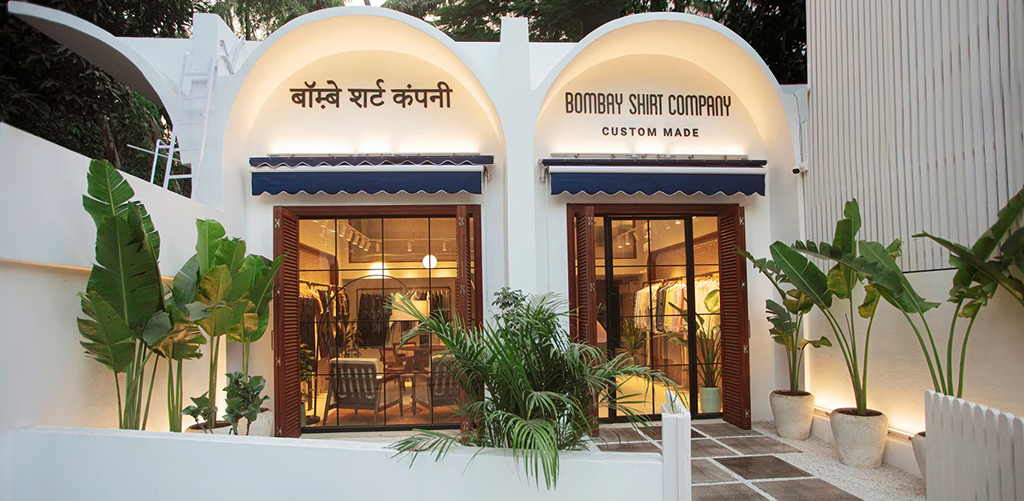
Case in Point: Bombay Shirt Company
This Mumbai-based label has played with Indian aesthetics in its pop-ups and visual styling. You’ll often see minimalist displays with hints of regional calligraphy, giving it that warm, rooted feel. It doesn’t scream — it sings.

Blending cultural branding with clean design makes the brand more approachable and emotionally connected with local customers. It’s not just a shirt shop; it’s a place that gets you.

Why Indian Calligraphy Is a Brand’s Best Friend

Indian calligraphy isn’t just decorative — it’s deeply expressive. Each curve tells a story. That’s why using these styles in visual merchandising adds depth and drama. It brings emotion, nostalgia, and a serious wow factor.

Case in Point: Fabindia
Their stores are a masterclass in mixing the traditional with the contemporary. From signage to packaging, they frequently use Indic scripts to highlight their roots. The result? A visual language that feels authentic, yet aspirational.

As a student in visual merchandising, you learn to see more than just fonts. You start to notice feelings in forms, how a swish of a letter can whisper “premium” or how a handcrafted script can scream “authentic”. The JD Institute’s Visual Merchandising course digs deep into this — not just in theory, but in hands-on projects that bring these ideas to life.

It’s Not Vintage, It’s Visionary

Here’s the cool part — this isn’t about going retro. It’s about remixing the old into something bold. Think of it like sampling a classical song in a hip-hop track — familiar, but fresh.

Case in Point: Nicobar
This lifestyle brand has nailed the art of the understated Indian aesthetic. Their store visuals often use muted palettes, paired with Hindi and Sanskrit lettering in modern settings. It says “heritage,” but it also says “chic AF”.

This is the kind of innovation that sets a brand apart in a saturated market. And if you’re wondering, yes — aspiring visual merchandisers absolutely need to care. Because in today’s retail, it’s not just about being seen. It’s about being felt.

When Luxury Meets Language

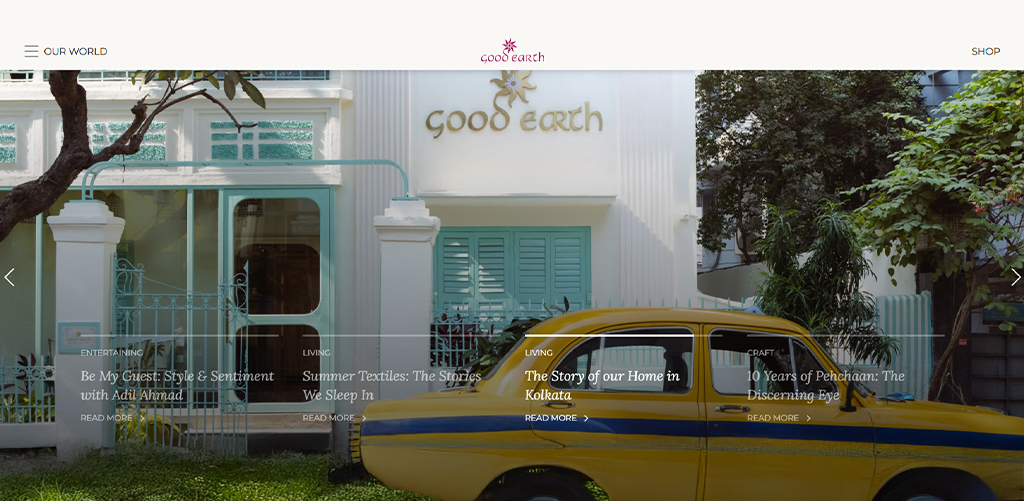
You know a brand’s visual merchandising is strong when their stores feel like a storybook — and that’s exactly what Good Earth pulls off. This home and lifestyle brand uses subtle hints of Urdu calligraphy, Mughal-inspired artwork, and old-world typography to give their storefronts a regal, yet relatable energy.

Their use of vernacular design is soft, poetic, and layered with meaning. Instead of shouting “buy me,” their visuals whisper elegance, legacy, and pride. It’s a masterclass in how retail heritage can add perceived value and timeless charm.

Fun, Funky, and Fantastically Indian

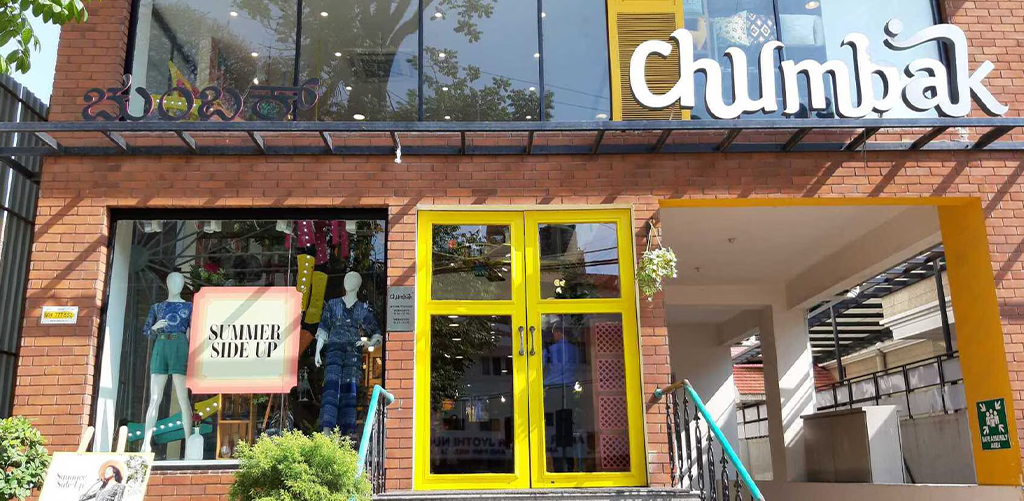
Chumbak takes the colorful route. Known for its playful, quirky take on Indian culture, the brand often uses bold Devanagari typography, street-style visuals, and local idioms right in its store signage and product displays.

Their approach proves that you don’t have to be “serious” to be rooted in culture. You can be fun and funky and still pay homage to India’s typographic richness. For aspiring merchandisers, this is a reminder: Indian calligraphy isn’t just traditional — it’s versatile. It can be cool, contemporary, even cheeky.

What’s in It for Future Visual Merchandisers?

Let’s get real. Anyone can put products on a shelf. But turning a storefront into a cultural moment? That’s strategy. That’s the style. And that’s what modern visual merchandising is all about.

  • Understanding how vernacular design builds trust in diverse markets
  • Learning how Indian calligraphy creates emotional touchpoints
  • Knowing how to mix retail heritage with global trends

And where do you learn how to do all that with confidence? You already know the answer — JD Institute’s Visual Merchandising program, where cultural insight meets cutting-edge design skills.

Fashion Styling Jediiians at The Front Row Couture by Seema Kashyap

Monday, May 5th, 2025

What can you do with just ₹500 and 90 minutes?

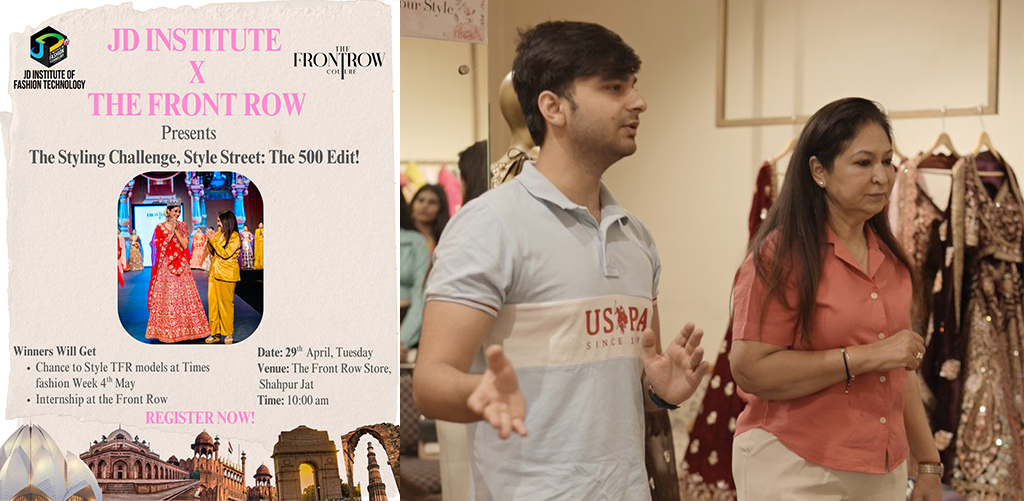
For the Fashion Styling students at JD Institute of Fashion Technology, the answer was: a whole lot of magic. This wasn’t just a college assignment—it was a test of creativity, speed, and street-smart sourcing, all under the keen eye of one of the industry’s finest—Seema Kashyap.

A Style Challenge with a Twist

On April 29, 2025, the vibrant lanes of Shahpur Jat buzzed with more than just everyday fashion chatter. JD Institute’s styling students arrived at The Front Row Couture, the boutique helmed by the internationally acclaimed designer Seema Kashyap. With over 15 years of experience in the fashion circuits of Australia and Europe, Kashyap is known for her signature style—an elegant blend of Western haute couture and Indian sensibilities.

To add to her legacy, Seema Kashyap has previously showcased her celebrated collection “She Walks in Beauty” at India Fashion Week London and closed the 5th season of Couture Runway Week in Delhi. Her boutique in Shahpur Jat is a hub of personalized luxury—making it the perfect setting for this styling face-off.

Behind the Challenge: Creative Direction Meets Real-World Hustle

The task was as thrilling as it was challenging. Each student selected a garment from Seema Kashyap’s collection and had to style it for a specific occasion. The twist? They were handed a strict budget of ₹500 and just 1.5 hours to bring their vision to life by sourcing accessories.

From Sarojini Nagar to South Extension, students dashed through Delhi’s bustling fashion markets, hunting for the right pieces—be it jewellery, hair extensions, trims, or makeup. Their goal: elevate the chosen outfit while sticking to the budget and the clock.

Once back, the students presented their complete look through a short 2-minute explanation. They spoke about the outfit choice, the target customer, the occasion they had styled for, and their total expenditure. Each presentation was judged on creativity, concept execution, sourcing strategy, and communication.

Lessons Beyond the Runway

More than just a styling contest, the event doubled as an intense learning module packed with practical insights. Students stepped out of their classrooms and into the gritty, fast-paced world of fashion professionals. Here’s what they walked away with:

  • Budget Styling Mastery: Learning to create compelling looks with limited resources sharpened their styling instincts.
  • Market Intelligence: Exploring local markets helped them understand sourcing, value-for-money, and quality evaluation firsthand.
  • Creative Conceptualization: Crafting a styling story from scratch allowed them to express their individual design voice.
  • Professional Communication: Delivering concise and compelling presentations prepared them for real client pitches.
  • Industry Preparedness: Engaging with professionals and receiving direct feedback helped align their skills with real-world expectations.

This wasn’t just about fashion. It was about thinking fast, working smart, and staying original under pressure.

Big Wins, Bigger Opportunities

The challenge wasn’t just for praise—it came with high-stakes rewards. The top two performers earned a chance to assist in styling at the prestigious Delhi Times Fashion Week, side by side with Seema Kashyap herself. The first prize winner also received a coveted internship at The Front Row Couture, gaining direct mentorship from one of Delhi’s leading designers.

At JD Institute, Learning Doesn’t End in the Classroom—It Begins There

By turning challenges into real-world opportunities, we prepare our students to think on their feet, express their creativity under pressure, and collaborate with the best in the industry. If you’re looking for a place where your ideas can take shape beyond textbooks, JD Institute is where your Fashion Styling journey finds its direction.

Copyright © 2025 JD Institute of Fashion. All Right Reserved

Designed by Red Lemon

Whatsapp icon
Apply Now
Enquire
Quick Enquiry