
Apply Now

Author Archive

Celebrity Designers in India You Should Follow for Home Decor Inspiration

Tuesday, May 20th, 2025

You know what’s harder than picking your outfit for a party? Designing a space that feels just as fabulous.

But guess what? Some of our favourite celebrities are doing just that — and doing it really well. From designing dreamy living rooms to ultra-chic lounges, Gauri Khan, Twinkle Khanna, Suzanne Khan, and Rhea Kapoor aren’t just ruling the red carpet — they’re changing the interior game too.

If you’re someone dreaming of designing stunning homes, cool cafes, or luxurious hotels, then these celeb-backed interiors are more than just inspiration — they’re a real guidebook. And that’s exactly why students at the JD Institute of Fashion Technology’s Interior Design course learn not just the “how” but also the “why” behind these design styles.

Let’s dive into some easy and effective interior tips inspired by Gauri Khan, Twinkle Khanna & Suzanne Khan, and Rhea Kapoor — and what you, as a future designer, can learn from them.

Gauri Khan: When Luxury Feels Like Home

Tip to steal: Mix rich materials with warm vibes.

Gauri Khan is known for designing spaces for Bollywood’s biggest names — and she does it with grace. Think velvet couches, soft gold lighting, marble tops, and massive art pieces. But nothing ever feels too “showroom perfect.” There’s always a personal, cozy touch.
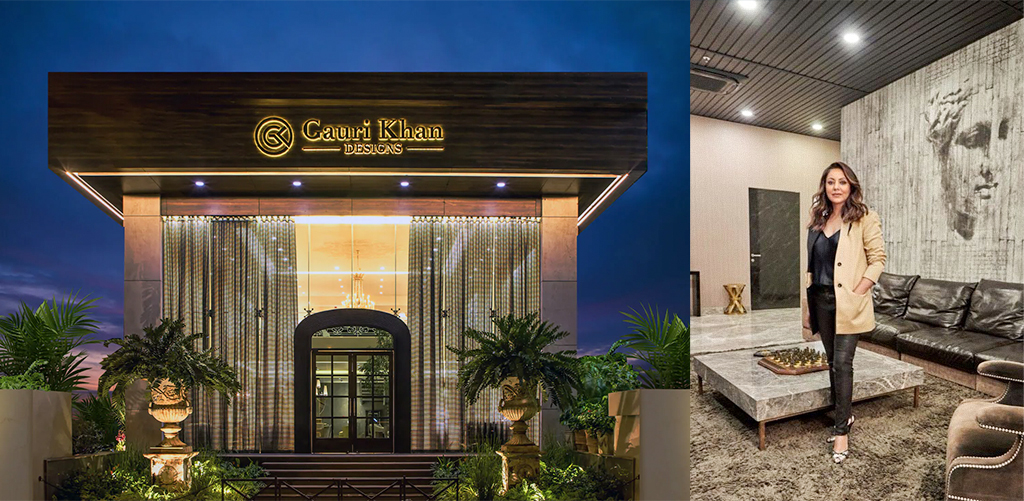
Her Studio: Gauri Khan Designs is a full-blown interior brand now — showing how celebrity style can become serious business.

As a student, it’s key to understand that luxury should never feel cold. At JD Institute, Interior Design students are taught how to blend personal stories with design — so every space feels both high-end and heartfelt.

Twinkle Khanna: Style That’s Smart and Sassy

Tip to steal: Make your design functional and fun.

Twinkle Khanna’s interiors are the perfect mix of wit and warmth. She often includes vintage pieces, book-filled nooks, and pops of colour. Her style is never boring — and always tells a story.
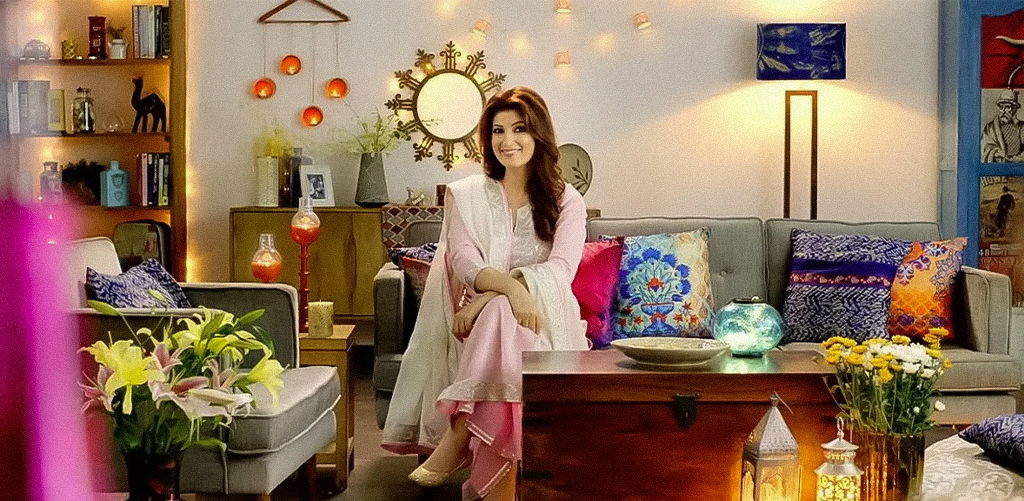
Her Label: The White Window is a top design store that reflects her unique personality.

Design students can learn a lot from her — especially how to turn practical spaces into personality-packed ones. With JD Institute’s creative modules, students get to practice this balance — from sketching layouts to setting up actual interior spaces.

Suzanne Khan: Let the Natural Beauty Speak

Tip to steal: Use earthy tones, raw textures, and clean design. Suzanne is all about calm, grounded interiors. Think stone walls, wooden furniture, soft lighting, and open layouts. Her spaces feel peaceful — without being plain.
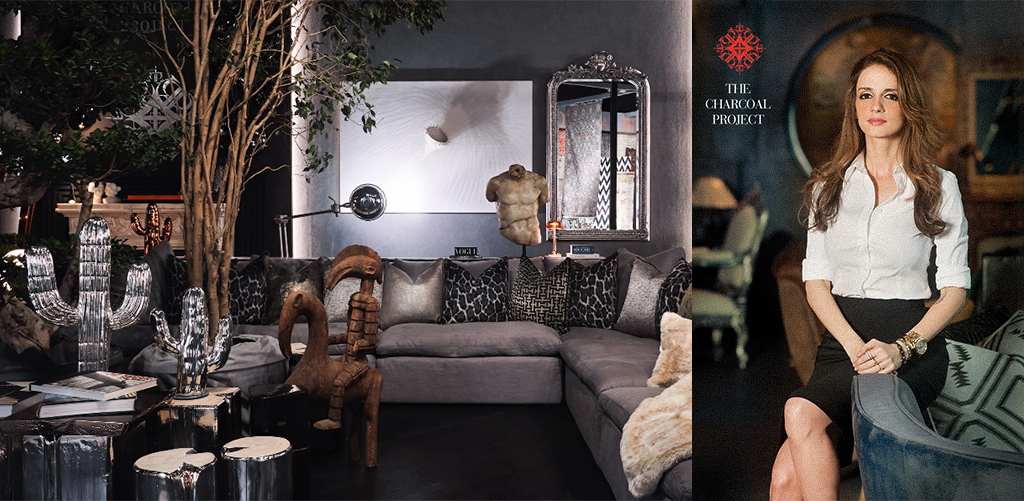
Her Brand: The Charcoal Project is known for creating interiors that are modern yet mindful. 

Learning how to work with natural materials, tones, and textures is a must-have skill for interior students today along with understanding how stone feels against metal or how muted tones pair with ambient lighting is essential too. 

Rhea Kapoor: Be Bold and Break the Rules

Tip to learn: Don’t be afraid to mix it up.

Rhea Kapoor’s style is bold, colourful, and totally unique. She combines vintage items with modern designs and isn’t afraid to play with deep colours and unusual layouts. Her interiors, like her fashion choices, are all about confidence and creativity.
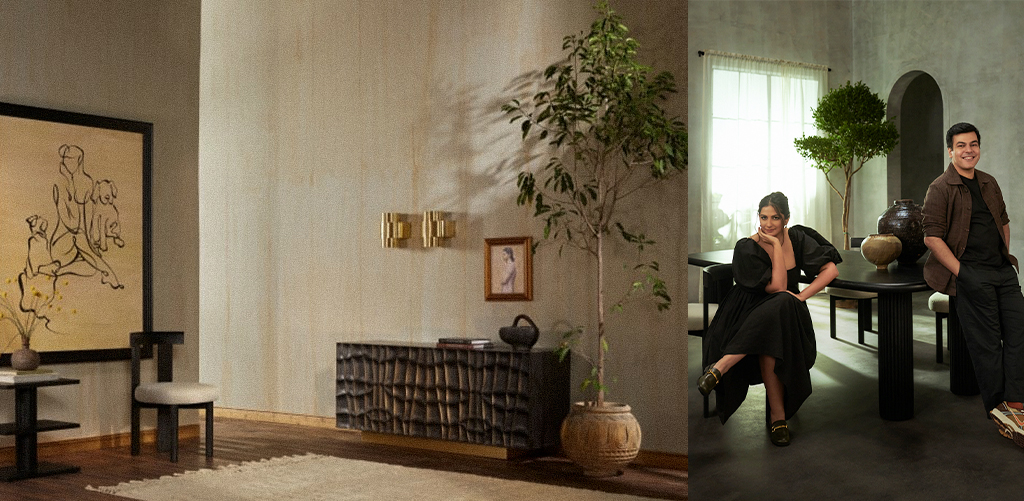
Business Spotlight: Rhea Kapoor Productions – Even her film sets and homes reflect her bold design sense.

What does this mean for future Interior Designers? It’s okay to take risks! JD Institute encourages students to try new ideas, mix styles, and create something fresh. You’ll learn how to take bold concepts and make them work — just like Rhea does.

Ready to Design Your Own Story?

Maybe you like Gauri’s luxury look, Twinkle’s fun twist, Sussanne’s peaceful style, or Rhea’s fearless choices. Whatever your vibe is, you’ll find your design voice — and sharpen it — at JD Institute. Because the future doesn’t need more boring homes. It needs spaces that tell a story.
Start yours. Learn from the stars. Create like a pro.
The Airport Visual Merchandising Trend Students Can’t Afford to Ignore

Tuesday, May 20th, 2025

“Ever grabbed a luxury bag just before boarding your flight?”

It may sound wild, but it’s happening all the time now. Airports are no longer just places where you wait to fly — they’ve become shopping destinations, especially for people who love fashion and luxury.

In fact, airport retail is one of the fastest-growing shopping experiences today. And guess what’s making it look so cool? High-end visual merchandising. Yup — beautiful, eye-catching displays that are turning airport shops into mini designer museums.

If you’re thinking of studying Visual Merchandising at JD Institute, this is a trend you should be paying attention to — and here’s why.

Luxury Takes Off: LVMH at Changi Airport

Singapore’s Changi Airport isn’t just known for being super clean and techy — it’s also one of the best places to shop.

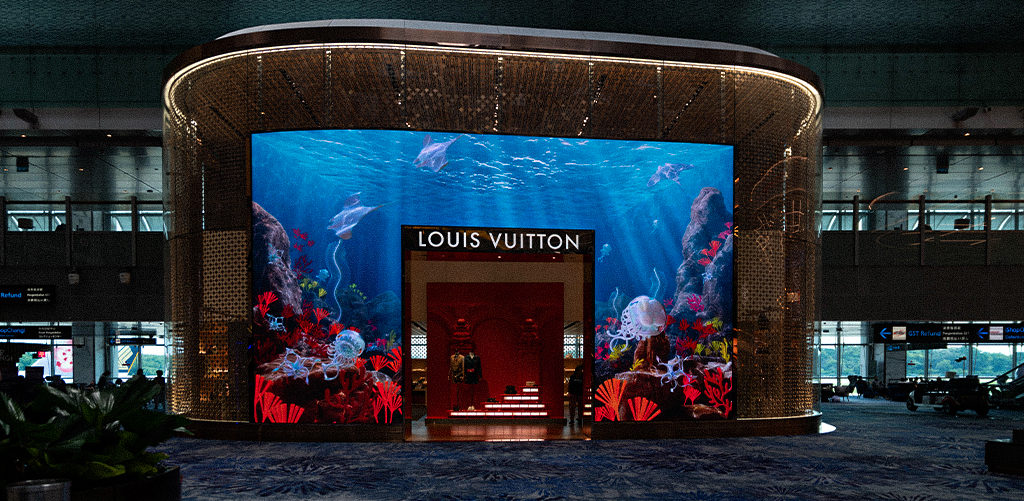
LVMH (the brand behind Louis Vuitton, Dior, and more) opened a pop-up at Changi that didn’t just look good — it felt like an experience. Giant perfume bottles, glowing lights, and screens that moved when you walked past. It wasn’t just a store — it was like a luxury playground. That’s the power of visual merchandising today: it’s not just about selling, it’s about wowing.

Beauty and Tech: Estee Lauder at Heathrow Airport

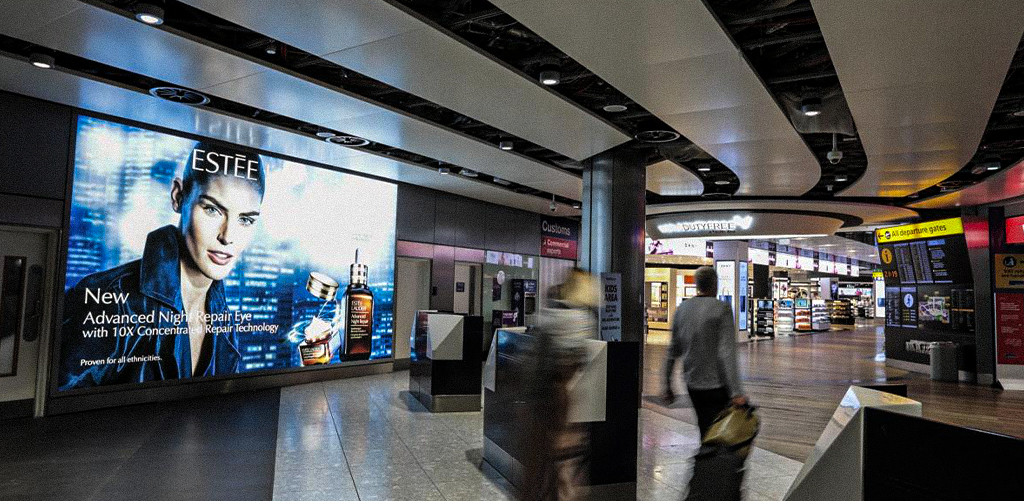
At Heathrow Airport in London, Estee Lauder introduced a smart beauty wall that scans your face and suggests makeup that suits you. Crazy, right?

The lighting, digital screens, and clean design made people stop, look, and try — even if they were rushing to board a flight. It’s a perfect example of how travel retail trends are now mixing tech with design to pull in customers.

That’s why, in the Visual Merchandising course at JD Institute, students don’t just learn how to decorate — they learn how to create interactive, eye-catching setups for modern spaces like airports.

The Fashion Walk: Gucci at Hamad Airport, Doha

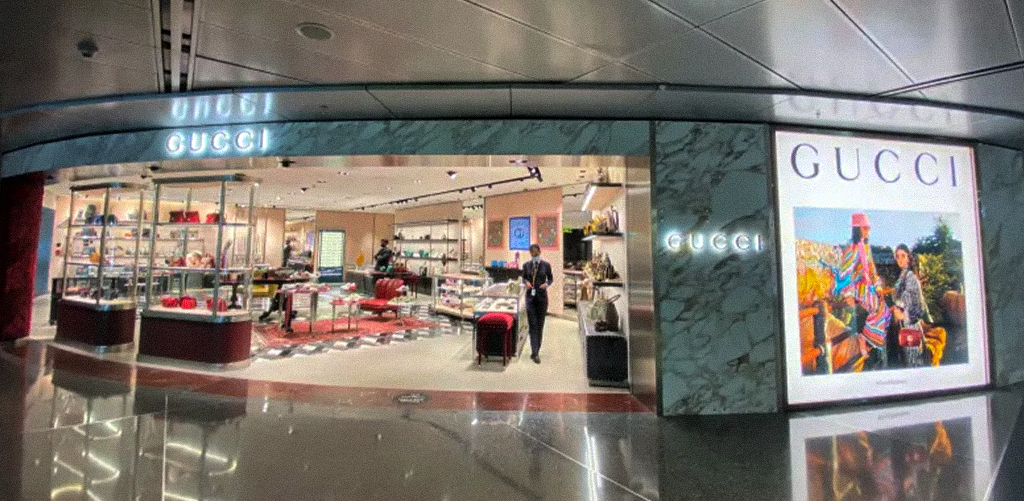
Gucci went all out at Doha’s Hamad International Airport. Their store looks like a fashion museum — with digital artwork, theme-based zones, and lights that change with your movement.

You may not even buy anything — but you’ll definitely remember it. That’s the magic of good visual merchandising. You make people feel something, even if it’s just for a few seconds.

As a designer, learning how to create such unforgettable moments is super important.

Art Meets Accessories: Hermes at JFK Airport, New York

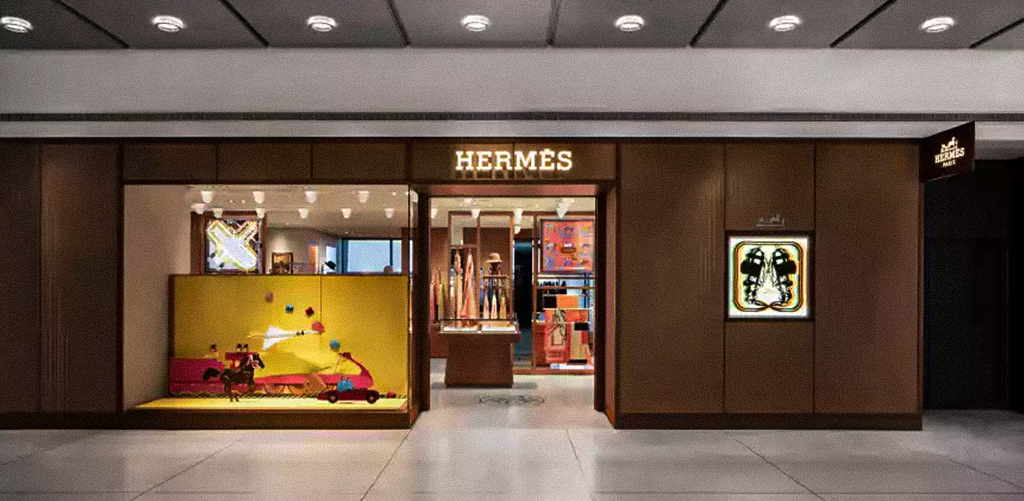
Hermes is famous for its scarves and leather goods — but at JFK Airport in New York, it gave travelers something more: an art experience.

Their store had color-themed rooms, soft spotlighting, and mini storytelling corners. It wasn’t loud or flashy — it was calm and classy. The kind of display that makes people slow down and notice.

This kind of smart, simple design is exactly what you’ll get to explore if you study visual merchandising professionally.

The Digital Jungle: Dior at Incheon Airport, Seoul

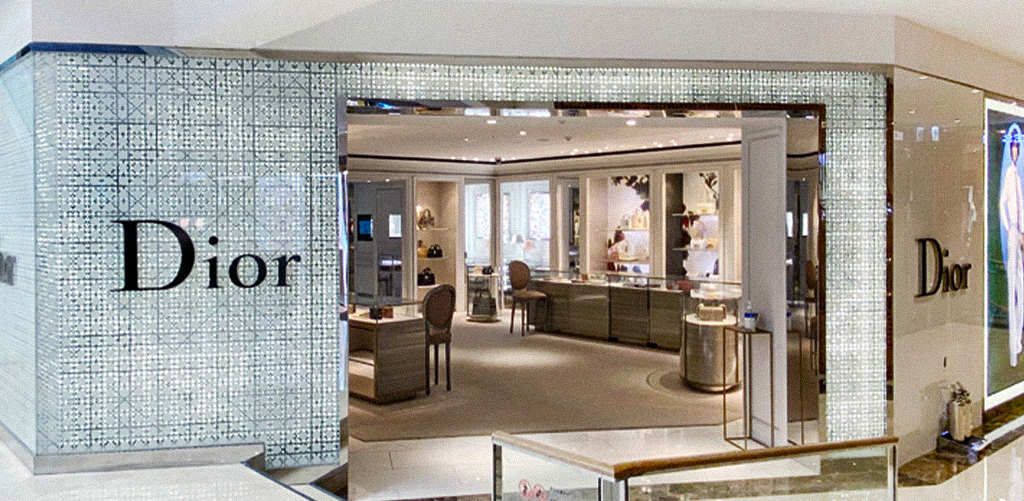
Dior created a jungle-themed installation at Seoul’s Incheon Airport with digital animals moving across walls, and sounds of nature playing softly in the background. Shoppers felt like they were in a designer rainforest!

It was bold, creative, and totally unforgettable — all done in a busy airport. That’s the next-level luxury display strategy right there.

And for students learning visual merchandising, this teaches an important lesson: Creativity doesn’t need a big store — it needs a big idea.

Last Call to Take Off in Style

So, if you dream of creating window displays, fashion pop-ups, or even full-blown brand experiences, remember — airports are the new runway. And visual merchandising is the skill that helps you shine.

Want to learn how to design like this? Want to create spaces that make people feel something, even when they’re on the go? Then maybe it’s time to pack your ideas and take off with JD Institute’s Visual Merchandising course — where your creativity gets a passport to go global.

What Top Fashion Brands Really Want to See in Your Portfolio

Monday, May 19th, 2025

“If your portfolio were on Instagram, would a fashion brand hit ‘follow’?”
Let’s face it — the fashion world is full of talent. But only a few portfolios actually catch the eye of big brands. So what makes those portfolios special?

Here’s the truth: It’s not just about sketches or sewing. Fashion brands today want to see how you think, create, and solve design problems.

That’s why students at JD Institute’s Fashion Design course don’t just learn to draw outfits—they’re trained to tell a story through design. And that’s exactly what brands look for in a portfolio.
Let’s break down what really matters in a fashion portfolio and how you can build one that speaks for you.
Show Who You Are, Not Who You Copy

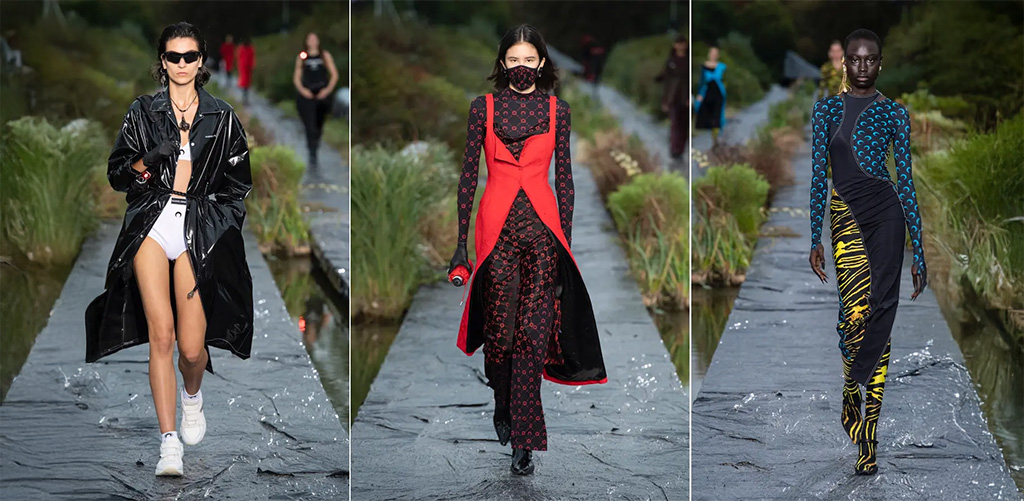
Example: Marine Serre
This brand got noticed by being different—mixing futuristic styles with old clothes. Her designs weren’t copies of others. They were fresh and bold.

Your portfolio should show your voice. What makes your ideas different? What inspires you? Don’t just fill it with classwork. Include your personal experiments, photos of things that excite you, or even sketches inspired by your surroundings. Originality is what helps brands remember you.

Show How You Think, Not Just What You Made

Example: BODE (by Emily Bode)
Her designs aren’t just clothes—they’re stories. Her portfolio included sketches, research, fabric ideas, and notes on why each piece was made.

Fashion houses love this! They want to see how your ideas grow from a rough sketch to a final outfit. Include mood boards, sample fabric swatches, and design steps.

At JD Institute, Fashion Design students learn how to present this creative process clearly so their portfolios feel like a design journey, not just a photo album.

Be Flexible, But Keep Your Style

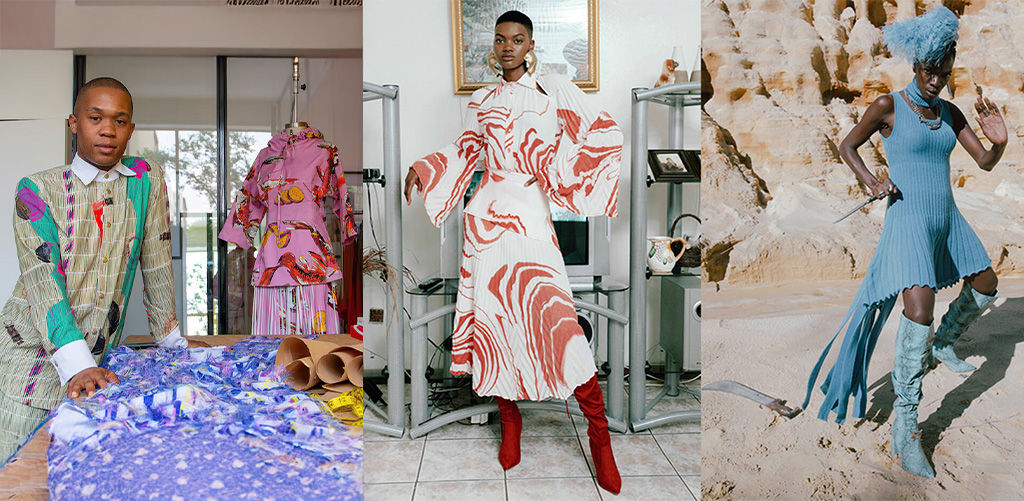
Example: Thebe Magugu
He showed everything—from high-end fashion to casual wear—and still kept his unique style. That kind of range gets noticed.

In your portfolio, show that you can work with different types of clothing—streetwear, bridal, menswear, or even costumes—while keeping your creative touch.

Versatility tells brands you’re ready for anything the fashion world throws at you.

Add a Bit of Tech to the Mix

Example: Auroboros
This brand makes digital-only fashion for the metaverse! Their designs don’t even exist in real life—and yet they’ve gone viral.

Tech is becoming a big part of fashion. If you know even a little bit of 3D design tools, digital sketching apps, or how to make a virtual collection, you’re already ahead of many others.

JD Institute teaches their Fashion Design students to explore fashion-tech tools, so they’re ready to design for both the real and virtual worlds.

Use Culture as a Superpower

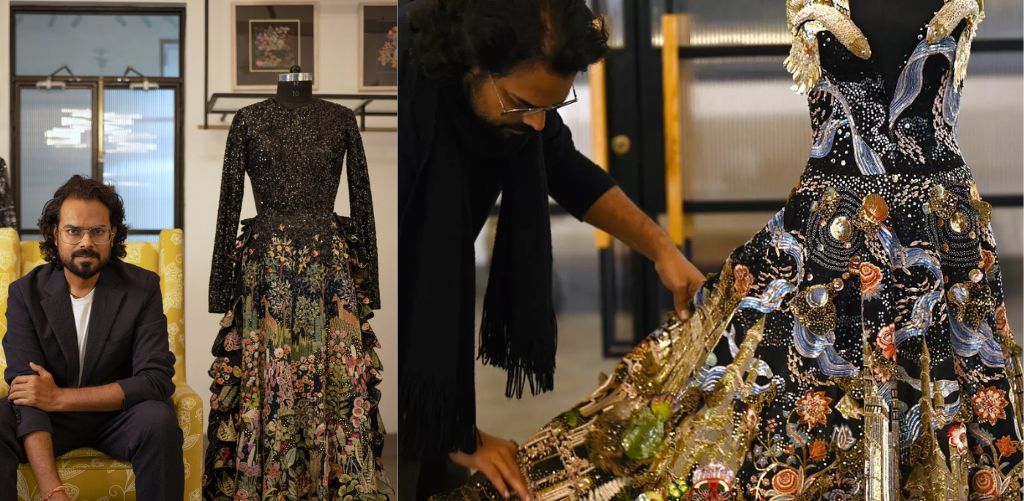
Example: Rahul Mishra
His clothes mix Indian stories with modern cuts. His portfolio showed deep respect for culture, and brands loved it.

Think about your roots—your city, festivals, daily life, or even old family clothes. These are gold for inspiration. Brands love designers who bring real, local stories to the global stage.

Don’t be afraid to include this in your portfolio. It shows confidence and deep thinking.

Your Portfolio Is Your Fashion Passport—Make It Count

So here’s the real talk: Fashion is fun, but it’s also serious business. If you want your designs to be noticed by big names, you need more than talent—you need the right tools, the right mindset, and the right guidance.

Your portfolio is your way in. It’s your chance to say, “Here I am, and here’s what I can do.”

And if you’re looking for a place that helps you shape that kind of future, JD Institute might just be your best starting point. Your style speaks louder when your portfolio is built smarter.

Are you ready to be seen?

Every Future Designer Should Know This About User Behavior

Saturday, May 17th, 2025

“You didn’t plan to spend 45 minutes scrolling Instagram. Yet, here you are.”

Ever wondered why you clicked “Add to Cart” when you only came to browse? Or why Netflix starts the next episode before you decide? These aren’t coincidences — they are smart, subtle strategies built using Nudge Theory in behavioral design. Let’s decode how your daily interfaces are silently shaping your decisions — and why understanding this design power is a must for today’s creators.

Nudge Theory: The Brain Hack Behind Good Design

Nudge Theory was first introduced by Richard Thaler and Cass Sunstein. It’s the idea that small design cues can steer people’s decisions without limiting their freedom. In design, it’s all about guiding behavior without you even realizing it.

Take Google Maps for example. Ever noticed how it gives you the “fastest” or “eco-friendly” route by default? That’s a nudge. You’re still free to choose a longer route, but you rarely do.

At JD Institute, students of Communication, Fashion, and Interior Design are trained not just to create visuals, but to understand why people behave the way they do — because real design isn’t just about how it looks, but about how it works.

Swipe Right or Left? That’s Behavioral Design Talking

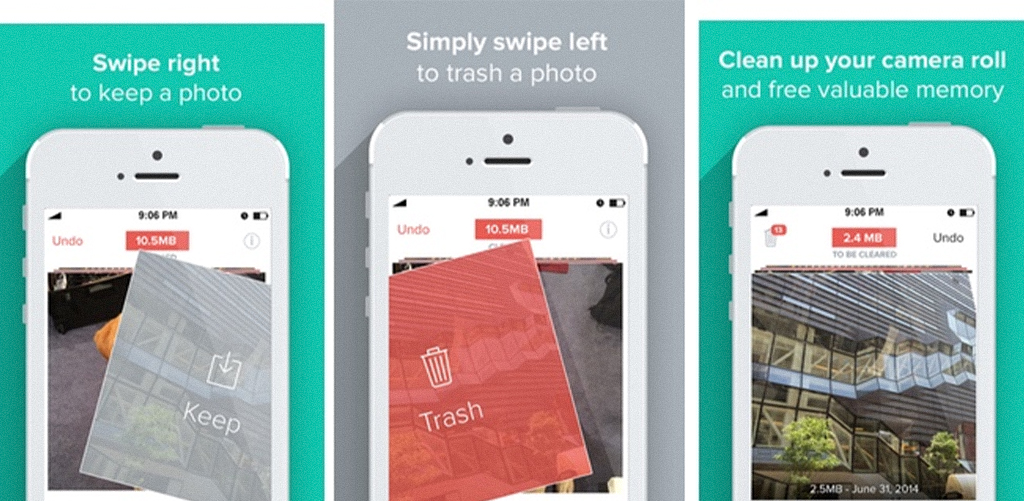
Let’s talk about Flic. Its iconic left-swipe/right-swipe motion is a classic case of nudging. It reduces the number of photos on your iPhone by using swipes similar to those on Tinder. Simple, intuitive, addictive. It mimics natural gestures and bypasses the need for instruction. That’s behavioral design mastery.

Similarly, interior designers from JD Institute learn how to influence emotions and movement through lighting, furniture placement, and colors — nudging people toward comfort, openness, or even productivity, depending on the space’s purpose.

The Power of Defaults: How Choices Are Already Made for You

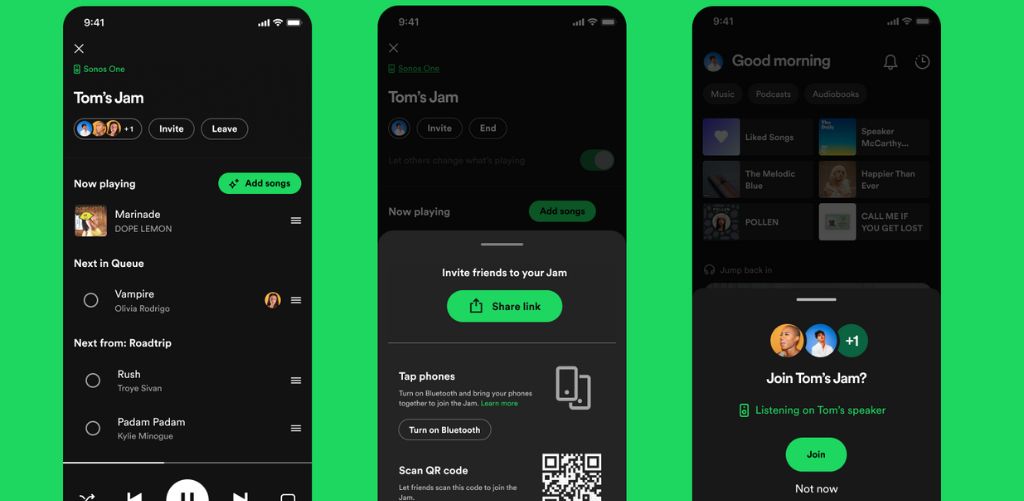
When you sign up for apps like Spotify or Apple Music, some options are already pre-selected for you — newsletters, notifications, data-sharing. That’s called the default effect — and it works because most users don’t change pre-set options.

Designers at JD Institute are taught to use such behavioral cues ethically — when working on UI/UX projects or digital fashion experiences — to guide users in meaningful ways without manipulation.

Progress Bars: Motivation You Didn’t Know You Needed

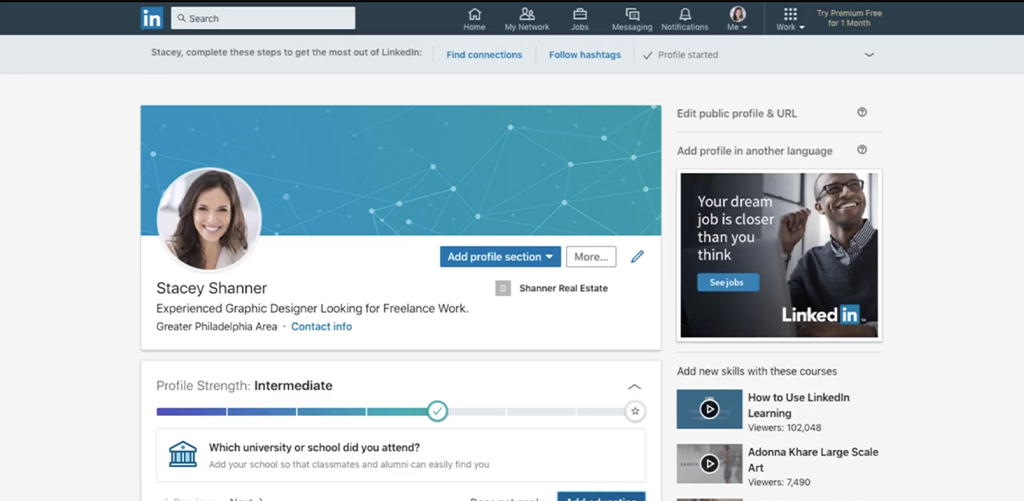
You’ve seen it on LinkedIn — “Your profile is 75% complete.” or “Profile Strength- Intermediate”. That little bar pushes you to fill in just a few more details. Why? Because we hate unfinished business. That’s the goal gradient effect at work.

JD’s Design curriculum encourages students to think in these micro-moments. Whether it’s a fashion portfolio or any communication interface, students are trained to build experiences that motivate people with design, not just inform them.

How Uber Makes Waiting Feel Less Annoying

When you book an Uber, you see the car approaching in real-time. That’s not just for information — it’s to reduce your anxiety. Behavioral science shows that uncertain waits feel longer than known waits. So Uber’s animation? It’s a behavioral nudge.

Interior design students at JD Institute apply similar techniques in physical environments — from reception layouts to retail zones — making spaces feel more transparent, inviting, and human-friendly.

Ready to Nudge the Future?

Next time you tap a button, scroll a feed, or enter a store — remember, you’re being nudged. Smart design is everywhere, steering choices silently. Now imagine being the one who creates these nudges. Exciting, right? If you dream of designing beyond the obvious — whether through fashion runways, immersive interiors, or smart digital worlds — it’s time to learn where design meets psychology. It’s time to learn at JD Institute. Your journey to becoming a game-changing creator starts here.

The Business of Modest Fashion: A Hidden Opportunity for Fashion Entrepreneurs

Friday, May 16th, 2025

“What if modesty wasn’t about hiding — but about owning the spotlight, differently?”

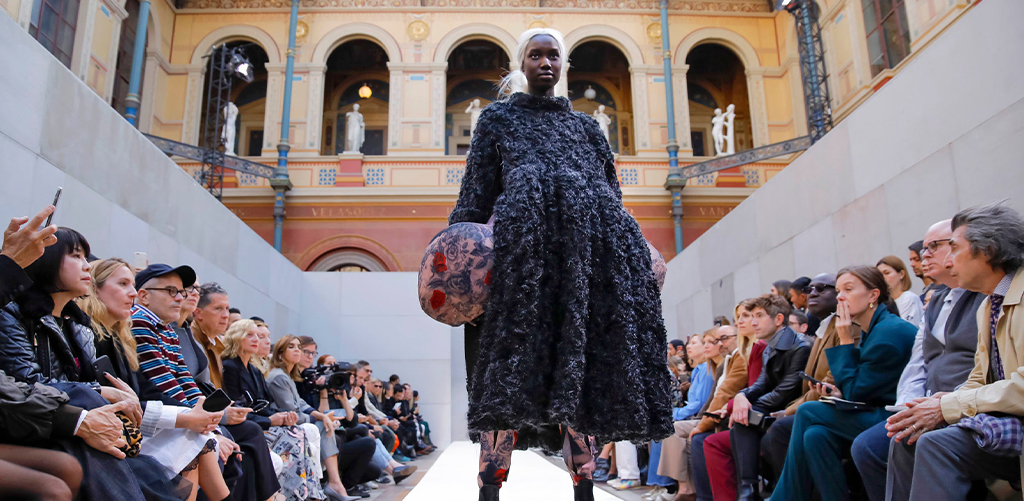
Think about it. In a world obsessed with bold cuts and revealing trends, it’s the covered-up clothing lines that are making serious noise (and money) on the global stage. From Milan to Mumbai, modest fashion is not just a personal choice anymore — it’s a powerful global business.

And if you’re a fashion business student or an aspiring entrepreneur wondering why this matters to you, you’re already one step behind. But don’t worry — we’re about to fix that.

At JD Institute’s Fashion Business Management course, this is exactly the kind of industry shift students dive deep into — learning how cultural sensitivity and trend forecasting are becoming the real MVPs in the fashion biz.

Let’s unwrap the modest fashion wave and why it’s thriving — globally.

When Dolce & Gabbana Went Abaya-Chic

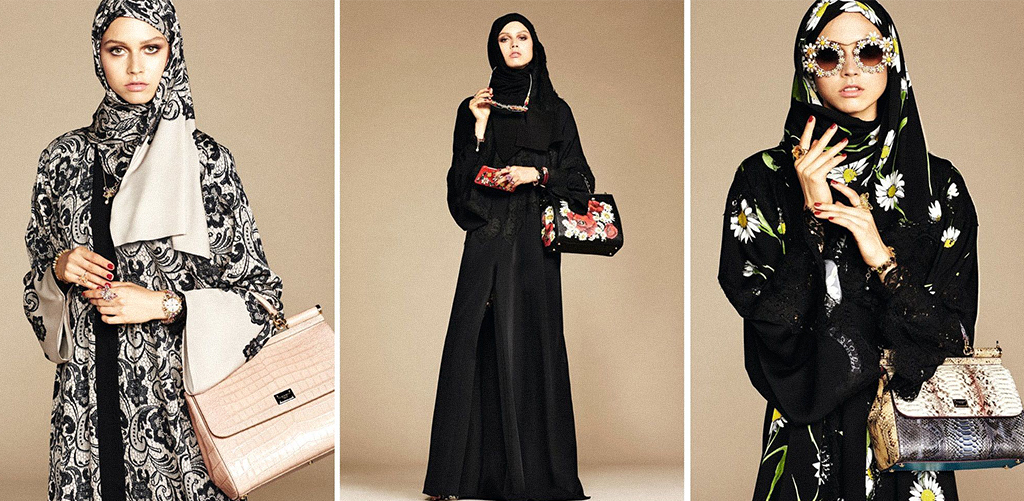
Back in 2016, Dolce & Gabbana launched a luxe collection of abayas and hijabs — and shook the entire fashion industry. This wasn’t just a campaign; it was a statement.

Luxury brands entering modest fashion showed the world that modest wear is not a “niche” — it’s a massive global market that deserves glam, glitz, and Gucci-level attention.

And guess what? The move paid off. According to the Global Islamic Economy Report, Muslim consumer spending on fashion is expected to reach $311 billion by 2025. That’s a lot of zeros.

Nike Put the Hijab on the Track — And It Sold Out

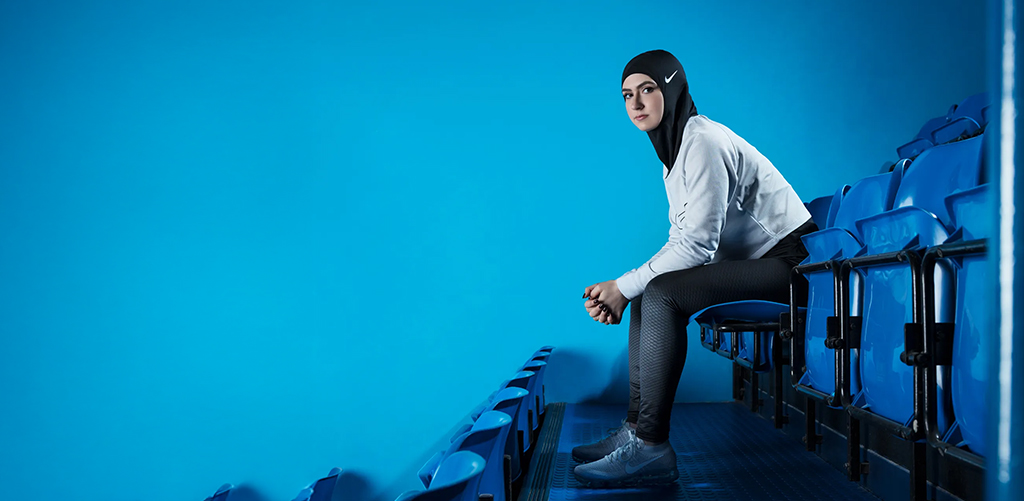
When Nike dropped the Pro Hijab, it wasn’t just about creating sportswear for Muslim women — it was a masterclass in inclusive design.

By working with real athletes like Zahra Lari, Nike proved that modest fashion isn’t restrictive; it’s empowering. More importantly, they tapped into a whole new customer base that had long been underserved in activewear.

This is where the smart fashion business student asks: What unmet needs are still out there?
That’s also something covered in the module of JD Institute’s Fashion Business Management course.

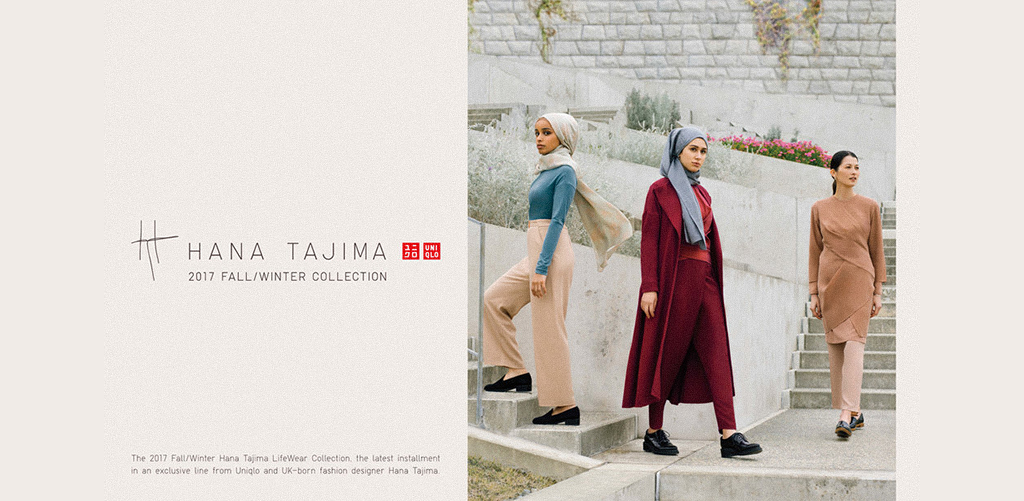
Uniqlo x Hana Tajima

Minimal, affordable, stylish — Uniqlo nailed it with their modest wear collections in collaboration with UK-based designer Hana Tajima.

It wasn’t just a Muslim fashion win; it became a fashion-for-everyone moment. Long tunics, loose trousers, and elegant layering made the line globally appealing, regardless of religious background.

Lesson? Modest fashion isn’t a religious label — it’s a style category, and a booming one at that.

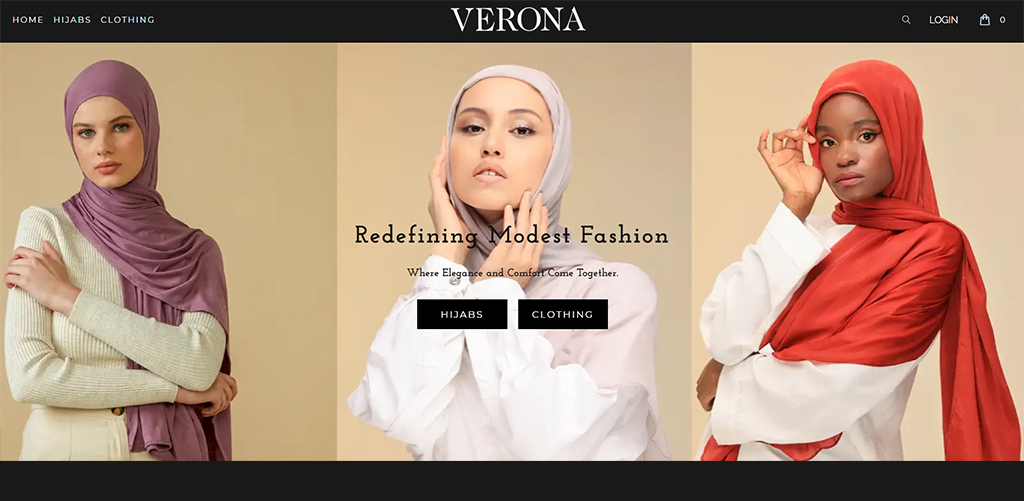
Verona Collection: A Startup That Went From Garage to Global

It’s not every day that a modestwear brand makes it to Macy’s — but that’s exactly what Verona Collection did. Founded by fashion photographer and Muslim revert Lisa Vogl, the brand launched with a mission to bring chic, modest, and affordable clothing to women who were tired of layering or compromising style for values.

In 2018, Verona made headlines by becoming the first modest fashion brand to be sold at Macy’s, showing the world that modestwear inclusive fashion can be both profitable and powerful. It’s a perfect case study of how understanding culture + creating community = business gold.

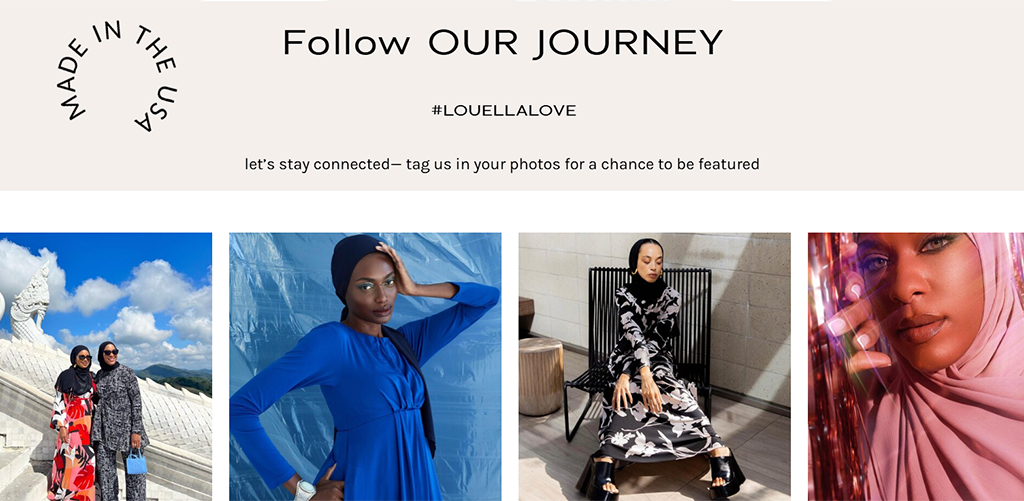
Louella: The Modest Brand Backed by Celebrities

Another brand redefining the modestwear narrative is Louella, also co-founded by Lisa Vogl after her exit from Verona. Unlike typical modest brands that rely on layering to cover up, Louella’s approach is refreshingly simple: “Ready-to-wear, not ready-to-layer.” That line says it all.

With collections that are fully lined, fashion-forward, and made in the USA, Louella speaks directly to the everyday woman who wants coverage and confidence without sacrificing aesthetics. It’s not just about the clothes — it’s about building community, promoting body positivity, and bringing modesty into mainstream conversations.

Ready to Join Fashion’s Smartest Shift?

The business of modest fashion proves one thing loud and clear: The future of Fashion Business isn’t just about showing more. It’s about knowing more — about your customer, your culture, and your purpose.

If you’re serious about creating fashion that matters (and sells), you need more than design skills — you need real market smarts. Time to stop scrolling and start studying — because at JD Institute, the next big modest wear mogul could be you.

Why Every Fashion Styling Student Should Know About Chaos Styling

Thursday, May 15th, 2025

Ever thrown five outfits on your bed and thought, “This is a mess”?
Well, guess what? That “mess” could be your most creative styling idea yet. These days, fashion is not always about clean lines or matching colours. It’s about layering, mixing, and breaking the old fashion rules. This new trend is called chaos fashion styling, and it’s taking over runways, red carpets, and social media. In fact, this is exactly why chaos fashion styling is the new mood board.

If you dream of becoming a fashion stylist, this is something you must understand — not just for your own style, but to build a career that’s ready for the future. And if you’re serious about learning the right way, the Fashion Styling course by JD Institute helps you go deep into such new-age styling ideas.

What is Chaos Styling? And Why is It So Cool Now?

Chaos styling is all about mixing things that shouldn’t go together — and making them work. Think of wearing denim over denim, sneakers with sarees, or layering two different jackets. Sounds wild, right? But that’s exactly the point. It grabs attention, tells a story, and expresses who you are without saying a word.

Big designers like Balenciaga and Marc Jacobs have shown chaos styling on international runways. They don’t care about matching. They care about impact. And the impact comes from experimenting.

The Rise of “Unpretty” Aesthetics

From mismatched socks to intentionally clashing prints, the fashion world is falling in love with the ugly-pretty aesthetic. The idea is simple: break the visual rules. Designers like Balenciaga have built entire collections around silhouettes that look ‘wrong’ — oversized shoulders, inside-out shirts, dad shoes — all chaos, all style.

Startups like The RealReal and Depop are making it cool to mix eras and aesthetics — vintage jeans with futuristic jackets, ‘90s florals with ‘70s blazers. This kind of styling doesn’t come from a linear mood board — it comes from chaos. A well-trained stylist today must be able to dig into the madness and find meaning.

Layering Without Logic: Comme des Garçons & Vêtements

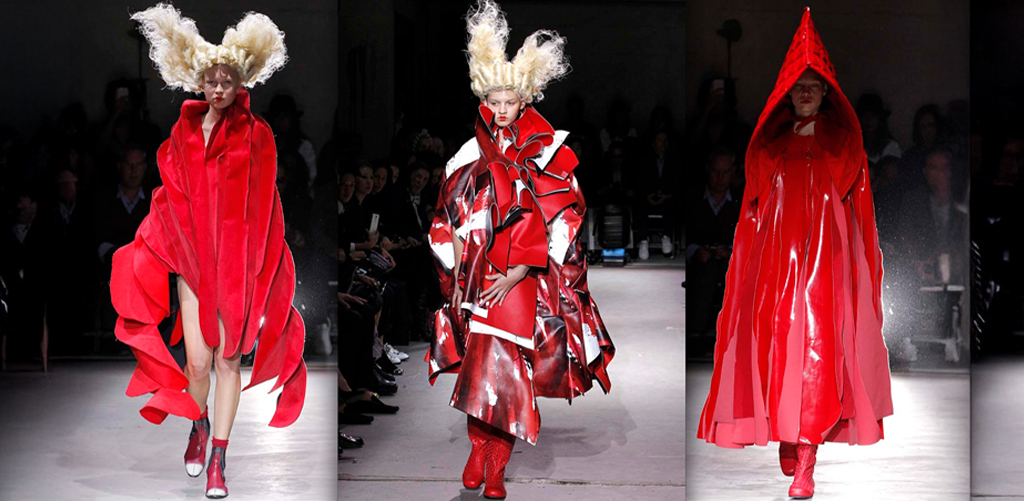
Remember the days when layering had to make sense? Well, those days are gone. Comme des Garçons revolutionized layering by making it an art of imbalance. Think tulle over suits, shirts over skirts, blazers that don’t quite sit right. It’s the kind of fashion that tells a story — and no, it’s not a fairytale. It’s raw, confusing, but strangely satisfying.

Chaos fashion styling teaches students how to layer beyond logic — pairing fabrics, patterns, and cuts that defy convention. That’s exactly what the industry needs — stylists who can turn a visual mess into a masterpiece. Through structured learning (and unstructured styling), students in the JD Institute’s Fashion Styling course learn how to translate these trends into practical, wearable looks.

The Rise of Mixed-Era Aesthetic

Scroll through TikTok or Instagram and you’ll see Gen Z rocking 2000s butterfly clips with 1950s swing skirts. The rise of platforms like Collina Strada and No Sesso showcases how today’s fashion isn’t about sticking to one vibe — it’s about blending everything that shouldn’t go together and making it work.

This is where chaos becomes the new compass. Aspiring stylists must learn how to work with no fixed palette, no time-bound trend, and no singular theme. Its fashion meets collage art — and it’s thrilling.

When Fashion Meets Memes and Mashups

Fashion isn’t just walking the runway anymore — it’s dancing on TikTok, starring in reels, and turning into viral content. Fashion Nova and Heaven by Marc Jacobs have mastered the art of meme-worthy fashion — mixing high and low, retro and futuristic, silly and serious. The result? Chaos styling that connects with the audience in seconds.

This blend of absurdity and intention is something stylists need to understand deeply. Because if you can style an outfit that sparks a meme and sells a mood — you’re not just styling, you’re storytelling.

Why Stylists Must Learn to Work with Chaos

Stylists today don’t just “put looks together.” They create looks that speak — about moods, movements, culture, and personality.

Learning chaos fashion styling helps you:

  • Think out of the box
  • Understand how to create “planned mess”
  • Break old-school styling rules smartly
  • Stay ahead of fashion trends

The JD Institute’s Fashion Styling course focuses on helping you think beyond clean styling. It teaches how to tell stories through clothes — even if the story is a little messy!

Why Met Gala Reigns Despite Controlled Digital Coverage? 5 Smart Lessons for Future Event Planners

Thursday, May 15th, 2025

While most events need lights, cameras, and live streaming to go viral, the Met Gala skips all of that—and still becomes the most talked-about event around the world.

So what makes it so special? And more importantly—what can you learn from it if you want to become a global event manager someday?

If you’ve ever dreamed of planning big events, working with celebrities, or building something unforgettable, you need to study events like the Met Gala closely. These are the kinds of real-world insights taught in the Global Event Management course at JD Institute, where students learn how to turn creative ideas into powerful, buzz-worthy experiences.

Let’s break down how the Met Gala does it—and how you can too.

Exclusivity: When Saying “No” Brings More Attention

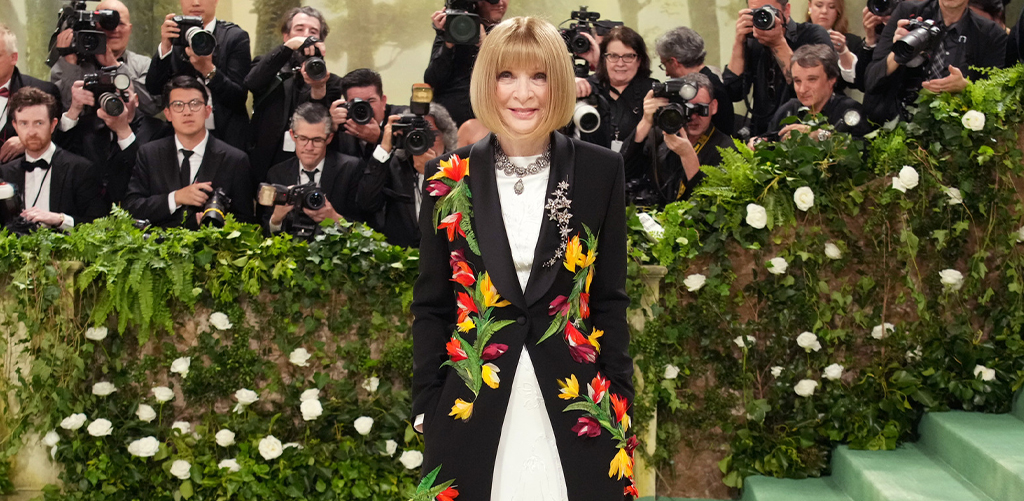
Only around 400 people get to attend the Met Gala each year. No random invites. No public access. It’s by-invitation-only—and the guest list is handled by the top boss of fashion herself, Anna Wintour. And guess what? That’s what makes it exciting. When something is hard to get into, people want it even more. The world watches, waits, and guesses who will show up and what they’ll wear.

Lesson for you: Sometimes, less access makes an event more valuable. If you want to plan high-level events, think about how you can create that sense of exclusivity—even on a small scale.

Strong Theme = Strong Identity

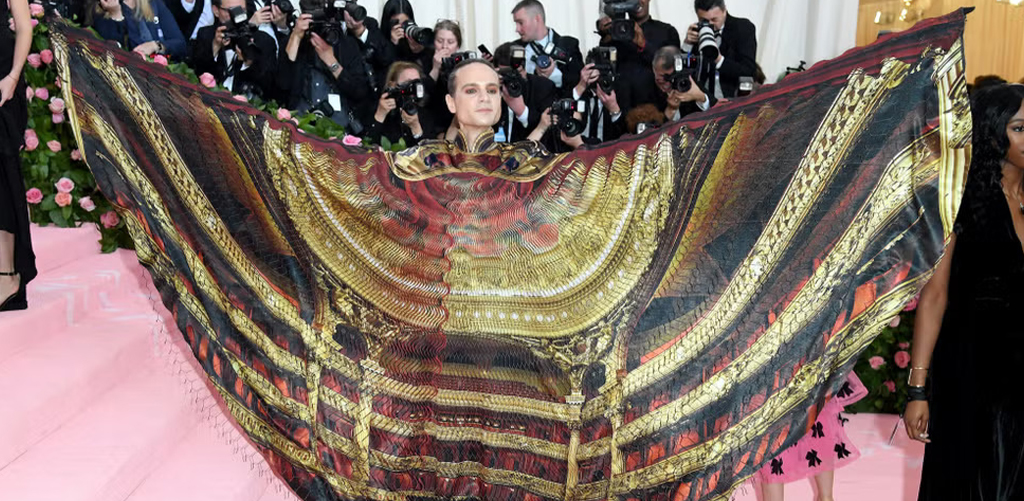
Each Met Gala has a theme that guides what people wear and how the event looks. But these aren’t boring themes like “black tie” or “summer vibes.” These are bold, creative, and sometimes a bit wild. Themes like “Heavenly Bodies” or “Camp: Notes on Fashion” make the event feel fresh and push fashion to new levels.

Lesson for you: A clear, creative theme makes an event feel unique. It gives people a direction and a way to express themselves. The Global Event Management course at JD Institute helps students understand how to build strong concepts that turn a regular event into something unforgettable.

Influencers Are the New Billboards

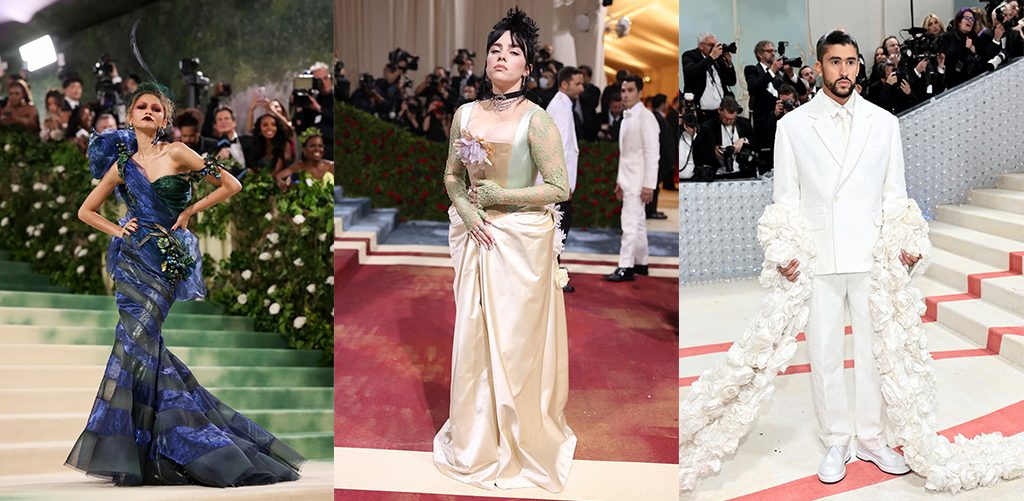
When someone like Zendaya, Billie Eilish, or Bad Bunny walks the Met Gala red carpet, their photos go viral in minutes. Even though there’s no official live coverage, the internet explodes with videos, memes, and outfit reviews.

These stars are more than guests—they’re walking marketing machines. Just by attending, they make the event famous.

Lesson for you: Learn to choose the right faces for your event. Influencers and creators can help spread your message faster than any ad. Smart guest selection = strong publicity.

Smart Sponsors, Silent Branding

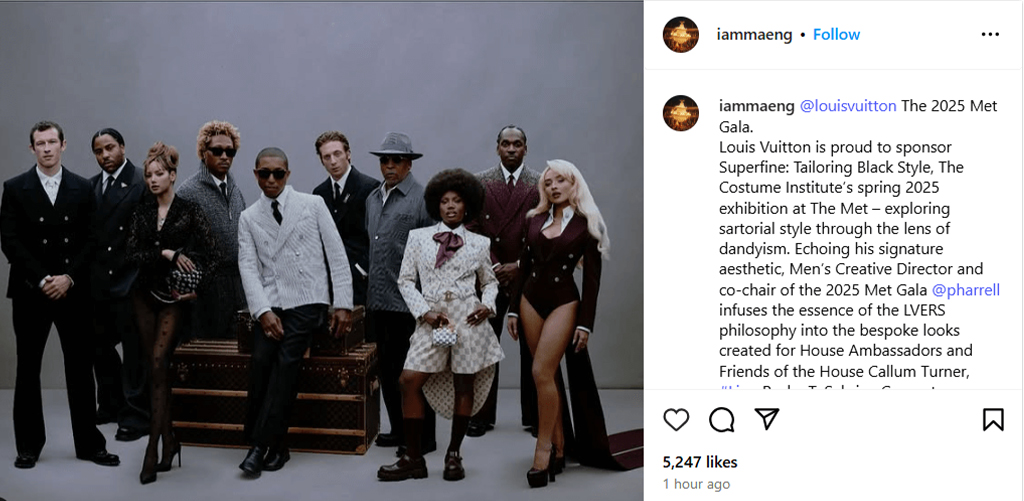
You won’t see big logos or banners at the Met Gala. But make no mistake—brands are deeply involved. Designers sponsor celebrity looks. Tech platforms like Instagram help create buzz. But it’s all done in a way that matches the event’s classy style.

Lesson for you: You don’t always need flashy branding to attract sponsors. Sometimes, blending in smartly works better than standing out loudly. That’s one of the many insights students pick up mid-way through the JD Institute’s Global Event Management course.

Mystery & Controlled Media: When Less Access Means More Buzz

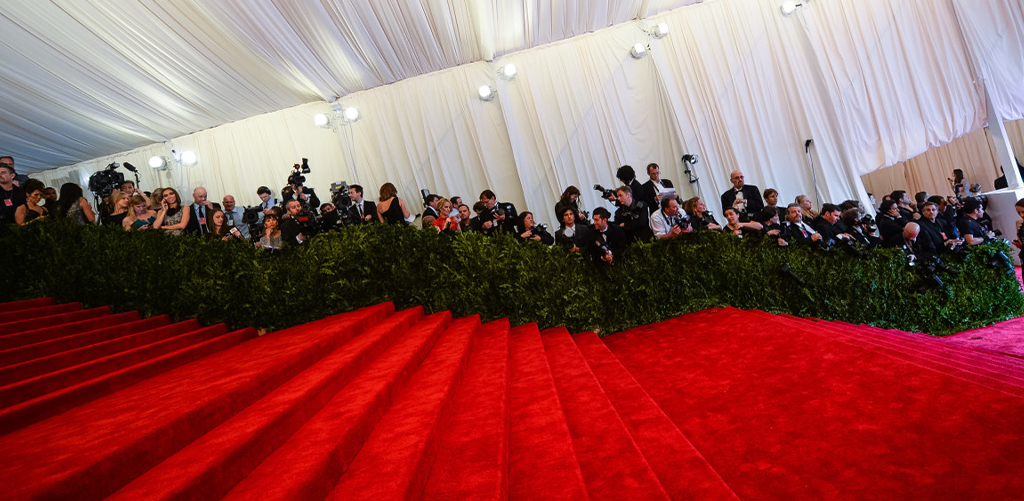
The Met Gala is the ultimate example of controlled chaos. Media outlets are given limited access. There’s no fully but very limited live red carpet broadcast, no backstage interviews, and no official feed from inside the event. Just a few approved images and the guests’ own social media snippets.

This scarcity of content sparks more intrigue. Every photo feels like a treasure. Every guest Instagram story becomes a major reveal. It’s a perfect lesson in curated storytelling—let people want more.

This strategy shows aspiring event planners that sometimes, withholding information is the smartest move—creating curiosity, boosting organic engagement, and maintaining a premium feel.

Lights, Camera, Insight

The Met Gala proves that in the right hands, an event becomes more than a moment—it becomes a movement. And if you’re ready to learn the art of that transformation, the Global Event Management course at JD Institute is your backstage pass to that future.

Because let’s be real—who wouldn’t want their event to trend without even going live?

Why Did That Ad Went Viral? Psychology Tips for Communication Designers

Wednesday, May 14th, 2025

Ever found yourself singing an ad jingle while doing the dishes?
Or randomly craving a burger just because you saw a bright red poster on the road? That’s not just coincidence — it’s smart design and psychology in action.

Ads that go viral aren’t lucky. They’re made to catch attention, trigger emotion, and stay in your head. That’s why if you’re planning to be a communication designer, you need to know how colors, visual cues, and fonts affect people’s minds. It’s not just about making things look good — it’s about making people feel something.

At JD Institute, the Communication Design course teaches these things from the ground up — so they can create designs that don’t just look great but also work.

First Impressions Happen Fast – Use Visual Cues Smartly

In advertising, first looks matter — a lot. Your brain reacts to images faster than it does to words. So if a design doesn’t catch someone’s eye in the first 3 seconds, they scroll past it.

Example: Spotify Wrapped.
Every year, people go crazy sharing their listening stats. Why? Because the bold colors, playful graphics, and moving visuals grab attention and feel personal.

As a communication designer, you need to learn how to use space, icons, contrast, and animations in a way that hooks viewers at first glance.

Color Isn’t Just Pretty – It Talks to the Brain

Ever wondered why food apps mostly use red or orange?
That’s because those colors make you feel hungry or excited. Blue, on the other hand, makes you feel calm and safe — that’s why banks and tech apps use it.

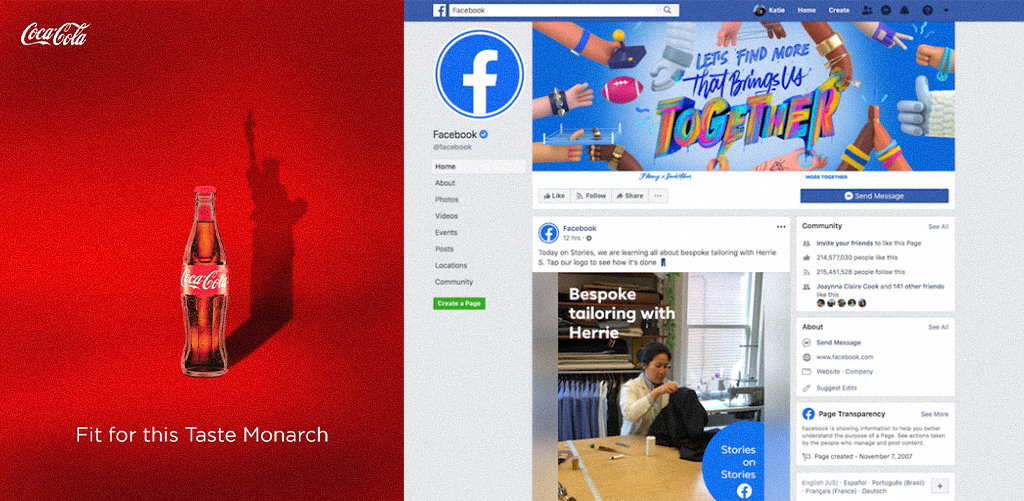
Example: Coca-Cola vs. Facebook.
Coca-Cola uses red to create excitement. Facebook sticks to blue for a feeling of trust. Both are simple choices — but backed by years of consumer psychology.

In the design world, picking the right color can change how a brand feels. That’s why JD Institute’s Communication Design course dive deep into color psychology — to learn how emotions and colors work together.

Fonts Are More Than Letters – They Set the Mood

Fonts can feel formal, fun, serious, or stylish — and people react to them emotionally, even without realizing it.

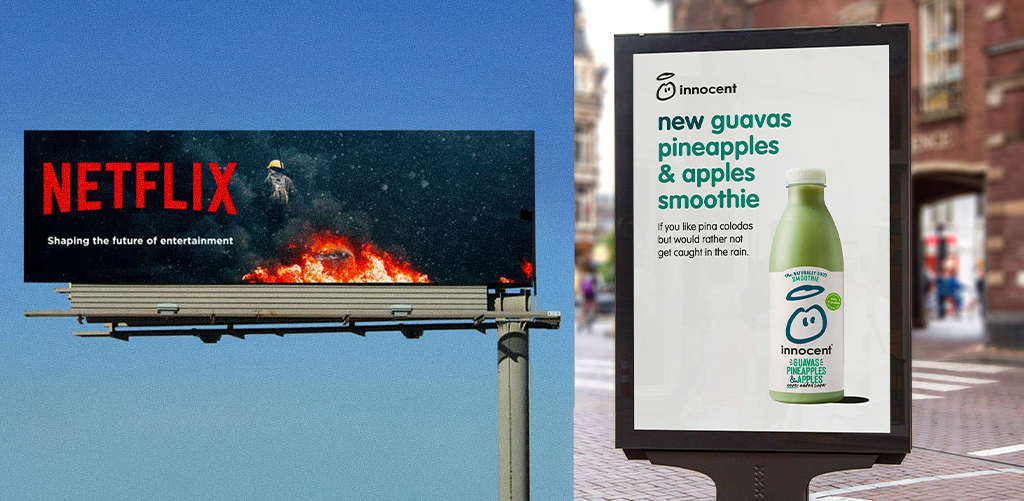
Example: Netflix vs. Innocent Drinks.
Netflix uses strong, bold fonts to create a dramatic, serious mood. Innocent Drinks, a smoothie brand, uses soft, rounded fonts to feel friendly and light.

As a designer, you need to know which font fits the brand’s voice. You don’t want a kids’ toy ad looking like a horror movie poster, right?

Faces, Emotions & Relatable Content Win Big

People connect with people. If a design shows a human face or expression, we’re more likely to stop and look. That’s why ads that include happy or emotional faces often perform better.

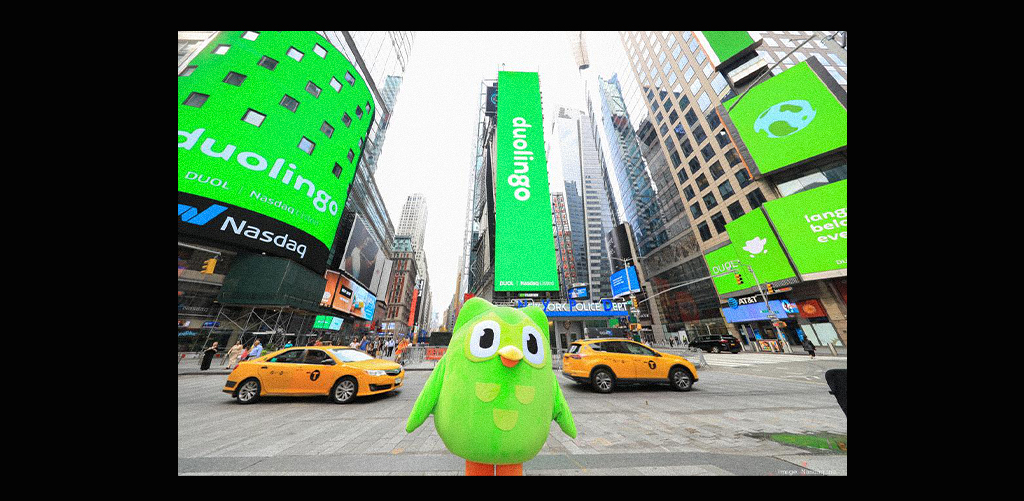
Example: Duolingo’s TikToks.
Their green owl mascot is now a meme! It’s not just the character — it’s the funny expressions, body language, and emotions added to the design that makes it share-worthy.

Designers need to understand what makes people laugh, relate, or feel something. Viral content isn’t just clever — it connects.

It’s Not Just Creativity – It’s Psychology Too

Design is not only about creativity. It’s also about knowing how the human mind works.

Example: Apple’s Clean Look.
Apple ads and stores are simple, sober, and clean. That’s not by accident — it’s made to feel premium and clutter-free. They’ve studied what makes people trust a product.

The best communication designers blend design skills with psychological understanding. They don’t just design — they influence. And at a place like JD Institute, the Communication Design course teaches you both sides of the coin — the creative and the strategic.

Final Word? Don’t Just Make It Pretty. Make It Work

Design is not just decoration — it’s communication. Whether it’s a billboard, an Instagram post, or a product ad, your design has the power to change minds, influence choices, and maybe even go viral. So if you’re someone who wants to go beyond aesthetics and truly understand how to create ads that workJD Institute is your launchpad.

Click, Create, Conquer: Interior Design Software You Need to Know

Tuesday, May 13th, 2025

Ever rearranged your room in your head before actually moving a single chair? Or maybe mentally knocked down a wall and built a whole new space—all while sipping coffee? Congrats, you’ve already got the interior designer mindset! But now comes the real question: how do you turn that vision into something that actually works in the real world? That’s where the top interior design software you must master comes in—and they’re the secret sauce behind every stunning space you scroll past on Pinterest.

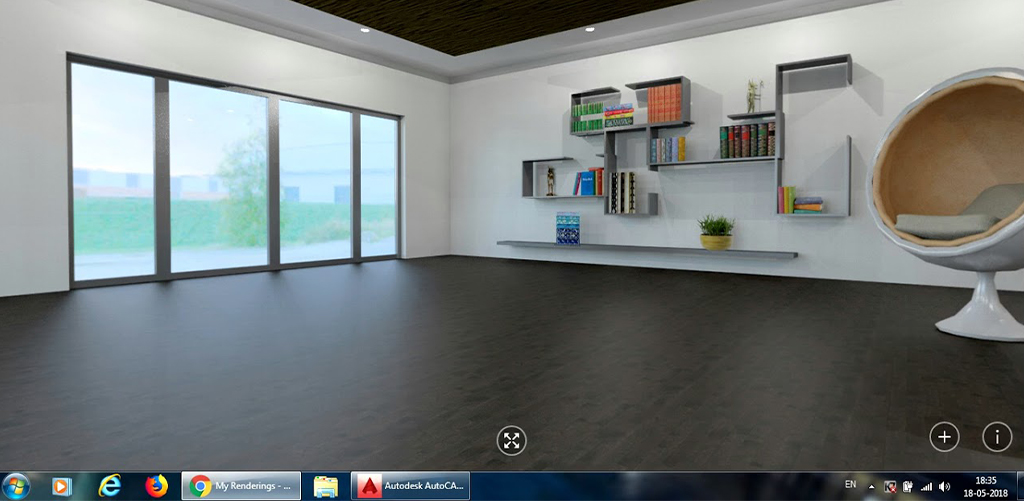
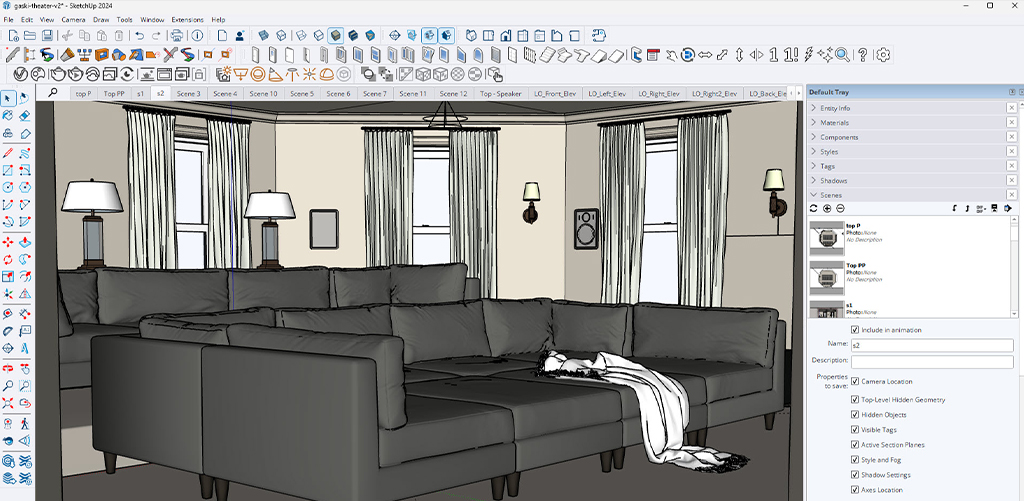
Whether you’re dreaming of becoming a design pro or already sketching up floor plans in your notebook, learning the right tools is just as important as having a creative eye. And if you’re looking to sharpen that skill set with the right guidance, the Interior Design course at JD Institute teaches three of the industry’s top software—AutoCAD, SketchUp, and 3ds Max—to get you future-ready.

AutoCAD: The Blueprint Boss

What It Does: Think of AutoCAD as your design GPS. It helps you map out precise, to-the-millimeter floor plans, layouts, and technical drawings.

Why It Matters: It’s the go-to tool used by architects and interior designers to ensure designs are accurate and ready for execution.

Cool Example: Ever seen those sleek Apple Store interiors? The technical detailing behind them often starts in software like AutoCAD.

Learn It At JD Institute: Interior Design Students get hands-on experience with AutoCAD, mastering how to translate rough sketches into professional-level floor plans that contractors actually use on-site.

SketchUp: The Drag-and-Drop Dream

What It Does: It’s intuitive, fast, and lets you build 3D models as if you’re playing a very fancy game of digital Lego.

Why It Matters: SketchUp is perfect for turning flat plans into walk-through-ready 3D visuals. Great for client presentations and quick prototyping.

Startup Vibe: IKEA’s planning tools for customers? Yep, they use SketchUp-like modeling to let people preview their room setups.

Also Taught at JD Institute: Here, you’ll learn how to take your 2D dreams and pop them into 3D reality—while keeping the proportions, aesthetics, and structure in check.

Rhino: The Creative Performer 

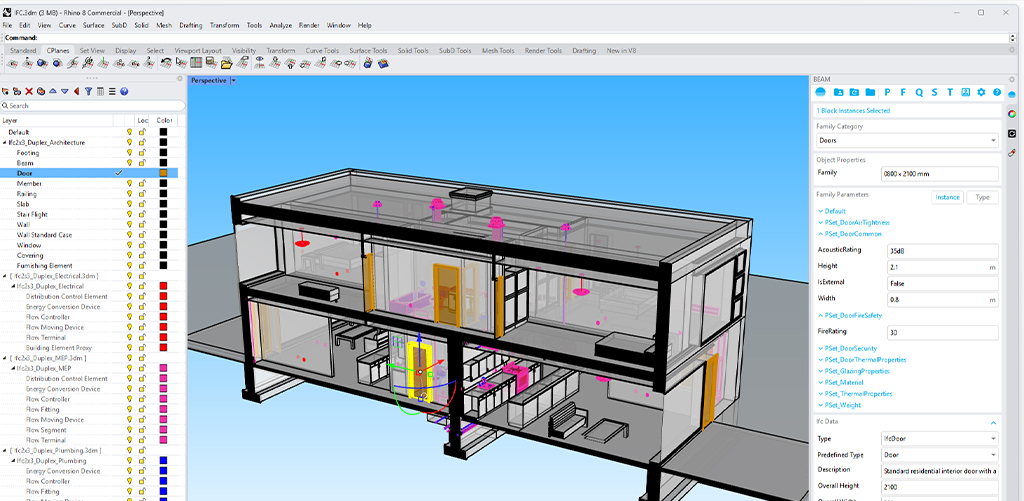
What It Does: Rhino handles super complex curves and fluid forms—perfect for designers who love breaking the rules of straight lines.

Why It Matters: From undulating furniture to custom sculptural pieces, Rhino allows for that extra bit of wow in your designs.

Inspiration Station: Zaha Hadid’s futuristic designs? Rhino played a big part in crafting those impossible-looking, incredibly iconic spaces. It’s a great software to explore once you’ve got your basics down.

Lumion: The Visualization Wizard

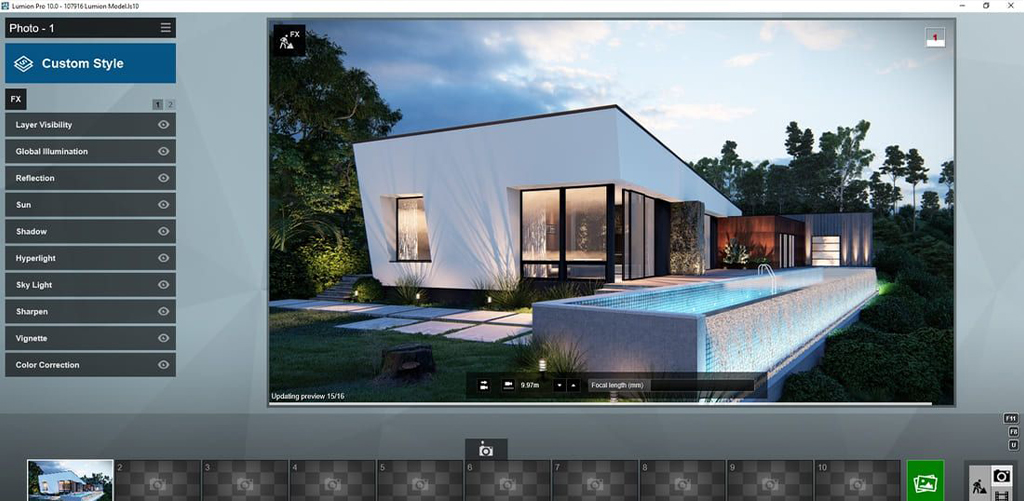
What It Does: Lumion takes your 3D designs and renders them into cinematic visuals—complete with lighting, shadows, textures, even birds flying!

Why It Matters: You don’t just show your client a room—you immerse them in it. Many real estate firms use Lumion for those virtual property tours you see on high-end listings.

Why You Should Know It: Even if you’re not a rendering expert, understanding how to make your designs feel real gives you a competitive edge.

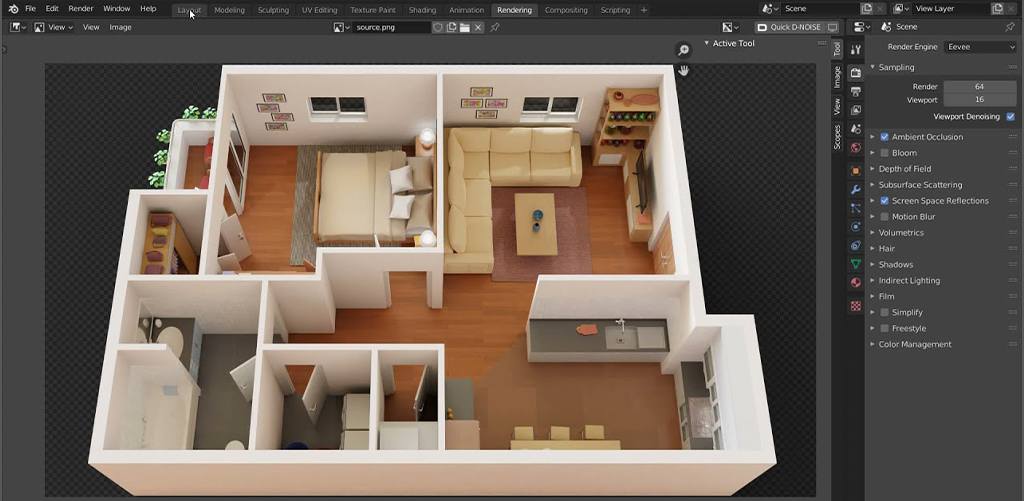
Blender: The Indie Power Player

What It Does: Blender is open-source and totally free, but it packs serious power for modeling, rendering, and even animation.

Why It Matters: It’s great for indie designers or students experimenting with visuals without shelling out big bucks.

Creative Sparks: Many digital artists and small studios use Blender to create everything from interiors to animated films.

Pro Designer Tip: Start exploring Blender once you’re confident with industry basics like SketchUp or 3ds Max—it’s a rabbit hole worth diving into.

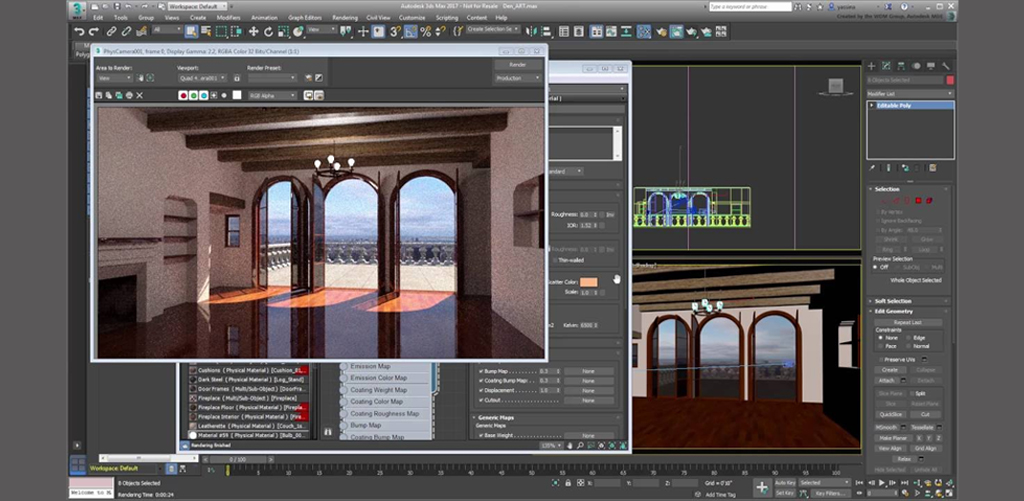
3ds Max: The Rendering Rockstar

What It Does: It helps you create jaw-dropping, ultra-realistic 3D renders. We’re talking textures you can almost feel on screen.

Why It Matters: It’s widely used in high-end interior projects, gaming, and even Hollywood. If you want to impress a client or win a pitch—this is your tool.

Real-World Hero: Many hotel chains, like Marriott and Hilton, rely on 3ds Max to visualize and pitch interior concepts before a single brick is laid.

Hands-On at JD Institute: As one of the key software in the Interior Design course, students learn how to use 3ds Max for design presentations that dazzle and sell.

Ready to Design Like a Pro?

You’ve got the imagination. Now it’s time to sharpen the tools. From mastering AutoCAD to creating stunning visuals in 3ds Max, this is where your Interior Designer journey gets real. And if you’re looking for a place that turns your creative chaos into professional clarity—JD Institute is where you plug in and power up.

Don’t just sketch the dream. Build it.

Colors, Crisis, and Clever Setups: The Retail Hack You Should Know

Tuesday, May 13th, 2025

In 2023, retail spending dipped in over 40 countries.
Global inflation, job losses, and rising living costs meant people were shopping less and thinking more before buying. But something strange happened — brands with smart visual strategies continued to attract footfall. Their secret weapon? Color psychology.

Welcome to the world of “Color Theory in Crisis” It’s not magic — it’s strategy. In tough times, when wallets are tight, colors do the talking. And if you’re dreaming of becoming a store designer or brand stylist, this is exactly what you need to know.

At JD Institute, the course of Visual Merchandising dive deep into the science of color and helps boost store experiences — especially when customers are cautious.

What Is Color Theory — And Why Retailers Rely On It

Color theory is not just about what looks good. It’s about understanding how different colors affect mood, emotion, and decision-making.

In retail, this becomes even more important during an economic slowdown. People buy less and think more. That’s where retail color strategy helps. It encourages positive emotions like trust, excitement, or calm — all of which can influence a purchase decision.

The Power of Red: Urgency, Deals & Scarcity

When money’s tight, shoppers become more cautious — they look for value and urgency. That’s why red rules the discount rack.

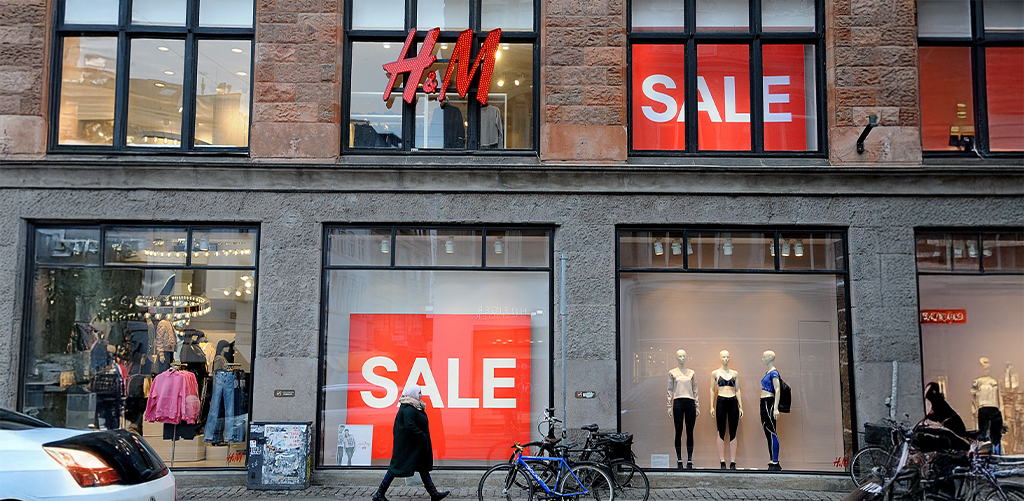
Startup Spotlight: H&M Sales Days
Especially during sale seasons or economic lulls, H&M heavily uses red in in-store signage, windows, and digital campaigns. It gives a “deal alert!” vibe, encouraging budget-conscious fashion shopping. These colors evoke urgency and FOMO (Fear of Missing Out). Red says “Act now!” and during sale seasons, that emotional nudge becomes a shopping sprint.

Why it works: Red stimulates quick decision-making. During a recession or economic slowdown, shoppers might hesitate — red pushes them forward.

Why it matters to students: In a Visual Merchandising course, students must learn how to style shelves, windows, and digital visuals using color psychology — because even the best-designed products need the right palette to get picked.

Blue: The Color of Trust in Turbulence

When wallets are wary, brands need to calm nerves. Blue, the color of calm and credibility, becomes a strategic choice for big players.

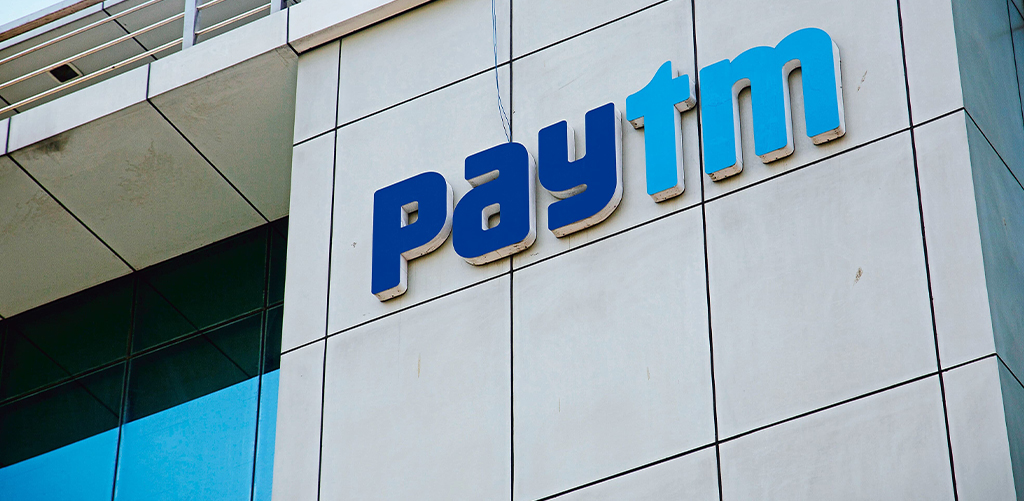
Startup Spotlight: Paytm
Look closely — FinTech brands that deal with your money? Most of them use shades of blue. In tough economic times, blue helps reassure customers: “You’re safe with us.”

Retail translation: Stores selling big-ticket items like appliances or electronics lean on blue to encourage confidence in quality and purchase decisions.

Smart takeaway for visual merchandisers: If you’re designing a tech or luxury display, lean into blue hues to keep customers cool-headed — and clicking ‘buy.’

Green: Value + Wellbeing Vibes

Green isn’t just for eco brands. During economic dips, it communicates balance, affordability, and wellness — all things shoppers crave.

Startup Spotlight: BigBasket
Online grocery platforms ramped up green visuals in their logos and packaging during inflationary spikes. Green equals “fresh,” “clean,” and “healthy” — especially when people are cooking at home more and watching spending.

In-store strategy: From grocery stores to organic wellness counters, green reassures customers they’re making wise, health-conscious purchases.

JD Institute’s Visual Merchandising course, dive deep into how consumers “feel” colors before they “see” prices.

Neutrals & Beige: Luxury’s Low-Key Language

In hard times, luxury doesn’t disappear — it just gets subtle. Earthy tones like beige, taupe, and ivory signal quiet elegance and timelessness.

Startup Spotlight: Minimalist
These brands didn’t go loud during downturns. They embraced minimalist, muted tones to suggest refined taste, not show-off splurging. Neutrals say, “This isn’t a trend — it’s an investment.”

Retail strategy: High-end boutiques or sustainable brands use neutral palettes to attract mindful, quality-focused buyers.

Visual Merchandising tip: Use neutrals as a background to make premium items pop without overwhelming the eye. Especially useful for window displays and lifestyle setups.

Pink and White: Budget-Friendly & Bold

Bright tones like pink and white bring energy, cheer, and optimism — a perfect antidote when the economy feels gloomy.

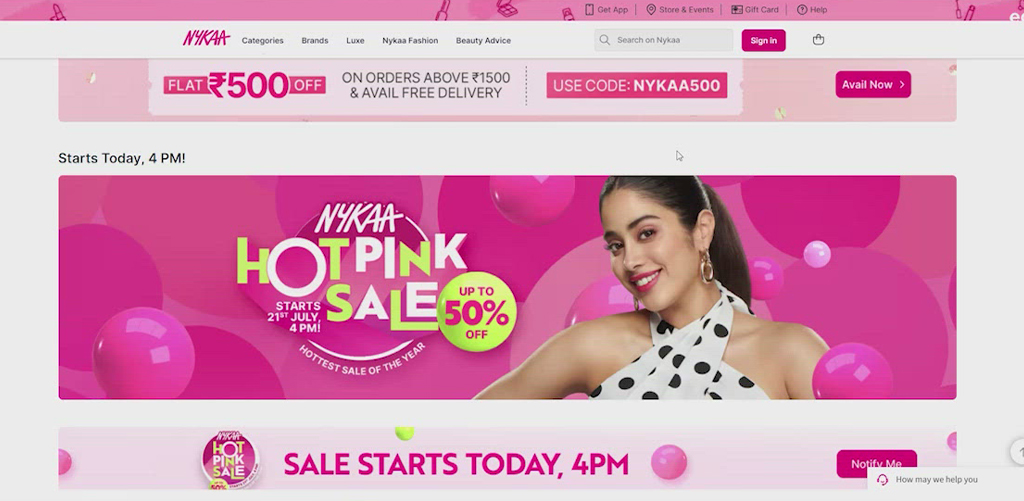
Startup Spotlight: Nykaa’s Hot Pink Sales
Nykaa introduced lower-priced lines with their Hot Pink Sales with pink and white branding. The message? “You can still treat yourself — on a budget.”

Retail color strategy: Use these hues in budget sections or seasonal corners to attract light-hearted buying even in uncertain times.

For future stylists: Matching moods with color? That’s an art JD Institute teaches — because understanding what triggers buyers emotionally is key in today’s experience-driven economy.

Don’t Just Learn Design — Learn What Makes Design Sell

In the age of “scroll, shop, repeat,” the designers who’ll win aren’t just creative — they’re strategic. They know how to make visual magic that moves products, even when people are saving instead of spending. That’s why enrolling in JD Institute’s Visual Merchandising course isn’t just about aesthetics — it’s about becoming a retail psychologist with a killer color palette.

Copyright © 2025 JD Institute of Fashion. All Right Reserved

Designed by Red Lemon

Whatsapp icon
Apply Now
Enquire
Quick Enquiry