
Apply Now

Author Archive

What Nature-Based Events Can Teach the Next Generation of Event Managers

Thursday, May 29th, 2025

Imagine dancing under the stars, not a disco ball.

No, this isn’t a Pinterest quote. It’s a real trend that’s reshaping the world of festivals and events. From sunrises in the desert to drum circles by the ocean, today’s events are ditching traditional venues for something more wild — literally. Welcome to the era of nature-based events, where forests, beaches, and sand dunes become the main stage. But what’s really going on here? Why are so many people obsessed with dancing in nature?

Let’s unpack the psychology behind the rise of nature-based events — and why every aspiring event manager should care (especially if you’re planning to take over the global event scene one day).

And if you’re serious about that goal, the Global Event Management course by JD Institute is one smart place to begin.

Jungle Rhythms: Envision Festival, Costa Rica

Let’s start in the heart of the rainforest.

Envision Festival isn’t just a music event — it’s a full-body, full-soul immersion. Surrounded by trees and the Pacific Ocean, this Costa Rican experience combines yoga, sustainability workshops, music, and art. The goal? A complete reset.
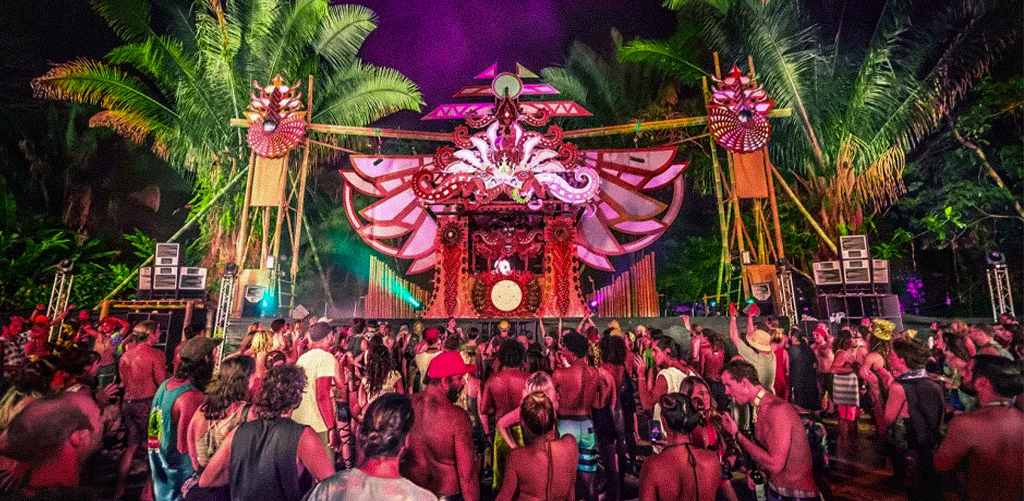
People don’t just attend — they transform. That’s the psychological power of being in nature. Studies show being surrounded by green reduces stress hormones and boosts creativity. Events like Envision lean into this with purpose.

Event planning students need to study this closely. Spatial psychology is everything — it’s not just where you place things, but how people feel in the space. The jungle vibe doesn’t just “look cool,” it creates emotional openness.

Desert Dreams: Magnetic Fields, India

Now let’s teleport to a desert palace in Rajasthan.

Magnetic Fields is India’s answer to global boutique festivals. Set in Alsisar Mahal, surrounded by sand dunes, it brings together contemporary music, digital art, and underground culture in a raw natural setting.
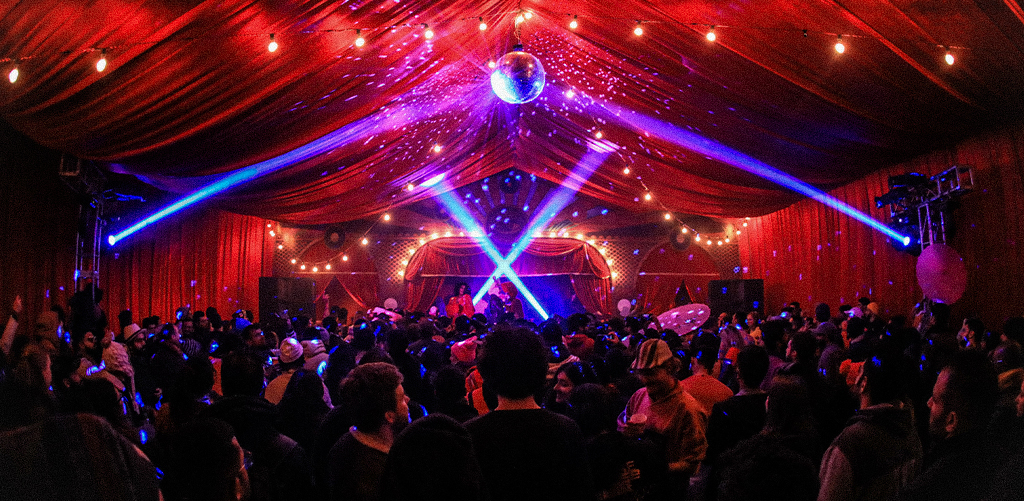
But it’s not all beats and lights. The desert calm in the early morning, the starry skies, the open horizon — all of this speaks to something deeper. Psychologically, nature breaks down social barriers. People connect more easily, feel more relaxed, and remember the experience for longer.

Magnetic Fields has also added wellness zones, talks on sustainability, and immersive pop-ups. It’s no longer just about sound — it’s about how your body and mind feel in space.

If you’re learning from platforms like the Global Event Management course at JD Institute, you’ll see how such events integrate tech, design, and wellness into unforgettable formats.

Meadows in the Mountains, Bulgaria

Picture this: a festival set on a mountain peak where fog rolls in like a blanket and music flows with the wind.

Meadows in the Mountains is a European hidden gem, high in Bulgaria’s Rhodope Mountains. No VIP zones, no flashy decor — just humans, music, and nature. Attendees sleep in wooden huts, eat from community kitchens, and dance as the sun rises over the clouds.
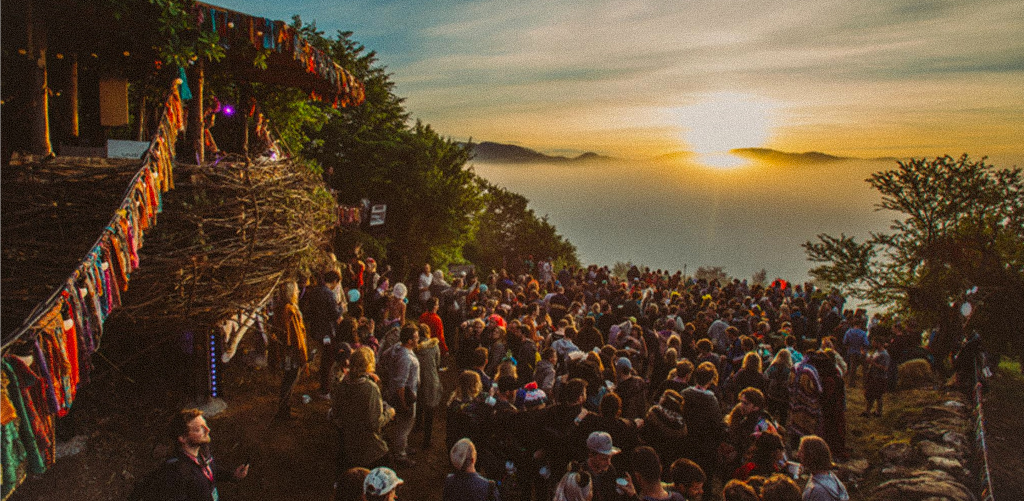
The psychology behind this is simple but powerful: natural altitude and isolation create intimacy. You feel like you’re part of something secret, something sacred.

For future event managers, this is a lesson in curating emotion without overdesigning. The mountain becomes the set, the people become the vibe.

Afrikaburn, South Africa

Inspired by Burning Man, Afrikaburn brings creative chaos to the vast Karoo desert. Participants build art, perform, dance, and then leave no trace behind.
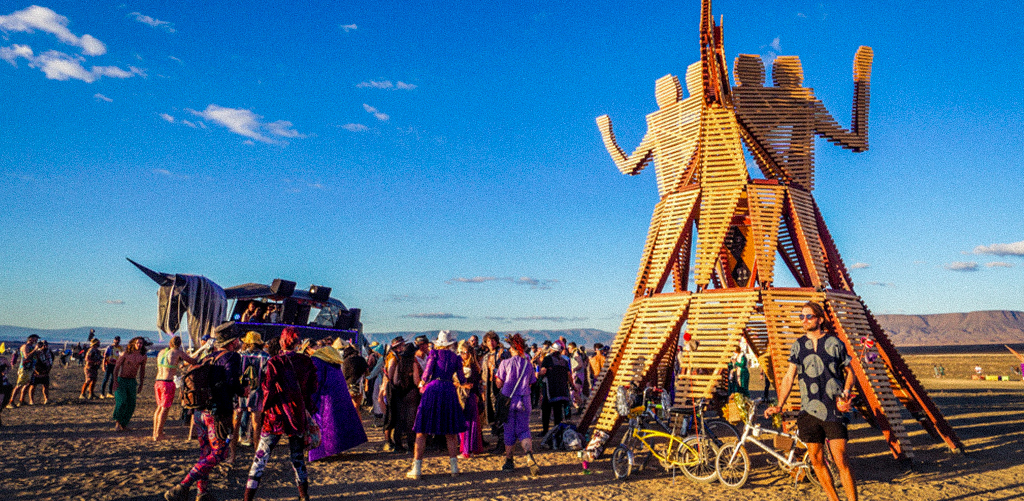
There are no vendors, no spectators — everyone contributes. This model taps deep into the psychology of participation and co-creation, offering attendees a sense of ownership and transformation.

In a digital world, the physical act of building something together — with your hands, in dust and wind — is radical and healing.

Aspiring planners should take note: This is more than an event. It’s a temporary community built on trust, collaboration, and shared vision.

These insights are exactly what the JD Institute’s Global Event Management program dives into — understanding not just trends, but the emotional core behind experiences.

Why This All Matters for Future Event Planners

Here’s the thing: anyone can rent a fancy ballroom. But not everyone can create an event where people cry, grow, and remember it forever.

Understanding the psychology behind the rise of nature-based events isn’t just about being trendy. It’s about:

  • Reading human emotion through space
  • Merging travel, design, and wellness
  • Building sustainable, mindful events
  • Tapping into how people actually want to feel

These festivals aren’t just parties. They’re movements, often rooted in eco-conscious living, emotional well-being, and deeper purpose. Whether you’re dreaming of launching your own destination event or collaborating with global brands, knowing how to build in harmony with nature gives you a serious edge.

Forget Fancy Lights. Design for Real Human Light.

Nature is the new luxury. But more importantly, it’s the new connection.

If you’re serious about building a future in global events — one that’s creative, conscious, and unforgettable — now’s the time to get trained in what really matters.

And that starts by choosing the right platform. One that blends trend insight, spatial psychology, and global exposure. One like the Global Event Management course by JD Institute.
The Communication Career That’s Reshaping Branding and Beyond

Wednesday, May 28th, 2025

You know how every group project had that one friend who made the slides look 10x better?
They knew which font worked, what images to use, and how to keep it all looking on point. Back then, it was just “good taste.” But today? That skill has a name — and a full-time career: the Visual Strategist.

Welcome to the new-age creative role that blends graphic design, branding, storytelling, trend forecasting — and yes, even Pinterest mood boards — into one powerful job.

And at places like JD Institute of Fashion Technology, students are already learning how to master it. Because when creativity meets communication, a new career is born — and it’s got style, strategy, and serious potential.

What Exactly Is a Visual Strategist?

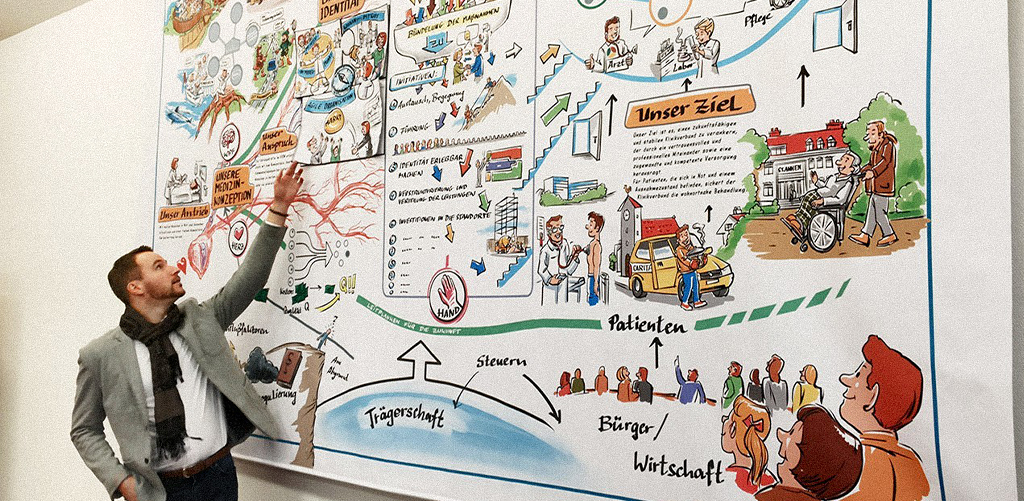
Let’s break it down. A Visual Strategist is a creative thinker who knows how to use images, colors, typefaces, layouts, and concepts to tell a brand story. But they don’t just design pretty things — they create a full visual identity that connects emotionally with an audience.

Think of brands like Glossier or Apple. You know their look, their tone, their vibe — all before reading a single word. That’s not random. That’s a visual strategy.

Visual Strategists work across platforms — Instagram, websites, packaging, campaigns — to build a cohesive look and feel. Their job is part designer, part storyteller, part moodboard curator, and part brand whisperer.

Why Is This Role Growing So Fast?

Because we now live in a world that scrolls more than it reads. Visuals have become our first language. Whether it’s social media, online shopping, or branding, everything depends on how things look and feel.

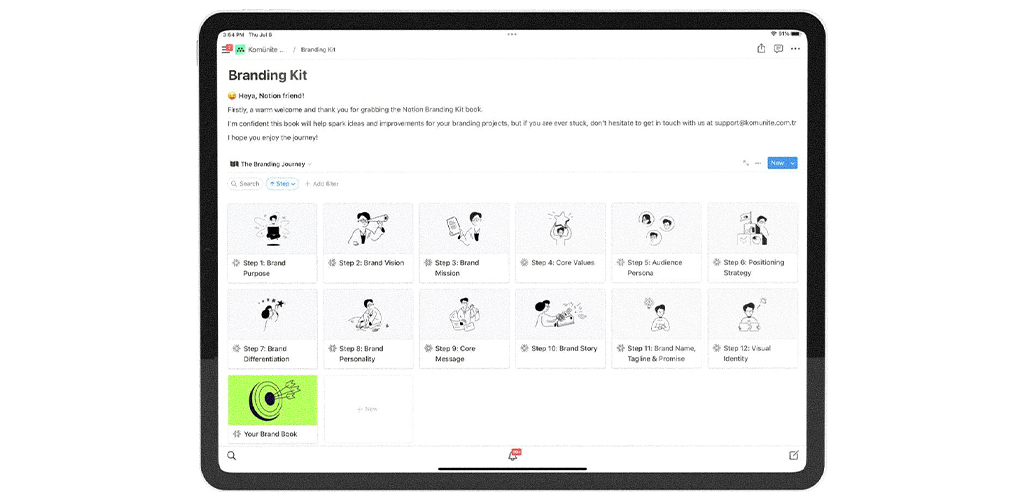
Startups like Notion and Canva have built entire brands around clean, modern aesthetics — and it worked. Canva, in fact, is used by over 100 million people, all trying to make their visuals look professional and appealing. That’s the impact of smart visual design.

With brands investing more in visual storytelling than ever before, there’s a rising demand for creatives who can design and think strategically. That’s where the Visual Strategist comes in.

And if you want to be a part of Communication Design at JD Institute, you’re already learning these future-ready skills: from layout principles and brand strategy to emotional storytelling and visual trends.

Mood Boards Aren’t Just for Fun Anymore

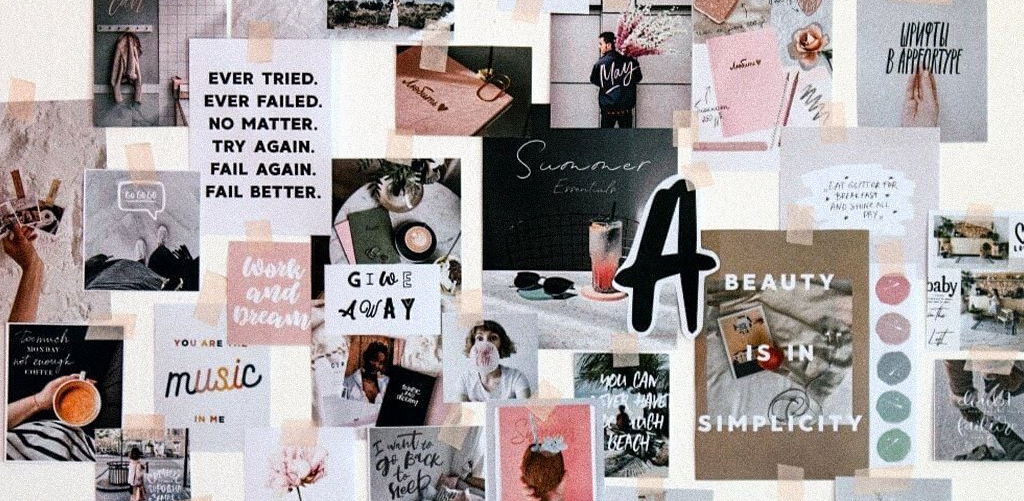
Ever made a collage for your dream bedroom, ideal vacation, or next tattoo? That’s a mood board — and companies now use them too. In fact, they often start a branding or campaign project with mood boards to set the tone.

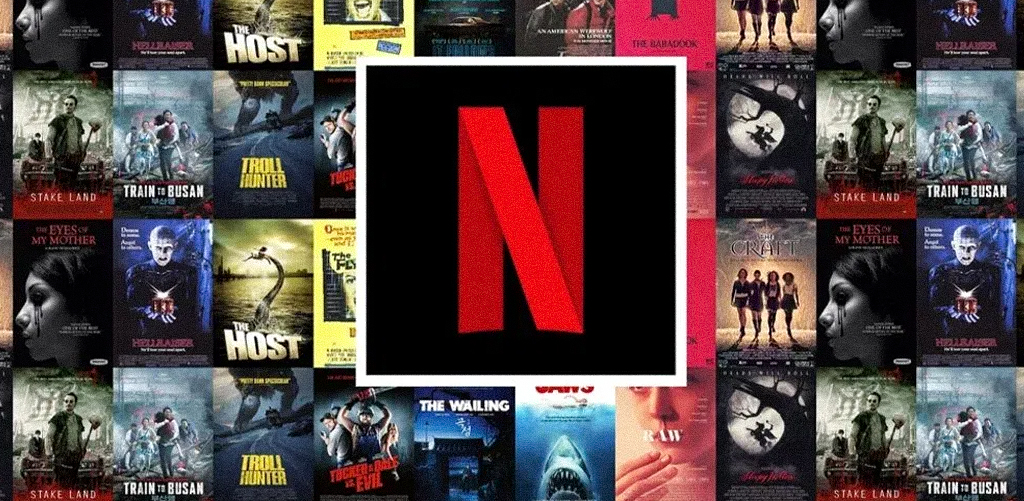
Take Netflix, for example. Before launching a new show, the design team builds mood boards to define the visual world — colors, textures, lighting, even Instagram filters that match the show’s vibe. These boards guide everything, from the poster to the promo.

In short: if you can mood board well, you already speak the language of a Visual Strategist. The next step is learning how to use that skill for actual brands and businesses.

What Should Aspiring Students Learn?

If you’re studying or planning to study Communication Design, here’s what you should focus on to get ahead as a Visual Strategist:

  • Visual storytelling – Knowing how to make images speak louder than words
  • Typography and layout design – Clean, readable, and aesthetically pleasing visuals
  • Color theory – Understanding the psychology behind colors and combinations
  • Mood boarding tools – Apps like Milanote, Pinterest, Canva, and Adobe Express
  • Brand strategy – Learning how visuals align with business goals
  • Trend research – Keeping up with what’s hot on social media and beyond
  • Creative software – Mastering Photoshop, Illustrator, and InDesign

All of these are part of the Communication Design course offered at JD Institute, where you will get hands-on experience through real projects and industry exposure. You don’t just learn design — you learn how to use design to make an impact.

The Career Scope Is Massive

Visual Strategists are being hired by:

  • Fashion brands for campaign aesthetics
  • Tech startups for product launches and UI vibes
  • Social media agencies for Instagram branding
  • YouTubers and influencers for personal branding
  • Event companies to design pitch decks and mood boards
  • Even NGOs and government campaigns for clear, visual messaging

The beauty of this role is how flexible it is. You can work freelance, start your own agency, or be part of an in-house creative team. You’re not limited to one industry. Wherever there’s design, there’s space for strategy.

So, Where Do You Start? Right Where It Matters

You don’t need to wait till after college to explore this. If your head is always bursting with design ideas and your Pinterest is more organized than your closet, you’ve already got the creative instinct. What you need now is direction — and that’s where JD Institute of Fashion Technology comes in. The institute’s design programs are built for tomorrow’s creative thinkers. With mentorship, exposure to real brands, and a curriculum that evolves with industry trends, JD equips you to lead the way — not just follow it.

Visual Merchandising, But Make It International: Lessons from World Expos

Tuesday, May 27th, 2025

Ever wondered why you instinctively pull out your phone to snap a pic at certain retail displays?
It’s not just clever lighting or shiny props — it’s the power of visual merchandising. Now, imagine that same selfie-worthy experience on a global scale — not in a store, but at the World Expo. Yup, those massive international events where countries go all out to show who they are, what they stand for, and how they innovate. This is visual merchandising on steroids — and it’s changing the way the world sees brands and even nations.

Visual merchandising at the JD Institute of Fashion Technology is already diving into this world, learning how design decisions can shape perception on a global stage — not just inside malls but across international platforms like World Expos. So, what’s the real deal behind these amazing displays? Let’s break it down.

The Expo Aesthetic: Retail Therapy Meets National Identity

Dubai Expo 2020 wasn’t just about flying robots and future tech. The UAE Pavilion, designed by Santiago Calatrava, looked like a falcon in flight. But step inside, and you’d find a full-blown experience — projection mapping, aroma diffusers, interactive screens — all combining retail strategies with storytelling. Countries weren’t just showcasing products; they were selling identities.

This is where international retail design plays a key role. From layout to lighting to scent, everything is designed to keep visitors immersed, engaged, and snapping photos. Think of it as visual merchandising on a country-sized canvas.

Spotlight on Startups: When Storytelling Becomes Strategy

At these expos, it’s not just nations flexing. Startups often steal the show with bold design thinking.

Take Urban-Air Port, a UK startup that built the world’s first eVTOL infrastructure hub at Dubai Expo. Instead of posters and boring demos, they created a miniature airport experience. Visitors didn’t just learn — they lived the innovation.

This kind of interactive design is exactly what the visual merchandising course offers at JD Institute — understanding how to translate abstract ideas into physical experiences that spark curiosity and communicate clearly.

From Dubai to Osaka: Design That Travels

With Osaka Expo 2025 around the corner, the buzz has already begun. Japan’s upcoming themes — like “Designing Future Society for Our Lives” — hint at deeper, more immersive experiences. Early concepts show country pavilions as living environments, mixing digital architecture with tactile engagement.

Expect AI-powered emotion sensors, real-time mood lighting, and retail corners using facial recognition to personalize product displays. It’s the future of shopping and storytelling — merging national branding with visual merchandising techniques.

For students looking to shape the future of international retail design, learning how global platforms like these operate is essential. And yes, the Visual Merchandising course at JD Institute helps to explore exactly that — how space, product, and story work together to leave a lasting impression.

Country Branding: Flags, Fashion & First Impressions

Did you know that a country’s pavilion design can impact tourism and trade interest? That’s the essence of country branding.

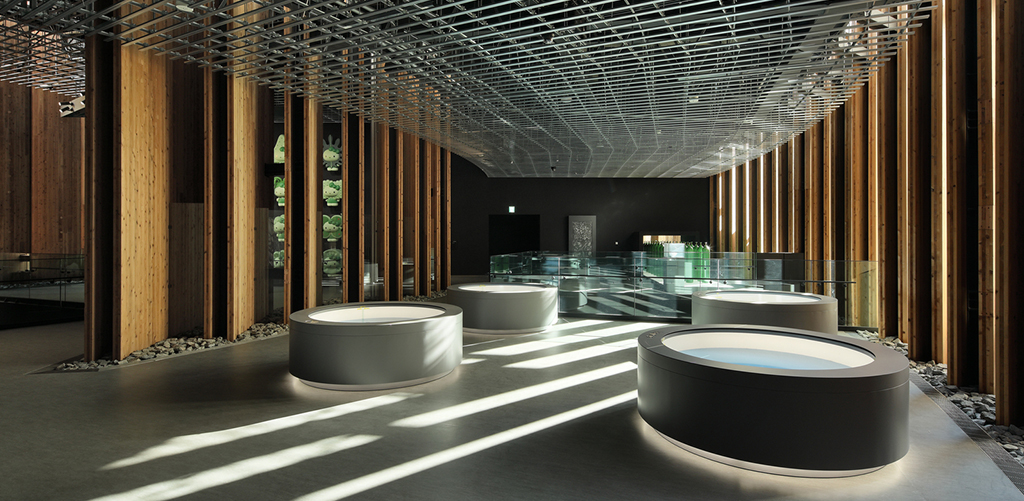
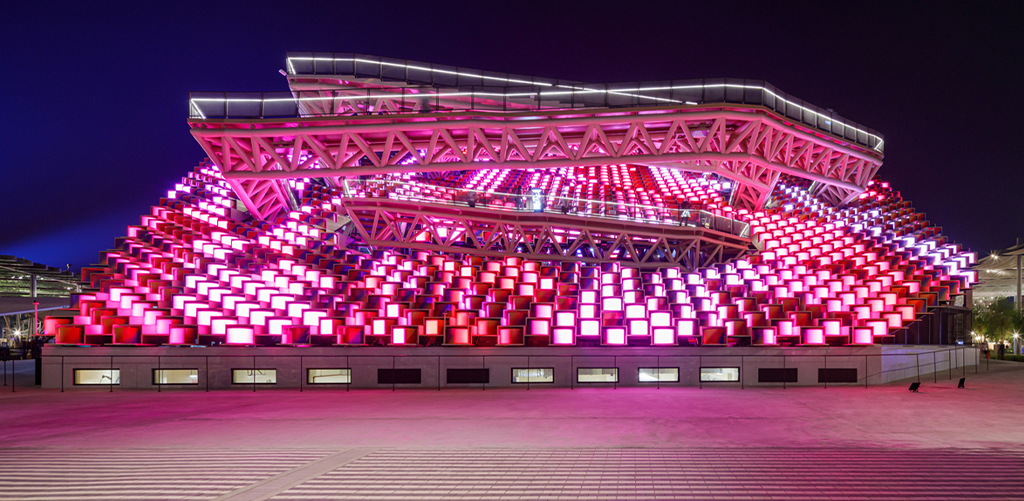
Look at South Korea’s pavilion at Expo 2020. It had kinetic cubes that changed patterns with the wind — symbolizing adaptability and innovation. The display didn’t just look cool, it felt like Korea.

Visual merchandising here wasn’t about selling a product — it was about selling perception. That’s a valuable takeaway for any budding fashion or design student: you’re not just creating beauty; you’re shaping identities.

In the End, It’s Not Just Design — It’s Diplomacy in Display

When a display can spark international conversation or a pop-up retail space goes viral globally, you know we’re way past mannequins and sale signs. From Dubai’s falcon pavilions to Osaka’s AI-driven displays, visual merchandising at world expos proves one thing — great design doesn’t whisper, it shouts. If you’re someone who loves visuals, vibes, and making an impact with creativity, don’t just scroll through expo reels — start learning how to build them. Let your next creative move be a bold one. Step into the world of global design with JD Institute, where students are not just learning retail — they’re crafting stories worth a million selfies.

The Smart Way to Build Your Interior Design Brand

Tuesday, May 27th, 2025

Imagine this. You’ve spent weeks on the perfect interior project—picked the textures, layered the lighting, chosen the perfect finishes. But there it sits, hidden in your laptop folders or dusty USB drives.

Now here’s the truth: if it’s not online, it doesn’t exist.

In today’s design world, showcasing your talent is just as important as having it. Platforms like LinkedIn and Instagram aren’t just for selfies or job listings anymore—they’re where design careers quietly go viral, brands are born, and client lists grow.

So if you’re an aspiring designer asking, “Do I really need to know how to post, share, and promote my work?” — the answer is a loud yes.

This is exactly why the Interior Design course at JD Institute teaches you not only the craft of design, but how to present your brand to the world. Because these platforms are no longer optional—they’re essential.

Let’s break down the best ways to build your interior design brand on LinkedIn and Instagram.

Turn Your Digital Presence Into Your Personal Showroom

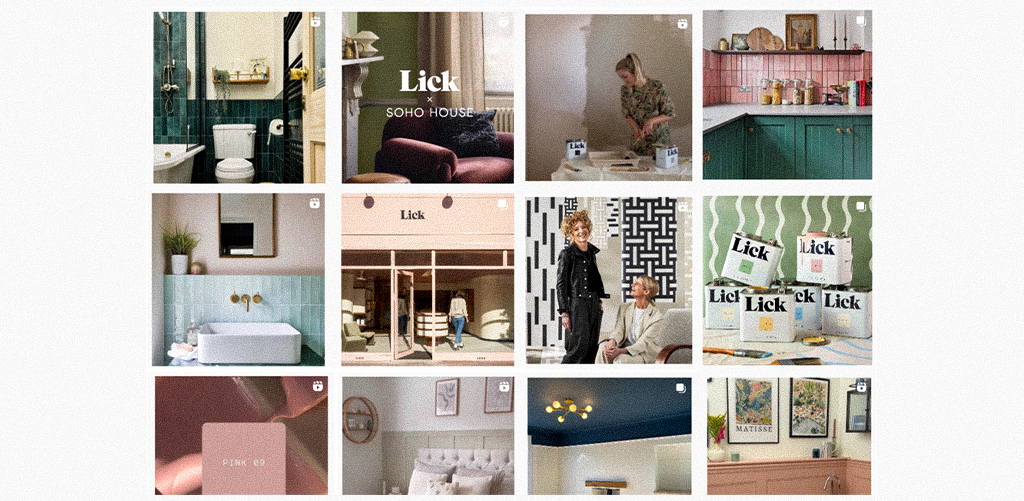
Example: Lick Home (UK)

This paint brand grew into a design lifestyle name just by being smart with its online voice. They made their pages feel like mini-magazines—clean, styled, and super relatable.

Takeaway:
Keep your social profiles neat, consistent, and creative. Think of them as your digital business cards. Your bio, your tone, your aesthetic—it should all reflect your design style.

Use Portfolio Hacks That Stop the Scroll

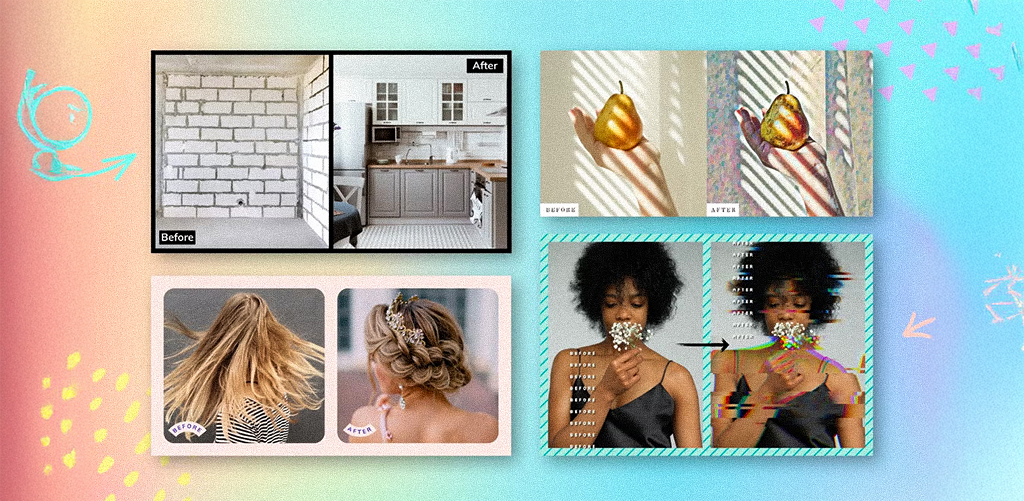
Example: Canva Designers on Instagram

Canva creators show their “before and afters,” mockups, moodboards, and more—all in a single post. That’s smart, snappy storytelling.

Takeaway:
Use carousels, behind-the-scenes posts, and progress shots. Highlight your skills without shouting. If a single project can become five posts—do it.

At the JD Institute, Interior Design students learn how to turn their physical portfolio into digital content that works across both LinkedIn and Instagram.

Post Like a Thought Leader, Not Just a Student

Example: Brian Chesky (Airbnb Co-founder)

Chesky doesn’t just sell. He shares ideas, stories, and opinions that make people stop and think. You can do the same.

Takeaway:
Share your design thought process. Talk about what inspires you. Write posts about color choices or how a visit to a market gave you a concept idea. Let people into your world.

Network Like It’s a Studio Visit

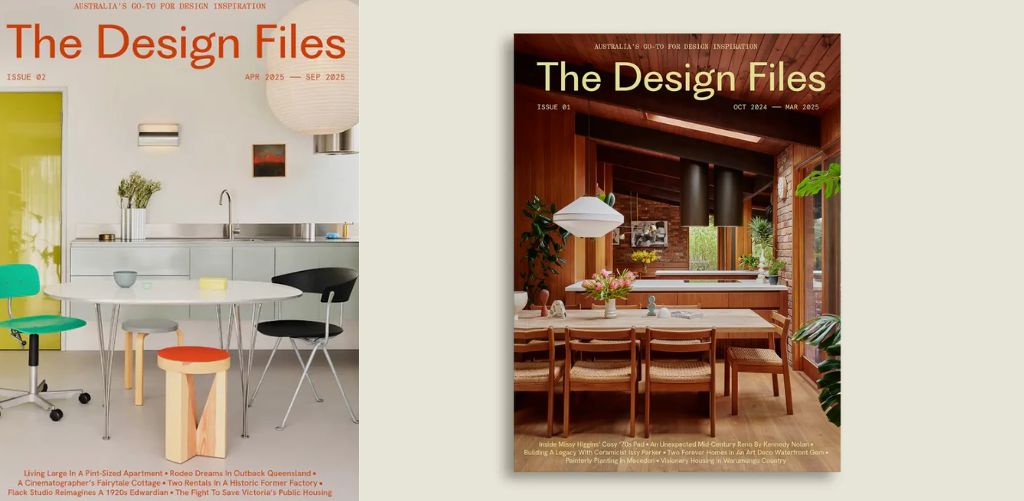
Example: The Design Files (Australia)

They didn’t grow by staying in their bubble. They built a design community. They tagged, featured, and interacted.

Takeaway:
Tag mentors, tools, or inspiration sources in your posts. Engage in design communities on LinkedIn. Send thoughtful comments or DMs. Good networking doesn’t feel salesy—it feels social.

This is something Interior Design students at the JD Institute practice regularly through projects, critiques, and collaboration-led learning.

Turn Your Projects Into Stories, Not Just Posts

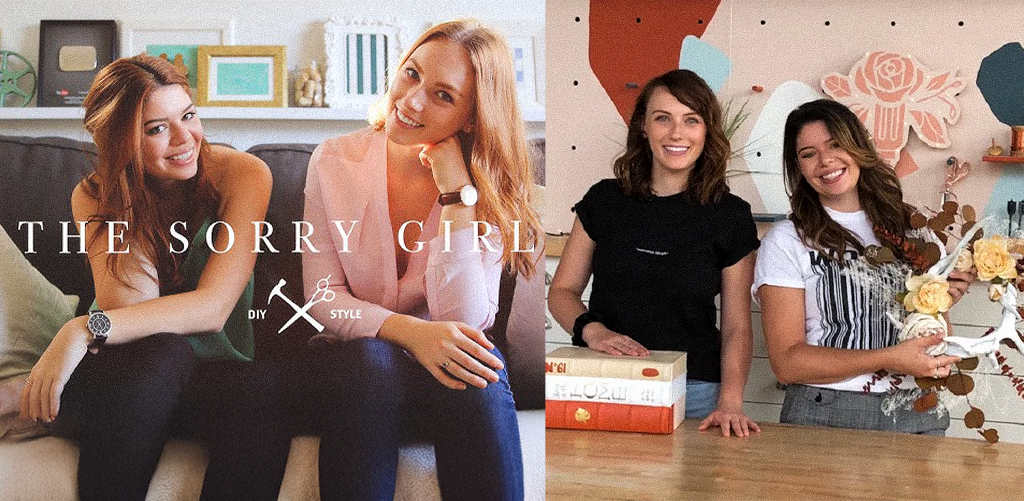
Example: The Sorry Girls (Canada)

They turn every project into a relatable journey: from messy rooms to magical spaces, with humor, honesty, and design smarts.

Takeaway:
Tell the story behind your space. Was it hard to find the right light? Did you learn something while sourcing materials? Share that. Don’t be afraid to show the raw parts—it builds connection.

Your Next Step?

Don’t just design your Interior career. Launch it.
Whether it’s a Reel, a post, or a project—you have something worth showing. Let JD Institute help you learn how to share it with the world.

The Fabric Flow Code: What Every Fashion Student Should Know

Monday, May 26th, 2025

Ever twirled in a dress just to watch it swirl around you?
You’re not just having a moment — that beautiful movement is actually science at work. Fabric drape and flow are what make clothes move, fall, and feel the way they do. Designers who understand this can create garments that turn heads — not just for how they look, but how they behave.

Welcome to the Science Behind Fabric Drape and Flow and How It Impacts Design Aesthetics. This isn’t just technical talk. It’s real knowledge that helps designers create better fashion. And if you’re an aspiring designer, you need to care — because this can seriously level up your creativity and confidence.

That’s why the Fashion Design course at JD Institute of Fashion Technology gives students hands-on lessons in how fabric reacts to movement, shape, and even gravity. Let’s dig in and see why this matters so much.

Drape Isn’t Just a Look — It’s a Feeling

Startup Example: Auroville Clothing

Auroville Clothing works with soft, natural fabrics to create clothes that look simple yet stunning. Their clean designs rely on how the fabric falls — that’s drape.

When a fabric drapes well, it hugs or flows away from the body in a smooth, natural way. That’s what makes a dress elegant or a sari graceful. Designers use drapes to bring emotion to clothes. A stiff fabric gives a bold vibe. A soft one brings calm and ease. Knowing how to control this makes your designs feel right, not just look right.

Every Fabric Has a Personality

Startup Example: The Summer House

The Summer House chooses fabrics like linen, organic cotton, and modal for a reason — each one moves differently. Their laid-back styles wouldn’t work with stiff fabrics. They use drapes smartly to create soft, natural movement.

Why does this matter? Because silk behaves nothing like denim. If you’re designing a free-flowing gown, denim would ruin the effect. If you want a crisp blazer, silk would fall flat.

When you understand how fiber type, weave, and fabric weight affect drape, you make smarter design choices from the start.

That’s exactly what Fashion Design students at JD Institute learn through real-life fabric experiments — not just theory from books.

Flow Brings Fashion to Life

Startup Example: 11.11 / Eleven Eleven

This brand is all about handmade textiles and traditional weaving. But their clothes still look super modern and fluid. Why? Because they pay attention to how the fabric moves. Drape helps them add soul to every piece.

Designers use fabric flow to tell stories. A flowing cape says drama. A structured dress says power. A relaxed kurta says comfort.
When you plan your fabric and cut with movement in mind, your clothes won’t just sit — they’ll speak.

Motion Adds Emotion to Design

Startup Example: Bhaane

Bhaane’s streetwear is cool, comfortable, and always moving — because they pick fabrics that allow for it. You won’t find stiff, lifeless garments in their collection. They know their audience wants comfort and ease, so their design choices match that vibe.

Your clothes should feel as good in real life as they do on a sketch. That means planning how they’ll move when someone walks, dances, or just sits down. Movement adds life — and people connect to clothes that move with them.

Bad Drape = Design Fail

Startup Example: House of Three

House of Three experiments with Indo-western fusion. Their flowy jackets, saris, and layered looks depend heavily on fabric fall. If they had chosen the wrong material, their designs would look bulky or awkward.

One of the biggest beginner mistakes is choosing the wrong fabric. A design that looks great in your head can turn into a disaster if the fabric doesn’t support it. That’s why knowing about fabric behavior is not optional — it’s essential.

At JD Institute of Fashion Technology, students go through fabric trials so they see and feel the difference firsthand. That way, when it’s time to design, they’re already a step ahead.

So, What’s the Big Takeaway?

The way fabric flows can make your design dreamy, dramatic, or dull. If you understand the science behind it — even just the basics — you’ll be a smarter, more confident designer. You’ll save time, avoid mistakes, and create looks that actually work in real life.

Fashion Designing isn’t just about drawing pretty clothes. It’s about bringing those clothes to life — in motion, on bodies, in the world. And if you want to learn how to make your ideas move, JD Institute is where you should be looking. Their Fashion Design course doesn’t just teach trends — it trains future designers to understand what makes great design work.

If You’re Starting a Fashion Brand, You Need to Read This

Sunday, May 25th, 2025

What if your next outfit didn’t need fabric, scissors, or even a tailor?
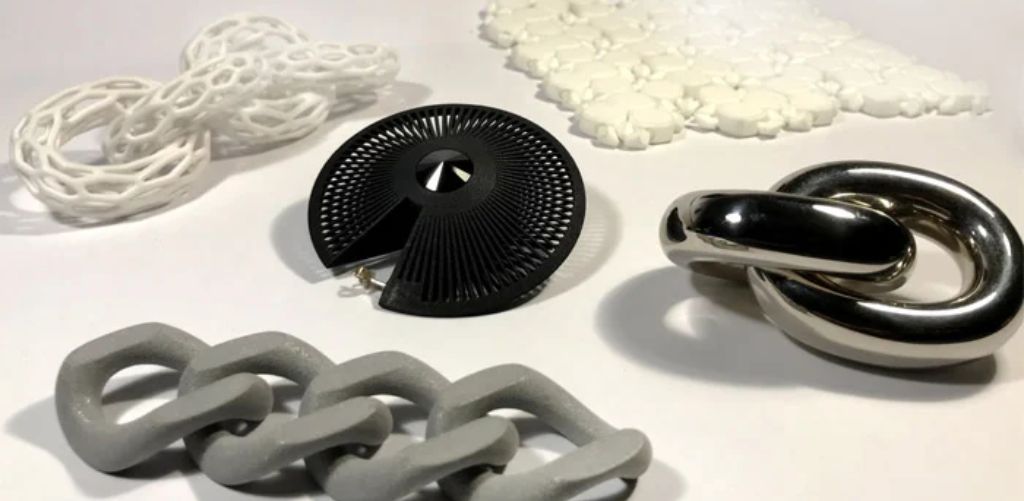
Imagine just plugging in your measurements, hitting ‘print,’ and boom — a custom-made jacket ready in hours, with zero waste. Welcome to the world of 3D printing in fashion. It’s fast, sustainable, and about to flip the entire fashion industry upside down.

If you’re serious about building a future-ready brand, this is the technology to understand. In fact, smart courses like the Fashion Business Management program at JD Institute of Fashion Technology are already teaching it. Because staying ahead means learning beyond the basics.

Let’s break down exactly how 3D printing is revolutionizing fashion manufacturing & reducing waste — and why it’s your ticket to staying ahead in the game.

Personalized Fashion: Made Just for You, Wasting Nothing

3D printing lets designers create pieces that are literally made for your body. Using 3D body scans, clothes can be printed to your exact size — no leftover fabric, no wrong fits, no returns. That’s a big win for both the customer and the planet.

Startup Spotlight: Danit Peleg
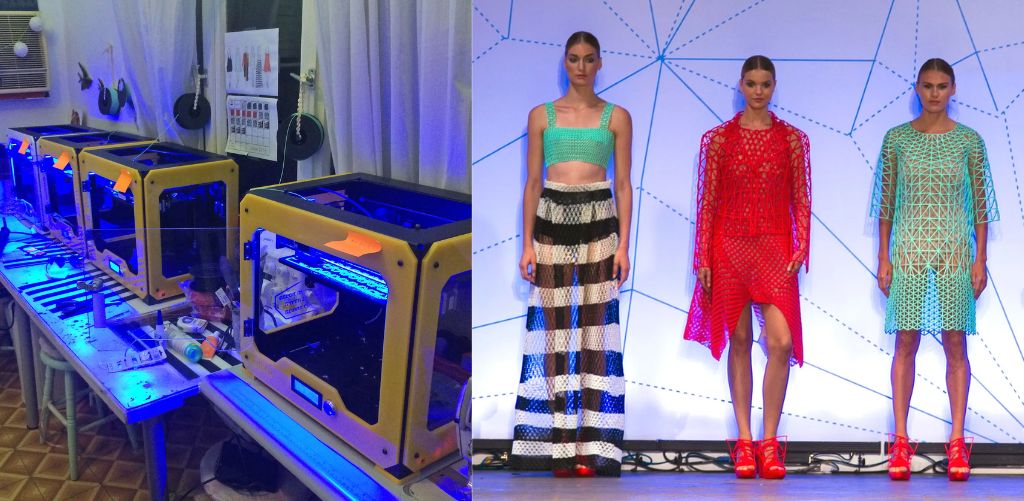
This designer went viral after she created an entire fashion collection from home using 3D printers. Her dream? That someday, you’ll be able to download her dress design and print it at home. It’s like the Netflix of fashion — but way cooler.

Material Efficiency: Build, Don’t Cut

Old-school fashion methods waste about 15% of fabric just during the cutting stage. 3D printing changes the whole process — it builds garments layer by layer using only the material needed. No scraps. Some brands are even using recyclable and plant-based materials like PLA, cutting down the environmental impact even more.

Startup Spotlight: Ministry of Supply
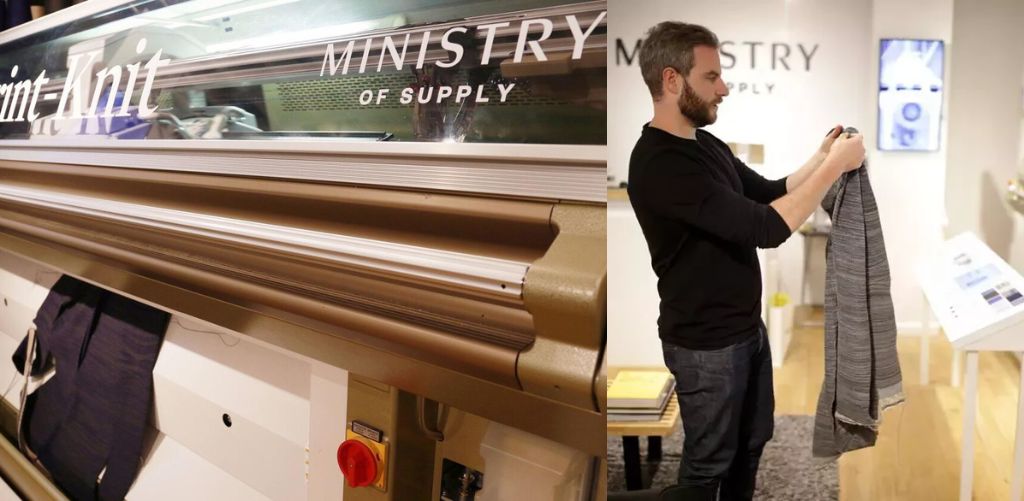
This Boston-based brand uses 3D knitting machines to make seamless, waste-free clothing. They’ve even printed flexible suits that move with your body. Stylish and smart.

And yes, this is the kind of innovation you’ll dive into during the Fashion Business Management course at JD Institute — it’s not just about what’s trendy, but what’s transformational.

Say Bye to Overproduction: Make What You Need

Fashion has a huge overproduction problem. Tons of clothes go unsold and end up in landfills. But with 3D printing, designers can create small batches or even one-off pieces, testing new ideas without needing giant inventories or warehouses.

Startup Spotlight: ZER Collection (Spain)
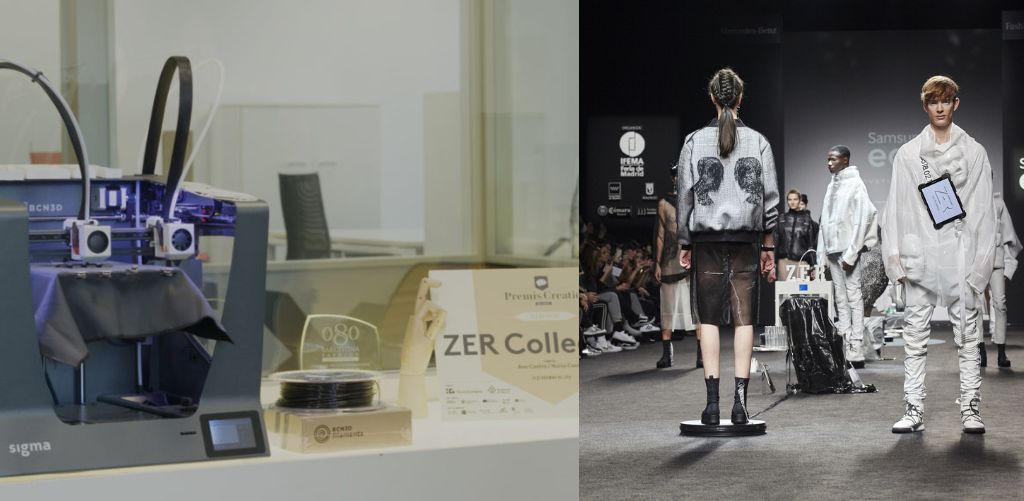
ZER uses 3D printing and zero-waste design techniques to create futuristic garments in small runs. They’re redefining fashion timelines by creating only what’s needed, when it’s needed.

If you’re planning to launch your own brand, 3D printing gives you the power to start small, stay flexible, and waste less.

Design at the Speed of Thought

3D printing speeds up the design-to-production process like never before. Designers can quickly test ideas, print samples, tweak details, and go straight to production. That’s a game-changer in a world where trends change faster than ever.

Startup Spotlight: VOJD Studios (Germany)
VOJD works with luxury fashion houses like Alexander McQueen and Dior to design 3D-printed accessories. With rapid prototyping, they help big brands keep up with creativity — without delays or wastage.

This is also why fashion business students at places like JD Institute learn to blend creativity with tools like 3D modeling and digital fabrication. Because dreaming big is great — but building smart is better.

New Business Models: From Files to Fashion

The future of fashion might not be about selling clothes, but selling files. With 3D printing, designers can sell downloadable clothing designs that customers print themselves or at local hubs. It’s fashion without shipping, packaging, or storage.

Startup Spotlight: Unspun
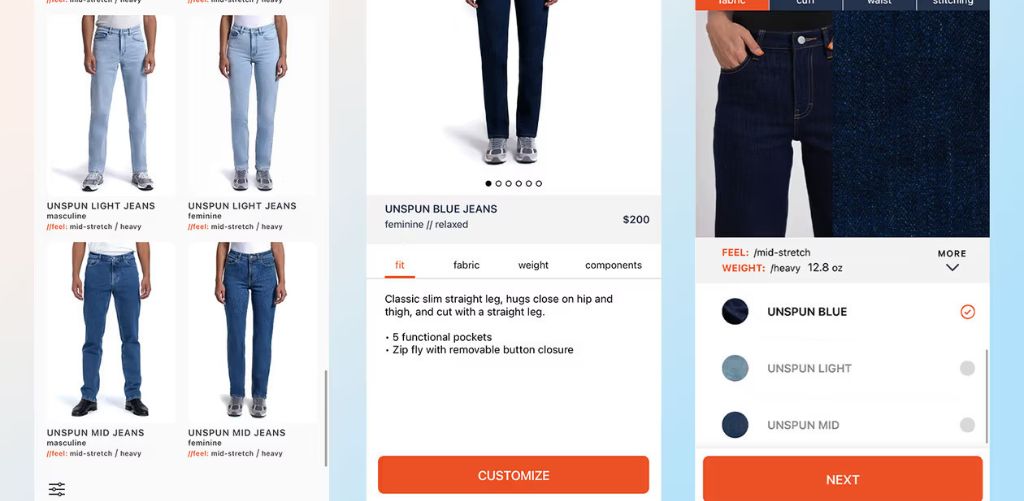
This U.S.-based brand 3D-weaves custom-fit jeans after scanning the customer’s body. Their tech-driven model focuses on local, on-demand production — no bulk shipping, no excess stock, no waste.

For the modern fashion entrepreneur, this opens up brand new ways to reach customers, cut costs, and stay eco-conscious.

So… Are You Going to Print the Future or Watch It Happen?

Fashion is changing fast — and 3D printing is one of the biggest reasons why. It’s helping designers reduce waste, create faster, and think smarter. If you’re dreaming of starting your own brand or running a sustainable label, this is your wake-up call.

Learn the tech. Design the change. And if you’re serious about being a fashion entrepreneur, check out the Fashion Business Management course at JD Institute.
Why Understanding Digital Identity Is Crucial for Designers

Sunday, May 25th, 2025

“If you were a video game character, what would you wear?”

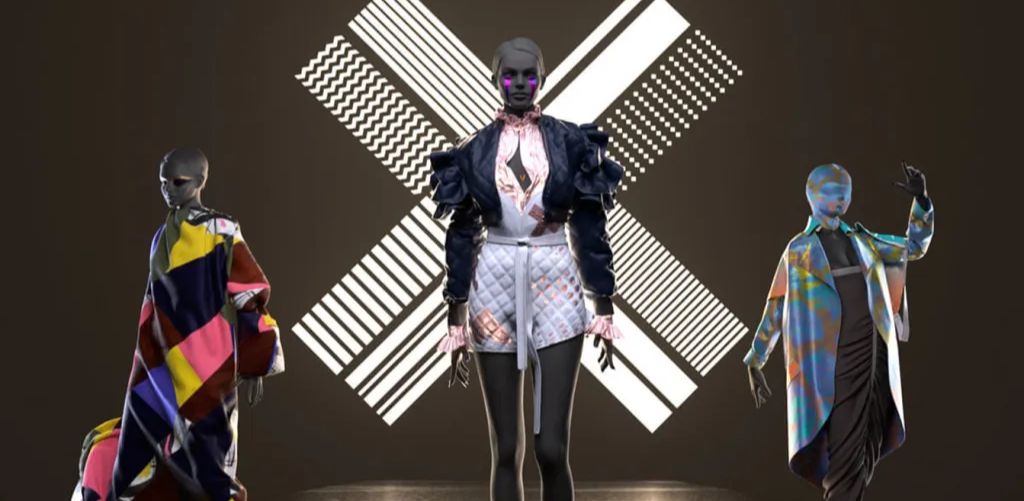
Sounds like fun, right? But think about it. The outfit you’d pick for your digital self probably says a lot about you—maybe even more than your everyday wardrobe. That’s because in today’s world, our digital avatars have become powerful expressions of who we are, or sometimes, who we want to be. From Instagram filters to gaming skins to metaverse outfits, personal style has broken past the limits of fabric and entered the realm of pixels. Let’s explore how your identity is being designed in both real and virtual spaces—and how understanding this relationship is shaping the future of fashion, design, and communication. 

At JD Institute, students are taught how design helps shape identity in every form—whether it’s fashion, interiors, or digital content.

Let’s explore how personal style is now living a double life—and why design students need to understand both.

From Closet to Code: The New Age of Personal Expression

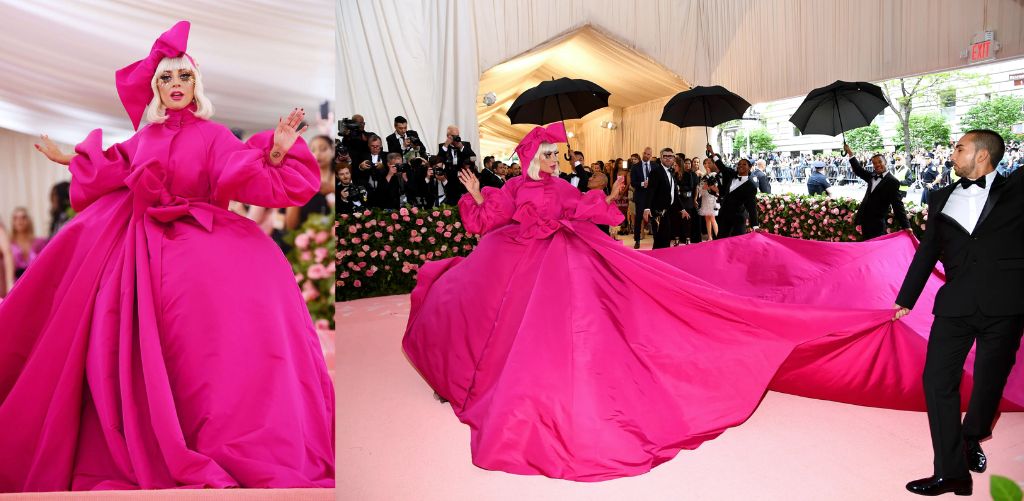
When Lady Gaga walked the red carpet in a virtual outfit for the Roblox Metaverse event, the world watched in awe. Her digital avatar didn’t just look like her—it felt like her. This is the new fashion frontier.

Our digital identities are no longer limited to usernames. What we wear online—whether it’s a gaming skin in Fortnite or a filter for a virtual meeting—tells people who we are. These choices reflect mood, personality, aspiration, and even rebellion.

At JD Institute, this concept is actively explored through fashion and communication design programs where students don’t just design clothes—they design meaning, identity, and presence in both physical and virtual formats.

Celebrities in Code: Famous Avatars Making a Statement

From Travis Scott’s holographic concert in Fortnite to Lil Nas X’s virtual style drop on Roblox, celebrities are taking their personal style into the digital sphere and turning it into interactive art. These avatars are not random; they are carefully curated extensions of their personalities.

This connection is exactly what students must learn to create—intentional storytelling through visuals. Whether it’s a fashion show or a branding project, the focus should always be on the why behind the design. Students must explore how identity, psychology, and technology intersect to create impactful visuals—on screen and off.

Designing for Two Worlds: Fashion Meets Virtual Reality

With the rise of virtual fashion brands like DressX and The Fabricant, style is now being created without a single piece of cloth. Think Bella Hadid walking a virtual runway in a digital outfit that doesn’t physically exist—but has been liked, shared, and celebrated by millions.

This double-life of fashion—real and digital—requires designers to think beyond trends. They must understand culture, movement, and even how light reflects off digital fabric. At JD Institute, Fashion Design students are encouraged to experiment with 3D tools, and materials to stretch their imagination beyond physical limits. After all, today’s fashion isn’t just worn—it’s uploaded.

How Filters and Emojis Shape Our Online Personas

Ever noticed how some people use the same filter in every story or how someone’s Bitmoji oddly resembles their vibe? That’s not accidental. These are small, repetitive choices that build a visual identity.

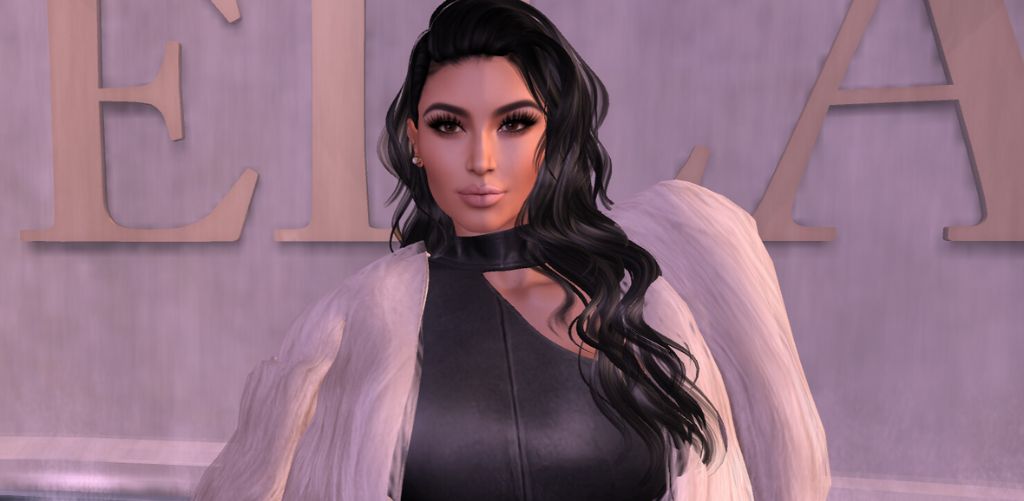
Kim Kardashian’s KKW avatar reflects her minimal, nude-toned brand—simple yet powerful. Even her emoji packs are in sync with her personal style. That’s communication design at play—creating a consistent aesthetic language across platforms. JD Institute’s communication design is made to understand how such visual languages are created. Whether it’s for a brand or an individual, the course teaches how to build style systems that are scalable, expressive, and digital-friendly.

Your Digital Room Says as Much as Your Real One

It’s not just your clothes that reflect your identity. It’s your space too. Designers like Zaha Hadid Architects are now creating virtual interiors—floating homes, digital showrooms, and 3D galleries for the metaverse.

In gaming or AR apps, people decorate their digital rooms just like they do in real life. These choices show personality and taste. At JD Institute, Interior Design students are taught to think about both real and virtual spaces. They learn how layout, color, and texture can be used in any environment to reflect the user’s identity.
Ready to Design for the Real and Digital You?

Your digital self is part of your story now. And if you’re a design student, it’s time to learn how to design for both worlds. Whether you’re passionate about fashion, interiors, or communication design —your future clients, users, or audience will want to feel seen, online and offline.
At JD Institute, you don’t just learn how to make things look good—you learn how to make them mean something. You learn to design identity.
So here’s a challenge: What would your avatar wear today—and what would that say about you?

The Costume Codes of Netflix and Amazon Prime Series Every Fashion Stylist Must Know

Sunday, May 25th, 2025

Fashion today doesn’t just live in magazines or on red carpets — it lives in your Netflix and Amazon Prime accounts. The shows we binge are setting the fashion trends we follow, whether it’s a vintage corset, a bold blazer, or even a pair of sneakers. This is the world of OTT Styling: The Costume Codes of Netflix and Amazon Prime Series — where every outfit tells a story.

From Bridgerton to Emily in Paris, from Made in Heaven to Delhi Crime, OTT series use costume design to build characters, set moods, and even launch global trends. For fashion styling students, these shows aren’t just for entertainment — they’re study material.

That’s why the Fashion Styling course at JD Institute of Fashion Technology trains students to spot, study, and style just like the pros behind these famous shows.

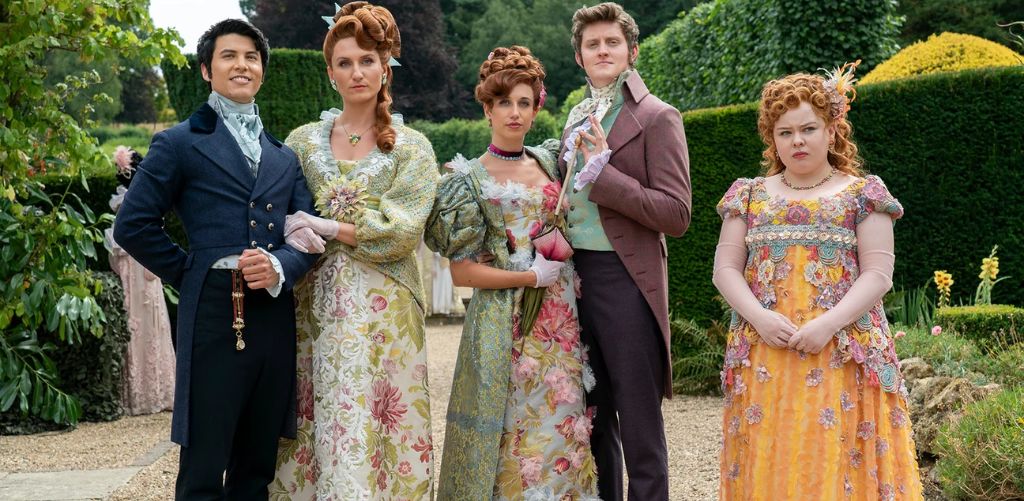
Bridgerton: Modern Romance in Period Costumes

The pastel gowns, shiny jewels, and flowery hairdos in Bridgerton feel like history with a modern filter. While the show is set in the 1800s, the styling speaks to today’s fashion fans — it’s romantic, bold, and dreamy. Every outfit reflects the character’s mood or position. Daphne’s soft looks show innocence, while Queen Charlotte’s grand gowns scream power. 

For styling students, this teaches how fashion can blend different eras to create something new and fresh. It’s not about copying history — it’s about reimagining it for today’s audience.

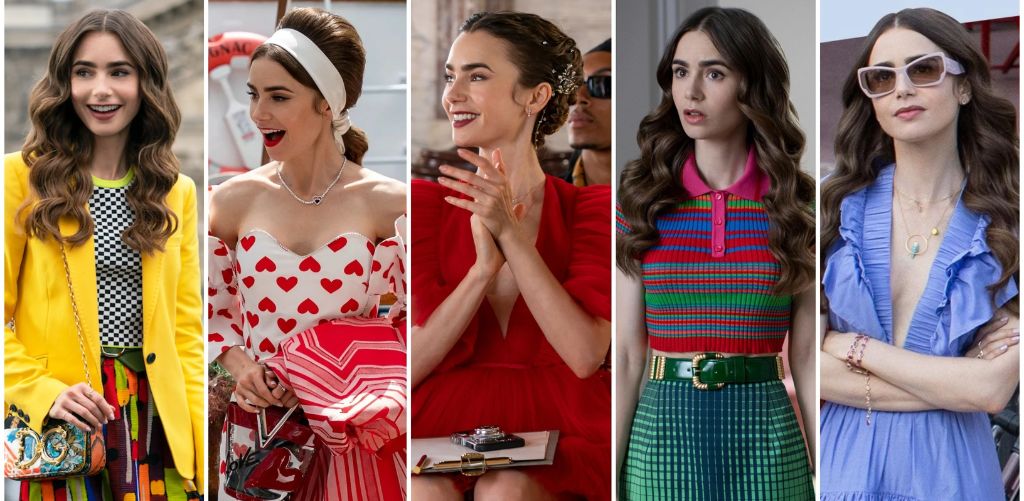
Emily in Paris: Bold, Loud, and Trending

Love it or hate it, Emily in Paris is a fashion conversation starter. From checkered blazers to printed coats and funky hats, Emily’s wardrobe doesn’t follow rules — it makes them.

The show reflects Emily’s cheerful, bold personality. Her styling stands out from the more classic Parisian fashion around her.

Fashion Styling students can learn how costume helps build a character’s image — not just through what they wear, but how they wear it. And this is exactly the kind of styling logic that students explore at JD Institute through real-life case studies and assignments

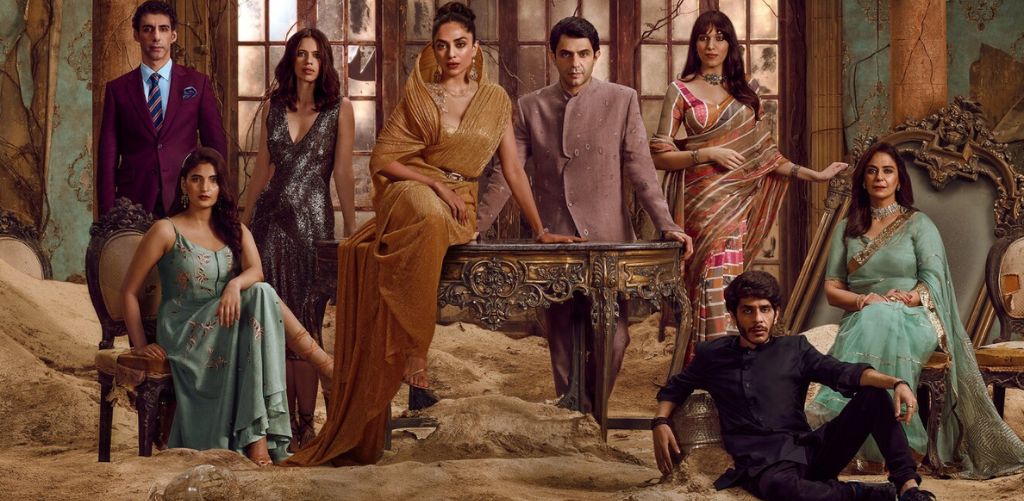
Made in Heaven: Fashion That Reflects Real Life

This Amazon Prime series is full of visual contrast — shiny Indian weddings mixed with serious personal struggles. The characters wear everything from traditional sarees to sleek western outfits, depending on their journey and emotions.

Tara’s look is classy and rich, while Karan’s clothes feel layered and expressive. Every outfit says something about their personal battles. For stylists, this is a lesson in styling for emotion and storytelling, not just appearance.

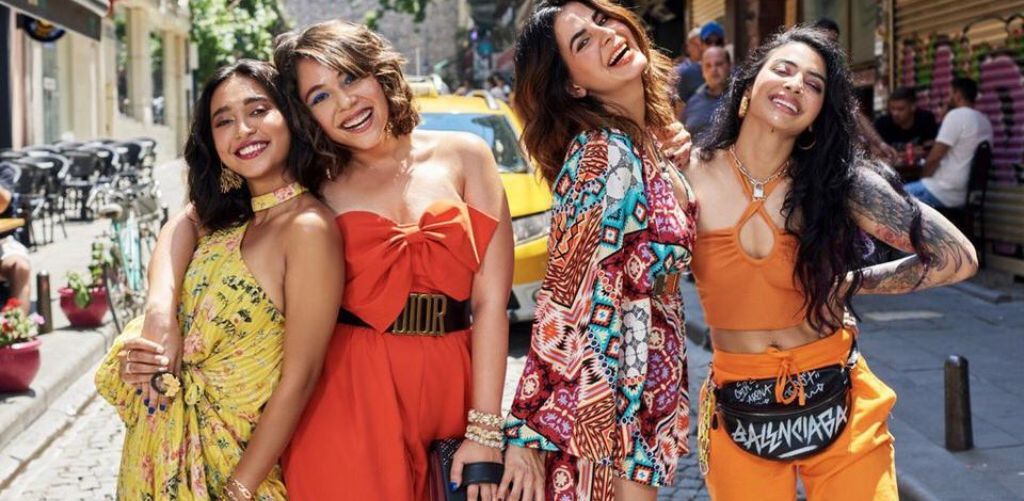
Four More Shots Please!: Four Women, Four Vibes

This Amazon Prime series shows how personal styling can tell four completely different stories at the same time. From power suits to casual chic, each character’s wardrobe matches their personality, lifestyle, and mindset.

Anjana’s corporate style is neat and elegant, while Umang’s sporty vibe is cool and relaxed. These wardrobe choices help the viewer understand them better, even before they speak.

At JD Institute, students of Fashion Styling are taught to think like this — to style not just for the body, but for the character, the situation, and the screen.

Styling on OTT: More Than Just Clothes

In all these shows, styling isn’t just fashion — it’s storytelling. It shows emotions, status, culture, and personality. For any aspiring fashion stylist, watching these shows is like attending a masterclass in visual communication. That’s why JD Institute’s Fashion Styling course is designed to turn binge-watching into brain-training — giving students the eye and skill to style for film, TV, and real life.

Global Religious Events: What Every Future Event Manager Must Learn From Them

Thursday, May 22nd, 2025

Imagine handling a crowd bigger than the population of Australia — all in one place, at one time.
No concert, football match, or fashion week comes close to the scale of religious gatherings like the Kumbh Mela, Hajj, or Vatican celebrations

These aren’t just spiritual events — they are mega cultural operations involving crowd planning, security, public health, tech innovation, and a lot of coordination. That’s what makes them powerful examples of Global Religious Events as Cultural Mega-Strategies.

If you’re someone who dreams of working in events — whether fashion, festivals, or international expos — understanding how these large-scale events work is a smart move. It’s also why courses like the Global Event Management program at JD Institute include deep dives into these iconic global gatherings.

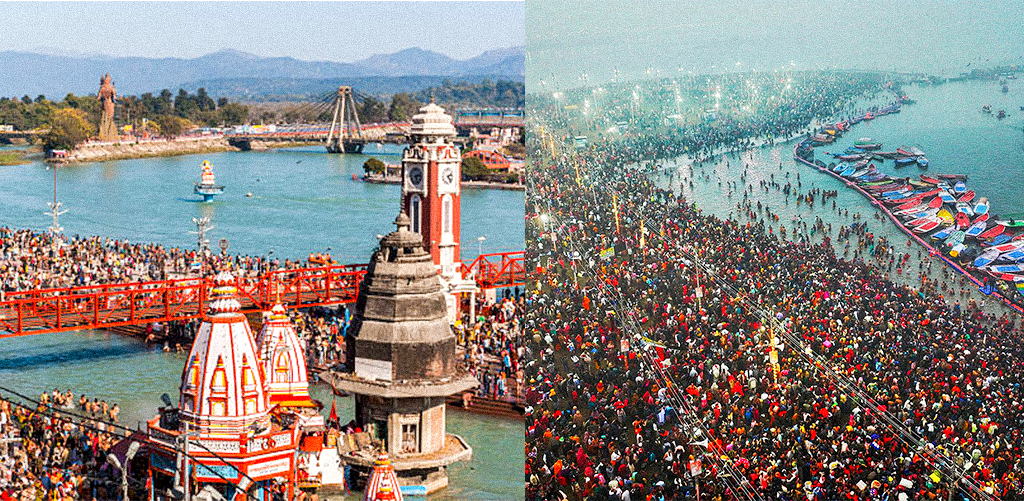
Kumbh Mela: The World’s Largest Pop-Up City

Held in India approximately every 6 or 12 years, the Kumbh Mela is considered the largest gathering of people on Earth, with over 200 million attendees.

It’s like building a city from scratch — with roads, lights, tents, toilets, water, food stalls, and security — and then removing it all after the event ends.

  • Crowd Management: Real-time GPS tracking, CCTV cameras, and drone surveillance are used to keep pilgrims safe.
  • Government Policy: Special transport, health, and waste policies are launched just for this event.
  • Economic Impact: It boosts local hotels, transport services, food vendors, and tourism.

Startup Spotlight – MapmyIndia: Their GPS tech helps visitors navigate and locate missing people. Their work at Kumbh shows how tech can transform public events.

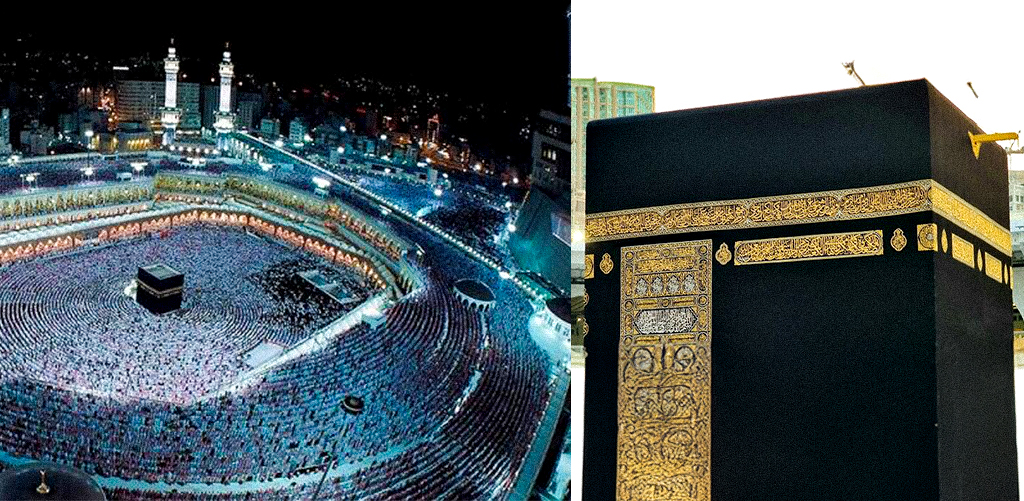
Hajj: Precision Planning at Global Scale

Every year, around 2 million Muslims from across the world gather in Mecca, Saudi Arabia, to perform the Hajj.

It’s not just spiritual — it’s also one of the best-managed crowd events in the world, requiring top-level coordination.

  • Air Traffic Control: Pilgrims fly in from over 150 countries. Flight slots, arrival times, and transport routes are carefully mapped.
  • On-Ground Safety: Tents, water, food, toilets, and first aid are set up across the desert.
  • Economic Growth: Hajj supports thousands of jobs and boosts sectors like hospitality, transport, and retail.

Startup Spotlight – CrowdVision: This company uses AI to monitor crowds and prevent stampedes. Saudi authorities use similar tools during Hajj to keep people safe.

Vatican Celebrations: When Faith Meets Statecraft

From Christmas Mass to Easter Sunday, Vatican City transforms into a magnet for global pilgrims. The Pope’s public appearances demand ultra-high security, media coordination, and diplomacy — not to mention crowd control in a space that’s only 44 hectares wide!

Economic buzz? These events boost Italy’s tourism, hospitality, and even fashion sectors. (Yep, fashion — clerical robes have had their runway moments too.)

Startup Spotlight: Scytl
This Spain-based startup helps governments with secure digital voting, but its encryption tech has been tested in high-profile events like papal visits, ensuring secure coordination and communication.

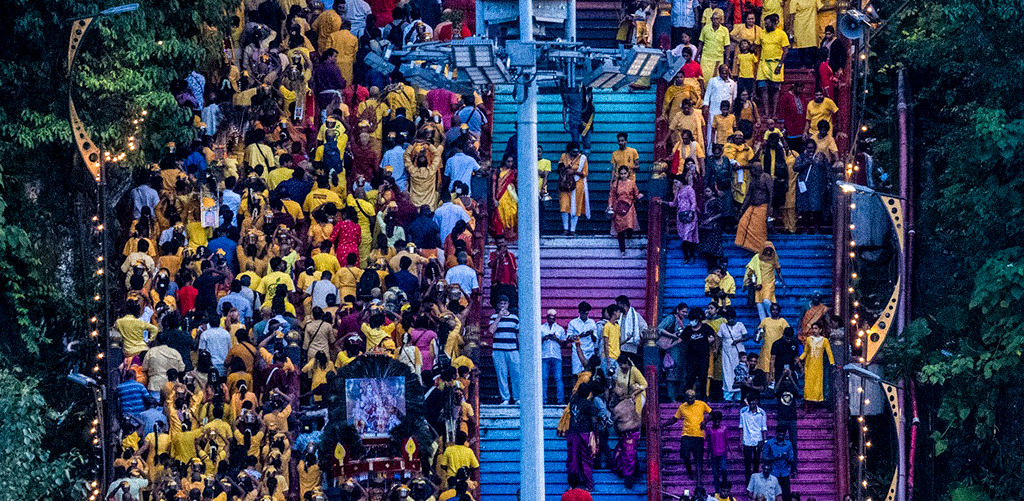
Thaipusam in Malaysia: A Spiritual Parade Like No Other

Thaipusam is a Hindu festival celebrated mainly in Malaysia and Singapore. It involves more than a million devotees, many of whom carry heavy decorated structures (kavadis) and walk barefoot for hours.

  • City-Wide Planning: Entire roads are blocked, and city transport is redirected.
  • Medical Teams & Safety: Due to the intense rituals, first aid and medical teams are on high alert.
  • Cultural Showcase: Dance, music, food stalls, and traditional wear all come together in this rich celebration.

The Global Event Management course at JD Institute teaches future event planners how to manage culturally sensitive, high-energy festivals with large walking routes and massive public participation.

Pushkar Camel Fair: From Animal Trade to Global Tourism

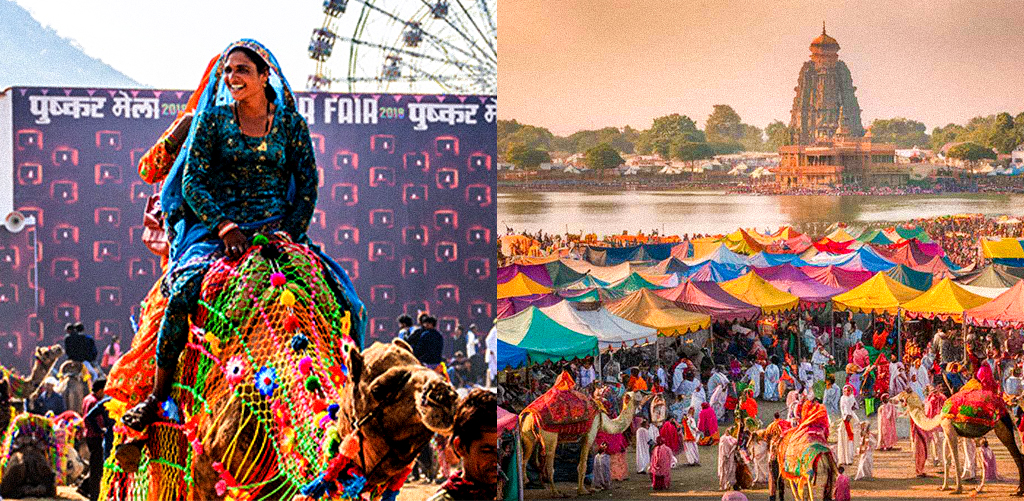
What started as a camel trading fair in the deserts of Rajasthan has now become a global tourist event.

The Pushkar Camel Fair attracts over 400,000 people and features camel races, cultural shows, art bazaars, and spiritual rituals — all in a small desert town.

  • Logistics Challenge: Desert terrain, temporary structures, and limited resources make this a tough event to handle.
  • Tourist Engagement: Event planners create experiences for both locals and foreigners — from glamping tents to food festivals.
  • Economic Gain: Locals earn from handicrafts, hotels, camel safaris, and performances.

Learning from events like Pushkar helps students understand how small towns can host global-scale events — a learning also covered in the modules at the JD Institute’s Global Event Management course.

Why Should You Even Care?

Because this isn’t just about religion — it’s about planning, people, policy, and profit. Whether you’re working on a design showcase, a fashion week, or a music festival, the same rules apply:

  • Know your audience
  • Plan your space
  • Ensure safety
  • Use smart tech
  • Respect cultural values

That’s why many fashion and event students at JD Institute learn how global spiritual events are planned — because that knowledge applies across industries, and it gives you a competitive edge in the real world.

Before You Scroll Away…

If you’re dreaming of working at international festivals, fashion expos, or even government-level events, start by learning from the biggest gatherings in the world. Global Religious Events as Cultural Mega-Strategies give us the best examples of how to handle scale, emotion, and complexity. And if you’re looking for a place to learn all that with the right mix of creativity, culture, and practical tools — JD Institute’s Global Event Management course might just be your smartest next step.

UX/UI in Wearables? A New Frontier for Communication Design Students.

Wednesday, May 21st, 2025

The last time you checked your smartwatch for heart rate, replied to a message through your AR glasses, or tracked your steps with a fitness band — you weren’t just using a gadget. You were experiencing design. Smart, silent, and invisible design.

That’s the beauty of wearable tech. It works so smoothly, most people never stop to think about what makes it feel so natural. But behind that seamless experience? A UX/UI designer.

Yes, the real magic of wearable devices lies in how they look, feel, and respond — and that’s where UX/UI design steps in. It’s no longer just about engineers and code. Today, every wearable brand needs a UX/UI designer to make their products not only work — but work beautifully.

For students diving into Communication Design (like the one offered at JD Institute of Fashion Technology), this field opens up fresh, exciting opportunities. It’s where creativity meets tech. And it’s changing fast.

Design That Thinks Ahead

Famous Example: WHOOP

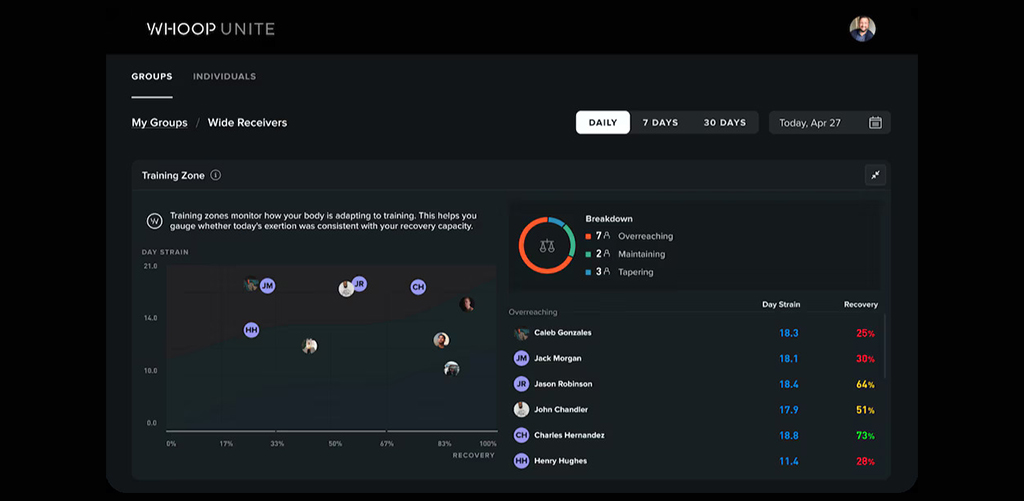
WHOOP is a fitness wearable that tracks recovery, sleep, and strain — but without a screen. The magic? All the data shows up in the app, through a UX/UI system that translates complex biometrics into easy-to-read dashboards.

UX/UI designers are not just styling things. They’re solving problems, predicting behavior, and helping people understand their own bodies better. Whether it’s designing for night mode, motion detection, or accessibility — wearable UI needs to think ahead.

That’s exactly the kind of creative thinking and visual problem-solving taught in Communication Design courses, like the one at JD Institute, where students explore how design can improve both function and form in emerging tech.

It’s Not Just a Job — It’s a Cross-Disciplinary Adventure

Famous Example: Snap Spectacles

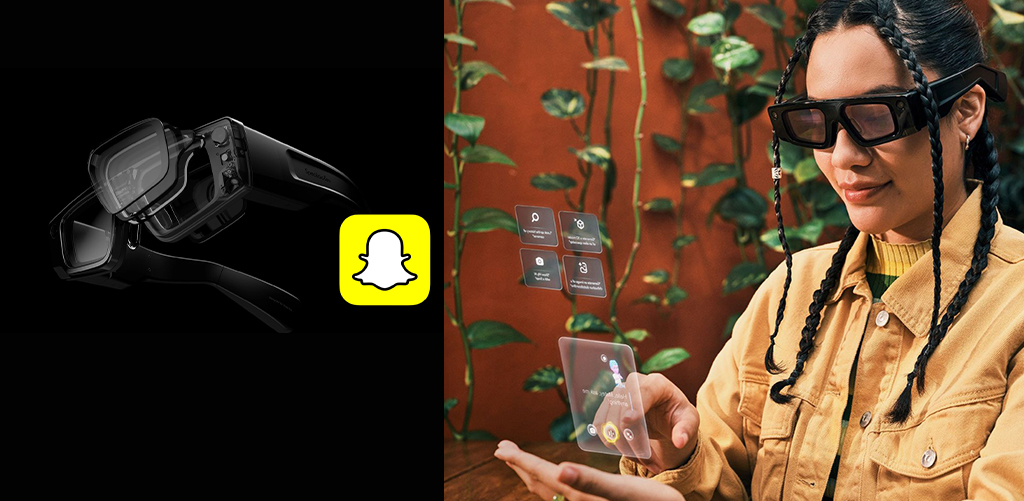
Snapchat didn’t just launch a cool-looking pair of glasses. They launched an experience. Snap Spectacles integrate camera tech into eyewear, and the app interface brings it all together. What made it fun and accessible? UX/UI design that feels familiar yet futuristic.

Wearable UX/UI is one of the rare design fields where you’re working at the crossroads of:

  • Psychology (how users behave)
  • Visual language (what feels right)
  • Micro-interactions (every swipe, scroll, tap)
  • Hardware limitations (smaller screen, less power)

That’s why Communication Design students should care. You’re not just learning color theory or typography — you’re understanding how visuals impact everyday life. From fitness to healthcare, from fashion tech to safety wearables — your work could be on someone’s wrist, face, or even inside their jacket.

Fitness Meets Function — How Fitbit Runs on Good Design

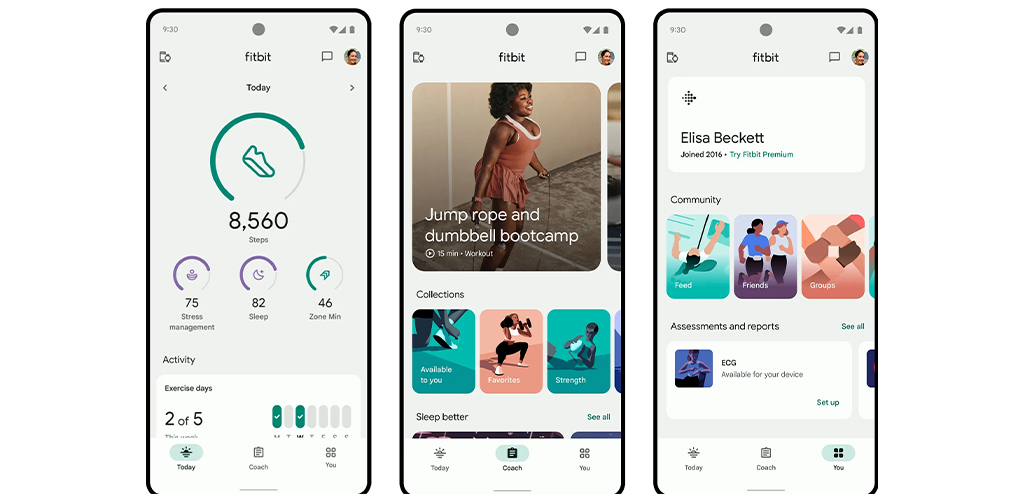
Let’s not forget the OGs of wearable fitness: Fitbit. Their early success wasn’t just in tracking steps — it was in designing interfaces that made users feel good about tracking steps.

The emotional win? Those little badges, milestones, and colourful dashboards. The UX was gamified, rewarding, and simple. They made wellness addictive — all through clever interface decisions.

Fitbit’s design teaches one thing clearly: no matter how great your tech is, if your user can’t interact with it seamlessly, it fails. And that’s where courses like Communication Design at JD Institute teach you how to think like a user, prototype like a problem-solver, and create like a brand-builder.

Why Wearables Can’t Survive Without UX/UI

Famous Example: Apple Watch

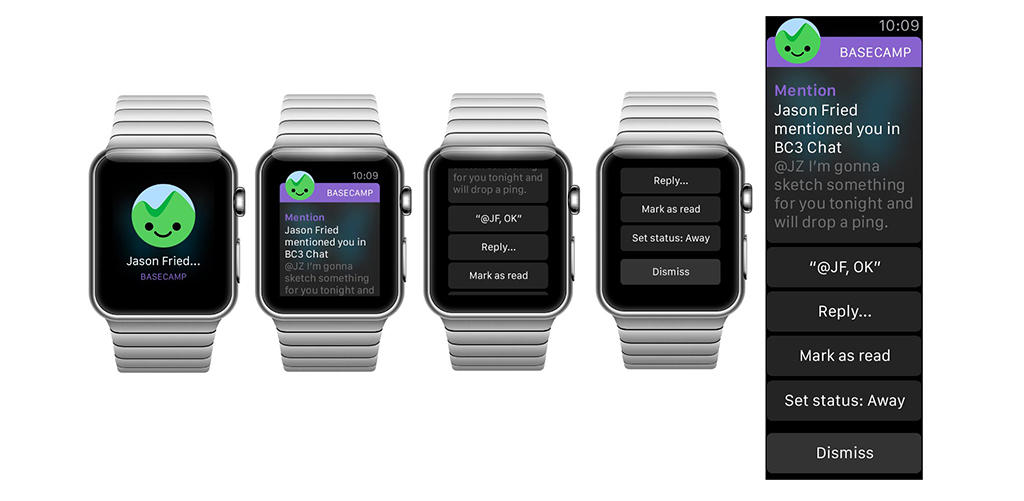
The Apple Watch didn’t become popular because of its processor speed. It clicked because the interface was clean, intuitive, and emotionally engaging. From haptic taps to activity rings — every interaction was carefully designed.

Wearables are small. Their screens are tiny. Buttons are minimal or invisible. That means the user experience (UX) and user interface (UI) must be extra smart, super simple, and visually clear. Even a one-second delay or a confusing screen can make users drop the product.

That’s why wearable brands, big and small, are hiring UX/UI designers right from the product concept stage.

What Should Aspiring Designers Learn?

If you’re thinking about stepping into the world of wearable tech, here’s what helps:

  • Learn user research — how to design for people, not just at them
  • Study mobile-first interfaces — because wearable screens are even smaller
  • Get hands-on with prototyping tools like Figma, Adobe XD, or Sketch
  • Explore motion design — because micro-animations are key in wearables
  • Understand how hardware and software talk to each other

Communication Design at JD Institute helps you build these exact skills, blending design thinking with hands-on practice. It’s not just about designing pretty things — it’s about designing things that work beautifully in real-world situations.

Copyright © 2025 JD Institute of Fashion. All Right Reserved

Designed by Red Lemon

Whatsapp icon
Apply Now
Enquire
Quick Enquiry