
Apply Now

Author Archive

Want to Design for the Web? Here’s What You Really Need to Know First

Wednesday, July 2nd, 2025

“The first impression of your brand is made in less than 0.05 seconds. Guess who makes it? Your website.

Yep, that’s how fast people judge your digital space. If you thought building a website was just about throwing some pretty pictures and text together, think again. Today, your website is your handshake, elevator pitch, and business card all rolled into one. But before you dive into templates and color palettes, let’s get real about web design basics: what you need to know before you build a website.

And if you’re a student dreaming of a career in communication design, this isn’t just tech talk. This is your creative playground. That’s why the Communication Design course at JD Institute equips students with the power to shape experiences through smart, user-first design, online and offline.

Start With Strategy, Not Style

Before the colors, fonts, and animations come into play, ask: What’s the goal of this website? Is it to sell something? Show off a portfolio? Book appointments?

Startup Spotlight: Airbnb
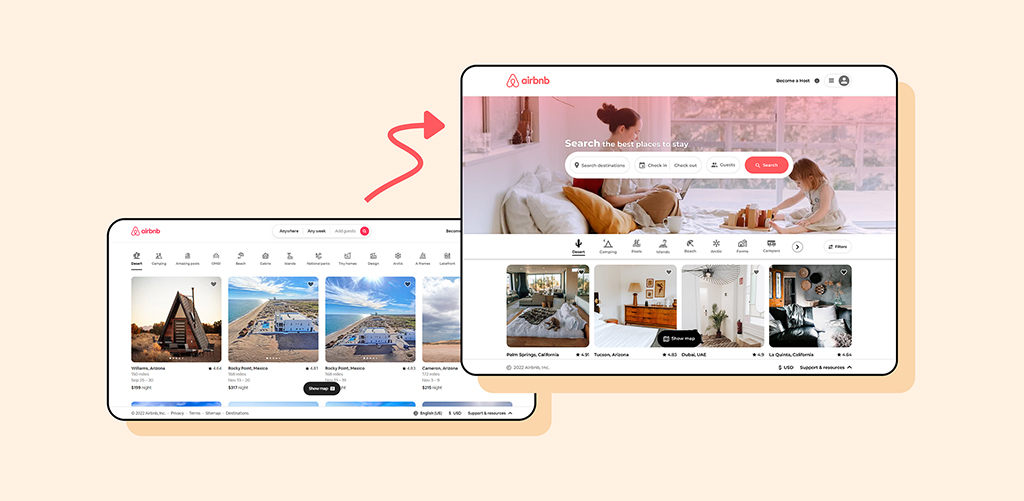
When Airbnb started, it didn’t have the most stylish website. But what it had was clarity. The design focused on one thing, booking a stay. Every button, form, and page guided the user toward that one goal. That’s good design.
Tip: Sketch your user journey first before opening a single design tool.

Keep It Clean and Crazy-Easy to Use

Ever opened a site and instantly hit the back button because it was too cluttered or confusing? That’s poor UX (user experience). Simplicity is key.

Startup Spotlight: Dropbox
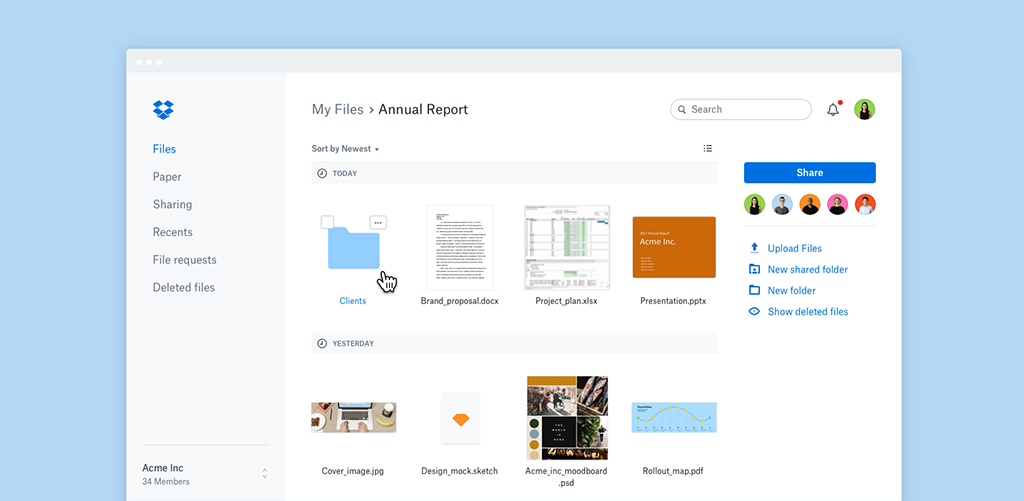
Dropbox became a household name because its site made file sharing look ridiculously easy. A clean design with bold CTAs (Call-To-Actions) helped users understand the value instantly.
This is exactly what the Communication Design at JD Institute have it in its curriculum, to think beyond just aesthetics. They learn to solve real-world problems with smart design thinking, especially in digital spaces like web platforms and apps. 

Design for Mobile First

We’re in a mobile-first world. More than 60% of web traffic comes from phones. If your site doesn’t look good on a small screen, you’ve already lost half your visitors.

Startup Spotlight: Zomato
Zomato mastered mobile design. Whether you’re ordering food at midnight or checking a restaurant menu on the go, their mobile UI is smooth, fast, and intuitive.
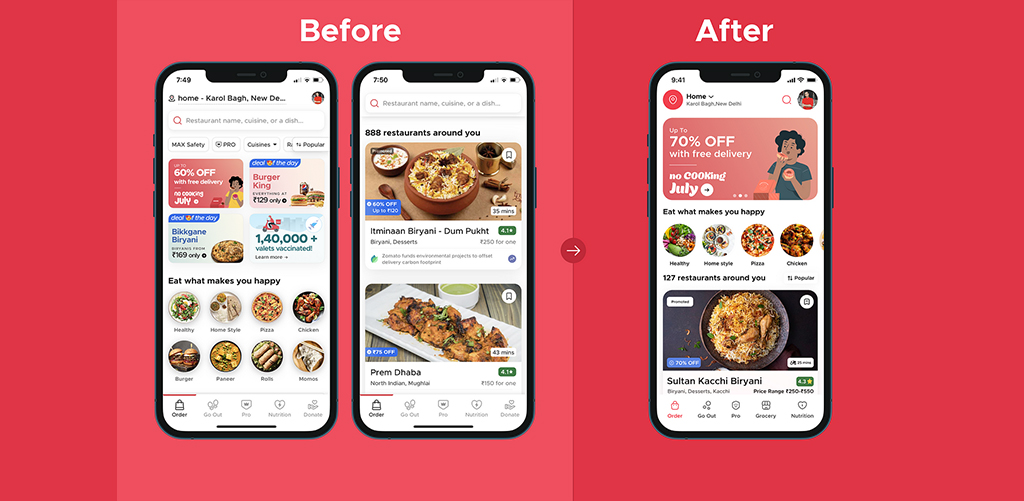
Tip: Always test your design on both desktop and mobile before launching.

SEO is Not Optional

Search engines don’t care how pretty your site looks if it’s not readable or discoverable. From alt tags to page titles and loading speeds, everything affects SEO.

Startup Spotlight: Canva
Canva didn’t become everyone’s favorite design tool by accident. Their content-rich, SEO-optimized site structure helped them rank high on Google, and stay there.
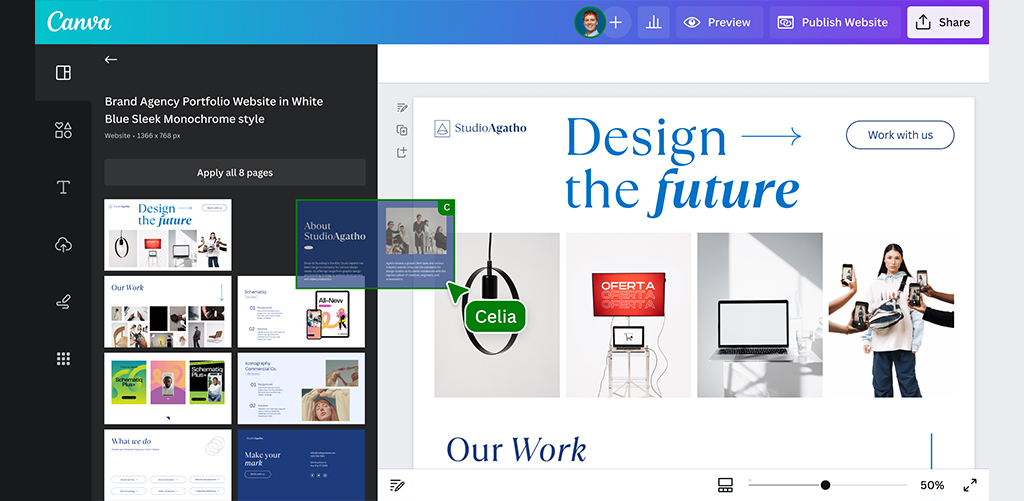
Tip: Learn the basics of SEO while designing. Tools like Yoast for WordPress can be a great help.

Don’t Forget Accessibility

Design isn’t complete if it excludes people. Your website should be usable by everyone including people with disabilities.

Startup Spotlight: Duolingo
Duolingo’s design isn’t just fun and friendly, it’s also inclusive. They use high-contrast colors, readable fonts, and descriptive text for screen readers.

Tip: Add alt-text for images, ensure readable fonts, and use keyboard-friendly navigation.

Ready to Make Clicks Count?

Designing a website is not just for coders or tech geeks anymore. It’s a must-have skill for today’s creative minds. Whether you’re into fashion, design, media, or startups, knowing what you need to know before you build a website gives you the edge in the digital era. And if you want to learn how to turn websites into experiences that wow and work, start with the course that shapes the creators of tomorrow. JD Institute is where clicks become creativity.
Struggling with Room Themes? This One’s for You

Tuesday, July 1st, 2025

Choosing a theme for your room should be fun and not a stress marathon of endless Pinterest boards and colour swatches. Whether you’re doing up your own space or stepping into the shoes of a future interior designer, learning how to lock down a room theme without getting overwhelmed is a must-have skill. And that’s exactly what interior design students at JD Institute of Fashion Technology are trained to do, translate personalities into spaces that speak.

So, let’s break down how to choose a theme for your room without getting confused, step by step, with a little help from the pros and even some inspiration from famous creative ventures.

Your Personality Is the Blueprint

Before you open Pinterest, pause. Your room should reflect you not someone else’s aesthetic.

Think about:

  • Your daily habits
  • The kind of energy you want when you walk in
  • Favourite textures, colours, or cultures

Take Airbnb for example. Their interiors across the globe aren’t copy-paste; they reflect local culture, stories, and energy. That’s the goal, your room should feel local to you.

Students at JD Institute are taught early on how to conduct client profiling, it’s like personality decoding for spaces, and it helps create designs that feel personal, not Pinterest-perfect.

Pick a Vibe, Not a Label

Stop stressing over “Is this Scandinavian enough?” and instead, ask yourself , “Do I want my room to feel calm, bold, artsy, or playful?”

That emotional clue will help you select a design style without being boxed in by strict categories.

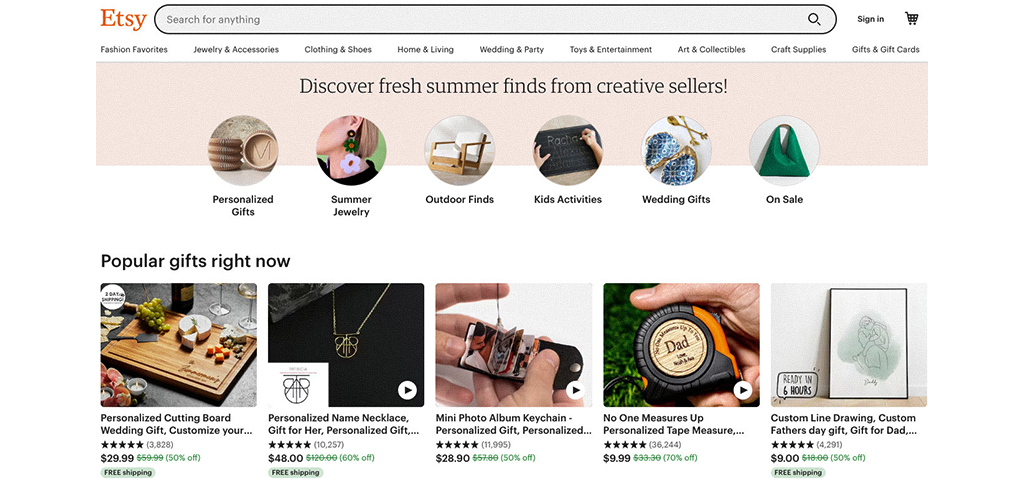
Case in point? Etsy. Their entire brand vibe is a mix of handmade, quirky, warm, and it shows in how every seller presents their shop. No rigid style book, just a strong vibe.

So, go vibe-first. Once that’s clear, choosing interiors becomes intuitive.

Mood Boards Aren’t Just for Designers

Yes, they’re that powerful. Create a digital or physical mood board with photos, fabric samples, colours, art, and whatever inspires you.

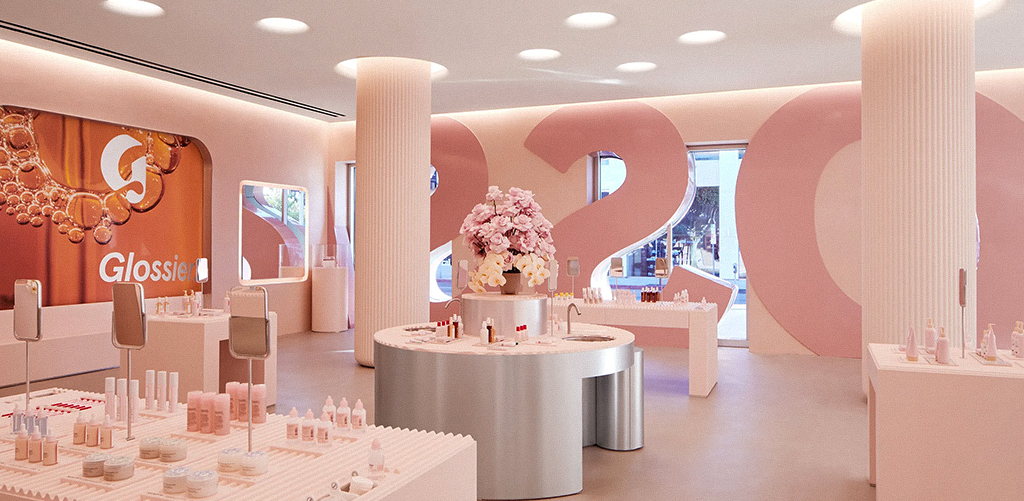
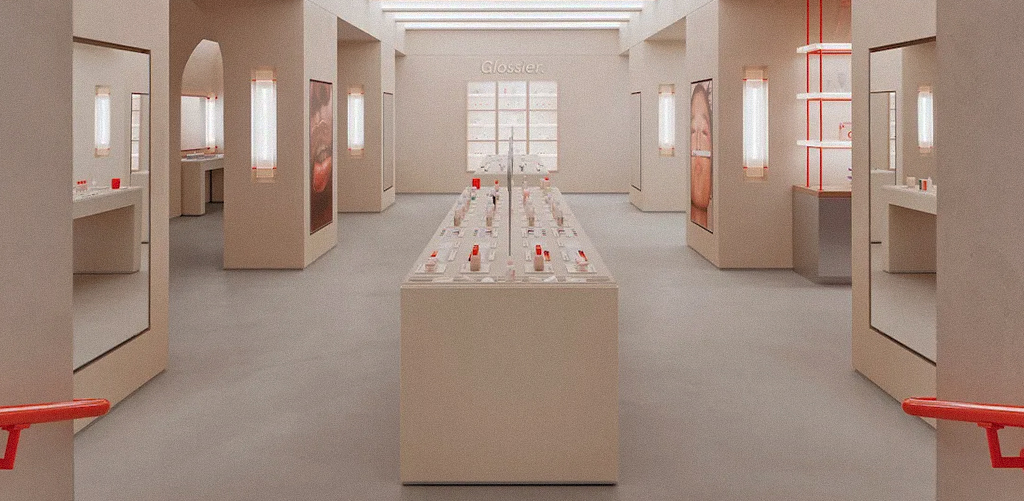
Example: Glossier’s flagship stores started from mood boards built around feelings of calm, beauty, and minimalism. Today, their interiors echo that mood perfectly, soft pinks, clean lines, and mirrors that reflect their brand identity.

Students must constantly trained to build mood boards that are not just pretty, but strategic. That’s how you learn to make emotion meet function.

Mix, Don’t Mash and Understand the Balance

You can love multiple styles. The trick is balance. Don’t try to fit everything in one room, instead, find one dominant theme and let others play a supporting role.

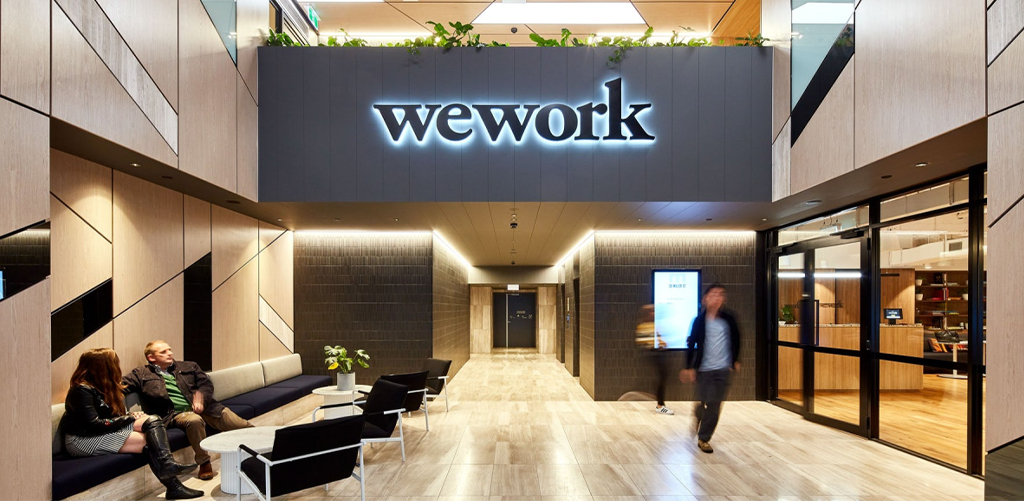
Think of WeWork. Their spaces blend industrial, modern, and local flavours seamlessly. But there’s always a clear dominant style which stops the space from feeling like a confusing collage.

So, if you like rustic and modern, maybe choose rustic furniture with modern light fixtures. That’s mixing, not mashing.

Consider Function Before Aesthetics

Before getting dreamy over colours and cushions, ask: How do I actually use this room?

Is it a place to work, chill, read, or host? Your room theme should support that function.

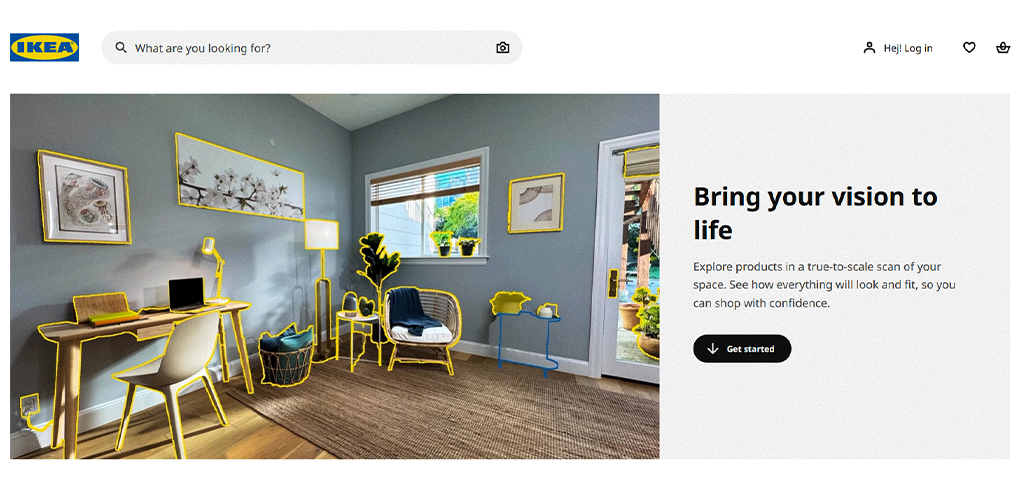
Even IKEA knows this, their room layouts don’t just look good, they work. They optimise small spaces, kids’ rooms, study corners, each with purpose-driven design.

And that’s something future designers absolutely need to master.

Lighting & Colour Can Make or Break the Mood

Even if your furniture and layout are on point, the wrong lighting or colour can mess up the whole theme. 

Warm white lights make a Boho room feel cozy. Stark white might make it feel sterile. And that one accent wall you thought was cool? It might throw off the whole palette.

Learn from Apple. Their stores are designed with controlled lighting and neutral palettes, to keep focus on their products. That’s colour and lighting as a strategy.

Final Word: Your Room, Your Signature

Designing a room is not about copying trends, it’s about telling your story without getting lost in options. If you’re planning to make a career out of interiors, the ability to simplify complex choices for clients and yourself is a superpower.

So next time you’re stuck wondering how to choose a theme for your room without getting confused, remember to focus on vibe, function, and flow, and keep learning from the best. Because smart interior designers don’t just decorate, they design spaces that make people feel something.
And if you’re ready to create spaces that speak volumes, there’s no better place to start than JD Institute, where great design is more than style; it’s a way of thinking.

Why That Store Window Made You Stop: VM Skills Every Fashion Student Must Master

Tuesday, July 1st, 2025

Ever walked past a store and felt like the mannequin winked at you? Or maybe the colors, lights, and display screamed “Come in” louder than a salesperson ever could? That’s the magic of Visual Merchandising (VM), the silent artist of retail that gets customers to step inside without saying a word.

Now, if you’re dreaming of becoming a fashion designer or stylist, but haven’t considered Visual Merchandising yet, you might just be missing a major piece of the puzzle. The good news? You can totally level up by learning these top Visual Merchandising Skills and institutions like JD Institute of Fashion Technology are already training future creatives to ace this craft through their specialized Visual Merchandising course.

Displays That Speak

Ever noticed how Apple Stores feel more like art galleries than tech shops? That’s because they tell a story. In Visual Merchandising, you learn how to communicate a brand’s identity or campaign message just through props, product arrangement, and spatial planning.

Famous Example:
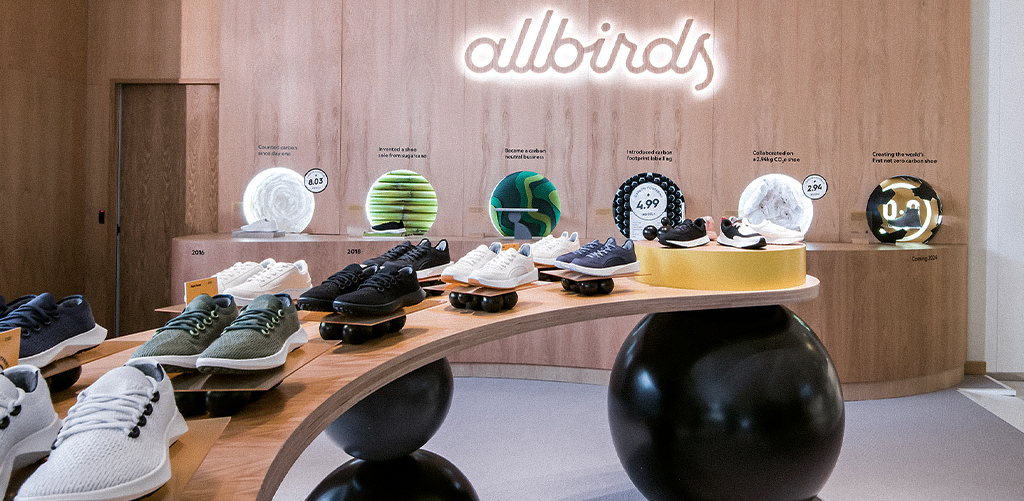
Allbirds, the sustainable shoe brand, nails minimalism in its stores clean colors, eco-friendly textures, and smart layout speak directly to their earthy brand values. 

For aspiring VM pros, this means learning retail design basics, from understanding product placement to working with lighting, color, and negative space, so your display doesn’t just “show” but “tells”.

Understanding Customer Psychology

Good VMs know where customers’ eyes will go before the customer even steps in. That’s retail art and it’s based on psychology.

Famous Example:
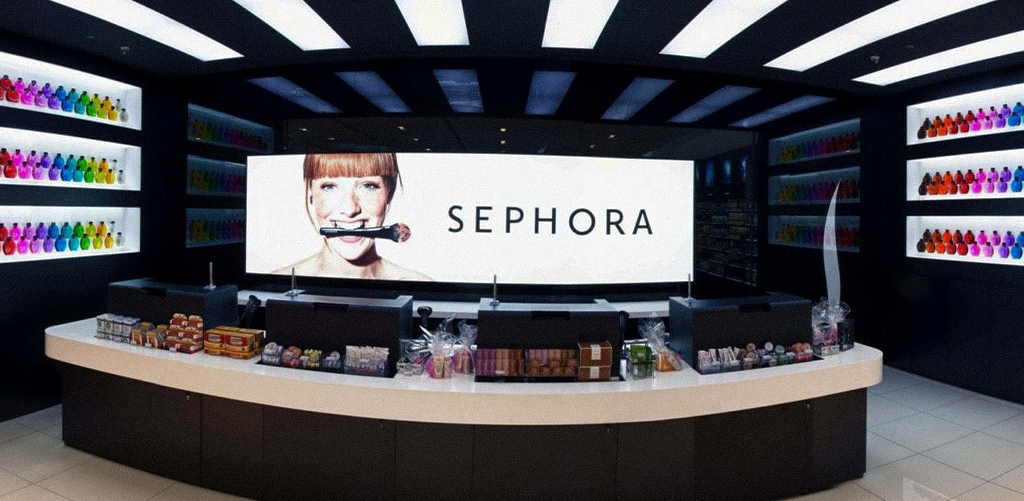
Sephora arranges its stores so that customers always find what they didn’t know they needed. The layout is designed to lead them on a path of discovery, not just shopping.

In the Visual Merchandising course at JD Institute, students learn how to design keeping consumer behavior in mind, a critical skill if you want to convert footfall into actual buyers.

Don’t Just Follow Trends, Predict Them

If you’re just copying Pinterest boards, you’re already late to the game. VM requires a radar for upcoming trends in color, themes, textures, tech, and even pop culture.

Famous Example:
Glossier changes its display concepts often based on real-time feedback and trending conversations among its customer base. This keeps their stores Instagrammable and always in sync with the audience.

For fashion students, learning how to forecast and creatively apply trends can set them apart making them not just executors but innovators.

Designing for the Instagram Generation

You don’t just design for the person walking into the store anymore, you also design for their phone camera too. Knowing how to create shareable, social-media-worthy VM setups is a massive skill today.

Famous Example:
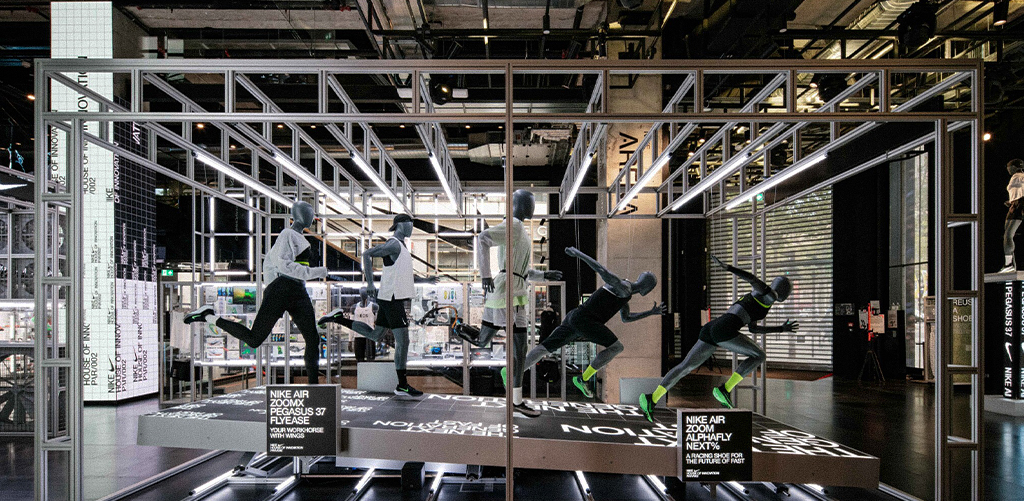
Nike House of Innovation in NYC uses AR mirrors, motion sensors, and digital storytelling in its store design, making the in-store experience feel futuristic and unforgettable.

This is where a good institute makes all the difference. At JD Institute, students are taught how to blend tech with design, a perfect ambience for those who want to push creative limits in this digital age.

Logistics and Budgeting

Yes, you’ll make things look beautiful. But first, you need to know how to source materials, stick to budgets, meet deadlines, and adapt quickly. No brand wants just dreamers but they also want creators who can execute ideas in the real world.

Famous Example:
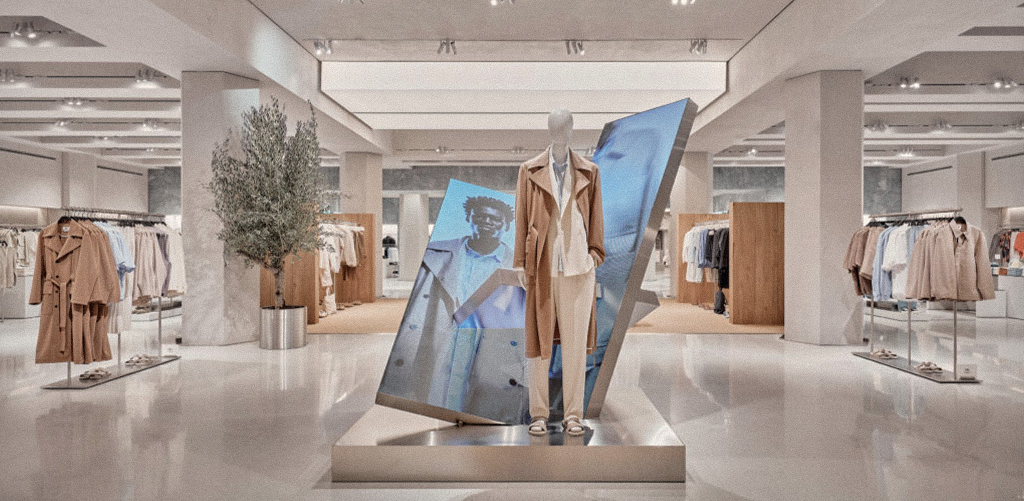
Zara changes their store displays every two weeks across all their global outlets. That means their VM team works at lightning speed, within tight budgets, and with smart planning.

Aspiring visual merchandisers must learn how to balance creativity with practicality, because your wildest concept still has to be doable and affordable.

Ready to become that kind of creator?

Whether you want to become a fashion designer, stylist, or brand manager, understanding Visual Merchandising gives you an edge. It helps you create spaces that sell, designs that move people, and retail stories that linger long after the shopping is done. So, start your journey with the Visual Merchandising program at JD Institute of Fashion and Technology where your creativity meets real-world strategy, and where your ideas will literally take up space.

Celebrating Yoga Day with Om Arham: A Healing Session for JD’s Creative Minds

Monday, June 30th, 2025

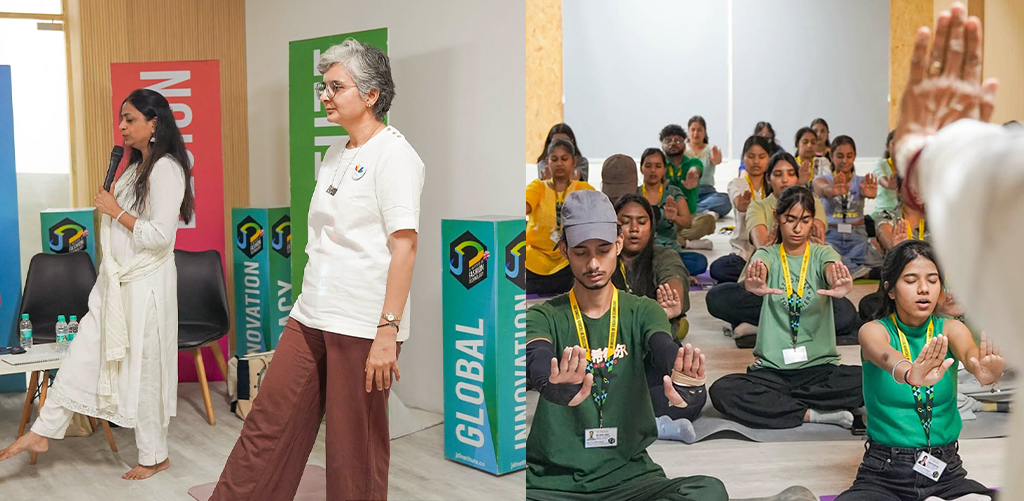
What if a simple breath could change your entire day? In the rush of deadlines, creative blocks, and never-ending screens, most students rarely get a moment to pause. But on June 20th, 2025, something refreshing unfolded at the JD Institute of Fashion Technology’s Hauz Khas campus, a moment of stillness, reflection, and renewal.

To mark International Day of Yoga, the institute transformed its seminar room into a sanctuary of peace through a special Arham Dhyan Yoga session. More than just a break from routine, it was a deep dive into wellness, both for the body and the planet.

Yoga That Speaks to the Soul (and the Earth)

With the theme “Yoga for One Earth, One Health,” this year’s celebration went beyond individual wellbeing. It recognized how inner peace and outer harmony are deeply linked. Hosted in collaboration with the Om Arham Social Welfare Foundation, the session brought together ancient Indian yoga wisdom and modern-day student life.

Designed with young creative minds in mind, Arham Dhyan Yoga focuses on mental strength, emotional balance, and spiritual clarity, the skills that go hand-in-hand with design, innovation, and personal growth.

A Journey Through Mudras, Breaths, and Sound

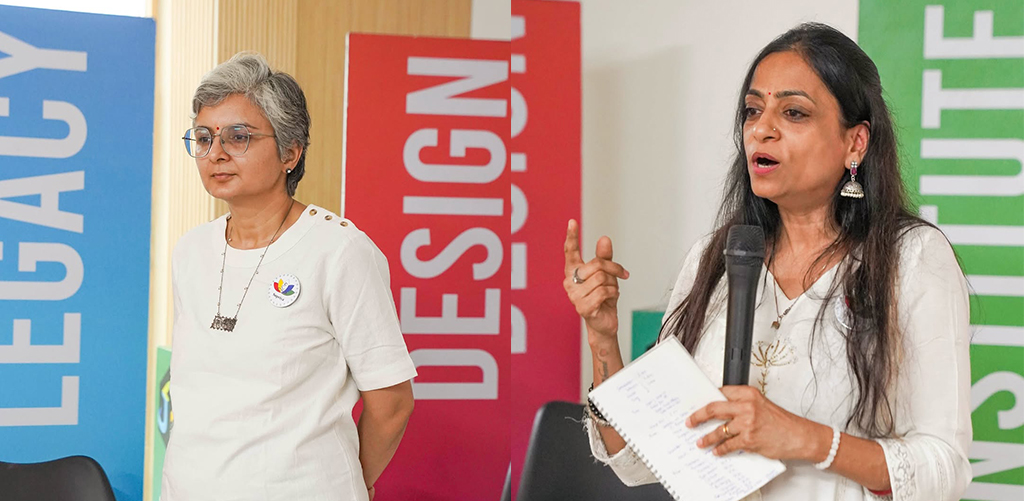
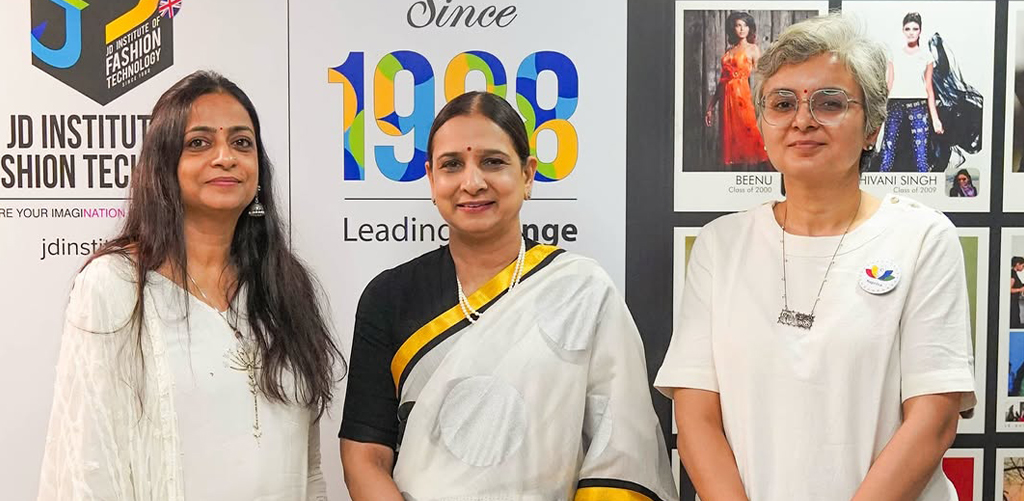
Led by Ms. Supriya Satbhaiya and Ms. Nidhi Jain Mishra, two respected Arham Dhyan Yoga experts known for connecting youth with mindful living, the session unfolded over 90 calm-yet-powerful minutes.

The journey began with soft stretches and energizing yoga postures, helping tired bodies wake up and minds slow down. Students then explored Panchmudra, a powerful sequence of hand gestures and body alignment designed to restore energy balance from within.

Next came Pranayama, a series of breathing exercises to clear the mind and sharpen focus, followed by the soothing vibrations of Naad (sound healing). The experience concluded with a guided meditation that brought the room into collective stillness, an invitation to feel connected with nature and with oneself.

As an added layer of symbolism, every participant dressed in green, echoing the message of unity with nature and holistic health.

A Well-Timed Pause in a Fast-Paced World

For our Fashion and Interior students constantly navigating creativity, deadlines, and digital overload, this session came as a much-needed pause. More than just relaxing, it planted seeds of mindfulness. Many walked out feeling lighter, more present, and deeply refreshed, ready to take on their academic and personal challenges with new perspective.

Interactions with the instructors gave students deeper insights into how daily mindfulness practices can support emotional clarity and balanced living, the essentials not just for today’s education, but for tomorrow’s lifestyle.

More Than a Session, A Gentle Awakening

In a world that rarely slows down, JD Institute’s celebration of International Yoga Day was a reminder that wellbeing doesn’t have to be complicated, it can begin with a breath, a posture, or even a thought. So, what if yoga wasn’t just a practice, but a creative fuel?

What if this quiet session sparked a louder change, one that shifts how we approach learning, living, and caring for the Earth? Reimagine your routine. Reconnect with your breath. Rediscover your balance.
Let this be more than a memory. Let it be a new way forward.

Why Designing Clothes for Space Should Also Be on Every Fashion Student’s Radar

Monday, June 30th, 2025

In space, no one can hear your outfit whisper.

But they can definitely see it float.

Sounds strange? That’s just everyday life in zero gravity, where clothes don’t hang, fold, or fit like they do on Earth. That’s why designers are stepping into a whole new zone of designing clothes for zero gravity.

And no, this isn’t a sci-fi fantasy. It’s real. It’s happening. And it’s the next big thing in fashion design.

If you’re a fashion student dreaming big, this is exactly where the future is heading. That’s why institutions like JD Institute of Fashion Technology are already encouraging students to explore future-forward design concepts like, wearable tech, and sustainable innovation.

What is Space Fashion?

Space fashion isn’t just about bulky white suits or helmets. It’s about daily wear for life beyond Earth, from sleepwear to uniforms to “space casual” outfits.

And brands are already working on it.

Startup Spotlight: Final Frontier Design (Brooklyn, USA)
They’re creating sleek space gear for commercial missions. Unlike old-school suits, these are light, flexible, and surprisingly cool-looking.

The idea? Make astronauts look good while keeping them safe. Now that’s futuristic fashion design at its best.

What Makes Spacewear So Different?

Let’s break it down. Spacewear has to be:

  • Fire-resistant
  • Temperature-controlled
  • Anti-bacterial
  • Stretchy but firm
  • Easy to wear and remove (even while floating)

You can’t have loose fabrics flying into someone’s face on a spaceship. Nor can you have uncomfortable clothing in a place where changing is nearly impossible.

This is where futuristic fashion design becomes super important and why students at JD Institute get to explore fabric innovation, ergonomic design, and space-inspired aesthetics in their curriculum. 

NASA Meets Fashion: The Coolest Collabs Ever

NASA fashion collaborations are proof that the line between science and style is officially blurred.

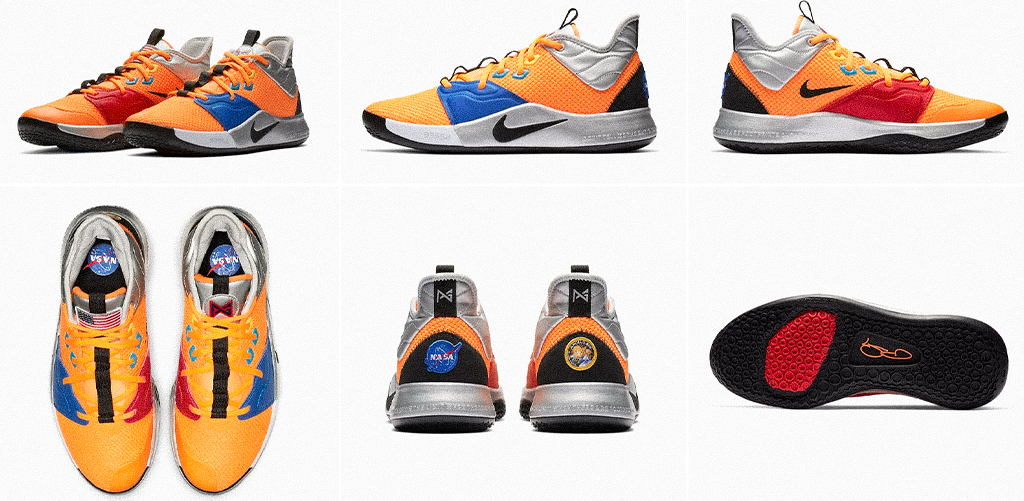
  • Nike x NASA launched shoes inspired by astronaut boots.
  • Heron Preston, a streetwear designer, worked with NASA to create space-themed collections.
  • Even Balenciaga dropped a space-age fashion line!

NASA knows that the future isn’t just about going to space, it’s about looking good while doing it. And that opens huge opportunities for young fashion creatives who want to go beyond the runway.

Can Fashion Be Functional AND Fabulous?

Yes. And it has to be.

Let’s look at Vollebak, a UK startup designing clothes for the future of humanity. Their clothes can handle 1000°C heat, survive space missions, and still look like something you’d wear to a club.

Why? Because futuristic fashion isn’t just about survival, it’s also about identity.
Even in space, people want to express who they are.

Students in fashion design today must understand how clothes can solve real problems while still being expressive. That’s why programs like the one at JD Institute of Fashion Technology include modules on smart textiles, fabrics, and experimental design thinking.

Why Should Fashion Students Care About Space?

Simple. Because space is becoming more human.

With private companies like SpaceX and Blue Origin sending tourists into orbit, people will soon need everyday clothes for life in space and not just suits for astronauts.

And who’s going to design them?
Not engineers. Not scientists.
Fashion designers. Like you.

Whether it’s designing adaptive garments for microgravity or climate-proof outerwear for Mars, fashion students who understand spacewear will be lightyears ahead of the game.

Ready to Dress the Future?

If your next sketch could float in zero gravity, or your outfit could survive a Martian dust storm, what would you design?

Maybe it’s time to find out. Step into a future where creativity meets cosmic innovation, only at JD Institute.

This One Business Model is Changing How Fashion Startups Launch

Saturday, June 28th, 2025

You have killer designs in your head. But what’s stopping you?
Maybe you think you need a factory, money, or a team. But here’s the truth: You can start your own fashion label today — with just your laptop and some creativity.
It’s all possible with print-on-demand (POD), a growing business model that’s making fashion startups cheaper, smarter, and more flexible. For any fashion management student or young brand builder, especially those learning at institutes like JD Institute, knowing POD is no longer optional, it’s essential.

What Is Print-on-Demand, and Why Is It So Popular?

Print-on-demand means a product is printed only after someone orders it. No need to print 500 t-shirts and hope they sell. You upload your design to a POD platform, connect it to your online store, and once a customer buys, the item is made and shipped.

  • No storage
  • No leftover stock
  • No big investment

Example: Redbubble started by letting artists sell their designs on t-shirts, mugs, and more. Today, it’s a global brand supporting thousands of creators, all thanks to the POD model.

If you want to start a no-inventory startup with low risk, POD is the smartest way. 

Why T-Shirt Businesses Are Still a Great Start

T-shirts are simple, cheap to make, and loved by everyone. They also work well for niche ideas, like funny quotes, fandoms, or college trends.

POD helps you test what works without wasting money. If a design doesn’t sell, you lose nothing.

Example: Threadless runs design contests and sells the winners through POD. It grew a huge online community by making customers part of the creative process.

In the Fashion Business Management course at JD Institute, students learn how these business models use marketing, branding, and customer research to grow, which are the skills that are key for starting a t-shirt business today.

POD is Perfect for Students and First-Time Fashion Entrepreneurs

Print-on-demand teaches you real business lessons. You learn how to design for a target audience, run social media campaigns, price your products, and manage your brand, all in one place.

All you need is a laptop and internet connection.

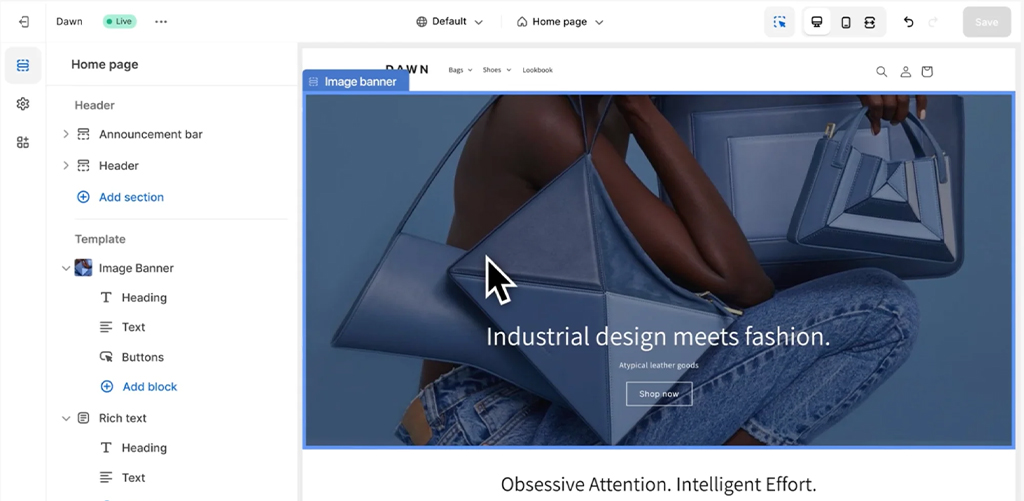
Example: Printful and Shopify let beginners create their own online store, link it to POD services, and start selling without ever touching a product.

Aspiring fashion business students can treat this like their own learning lab. With each order, you get better at branding, trend-spotting, and customer experience.

POD is Sustainable and Future-Friendly

The fashion world is shifting. People care more about sustainability and conscious fashion. Print-on-demand reduces waste because only what’s ordered gets produced.

No more piles of unsold clothes. No more wasted materials.

Example: TeeMill is a POD platform that even takes back old t-shirts and recycles them, thus helping brands move toward a circular economy.

Using POD makes your brand look smarter and more responsible, especially to Gen Z buyers who care about eco-friendly fashion.

As a fashion entrepreneur, this gives you an edge over old-school competitors.

You Can Start Today, Without Sewing or Inventory

One of the coolest things about POD? You can start fast and stay flexible.

You don’t need to hire tailors or buy rolls of fabric. Just create a design, upload it, and you’re in business.

You can even drop new collections every week based on what’s trending on Instagram or what your followers want. No pressure, no leftover stock.

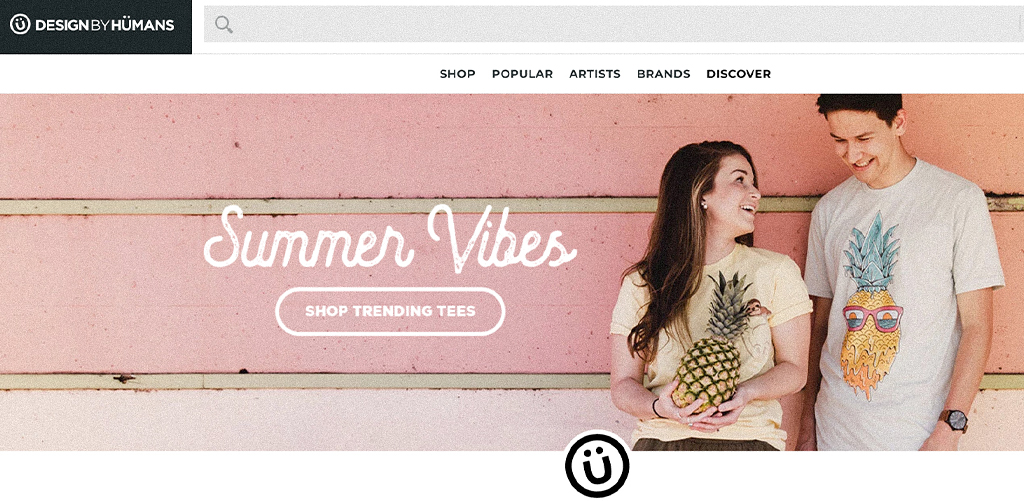
Example: Design by Humans allows creatives to launch their own apparel line in minutes. They handle production and shipping while you focus on designs and storytelling.

If you’re someone who wants to turn ideas into income, this is the easiest, fastest way to start.

And if you’re learning through JD Institute’s Fashion Business Management course, you’ll not only understand how POD works, but how to turn it into a real, profitable business.

Why You Should Learn POD Now

Print-on-demand is more than a trend. It’s a smart, simple, and powerful way to enter the fashion world.

You don’t need crores of rupees. You don’t need a big team.
What you need is creativity, strategy, and the right guidance.

Learning POD as a student or young entrepreneur prepares you for how fashion actually works in 2025 and beyond, fast, digital, and customer-first. So, if you want to be ahead of the game, start by understanding print-on-demand and learn it the right way through JD Institute’s Fashion Business Management course.

Trust Through Design: The Hidden Power Every Designer Must Know

Friday, June 27th, 2025

“You never get a second chance to make a first impression.”
That quote? It’s not just for awkward job interviews or first dates, it’s the silent rule brands live and die by. And guess what makes that impression stick before a single word is spoken? Design.

From the soothing pastels of a skincare label to the commanding presence of a luxury car logo, your brain makes lightning-fast decisions about whether you trust a brand in under 50 milliseconds. That’s less than a blink.

So how does design convince you to click, buy, wear, or believe instantly? Let’s decode the psychology behind trust through design and how iconic brands have mastered the art of first impressions.

Looks Aren’t Everything, Except When They Are

Before your brain processes the actual message, it reads the look of it. Color, layout, fonts, they’re all part of a brand’s visual identity, and they deeply influence how reliable or genuine it feels.

Example:
Think of Apple. Its minimalism isn’t accidental. The clean white backgrounds, precise spacing, and sleek typography all whisper: sophisticated, smart, secure. You don’t even need to read the text. You just know it’s Apple.

At JD Institute, students across Communication and Fashion design are trained to build trust through visual hierarchy, storytelling via color theory, and layout strategies. That’s not just design; it’s visual psychology in action.

The Psychology Behind Palettes

Design psychology teaches us that colors speak louder than words. Blue is reliable. Green is organic. Black is luxe. A brand’s entire identity can depend on choosing the right shade.

Example:
The rebranding of Pepsi in the early 2000s leaned heavily into energetic reds and blues to fight Coca-Cola’s dominance subtle, strategic, and psychologically crafted to attract Gen Z and Millennials.

In JD Institute’s Interior design course, students explore how color influences behavior, and why an eco-friendly brand should never go neon, or how lighting and color can shift the feel of a space before you enter it.

Consistency is Credibility

If a brand’s fonts change daily, or its Instagram looks nothing like its packaging, we subconsciously think something’s off. Consistency builds familiarity, and familiarity builds trust.

Example:
Nike’s swoosh, bold typography, and black-and-white palette haven’t changed in decades. And whether it’s on a billboard or a water bottle, the moment you see it, you trust it.

That consistency is the backbone of branding design, and it’s not just about style. And the design students must learn to develop cohesive systems, from logo rules to social media templates, that echo across every touchpoint.

Authenticity Over Aesthetic

We’ve seen trends come and go, but what sticks is when a brand’s design feels genuine. That doesn’t mean boring, it means it aligns with the brand’s purpose and audience.

Example:
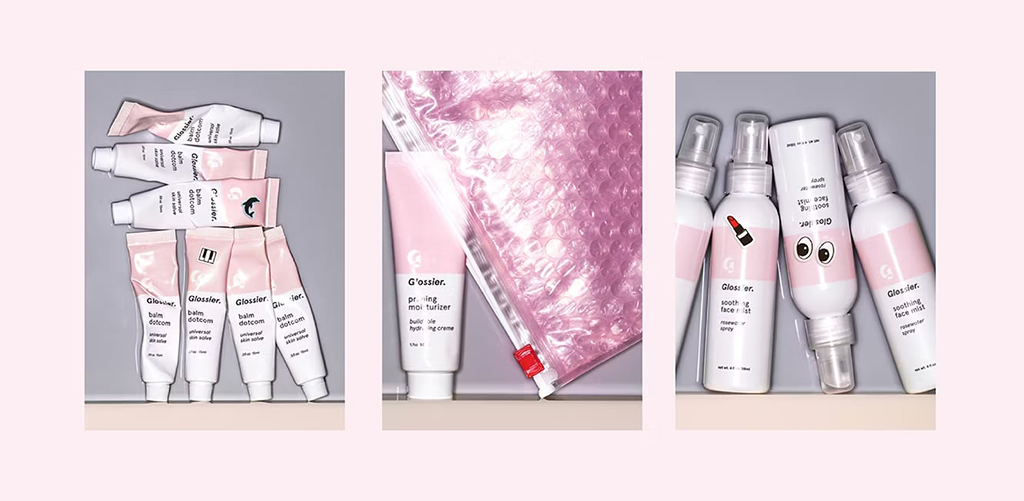
Glossier, a millennial cult favorite, blew up because of its “real girl” aesthetic. Soft blush tones, minimalist packaging, and user-generated content weren’t just pretty, they felt honest.

In design, this kind of alignment must be explored as in how garments, styling, and even runway presentation reinforce a brand’s authenticity. Students aren’t just learning how to look good; they’re learning how to connect.
Typography: Your Brand’s Tone of Voice

Fonts can whisper elegance or scream chaos. Typography plays a crucial role in branding design by setting the tone before the copy does.

Example:
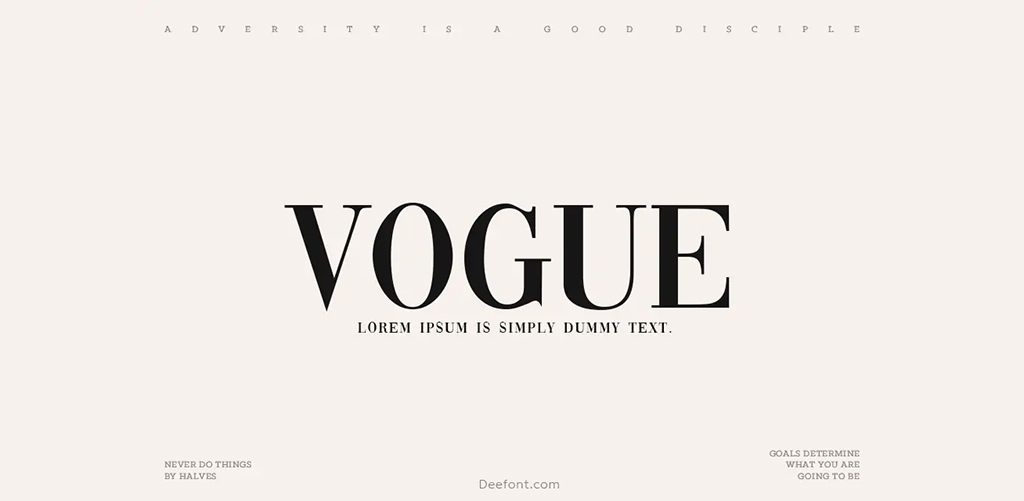
Vogue’s iconic serif font screams luxury, timelessness, and authority. Now imagine Vogue using Comic Sans? Naah, it just doesn’t feel trustworthy, does it?

From menu design to fashion magazines, JD Institute students explore how typefaces convey voice, rhythm, and reliability, making them a core part of a brand’s personality.
Trust Isn’t Told, It’s Designed

In a world bombarded by brands, the ones we trust are the ones that feel right. And that feeling? It’s not a coincidence, it’s crafted. Through visuals, through consistency, through psychology.

Design doesn’t just sell, it builds trust, instantaneously and silently. It’s the language your brain understands before your mouth catches up. If you’re curious about how to craft these experiences, whether it’s a wardrobe that speaks luxury, a store that feels like home, or a logo that earns loyalty in seconds and don’t just watch it happen. Learn how to make it happen. Your brand trust-building journey starts with design. And design? It starts at JD Institute.

The Ethics Every Fashion Stylist Needs to Master

Thursday, June 26th, 2025

When people think of fashion stylists, they usually imagine someone picking out glamorous outfits, attending fancy events, or working behind the scenes at a photoshoot. And while all of that is true, there’s a lot more to styling than just clothes and accessories.

What many don’t see is the responsibility that comes with the job. Stylists often work closely with clients, handle sensitive information, and make important decisions that can affect a brand or public image. That’s why professional ethics are such a big deal in the world of fashion styling.

If you’re someone planning to make a career in styling, this blog will help you understand why ethics aren’t just important, they’re essential. In fact, it’s something that the Fashion Styling course at JD Institute teaches right from day one.

Stylist Ethics: More Than Just Being “Nice”

In the real world, “ethics” means more than good manners. For a stylist, it’s about how you treat clients, how you source outfits, and how you behave when no one’s watching. Whether you’re assisting on editorial shoots or managing a celebrity’s wardrobe, there’s always more happening behind the scenes.

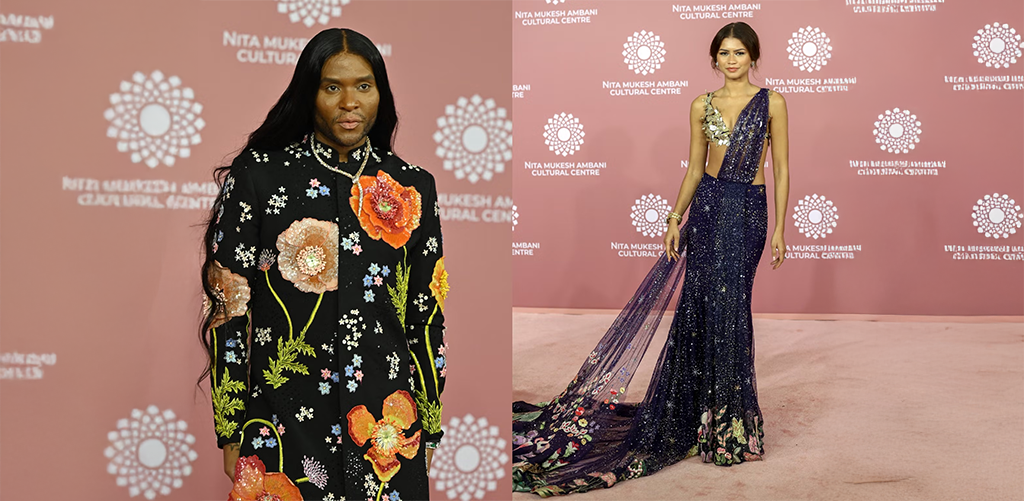
Think about Law Roach, the stylist behind Zendaya’s unforgettable red carpet looks. His professionalism and ability to maintain discretion, even with A-list clients, made him legendary. He didn’t just have the eye; he had the ethics.

So, what does stylist ethics include?

  • Being respectful and honest with clients
  • Returning samples and garments in perfect condition
  • Not badmouthing brands or other professionals
  • Being fair with pricing and agreements

If you’re studying at JD Institute, this is drilled into you early. They help you build not just a portfolio, but a personality that clients and teams can trust.

Fashion Professionalism Starts With How You Handle Challenges

Let’s be real. Fashion styling isn’t always smooth. You’ll get last-minute cancellations, wardrobe malfunctions, brand conflicts, or even requests that push your boundaries. That’s when your fashion professionalism comes in.

Do you snap and panic? Or do you stay calm, ethical, and get the job done?

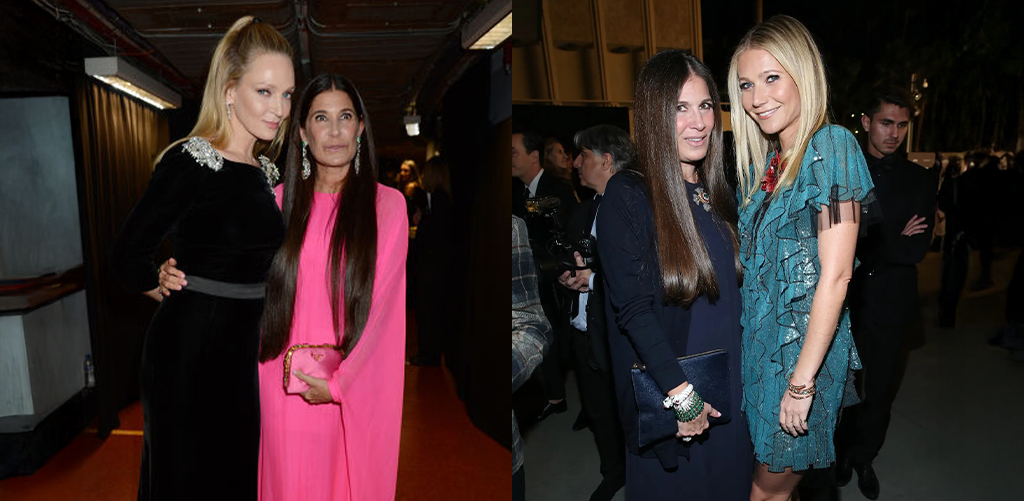
Top stylists like Elizabeth Saltzman, who’s styled Gwyneth Paltrow and Uma Thurman, are known for their cool head in tough moments. She once handled a red carpet disaster just minutes before a major event, without ever compromising her client’s privacy or confidence.

Client Confidentiality in Styling

Here’s a golden rule: What happens in the dressing room, stays in the dressing room.

As a stylist, you’ll know more about your client than just their measurements. You’ll see their insecurities, their fears, and sometimes even their meltdowns. What you do with that information says everything about you.

Maeve Reilly, who styles Hailey Bieber, never shares personal details, even when tabloids offer big money. That kind of client confidentiality in styling earns lifelong loyalty. It also means future clients know they can count on you to keep things private.

Ethical Challenges? You’ll Face Them. Be Ready

Now picture this: you’ve been asked to style a shoot using products from a brand known for unethical labor practices. Or worse, your team tells you to copy a look from an emerging designer without giving credit. What do you do?

These are ethical challenges that will test you. The easy route is to ignore it and follow orders. But the right route? That’s where you choose long-term reputation over short-term reward.

Stylists like Karla Welch, who has styled Justin Bieber and Tracee Ellis Ross, often speak about saying “no” to questionable collaborations. That’s how she’s built a brand that’s respected globally.

JD Institute ensures students explore these dilemmas during the course itself through debates, projects, and real-world scenarios, so they’re not just shocked when it happens in the industry. They’re ready.

Final Fit Check: Why It All Matters

Let’s face it, styling is competitive. Everyone wants to stand out. But here’s the truth no one tells you: It’s not the looks that build your legacy, it’s how you treat people while creating them.

Understanding the importance of professional ethics in fashion styling careers is what sets the good apart from the great. When clients trust you, brands respect you, and your reputation travels ahead of you, that’s when you’ve made it. And if you’re serious about building that kind of career, JD Institute is the place to start. Because here, you won’t just learn how to break trends but you’ll learn how to build character.

Master These Skills in 2025 and Watch Your Event Career Take Off

Thursday, June 26th, 2025

“You know an event is good when you forget to check your phone.”
That line? Not from a famous philosopher, but from a viral tweet that basically nails modern event management. In 2025, pulling off an unforgettable event isn’t about flashy lights or celebrity selfies, it’s about mastering the right skills that make it all look effortless. But let’s be real, behind every “effortless” event is a team of event managers who’ve trained harder than most people realize.

If you’re someone dreaming of building a career in event planning, or just obsessed with the backstage magic of a festival, award night, product launch, or even a fashion week, then this blog is your ultimate cheat sheet. And if you’re thinking about where to learn these future-forward skills? The Global Event Management course by JD Institute is designed exactly for trailblazers like you.

Beyond Just QR Codes and Drones

Gone are the days when event managers only needed Excel sheets and email invites. In 2025, tech fluency isn’t optional but it’s the game.

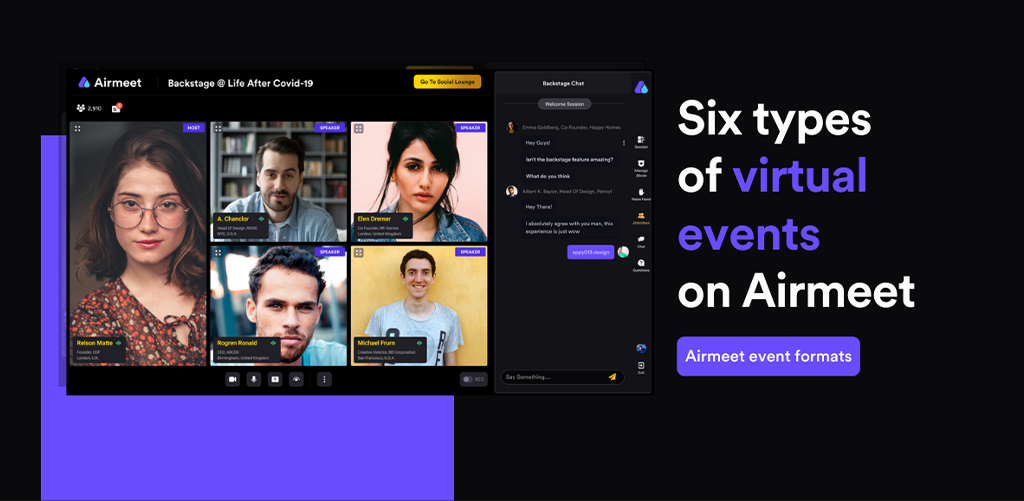
Take Airmeet, an Indian startup that developed to become a global virtual and hybrid event platform. Their rise proves that understanding virtual stages, interactive tools, and real-time analytics can make or break audience engagement.

Why it matters: Whether you’re running fashion exhibitions or corporate conferences, knowing how to integrate tech like AR booths or AI-led matchmaking boosts the experience for everyone.

Talk Less, Say More

You might be a design genius or logistics wizard, but if you can’t pitch ideas, manage clients, or give quick-fire directions backstage, things fall apart.

Story time: The team behind Zeroin, one of India’s top experiential marketing agencies, credits their success to how they build strong narratives around every event. Whether it’s through client meetings or crew huddles, clear communication is their power tool.

Why it matters: Communication in events is not just about what you say, but how fast and how clearly you say it when things get hectic.

Crisis Control Like a Boss

Every event planner has that one horror story. But what separates the rookies from the pros is how fast they bounce back.

Example? At a major conference hosted by Hubilo, their team had to redesign the entire user flow overnight due to a last-minute client request. They pulled it off without missing a beat.

Future skills for event professionals include not just flexibility but resilience, quick-thinking, and the ability to troubleshoot calmly while the music’s still playing.

Sustainability Is Not Just a Trend—It’s a Requirement

In 2025, the event industry is leaning hard into eco-conscious practices. Brands now prefer vendors who understand low-waste planning, reusable materials, and energy-efficient setups.

Companies like Only Much Louder (OML) now build sustainability into every stage of planning, from digital invites to local sourcing of materials.

Aspiring managers need to upskill in green planning, vendor selection, and carbon budgeting. That’s where middle-of-the-program modules in JD Institute’s Global Event Management course help students rethink event models in innovative, conscious ways.

Experience Design Over Aesthetics

A well-lit stage and Instagram-worthy backdrop are nice, but the real deal in 2025 is crafting immersive experiences.

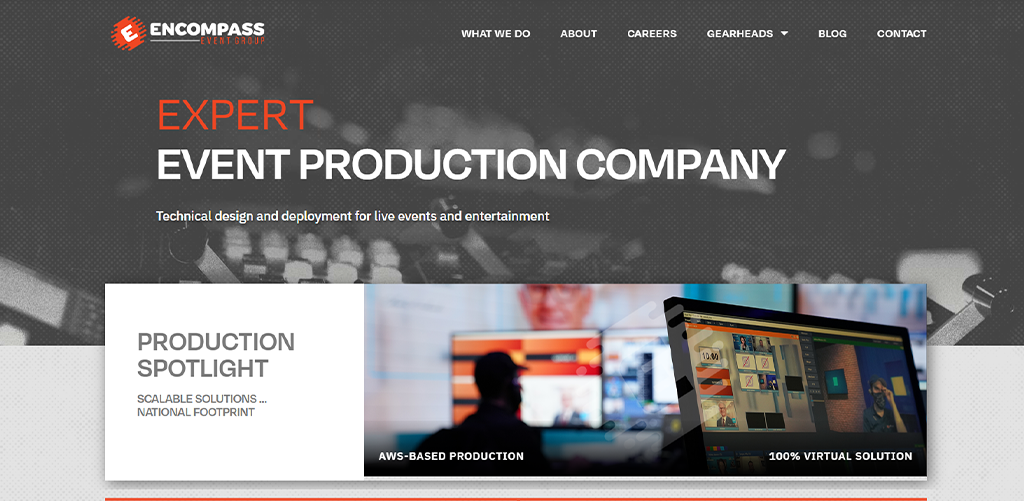
Peep this: Startups like Encompass Events are changing the game by turning every event into a story. Be it a product launch that feels like a mystery room or a fashion show that doubles as an art installation, the bar for creativity is higher than ever. 

Event industry trends 2025 all point in one direction, create an emotional journey, not just a pretty event. This is where creativity meets psychology, and event managers become curators of unforgettable moments.

Networking and Stakeholder Mastery

Let’s not forget, you’re not just managing an event. You’re attending clients, artists, sponsors, venues, vendors, and a whole lot of various crew.

Building meaningful relationships, negotiating smartly, and leading with empathy are all key event management skills. And yes, these soft skills are often learned through experience, but they can be fast-tracked with the right mentorship and practical exposure.

Here’s the kicker

You could scroll through tutorials or work your way up slowly with gig jobs. Or you could get trained by people who’ve actually done it, on a campus that simulates the real buzz of the industry. That’s why enrolling in the Global Event Management course by JD Institute might just be the smartest move you make in 2025.

Before You Animate Your Career, Know This About Motion Graphics

Thursday, June 26th, 2025

“If it wiggles, blinks, flies in, fades out, or bounces, it’s probably motion graphics.” Yes, that short GIF you sent last night? Motion graphics. The spinning logo in your favorite YouTube channel? Also motion graphics. It’s all around us, speaking without saying a single word. So, What Is Motion Graphics? And Where Do You See It Around You?
Let’s decode this moving mystery with simple examples, creative insights, and why every communication design student should be paying close attention.

What Exactly Is Motion Graphics?

Motion graphics is the art of bringing graphic design to life through movement. It combines animation with visual design, as in think of it as graphics that dance. No dialogue, no voiceover, just movement doing all the storytelling.

Imagine:

  • A Netflix intro where the red N curves and folds into shape.
  • A loading animation on your mobile app.
  • An Instagram story sticker that moves when you tap it.
  • Even GIFs expressing emotions faster than words.

These are all classic motion graphics moments.

And yes, at JD Institute’s Communication Design course, students dive deep into such creative tools that blend storytelling, technology, and design in ways the world watches and remembers.

App Animations That Speak Without Speaking

Ever opened the Spotify app and noticed how the album covers fade and shift smoothly? Or how Uber’s animated car icon moves on the map like it’s alive? That’s not just for looks, it’s motion graphics enhancing your user experience.

Startup spotlight: Blinkit
Their vibrant motion visuals on app screens and promos make ordering groceries feel fun. These subtle movements create emotional connections, guiding users without saying a word.

For aspiring communication designers, these animations show how design impacts real-time decision-making. It’s not just about how things look anymore, it’s about how things move and feel.

YouTube Intros and Logo Reveals

Your favorite content creators on YouTube? The flashy logo intro with that dramatic whoosh sound? That’s motion graphics selling a brand in 3 seconds flat.

Startup spotlight: Pocket Aces (FilterCopy)
Their logo reveal is crisp, lively, and recognizable, a great example of how even content creators build their identity using motion graphics. These quick intros set the tone before the content even starts. In the Communication Design course at JD Institute, you will learn how to design such high-impact visuals, because brands today are more visual than ever before.

Animated Explainer Videos

Ever watched a short animated video that explained blockchain in 60 seconds? That’s motion graphics turning tough topics into easy-to-grasp ideas.

Startup spotlight: Zoho
Their product explainers use motion graphics to show features, benefits, and workflows, making even business software exciting to explore.

This is where creativity meets clarity. Motion graphics helps brands simplify, educate, and entertain all at once. If you’re a communication designer in the making, this skill will be your secret sauce.

Social Media GIFs and Reels That Stick

From witty Instagram GIFs to animated call-to-action buttons, social media is where motion graphics truly shines. It makes you stop, stare, and scroll again.

Startup spotlight: Swiggy
Their Instagram feed is full of animated illustrations, quirky food GIFs, and short reels that are eye-catching, snackable, and super shareable.

Motion design isn’t just about being flashy. It’s about being relevant and students must be trained to understand this language of platforms, audiences, and brands.

Why Communication Design Students Must Learn Motion Graphics

Motion graphics isn’t just a trend, it’s a design language. Whether you’re building apps, branding startups, creating content, or managing campaigns, movement adds magic.

Students in communication design must learn:

  • How to combine visuals and timing to create impact
  • The psychology of movement — when to nudge, when to pause
  • The software that rules this space (After Effects, Premiere Pro, and more)
  • How to create for cross-platform audiences — from YouTube to mobile apps

And JD Institute understands this shift. That’s why its Communication Design program equips learners with industry-standard tools, motion principles, and hands-on experience to thrive in today’s fast-moving world of design. So, learn how to tell stories with movement. Learn it the JD Institute way.

Copyright © 2025 JD Institute of Fashion. All Right Reserved

Designed by Red Lemon

Whatsapp icon
Apply Now
Enquire
Quick Enquiry