
Apply Now

Author Archive

What No One Tells You About Event Planning Tools (But Should!)

Friday, July 11th, 2025

Big events feel magica, but behind the scenes? It’s a whole lot of organized chaos. Let’s be real, everyone loves the idea of planning events. Glam outfits, stunning lights, big crowds, and maybe even some celebrity selfies.
But what no one really talks about is how much actual work goes into it, especially the tools that make it all happen.

So if you’re a student dreaming of making it big in event management, this blog is for you. And guess what? You don’t need to be a tech genius. Just a little know-how goes a long way.

Oh, and if you’re serious about turning event planning into a career, check out the Global Event Management course at JD Institute, they train you on exactly this kind of stuff.

Organize Everything Like a Boss

If you’re handling an event and don’t have a proper to-do list or timeline, you’re pretty much setting yourself up for panic.

Try these tools:

  • Trello: Like a digital sticky note board. Great for planning college fests or club events.
  • Asana: Perfect for bigger teams. Helps divide tasks without a million WhatsApp messages.
  • ClickUp: Bit advanced, but used by big event startups. Handy when you want to go pro.
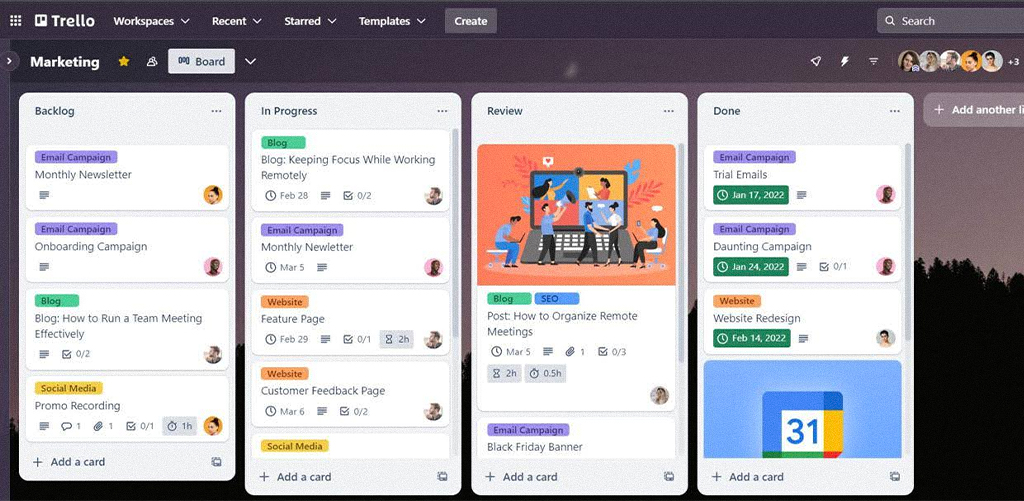
Real Example: TEDx events use Asana to coordinate speakers, volunteers, designs, the whole package.

Don’t Let Your Budget Break You

No matter how cool your event looks, if you mess up the budget, things can spiral fast.

Use these tools:
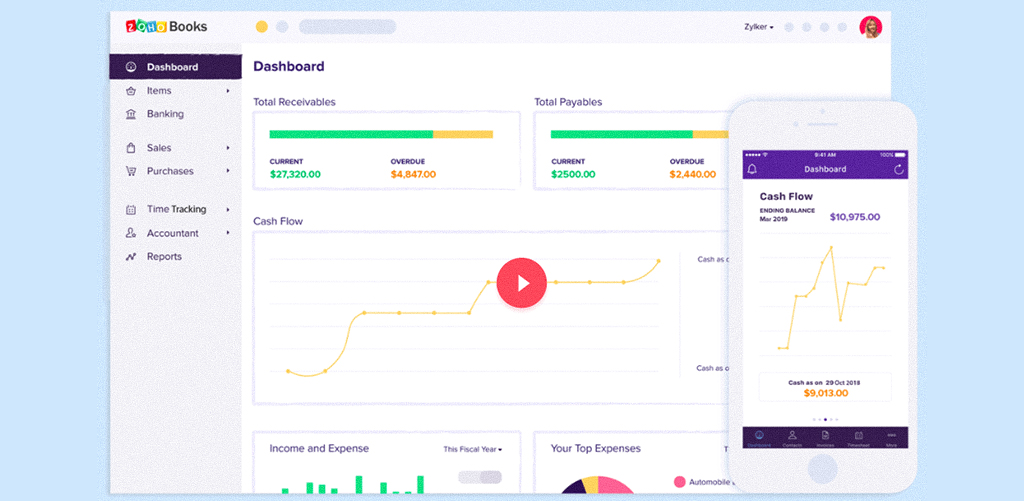
At JD Institute, students in the Global Event Management course get real experience with the knowledge of these budgeting tools, because let’s face it, good ideas still need funding.

Ticketing & Guest Lists Without the Mess

You do not want to be that person handling RSVPs on paper or your Notes app.

Go for these instead:

  • Eventbrite: Very popular for large-scale or professional events.
  • Whova: Good for workshops and networking events.
  • Townscript: Easy to use for student events in India.
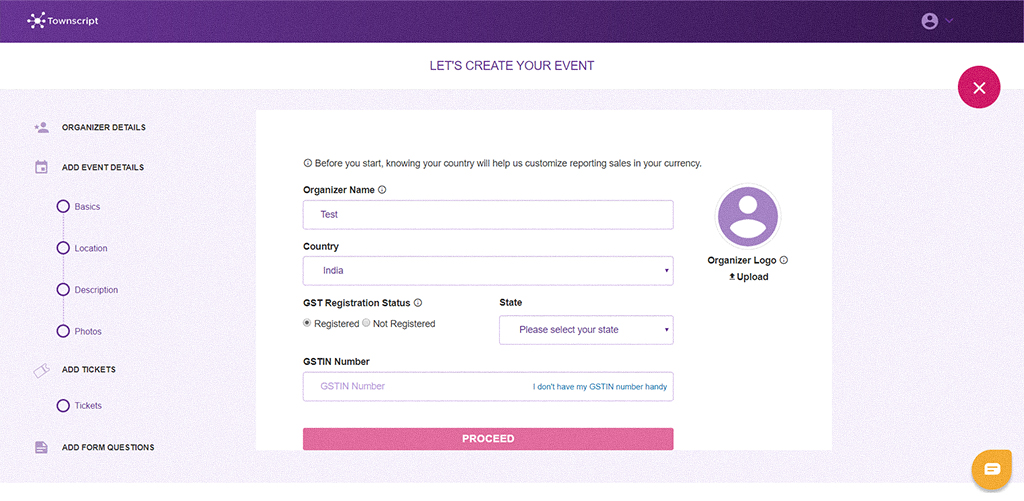
Tip: These platforms often offer free trials or student discounts. Use them for your next college event and see the difference.

Make Your Event Look Like a Big Deal

Let’s be honest, if your event poster looks bad, people just scroll past.

Design like a pro with:

  • Canva: Super easy, even if you’ve never designed anything before.
  • VistaCreate: Great for animations and social media posts.
  • Buffer/Hootsuite: Schedule your event posts ahead of time so you don’t forget in the rush.
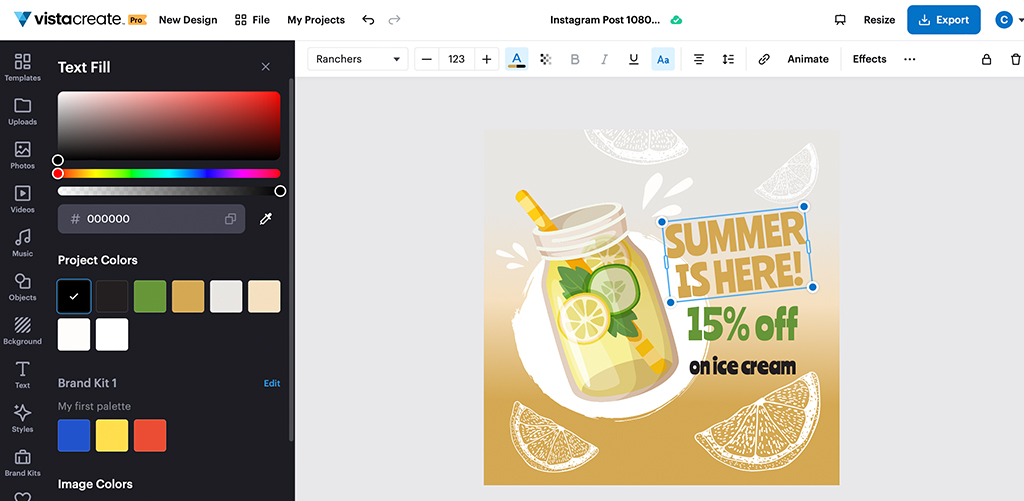
Even major fests like Comic Con India use these tools to keep their social media strong and eye-catching.

Communication: Keep Everyone in the Loop

Most event problems happen because people didn’t get the right info at the right time.

Stay connected with:

  • Slack: Like WhatsApp, but more organized.
  • Zoom: For online meetings, quick updates, or even virtual events.
  • Google Drive: Share files, schedules, invites — no confusion, no mess.
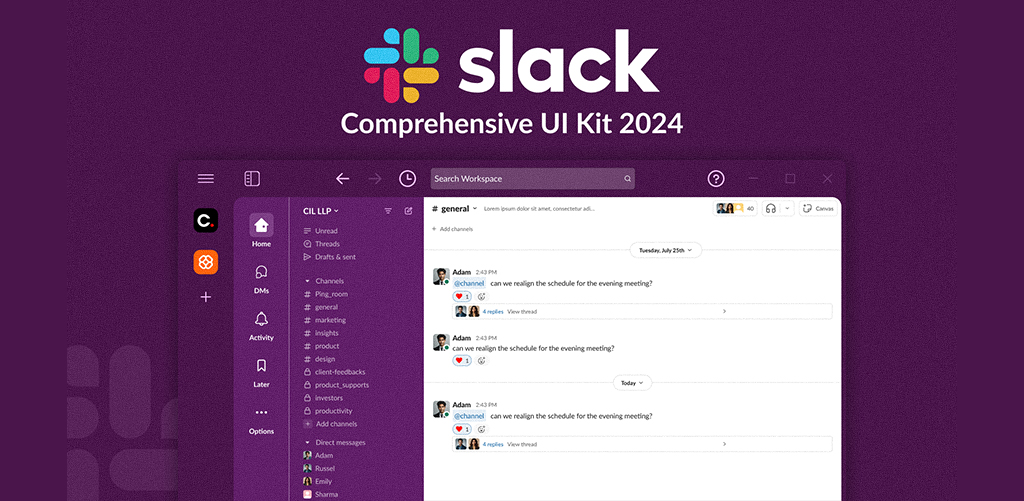
At JD Institute, students often work in teams just like in the real world. In the Global Event Management program, they learn to use these tools to handle fast-paced projects without drama.

Events Just Don’t Run on Vibes, They Run on Skills

If you’ve ever planned a birthday party and thought “This is fun, I could do this forever,”, now imagine doing it for global brands, celeb weddings, or fashion runways. It’s fun, yes. But only when you’re prepared. So, grab these tools, test them out, and start planning smarter today.
And if you want to go from being the volunteer to the main planner, maybe it’s time to level up and learn from the pros. JD Institute’s got the backstage pass waiting.
Swipe Smart: How to Design for a Mobile-First World

Friday, July 11th, 2025

We live on our phones, scrolling, shopping, watching, chatting, booking cabs, ordering food, everything. And guess what? Most users open websites or apps for the first time on their phones, not on desktops.

That’s why mobile-first design isn’t just a trend. It’s a must. If your design doesn’t work well on a small screen, chances are people won’t even stick around to see it on a big one.

So let’s talk about what really matters when you’re designing for mobile-first users. And yes, this is the kind of stuff design students at JD Institute learn through real projects, not just theory.

Start With Mobile Behavior, Not Layout

When people are on their phones, they’re in a hurry. They use one hand, usually a thumb, and expect things to be fast and easy.

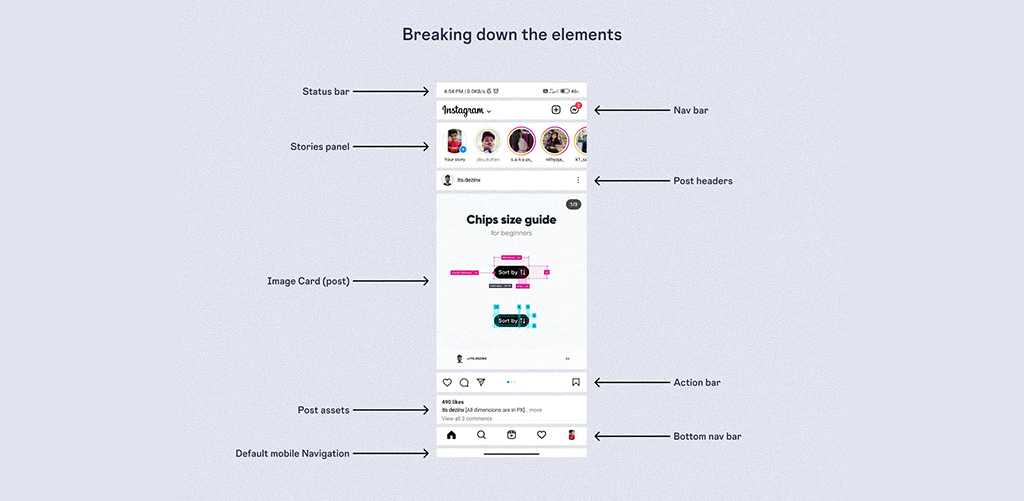
That’s why apps like Instagram or WhatsApp are so easy to use, you don’t have to think. The buttons are right where your thumb lands. The layout feels natural.

At JD Institute, students are trained to notice how people use mobile screens. They learn that good design isn’t about what looks fancy, but what actually works when people are scrolling in a crowded metro or lying on their beds.

Compact Layout Doesn’t Mean Cramped

Mobile screens are small. But that doesn’t mean you should squeeze everything in like you’re packing a suitcase.

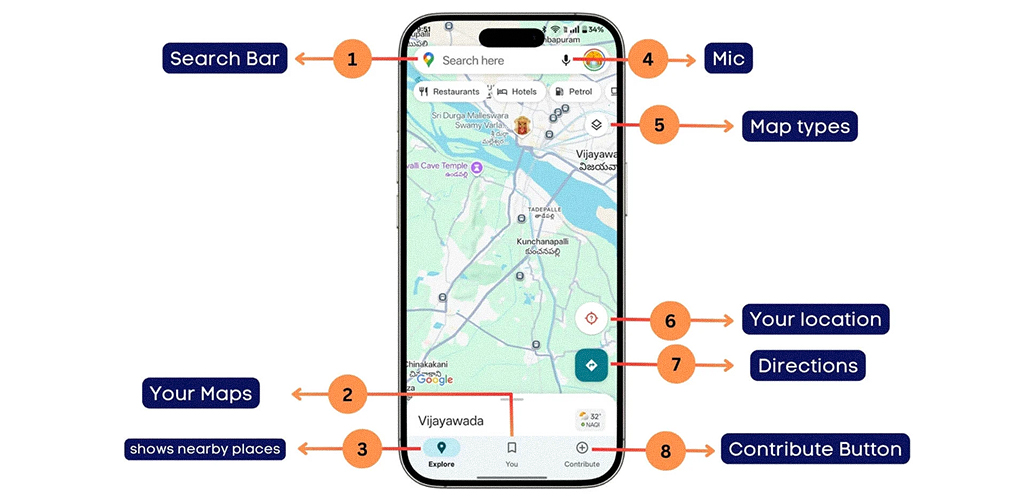
The trick is to prioritize. What do users need right now? For example, on the Google Maps app, the search bar and current location button are big and clear. Other stuff is hidden unless you need it.

The goal? Keep what’s useful, remove what’s not. That’s how you learn to design smart.

Load Fast or Lose Them

In mobile UI, speed is the new sexy. If your site takes more than 3 seconds to load, over half your users might vanish. Amazon reportedly loses $1.6 billion per year for every one-second delay in load time.

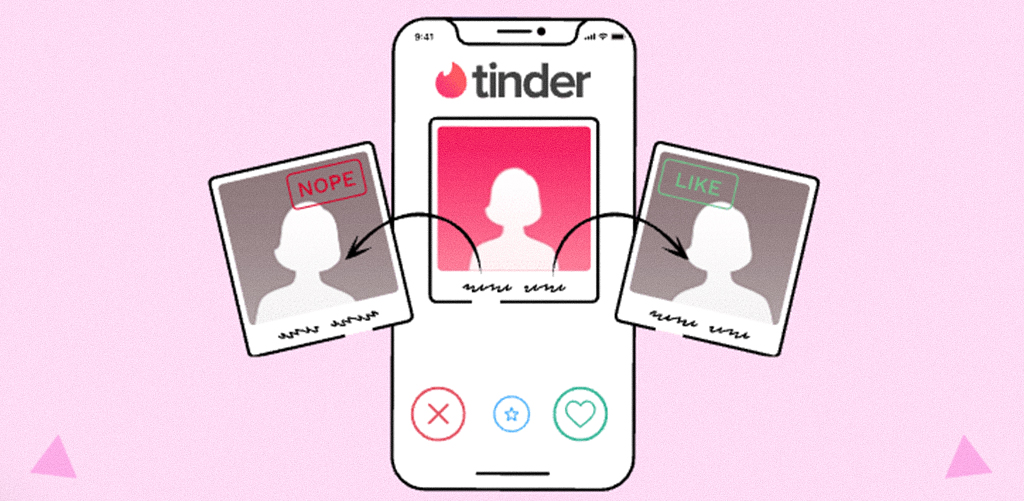
How do you design for speed? Compress images, use clean code, and avoid unnecessary animations. The Tinder app, for instance, uses simple gesture-based navigation and minimal UI for lightning-fast interaction.

Designers must learn that good design isn’t just about what’s visible, it’s also about what happens behind the scenes. Students are trained to use optimization tools and design for speed as a default, not a bonus.

Make It Easy for Thumbs

Here’s a fun fact: most people only use their thumbs to navigate their phones. That’s why apps like Netflix or YouTube place important buttons at the bottom, right where your thumb naturally goes.

If you design buttons at the top or make users stretch their fingers, they’ll get frustrated.

Good mobile design is thumb-friendly. So when designing, always ask that can I do this with one hand while holding coffee in the other?

Focus on One Goal per Screen

Mobile is intimate. One screen, one user, one focus. So don’t overwhelm.

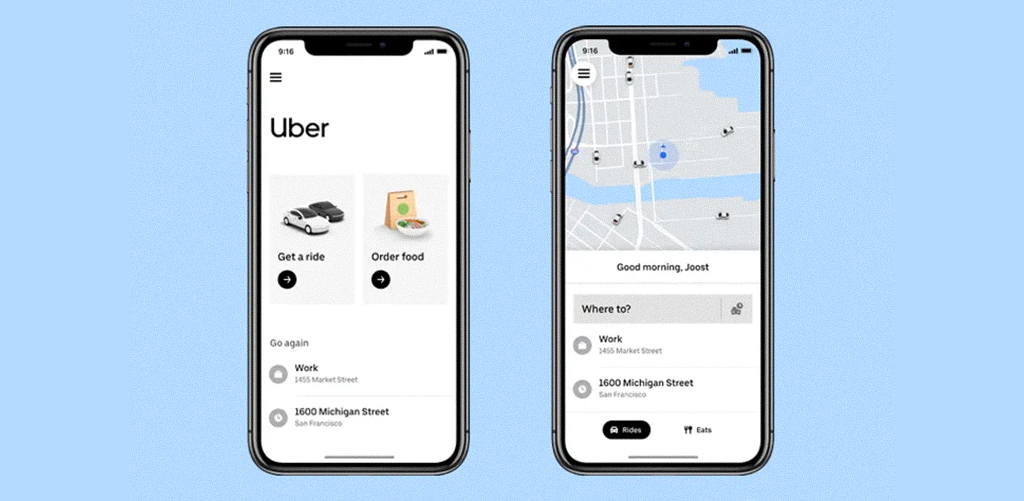
Uber’s interface shows you just one thing: “Where to?” And that single prompt guides the rest of the experience.

This design clarity is something every budding designer at JD Institute learns to master. Students are challenged to create UI that doesn’t shout but whispers with clarity. They’re taught to strip each screen down to its core purpose, helping real users make decisions, and not fight distractions.

Design That Thinks Small, Wins Big

In the end, designing for mobile-first users is about respecting their reality. Fast scrolls, tired thumbs, half attention, and still expecting magic. It’s where beauty meets utility, and JD Institute trains designers to live at that intersection. From understanding micro-interactions to prototyping for wearables, students are prepared to design in the realest, smallest, smartest spaces.

What Every Communication Designer Must Learn from Protest Posters That Made History

Wednesday, July 9th, 2025

“This poster is more dangerous than a gun.”
That’s what one government official reportedly said during the 1968 student protests in Paris. All they had were ink, stencils, and paper, but what they printed made history.

It’s wild to think that a simple design on a piece of paper can shake governments, ignite revolutions, and inspire millions. But that’s exactly what posters have done across the world, again and again.

And if you’re someone who’s thinking about shaping the world with your creative voice, then the Communication Design course at JD Institute might just be your launchpad. But first, let’s dive into how posters have become silent warriors in loud revolutions.

The Power of Simplicity

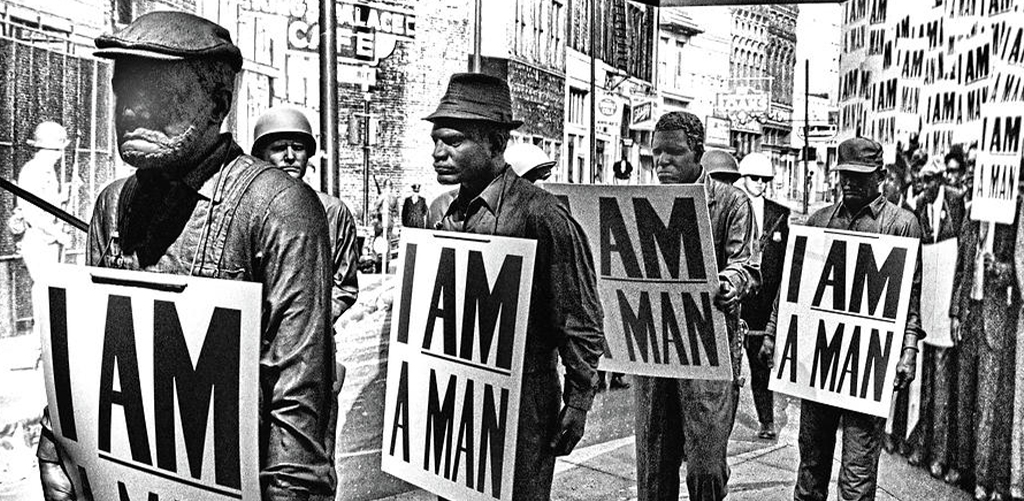
Famous Example: “I Am a Man” – Memphis Sanitation Strike, 1968

Sometimes, four words are enough to shake the world. During the civil rights movement in the U.S., African American sanitation workers marched holding stark black-and-white posters that read, “I Am a Man.” No complex fonts. No visuals. Just raw truth in bold type.

Why it worked?
Because it was simple, readable, and emotionally heavy. It demanded dignity and couldn’t be ignored.

What students can learn:
A great poster doesn’t need to scream, it just needs to hit the heart. Aspiring communication designers must understand the value of restraint, message clarity, and emotional impact. It’s not about decoration, it’s about intention.

When the Visuals Did the Talking

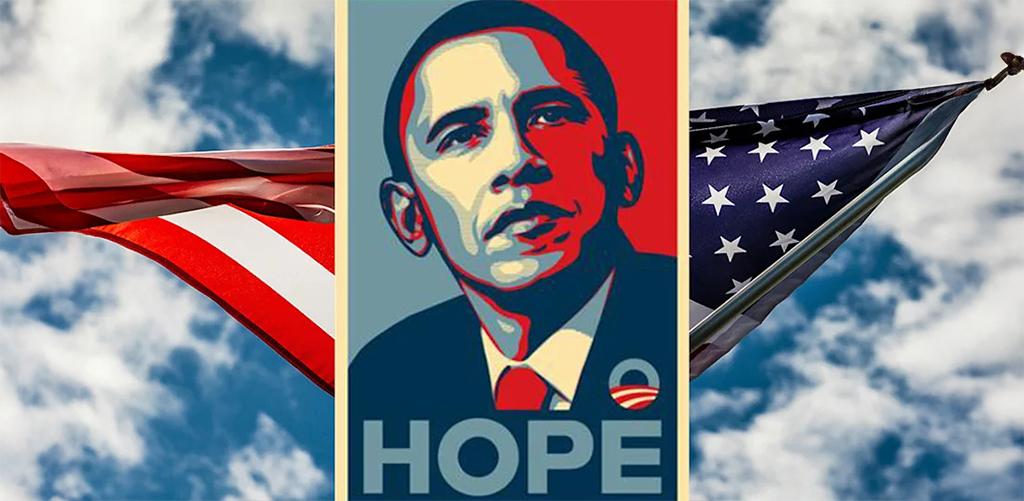
Famous Example: “Hope” Poster – Barack Obama’s 2008 Campaign

Designed by Shepard Fairey, this poster became a cultural symbol of political optimism. The stylized portrait of Obama in red, beige, and blue with the word “Hope” underneath wasn’t just a graphic, it was a movement on a wall.

Why it worked?
Because it looked like change. It stood out from the usual clutter of political marketing. It made politics feel like pop culture.

What students can learn:
Visual hierarchy, strong color psychology, and bold iconography can turn a political message into a piece of art. And in places like the Communication Design classroom at JD Institute, students get hands-on experience turning bold ideas into visual revolutions.

Posters That Went Viral Before Social Media

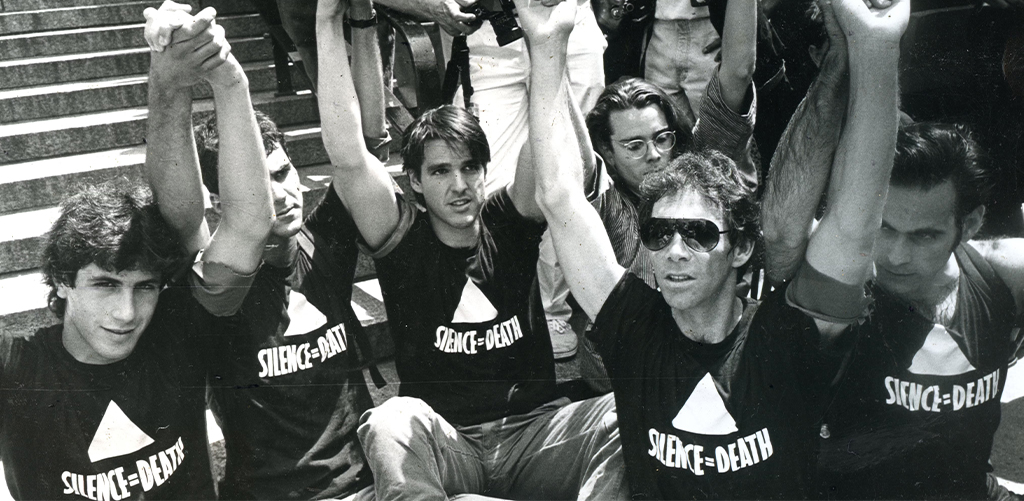
Famous Example: “Silence = Death” – AIDS Activism, ACT UP (1980s)

Long before likes and shares, posters were the OG viral content. The pink triangle with the phrase “Silence = Death” became the iconic image of AIDS awareness activism.

Why it worked?
It flipped the narrative. It was rebellious, shocking, and unafraid. It turned stigma into protest.

What students can learn:
Design isn’t just about aesthetics, it’s a tool of resistance. Knowing how to use shape, space, and typography to challenge systems is a design superpower.

Designing for the Streets: Not Just Galleries

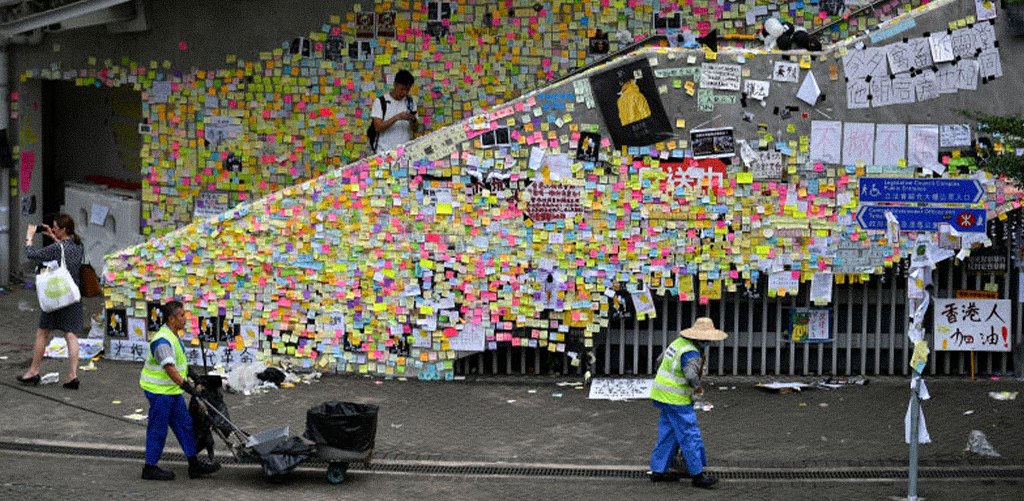
Famous Example: Hong Kong Protests – Lennon Walls (2019)

Thousands of sticky notes filled with protest messages became a living, growing installation across public spaces in Hong Kong. This wasn’t just graphic design, it was interactive storytelling.

Why it worked?
Because everyone became a designer. People felt included. It was participatory design in action.

What students can learn:
Designers must understand context. Where your design lives matters just as much as what it looks like. A good communication designer knows how to turn public spaces into protest platforms.

When Design Crossed Borders

Famous Example: Women’s March Posters (Global, 2017)

From “The Future is Female” to illustrated fists and floral motifs, posters during the Women’s Marches worldwide became Instagram-worthy, museum-worthy, and movement-worthy all at once.

Why it worked?
Because it blended art with purpose. These posters were modern, inclusive, and beautifully defiant.

What students can learn:
Designers must always stay culturally aware and globally relevant. The visual language of protests today must speak to multiple generations and geographies. It’s something JD Institute’s Communication Design program emphasizes through global collaborations and real-world projects.

Your Poster Could Be Next

Change doesn’t always start in the streets. Sometimes, it starts on a laptop screen in a design class. And maybe, just maybe, the next “poster that made history” could have your name at the corner. So, got something to say? Design it loud.
Learn how, with the right mentors, the right tools, and the right mindset only at JD Institute’s Communication Design program.

If You’re Studying Interior Design, These Layout Tips Are Non-Negotiable

Tuesday, July 8th, 2025

A recent Houzz survey found that over 80% of homeowners regret poor space planning, not the color, not the furniture, but the layout. That tells you one thing, learning how to place things in a room isn’t just “nice to know”, it’s a must for future designers. That’s why we’re here to talk about the simple layout tips that every design student should know, things that might sound small but make a huge difference.

And if you’re planning to take your design dreams seriously, joining a good interior design course like the one at JD Institute of Fashion Technology will help you learn these tips and so much more!

Start With How People Will Move

Before you place anything in a room, think that how will people walk around here?
That’s exactly how Airbnb designs their rooms. They don’t start with beds or couches, they plan how people will move through the space.

Quick Tip:
Leave enough space for people to walk easily, about 3 feet is great. Don’t block doors or make people squeeze past furniture.

Why this matters: It helps you design rooms that are not just pretty, but also easy to live in.

Don’t Push Everything to the Wall

You know how people often push sofas against the wall to make the room bigger? Well, that’s not always the best idea.

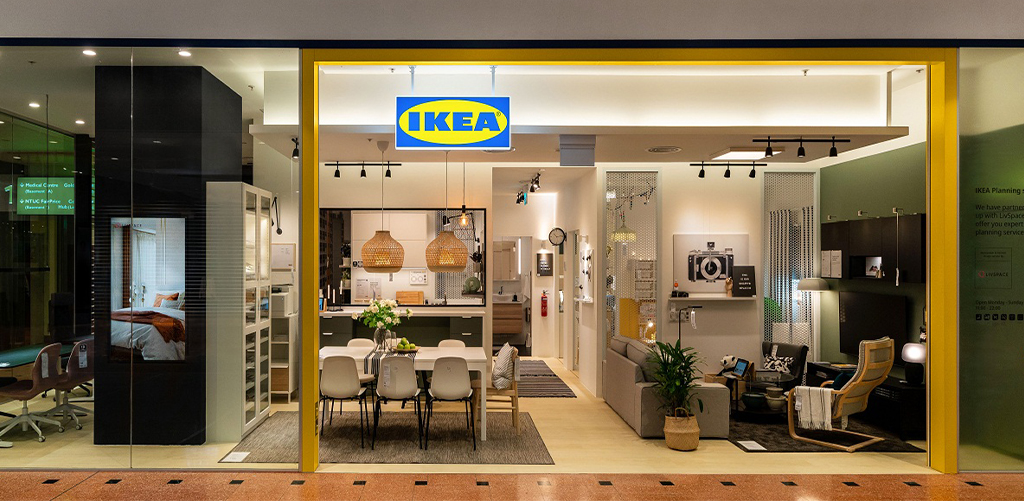
IKEA shows us this with their smart layouts. They often place furniture in the middle, not touching the walls. It actually makes the room feel cozy and balanced.

Quick Tip:
Try creating small seating areas around a coffee table or rug. This makes the space feel warm and inviting.

And midway through your design journey, enrolling in a program like JD Institute’s Interior Design course will help you refine that thought process and add technical skills to your creative instincts.

Keep the Room Balanced, Not Matching

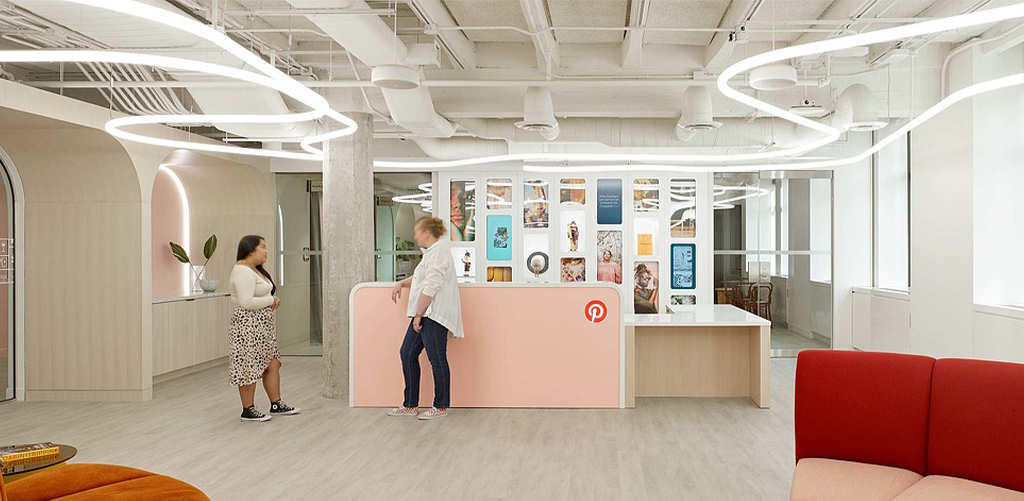
Have you seen Pinterest’s office spaces? They look cool, but not everything is matching. That’s the secret: balance doesn’t mean symmetry. You don’t need two same-sized chairs on both sides. You can balance one big lamp with two small plants, it’s all about how things feel.

Quick Tip:
Mix shapes, sizes, and heights. As long as both sides of the room feel even, you’re good.

Why it works: Balanced layouts are easier on the eyes and feel more natural. As a student, training your eye for visual balance can elevate your work from basic to brilliant.

Know the ‘Rule of Thirds, It’s Not Just for Photography

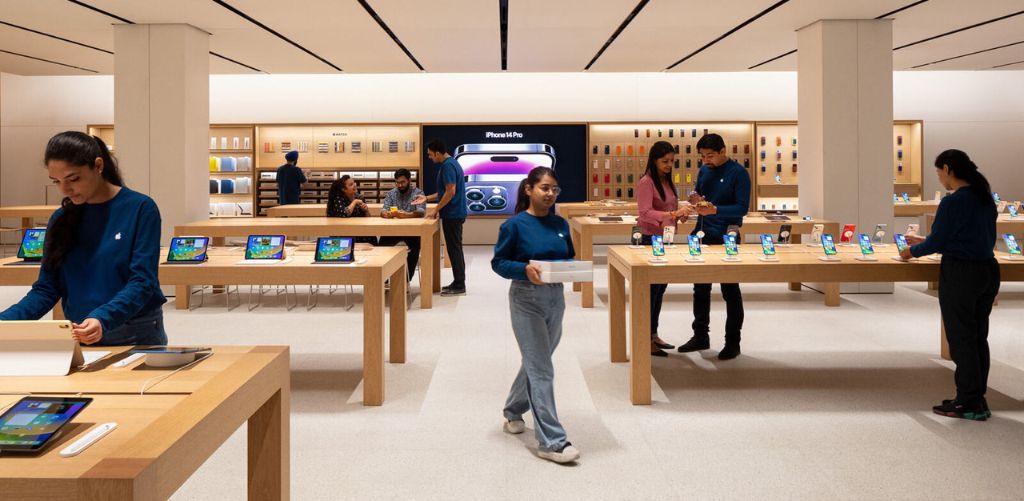
Inspired by: Apple Stores’ interior design strategy

Apple doesn’t just design tech, they also design emotions. Their stores follow the rule of thirds which means dividing the space into horizontal and vertical thirds to place focal elements strategically.

Layout Tip: Divide your room into a 3×3 grid. Place key features sofa, artwork, lighting where the lines intersect. It creates instant visual harmony.

Why it matters: Whether you’re designing a boutique or a bedroom, understanding these invisible lines makes a layout feel intentional and premium.

Less Furniture, More Function

Inspired by: The Minimalists & Muji’s design philosophy

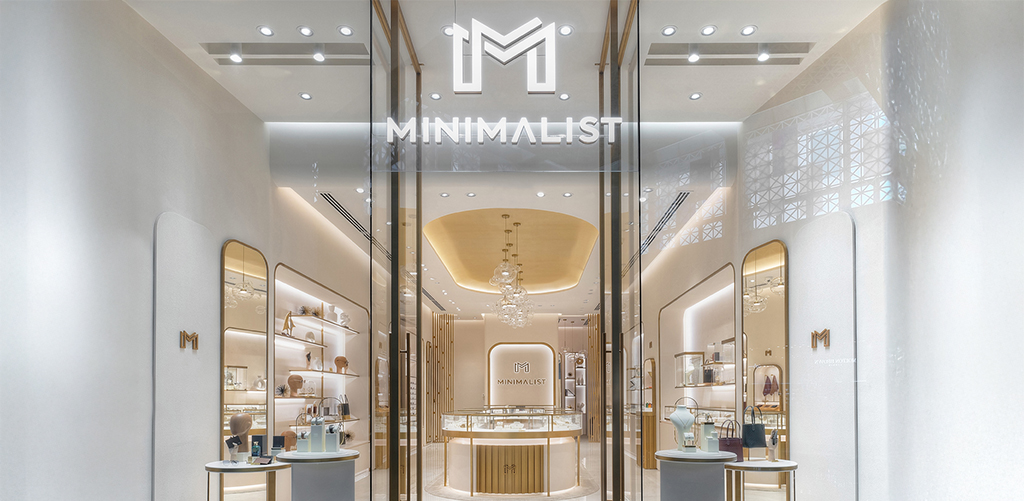
Minimalism is not just an aesthetic, it’s a lifestyle. Brands like Muji and The Minimalists show how fewer, well-placed pieces can make a space feel bigger, cleaner, and more functional.

Layout Tip: Before adding, subtract. Ask yourself that does this piece serve a purpose or is it just filling space?

For aspiring designers: Every piece you add should have a reason. Less clutter means more clarity, especially when presenting client projects or portfolio work.

Final Thought: Don’t Just Decorate, Design to Influence

Every room you design can shift how someone feels, works, or rests. It’s a superpower, and learning these layout basics is your first step.

If you’re serious about becoming a designer who stands out, study where creativity meets real-world technique, study smart, study with JD Institute.

After all, anyone can make a room pretty. But only a designer knows how to make it unforgettable.

What Smart Visual Merchandisers Are Doing Differently in 2025

Tuesday, July 8th, 2025

Did you know some stores are now using real plants and recycled cardboard to decorate their windows?
Yup, no glitter, no plastic, just smart design and conscious choices. It’s not just about looking good anymore. It’s about doing good. Retailers across the world are switching to eco-friendly displays, and it’s not just a trend, it’s becoming the norm.

If you’re someone dreaming of becoming a visual merchandiser or planning to build a career in fashion and display design, this shift matters a lot. Why? Because the way stores present their products is changing, and you’ll need to learn how to keep up.

That’s exactly what JD Institute’s Visual Merchandising course focuses on, teaching students how to design innovative, impactful displays that are also sustainable. So let’s break down how stores are going green with their displays and what you need to learn from them.

Reuse and Repurpose

Many stores are now ditching single-use display materials and choosing to reuse what they already have. A great example is Patagonia, a brand known for its love for the environment. They build their store fixtures using reclaimed wood and recycled metal. Nothing goes to waste.

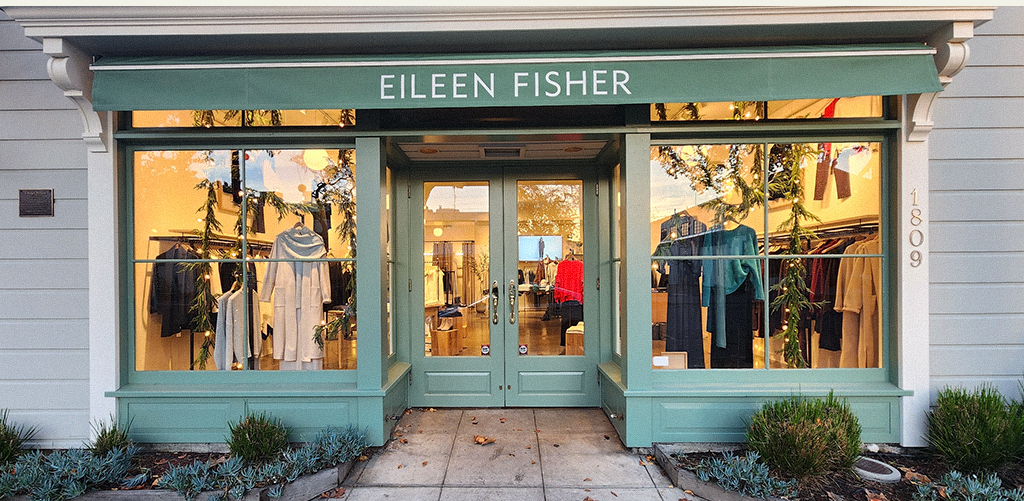
Eileen Fisher also launched a project where old clothes are turned into new window displays. These displays tell a powerful story about sustainability and style.

As a visual merchandiser, you must start thinking beyond new props every season. Ask yourself tha can I reuse this next season? Can I build something new out of something old? This kind of thinking is what makes you future-ready.

Living Displays with Plants

Have you seen a store window with a wall full of plants? It’s not just for decoration, it’s part of green retail design. Brands like Lush Cosmetics use moss, ferns, and small trees in their stores. These displays not only look beautiful but also clean the air and make shoppers feel more relaxed.

If you’re learning display design, make sure you understand how to blend nature with creativity. It’s something that’s taught in detail in the JD Institute’s Visual Merchandising course, where you get hands-on practice building displays using both design and natural elements.

The Digital Shift

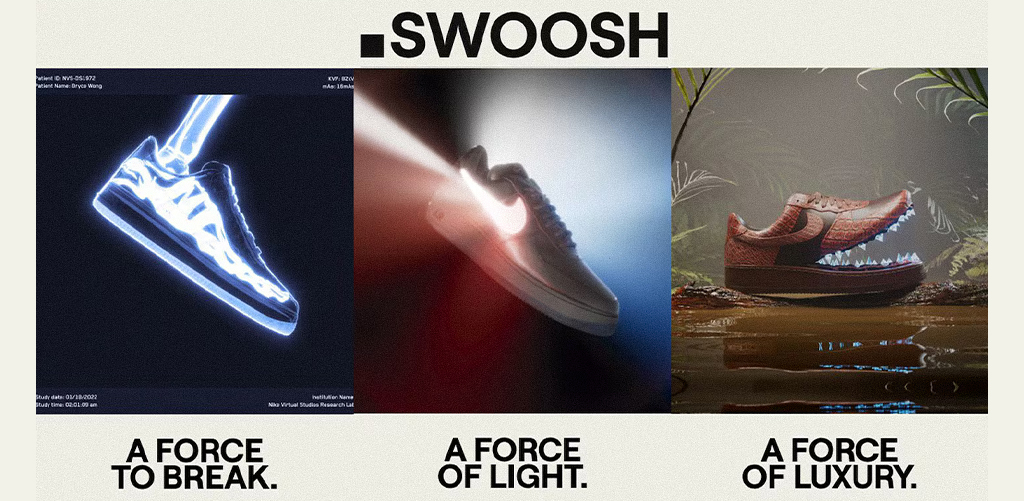
Another smart way stores are reducing waste is by going digital. Brands like Everlane and Nike have replaced printed posters with digital screens. This means fewer paper signs and less printing waste every season.

The cool part? These screens can be updated in seconds. Whether it’s a sale or a new launch, the content can change instantly without any physical waste. It also keeps the display fresh and exciting all the time.

For visual merchandisers, learning how to use tech in a sustainable way is a big skill. It’s not just about arranging mannequins anymore, it’s about mixing design with innovation.

The Modular Way

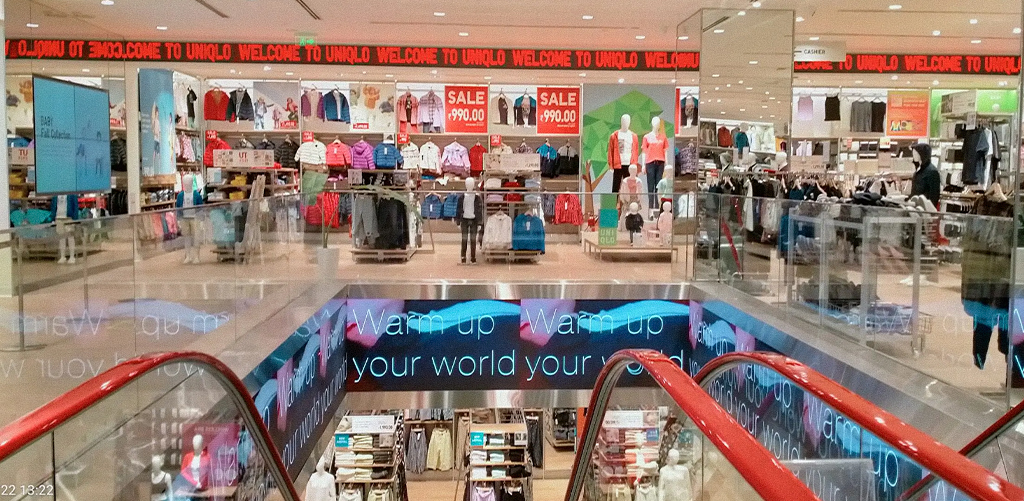
Let’s say you design a beautiful display for summer. Once the season ends, do you throw everything out? Not anymore. Brands like Uniqlo use modular displays. This means they create props and stands that can be rearranged and reused throughout the year.

This saves time, money, and materials. It’s a big win for both the brand and the environment.

As a student, you must learn to plan displays that are flexible. Think ahead. Can your display work for more than one theme? Learning this skill at places like JD Institute can really help you stay ahead in your career.

Sustainability as Identity

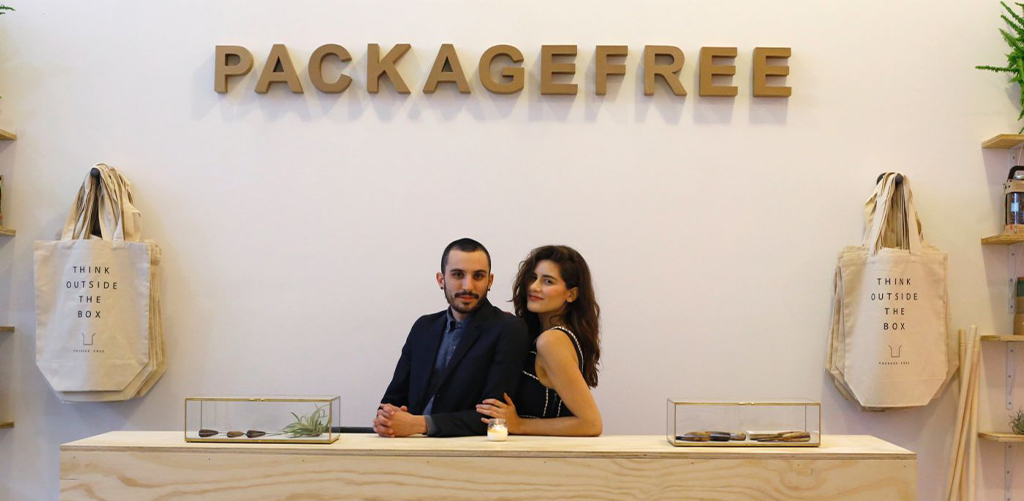
Some brands are making their eco-friendly displays part of their identity. One amazing example is the Package Free Shop in New York. Their entire store is designed with secondhand materials. Even the lighting is energy-efficient.

Their display tells customers: We don’t just sell green products, we believe in living green. This honesty builds trust and loyalty.

As a future visual merchandiser, you’ll need to create displays that speak for the brand. It’s not just about making things pretty. It’s about making a statement, and that statement should match what the brand stands for.

Final Take: Don’t Just Decorate, Design for Impact

If you’ve ever dreamt of designing a window display that stops people in their tracks, imagine how powerful it would be if that display also helps the planet.

Going green isn’t a trend, it’s the direction the entire industry is moving in. And if you want to be the visual merchandiser everyone wants to hire, you need to get smart about it now. So go ahead. Learn, explore, create, and remember, the world doesn’t need more displays. It needs better ones.
And you can start building them at JD Institute.

Sketch It, Stitch It, Slay It: Inside the Fashion Design Process

Monday, July 7th, 2025

Revolutions can be sparked by a single pencil stroke, particularly when it appears on a fashion student’s mood board.
Ever wondered how that stunning outfit on the runway came to life? Was it magic? Not quite but the fashion design process comes pretty close. From scribbles on a page to swatches of fabric to a model strutting down the ramp, every garment has a backstory. And it all starts with a mood board.

This journey from idea to actual outfit is what every aspiring designer needs to master. In fact, the Fashion Design course at JD Institute makes this process an exciting part of learning, turning creative chaos into couture clarity. Let’s do it step-by-step and do it more at ease than in a classroom.

Mood Board: An Unspoken Fashion Diary

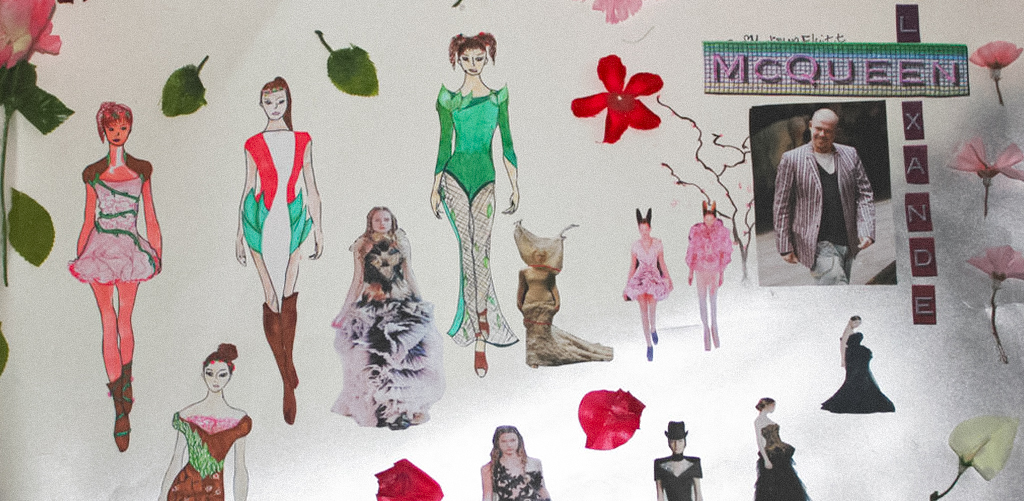
Imagine Pinterest, but for your brain. A mood board in fashion is where your ideas take their first breath. It’s a collection of images, colors, sketches, textures or anything that reflects the vibe of your upcoming collection.

Case in Point: Take a cue from Alexander McQueen. His mood boards were legendary, filled with antique prints, feathers, and emotionally-charged visuals that turned into hauntingly beautiful collections.

Why it matters: If you’re serious about fashion collection development, your mood board is your GPS. Without it, you’re just randomly sewing pretty things.

Tip: Always keep it focused. Your board sets the tone for everything that follows.

Selecting Themes for Storytelling

Now that you have a visual vibe, ask yourself that what’s the story? Fashion isn’t just about clothes, it’s about expressing an idea. Your theme connects your pieces like chapters in a book.

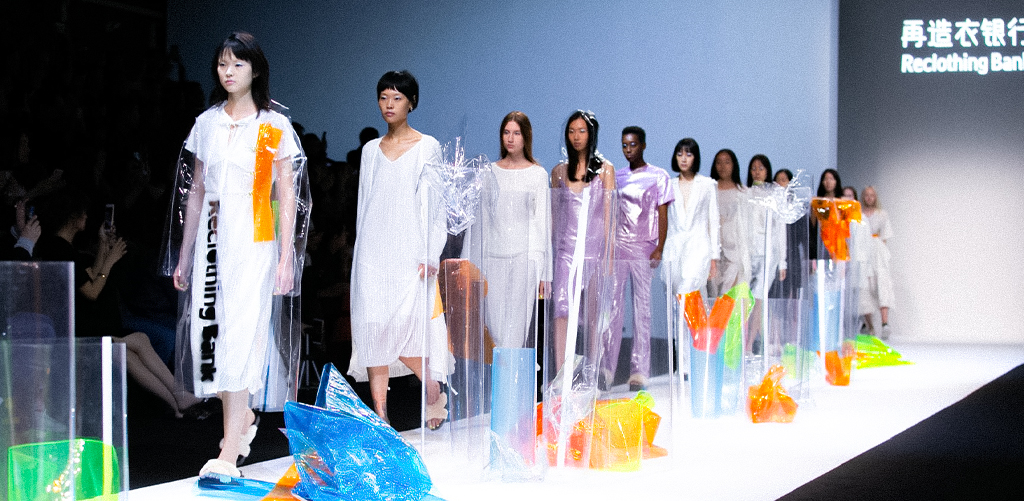
Startup Example: Look at Reclothing Bank, a sustainable fashion startup in China. Every collection tells a story of textile recycling and social change and it all starts with a powerful, clear theme.

Aspiring designers often miss this step. But here’s where the JD Institute’s Fashion Design course makes a difference, students are trained to build narrative-driven collections that stand out.

Research: Fashion Nerd Mode On

Research isn’t just Googling pretty fabrics. It’s studying trends, understanding consumer behavior, decoding historical references, and even visiting fabric markets.

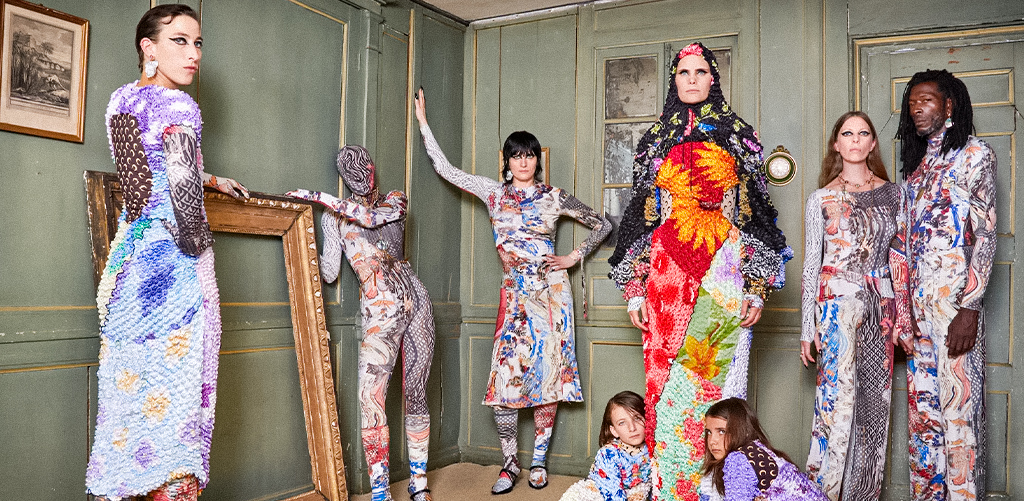
Inspo Alert: Think of Marine Serre, known for blending post-apocalyptic themes with high fashion. Her research into climate change, upcycling, and bodywear redefined how we see style.

You’ll learn quickly that fashion research is less academic and more like solving a creative mystery. It also sets the ground for smarter choices in materials and techniques.

Draw It, Detail It, Nail It

Once you’ve researched, it’s time to put pencil to paper. Start sketching! These rough visuals are then refined into technical drawings, flat sketches that detail stitching, measurements, and fabric notes.

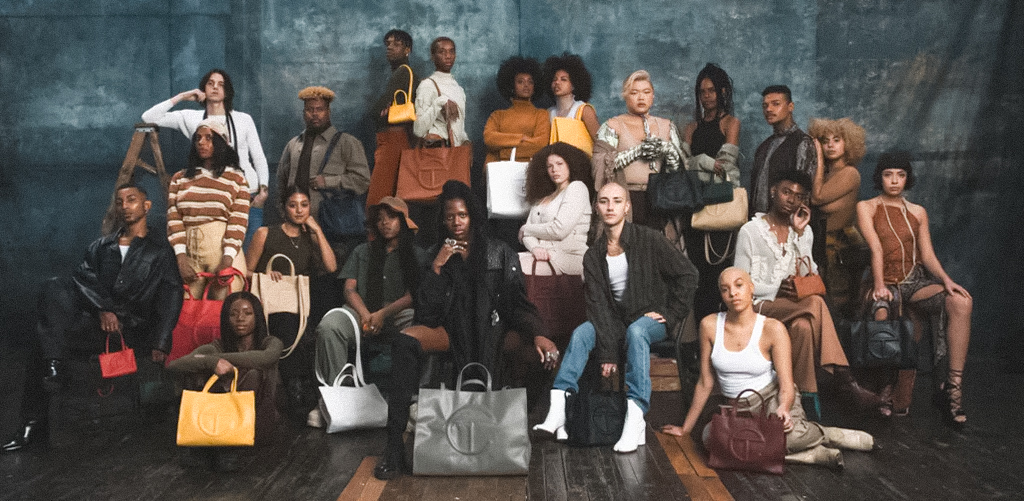
Design Crush: Telfar Clemens, the mind behind the iconic “Bushwick Birkin,” is proof that clear design visuals and function-first thinking can turn a product into a global trend.

This is where your garment starts becoming real. Aspiring Fashion Design students must learn to master both hand sketching and digital fashion illustration so nothing gets lost between imagination and production.

Sampling & Feedback

You’ve sketched your vision, now make a sample. This is your prototype, the first wearable draft of your design. Fit issues? Color clashes? Fabric fails? Good, this is where you fix it.

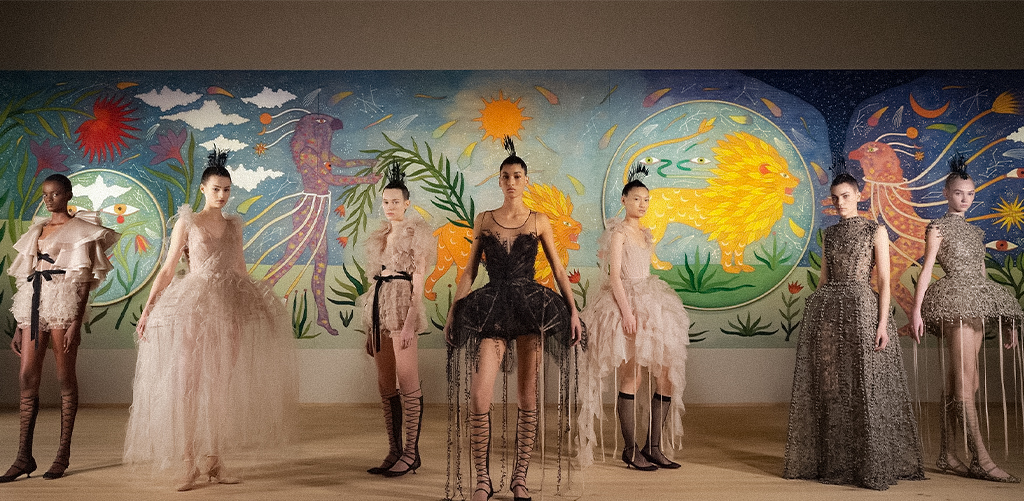
Fashion Fact: Even giants like Dior don’t skip this step. Every haute couture piece goes through multiple fittings before it ever touches the runway. 

Getting feedback from mentors or professionals can save your design from flopping later. The fashion design process is about refining, not rushing.

Final Garment & Styling

Now comes the glam, stitching your final piece, adding embellishments, doing the finishing touches, and planning how it will be styled. This is what you’ve worked toward. Every pleat, drape, and button now carries your signature.

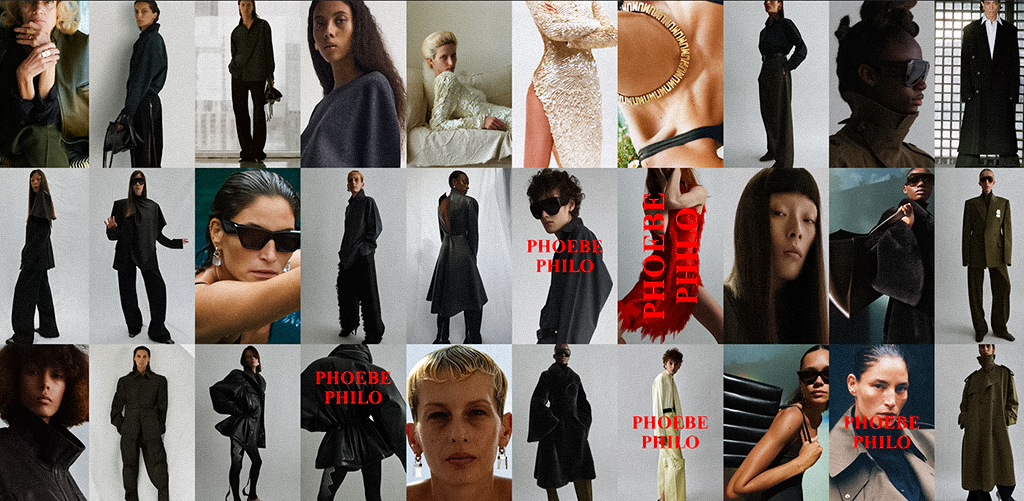
Real-World Example: Phoebe Philo’s minimal-yet-bold pieces are masterclasses in final execution. Clean lines, sharp silhouettes, her garments are proof that precision is the final magic trick.

And when your final garment walks the ramp or gets featured in a lookbook, trust us, it’s better than your best Insta moment.

Style Without Process is Just Lucky Guesswork

Great design isn’t about getting lucky with a pretty dress. It’s about building it, layer by layer like a cake, but chicer. That’s why top designers obsess over their process, and why you should, too.

Want to skip the trial-and-error phase and learn from the pros? Then take the clever route and let the JD Institute of Fashion Technology turn your Pinterest boards into portfolio pieces.

Want to Start a Fashion Brand? Start with These Hands

Saturday, July 5th, 2025

“Not every artist has a studio, some have a small room, a single thread, and centuries of tradition.”

Think about it, every time you wear a hand-embroidered kurta or a beautiful block-printed scarf, do you know who made it?

Behind many of the clothes we love is an Indian artisan, someone working quietly in a small town or village, keeping our culture alive through craft. But in today’s fast fashion world, these skilled hands often go unseen and underpaid. That’s where you come in.

If you’re an aspiring fashion entrepreneur or studying fashion business, now’s the perfect time to learn how to build something different, something that gives back. Courses like Fashion Business Management at JD Institute are teaching students how to combine creativity with impact, helping them create brands that not only look good but do good too.

So, how do you build a fashion brand that truly supports Indian artisans? Let’s walk through it, step by step.

Start Where the Craft Lives: Learn from Okhai

You don’t need a fancy office in a big city to start your fashion brand. Start where the real magic happens, villages filled with amazing skills and traditions.

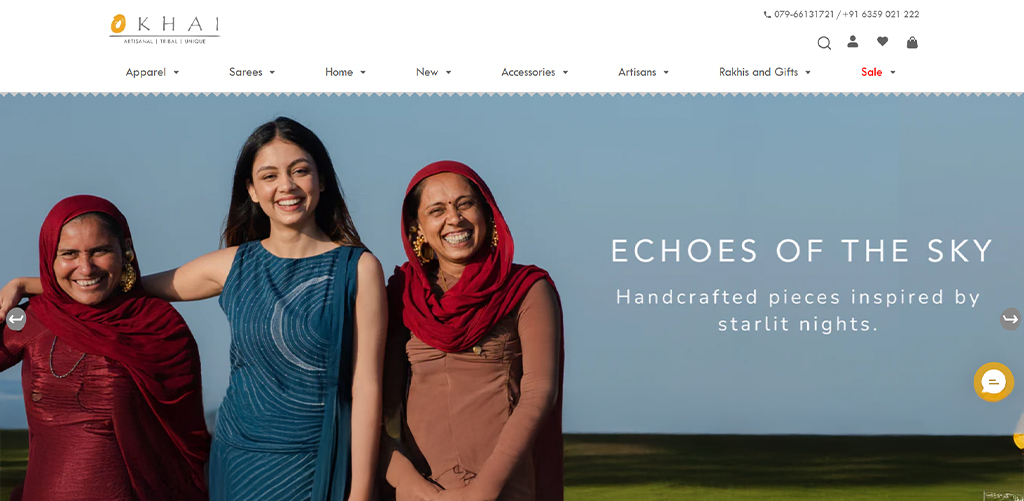
Take Okhai, for example. This brand began by working with rural women artisans in Gujarat, teaching them how to bring their embroidery and mirror work to modern designs. Today, they sell their products online and worldwide.

If you’re building your own brand, start by exploring handmade clothing techniques like block printing, weaving, and natural dyeing. Partner with artisans who already know these crafts better than anyone.

And if you’re in a course like Fashion Business Management at JD Institute, you’ll get to study real-life brand journeys like this and learn how to bring them to life, without losing the soul of the craft.

Handmade = Heartmade: Bunaai’s Big Leap

Why go handmade when machines are faster? Because people today want stories, not just styles.

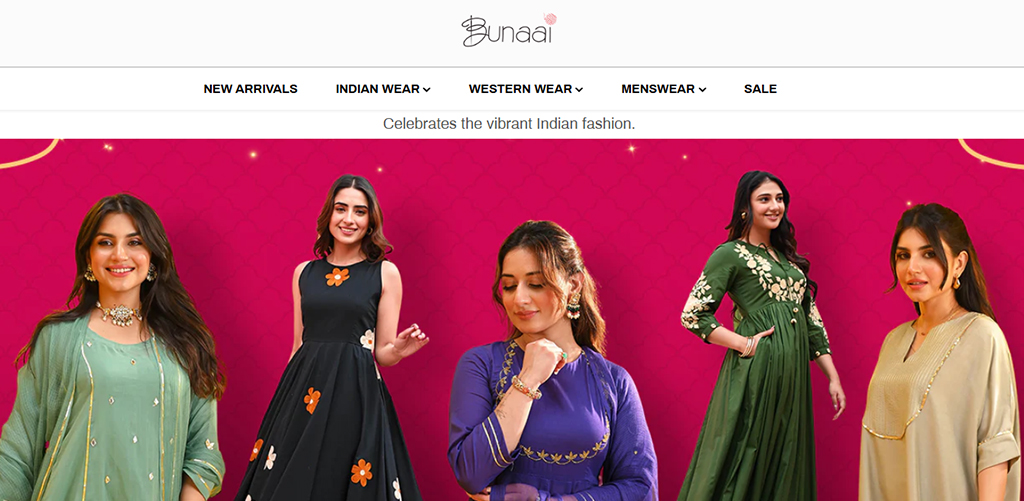
Bunaai, a brand started in Jaipur, focused on handcrafted outfits made with love. The founder used local fabrics and simple cuts but made it shine online by sharing how each piece was made.

That’s the power of artisan fashion brands, they connect with people. And they support local talent.

If you’re planning your own brand, focus on handmade clothing. Not only is it more personal and eco-friendly, but customers are also willing to pay more for something with a real story.

Be Fair and Honest: Take Notes from Suta

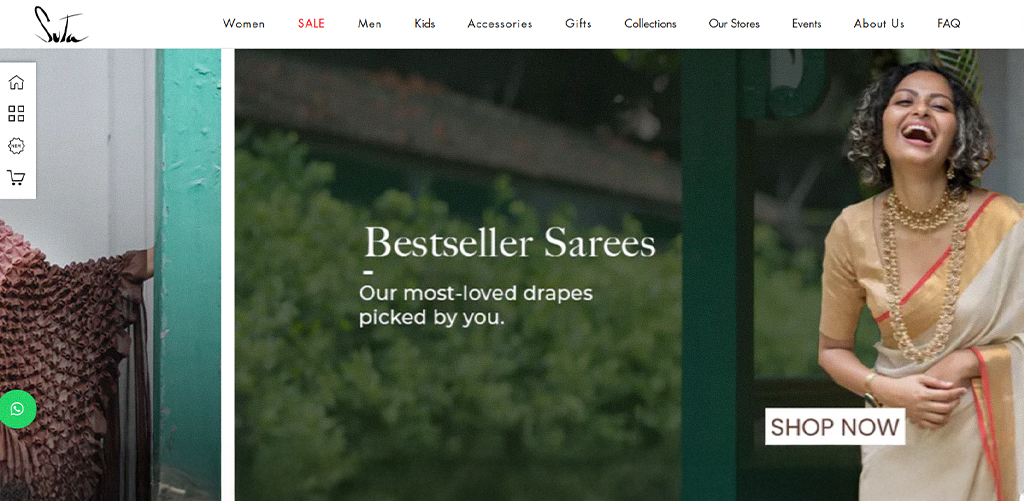
Fashion can be fun and fair, just look at Suta, a brand started by two sisters who turned handwoven sarees into something modern and beautiful. They didn’t just buy fabrics from weavers, they spent time with them, made sure they were paid well, and even featured them in their campaigns.

This is called ethical sourcing, and it’s super important. You can’t claim to support artisans if you’re not treating them right. The trust you build with them becomes the strength of your brand.

Rural Meets Runway: The Style of 11.11 / Eleven Eleven

Want your brand to be cool and craft-based? Meet 11.11 / eleven eleven, a label that made simple fabrics like khadi look luxurious. They work with rural artisans but market it like high fashion.

They didn’t change the craft; they changed the way people see the craft. So, if you’re thinking of starting a rural fashion business, think of how you can use modern design and storytelling to make these traditional techniques trendy again.

Why Aspiring Fashion Entrepreneurs Need to Learn This

Creating a fashion brand that supports Indian artisans isn’t just about selling clothes, it’s about creating impact.

As a future fashion business owner, you need to know how to:

  • Work directly with artisan clusters
  • Plan fair pricing and ethical partnerships
  • Market handmade clothing to a global audience
  • Build a brand that is sustainable, not just seasonal

All this might sound big, but with the right guidance, it’s doable. Courses like Fashion Business Management at JD Institute are designed to help students turn these dreams into businesses, from learning sourcing to understanding how to price artisan work properly.

You Hold the Needle Now

Supporting artisans isn’t just a trend. It’s a responsibility, and a beautiful opportunity.

When you build a brand with heart, you’re not just growing your business. You’re helping keep art, culture, and real stories alive. And who better to lead this than fashion students who actually care?

So, if you’re ready to design a future that matters, learn how to do it right, from the ground up, and with the right people. Because when you learn with JD Institute, you don’t just become an entrepreneur. You become a change-maker.

What is ‘Vibe’ in Design and Why is Everyone Talking About It?

Friday, July 4th, 2025

“It’s not just a trend. It’s a vibe.”
This line isn’t just floating on your Instagram Reels, it’s now the heart of modern design. Whether you’re decorating a space, styling a model, or creating an ad campaign, today everything boils down to one thing: what’s the vibe?

But wait, what even is a vibe in design? And why is everyone from global brands to design students talking about it?

Let’s break it down.

So, What Is a Vibe in Design?

In simple words, a vibe is the feeling your design gives. It’s not just about colors or style, it’s the mood someone experiences when they look at, walk through, or interact with your design. It could be romantic, rebellious, clean, chaotic, dreamy, or nostalgic. The vibe is what turns ordinary visuals into something that people feel.

Real-world example:
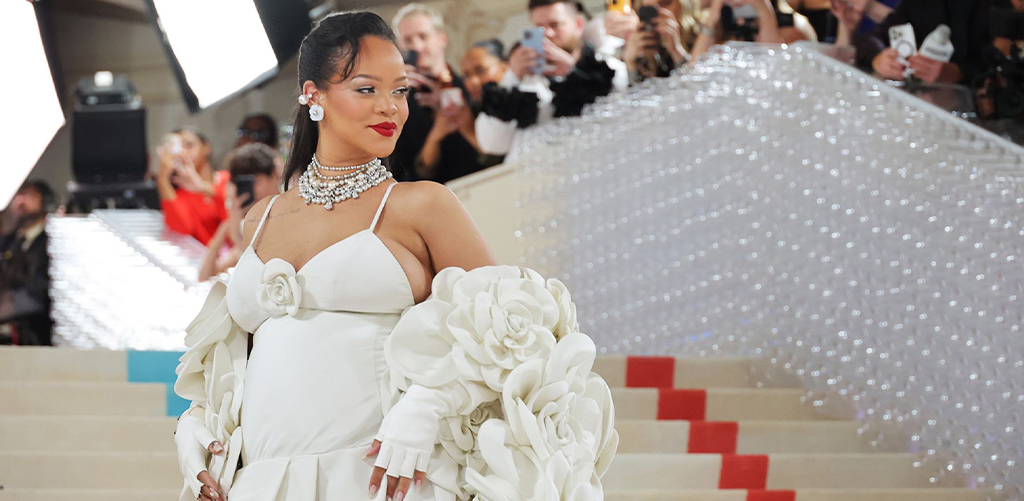
Rihanna’s 2023 Met Gala outfit
in white Valentino gave “future bride meets space goddess” vibes. It wasn’t just about the dress—it was the flowers, the sunglasses, the attitude.

At JD Institute, students learn how to create this exact kind of emotional impact. Whether they’re in fashion, interiors, or communication design, the focus is on how to express ideas that connect deeply through color, layout, storytelling, and mood.

Vibe Shift: The Trend That Changed Everything

The term vibe shift was first used by culture experts who noticed how the overall mood of society changes over time. From early 2000s glitter and glam to today’s calm, minimal tones, vibes are always shifting.
Real-world example:
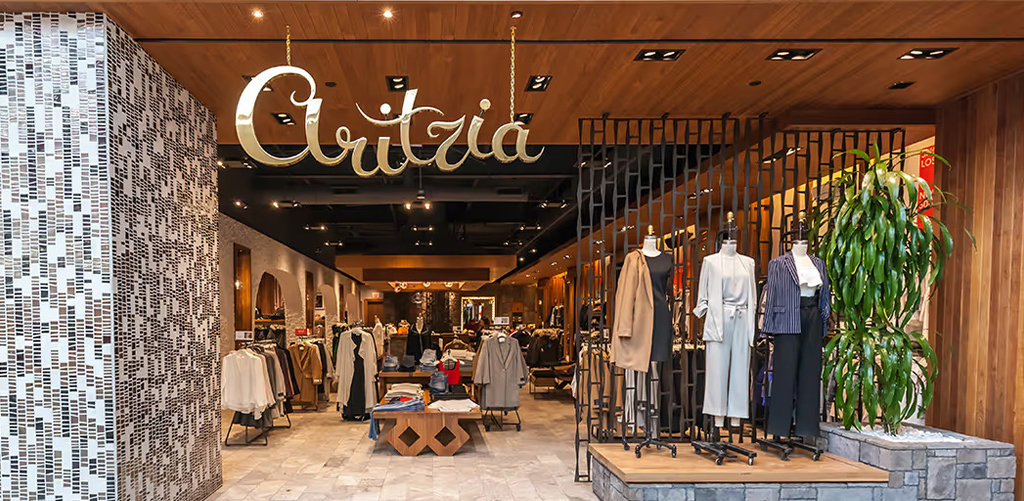
Look at how brands like Glossier and Aritzia created a soft, pastel vibe to match a minimalist, natural beauty mood. It’s not just branding, it’s an entire atmosphere.

Students must be taught to spot these shifts early, so they can create designs that are ahead of the curve, not behind it.

How Pinterest Vibes Drive Interior Design

Ever noticed how Pinterest is filled with cozy boho bedrooms or dark academia study corners? That’s because people don’t search for products anymore, they search for vibes. 

Real-world example:
The Scandinavian interior design trend which includes light wood, white walls, soft lighting gives a calm and clean vibe, that is perfect for people who want peace at home.

JD’s interior design students are trained to think beyond furniture, they learn to create a complete atmosphere using lighting, space planning, color tones, and even smell and sound.

When Netflix Designed a Whole Vibe

Netflix isn’t just about movies, it’s about moods. Every thumbnail, title font, and trailer music is chosen to create a vibe.

Real-world example:
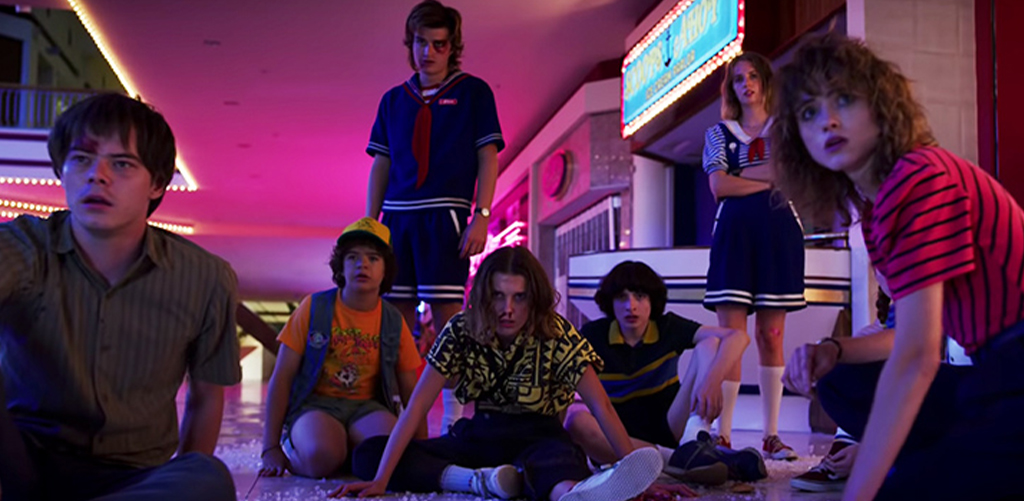
Shows like Stranger Things used retro colors, neon lights, and 80s music to create a nostalgic vibe. That’s what got people hooked even before watching the plot.

It is the communication design course where students explore how mood plays a big role in media campaigns, learning how to use fonts, visuals, and motion to create a vibe that communicates more than words. 

Fashion Styling and the ‘Clean Girl’ Vibe

Fashion is no longer just about outfits. It’s about the overall look and feel, what Gen Z calls as the main character energy.

Real-world example:
The clean girl aesthetic, slick buns, gold hoops, neutral makeup, became a viral vibe on TikTok. Fashion stylists now use this mood to style shoots and retail displays.

At JD Institute, fashion styling students learn how to read the current vibe, create mood boards, and style looks that match what people are feeling right now.

Final Vibe Check

So the next time someone asks, what’s the vibe, remember, it’s not just slang. It’s a powerful design tool, a cultural compass, and a mood board rolled into one.

Whether you’re dressing a model, designing a cafe, or building a brand identity, the vibe is your first impression, and often your most lasting one.

Want to Style a PM or TV Anchor? Here’s What You Need to Know

Thursday, July 3rd, 2025

Whether it’s a live news debate or a political campaign speech, what public figures wear is part of their message. The right look can make someone appear trustworthy, confident, calm, or even powerful.

That’s where media styling for news anchors and political figures comes in. And guess what? If you’re studying fashion styling or even thinking about it, this is a career path that’s not only unique, but it’s growing fast.

At JD Institute of Fashion Technology, the Fashion Styling course opens doors to exactly these kinds of styling careers where you’re not just picking pretty clothes, but shaping public perception.

Let’s break down the behind-the-scenes world of media styling in real, simple terms, and how you can be a part of it.

The ‘Suit’ That Speaks Louder Than Words

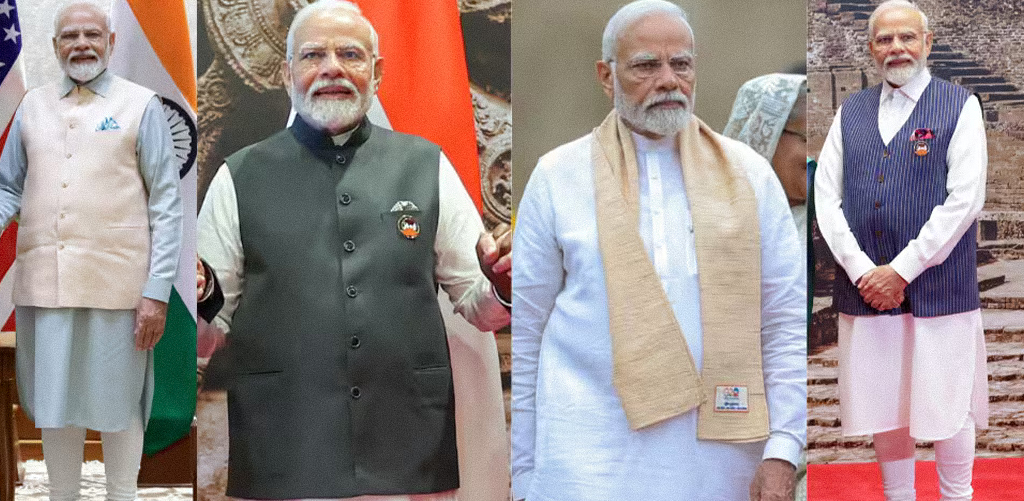
Let’s be honest, when a politician walks into a room, they’ve already made a statement before saying anything. That’s power dressing. Whether it’s Modi’s half-sleeved kurtas or Obama’s sharp navy suits, their look is part of their identity.
Example: Narendra Modi’s Custom Look
Modi’s outfits often include symbolic elements, like the time he wore a pinstripe suit with his name woven into the stripes. Every detail is calculated to show authority, tradition, and pride.

Fashion stylists help build this visual language. It’s not about what looks nice, it’s about what also feels right for their role. That’s exactly the kind of thing students at JD Institute learn through real-world styling tasks and media-focused projects.

Anchors Don’t Just Talk , They Wear Trust

Ever noticed how most news anchors wear solid colors, no wild prints, and very neat lines? That’s intentional. They need to look calm, clear, and focused because their job is to deliver news, not distract from it.

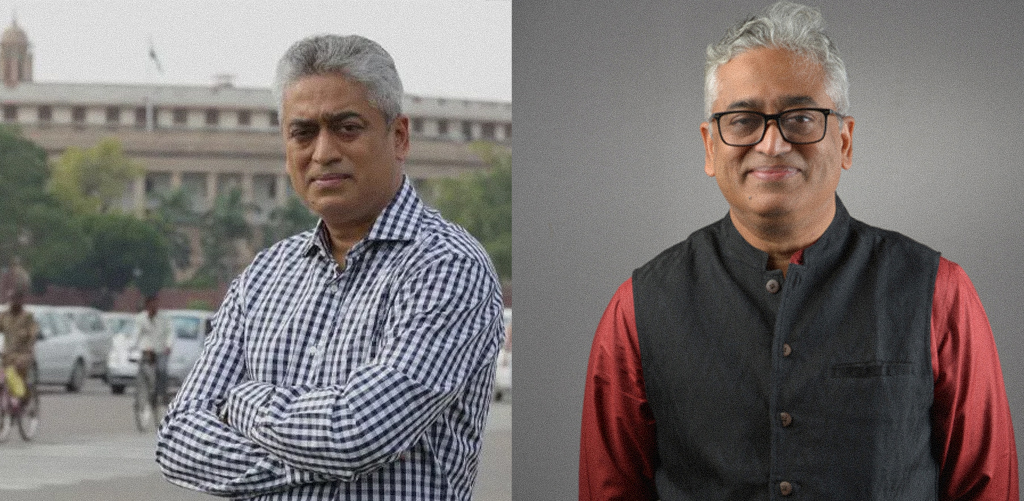
Example: Rajdeep Sardesai’s Simple, Crisp Style
Rajdeep often wears classic shirts and blazers that reflect seriousness. No loud colors, no shine, just credibility.

Stylists working with anchors have to consider:

  • What looks good under studio lights
  • Which colors pop on screen without being too loud
  • How to dress anchors consistently, even across different shows

This is why news media styling is a smart styling niche and student must be exposed to such real-world styling briefs. It’s not just fashion-forward, it’s media-smart.

Wardrobe Planning = Less Stress, More Style

Imagine having to appear in front of cameras every single day. You can’t pick your outfit randomly. That’s where wardrobe planning comes in. Stylists create a weekly uniform kind of clothing that feels fresh, but consistent.

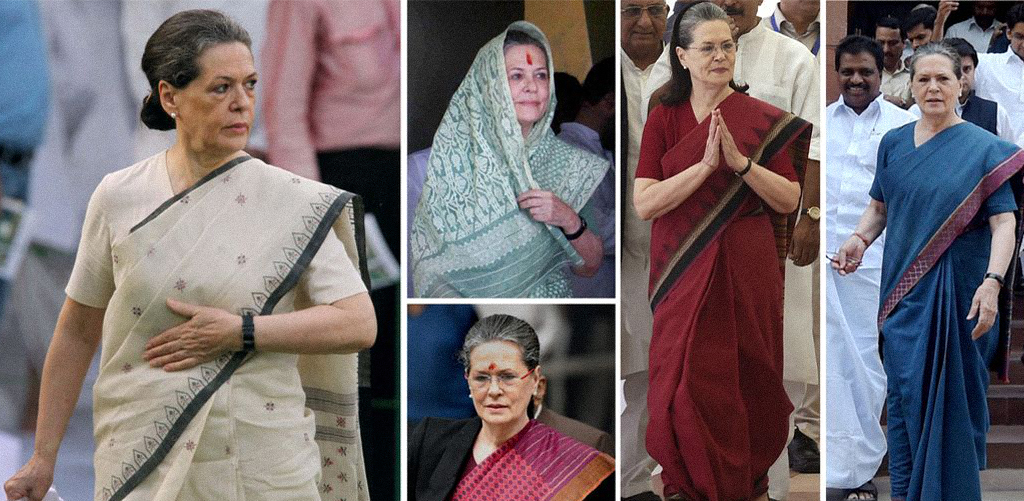
Example: Sonia Gandhi’s Handloom Sarees
She sticks to soft, earthy tones and traditional weaves, sending a message of simplicity and rootedness, again and again.

Stylists in media and politics often build capsule wardrobes with:

  • 6-8 looks that rotate easily
  • Accessories that work across outfits
  • Color codes for different types of events

It’s part fashion, part strategy, and a huge career opportunity for anyone learning fashion styling.
Accessories Aren’t Just Accessories Anymore

Think pins, watches, dupattas, even footwear, all of these become part of the message. Political figures especially use small style elements to signal mood, values, or even protest.
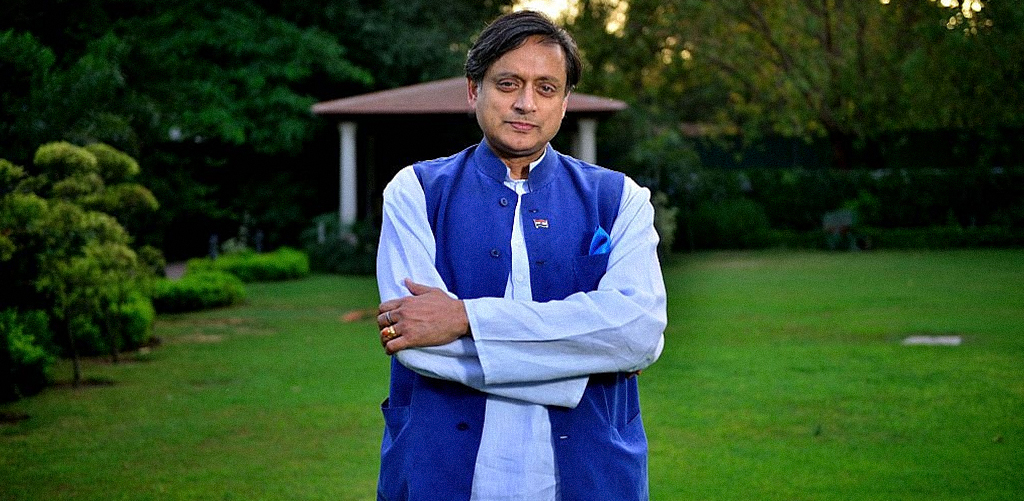
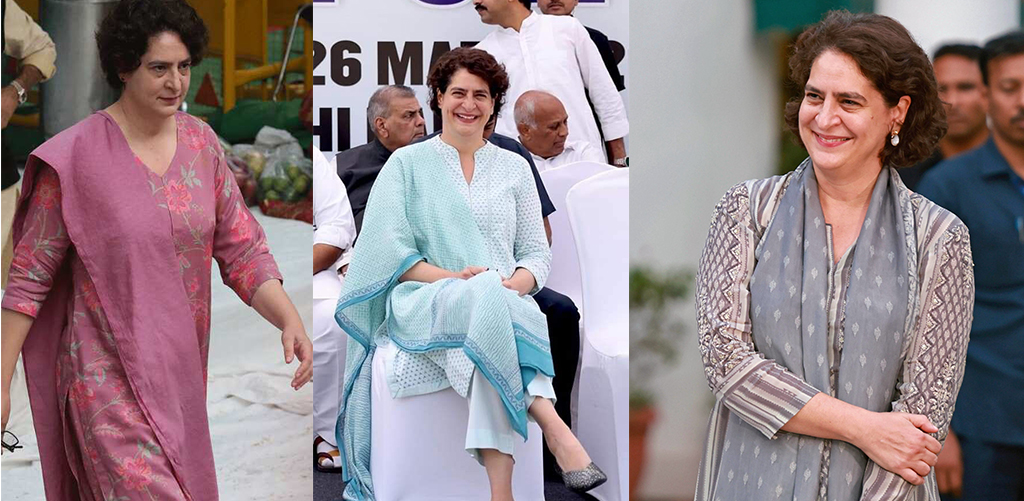
Example: Priyanka Gandhi’s Cotton Dupattas
Often seen in white cotton suits with simple dupattas, her look speaks of accessibility and solidarity with the common people.

A good stylist helps build this image quietly. You don’t always need bling, sometimes, even a watch brand can say a lot.

At JD Institute, students of Fashion Styling learn this language of subtle styling through real-life briefs, photo styling sessions, and exposure to image management techniques.

Event-Specific Styling

Not all days are the same. Political leaders and media personalities attend everything from high-profile debates to casual town halls. Stylists make sure each look matches the mood and message.

Example: Shashi Tharoor’s Kolhapuri Chappals and Linen Kurtas
He blends Indian elegance with comfort, giving off a vibe that’s both intellectual and grounded, a stylist’s careful balance.

Media stylists need to:

  • Prepare looks in advance based on the event
  • Balance tradition with trend
  • Keep things polished, yet personal

This kind of detailed thinking is what future stylists must be trained for as it’s about real styling for real impact. 

Final Take: If You Want to Be a Stylist That Matters…

…then style where it matters the most on screens, in parliaments, and on public stages. Learn to mix creativity with clarity, and fashion with intention. Ready to create looks that don’t just trend, but lead? Start your journey at the place where smart styling meets real-world fashion, JD Institute of Fashion Technology.

Are Events Going Digital for Good? Here’s What Every Student Needs to Know

Thursday, July 3rd, 2025

Here’s a fun fact to know, the first-ever online event happened way back in 1993! It was a live-streamed concert, long before most people had decent internet or even email. Fast forward to now, and online events are not just some backup idea. They’re front and center.

So the big question is: Are online events here to stay? What should students know about this big shift? Whether you want to plan concerts, fashion shows, workshops, or even art exhibitions, yes, the game has changed.

And if you’re thinking about stepping into the world of event planning, the Global Event Management course at JD Institute is a great way to learn how it all works be it online, offline, and everything in between.

Online Events Are Now a Real Thing

A few years ago, most people thought virtual events were only for emergencies, like during the pandemic. But today? Companies, brands, and even fashion shows are going digital because it’s cheaper, faster, and reaches way more people.

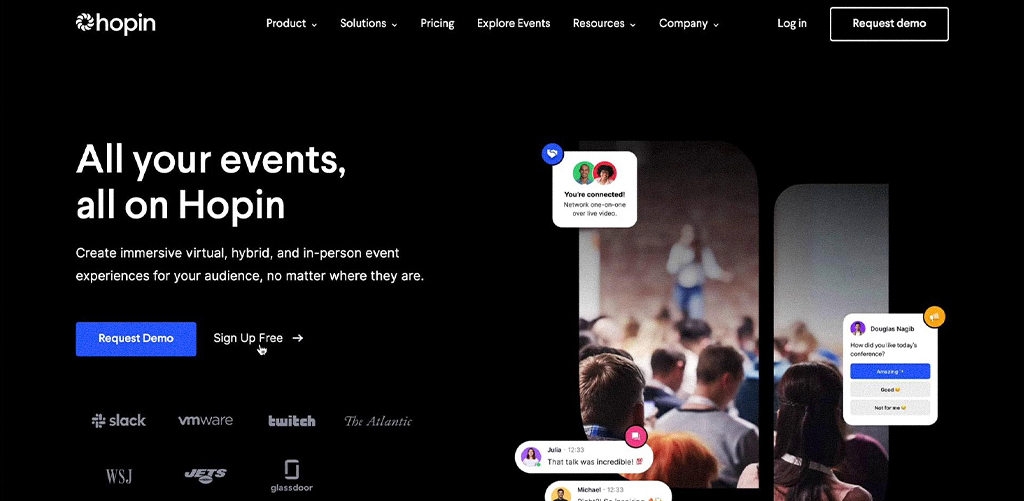
Just look at Hopin, a company that lets you host full-blown events online with stages, networking booths, and all. It started small and became a billion-dollar startup in just a year. That’s how powerful online events are becoming.

If you’re planning to work in the events industry, this is something you can’t ignore. You need to learn how to plan digital experiences, keep online audiences hooked, and work with platforms like Zoom, Hopin, or Airmeet, and that’s exactly what you’ll explore in JD Institute’s Global Event Management course.

Hybrid Events: The New Normal

Okay, let’s be honest, people still love physical events. The lights, the music, the food, the vibe, it’s hard to beat. But now, most big events are doing both online and offline together. That’s called a hybrid event, and it’s what’s trending right now.

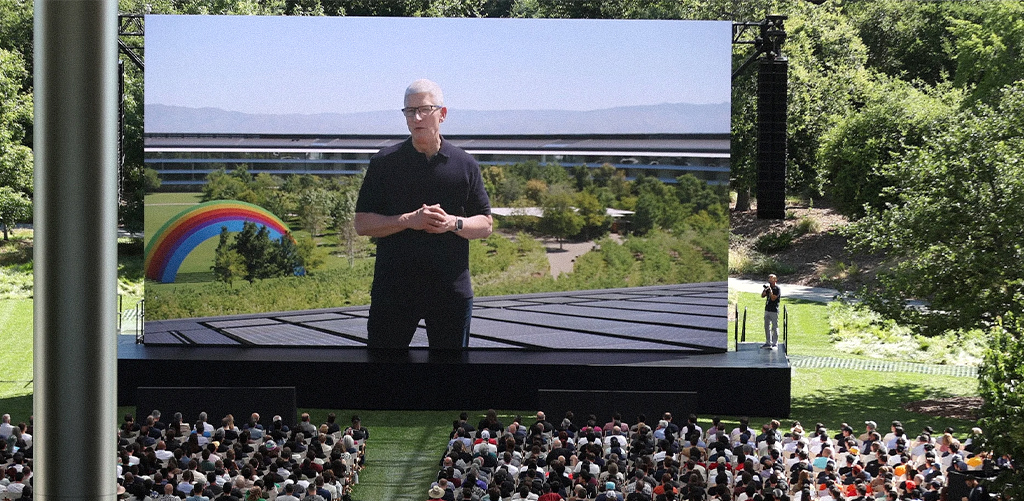
For example, Apple’s big developer event (WWDC) used to be fully in-person. Now, even though things are back to normal, they still go hybrid. Why? Because people from all over the world can join in without flying to California.

This means if you’re learning event planning, you need to understand how to run both parts, the on-ground team and the online audience.

Picking the Right Platform is a Skill

Not every digital event tool does the same thing. Some are great for meetings. Some are made for fashion shows. Some are good for networking. Choosing the wrong platform can mess up the whole event, and nobody wants that.

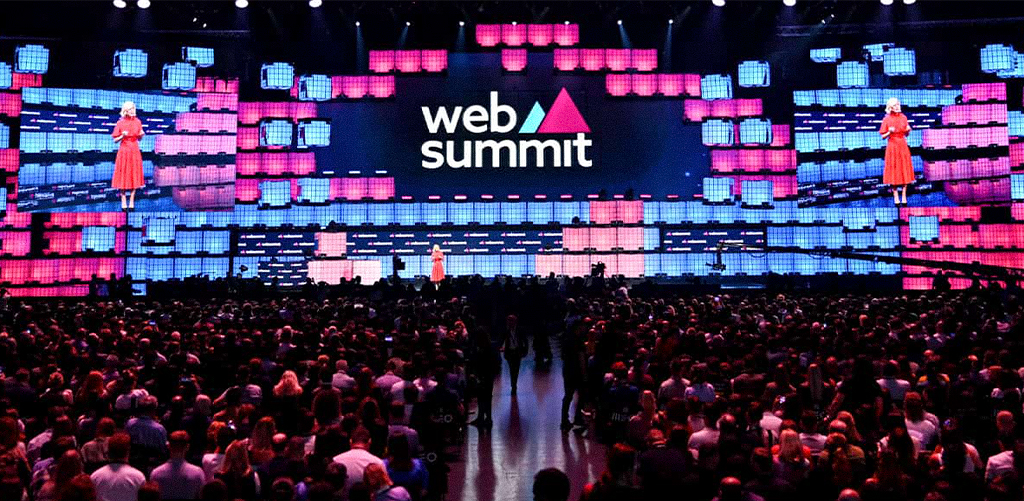
Take Web Summit, one of the biggest tech conferences in the world. They went fully digital using a custom platform, and still had over 100,000 people attend online. It was a huge success because they picked the right tools and planned smartly.

If you’re an event student or just curious about the field, learning how these platforms work is super important. You’ll need to think about things like live chat, breakout rooms, screen sharing, and audience interaction.

So, Are Online Events the Future?

Let’s face it, yes. But that doesn’t mean physical events are going away. Instead, events are evolving. A lot of fashion brands now host virtual runway shows. Even art exhibitions are being shown in 3D online.

Take Metaverse Fashion Week for example. Designers showed their work in a virtual space, and audiences joined in using avatars! Sounds futuristic? It’s happening right now.

If you want to be a part of this exciting world, you need to stay updated. That’s why it’s super important for students to not just learn how to plan events, but how to design experiences that work both online and offline.

Why You Need to Learn This Now

So, are online events here to stay? What students should know is this, the event world has changed, and it’s not turning back. Whether you’re planning a glamorous fashion show or a smart business seminar, you’ll need to mix creativity with tech-savvy skills.

And if you want to actually enjoy learning this stuff and not just memorize facts, the Global Event Management course at JD Institute is where you’ll find that perfect mix of fun, creativity, and real-world knowledge.

Because tomorrow’s events won’t just need a good venue. They’ll need smart minds who can run the show on-stage and on-screen.

Copyright © 2025 JD Institute of Fashion. All Right Reserved

Designed by Red Lemon

Whatsapp icon
Apply Now
Enquire
Quick Enquiry