


“Ever bought something just because it felt right?”
That magnetic pull, the sudden urge to walk into a store, the sense that the brand “gets you”—it’s not luck. It’s semiotics at play. A powerful yet silent storyteller that thrives in the world of Visual Merchandising. While the mannequins may stand still, the signs and symbols surrounding them speak volumes.
Let’s decode this unspoken language and explore how big brands use semiotics to influence your every retail move—and what future visual merchandisers can learn from it.
Walk past an Apple Store, and you’ll see a clean, sleek, and futuristic space with glowing white tones and minimal product display. The use of space, light, and simplicity communicates more than just aesthetics—it screams innovation, sophistication, and trust.

Semiotics Lesson?
Symbols like white space, glass, and geometry denote clarity and control—traits consumers subconsciously connect with high-end technology. Visual merchandisers can learn how even silence (or in this case, minimalism) can be loud in branding.
At JD Institute of Fashion Technology, students studying Visual Merchandising dive into such perspectives to understand how to decode modern-day design narratives and apply them in real-world setups.
Ever wondered why Starbucks doesn’t need a full logo anymore? That green siren symbol alone does the job. Starbucks has built a global language of semiotics that includes earth tones, rustic wood finishes, and handwritten chalkboard menus.

Semiotics Lesson?
The brand taps into “third place” culture—neither home nor office, but a comforting space in between. The symbols create a warm, community-driven identity, making you want to stay, sip, and share.
Visual merchandisers must learn that it’s not just about how things look, but what they represent. This is precisely where design education, like the one provided at JD Institute, bridges the gap between aesthetics and psychology.
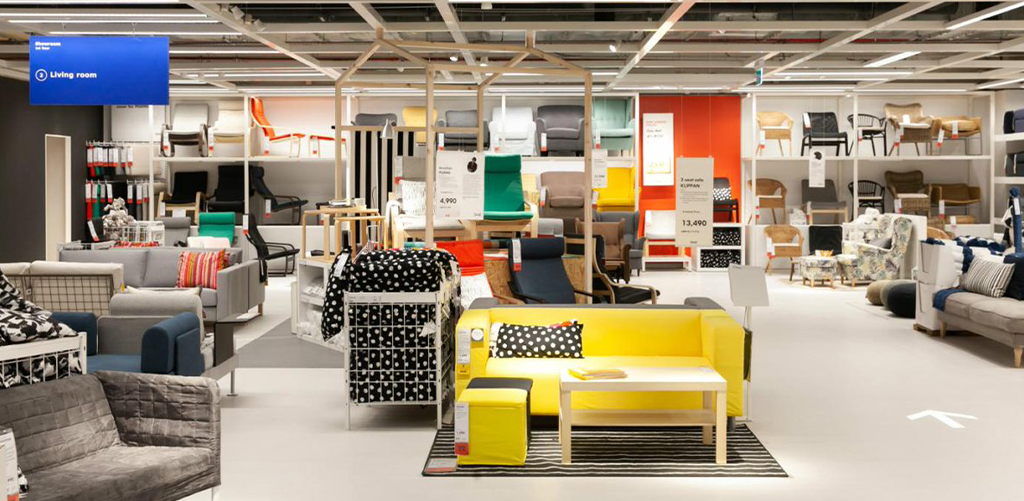
IKEA doesn’t just sell furniture—it sells living. Ever noticed how you’re guided through a fixed path inside the store, each section resembling a real home setup? That’s semiotics in motion.
Semiotics Lesson?
From Swedish product names to cozy mock apartments, every element suggests simplicity, efficiency, and homeliness. The layout itself communicates a journey through possibilities—nudging you to imagine your future within those four walls.
Visual merchandisers can pick up valuable cues on how the placement of a product and the environment around it can change buying behavior entirely.
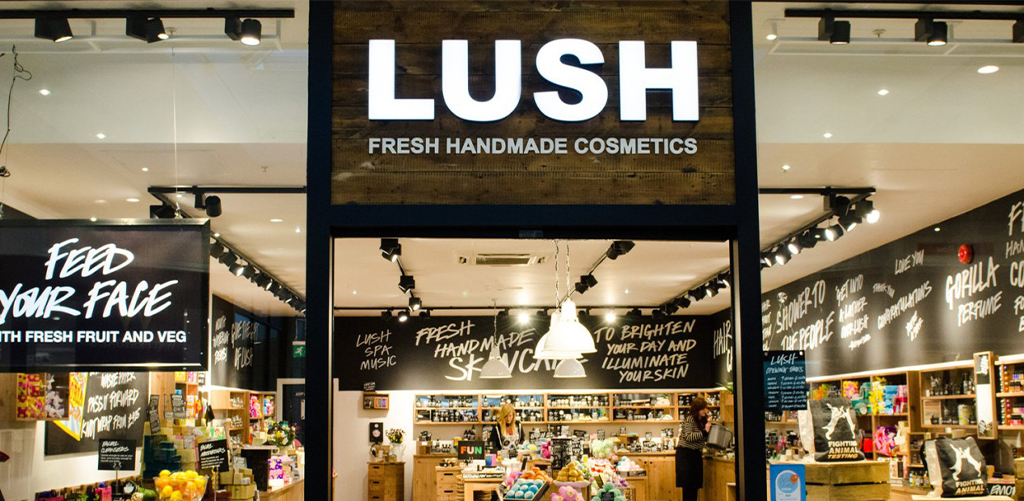
Stepping into a Lush store is like entering a vibrant, fragrant garden. The bright visuals, bold signage, and zero-packaging displays communicate an ethical, organic lifestyle.
Semiotics Lesson?
Colors, smells, and textures work as semiotic triggers. Blackboard signs signal handmade authenticity, and the absence of plastic stands for sustainability. It’s an experience that feels personal and principled.
A deep understanding of how sensory signs affect decision-making is part of what JD Institute instills in its Visual Merchandising curriculum—blending creativity with responsible messaging.
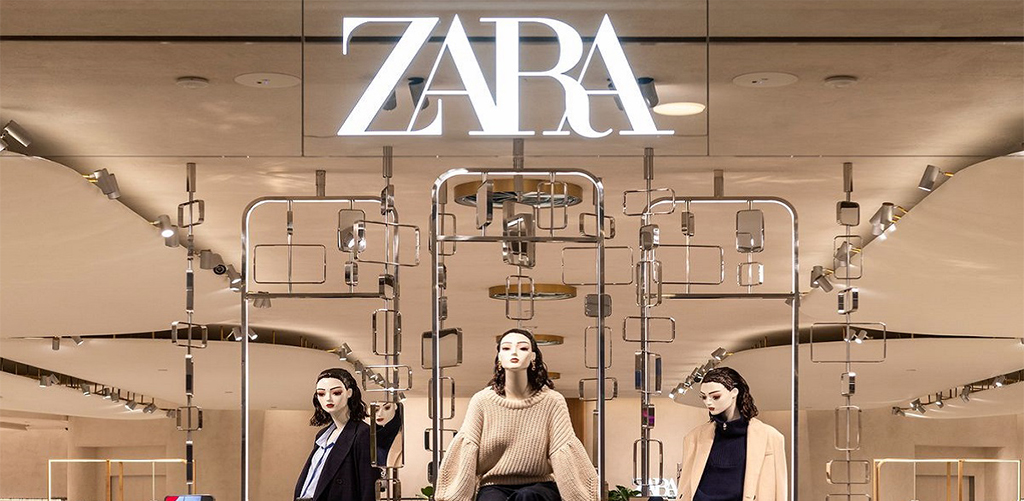
Zara’s constantly changing window displays and limited stock signage create an unspoken message: Buy now or regret later.
Semiotics Lesson?
Dark themes, spotlighted products, and sleek mannequins communicate exclusivity, while the ever-changing inventory sets a tone of urgency. The symbols here manipulate time and trend perception—essential tools in fashion visual merchandising. Aspiring Visual Merchandisers must learn to read these retail signs like a second language, and prepare themselves to lead future brand strategies confidently.
Semiotics isn’t just for marketers or philosophers—it’s the everyday toolkit for visual merchandisers. In a world driven by symbols, those who can decode, construct, and communicate meaning through design are the real trendsetters.
But to master this art, you need more than instinct—you need the right training. That’s where the JD Institute of Fashion Technology steps in, offering a deep dive into the psychology, culture, and design thinking behind successful visual merchandising. So next time you’re walking past a window display and find yourself slowing down—ask yourself:
“What story is it trying to tell me?”
And better yet, “Could I be the one to tell it next?”
 Design Blogs
 Watch on youtube


 Downloads

Copyright © 2025 JD Institute of Fashion. All Right Reserved
Designed by




 Quick Menu