


Ever seen a video of a celebrity saying something super weird — only to find out it was totally fake?
Yep, that’s AI doing its thing. It can now copy your face, your voice, and even your expressions — all without you ever showing up. Wild, right?
This new wave of AI tools is exciting, but it also brings up some big questions — especially for people in design, media, and communication. If you’re planning a career in these fields, you’ll need to know what’s real, what’s fake, and what’s right.
That’s exactly why courses like the Communication Design program at JD Institute now focus on more than just creativity — they teach you how to design responsibly in a fast-moving digital world.
Let’s break down what you really need to know about AI voice & face duplication — and why ethical design is going to be a must-have skill from here on out.
AI tools today can mimic how someone speaks, looks, and even moves — almost perfectly. From voice cloning to face-swapping, this tech is used in:
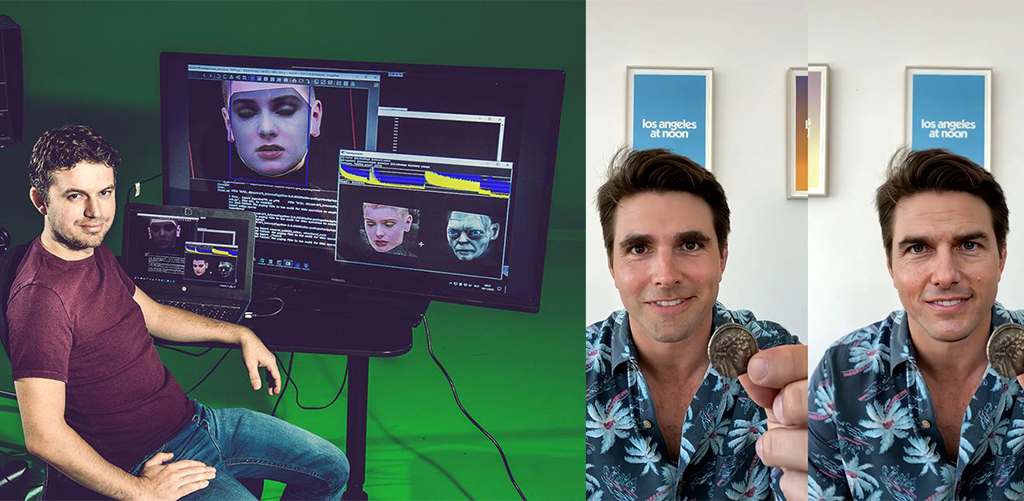
The scary part? It’s getting easier and faster to do, but the Communication Design course at JD Institute explores not just how to use such tech, but how to handle it ethically. Because design today isn’t just about visuals — it’s about values too.
Remember Reface App? It lets you swap your face with celebs and movie characters. Fun, right? But what if someone uses that same tech to make a fake political video?

That’s where ethical design steps in.
If you’re a communication designer, you’re not just making ads and posts — you’re helping shape how people see the world. So you need to ask yourself:
Is this honest? Is this respectful? Can this be misunderstood or misused? That’s the kind of thinking students learn at JD Institute’s Communication Design course — to stay creative while also being responsible with tech.
There are amazing tools like ElevenLabs, which create super-realistic AI voices. But they can also be used to copy someone’s speech and make them say things they never actually said. Just because something looks cool doesn’t mean you should use it.
As a designer, it’s your job to decide what’s okay and what’s not. You may be the only person in the room who says,
“This might go viral, but it doesn’t feel right.”
And that’s a powerful stand to take.
AI is going to keep getting smarter. It can copy voices, faces, even emotions. But it still doesn’t understand what’s right or wrong.
That part? That’s on you.
Future communication designers, especially in fashion, events, branding, and digital media, need to lead with both creativity and conscience. And that’s exactly what you’ll learn at JD Institute’s Communication Design course — how to stay ahead of the curve, without losing your ethics.
As AI keeps upgrading itself, there’s one thing it still doesn’t get — ethics. That’s the human part. And it’s why future designers, especially in fashion, branding, and media, need more than tech skills. They need a compass.
So, if you’re dreaming of being the next big name in creative direction, event tech, or digital storytelling — make sure your ideas aren’t just beautiful, but also built on values, the approach you’ll find at JD Institute.
Some startups like Soul Machines are creating digital humans for customer service. You might be chatting with one and not even realize it’s not real.
It saves time and money — but at what cost?
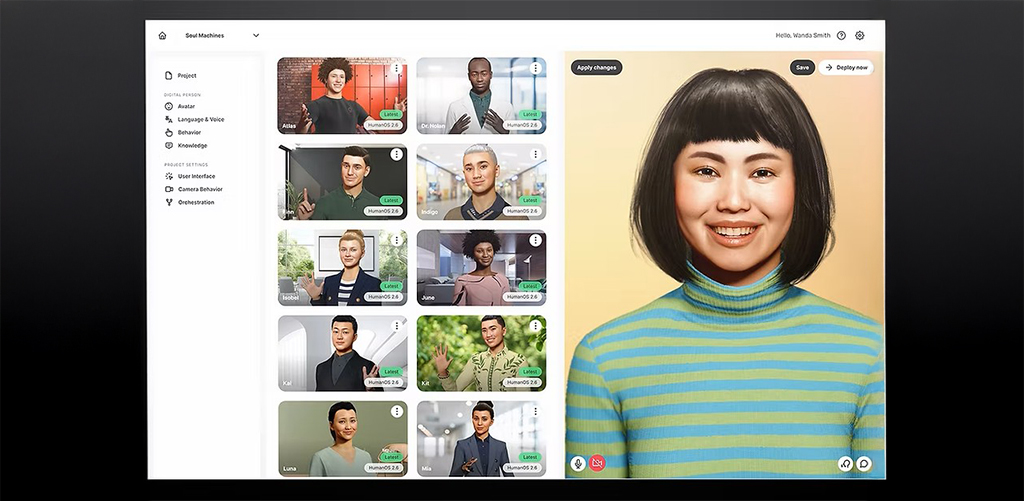
If people find out they were talking to a robot pretending to be human, they might feel tricked. That’s bad news for any brand or designer involved. So now, designers need to be honest and transparent when using AI. Say it’s AI. Add a disclaimer. Keep it clear. You don’t want to lose trust over something that looked “too perfect.” At JD Institute, students also learn how to balance tech and truth — in a way that feels human and fair.
 Design Blogs
 Watch on youtube


 Downloads

Copyright © 2025 JD Institute of Fashion. All Right Reserved
Designed by




 Quick Menu