

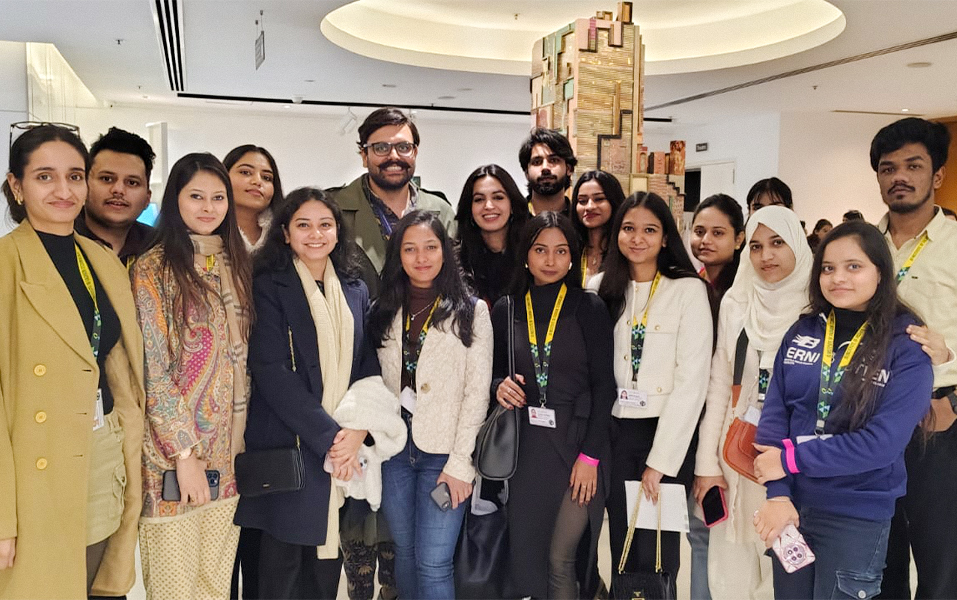
As part of its continued focus on industry-integrated education, JD Institute organised a Creative Economy Visit and Industry Interaction at the British Council, New Delhi. The visit was designed to expose students to the global creative ecosystem, offering insights into how culture, sustainability, policy, and entrepreneurship collectively shape contemporary creative industries.
The experience enabled students to step beyond academic frameworks and engage directly with professionals, institutions, and communities influencing the creative economy at national and international levels.
The British Council is the United Kingdom’s international organisation for cultural relations and educational opportunities. Known for fostering cross-cultural exchange and creative collaboration, it actively supports interdisciplinary initiatives across fashion, art, music, cultural heritage, and sustainability.
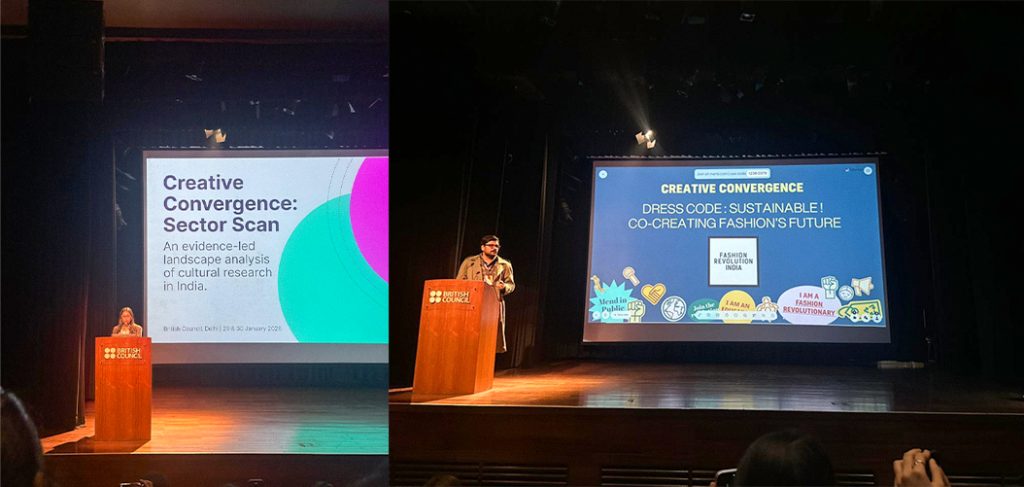
For Jediiians, the British Council provided a meaningful environment to understand how global creative practices are researched, funded, governed, and implemented, making the visit both timely and academically relevant.
The visit centred on understanding the evolving landscape of the creative economy, with emphasis on:
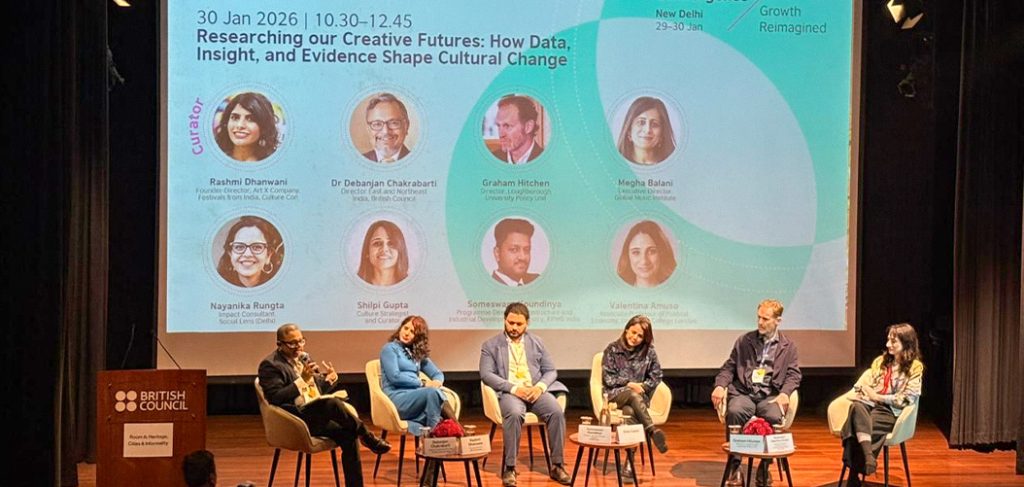
Through a combination of panel discussions, knowledge sessions, and open dialogues, students explored how creative industries function beyond design, at the intersection of economics, advocacy, and social impact.
Panel Discussions & Knowledge Sessions
Students actively participated in discussions on creative research, industry trends, and policy frameworks at both national and international levels.
Industry Interaction with Founders
Direct conversations with creative entrepreneurs gave students clarity on leadership journeys, business realities, and evolving professional roles within the creative economy.
Sustainability & Ethical Practice
Sessions focused on responsible fashion, advocacy, and sustainable production systems, reinforcing sustainability as a core industry responsibility.
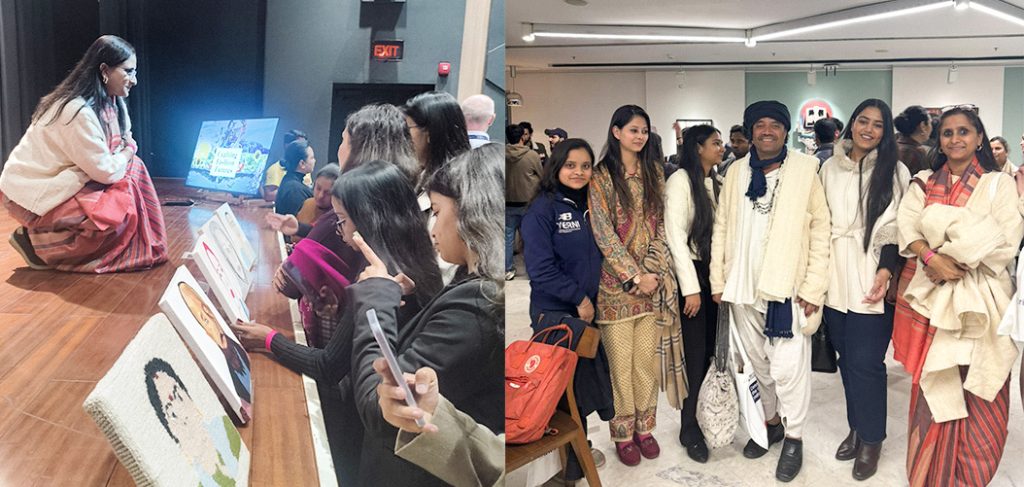
Community & Craft Perspectives
Interactions with members of the weaving community offered meaningful exposure to traditional craftsmanship, indigenous knowledge systems, and the socio-cultural importance of artisan networks.
Dialogue, Q&A & Reflection
Open-floor discussions helped students sharpen communication skills, think critically, and confidently articulate informed perspectives.
The interaction was enriched by the presence of experienced professionals and thought leaders, including:
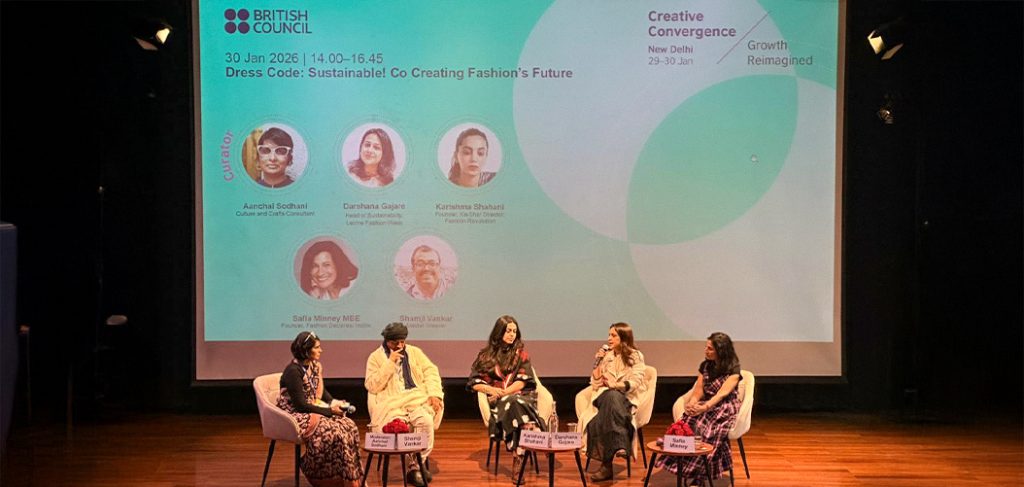
Their diverse perspectives offered students a holistic understanding of the creative economy, from policy and advocacy to practice and community engagement.
The British Council visit reinforced JD Institute’s commitment to industry-integrated learning. Students walked away with a clearer understanding of how creative practice, sustainability, policy, and cultural responsibility converge in today’s global industry. More importantly, the experience encouraged them to approach the creative economy not just as professionals, but as responsible, informed, and culturally aware contributors.
 Design Blogs
 Watch on youtube


 Downloads

Copyright © 2025 JD Institute of Fashion. All Right Reserved
Designed by




 Quick Menu