


Ever noticed how a single image, color palette, or even a texture can spark an entire fashion story? That’s the power of a mood board. It doesn’t shout, it suggests, inspires, and defines. And if you’re someone dreaming of launching your fashion label or managing a brand someday, mood boards are not just cool Pinterest-worthy visuals, they’re your first step toward building a brand that speaks.
In fact, one of the first things you’ll explore in the Fashion Business Management course by JD Institute is this very art: how to build brand stories using visual tools. It’s not about making things look pretty, it’s about designing a visual DNA that people can remember.
Before you even think of a logo, your brand needs a feeling. Is it edgy streetwear or dreamy resort wear? Bold luxury or minimalist chic? Mood boards help you lock in this emotional direction.
Think of The Frankie Shop. Before becoming a cult favorite, the brand carved out its moodboard aesthetic through oversized tailoring, muted tones, and effortless power dressing. Their visuals exuded a quiet confidence that became their signature even before their pieces hit viral status.
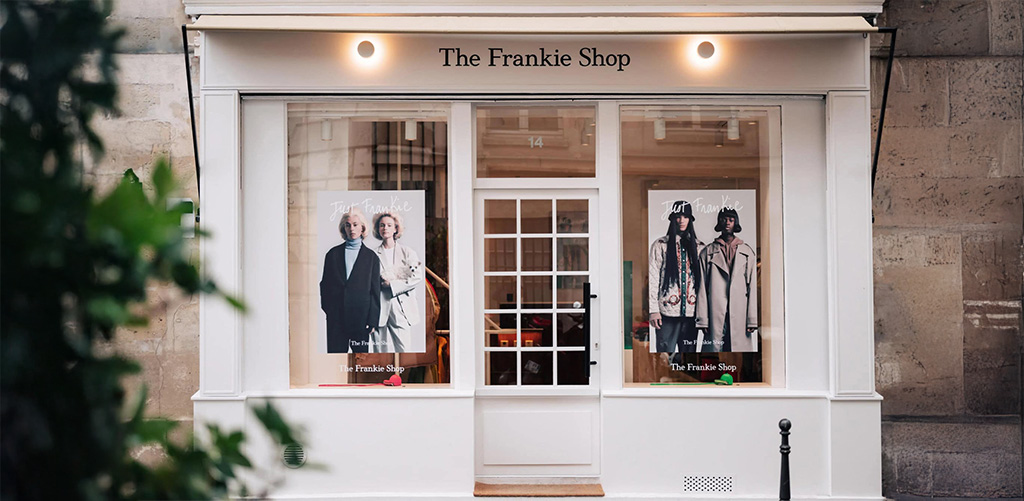
Pro tip: Pull in fabric swatches, typography, packaging styles, model poses, and product inspirations. Don’t stick to only fashion, think lifestyle.
Your mood board should feel like a story in pictures. From color tones to patterns, every piece should say something about your audience and values.
Take Ganni from Copenhagen. Their mood board language tells a playful, eco-aware, yet fashion-forward tale, vintage floral prints, quirky textures, and bold model energy. Their storytelling is not loud, but deeply intentional and visually cohesive.
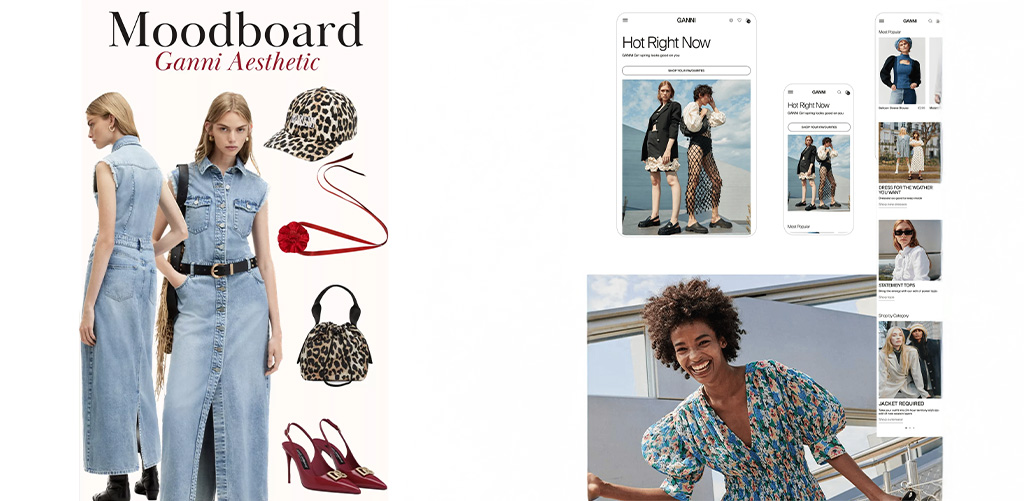
This is also what fashion business students learn mid-way in the JD Institute’s Fashion Business Management course, how to use mood boards as storytelling tools that fuel marketing campaigns, shoot concepts, and product lines.
A common mistake? Treating moodboards like an art project. Nope. Every element should tie into your business plan. What you pin needs to serve your brand concept creation, not confuse it.
Look at Pangaia. Their aesthetic choices, botanical colorways, clean typography, and scientific imagery, they aren’t random. Their mood boards are driven by their mission of science-meets-sustainability. The visuals and the purpose are tightly linked.
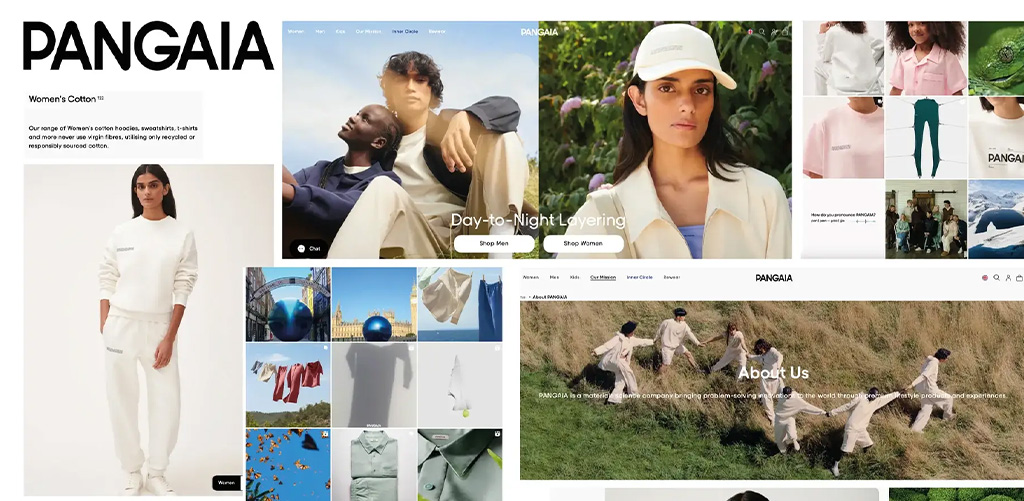
So always ask: Does this visual support my values, my target audience, and my design direction?
Don’t stop at one board. A fashion mood board evolves. Make one for your brand identity, another for your first collection, and maybe one just for campaign aesthetics.
Off-White, by Virgil Abloh, started with a mood board full of deconstructed fashion references, street culture, and architecture. He had boards for product design, boards for runway setups, and even boards for music direction. That layered visual thinking turned his brand into a global fashion force.
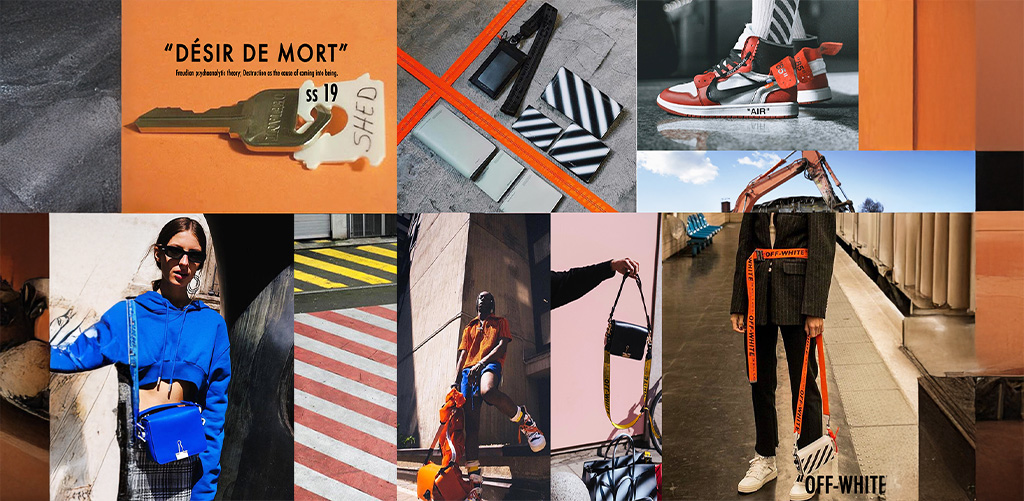
The mood board isn’t a one-time task, it’s a living, breathing vision board for your brand’s journey.
Gone are the days of sticking cutouts on a corkboard. Today’s fashionpreneurs build mood boards on collaborative platforms like Milanote, Canva, or Pinterest where your team can pitch in and evolve the concept with you.
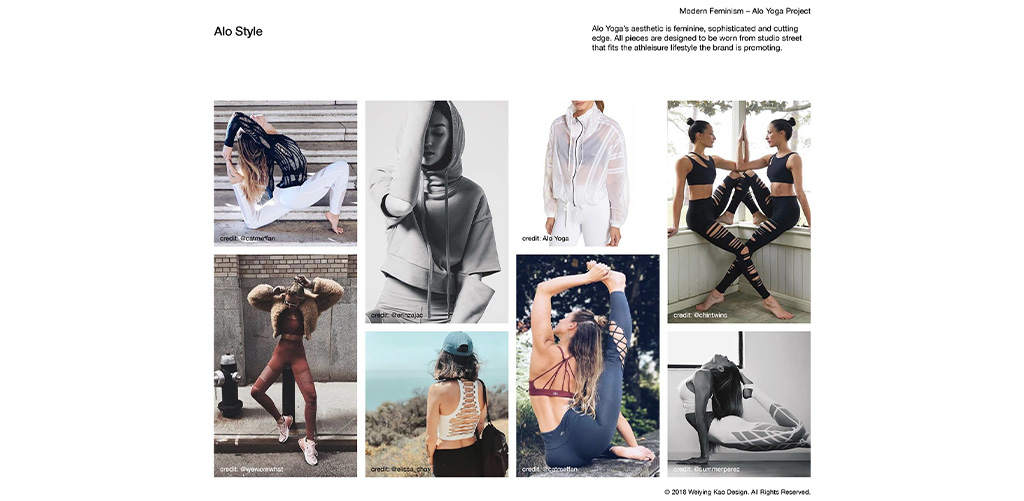
Alo Yoga grew its fashion and fitness brand using sleek digital mood boards for influencer campaigns, color trends, and collection planning, all tracked online with their creative team.
Bonus: This is especially handy when working with stylists, graphic designers, or content creators.
Start collecting what inspires you today. But if you want to turn those inspirations into a full-blown brand identity, do it the smart way. Learn how the pros do it, and where they learn it from. Mood boards are the beginning. Your brand is what follows.
Let JD Institute of Fashion Technology help you define it.
 Design Blogs
 Watch on youtube


 Downloads

Copyright © 2025 JD Institute of Fashion. All Right Reserved
Designed by




 Quick Menu