


From the shape of your chair to the colour of a website button, good design doesn’t just please the eye, it makes you feel safe, understood, and at ease. Whether it’s your favourite fashion piece, a cozy cafe interior, or a well-designed app interface, you’re constantly navigating life through cues that tell your brain that tells you’re secure here.
Let’s explore how design, when done right, wraps us in trust, and how future-forward institutes like JD Institute of Fashion Technology teach the art of crafting that invisible safety net across disciplines.
Humans are made to seek safety in all aspects be it visually, emotionally, and physically. Our brain picks up on subtle design cues to determine if something feels trustworthy.
Take Google’s homepage. Simple, clean, minimal. No distractions, no flashing banners. The white space, soft colours, and predictable layout subconsciously tells you’re in control. That’s what psychologists call visual safety cues, like symmetry, soft edges, consistency, and clarity.

JD Institute trains design students across fashion, interiors, and communication design to consider how the end-user will feel, and not just what they’ll see. Because safety in design isn’t a trend; it’s a built-in human need.
Remember Lady Gaga’s meat dress? Shocking, iconic, but not exactly comforting.
Now think of Billie Eilish’s oversized silhouettes. She made a statement, and felt safe. That’s comfort design in fashion, where fit, fabric, and silhouette create a wearable zone of security.

Whether it’s soft knits that soothe anxiety or adaptive wear that embraces neurodivergent users, designers are exploring the emotional impact of garments like never before.
Fashion Design at JD Institute dives deep into how style can be both expressive and protective, whether it’s through layering techniques, fabric psychology, or shape theory.
Walk into a Muji store or a Scandinavian-style home, and you’ll notice it instantly: the trust in design. Natural materials, gentle lighting, calming colour palettes, these are not just aesthetic choices; they are secure interface signals in interior design.

Pinterest’s trending “Dopamine Decor” is all about creating safe spaces that spark joy. Think pastel couches, rounded edges, warm lighting, and texture layering, all are the design elements that make you want to stay in a space.
Interior Design students at JD Institute are taught to blend sensory psychology with spatial planning, learning how lighting, material, and form create more than beauty: they create comfort.
What do the Airbnb logo, Dove’s “Real Beauty” campaign, and Google Maps’ soft animations have in common? They’re designed to build trust.
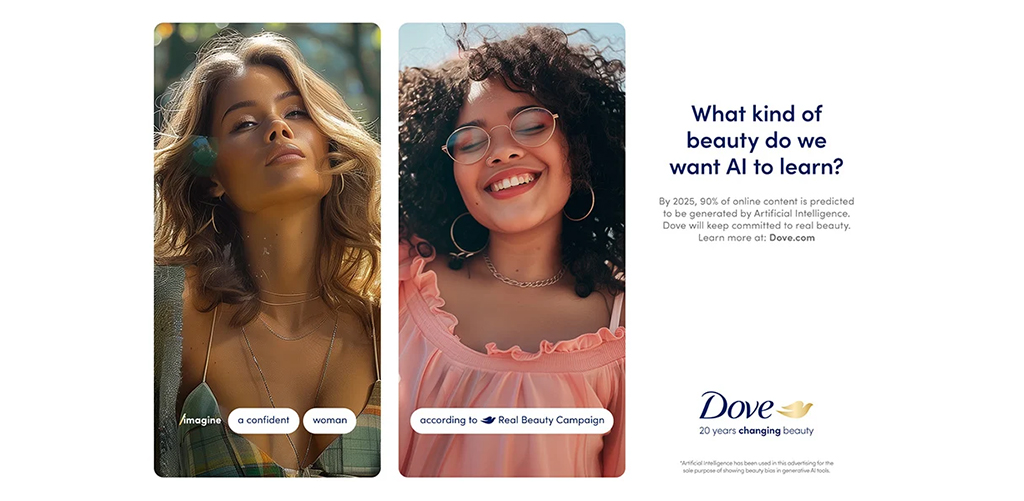
Through secure interface elements like readable typography, soothing colours, and clear visual hierarchy, communication design can make a user feel grounded, even inspired.
Think about the 2020 UNICEF campaign during the pandemic. Instead of fear-mongering, it used calming visuals, diverse imagery, and warm tones to guide users through essential information. That’s smart, emotionally intelligent design.
Communication Design at JD Institute is tailored to decode these strategies, integrating how to combine empathy, visual literacy, and user psychology to create messages that don’t just inform, but reassure.
Good design tells you:
Whether it’s the calming visual cues of a digital interface, the cocooning shape of a well-tailored jacket, or the comforting hues of a room, every design choice has the power to soothe or stress. At JD Institute, future designers are taught that crafting safety through design isn’t just an artistic challenge, it’s a social responsibility. And perhaps, that’s the most beautiful part of design education: learning to make the world not just look better, but feel better.
 Design Blogs
 Watch on youtube


 Downloads

Copyright © 2025 JD Institute of Fashion. All Right Reserved
Designed by




 Quick Menu