

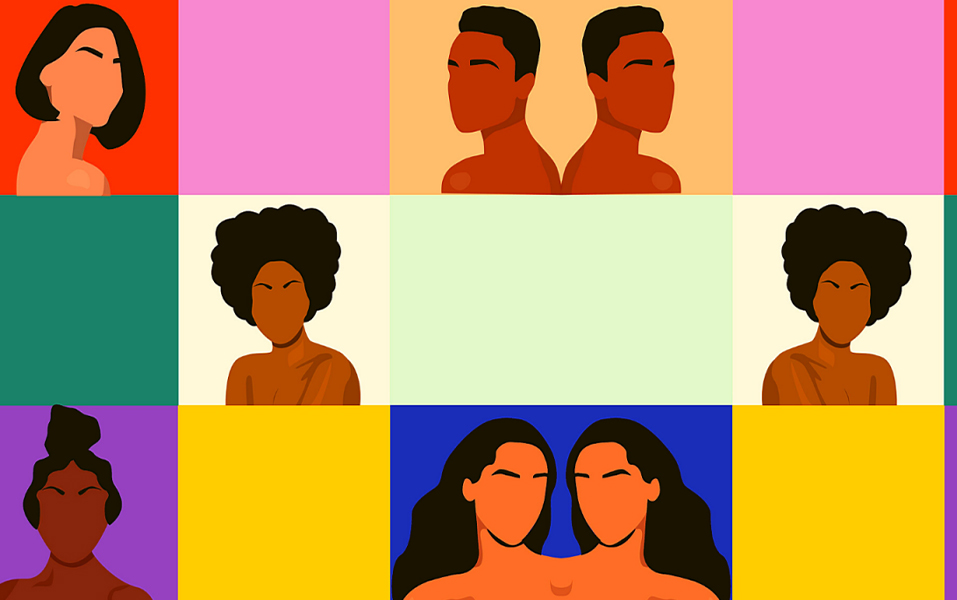
What do Billie Eilish’s oversized suits, the gender-neutral bathrooms in Google offices, and Nike’s BeTrue campaign have in common? They’re all bold examples of inclusive design, where fashion, space, and communication are crafted for a world that no longer fits into old, rigid boxes.
Design today doesn’t just clothe or decorate, it expresses identity. And that identity is no longer singular. It’s fluid, intersectional, and deeply cultural. As students at JD Institute quickly learn, great design in 2025 is not about sticking to rules, it’s about questioning who made them in the first place.
Let’s talk about fashion. Designers like Harris Reed or Gogo Graham are creating outfits that don’t care about gender boxes. Even celebrities like Billy Porter in a tuxedo gown at the Oscars, or Ranveer Singh in skirts, are making big statements through clothes.
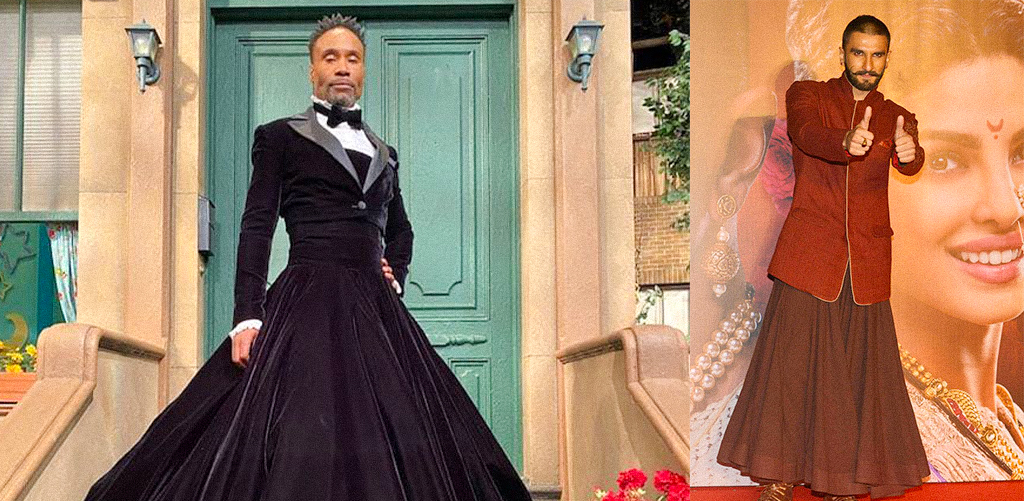
Why? Because fashion is personal now, it’s how people show the world who they really are, even when that identity is fluid.
JD Institute teaches fashion students how to study social change, not just design trends, and how to design clothing that celebrates every kind of identity, not just the popular ones.
Did you know some homes now come with prayer rooms, tatami-style sitting areas, or even open, flexible layouts for multi-generational living?
This is interior design for cultural fluidity. Designers today are mixing Indian, Japanese, Nordic, and Afro styles to create homes that fit who we are, not just what’s trendy.
Take Studio Lotus in India, their work often includes regional crafts, modern forms, and open thinking.
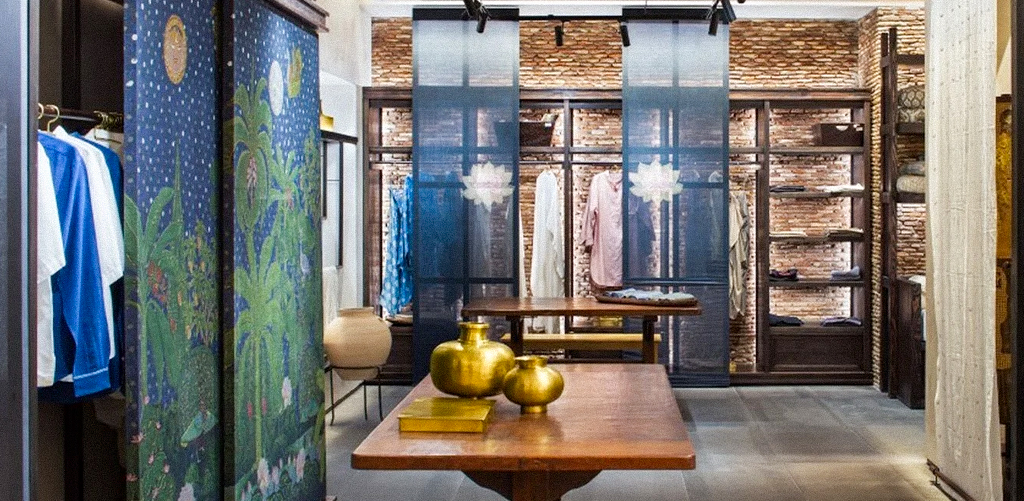
At JD Institute, students of interior design learn that a room isn’t just furniture and lights, it’s a reflection of beliefs, emotions, and identity. Designing without assumptions is a key part of their training.
Designing posters, packaging, or ads used to be simple: pick a model, write a catchy line, done.
Now? Brands are getting real. They’re using real people, inclusive messages, and visuals that speak to everyone.
Look at the “Share The Load” campaign by Ariel, it asked Indian families why women do all the laundry. It wasn’t just advertising detergent, it started a national conversation.
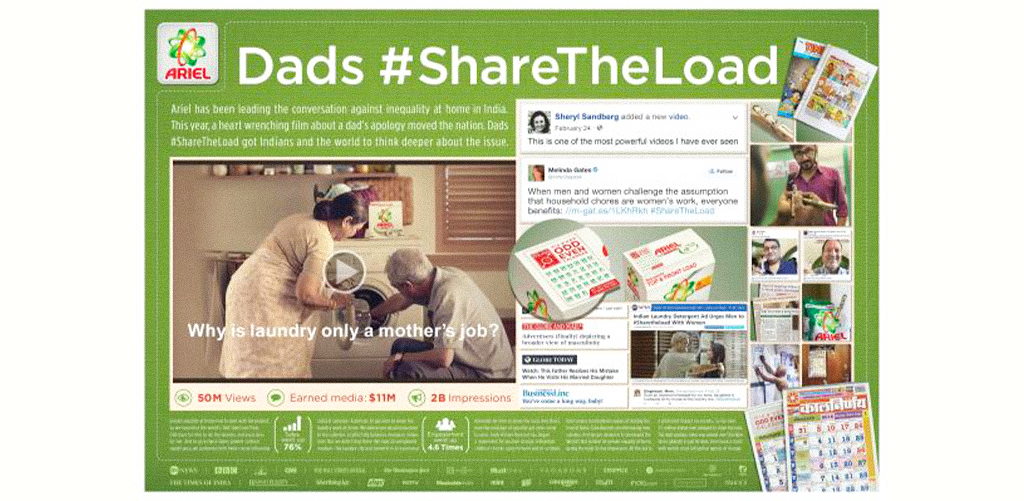
At JD Institute, the communication design course is tailored to also observe society, not just aesthetics. It makes students learn to tell stories that matter, ones that reflect identity, equality, and truth.
Pop stars today aren’t just performing, they’re redesigning what gender and culture look like.
Bad Bunny, one of the biggest global artists, wore skirts, painted nails, and promoted gender-neutral fashion through his music videos and appearances. His style sparked conversations across the world and not just in music, but in fashion design, cultural identity, and media representation.
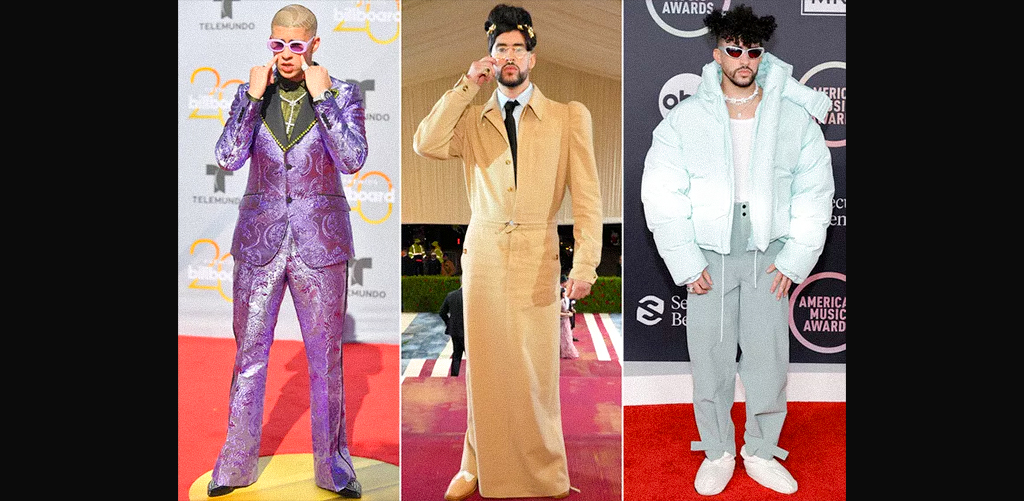
Designers, stylists, and communication teams jumped on this trend to create campaigns and outfits that match this new energy.
If you’re the kind of person who loves people-watching, breaking stereotypes, and turning stories into design, then you’re already thinking like a next-gen designer. So keep asking the big questions.
Keep blurring the lines.
And when you’re ready to learn how to do it right, you’ll find your place at JD Institute of Fashion Technology.
 Design Blogs
 Watch on youtube


 Downloads

Copyright © 2025 JD Institute of Fashion. All Right Reserved
Designed by




 Quick Menu