

“Fashion is the armor to survive the reality of everyday life”– Bill Cunningham
Now imagine that armor falling apart after just two washes. Not very stylish, right?
The truth is, great design isn’t just about outer looks. It’s also about how it’s made. From seams and zippers to tiny finishings, every part of a garment has a story to tell. And if you’re planning to become a fashion designer, learning to read these details is a must.
That’s why fashion design students at JD Institute don’t just sketch clothes, they examine them, inside out. Because understanding construction is where real creativity begins. So let’s decode it all, one stitch at a time.
Seams are where two pieces of fabric are stitched together. But they’re not just there to hold things in place. Seams decide the shape, fit, and even the overall comfort of a garment.

For example, look at COS. Their clean designs often hide complex seam placements that give structure without visible bulk. A well-done princess seam can slim the waist. A flat-felled seam can strengthen pants for long-term use.
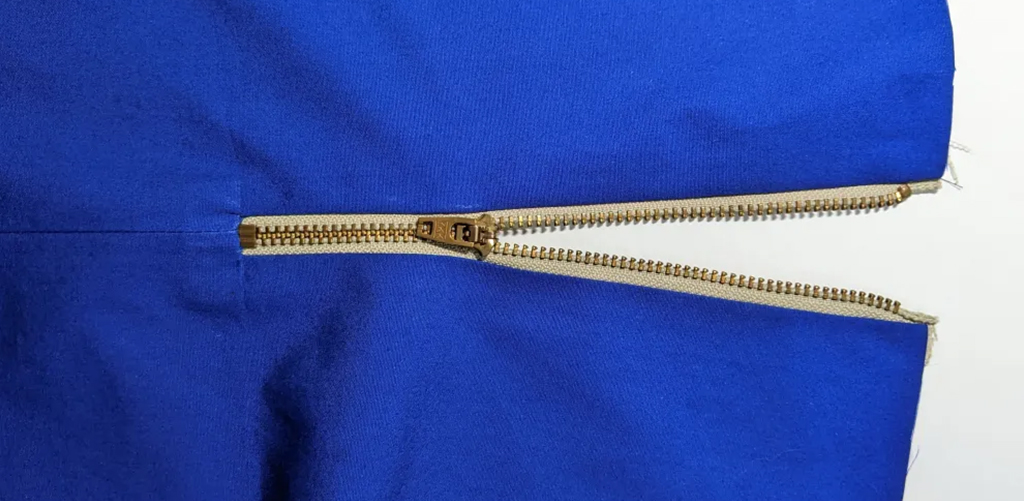
Zippers are more than closures. The type, style, and placement of zippers can change everything about a garment.
YKK, the world’s biggest zipper brand, isn’t just famous for durability, they’re trusted because they’ve mastered the tiny details. Meanwhile, fashion houses like Givenchy use oversized zippers as dramatic design features.
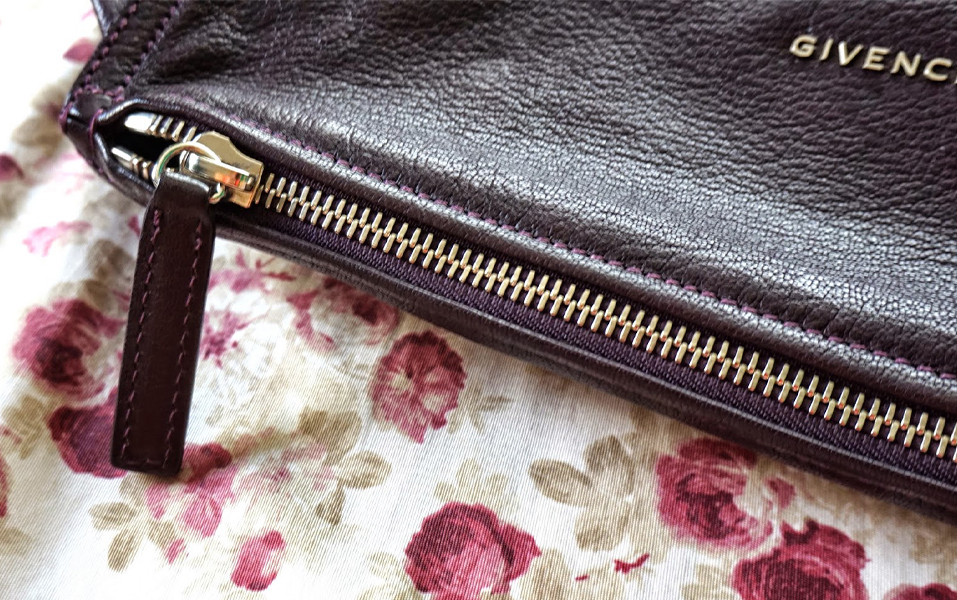
Hidden zippers keep designs sleek. Exposed ones can add attitude. And side zippers often show that the front is designed to stay flat and detailed. At JD Institute, the Fashion Design students explore these choices to design pieces that are both stylish and wearable.
Knowing how seams are placed helps designers predict movement, strength, and visual balance. That’s why seam analysis in fashion is so important as it reveals the blueprint of the design.
A finish is what the edge of your garment looks like, clean, raw, folded, or stitched. These might seem like small details, but they decide whether a garment looks polished or lazy.
Celine, under Phoebe Philo, was known for minimal finishes that looked effortless but took expert craftsmanship to get right. On the other hand, streetwear brands like Fear of God use raw hems to give a rebellious, worn-in vibe.
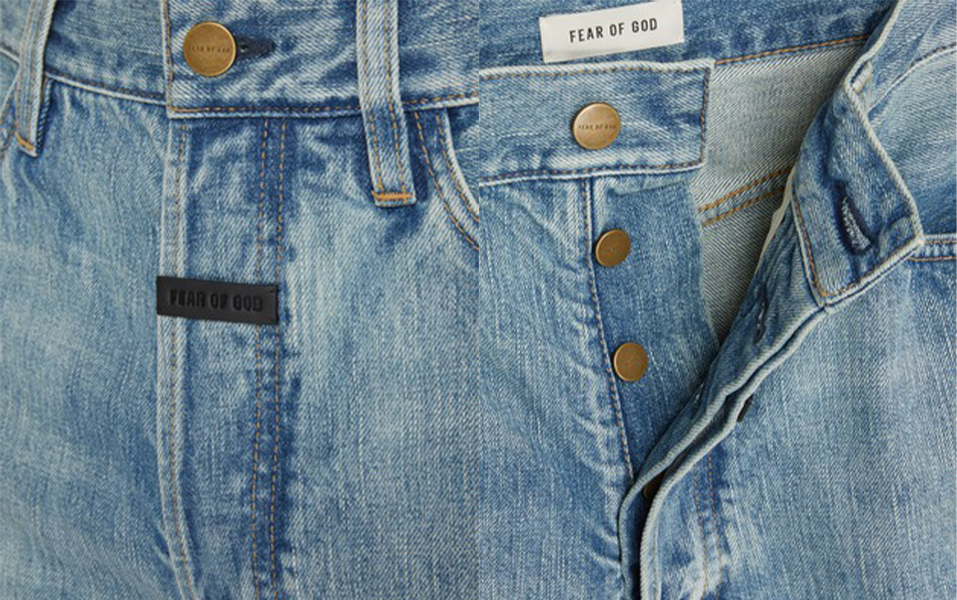
Understanding finishes teaches you quality control and visual storytelling. It’s not just about the hem, it’s also about the message.
Pockets aren’t just practical, they’re personality. Think of Carhartt or A-COLD-WALL, both known for their industrial looks and exaggerated, functional pocket designs. Each pocket placement adds utility, balance, and attitude.
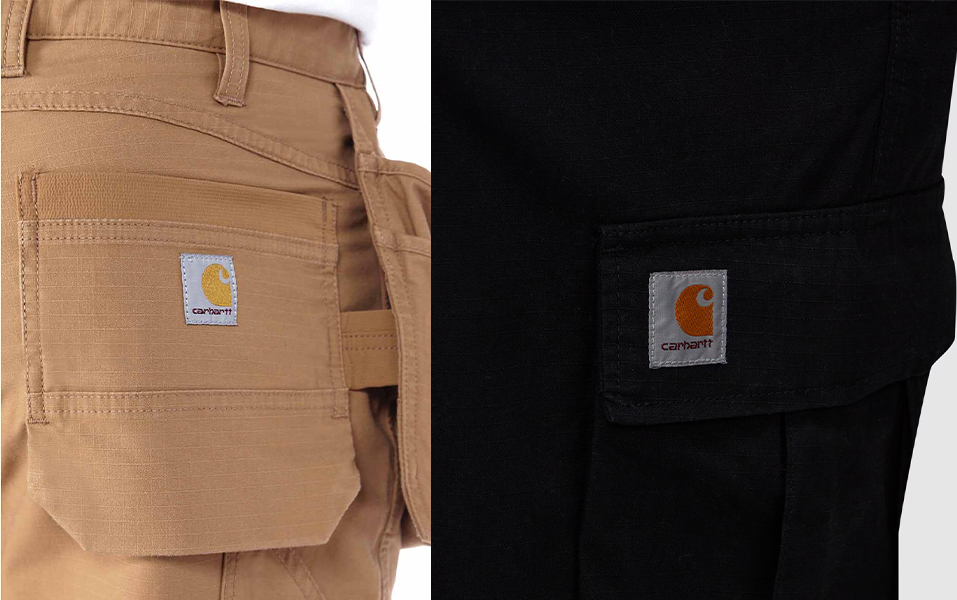
A patch pocket shows casualness. A welt pocket adds formality. A hidden pocket? A touch of mystery.
Aspiring designers who pay attention to pocket styles can balance both style and usefulness, two things consumers always look for.
Most people rip off tags. Designers read them.
Look at Maison Margiela, known for its four-corner stitched blank tag, a signature design element that’s also symbolic. High-end brands often use woven tags, while fast fashion uses printed ones to cut costs.
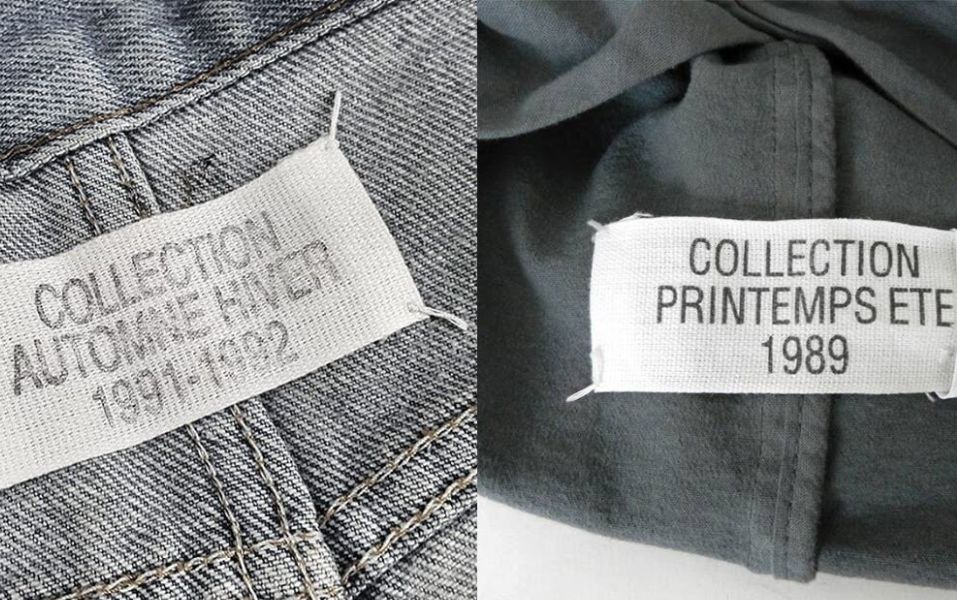
Label placement, material, stitching, all of these give clues about quality, sustainability, and branding.
At JD Institute, students are trained to observe these micro-details, because in Fashion Design, everything speaks, even the label inside your shirt.
Learning how to read a garment and what seams, zippers, and finishes reveal is like learning to read a secret code. Once you understand it, you can see every flaw, every strength, and every possibility in a design. And let’s be honest, what’s cooler than being the one in the room who can look at a dress and say exactly why it works or doesn’t? Want to become that kind of designer?
Then go beyond the sketchbook. Let JD Institute of Fashion Technology show you how to read fashion like a language, and stitch your name into the future of design.
 Design Blogs
 Watch on youtube


 Downloads

Copyright © 2025 JD Institute of Fashion. All Right Reserved
Designed by




 Quick Menu