

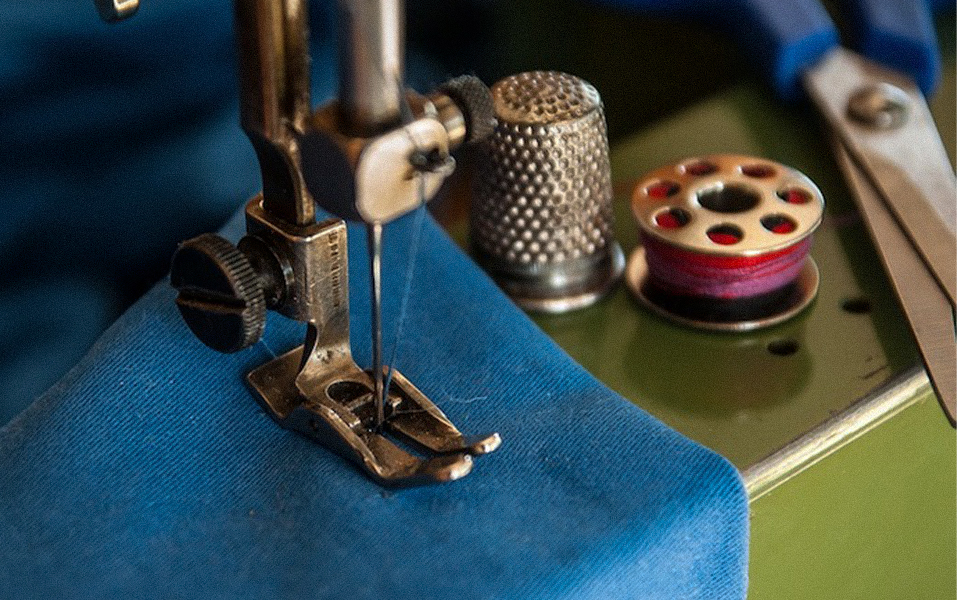
“Did you know the world’s first sewing machine patent was filed before sliced bread was invented?”
Now, imagine that, while tech keeps pushing boundaries, one of fashion’s oldest tools hasn’t gone out of style. In fact, sewing skills in fashion are having a major comeback. From couture runways to startup design labs, knowing how to sew isn’t just cute, it’s crucial.
Whether you’re dreaming of launching your own label or styling for top celebs, sewing basics are like your fashion GPS, guiding your creativity, fixing last-minute chaos, and helping your ideas take shape exactly how you imagined.
If you’re an aspiring designer, enrolling in a Fashion Design course at JD Institute gives you more than a sketchbook, it hands you the tools to turn that idea in your head into something people actually wear.
Let’s keep it real, fashion isn’t just about drawing pretty clothes. It’s about making them real. And to do that, you need to know how clothes actually come together.
Top designers like Alexander McQueen and Virgil Abloh knew how to construct garments with their own hands. That gave them the confidence to break rules and invent new silhouettes.
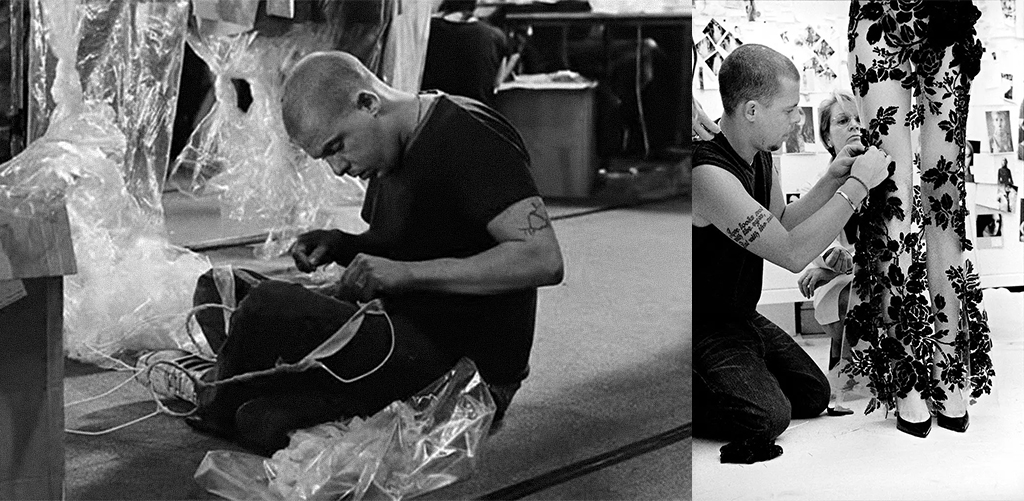
When you know sewing basics, you understand structure. You know what fabrics behave how, how much ease is needed for movement, and how to build drama into your designs. Without that knowledge, your ideas stay in your sketchbook.
You might think sewing is just for tailors. But guess what? Some of the most successful fashion startups began at a sewing machine.
Emily Bode, the founder of BODE, started by sewing patchwork shirts by hand. Now, she runs a globally admired brand known for handcrafted storytelling. Similarly, Aurora James of Brother Vellies built her brand around artisan techniques.
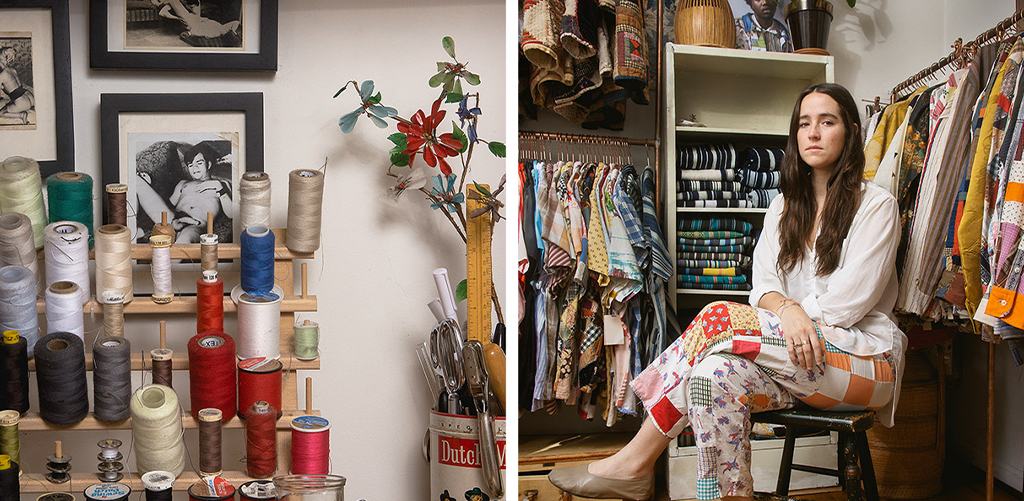
When you’re starting out, you may not have a team. You are the team. If you know how to sew, you can create your own samples, test your own ideas, and launch small but strong.
At JD Institute, Fashion Design students are trained not just in design, but also in construction, so they’re ready to create their first line independently.
Let’s talk about the power of handmade. With fast fashion everywhere, people now look for clothes that feel personal, emotional, and unique. That’s where handcraft in fashion becomes gold.
Brands like Chloe and Maison Margiela highlight hand-stitched elements because they add value. They show care, detail, and originality. When you hand-stitch something, you’re adding more than thread, you’re adding a story.
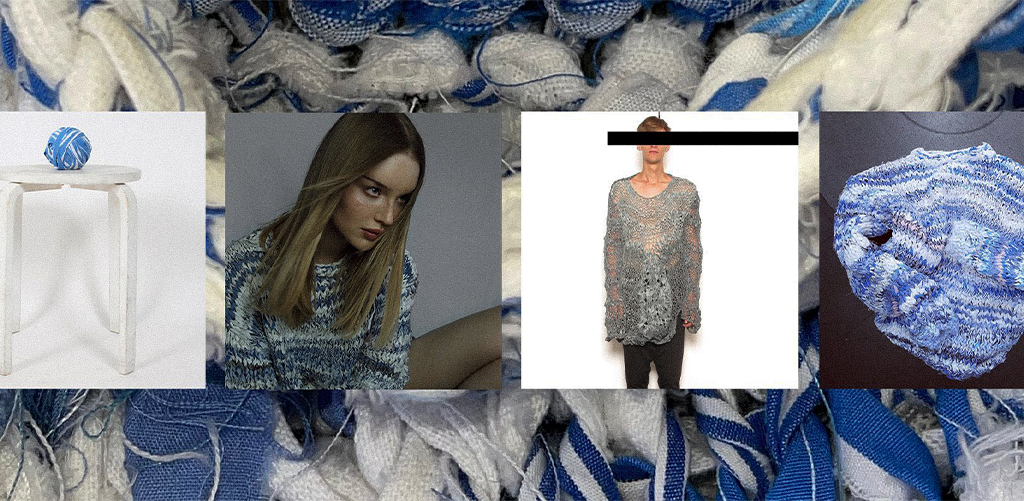
Learning sewing helps you add this signature to your work, whether it’s a visible hemline, a hand-embroidered patch, or just a perfectly clean finish.
You don’t want to be the designer who panics when something tears backstage.
Sewing skills in fashion teach you more than just how to make clothes, they teach you how to fix them, fast.
Imagine you’re styling a shoot and a model’s outfit rips. No tailor around. What do you do? If you know a few stitching basics, you grab your emergency kit and save the day.
It’s a skill that makes you resourceful, calm, and confident, traits every designer needs.
When you can sew, you’re not waiting for someone else to turn your vision into reality. You’re in charge. You can test ideas on your own. You can create new silhouettes. You can change things mid-process. That’s real creative freedom. And as fashion evolves, designers who have both creative ideas and hands-on skills will stand out. The Fashion Design program at JD Institute ensures that you graduate with both.
 Design Blogs
 Watch on youtube


 Downloads

Copyright © 2025 JD Institute of Fashion. All Right Reserved
Designed by




 Quick Menu