

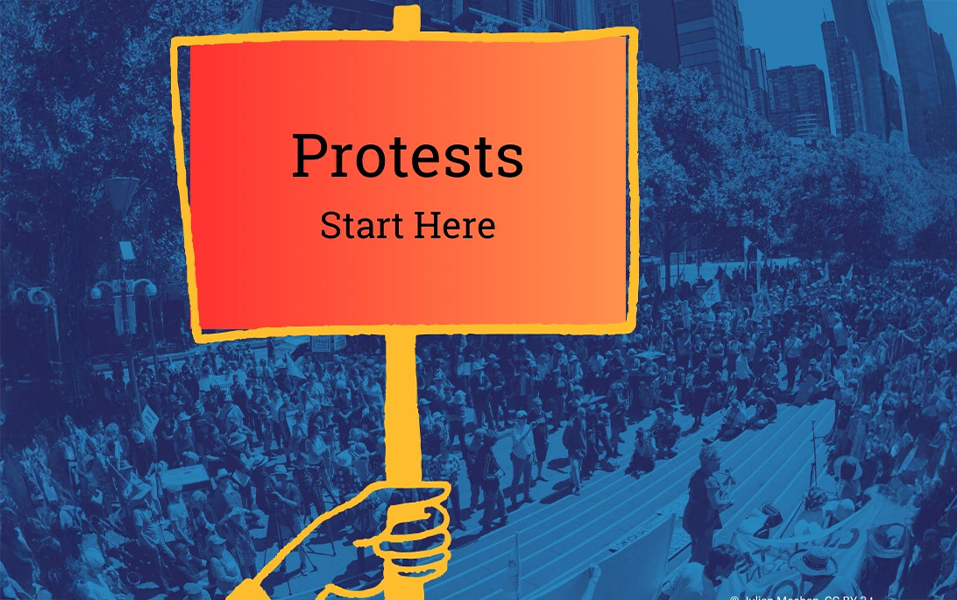
“This poster is more dangerous than a gun.”
That’s what one government official reportedly said during the 1968 student protests in Paris. All they had were ink, stencils, and paper, but what they printed made history.
It’s wild to think that a simple design on a piece of paper can shake governments, ignite revolutions, and inspire millions. But that’s exactly what posters have done across the world, again and again.
And if you’re someone who’s thinking about shaping the world with your creative voice, then the Communication Design course at JD Institute might just be your launchpad. But first, let’s dive into how posters have become silent warriors in loud revolutions.
Famous Example: “I Am a Man” – Memphis Sanitation Strike, 1968
Sometimes, four words are enough to shake the world. During the civil rights movement in the U.S., African American sanitation workers marched holding stark black-and-white posters that read, “I Am a Man.” No complex fonts. No visuals. Just raw truth in bold type.
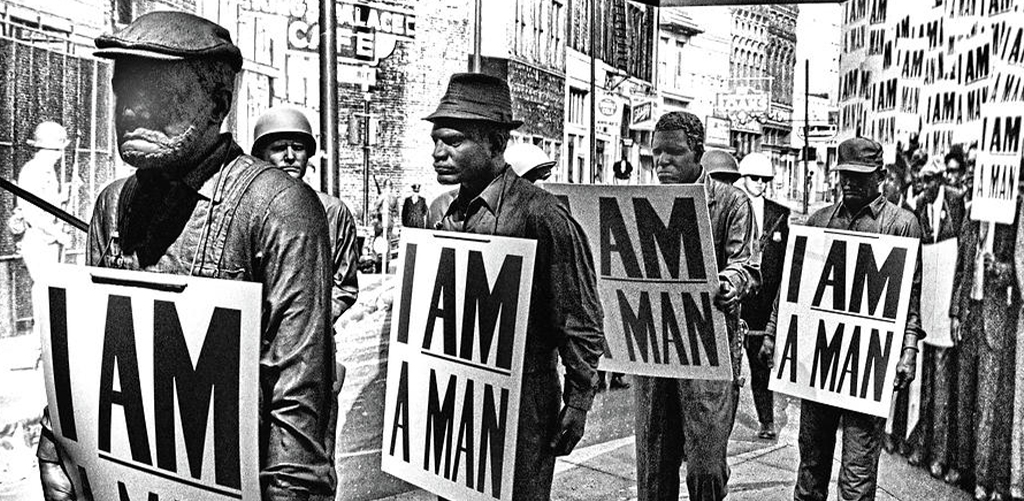
Why it worked?
Because it was simple, readable, and emotionally heavy. It demanded dignity and couldn’t be ignored.
What students can learn:
A great poster doesn’t need to scream, it just needs to hit the heart. Aspiring communication designers must understand the value of restraint, message clarity, and emotional impact. It’s not about decoration, it’s about intention.
Famous Example: “Hope” Poster – Barack Obama’s 2008 Campaign
Designed by Shepard Fairey, this poster became a cultural symbol of political optimism. The stylized portrait of Obama in red, beige, and blue with the word “Hope” underneath wasn’t just a graphic, it was a movement on a wall.
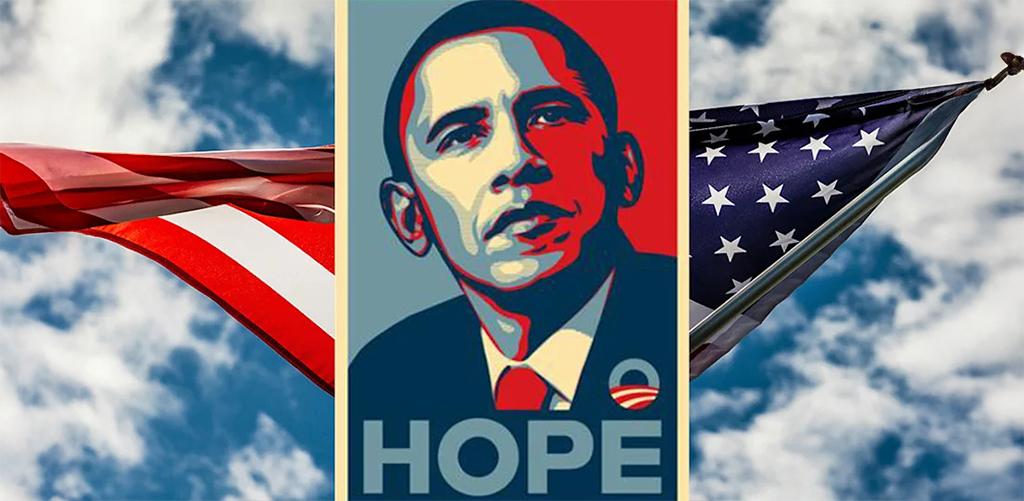
Why it worked?
Because it looked like change. It stood out from the usual clutter of political marketing. It made politics feel like pop culture.
What students can learn:
Visual hierarchy, strong color psychology, and bold iconography can turn a political message into a piece of art. And in places like the Communication Design classroom at JD Institute, students get hands-on experience turning bold ideas into visual revolutions.
Famous Example: “Silence = Death” – AIDS Activism, ACT UP (1980s)
Long before likes and shares, posters were the OG viral content. The pink triangle with the phrase “Silence = Death” became the iconic image of AIDS awareness activism.
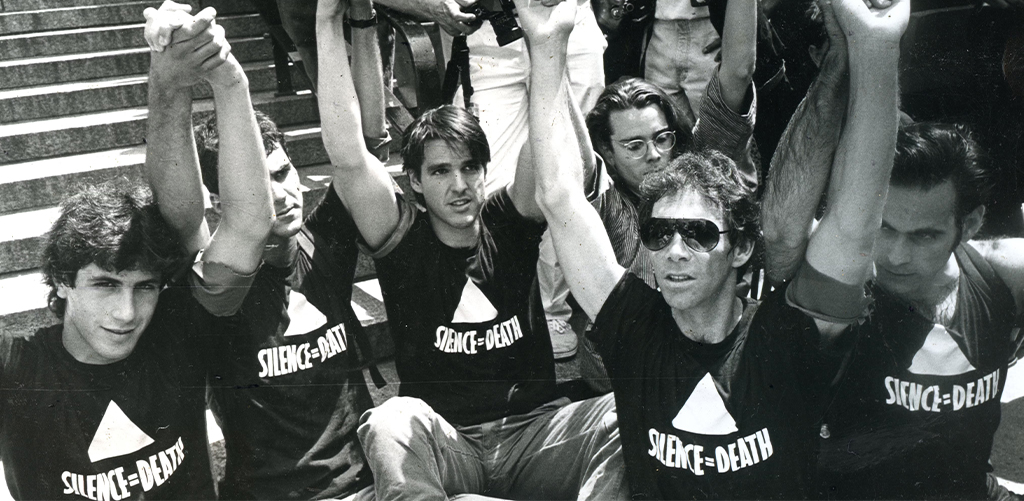
Why it worked?
It flipped the narrative. It was rebellious, shocking, and unafraid. It turned stigma into protest.
What students can learn:
Design isn’t just about aesthetics, it’s a tool of resistance. Knowing how to use shape, space, and typography to challenge systems is a design superpower.
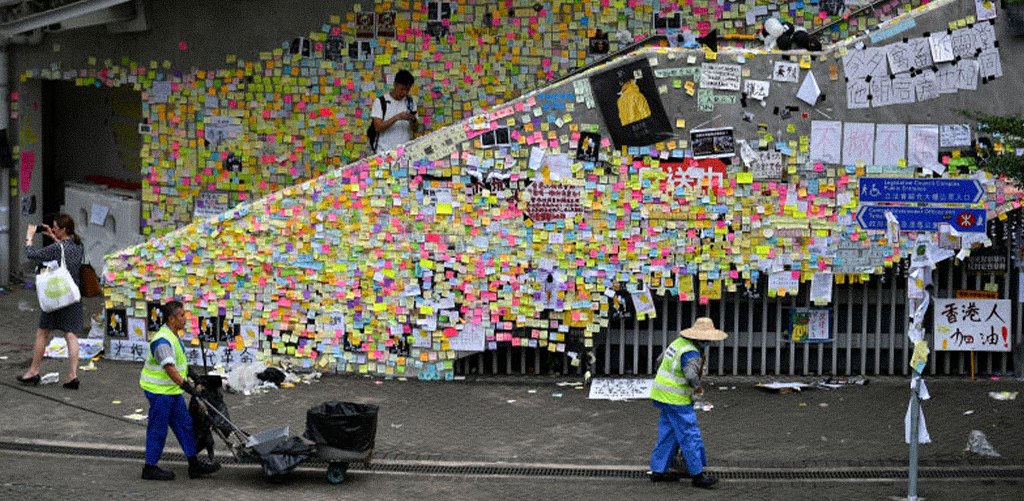
Famous Example: Hong Kong Protests – Lennon Walls (2019)
Thousands of sticky notes filled with protest messages became a living, growing installation across public spaces in Hong Kong. This wasn’t just graphic design, it was interactive storytelling.
Why it worked?
Because everyone became a designer. People felt included. It was participatory design in action.
What students can learn:
Designers must understand context. Where your design lives matters just as much as what it looks like. A good communication designer knows how to turn public spaces into protest platforms.
Famous Example: Women’s March Posters (Global, 2017)
From “The Future is Female” to illustrated fists and floral motifs, posters during the Women’s Marches worldwide became Instagram-worthy, museum-worthy, and movement-worthy all at once.

Why it worked?
Because it blended art with purpose. These posters were modern, inclusive, and beautifully defiant.
What students can learn:
Designers must always stay culturally aware and globally relevant. The visual language of protests today must speak to multiple generations and geographies. It’s something JD Institute’s Communication Design program emphasizes through global collaborations and real-world projects.
Change doesn’t always start in the streets. Sometimes, it starts on a laptop screen in a design class. And maybe, just maybe, the next “poster that made history” could have your name at the corner. So, got something to say? Design it loud.
Learn how, with the right mentors, the right tools, and the right mindset only at JD Institute’s Communication Design program.
 Design Blogs
 Watch on youtube


 Downloads

Copyright © 2025 JD Institute of Fashion. All Right Reserved
Designed by




 Quick Menu