

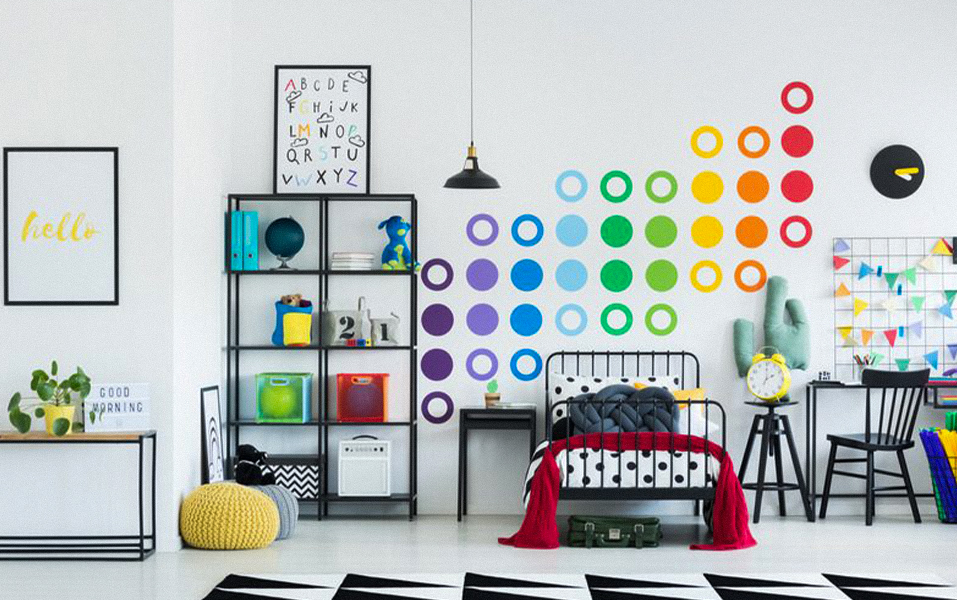
Choosing a theme for your room should be fun and not a stress marathon of endless Pinterest boards and colour swatches. Whether you’re doing up your own space or stepping into the shoes of a future interior designer, learning how to lock down a room theme without getting overwhelmed is a must-have skill. And that’s exactly what interior design students at JD Institute of Fashion Technology are trained to do, translate personalities into spaces that speak.
So, let’s break down how to choose a theme for your room without getting confused, step by step, with a little help from the pros and even some inspiration from famous creative ventures.
Before you open Pinterest, pause. Your room should reflect you not someone else’s aesthetic.
Think about:
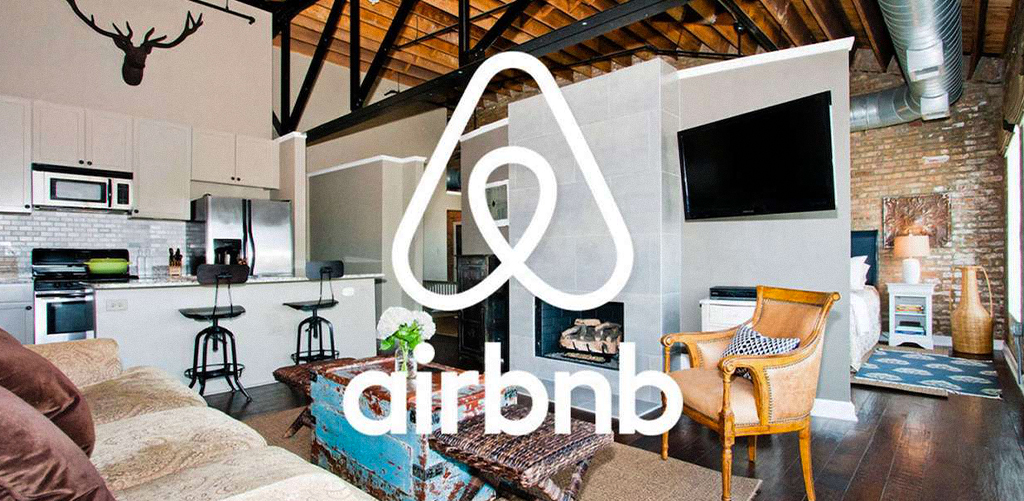
Take Airbnb for example. Their interiors across the globe aren’t copy-paste; they reflect local culture, stories, and energy. That’s the goal, your room should feel local to you.
Students at JD Institute are taught early on how to conduct client profiling, it’s like personality decoding for spaces, and it helps create designs that feel personal, not Pinterest-perfect.
Stop stressing over “Is this Scandinavian enough?” and instead, ask yourself , “Do I want my room to feel calm, bold, artsy, or playful?”
That emotional clue will help you select a design style without being boxed in by strict categories.
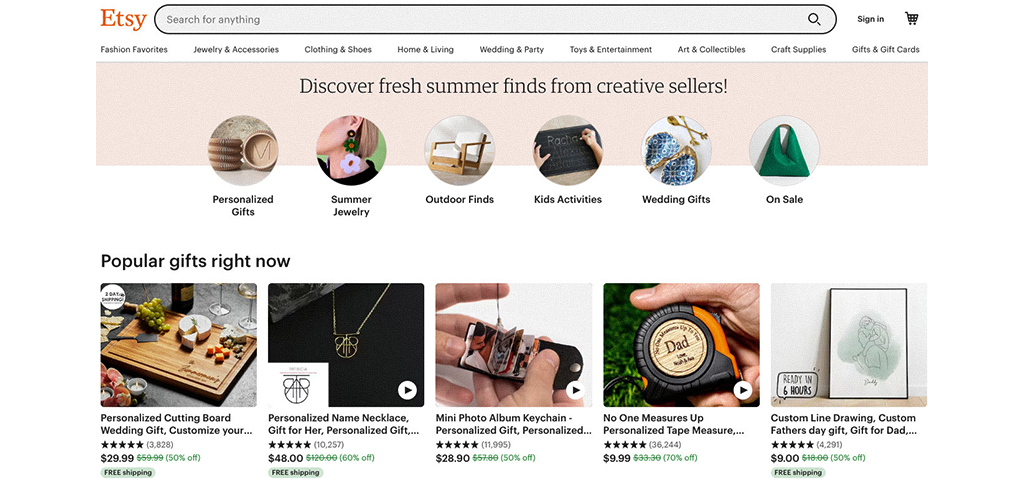
Case in point? Etsy. Their entire brand vibe is a mix of handmade, quirky, warm, and it shows in how every seller presents their shop. No rigid style book, just a strong vibe.
So, go vibe-first. Once that’s clear, choosing interiors becomes intuitive.
Yes, they’re that powerful. Create a digital or physical mood board with photos, fabric samples, colours, art, and whatever inspires you.
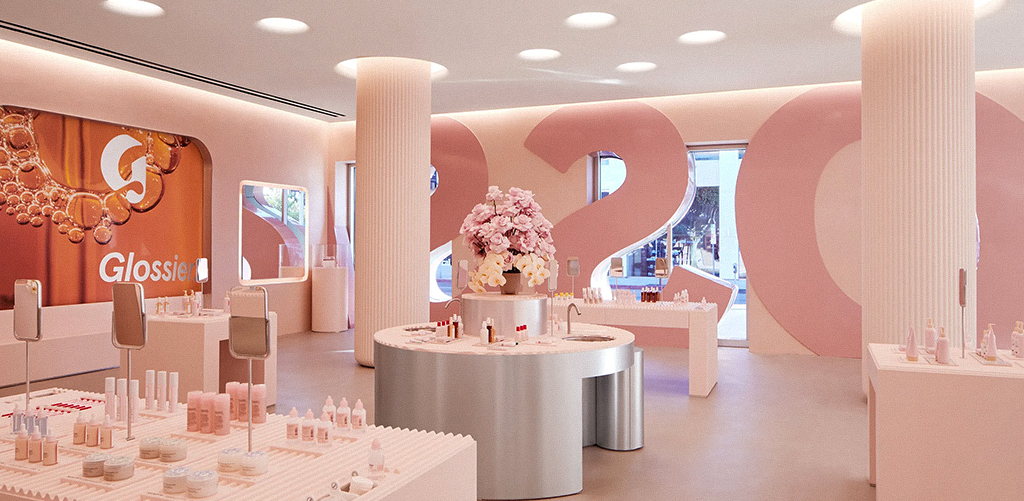
Example: Glossier’s flagship stores started from mood boards built around feelings of calm, beauty, and minimalism. Today, their interiors echo that mood perfectly, soft pinks, clean lines, and mirrors that reflect their brand identity.
Students must constantly trained to build mood boards that are not just pretty, but strategic. That’s how you learn to make emotion meet function.
You can love multiple styles. The trick is balance. Don’t try to fit everything in one room, instead, find one dominant theme and let others play a supporting role.
Think of WeWork. Their spaces blend industrial, modern, and local flavours seamlessly. But there’s always a clear dominant style which stops the space from feeling like a confusing collage.
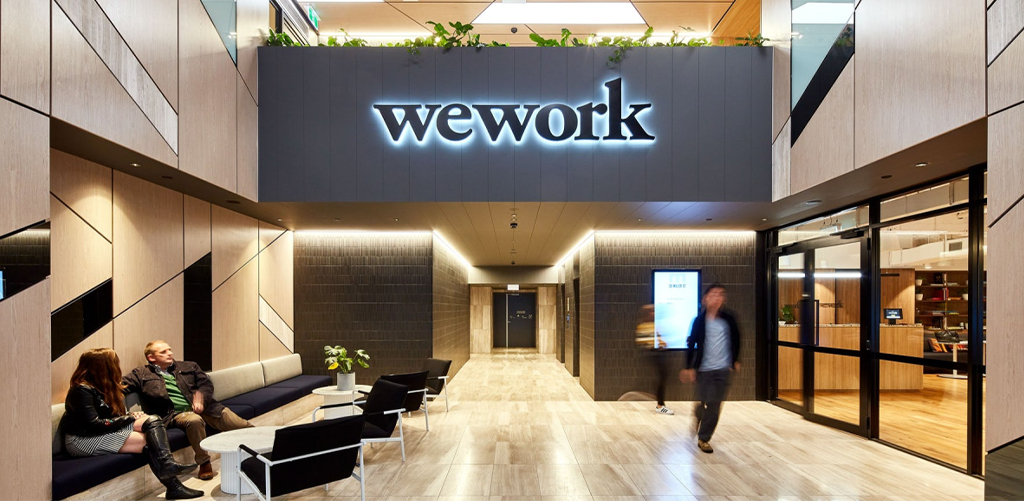
So, if you like rustic and modern, maybe choose rustic furniture with modern light fixtures. That’s mixing, not mashing.
Before getting dreamy over colours and cushions, ask: How do I actually use this room?
Is it a place to work, chill, read, or host? Your room theme should support that function.
Even IKEA knows this, their room layouts don’t just look good, they work. They optimise small spaces, kids’ rooms, study corners, each with purpose-driven design.
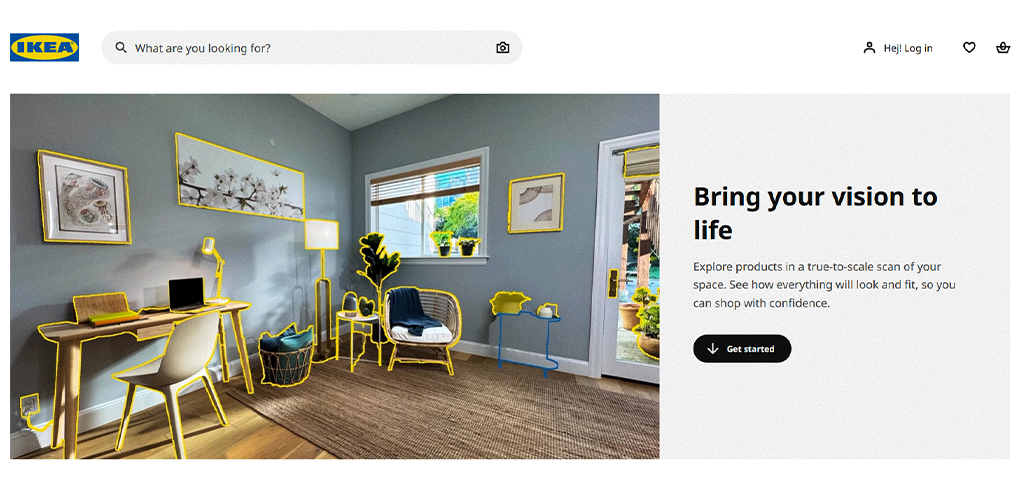
And that’s something future designers absolutely need to master.
Even if your furniture and layout are on point, the wrong lighting or colour can mess up the whole theme.
Warm white lights make a Boho room feel cozy. Stark white might make it feel sterile. And that one accent wall you thought was cool? It might throw off the whole palette.

Learn from Apple. Their stores are designed with controlled lighting and neutral palettes, to keep focus on their products. That’s colour and lighting as a strategy.
Designing a room is not about copying trends, it’s about telling your story without getting lost in options. If you’re planning to make a career out of interiors, the ability to simplify complex choices for clients and yourself is a superpower.
So next time you’re stuck wondering how to choose a theme for your room without getting confused, remember to focus on vibe, function, and flow, and keep learning from the best. Because smart interior designers don’t just decorate, they design spaces that make people feel something.
And if you’re ready to create spaces that speak volumes, there’s no better place to start than JD Institute, where great design is more than style; it’s a way of thinking.
 Design Blogs
 Watch on youtube


 Downloads

Copyright © 2025 JD Institute of Fashion. All Right Reserved
Designed by




 Quick Menu