

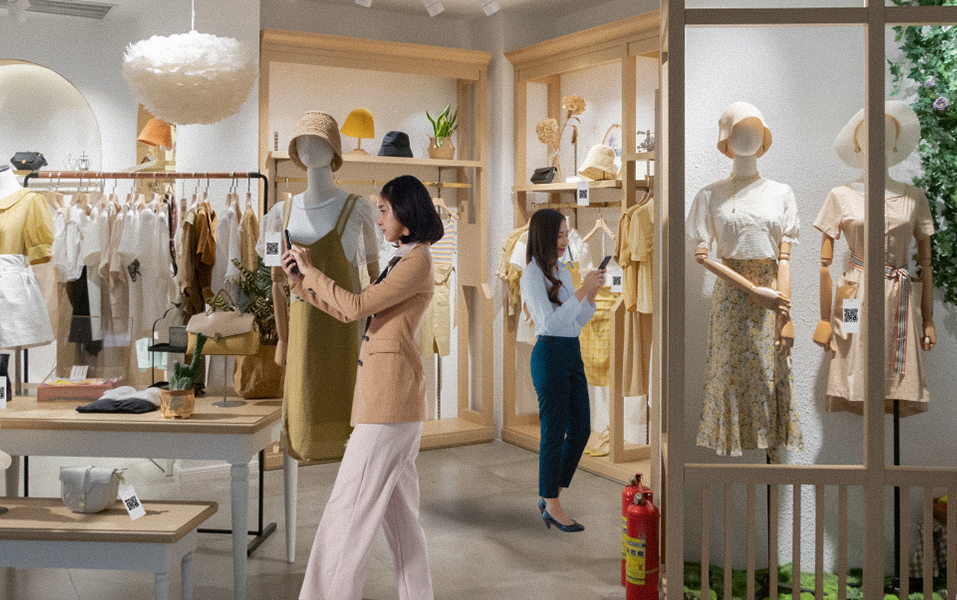
Ever walked past a store and felt like the mannequin winked at you? Or maybe the colors, lights, and display screamed “Come in” louder than a salesperson ever could? That’s the magic of Visual Merchandising (VM), the silent artist of retail that gets customers to step inside without saying a word.
Now, if you’re dreaming of becoming a fashion designer or stylist, but haven’t considered Visual Merchandising yet, you might just be missing a major piece of the puzzle. The good news? You can totally level up by learning these top Visual Merchandising Skills and institutions like JD Institute of Fashion Technology are already training future creatives to ace this craft through their specialized Visual Merchandising course.
Ever noticed how Apple Stores feel more like art galleries than tech shops? That’s because they tell a story. In Visual Merchandising, you learn how to communicate a brand’s identity or campaign message just through props, product arrangement, and spatial planning.
Famous Example:
Allbirds, the sustainable shoe brand, nails minimalism in its stores clean colors, eco-friendly textures, and smart layout speak directly to their earthy brand values.
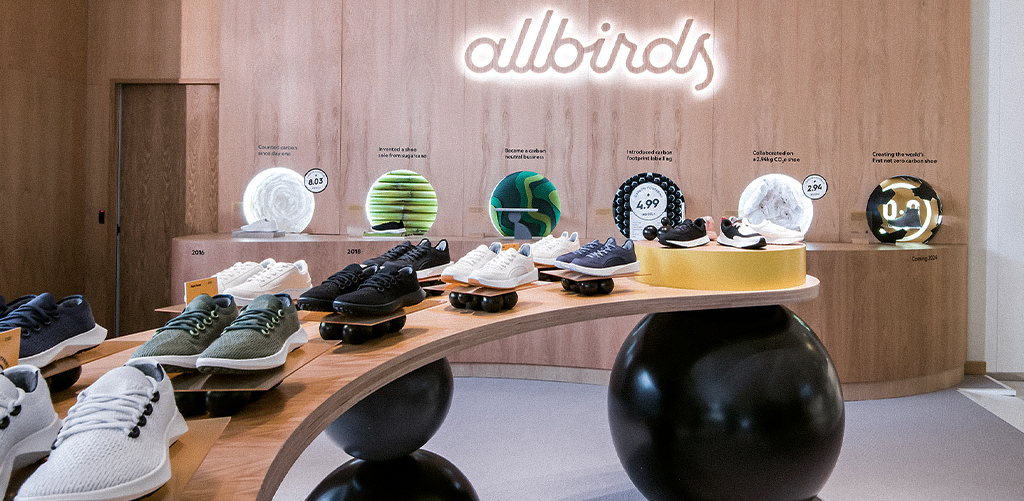
For aspiring VM pros, this means learning retail design basics, from understanding product placement to working with lighting, color, and negative space, so your display doesn’t just “show” but “tells”.
Good VMs know where customers’ eyes will go before the customer even steps in. That’s retail art and it’s based on psychology.
Famous Example:
Sephora arranges its stores so that customers always find what they didn’t know they needed. The layout is designed to lead them on a path of discovery, not just shopping.
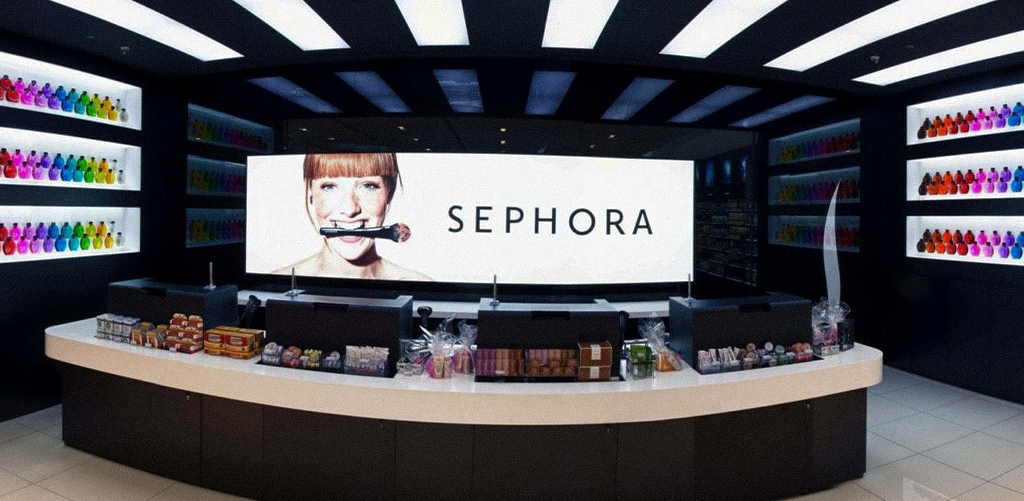
In the Visual Merchandising course at JD Institute, students learn how to design keeping consumer behavior in mind, a critical skill if you want to convert footfall into actual buyers.
If you’re just copying Pinterest boards, you’re already late to the game. VM requires a radar for upcoming trends in color, themes, textures, tech, and even pop culture.
Famous Example:
Glossier changes its display concepts often based on real-time feedback and trending conversations among its customer base. This keeps their stores Instagrammable and always in sync with the audience.
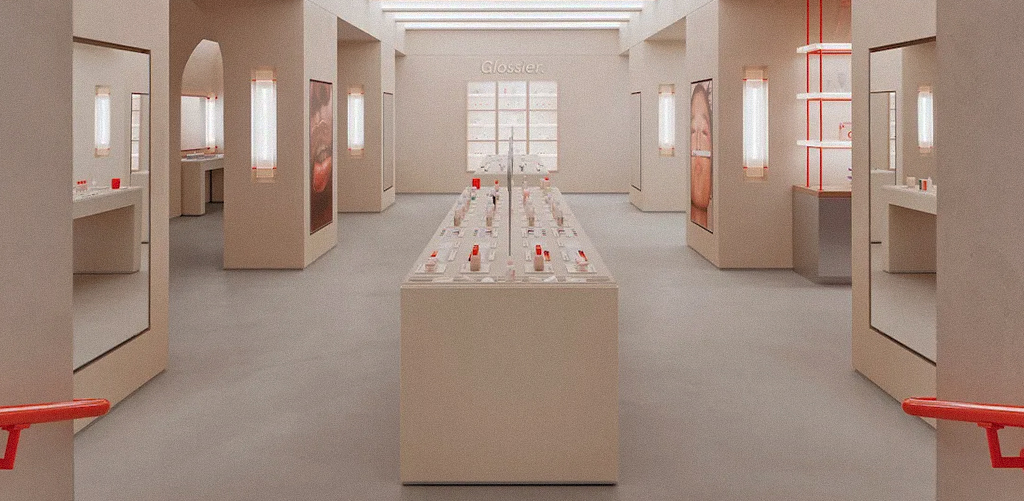
For fashion students, learning how to forecast and creatively apply trends can set them apart making them not just executors but innovators.
You don’t just design for the person walking into the store anymore, you also design for their phone camera too. Knowing how to create shareable, social-media-worthy VM setups is a massive skill today.
Famous Example:
Nike House of Innovation in NYC uses AR mirrors, motion sensors, and digital storytelling in its store design, making the in-store experience feel futuristic and unforgettable.
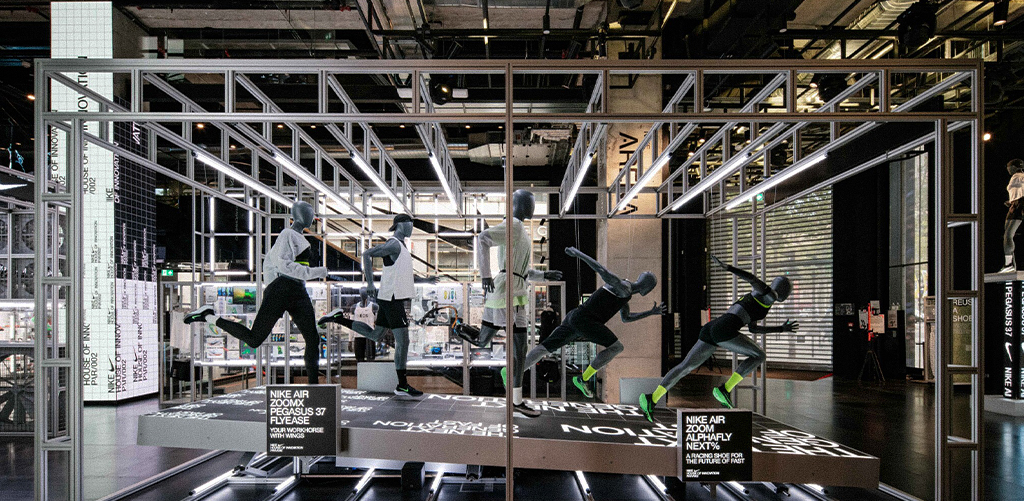
This is where a good institute makes all the difference. At JD Institute, students are taught how to blend tech with design, a perfect ambience for those who want to push creative limits in this digital age.
Yes, you’ll make things look beautiful. But first, you need to know how to source materials, stick to budgets, meet deadlines, and adapt quickly. No brand wants just dreamers but they also want creators who can execute ideas in the real world.
Famous Example:
Zara changes their store displays every two weeks across all their global outlets. That means their VM team works at lightning speed, within tight budgets, and with smart planning.
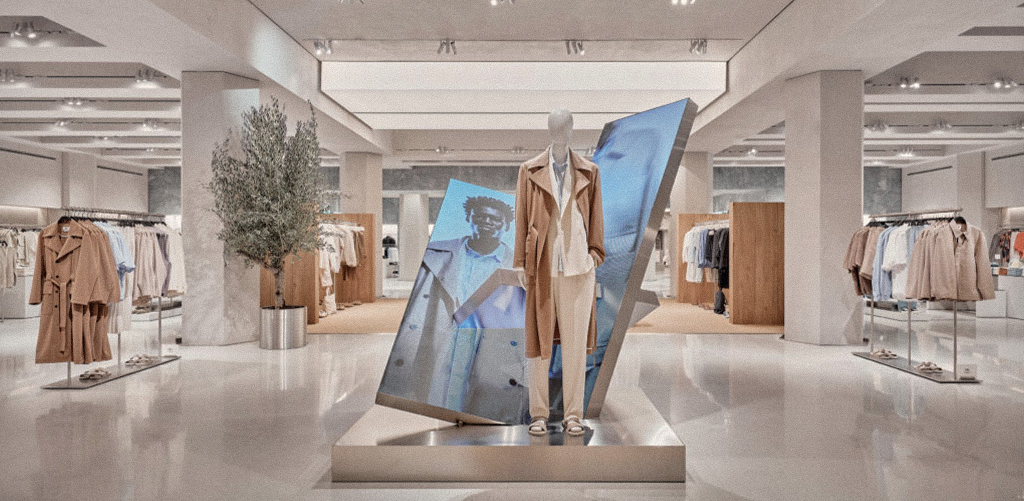
Aspiring visual merchandisers must learn how to balance creativity with practicality, because your wildest concept still has to be doable and affordable.
Whether you want to become a fashion designer, stylist, or brand manager, understanding Visual Merchandising gives you an edge. It helps you create spaces that sell, designs that move people, and retail stories that linger long after the shopping is done. So, start your journey with the Visual Merchandising program at JD Institute of Fashion and Technology where your creativity meets real-world strategy, and where your ideas will literally take up space.
 Design Blogs
 Watch on youtube


 Downloads

Copyright © 2025 JD Institute of Fashion. All Right Reserved
Designed by




 Quick Menu