

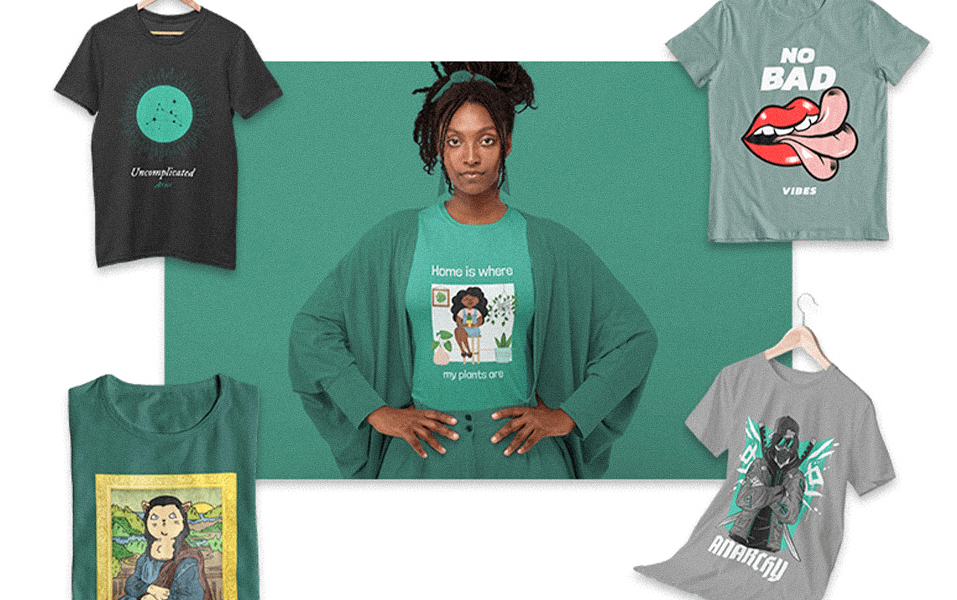
You have killer designs in your head. But what’s stopping you?
Maybe you think you need a factory, money, or a team. But here’s the truth: You can start your own fashion label today — with just your laptop and some creativity.
It’s all possible with print-on-demand (POD), a growing business model that’s making fashion startups cheaper, smarter, and more flexible. For any fashion management student or young brand builder, especially those learning at institutes like JD Institute, knowing POD is no longer optional, it’s essential.
Print-on-demand means a product is printed only after someone orders it. No need to print 500 t-shirts and hope they sell. You upload your design to a POD platform, connect it to your online store, and once a customer buys, the item is made and shipped.
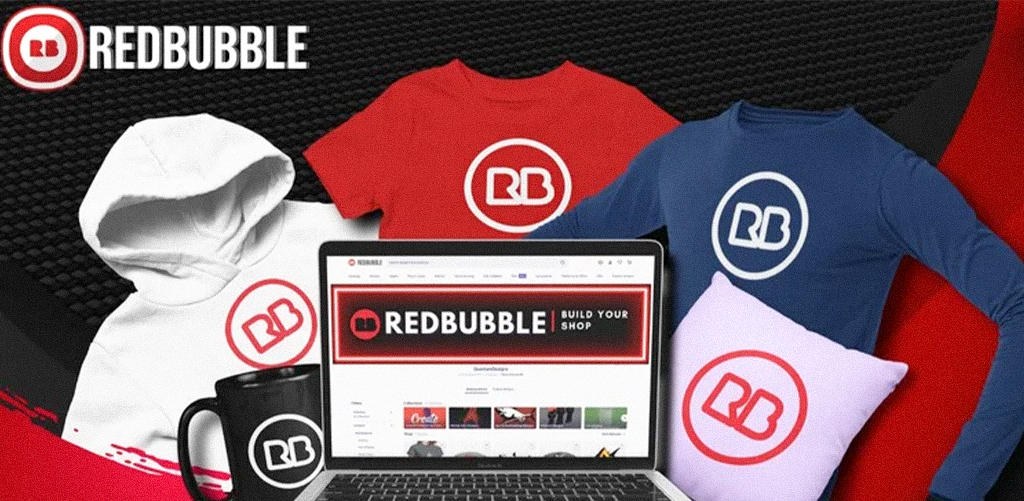
Example: Redbubble started by letting artists sell their designs on t-shirts, mugs, and more. Today, it’s a global brand supporting thousands of creators, all thanks to the POD model.
If you want to start a no-inventory startup with low risk, POD is the smartest way.
T-shirts are simple, cheap to make, and loved by everyone. They also work well for niche ideas, like funny quotes, fandoms, or college trends.
POD helps you test what works without wasting money. If a design doesn’t sell, you lose nothing.
Example: Threadless runs design contests and sells the winners through POD. It grew a huge online community by making customers part of the creative process.

In the Fashion Business Management course at JD Institute, students learn how these business models use marketing, branding, and customer research to grow, which are the skills that are key for starting a t-shirt business today.
Print-on-demand teaches you real business lessons. You learn how to design for a target audience, run social media campaigns, price your products, and manage your brand, all in one place.
All you need is a laptop and internet connection.
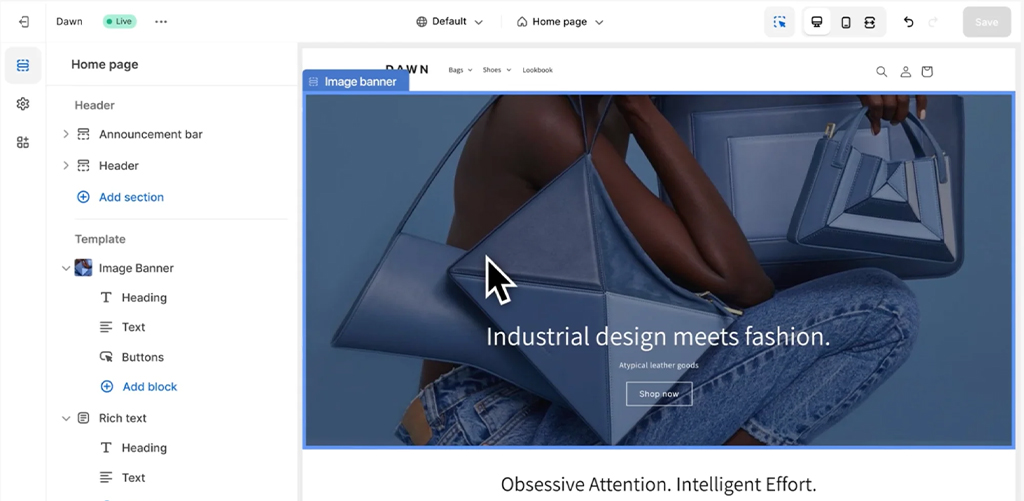
Example: Printful and Shopify let beginners create their own online store, link it to POD services, and start selling without ever touching a product.
Aspiring fashion business students can treat this like their own learning lab. With each order, you get better at branding, trend-spotting, and customer experience.
The fashion world is shifting. People care more about sustainability and conscious fashion. Print-on-demand reduces waste because only what’s ordered gets produced.
No more piles of unsold clothes. No more wasted materials.
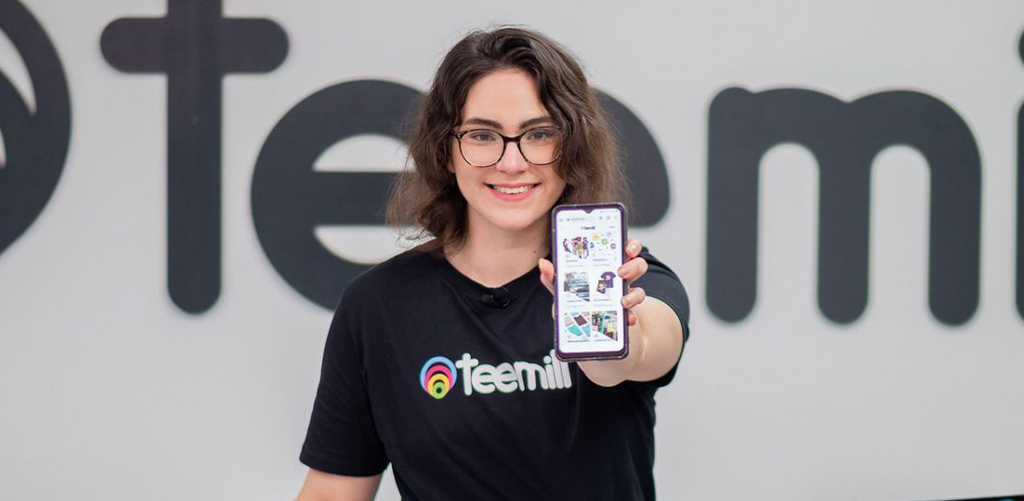
Example: TeeMill is a POD platform that even takes back old t-shirts and recycles them, thus helping brands move toward a circular economy.
Using POD makes your brand look smarter and more responsible, especially to Gen Z buyers who care about eco-friendly fashion.
As a fashion entrepreneur, this gives you an edge over old-school competitors.
One of the coolest things about POD? You can start fast and stay flexible.
You don’t need to hire tailors or buy rolls of fabric. Just create a design, upload it, and you’re in business.
You can even drop new collections every week based on what’s trending on Instagram or what your followers want. No pressure, no leftover stock.
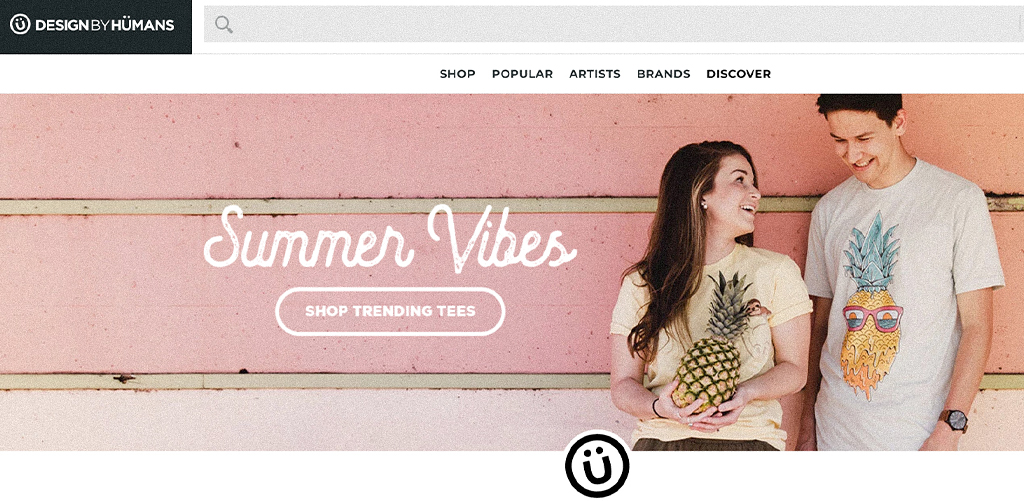
Example: Design by Humans allows creatives to launch their own apparel line in minutes. They handle production and shipping while you focus on designs and storytelling.
If you’re someone who wants to turn ideas into income, this is the easiest, fastest way to start.
And if you’re learning through JD Institute’s Fashion Business Management course, you’ll not only understand how POD works, but how to turn it into a real, profitable business.
Print-on-demand is more than a trend. It’s a smart, simple, and powerful way to enter the fashion world.
You don’t need crores of rupees. You don’t need a big team.
What you need is creativity, strategy, and the right guidance.
Learning POD as a student or young entrepreneur prepares you for how fashion actually works in 2025 and beyond, fast, digital, and customer-first. So, if you want to be ahead of the game, start by understanding print-on-demand and learn it the right way through JD Institute’s Fashion Business Management course.
 Design Blogs
 Watch on youtube


 Downloads

Copyright © 2025 JD Institute of Fashion. All Right Reserved
Designed by




 Quick Menu