

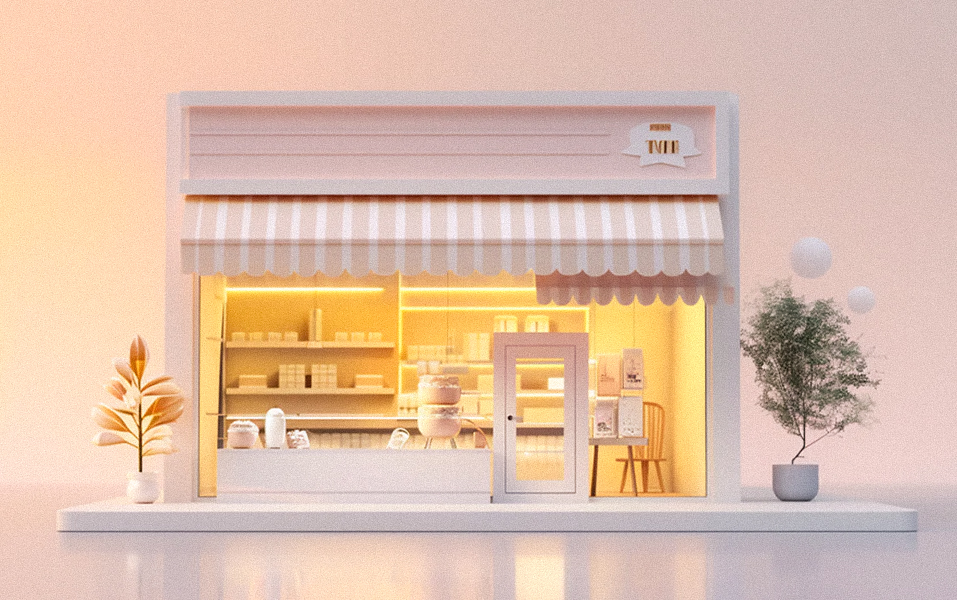
Ever walked into a store the size of your bedroom… but walked out totally impressed?
You know the kind, you step in expecting clutter, and instead, you get a stylish little universe of perfectly placed lights, shelves, and colours that just work. It’s not magic, it’s smart visual merchandising, especially designed for compact spaces.
Now here’s the truth: when you’re working with a small store, you don’t have room for mistakes (literally). Every inch matters. And that’s exactly why aspiring visual merchandisers need to know the science of small space design, the psychology behind customer flow, and some seriously clever display hacks. This is the kind of insight you get to learn hands-on in courses like the Visual Merchandising program at JD Institute, where design isn’t just taught, it’s experienced.
When space is limited, don’t spread stack. Use your wall height to create levels of interest.
Startup Spotlight: Lenskart
Their compact outlets in malls and airports show how vertical shelving and smart lighting can make eyewear displays feel premium and spacious. Mirrors placed at angles also visually expand the room.
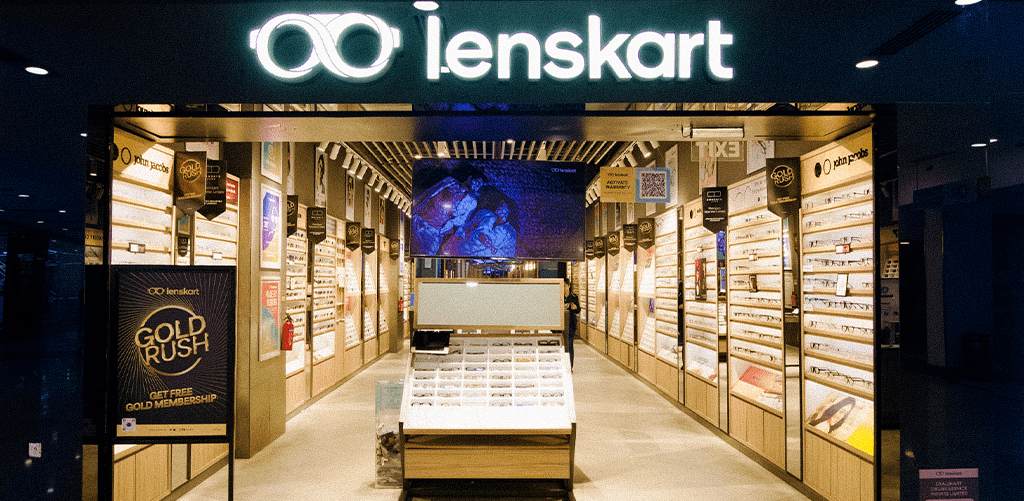
Display Hack Tip: Use tiered shelving, peg boards, and even hanging plants to build height as it draws the eyes up and gives a small shop a layered, well-curated look.
Too many things means visual overload. Instead, choose a “hero product” each week and style your display around it. Minimalism works wonders in tight spaces.
Startup Spotlight: The Souled Store
Whether it’s pop culture tees or quirky mugs, they rotate focus areas, using just one spotlighted rack at a time. This not only declutters but makes each visit feel fresh.
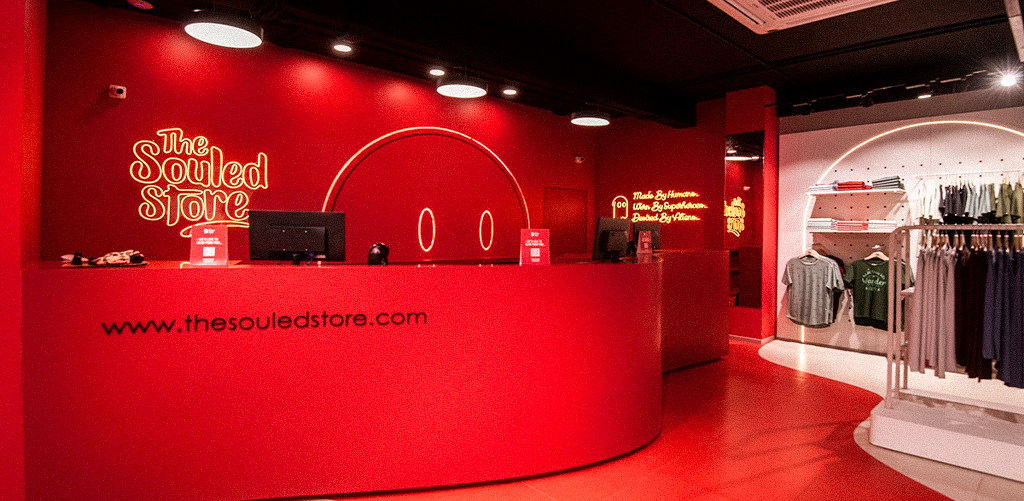
Compact Visual Merchandising Tip: Use spotlight lighting, small platforms, and minimal props to hero one item or collection. This also lets customers actually notice what’s special.
In a small store, even 5 customers can feel like a crowd. That’s why creating a clear path matters more than you think. A clean store layout avoids traffic jams and guides customers to your bestsellers.
Startup Spotlight: Sugar Cosmetics
With small-format pop-ups across India, Sugar designs every booth with clear movement, like testers on one side, mirrors on another, checkout in a corner. Smooth, no-stress shopping.
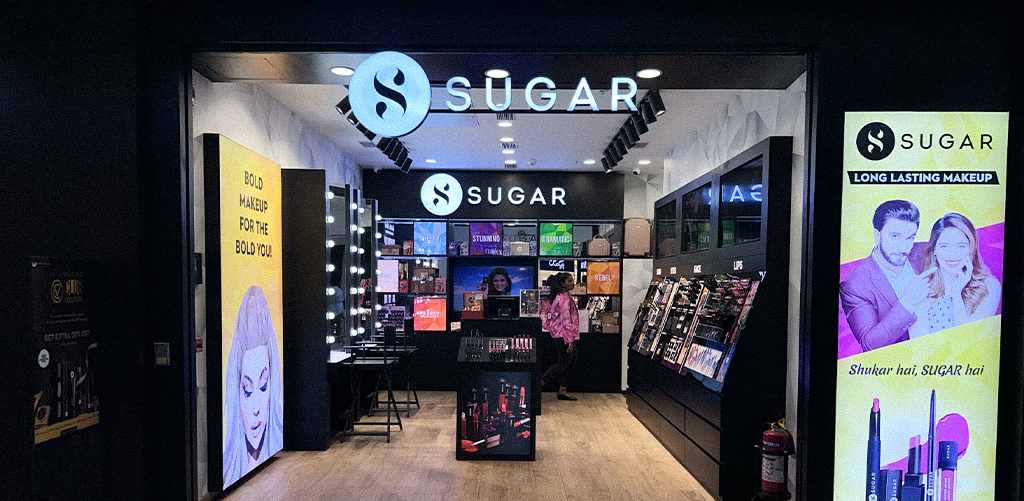
Small Space Design Hack: Use floor decals or visual cues to direct foot traffic. Even rugs or tiles in different patterns can subtly show “walk this way.”
And if you ever wondered how people learn this kind of creative, space-savvy thinking, it’s taught right in the middle of the Visual Merchandising curriculum at JD Institute.
Here’s an old trick, but when done right, it’s gold. Mirrors don’t just make rooms feel larger, they also reflect products, lights, and customer movement, making a space feel dynamic and open.
Startup Spotlight: Chumbak
Their tiny gift shops often use decorative mirrors to bounce light, show off colourful displays, and create an illusion of space, thus making the store look quirky yet breathable.
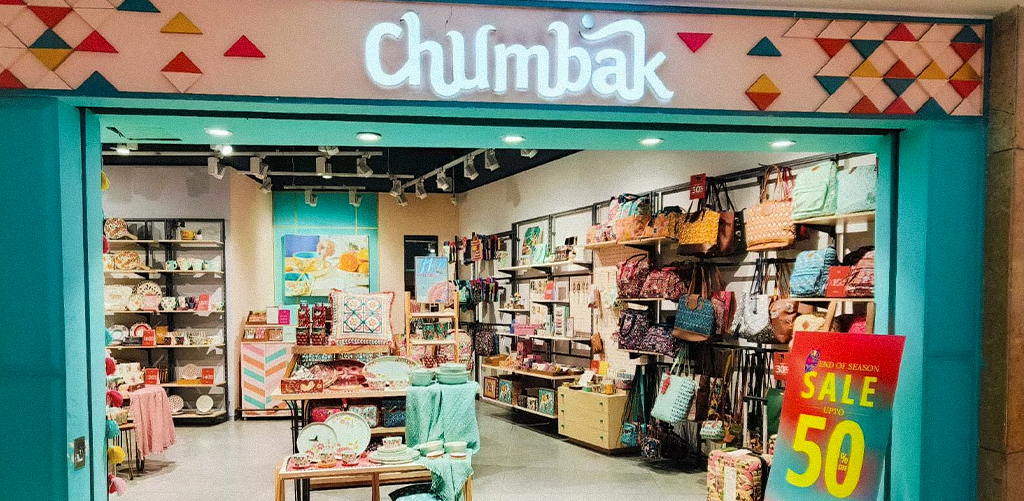
Display Hack: Avoid huge plain mirrors. Go for quirky, on-brand shapes. Even mirrored display trays can add depth.
Lighting isn’t just for visibility, it’s a vibe-setter. Especially in small spaces, using a combo of ambient, accent, and task lighting adds drama and direction.
Startup Spotlight: Nicobar
Their stores are known for their soft, layered lighting that highlights products and calms the shopping experience. Even small stores feel like a serene escape.
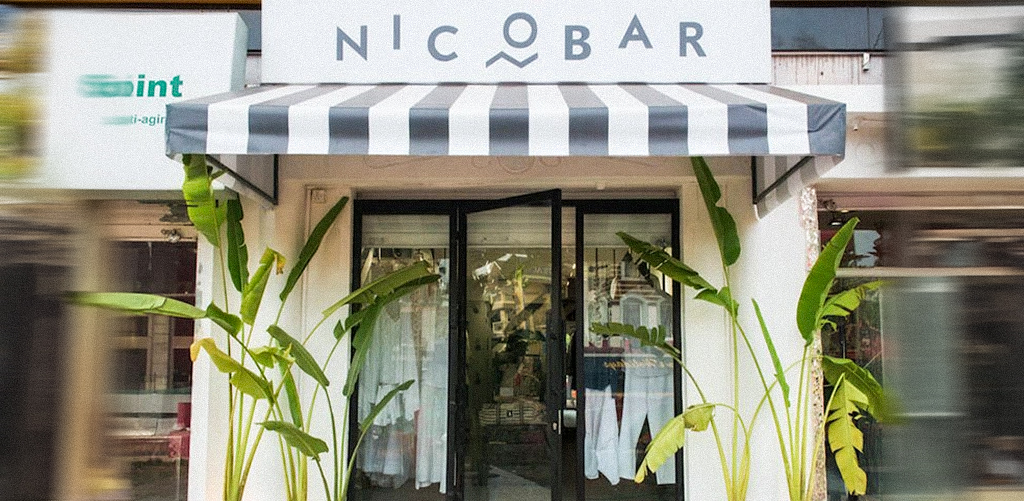
Pro Tip: Warm lighting near the entrance makes it welcoming, spotlights highlight key products, and soft LED strips under shelves add depth.
Here’s the deal, in today’s world of pop-ups, kiosks, boutique brands, and concept stores, space is often limited, but ideas can’t be. That’s why any fashion or design student must understand the art of compact visual merchandising. It’s not just about decorating — it’s about storytelling, psychology, and business smarts rolled into one creative skillset. And if you’re serious about mastering it, few places do it better than JD Institute’s Visual Merchandising course, where theory meets studio, and students don’t just design for paper, but for actual walk-through spaces.
 Design Blogs
 Watch on youtube


 Downloads

Copyright © 2025 JD Institute of Fashion. All Right Reserved
Designed by




 Quick Menu