

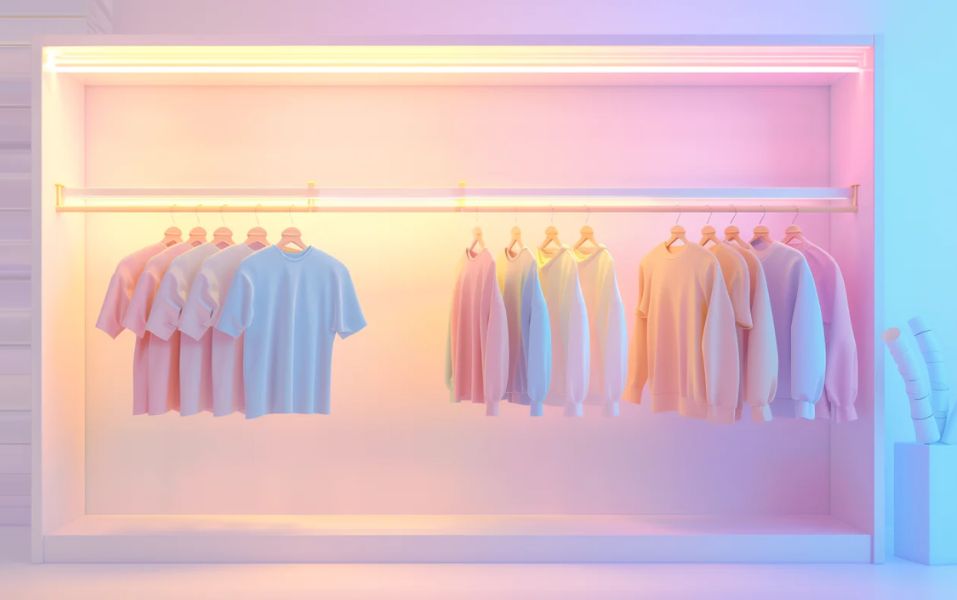
Imagine you walk into a cozy cafe and suddenly see a rack of cool jackets, someone styling people on the spot, and music that makes you stop scrolling on your phone.
It’s not a shop. It’s not an event. It’s a fashion pop-up and it’s quickly becoming the smartest way for new fashion entrepreneurs to launch their brand.
Fashion pop-up shops are short-term stores that give you the chance to show off your collection, connect with people, and make an impact, all without the big cost of setting up a permanent store.
If you’re planning to start a fashion brand or currently studying fashion business, this is one of the most exciting and useful tools to know. It’s why courses like Fashion Business Management at JD Institute include real-life event training, because in today’s world, pop-ups aren’t just fun; they’re essential.
Here’s why fashion pop-up shops are a perfect fit for anyone starting out.
Startup example: Glossier
Before it became a huge beauty brand, Glossier used small pop-up stores to try out its products. It saved money, got real feedback, and created a buzz.
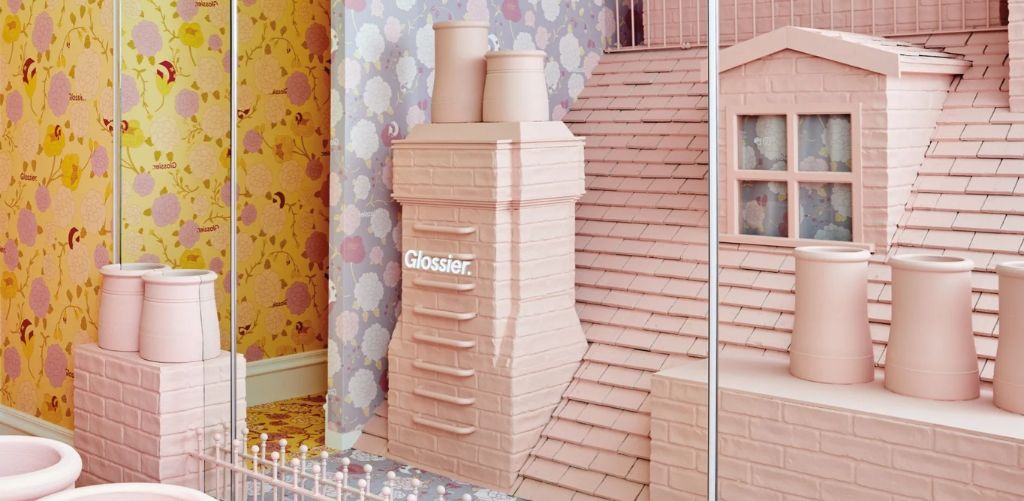
That’s the best part — you don’t need a fancy showroom to get noticed. A temporary retail setup in the right place with the right vibe can do wonders. It’s less risky and still gets people talking.
If you’re just starting out, this is the smart way to test your ideas and see what works without burning through all your savings.
Startup example: Supreme x Louis Vuitton
This collaboration made headlines. Their pop-up had people camping outside — just for a chance to shop limited items.
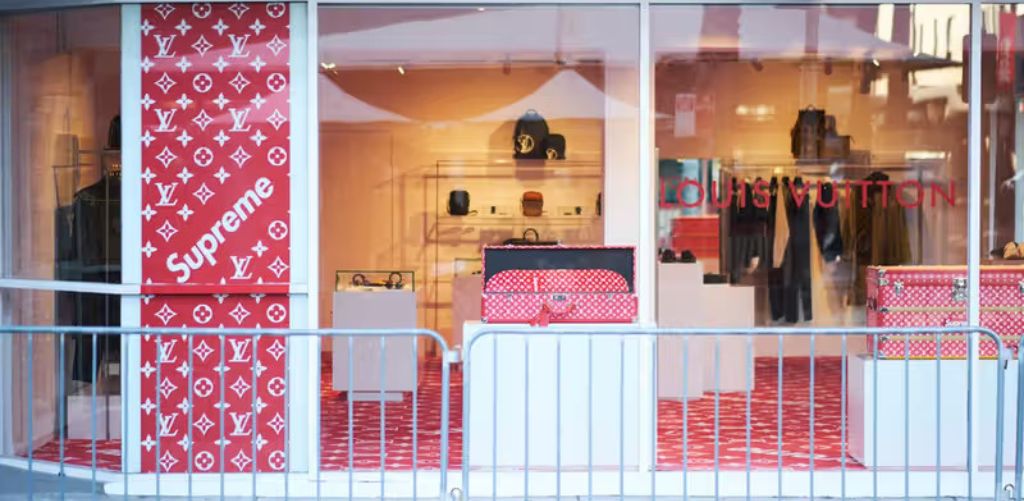
When you host a fashion pop-up, you’re not just opening a store. You’re throwing a mini party. It’s all about the look, the music, the setup — the experience. And when people enjoy the experience, they remember your brand.
In the Fashion Business Management course at JD Institute, students learn how to plan and run these exciting brand events — from location selection to customer engagement.
Startup example: Everlane
They used their pop-up shops to talk to customers directly. What did people love? What didn’t work? They used this information to improve their brand.
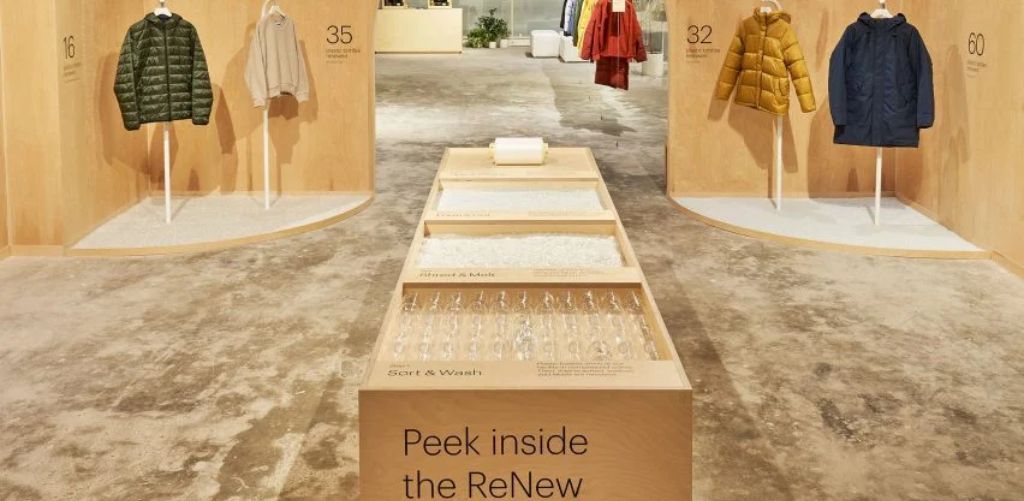
As a new entrepreneur, hearing what people actually think right there, in real-time is super helpful. You don’t get that kind of honesty online.
Understanding your customer is a big part of growing any fashion business. And guess what? It’s something you’ll practice while studying at JD Institute, too.
Startup example: The Frankie Shop
They’re known for collections that drop only for a short time. Their pop-up stores often sell out fast.
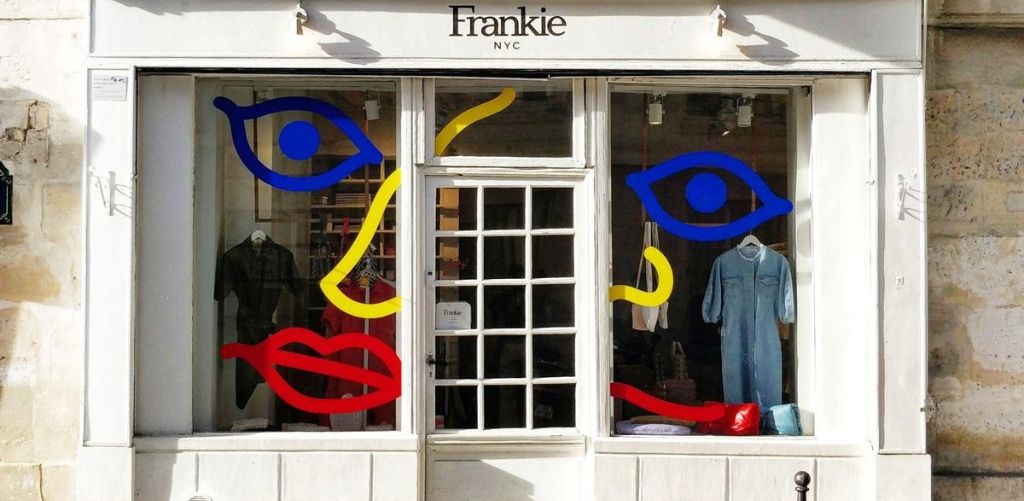
Why? Because people love what’s exclusive. When you say “only this weekend” or “only 30 pieces,” people pay attention. It feels special. And when it’s gone, it’s gone.
This kind of excitement and urgency is a marketing trick that works really well.
Whether you’re starting your own fashion label or want to learn the business side of style, understanding pop-ups is a smart move. They’re quick to set up, great for building a fan base, and perfect for learning what works, and what doesn’t. So go ahead and sketch the designs, plan the vibe, and set the date. But most importantly, learn the right way to do it from the experts. JD Institute is where fashion dreams learn to walk, talk, and pop.
 Design Blogs
 Watch on youtube


 Downloads

Copyright © 2025 JD Institute of Fashion. All Right Reserved
Designed by




 Quick Menu