

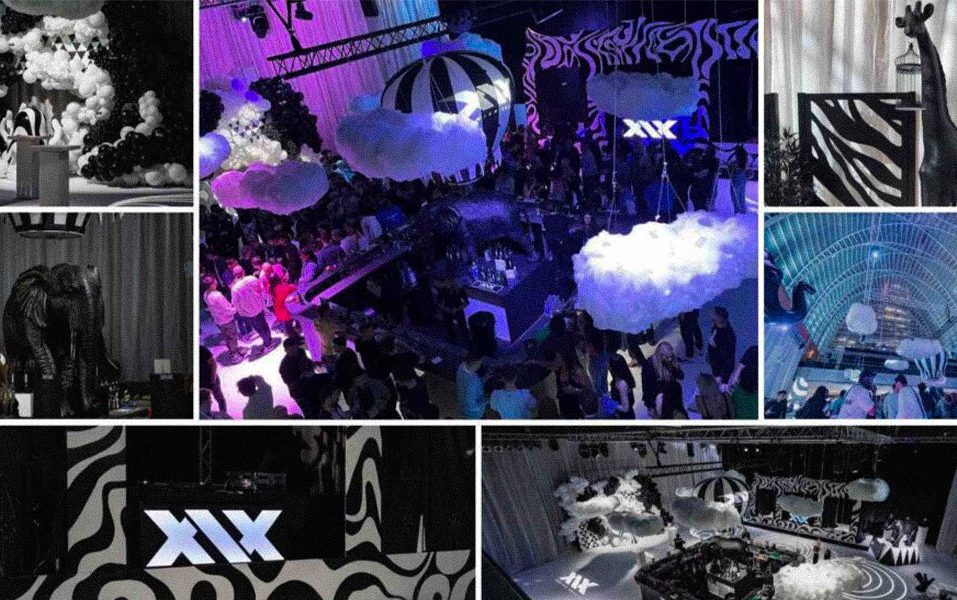
“In 1984, the Summer Olympics didn’t just host games—it hosted a design revolution.”
That year, legendary designer Deborah Sussman transformed Los Angeles with bold colors, symbols, and a city-wide visual language. The takeaway? People don’t just remember what happened at an event. They remember how it felt. And that feeling? It all starts with a theme.
Welcome to the world where themes aren’t just decorative but they’re directional. In the high-stakes game of event planning, your theme isn’t fluff; it’s the backbone. Let’s break down how a theme can make or break your event, why you should care as an aspiring event planner, and how top pros (and students from JD Institute’s Global Event Management course) are winning big by thinking creative from the very start.
Have you ever walked into a space and instantly felt something excitement, elegance, or even confusion? That’s the power of event aesthetics tied to a strong theme.
Take Tomorrowland, for instance, is one of the most iconic music festivals globally. Its success isn’t just about lineups. It’s about fantasy-driven visuals, consistent storytelling, and immersive design. Every year’s theme from “The Story of Planaxis” to “Adscendo”, transforms the entire experience.
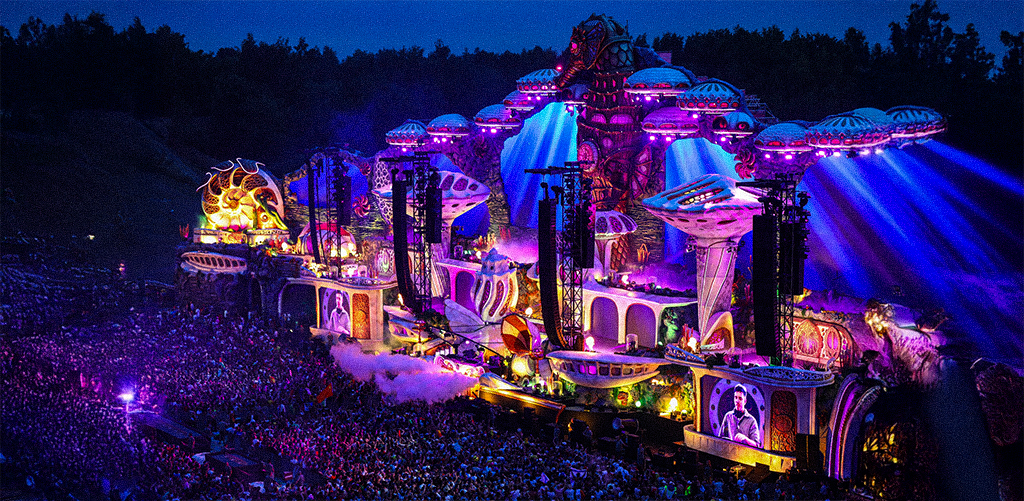
Why this matters to students: If you’re studying themed event planning, your job is not just to organize; it’s to emotionally guide your audience. JD Institute’s Global Event Management course helps students understand the psychology behind event aesthetics, so your events feel as good as they look.
A well-picked theme does more than look good—it speaks. It tells people what your event stands for and who it’s for.
Example? TEDx Events. Whether it’s “Fearless Futures” or “Metamorphosis,” each theme aligns talks, visuals, and even the venue’s vibe to one central idea. That’s powerful branding.
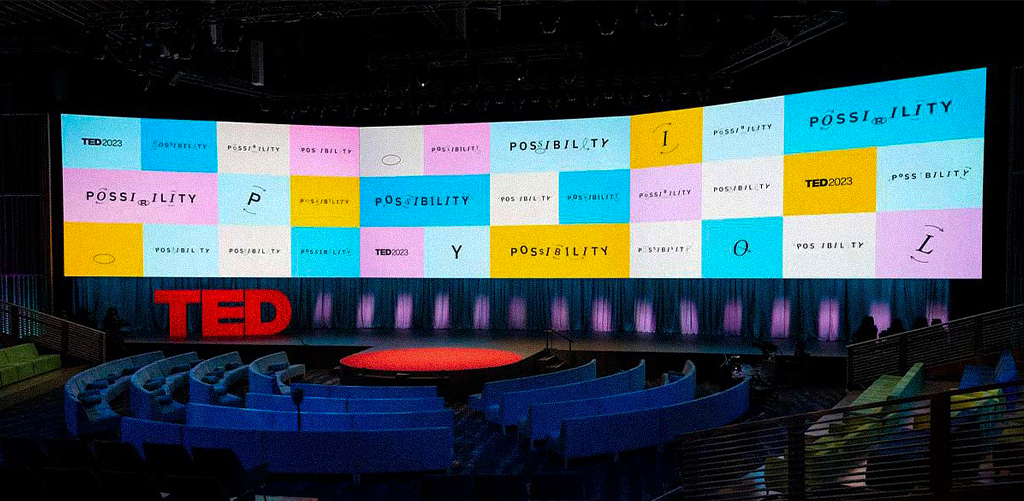
Students need to learn this early: Creative event ideas aren’t just random, they’re strategic. Themes help you design better invites, backdrops, speaker line-ups, and even hashtags. In JD Institute’s program, you’ll actually get hands-on with this kind of event storytelling, and learn how to use themes to speak louder than words.
In the Instagram age, events must be camera-ready. A well-executed theme can go viral faster than the event ends. Think of Coachella’s iconic installations or Met Gala’s daring yearly dress codes like “Camp” or “Heavenly Bodies.” These themes drive conversation.
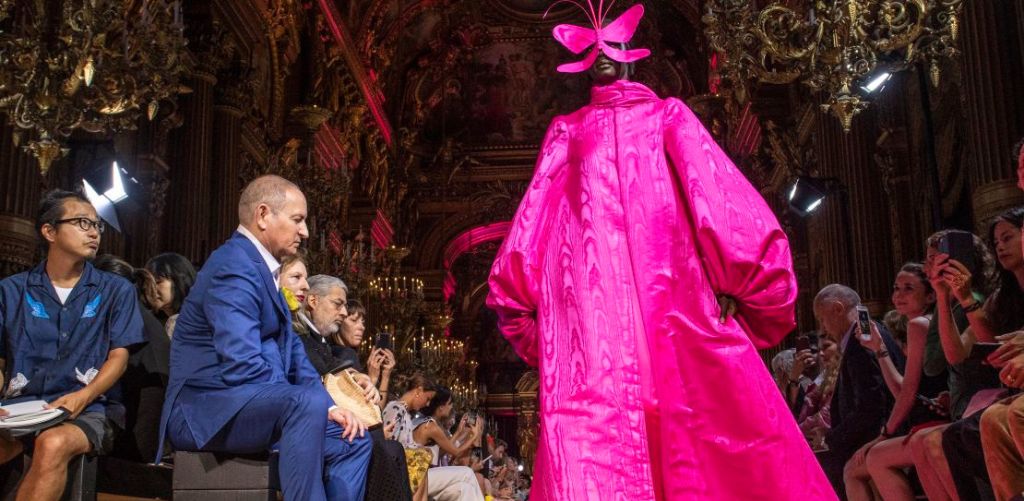
Design elements in event management are no longer optional, they’re essential. Every corner must be Insta-worthy. Students who understand how to visually translate a theme will always be a step ahead. Let’s be real, no one wants to share a boring backdrop.
Surprised? A strong theme doesn’t just spark creativity, it streamlines it. When you’ve nailed down a theme, you don’t waste money trying out 10 random ideas. Every choice, from lighting to food styling, follows the main concept.
Take the startup Airbnb Open, which themed its community event around “Belong Anywhere.” This shaped their design, speaker selection, even the venues, open homes across the host city. Less confusion, more unity.
As students in Global Event Management at JD Institute learn, themes aren’t creative constraints, they’re creative frameworks. They help you say no to distractions and yes to everything that fits the vision and budget.
It’s easy to book a venue and call it an event. But it takes vision to transform that venue into something unforgettable. A generic setup feels empty. But when you have a unifying theme, people walk in and feel part of something.
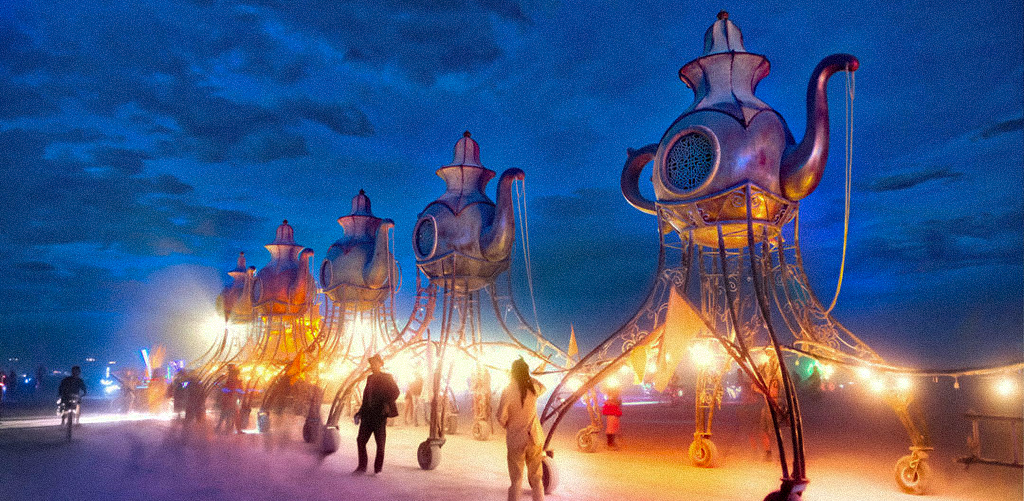
Just look at Burning Man. Every year, the temporary desert city rises around a new theme. That one line guides thousands of artists and designers as they co-create something wild and memorable.
And that’s the lesson: whether it’s 50 guests or 5,000, your theme is the difference between something people attend and something people remember.
If you’re dreaming of creating events that aren’t just pretty, but powerful, then knowing how a theme can make or break your event isn’t optional, it’s foundational. That’s why places like JD Institute are pushing students to blend creativity with practicality from day one. You’ll learn not just how to brainstorm big ideas, but how to bring them to life under real-world event conditions. Themes aren’t just for decor, they’re for direction, emotion, budgeting, branding, and storytelling. And if you want to become an event planner who gets hired for more than logistics then you’ve got to master the art of the theme.
 Design Blogs
 Watch on youtube


 Downloads

Copyright © 2025 JD Institute of Fashion. All Right Reserved
Designed by




 Quick Menu