


Ever stopped in front of a store just because the window display looked so good you couldn’t ignore it?
That’s not luck, that’s visual merchandising done right.
But here’s something most people don’t realize: the secret behind those eye-catching displays often comes from the world of fine arts. Yes, the same techniques used by sculptors and installation artists like 3D composition, form, and balance are what make modern storefronts look like mini art galleries.
For students stepping into the world of visual merchandising, understanding these artistic principles isn’t just “nice to have”, it’s essential. And that’s exactly what the Visual Merchandising course at JD Institute helps you explore in a creative, hands-on way.
Let’s look at how sculpture and art are quietly shaping the future of retail design, from gallery to glass window.
Ever noticed how Apple stores feel like modern art galleries? That’s no accident.
Companies like Apple use 3D composition not just for aesthetic value, but to guide your eye and your emotions through the space. The layout, the proportions, the emptiness around a single object, it’s not just clean design. It’s sculpture logic at play.
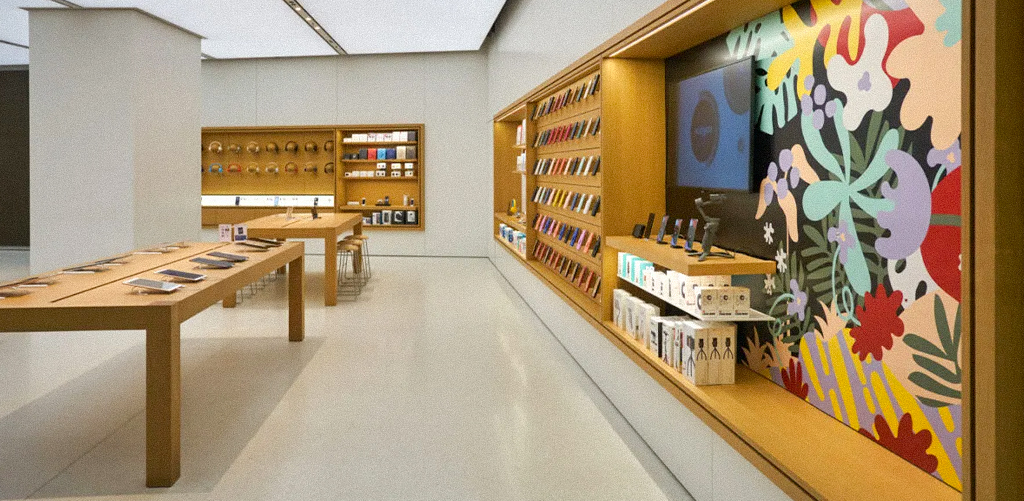
In visual merchandising, 3D composition helps create a rhythm. It builds harmony between mannequins, shelves, lighting, and even air. Think of each product as a sculpture, and the storefront as your gallery. Suddenly, your display isn’t just a setup it’s a show.
Aspiring visual merchandising students must learn this artistic trick to stand out. Why? Because today’s consumers don’t just shop, they scroll, scan, and swipe. Only sculpted storytelling grabs their focus.
Fine art is obsessed with form and balance, and so is your brain.
Take Muji, for instance. Their displays feel calm, symmetrical, and soothing. That’s intentional. They use form and balance in VM to reflect their minimalist brand identity.
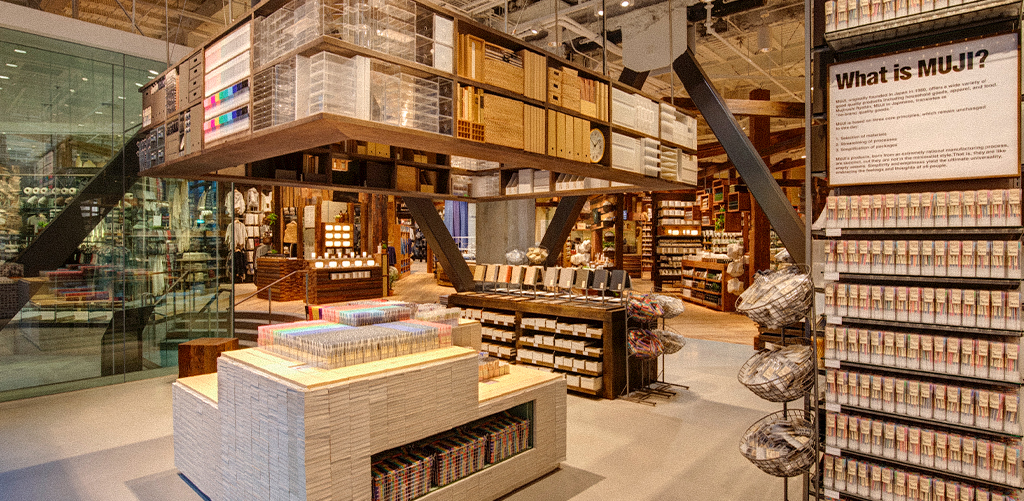
Understanding these design principles is like learning the emotional math behind space. You’re not just arranging products, you’re setting a mood, an experience, a feeling. And customers respond more positively to well-balanced displays without even realizing why.
Let’s talk sculpture design, the OG of physical storytelling.
Take a cue from Anthropologie, a brand known for building its window displays using materials like wood, metal, paper, and even clay, literally sculpting the retail environment. These installations don’t just look pretty; they speak to passersby, inviting them in with curiosity.

When visual merchandisers understand the basics of sculpture design, weight distribution, proportion, texture, and tension, they create retail displays that feel alive. They become builders of mood, not just decorators of space.
Step inside a Dior flagship store, and you’ll notice something striking, the displays don’t sit flat against the wall. Instead, they breathe in layers.
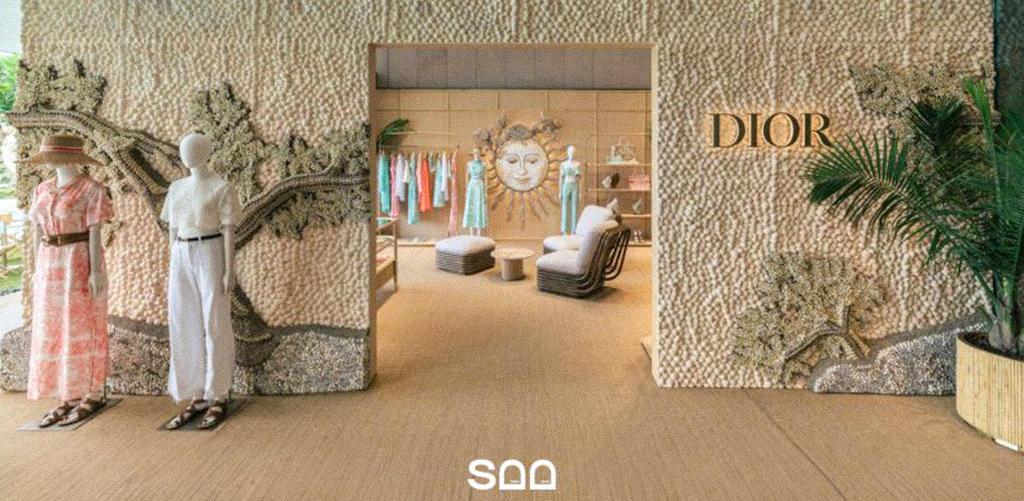
This is a classic technique borrowed from fine art installations, where artists build depth using foreground, middle ground, and background. Dior uses this in their product placements, bags floating at eye level, heels sitting lower, and soft backdrops behind them.
This layered composition creates visual drama, guiding your eye and curiosity. In visual merchandising, learning this 3D layering technique is crucial for making static products feel dynamic and luxurious.
Not all sculptures are still. And not all displays should be either.
Take Gentle Monster, the avant-garde Korean eyewear brand. Their VM is a performance, rotating heads, floating arms, slow-moving mechanical art. It’s surreal, it’s sculptural, and it makes you feel.
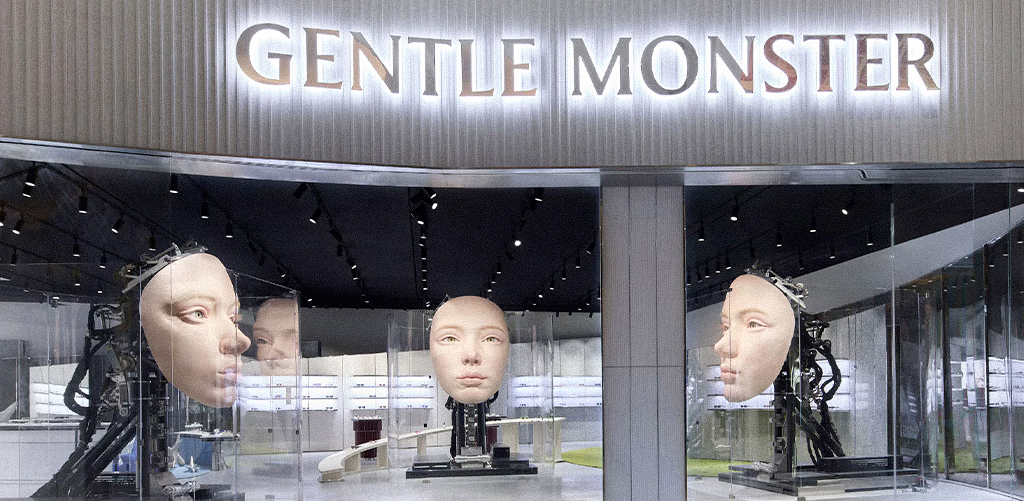
By bringing in kinetic art elements, they blur the line between gallery and boutique. And that emotional reaction? It makes people stay longer, click more photos, and ultimately, buy.
Understanding movement, pacing, and interactive form is a major edge for any merchandiser who wants to play big.
The best storefronts don’t scream discounts. They whisper desire.
And the merchandisers behind them? They’re part artist, part magician, part strategist. If you’re dreaming of crafting windows that wow, corners that convert, and spaces that stop scrolls in real life, learning from a place like JD Institute is a no-brainer. Here, they don’t just teach you how to arrange. They teach you how to sculpt success.
 Design Blogs
 Watch on youtube


 Downloads

Copyright © 2025 JD Institute of Fashion. All Right Reserved
Designed by




 Quick Menu