

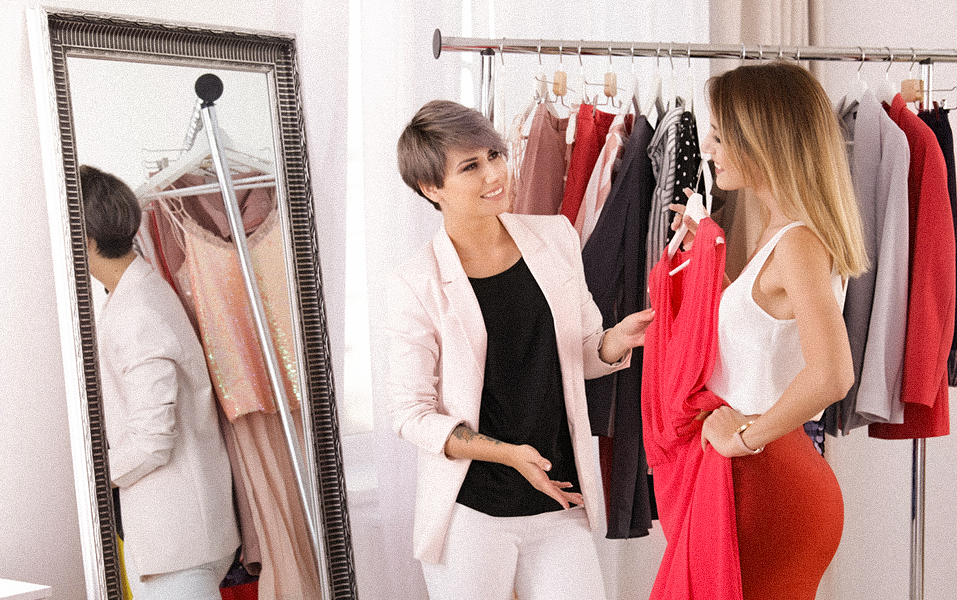
Have you ever stood in front of a mirror, trying on five outfits and still feeling unsure? You’re not alone. Clothing isn’t just something we wear — it’s how we show the world who we are. That’s why the wrong outfit or too much pressure to look good can lead to something real and serious: fashion-induced stress. For personal stylists, this isn’t just a side concern. It’s something you need to understand, handle, and work around every day. And if you’re dreaming of becoming a stylist, learning how fashion impacts mental health is just as important as knowing what colors go together.
That’s exactly why education places like the JD Institute of Fashion Technology teach styling with a focus on real-life challenges — not just runway looks.
Fashion-induced stress happens when someone feels anxious, nervous, or pressured because of how they look or what they wear. This can come from fear of judgment, trying to keep up with trends, body image issues, or just not feeling “good enough” in a certain outfit.
Stylists often meet clients during important life events — weddings, public appearances, interviews. These moments come with high emotions, and how someone looks becomes a big deal. As a stylist, you need to recognize when a client is feeling stressed and know how to help, not add more pressure.
Today, clients are looking for more than just a well-matched look. They want to feel understood, confident, and comfortable. That’s where you, the stylist, come in.
Companies like Stitch Fix have grown fast because they use both tech and personal touch to create stress-free fashion experiences. They ask real questions, listen to people’s needs, and suggest looks that suit their lifestyle and emotions — not just what’s trendy.
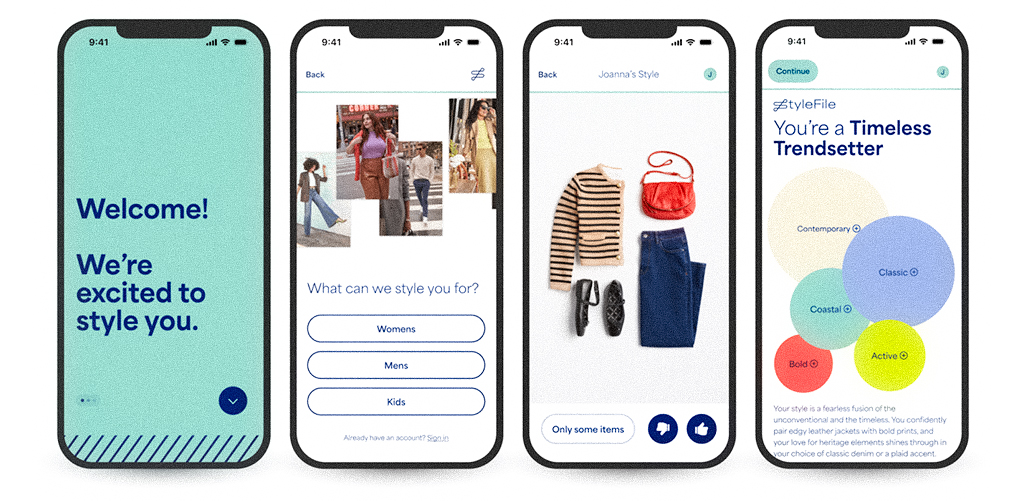
If you want to work in styling, it’s important to learn these soft skills — like empathy, active listening, and reading body language. This is something taught deeply in the JD Institute’s Fashion Styling course, where students learn not just how to dress people, but how to connect with them.
What someone wears says a lot about who they are. So if you tell a client to wear something that doesn’t match how they see themselves, it could make them feel uncomfortable or even anxious. On the other hand, the right outfit can make someone feel proud and strong.
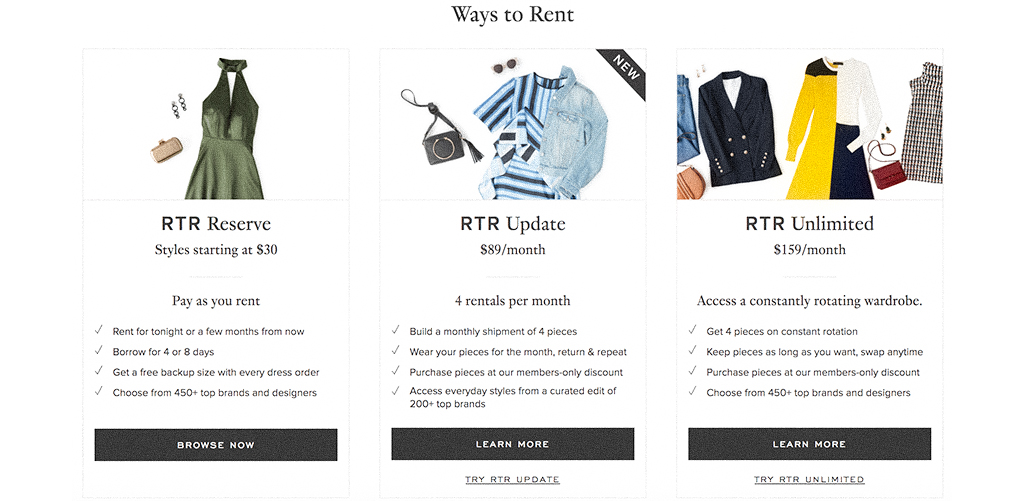
This is why brands like Rent the Runway are so successful — they give people options to try new styles without pressure, making fashion feel fun instead of scary. They also include the subscription model for the same. Stylists need to adopt the same idea: offer choices, make the process exciting, and help people express their true selves.
If you’re serious about becoming a stylist, remember: it’s not just about creating a look — it’s about creating trust. And trust is built when you respect how personal fashion really is.
With social media, people are constantly comparing their looks with others. This has made fashion more visible — but also more stressful. Your clients might feel like they have to wear something new every time they post a picture or worry about not being “on trend.”
As a personal stylist, you can ease that pressure. Help clients find timeless pieces that reflect who they are, not just what’s popular. Encourage them to love what they wear — not wear what others love.
Modern stylists need to be more mindful than ever. At JD Institute, students in Fashion Styling are taught to think about these social and emotional pressures while building their skills in personal styling. It’s not just about fashion anymore — it’s about helping people feel good in their own skin.
A great personal stylist doesn’t just pick clothes — they lift spirits. Whether you’re helping someone dress for a job interview, a wedding, or just daily life, your role is bigger than you might think. You are helping someone show up with confidence.
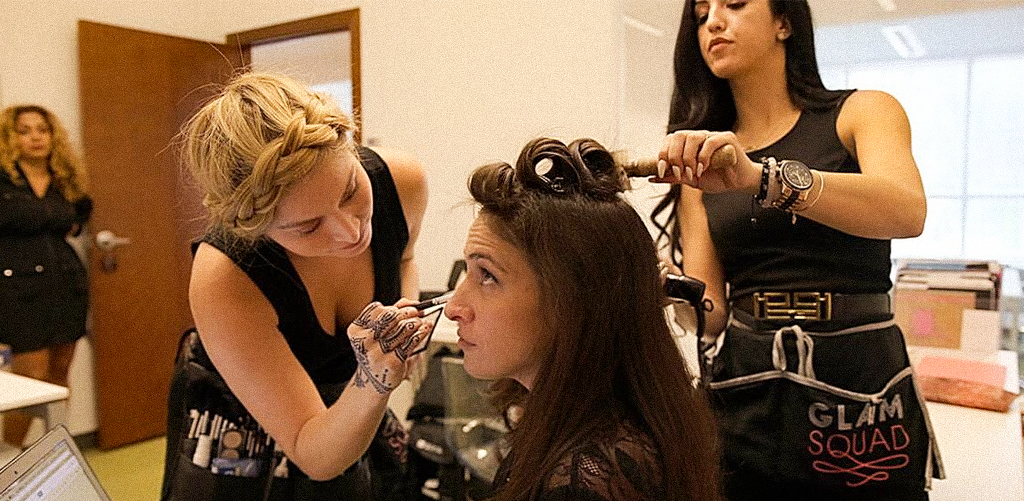
Think about companies like Glamsquad, who send stylists to people’s homes not just to glam them up — but to make them feel their best before big moments. That’s the energy every new stylist should bring. If you want to make it in this field, you need to go beyond trends. You need to be kind, patient, and aware of the emotional impact of fashion. That’s the kind of Fashion Stylist the world needs — and the kind JD Institute trains.
 Design Blogs
 Watch on youtube


 Downloads

Copyright © 2025 JD Institute of Fashion. All Right Reserved
Designed by




 Quick Menu