


Unexpected natural events, like volcanic eruptions, are becoming increasingly common challenges for event planners, particularly in areas like Iceland and Hawaii. Modern event managers now require training beyond logistics, focusing on forecasting, adapting, and planning around environmental disruptions. The Global Event Management course by JD Institute addresses these issues, covering climate change, ecological disruption, and risk forecasting, which are essential for future event managers. This focus on managing events in ecologically sensitive areas represents a vital new direction in the field.
Let’s take a closer look at why managing events in ecologically sensitive areas is the new frontier — and how smart students and professionals can prepare for it.
Startup Spotlight: Lava Centre, Iceland
This innovative museum-slash-educational space isn’t just a tourist attraction — it’s a model for how to work with volatile environments rather than against them. Their live geological data feeds have helped organizers time cultural events and exhibits around seismic activity.
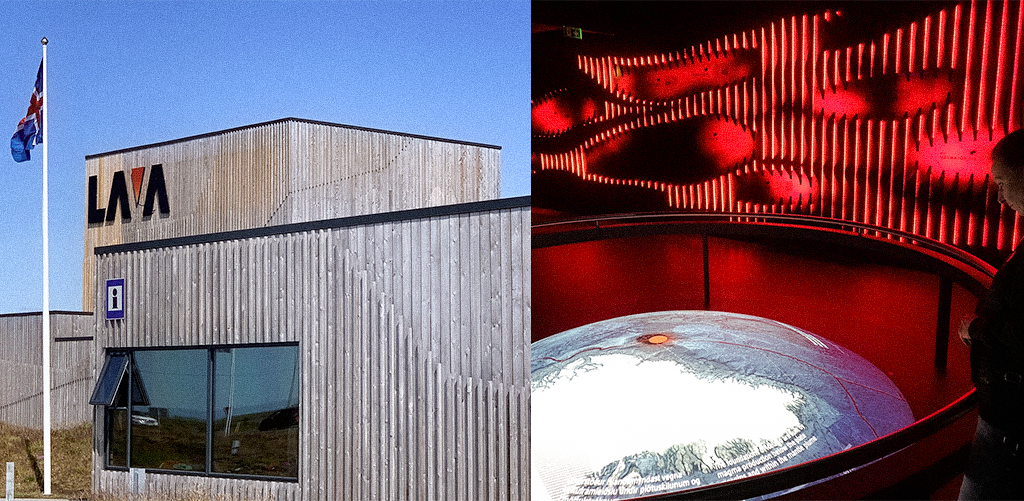
Iceland’s frequent volcanic activity affects everything — from air traffic to outdoor concerts. The real issue? Planning. Events that don’t factor in geological forecasts are often cancelled last minute, wasting time, money, and resources. That’s why risk forecasting is a skill every modern event manager must master.
Startup Spotlight: FireHydrant, USA
Originating from digital disaster response, FireHydrant’s swift alert systems are now employed by event organizers in regions susceptible to wildfires for schedule adjustments and safe crowd evacuations.
The catastrophic 2023 Maui wildfires heavily impacted tourism and cultural events, significantly affecting the economy. Consequently, event planners must possess robust event insurance and versatile backup strategies. Ecological uncertainty is no longer theoretical, but a genuine financial risk. Wise planning and immediate reactions are vital for both safety and successful events. Notably, the JD Institute’s Global event management program equips students with the ability to create and execute these safeguards with composed innovation.
Startup Spotlight: Hurtigruten Expeditions
Specializing in eco-cruises to fragile zones like Antarctica, this company uses AI-powered mapping tools to chart safe, adaptable routes in real-time. Their experiences have shaped how planners deal with glacial shifts and unstable terrains.

Antarctica might not be a wedding hotspot, but expedition-style tourism events are booming. However, melting ice caps and floating icebergs mean routes and landing zones change frequently. Understanding ecological mapping — the ability to read and react to real-time environmental data — is becoming critical. Students learning event management today need this skill in their toolkit if they want to work in destinations beyond four walls.
Startup Spotlight: The Desert Festival, Jaisalmer
This iconic festival showcases how culture-rich events can still be pulled off in extreme climates — with the help of real-time weather tracking and smart structure setups.

Dust storms can roll in uninvited, destroying setups in minutes. But the planners behind the Desert Festival know how to dance with the desert — literally and logistically. From adaptive stage designs to early warning systems, managing localized climate extremes is now part of every event brief.
These aren’t exceptions anymore — they’re becoming the norm. Aspiring planners, especially those targeting luxury, destination, or cultural events, need to evolve their toolkits to survive (and thrive) in these conditions.
Startup Spotlight: RiskLayer, Philippines
This startup supports disaster-prep by offering localized typhoon tracking, which event planners now use to shift venue dates or even take their events virtual in hours.
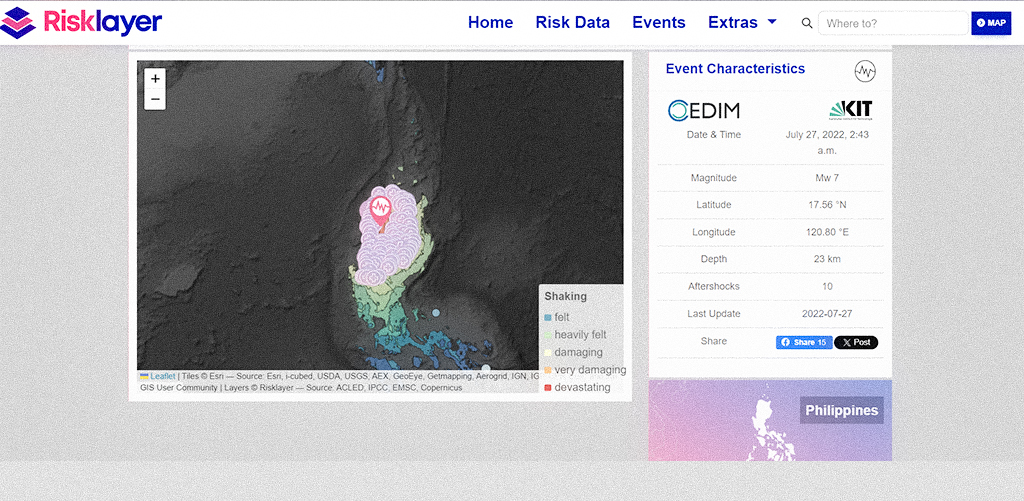
The Philippines faces multiple typhoons annually, making consistent outdoor planning a logistical maze. But what do the best planners do? They plan for the chaos. That’s where future-focused education makes a difference. The Global Event Management course by JD Institute emphasizes strategic scenario planning and geo-sensitive scheduling — essential if your dreams involve planning international festivals, beachside weddings, or global art summits.
Because it’s not about “if” but “when.” The events industry is no longer immune to climate chaos. From wedding planners to corporate summit organizers, everyone must learn to forecast, adapt, and respond with precision. You can’t just rely on Plan A anymore. You need A through Z — backed by data, science, and creativity. That’s where institutions like JD Institute give future planners an edge — by offering a curriculum that goes beyond glitz and into the grit of managing events in volatile ecological zones. You’re not just planning parties — you’re shaping experiences that withstand the elements, literally.
 Design Blogs
 Watch on youtube


 Downloads

Copyright © 2025 JD Institute of Fashion. All Right Reserved
Designed by




 Quick Menu