

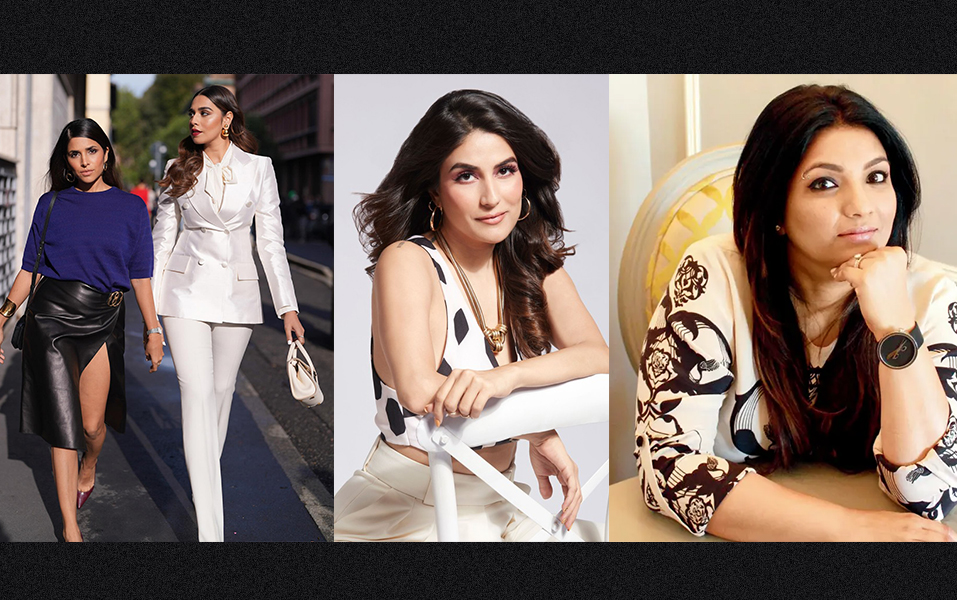
Ever styled your outfit, posted it online, and thought — “I could sell this”?
That tiny moment of confidence? That’s how a lot of real fashion empires start. No huge factories, no investors — just creativity, consistency, and courage.
And guess what? Indian women are doing this better than ever. They’re not just wearing fashion — they’re owning the business behind it. They’re leading brands, launching startups, and changing what fashion entrepreneurship looks like.
It’s a powerful shift — and it’s something every fashion student or aspiring entrepreneur should be learning from. That’s why courses like Fashion Business Management at JD Institute are more relevant than ever. They don’t just teach design — they teach how to turn that design into a full-on brand.
Let’s take a closer look at how women like the founders of House of Misu, Shereen Lovebug, and the genius behind Papa Don’t Preach are changing the game — and what you should be learning from their journey.
When Mitali and Summiyya started House of Misu, it was just two friends sharing their love for fashion and lifestyle. But they didn’t stop there. They grew into full-blown content creators, brand consultants, and digital entrepreneurs.
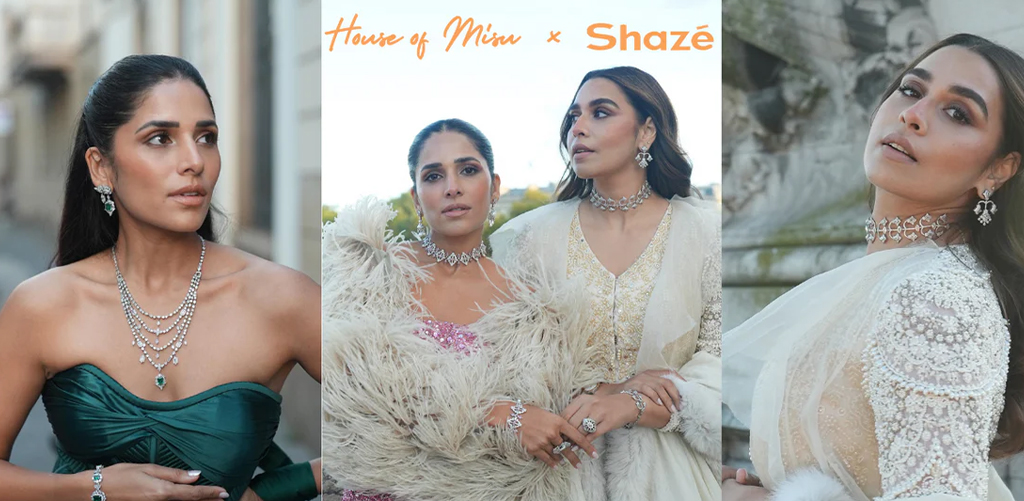
They showed us that social media is not just for scrolling — it’s a goldmine if you know how to build a brand voice and connect with an audience.
Want to run a fashion brand in today’s world? You’ve got to know how to market it. That’s why Fashion Business Management at JD Institute teaches you more than fabrics — it teaches branding, digital strategy, and consumer behavior. You learn how to create a vibe and manage the backend.
Shereen Sikka, also known as Shereen Lovebug, didn’t build her brand by pretending to be perfect. She shared real struggles, real wins, and created content that people related to. That honesty builds trust — and trust builds business.

Her story proves that being yourself can be a serious business tool. But it also shows the importance of knowing how to handle collaborations, campaigns, and logistics like a pro.
Fashion entrepreneurs today need to know both sides: the heart and the hustle. Learn how to pitch, price, plan, and promote-not just pose.
Shubhika’s brand, Papa Don’t Preach, didn’t play it safe — and that’s exactly why it worked. With neon colors, metallics, and edgy designs, she created a new voice in Indian fashion. But going global didn’t just need bold ideas — it needed strategy, networking, and supply chain management.
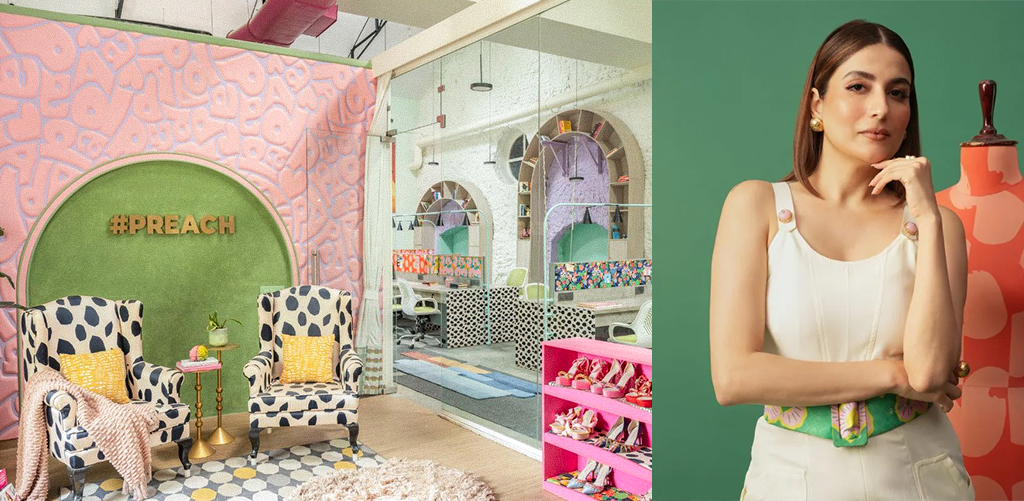
The brand is now seen on international red carpets and fashion weeks. That kind of reach takes business sense, not just design talent.
That’s where a structured course like Fashion Business Management at JD Institute helps- it gives you the tools to take big ideas and make them bigger realities.
Designer Payal Singhal is a perfect mix of tradition and trend. She turned her fashion legacy into a modern business by expanding beyond clothing. Her label now includes accessories, home decor, and even collabs with beauty brands.
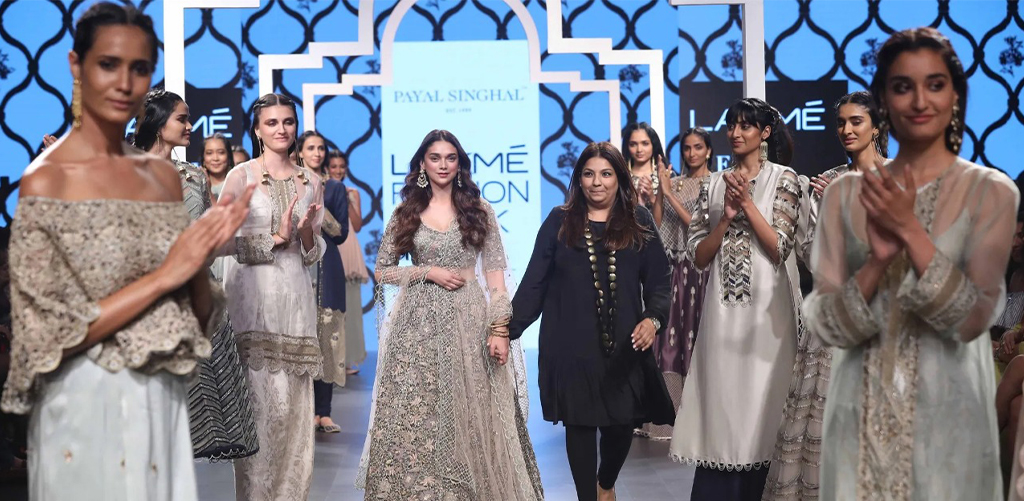
The key lesson here? Diversify.
Fashion entrepreneurs must think beyond just dresses. Think of your brand as a lifestyle. If your audience loves your vibe, they’ll want more of it — and you need to be ready with products, partners, and plans.
Learning how to grow your fashion brand in multiple directions is exactly the kind of skill students gain in business-focused fashion courses.
You could keep following these icons on Instagram and feeling inspired. Or — you could start building your own path with the right tools, mentors, and skills.
A program like Fashion Business Management at JD Institute isn’t just a course — it’s a launchpad. You’ll learn how the industry really works, and how to bring your creative ideas to life and market. Think of it as your behind-the-scenes pass to the fashion business world.
Because the future of fashion is already changing — and it’s wearing sneakers, taking calls, closing deals, and rewriting the rulebook. The question is — will you be ready to join them?
 Design Blogs
 Watch on youtube


 Downloads

Copyright © 2025 JD Institute of Fashion. All Right Reserved
Designed by




 Quick Menu