

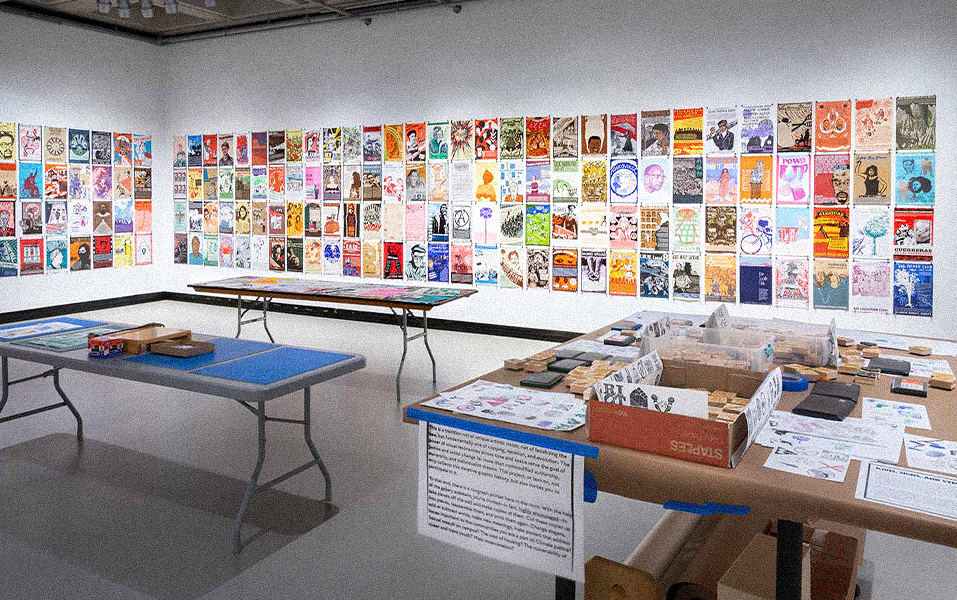
What if your T-shirt could talk?
Design transcends aesthetics; it serves as a potent instrument of protest. Utilizing mediums ranging from printed materials to public art and attire, design empowers social movements seeking recognition and change. In the contemporary context, where passivity may be construed as complicity, design assumes the role of visual resistance. This explores the intersection of aesthetic principles and activist endeavors.
During the Vietnam War in the 1960s and 70s, the streets of America exploded with bold, hand-painted posters bearing messages like “Make Love Not War.” Similarly, the “Hope” poster created by artist Shepard Fairey for Barack Obama’s 2008 campaign wasn’t just art—it became a symbol of political change.
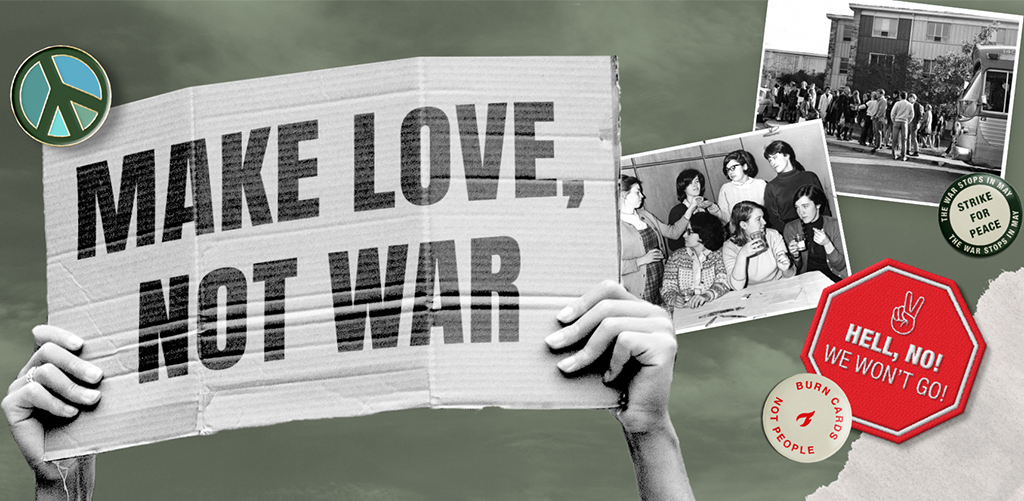
Protest posters are more than paper and ink. They are history, outrage, and courage rolled into one. At JD Institute, the communication design course teaches how to translate powerful ideas into visuals that are sharp, direct, and impossible to ignore. That’s how future changemakers are shaped—not just through theory but by understanding the pulse of real-world design impact.
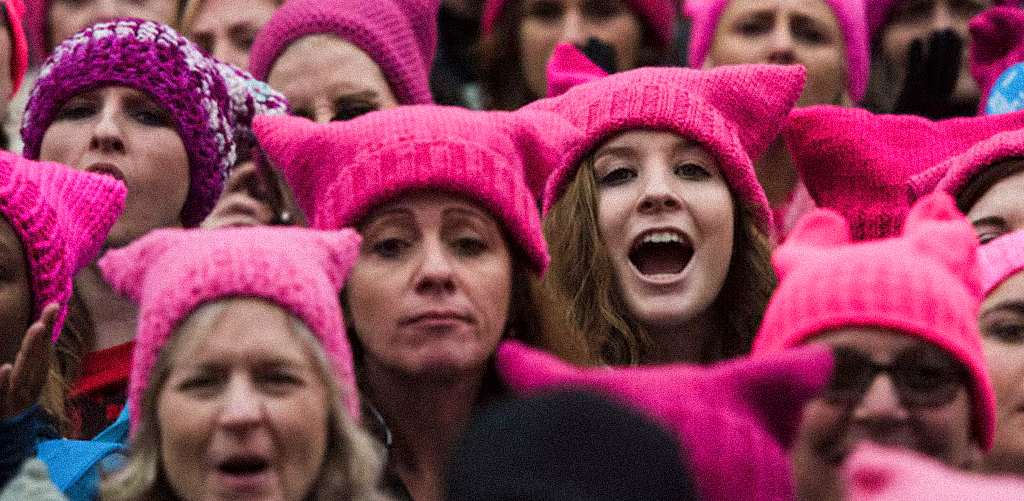
In 2017, the Women’s March in Washington saw thousands of people wearing pink “pussyhats”—a statement of feminist solidarity and a visual protest against gender inequality. The design was simple, but its message was anything but.
Fashion has always been political. Think of Vivienne Westwood’s punk designs that screamed rebellion in 1970s London. Today, wearable protest is a thriving part of activism—from slogan tees to eco-conscious collections.
JD Institute understands this intersection deeply. Fashion design students are encouraged to think beyond trends and use garments as a language of social commentary—training them to create pieces that don’t just walk the ramp but march with a cause.
Banksy’s politically charged street art has become iconic. One of his most famous pieces—“Girl with a Balloon”—has been interpreted as a symbol of lost innocence and hope. In India, graffiti art in places like Delhi’s Lodhi Colony has taken on social issues ranging from caste discrimination to LGBTQ+ rights.
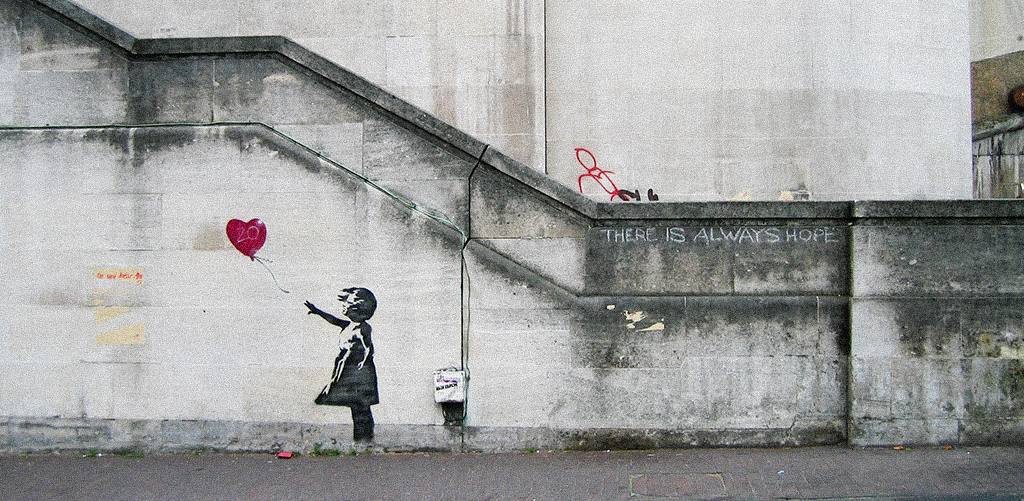
Walls are no longer blank spaces. They’re battlegrounds of expression. Through murals and street art, artists reclaim public spaces to speak truth to power.
Students at JD Institute specializing in interior and spatial design learn how environment shapes experience. The idea that design can alter the atmosphere and emotional impact of a space is core to how they’re trained to think—whether in a gallery or on a protest wall.
Ever noticed how the font in protest signs is never boring? From angry bold lettering to chaotic hand-drawn scrawls, typography adds emotion to the message. For example, the “I Am a Man” sign used during the Memphis Sanitation Strike in 1968 is etched into history—not just for what it said, but how it looked: strong, proud, unshakable.
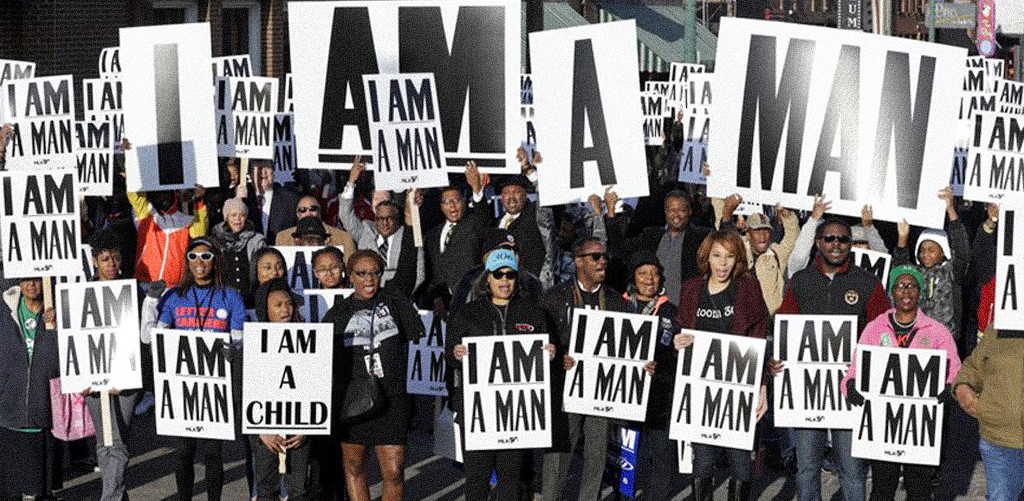
Typography gives tone to text. It shouts, whispers, or demands. At JD Institute, such elements of design are not just taught but deeply dissected, helping students explore how font, color, and composition speak louder than words ever can.
You don’t have to be a loudspeaker to be heard. Sometimes, your brushstroke, outfit, poster, or digital reel can do the talking. So, if you’ve ever wanted your creativity to be more than just pretty—to be powerful, thoughtful, and impactful—maybe it’s time you learn how to design the revolution. At JD Institute, you don’t just learn design. You learn to design for something bigger.
 Design Blogs
 Watch on youtube


 Downloads

Copyright © 2025 JD Institute of Fashion. All Right Reserved
Designed by




 Quick Menu