


You know how every group project had that one friend who made the slides look 10x better?
They knew which font worked, what images to use, and how to keep it all looking on point. Back then, it was just “good taste.” But today? That skill has a name — and a full-time career: the Visual Strategist.
Welcome to the new-age creative role that blends graphic design, branding, storytelling, trend forecasting — and yes, even Pinterest mood boards — into one powerful job.
And at places like JD Institute of Fashion Technology, students are already learning how to master it. Because when creativity meets communication, a new career is born — and it’s got style, strategy, and serious potential.
Let’s break it down. A Visual Strategist is a creative thinker who knows how to use images, colors, typefaces, layouts, and concepts to tell a brand story. But they don’t just design pretty things — they create a full visual identity that connects emotionally with an audience.
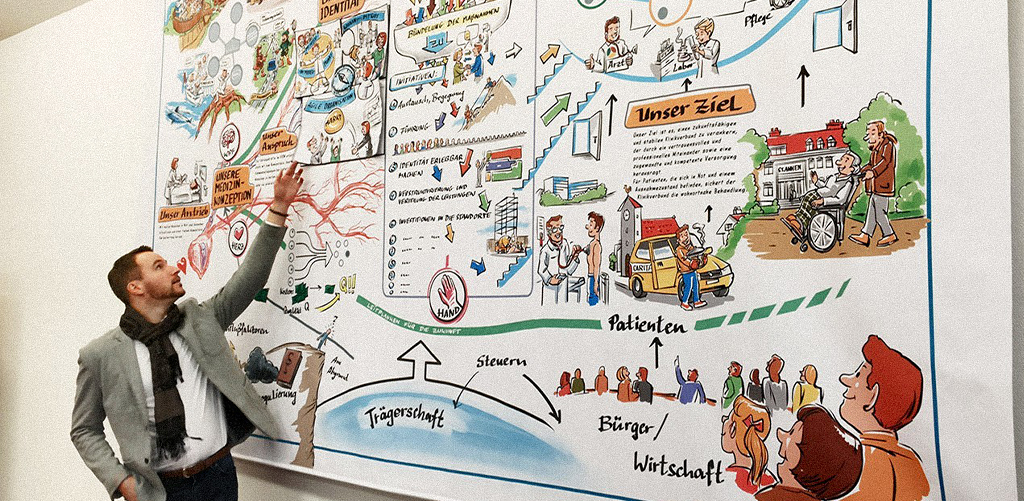
Think of brands like Glossier or Apple. You know their look, their tone, their vibe — all before reading a single word. That’s not random. That’s a visual strategy.
Visual Strategists work across platforms — Instagram, websites, packaging, campaigns — to build a cohesive look and feel. Their job is part designer, part storyteller, part moodboard curator, and part brand whisperer.
Because we now live in a world that scrolls more than it reads. Visuals have become our first language. Whether it’s social media, online shopping, or branding, everything depends on how things look and feel.
Startups like Notion and Canva have built entire brands around clean, modern aesthetics — and it worked. Canva, in fact, is used by over 100 million people, all trying to make their visuals look professional and appealing. That’s the impact of smart visual design.
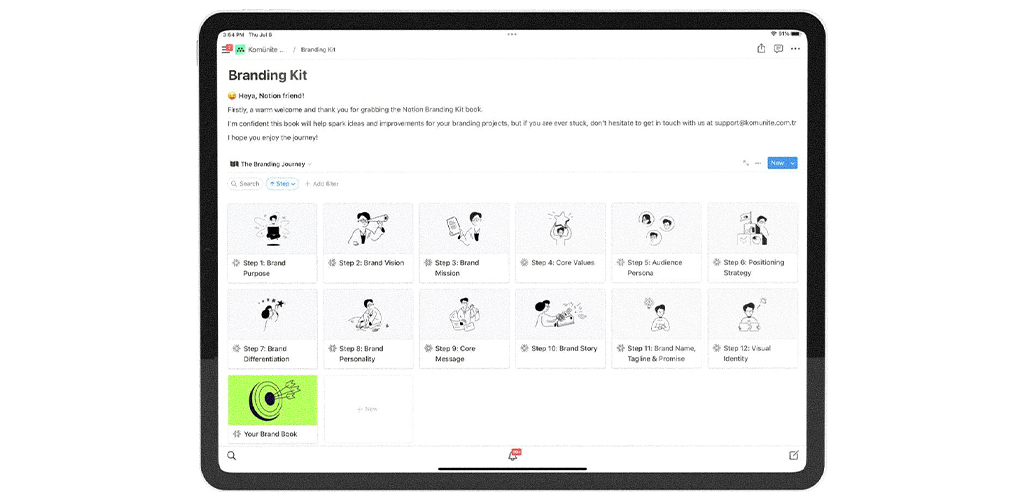
With brands investing more in visual storytelling than ever before, there’s a rising demand for creatives who can design and think strategically. That’s where the Visual Strategist comes in.
And if you want to be a part of Communication Design at JD Institute, you’re already learning these future-ready skills: from layout principles and brand strategy to emotional storytelling and visual trends.
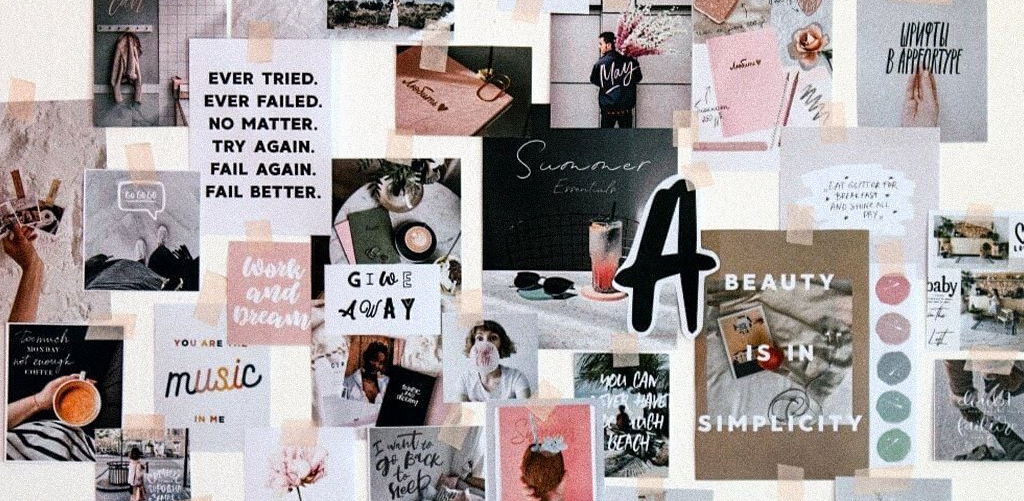
Ever made a collage for your dream bedroom, ideal vacation, or next tattoo? That’s a mood board — and companies now use them too. In fact, they often start a branding or campaign project with mood boards to set the tone.
Take Netflix, for example. Before launching a new show, the design team builds mood boards to define the visual world — colors, textures, lighting, even Instagram filters that match the show’s vibe. These boards guide everything, from the poster to the promo.
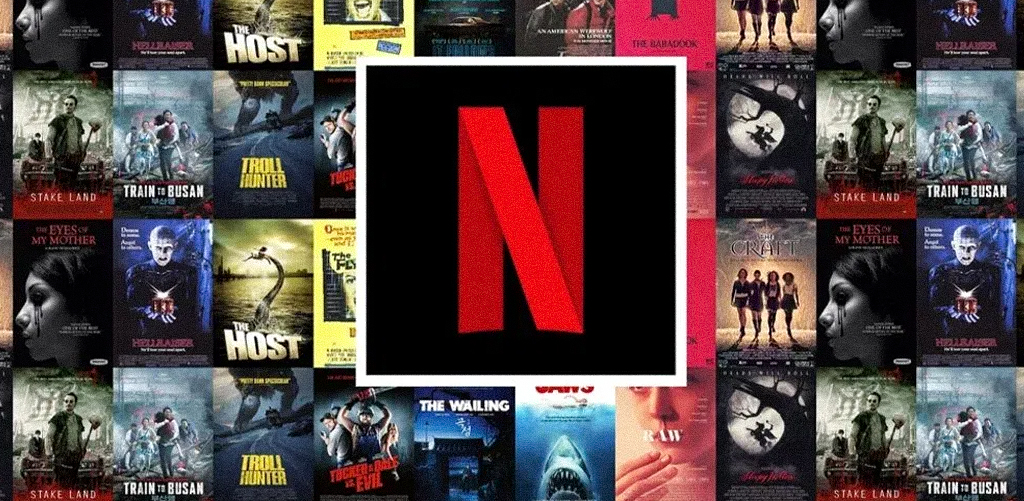
In short: if you can mood board well, you already speak the language of a Visual Strategist. The next step is learning how to use that skill for actual brands and businesses.
If you’re studying or planning to study Communication Design, here’s what you should focus on to get ahead as a Visual Strategist:
All of these are part of the Communication Design course offered at JD Institute, where you will get hands-on experience through real projects and industry exposure. You don’t just learn design — you learn how to use design to make an impact.
Visual Strategists are being hired by:
The beauty of this role is how flexible it is. You can work freelance, start your own agency, or be part of an in-house creative team. You’re not limited to one industry. Wherever there’s design, there’s space for strategy.
You don’t need to wait till after college to explore this. If your head is always bursting with design ideas and your Pinterest is more organized than your closet, you’ve already got the creative instinct. What you need now is direction — and that’s where JD Institute of Fashion Technology comes in. The institute’s design programs are built for tomorrow’s creative thinkers. With mentorship, exposure to real brands, and a curriculum that evolves with industry trends, JD equips you to lead the way — not just follow it.
 Design Blogs
 Watch on youtube


 Downloads

Copyright © 2025 JD Institute of Fashion. All Right Reserved
Designed by




 Quick Menu