


“If you were a video game character, what would you wear?”
Sounds like fun, right? But think about it. The outfit you’d pick for your digital self probably says a lot about you—maybe even more than your everyday wardrobe. That’s because in today’s world, our digital avatars have become powerful expressions of who we are, or sometimes, who we want to be. From Instagram filters to gaming skins to metaverse outfits, personal style has broken past the limits of fabric and entered the realm of pixels. Let’s explore how your identity is being designed in both real and virtual spaces—and how understanding this relationship is shaping the future of fashion, design, and communication.
At JD Institute, students are taught how design helps shape identity in every form—whether it’s fashion, interiors, or digital content.
Let’s explore how personal style is now living a double life—and why design students need to understand both.
When Lady Gaga walked the red carpet in a virtual outfit for the Roblox Metaverse event, the world watched in awe. Her digital avatar didn’t just look like her—it felt like her. This is the new fashion frontier.
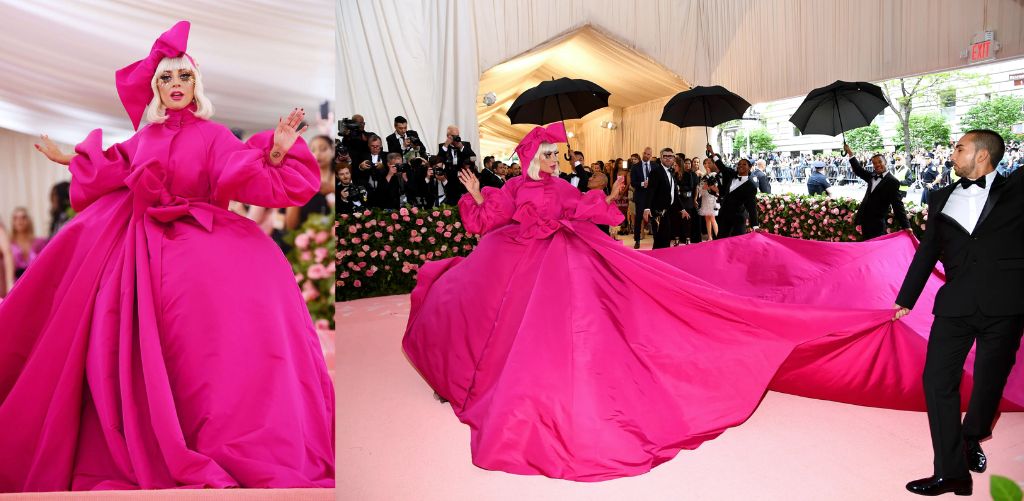
Our digital identities are no longer limited to usernames. What we wear online—whether it’s a gaming skin in Fortnite or a filter for a virtual meeting—tells people who we are. These choices reflect mood, personality, aspiration, and even rebellion.
At JD Institute, this concept is actively explored through fashion and communication design programs where students don’t just design clothes—they design meaning, identity, and presence in both physical and virtual formats.
From Travis Scott’s holographic concert in Fortnite to Lil Nas X’s virtual style drop on Roblox, celebrities are taking their personal style into the digital sphere and turning it into interactive art. These avatars are not random; they are carefully curated extensions of their personalities.

This connection is exactly what students must learn to create—intentional storytelling through visuals. Whether it’s a fashion show or a branding project, the focus should always be on the why behind the design. Students must explore how identity, psychology, and technology intersect to create impactful visuals—on screen and off.
With the rise of virtual fashion brands like DressX and The Fabricant, style is now being created without a single piece of cloth. Think Bella Hadid walking a virtual runway in a digital outfit that doesn’t physically exist—but has been liked, shared, and celebrated by millions.
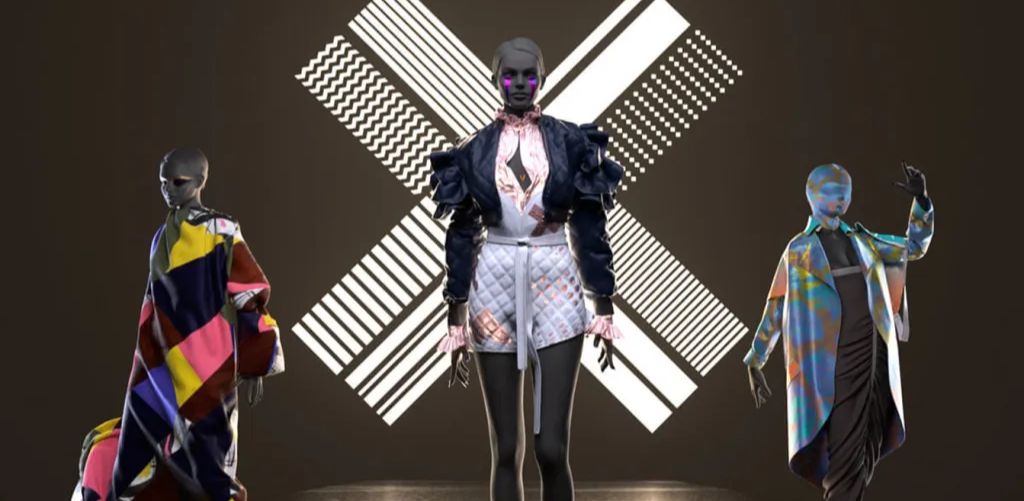
This double-life of fashion—real and digital—requires designers to think beyond trends. They must understand culture, movement, and even how light reflects off digital fabric. At JD Institute, Fashion Design students are encouraged to experiment with 3D tools, and materials to stretch their imagination beyond physical limits. After all, today’s fashion isn’t just worn—it’s uploaded.
Ever noticed how some people use the same filter in every story or how someone’s Bitmoji oddly resembles their vibe? That’s not accidental. These are small, repetitive choices that build a visual identity.

Kim Kardashian’s KKW avatar reflects her minimal, nude-toned brand—simple yet powerful. Even her emoji packs are in sync with her personal style. That’s communication design at play—creating a consistent aesthetic language across platforms. JD Institute’s communication design is made to understand how such visual languages are created. Whether it’s for a brand or an individual, the course teaches how to build style systems that are scalable, expressive, and digital-friendly.
It’s not just your clothes that reflect your identity. It’s your space too. Designers like Zaha Hadid Architects are now creating virtual interiors—floating homes, digital showrooms, and 3D galleries for the metaverse.

In gaming or AR apps, people decorate their digital rooms just like they do in real life. These choices show personality and taste. At JD Institute, Interior Design students are taught to think about both real and virtual spaces. They learn how layout, color, and texture can be used in any environment to reflect the user’s identity.
Your digital self is part of your story now. And if you’re a design student, it’s time to learn how to design for both worlds. Whether you’re passionate about fashion, interiors, or communication design —your future clients, users, or audience will want to feel seen, online and offline.
At JD Institute, you don’t just learn how to make things look good—you learn how to make them mean something. You learn to design identity.
So here’s a challenge: What would your avatar wear today—and what would that say about you?
 Design Blogs
 Watch on youtube


 Downloads

Copyright © 2025 JD Institute of Fashion. All Right Reserved
Designed by




 Quick Menu