

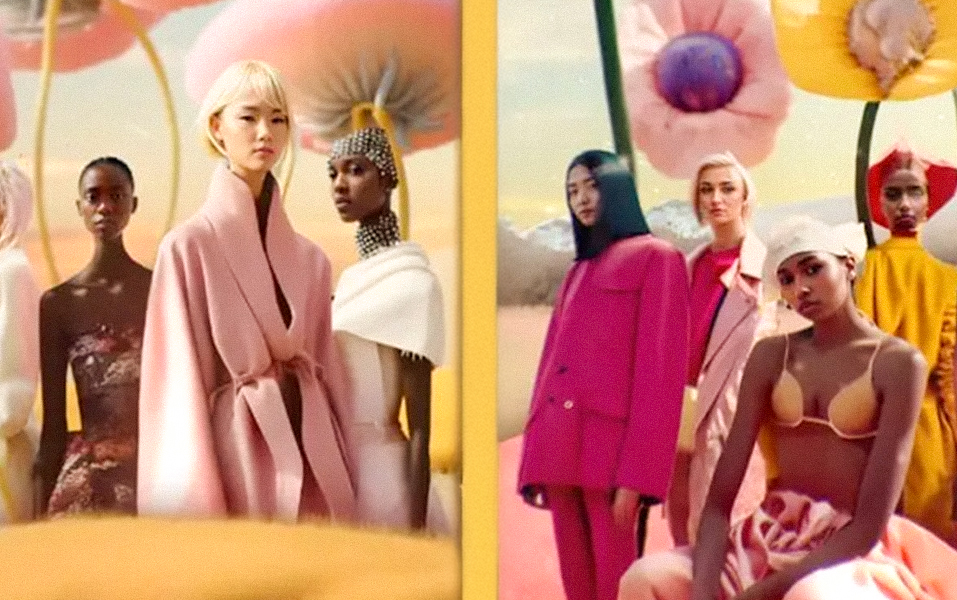
“What if your next fashion muse isn’t human?”
In a world where robots show emotions and androids walk in designer boots, the future of fashion is no longer limited to humans. Sci-fi films like The Creator and Dune: Part Two are showing us what’s next—not just in storytelling, but in style. Costuming is no longer about just dressing actors; it’s about designing for artificial intelligence, cyborgs, and entire civilizations of the future.
This shift is shaking up the world of fashion styling. Now, it’s not just about following trends—it’s about imagining the unimaginable. For today’s aspiring stylists, understanding futuristic costuming is not optional. It’s essential.
Let’s dive into how movies are giving stylists a new job description.
When you look at The Creator, what strikes you first isn’t just the visual effects—it’s the realism of the AI characters. These aren’t your typical robots. They’re beings with personalities, backstories, and wardrobes that reflect both.
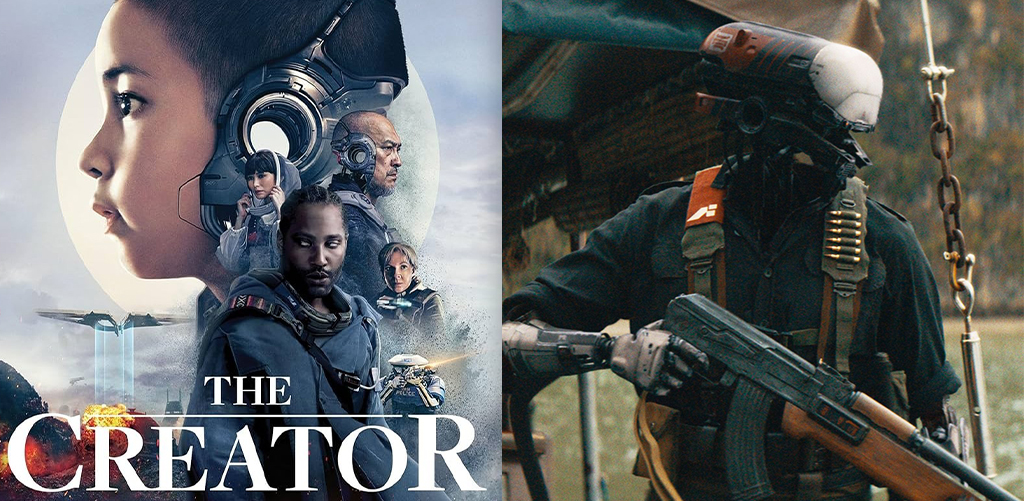
Stylists working on this film had to blend minimalism with emotion—using neutral palettes, functional design, and soft silhouettes to make robots feel “alive.” Costuming became storytelling. It’s not about what’s trending; it’s about what makes sense for a robot raised in a war-torn future.
This level of creativity is exactly what students explore in JD Institute’s Fashion Styling course, where futuristic thinking and narrative styling are core parts of the curriculum.
Frank Herbert’s Dune was already a visual masterpiece, but Dune: Part Two took things up a notch. Stylists didn’t just design outfits—they built a world.
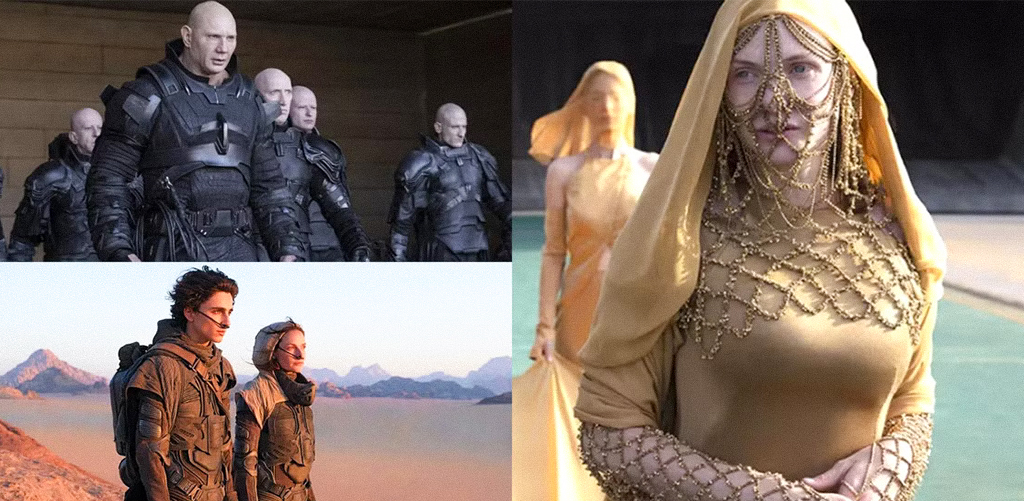
From the moisture-saving stillsuits of the Fremen to the royal gowns of House Atreides, every costume told a political, environmental, and emotional story. Even the color tones—burnt sienna, sand, silver—were chosen to match the planet’s ecosystem.
Here, stylists had to work hand-in-hand with tech, 3D modeling, and even architecture to create believable looks for non-earth cultures. The JD Institute ensures budding stylists don’t just learn fabric draping but also the future of wearable design technologies.
In Blade Runner 2049, Joi—an AI companion—became an icon not just for her dialogue but her fashion. Transparent sheers, holographic overlays, and digital shimmer made her look like a walking screen-saver. But it wasn’t random—it reflected her programmable, ever-changing identity.
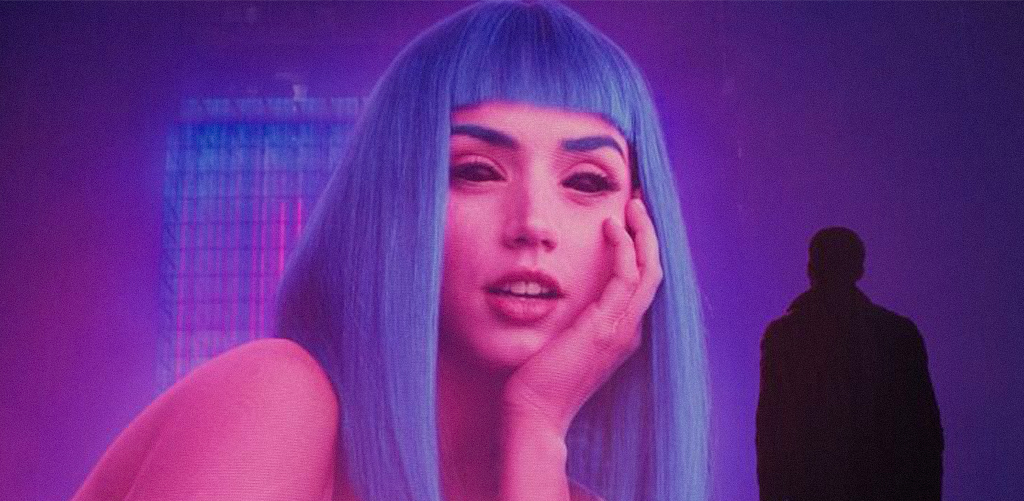
Costumes like these are challenging stylists to think beyond cloth. What does a hologram wear? How does a digital character change outfits in real-time?
Stylists now need to understand CGI, virtual wardrobes, and even motion sensors. Fashion Styling students must explore these areas through live projects, collaborations with tech departments, and styling labs focused on fashion innovation.
From Elysium to Oblivion, costume design in sci-fi is now favoring functionality. Jackets double up as body armor, boots store energy, and every zipper or pocket has a purpose. This “future-military” look is becoming so popular that it’s influencing real-world streetwear too.
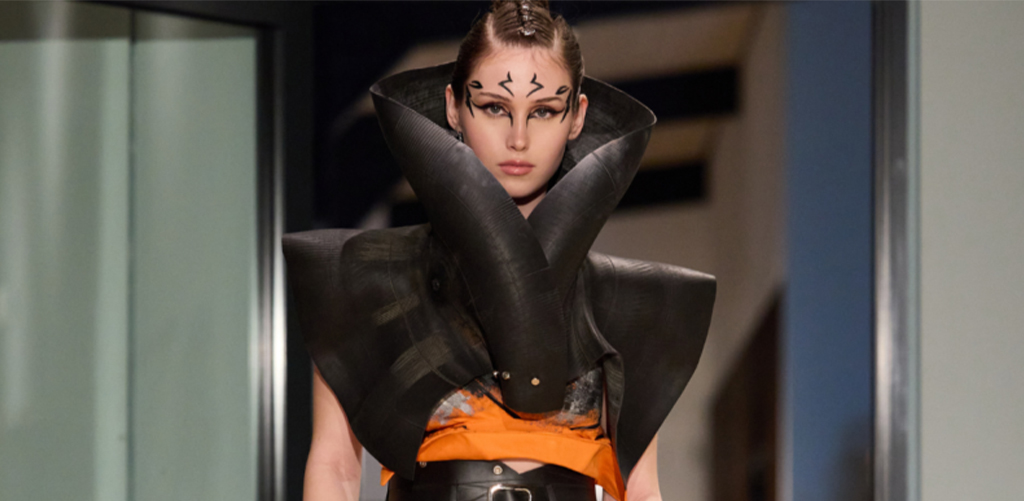
For stylists, this means knowing how to design outfits that can survive space, battle, or nuclear winter—and still look great. Styling is no longer just about aesthetics; it’s about performance.
Learning this balance is a major part of the Fashion Styling course. Students must be trained to not only design for red carpets or met gala events, but also for screen, stage, and the space-age.
Because the industry is heading there. Major brands are already collaborating with AI models. Meta-fashion shows are trending. Designers are styling virtual influencers. Films are hiring stylists not just for human actors, but for avatars and bots.
As a Fashion Stylist, knowing how to style for a future-forward film—or even a virtual fashion shoot—makes you more employable, more relevant, and way ahead of the game and no matter your vision, the future needs stylists who can dream and deliver. Therefore, at JD Institute, students don’t just learn how to dress—they learn how to imagine. So if your creativity belongs in tomorrow’s cinema or digital runways, you already know where to begin.
 Design Blogs
 Watch on youtube


 Downloads

Copyright © 2025 JD Institute of Fashion. All Right Reserved
Designed by




 Quick Menu