

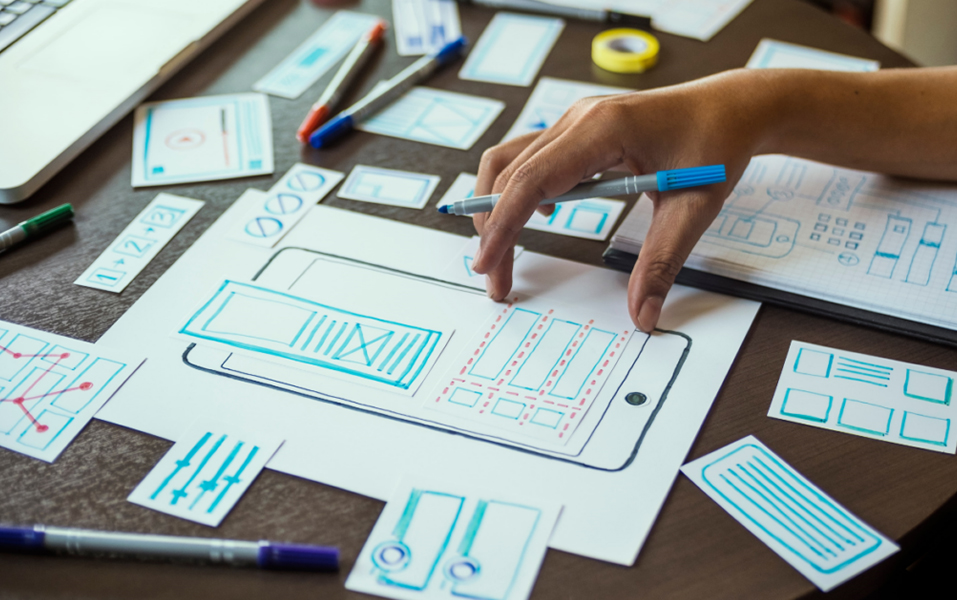
Ever opened a health app and felt totally lost? Like, you just wanted to book a doctor’s appointment, but the app made you click through 10 different buttons? That’s bad UX (user experience), and in healthcare, it can lead to real problems.
Welcome to the world of health apps — where good design can make a huge difference. This blog is all about The UX of Healthcare Apps: Why Designers Are Needed More Than Ever. And if you’re someone learning communication design or thinking about it, this space is full of exciting new career paths. A course like the one at JD Institute of Fashion Technology teaches you how design isn’t just about looks — it’s about making life easier, safer, and smarter.
Practo helps you find and book doctors easily. You can filter by area, experience, or even see reviews — all in a few taps. The design is clean, fast, and doesn’t stress you out.
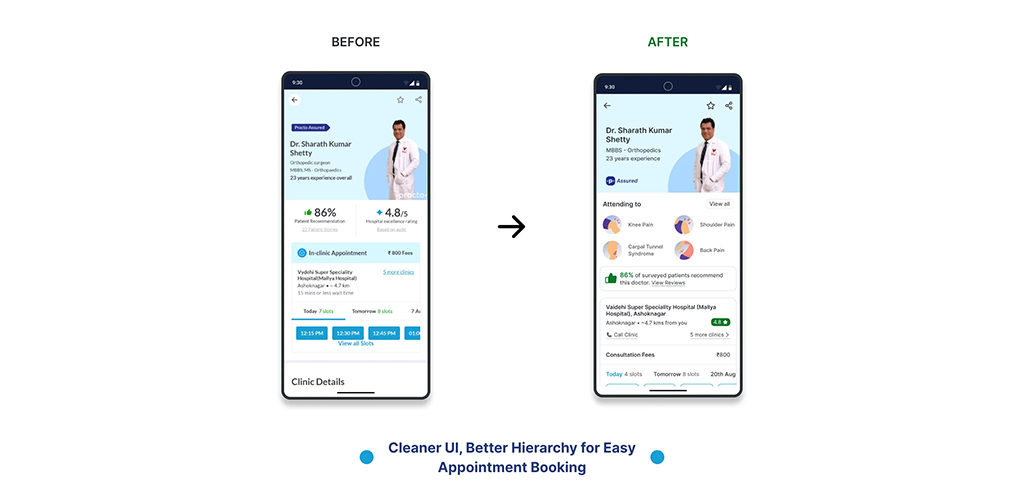
1mg (now Tata 1mg) helps you order medicines online, get lab tests done at home, and even speak to doctors. The reason people trust it? The app is simple to use. It tells you exactly what you need to know, and nothing more.
These apps show how a smart design can make healthcare feel less scary and more helpful.
When someone’s unwell, they don’t want to scroll through endless pages or get confused by tech terms.
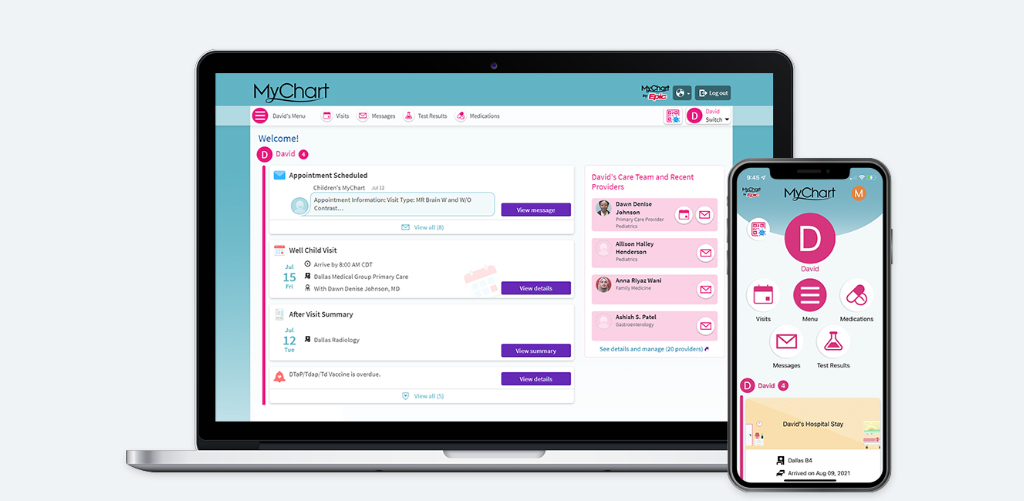
MyChart (used mostly in the U.S.) gives patients direct access to their health reports, prescriptions, and doctor notes. It’s easy to log in, check what you need, and feel in control.
Ada is another great app. You tell it your symptoms, and it gives you possible health info and next steps. What makes Ada stand out is how calm and clear its interface feels. It talks to users in a friendly way — like a real person, not a robot.
This is why designers are so important in health apps. Good UX helps people feel less worried and more supported.
In fact, design students at JD Institute’s Communication Design learn how to mix creativity with real-life problems — like this one.
Not everyone using a healthcare app is tech-savvy. Some are older. Some don’t read English well. Some just want quick help.
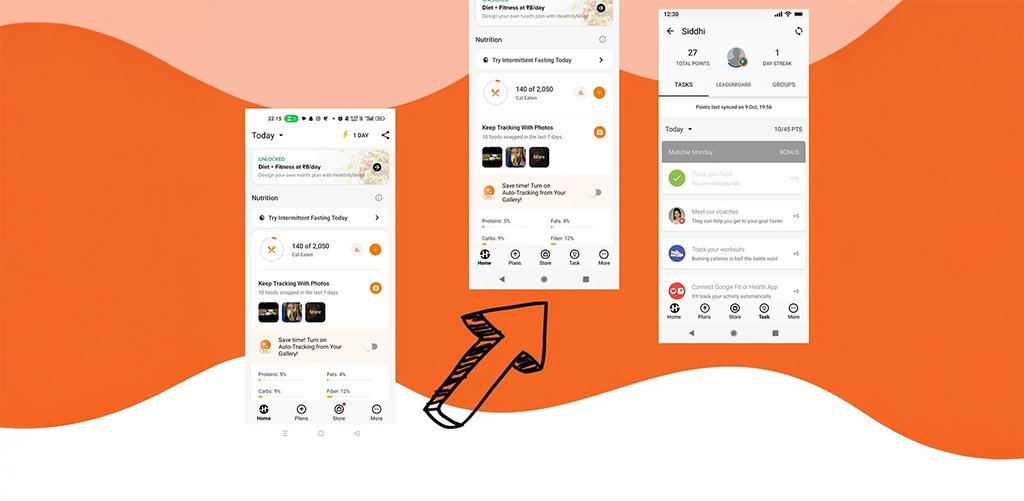
HealthifyMe started as a calorie tracker but now helps people manage weight, track steps, talk to dieticians, and stay healthy. Its simple layout works for users of all ages.
Babylon Health, popular in the UK, offers online doctor consultations. You can talk to a doctor on video and get advice without leaving your home. The app makes the whole process feel easy and private — thanks to great design.
When designers create apps that are easy for everyone, not just tech experts, that’s true UX magic.
MediBuddy is an Indian app that lets users book doctor visits, order medicines, and file insurance claims. Its success lies in how fast and simple the process feels. You don’t have to hunt around the app — everything is right where it should be.
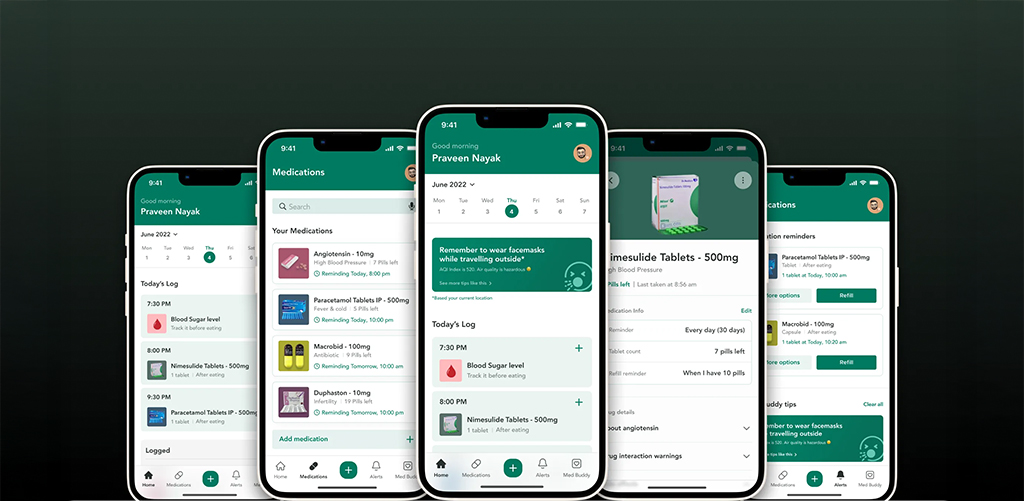
Zocdoc is a U.S.-based app that shows doctors near you, real-time availability, and even lets you book same-day appointments. It looks clean, works fast, and takes just a few clicks. That’s what good UX looks like.
These apps prove one thing: people want healthcare that doesn’t feel like a headache. Designers help make that happen.
Think about it — if your design can help someone book a doctor on time, get test reports easily, or understand their health better, you’re not just designing screens. You’re changing lives.
So whether you dream of working in fashion, tech, or healthcare, the smart move is to build skills that help people. And if you’re starting your design journey, JD Institute’s Communication Design course is a great place to begin.
Your ideas could become someone’s lifeline. Why wait?
 Design Blogs
 Watch on youtube


 Downloads

Copyright © 2025 JD Institute of Fashion. All Right Reserved
Designed by




 Quick Menu