

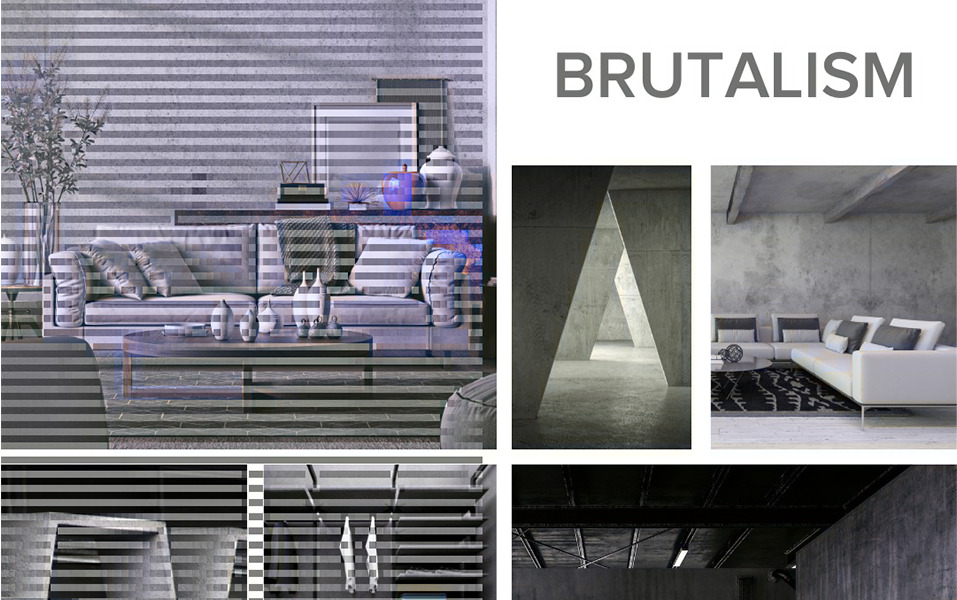
You know — grey walls, concrete floors, super minimal furniture… and yet, somehow, it felt cool. That’s Brutalism. It’s a design trend that looks strong, serious, and sometimes even a bit cold — but lately, it’s making a big comeback, especially among new-age designers.
So why are designers obsessed with Brutalism again (and how can you bring it into your home without making it look like a parking lot)? Let’s break it down.
And hey, if you’re a design student or thinking of becoming one, this is the kind of trend you’ll love learning about in the Interior Design course at JD Institute — it’s where creativity meets real-world design thinking.
The word “Brutalism” comes from the French term beton brut, which means “raw concrete.” It started in the 1950s, when architects and designers wanted to break away from decorative, fancy styles. They were responding to a world recovering from war — one that needed quick, honest, affordable buildings. So they stripped things down to the bare essentials.
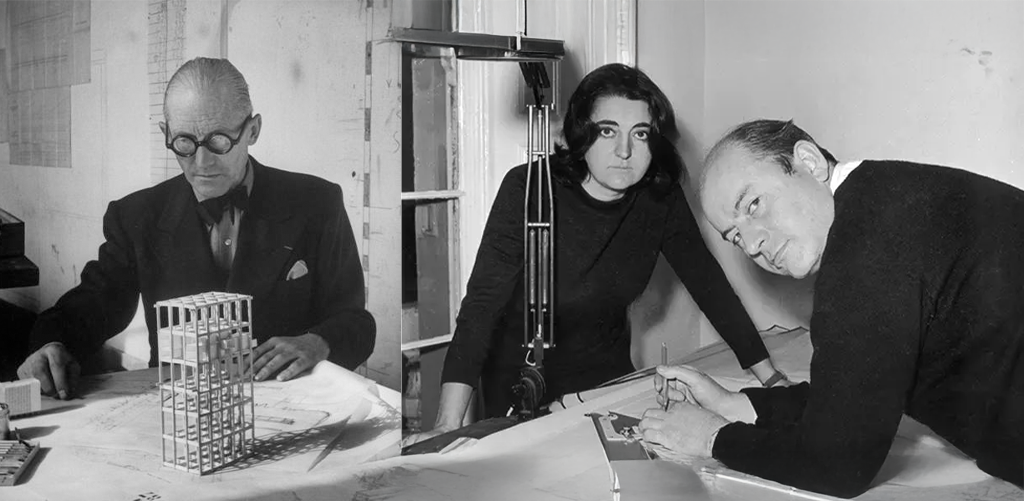
One of the first names you should know? Le Corbusier. He was a modernist architect who used raw concrete and bold geometric shapes to build structures that felt powerful and practical. His design for Unite d’Habitation in France is considered one of the earliest brutalist buildings.
Then came Alison and Peter Smithson, a British duo who really defined the brutalist movement. Their Hunstanton School and Robin Hood Gardens were about function over flair — buildings that showed their structure with pride.
So what can design students learn from them?
That great design isn’t always about being pretty. Sometimes, it’s about being real. Brutalist designers focused on purpose, materials, and truth — all lessons that still matter today, especially when designing sustainable, honest spaces.
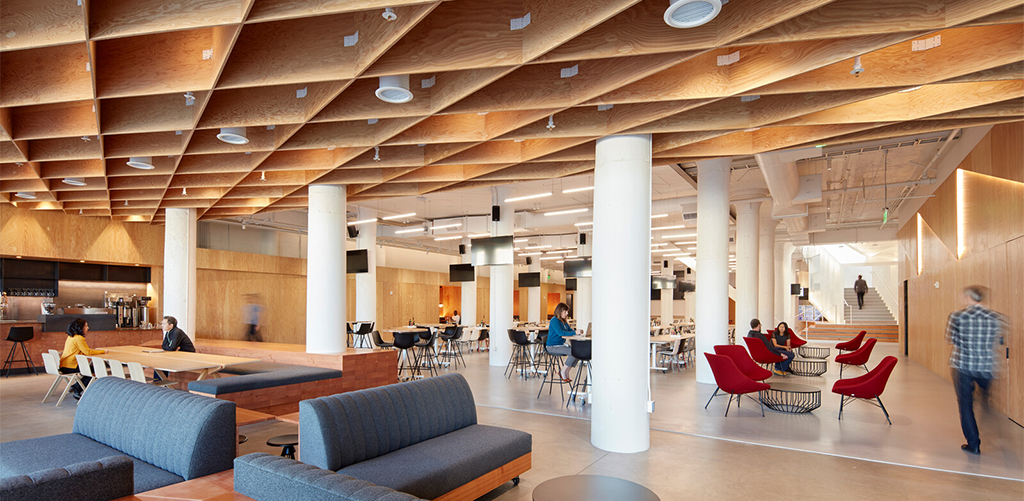
Example: Pinterest HQ, San Francisco
Pinterest’s office mixes cold concrete with warm lights, plants, and soft fabrics. The result? A space that’s strong and welcoming. You can do the same at home.
Try this:
At the JD Institute, students learn how to mix materials and moods to turn even bold ideas like Brutalism into livable, lovable interiors.
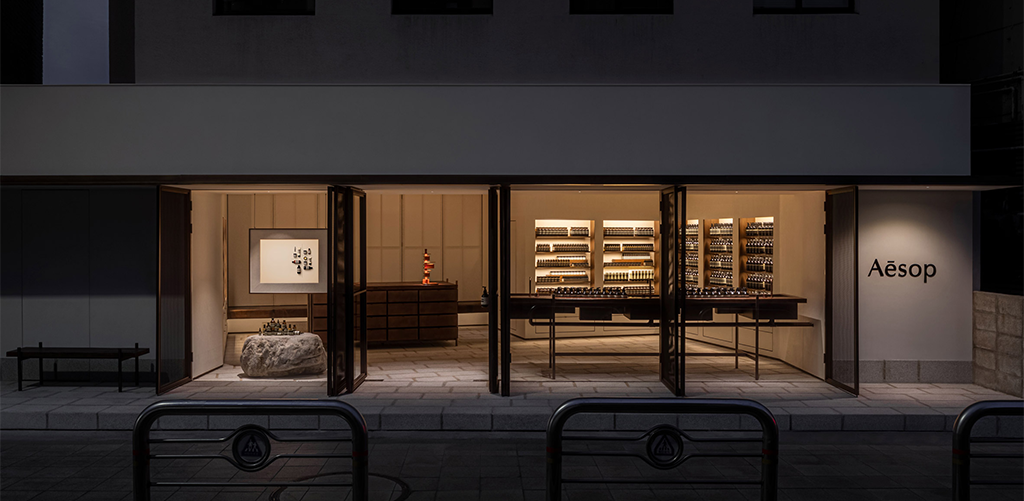
Example: Aesop Stores Around the World
Skincare brand Aesop has brutalist stores with raw concrete sinks, metal shelves, and simple layouts — but they feel calm, not cold. That’s the trick.
If you want to try this look:
Good design isn’t about doing a lot. It’s about doing the right things, the smart way — something interior design students need to understand early on.
Example: Berlin Airbnb Lofts
Some Airbnb apartments in Berlin have brutalist touches like concrete ceilings or metal lighting. But they balance it with soft bedding, colorful art, and cozy furniture.
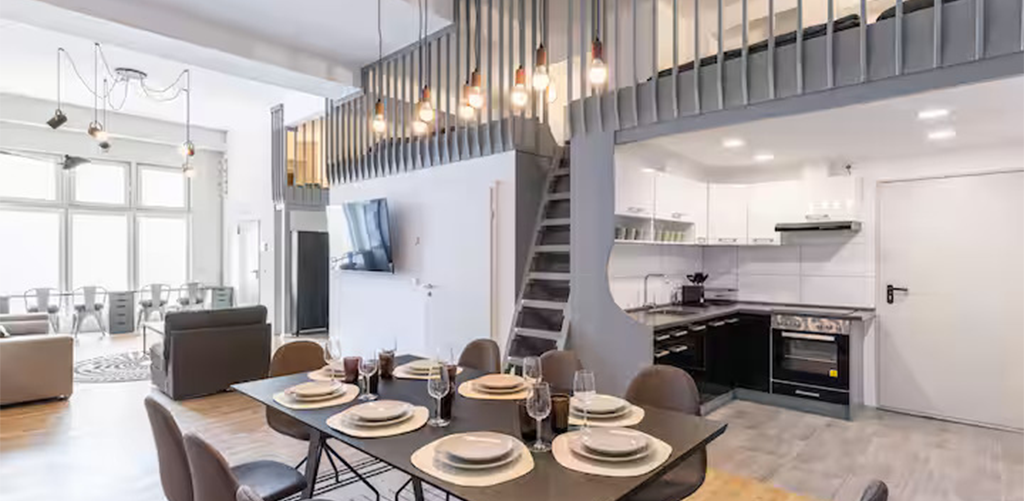
This works because:
Designers today love using this trend in bits and pieces — and so should you. And if you’re learning interior design, you’ll find out how small changes can make a big impact.
Example: Monocle Cafe, London
Yes, even bathrooms are getting a brutalist glow-up. At the Monocle Café in London, the bathroom has raw stone finishes, matte black fixtures, and a clean, minimal look — but it still feels classy.
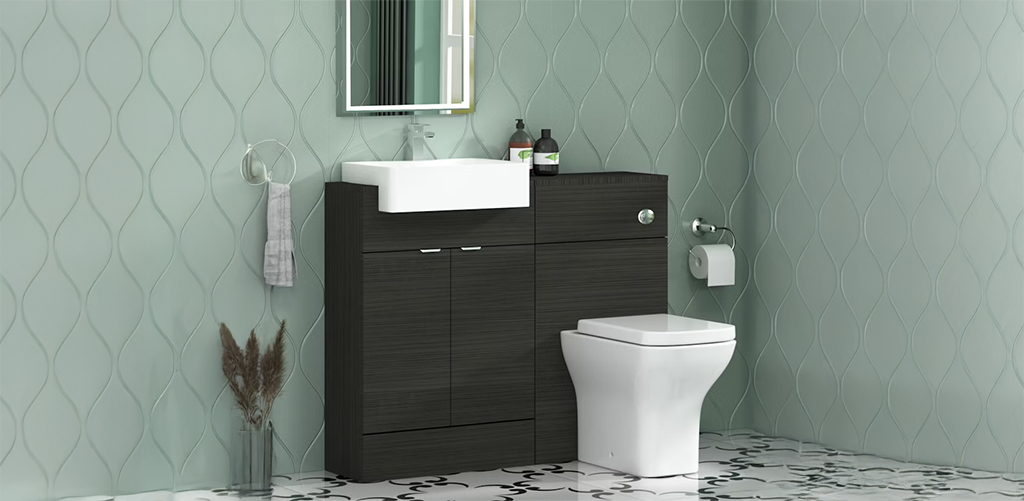
To try this at home:
In the Interior Design course like the one at JD Institute, students explore how to apply trends like this in functional spaces, not just fancy showrooms.
It’s bold, it’s back, and it’s here to teach you how to design like a pro — with confidence, clarity, and character.
So, if you’re dreaming of becoming an Interior Designer who actually gets why spaces work the way they do, start your journey where all the creative action happens — at JD Institute.
Because trends come and go. But knowing how to make them work? That’s what turns you into a designer worth remembering.
 Design Blogs
 Watch on youtube


 Downloads

Copyright © 2025 JD Institute of Fashion. All Right Reserved
Designed by




 Quick Menu