

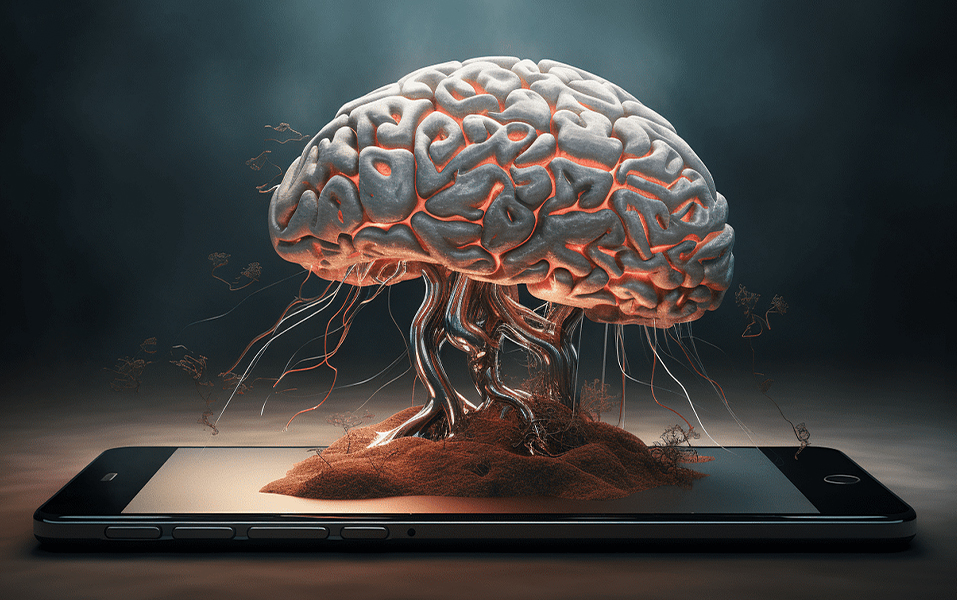
“Design is not just what it looks like and feels like. Design is how it works.” – Steve Jobs.
Ever wondered why a sleek black dress makes you feel confident, or why walking into a well-lit cafe instantly lifts your mood? That’s not coincidence — it’s design psychology at play. Behind every thoughtfully crafted product, outfit, or space lies a deep understanding of how human brains think, feel, and behave. Welcome to the world where cognitive science and creativity collide — where form and function become silent influencers of your daily decisions.
At the JD Institute of Fashion Technology, future designers aren’t just taught to make things look pretty. They’re trained to decode the why behind every successful design — the human psychology that powers perception, emotion, and behavior.
Let’s explore how design isn’t just seen or touched — it’s felt, processed, and lived.
Your brain is hardwired to crave harmony. When something looks good and works smoothly, it gives us a sense of satisfaction and trust. This is the magic of form and function working hand in hand.
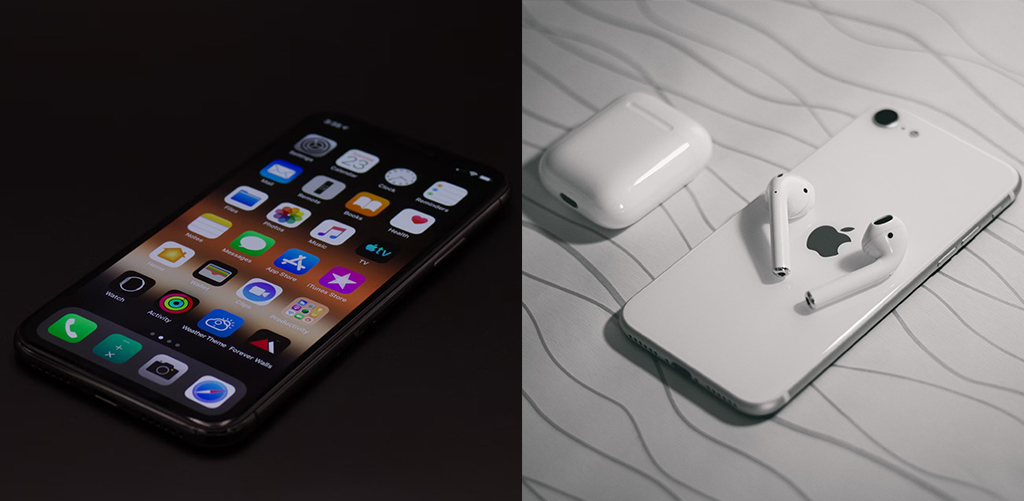
Take Apple’s iPhone. Its minimalist look and intuitive user interface are a direct result of psychological research on cognitive load — the less mental effort it takes to use a product, the more we love it. The sleek design isn’t just for aesthetics; it reduces friction, increases emotional engagement, and makes users feel smart and in control.
In fashion design, silhouettes that complement the human body, fabric choices that consider comfort, and even zipper placements are based on ergonomic and psychological cues. People are more likely to wear what makes them feel good, not just look good — and that’s a powerful insight for any designer.
Ever noticed how you breathe easier in a decluttered space or feel energized in a room with natural light and pops of yellow? That’s your environment playing with your subconscious.
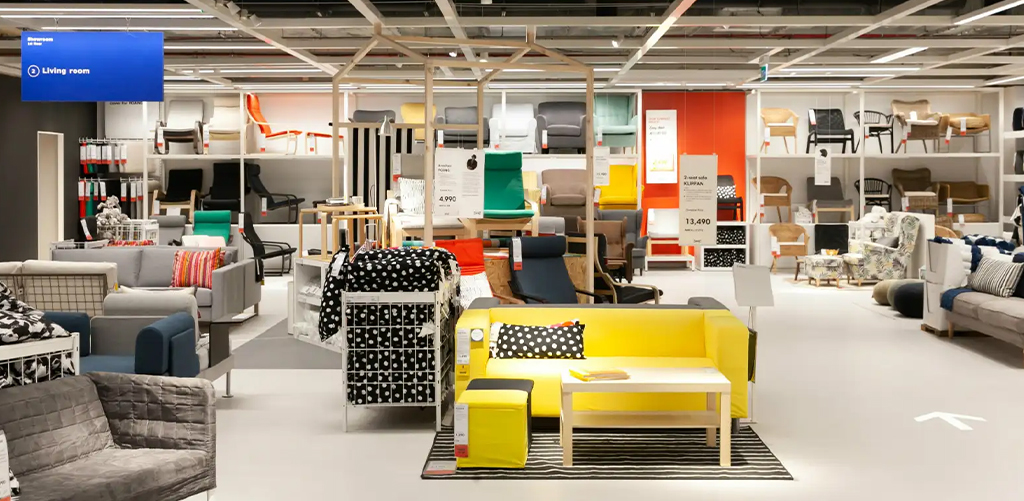
IKEA’s store layout is a perfect example of psychology in motion. The maze-like path encourages longer browsing times, subtle lighting shifts direct your attention, and strategically placed low-cost items create the illusion of affordability — all to influence shopper behavior. Every curve and corner is a silent suggestion.
Similarly, in interior design, colors, textures, and spatial flow are key psychological tools. Rounded furniture evokes softness and safety; earthy tones create calm; symmetry offers a sense of control. Designers who understand how environments affect mood are able to create homes, offices, and commercial spaces that feel right — even if the users don’t know why.
Your brain processes visuals 60,000 times faster than text. That’s why communication design — from packaging to posters — relies heavily on visual hierarchy, color psychology, and typography to get messages across quickly and effectively.
Think about McDonald’s red and yellow branding. Red stimulates appetite, yellow sparks happiness and grabs attention — both chosen to trigger fast, emotional responses. It’s not random; it’s rooted in behavioral psychology.

At JD Institute, the Communication Design course dive deep into how layout, contrast, spacing, and visual cues guide attention and decision-making. Whether it’s a campaign or a product label, the goal is to not just inform, but to influence — smartly and ethically.
Humans are emotional creatures. We assign feelings to objects and spaces — sometimes even personalities. This is where design psychology becomes storytelling.
Why do people love vintage clothing or handmade decor? It’s not just aesthetics; it’s nostalgia, identity, and emotional resonance. Designers who understand this emotional mapping can craft experiences that feel personal and memorable.
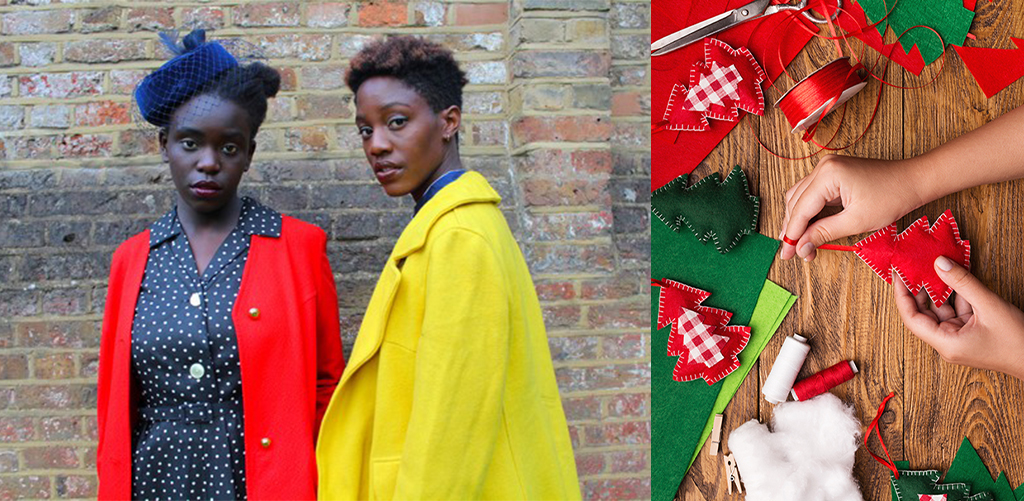
At JD Institute, learners are encouraged to explore these deeper layers of design. How does a certain cut or color feel on the skin or in the heart? How can we design for empathy, inclusivity, or even activism? These questions matter — and future designers are taught to seek answers from both art and science.
Design doesn’t just appeal to the eyes — it whispers to all the senses. When form and function consider touch, sound, smell, and even temperature, they create richer emotional connections.
Consider the soft-touch matte packaging of luxury cosmetics — it communicates sophistication before you even open the product. Or how retail stores like Abercrombie & Fitch use signature scents to build brand identity. These sensory triggers tap into associative memory — our brain’s ability to link feelings to physical experiences.
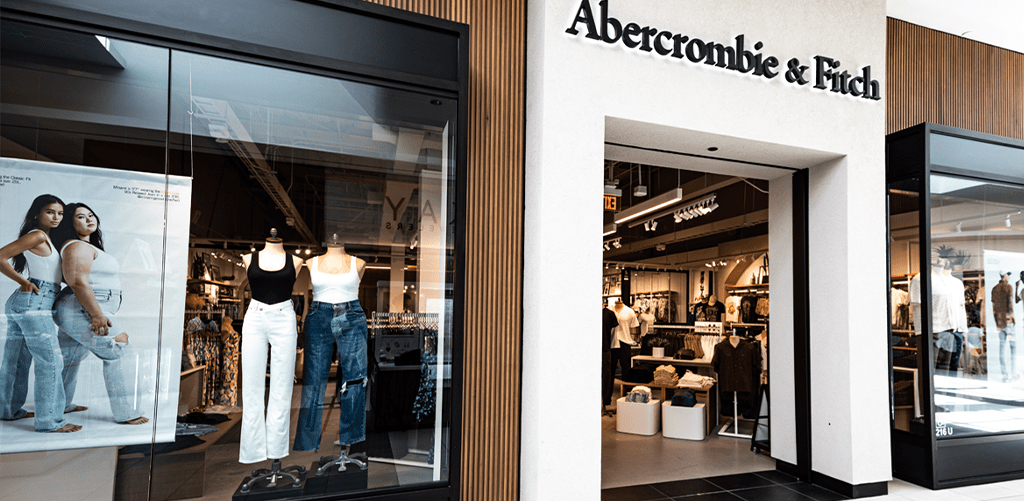
In Visual Merchandising, textured walls, ambient music, and warm lighting build a sensory narrative, and this is something that the Jediiians explore in JD Institute, as in how to design for a complete sensory experience — not just what users see, but how they feel, move, react, and remember. Because great design isn’t just visual — it’s visceral.
Design is not just decoration — it’s persuasion, connection, and behavior engineering. And understanding that takes more than talent; it takes insight. That’s exactly what students at JD Institute of Fashion Technology are trained for — to create designs that are not just visually powerful, but psychologically impactful. Whether it’s shaping how people dress, how they feel in a space, or how they respond to a message, JD teaches you to be a designer who thinks beyond trends — someone who asks why it works, not just how it looks.
 Design Blogs
 Watch on youtube


 Downloads

Copyright © 2025 JD Institute of Fashion. All Right Reserved
Designed by




 Quick Menu