

“What if your home knew your needs even before you spoke to them?”
Imagine walking into a room that understands you. The lights adjust gently for your eyes, furniture responds to your comfort, and the layout guides you with ease. This isn’t the future—it’s inclusive interior design. A human-centric approach that goes beyond aesthetics to create spaces that truly feel like home for the elderly, the differently-abled, and the neurodivergent.
In this blog, we’ll explore what it takes to design spaces that care for everyone—and why the next generation of designers must lead this change.
Aging doesn’t mean slowing down—it just means spaces need to catch up. For elderly individuals, inclusive design means creating environments that support independence, safety, and ease.
Key applications:
Real-world inspiration:
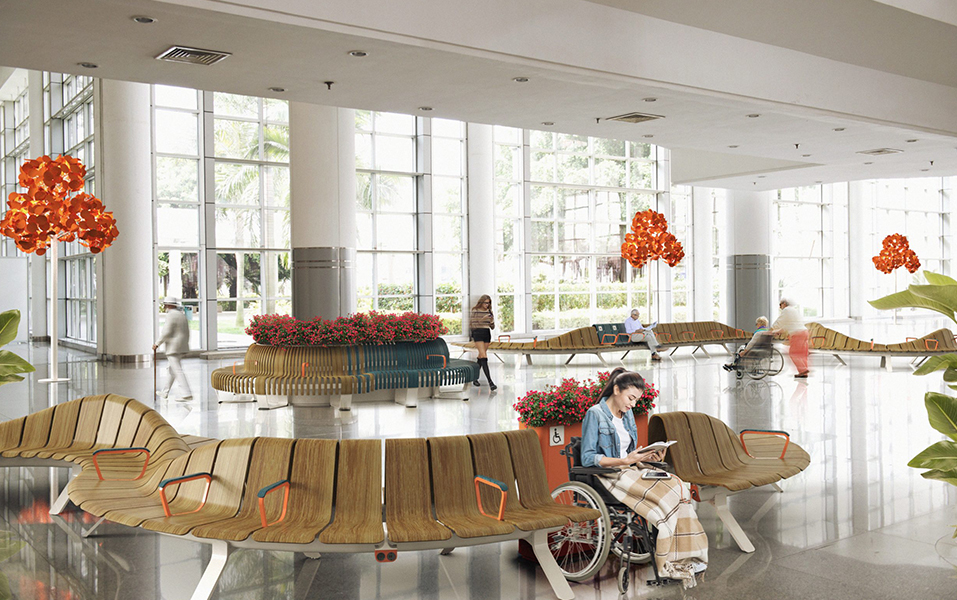
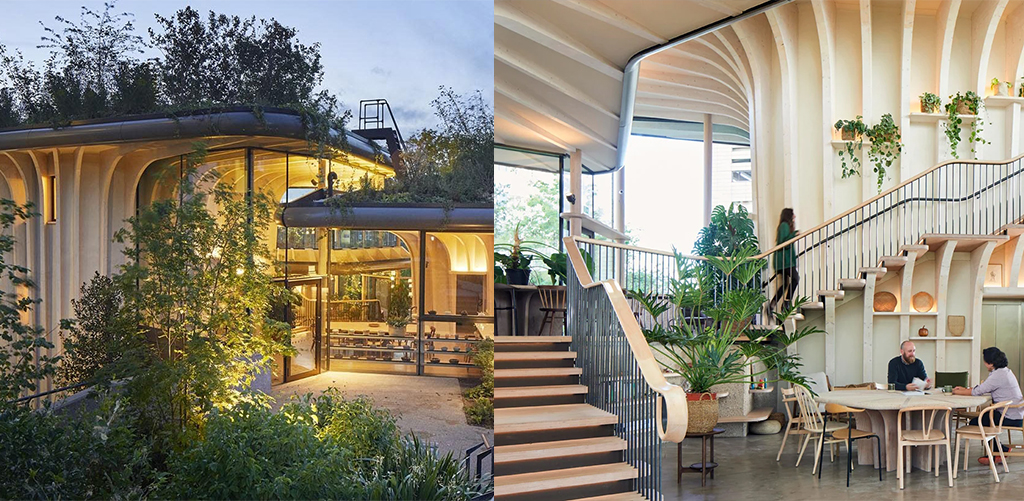
The Maggie’s Cancer Care Centres across the UK, designed by top architects like Frank Gehry and Zaha Hadid, are perfect examples. These cancer care centers use warm lighting, accessible layouts, and nature-focused interiors that reduce stress and promote healing—designed especially with aging patients in mind.
Why it matters:
At JD Institute, students learn to blend form with function, understanding how space impacts mobility and mental wellness, especially for seniors. These practical lessons go beyond theory and empower students to design Interior spaces that care.
Disability isn’t a design limitation—it’s a design opportunity. Inclusive interiors should be about removing physical and psychological barriers while enhancing usability for everyone.
Key features to consider:
Iconic example:
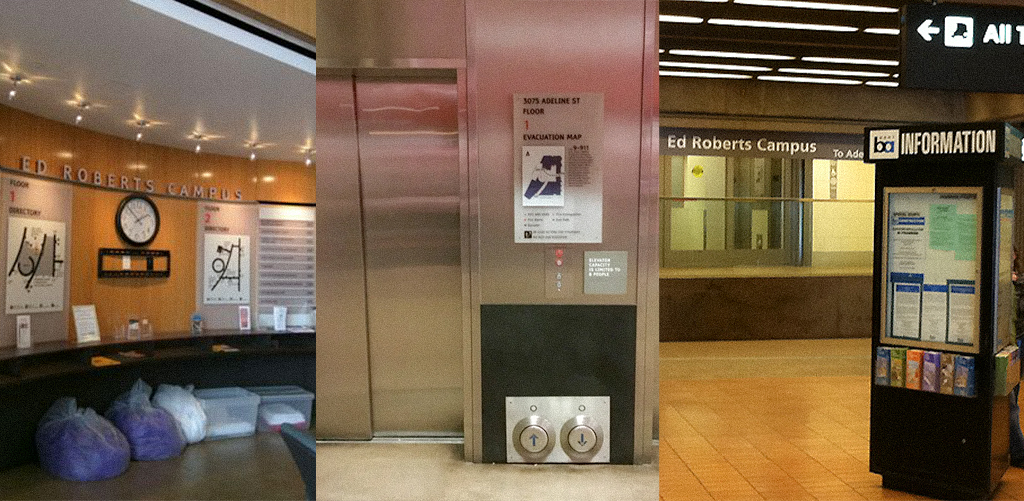
The Ed Roberts Campus in Berkeley, California is a masterclass in universal design. Built with input from disabled individuals, it features wide hallways, Braille signage, and sensor-activated doors—all seamlessly blended with style.
What aspiring designers should learn:
Design should never exclude. JD Institute’s curriculum of Interior Design pushes students to learn to prototype spaces, ensuring they design with empathy and understanding.
Neurodivergent individuals, including those with autism, ADHD (Attention deficit hyperactivity disorder), and sensory processing disorders, experience spaces differently. Design for them should be calm, intuitive, and sensory-friendly.
Design approaches include:
Famous reference:
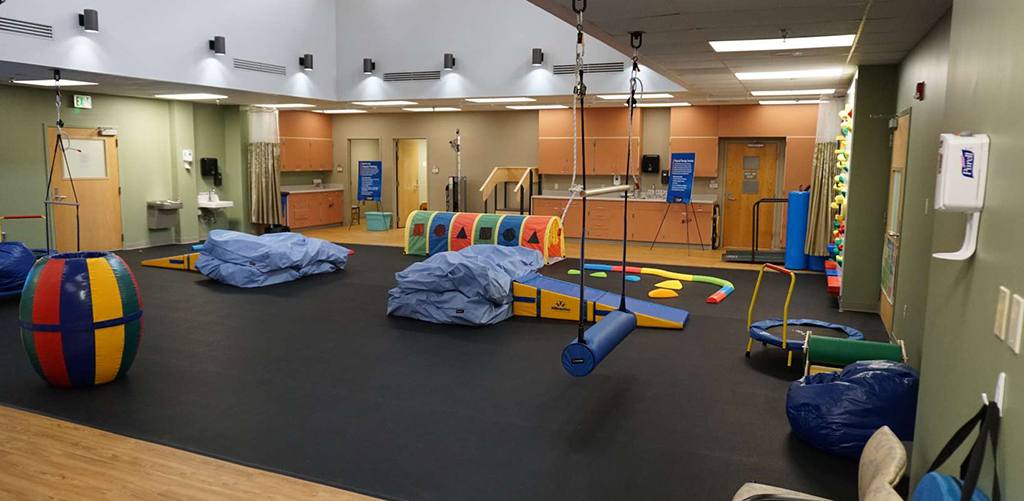
The Autism ASPECTSS™ Design Index, used in educational spaces like the Haugland Learning Center in Ohio, offers clear principles—like low-stimulation environments, clear visual cues, and safe sensory zones—that are transforming classrooms for neurodivergent students.
Design students must grasp:
Understanding sensory triggers is vital. Students must be introduced to behavioral psychology and neuro-inclusive design practices, preparing them to create spaces that soothe instead of overwhelm.
At the heart of inclusive design lies one powerful concept: empathy. The best designers aren’t just creators—they’re listeners. Understanding the stories and challenges of users helps build interiors that heal and connect.
Best practices:
Case in point:
The VanDusen Botanical Garden Visitor Centre in Vancouver, by Perkins+Will, was designed using feedback from a wide range of community members, making it both ecologically sustainable and universally accessible.

How JD Institute prepares you:
Through hands-on projects, community collaborations, and real-time workshops, JD students don’t just learn design—they learn how to think like a designer. That difference shapes spaces that people can live in, grow in, and heal in.
Inclusive interiors aren’t just about following rules—they’re about reimagining what’s possible. Every design choice becomes a gesture of care. Whether it’s a kitchen a grandparent can use comfortably, a sensory corner for a child with autism, or a tangible hallway for someone with low vision—these thoughtful choices make all the difference.
If you’re someone who sees design as a way to change lives, you’re already halfway there.
The other half? Learning how to turn your empathy into action—and that’s exactly where the Interior Design course at JD Institute steps in. It’s not just about learning trends. It’s about learning to design with purpose.
So, what will your next design say?
Let it say: “You belong here.”
 Design Blogs
 Watch on youtube


 Downloads

Copyright © 2025 JD Institute of Fashion. All Right Reserved
Designed by




 Quick Menu