

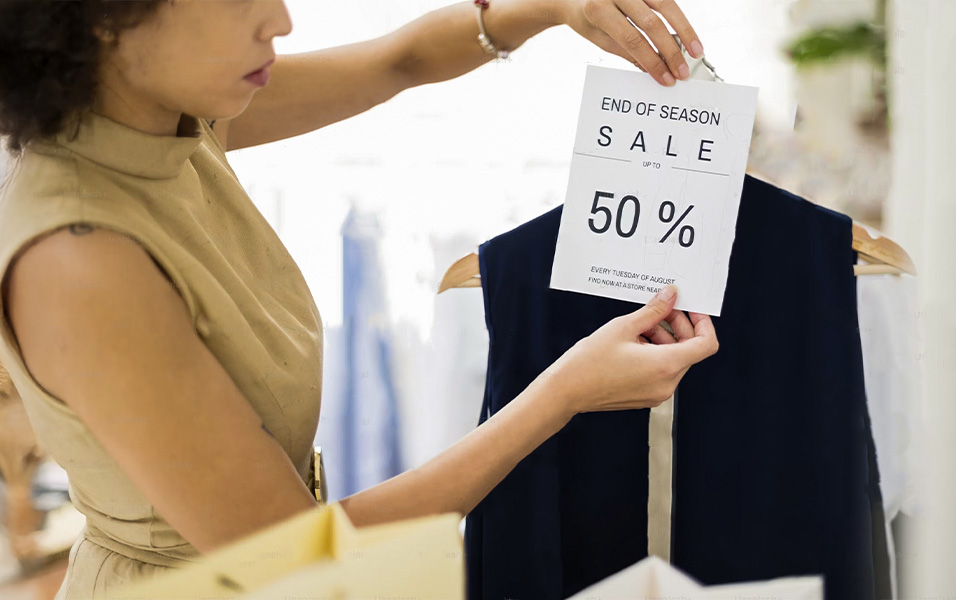
Scarcity marketing plays with the idea that when something is limited, it becomes more valuable in our minds. This isn’t new—it dates back to luxury brands like Hermes with their extremely limited Birkin bags. The harder it is to get, the more desirable it becomes.
You’ll often see phrases like:
This creates urgency. It whispers to your brain, “Act fast or regret later.”
At JD Institute’s Visual Merchandising course, students learn how to design such layouts and messaging that tap into this psychology. It’s not just about putting products on shelves—it’s about knowing what makes people reach for them faster.
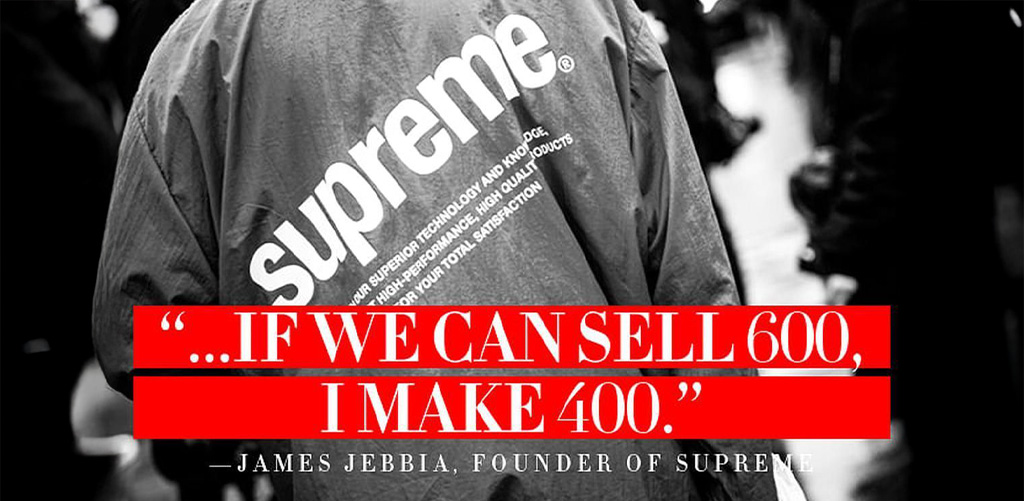
FOMO—Fear Of Missing Out—is no longer just internet slang. In retail, it’s a full-fledged strategy. Think of Supreme’s iconic product drops. They don’t just sell products; they create hype that makes people camp overnight outside their stores.
Visual merchandisers use:
These tricks make customers feel that everyone is buying in, and if they don’t act now, they’re out of the trend loop.
JD Institute helps aspiring merchandisers to master this art of retail timing and consumer psychology, helping them set up experiences—not just displays.
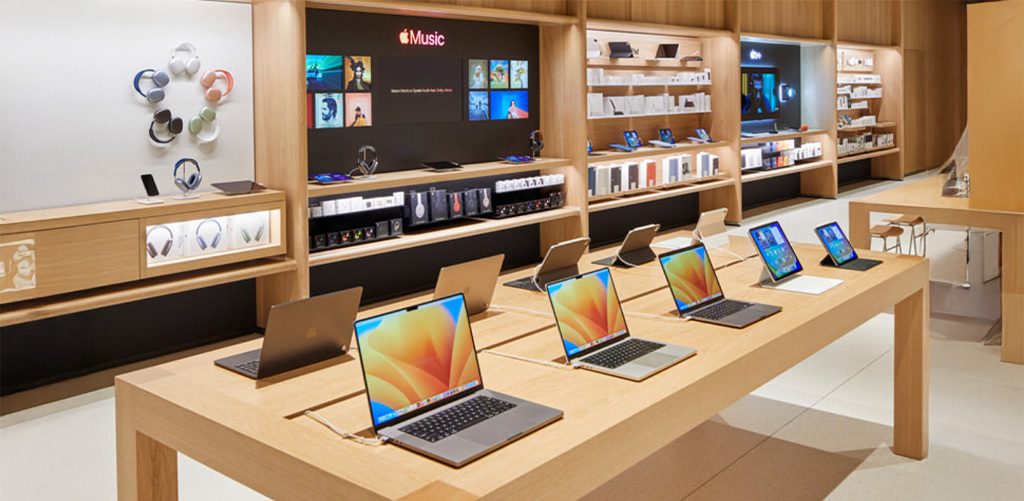
Have you ever walked into an Apple Store and felt drawn to touch everything? That’s no accident. Every product is placed at a specific angle, height, and space to invite interaction.
Visual merchandisers apply psychological techniques like:
These aren’t random—they’re rooted in consumer behavior studies.
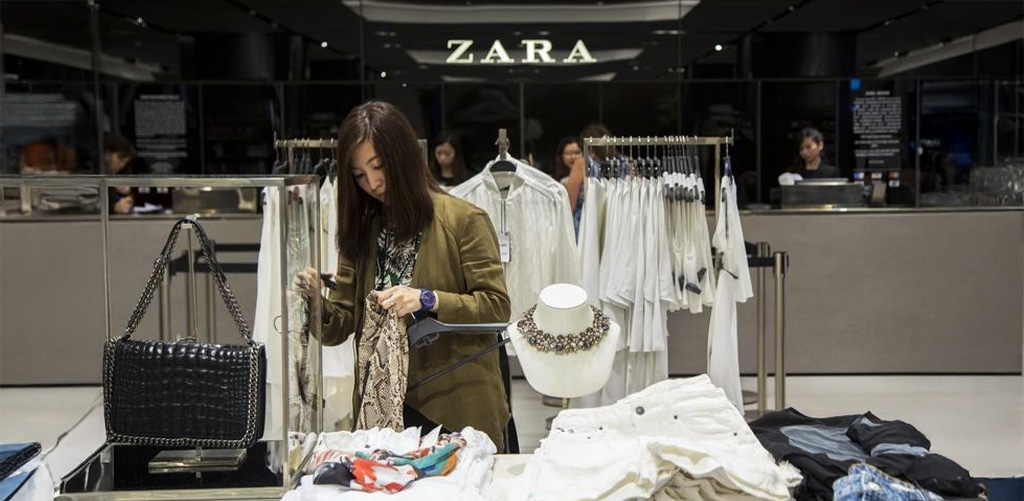
Sometimes, a sold out board is left on purpose even when the stock is refilled. Why? To increase perceived value. Brands like Zara often rotate stocks quickly, letting items vanish and return, building the illusion of demand.
This technique:
Aspiring visual merchandisers must learn when to use illusion, and when to be direct for it’s a fine balance.
Sometimes, the product scarcity we see isn’t real—it’s manufactured. But does that make it unethical? Not always. In fact, some of the most successful brands in the world have built their entire identity around limited availability and timed hype. Yeezy by Kanye West uses artificial scarcity to keep their resale value and desirability high.
Even fast-fashion brands like H&M, during designer collaborations (like with Balmain or Moschino), have used phrases like “limited edition” and “one-time-only collection” to spark mad rushes online and in-store.
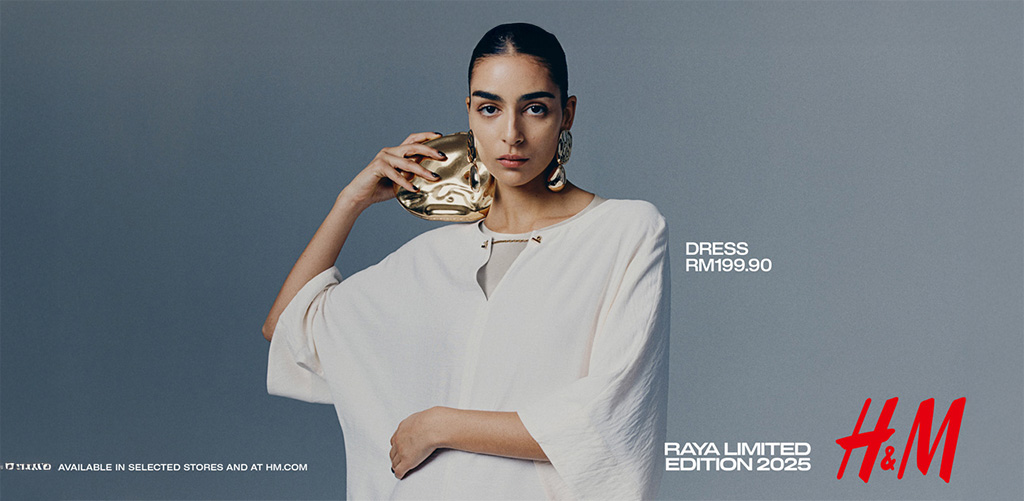
What these brands are doing is tapping into consumer psychology—making people believe that if they don’t buy now, they’ll miss something big. It’s a fine line between manipulation and marketing brilliance. And for visual merchandisers, understanding this balance is crucial. It’s not just about styling a product—it’s about creating perceived value through timing, layout, and messaging.
Think of Anthropologie. Their window displays aren’t just pretty—they’re hand-crafted art pieces that change with seasons or social movements. They don’t just sell clothes; they sell a mood, a moment, an aesthetic. Once inside, the layout feels like wandering through a whimsical, creative home—encouraging exploration and emotional connection. Or take Nike flagship stores, like the one in New York. Every section is immersive. There are mini basketball courts, treadmill stations to test shoes, even digital screens where you can personalize sneakers.
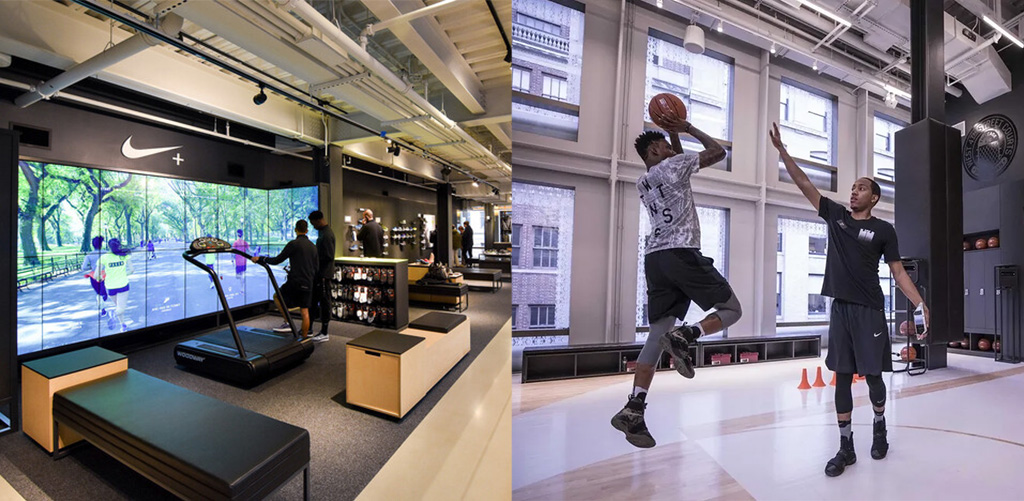
These brands understand that people no longer shop for just products—they shop for meaning, feeling, and identity. And visual merchandisers are the architects of that journey.
Retail isn’t just about buying anymore—it’s about experiencing, rushing, wanting, and sometimes even regretting. Visual merchandisers are the silent storytellers who make us feel all of this without saying a word.
If you’re someone who sees magic in displays and strategy in every “sold out” board, it’s time to turn that instinct into a career. Because, just like those limited drops, opportunities to learn from the best—like JD Institute—don’t stay on the shelf for long.
Ready to design the moment someone decides to buy?
 Design Blogs
 Watch on youtube


 Downloads

Copyright © 2025 JD Institute of Fashion. All Right Reserved
Designed by




 Quick Menu