

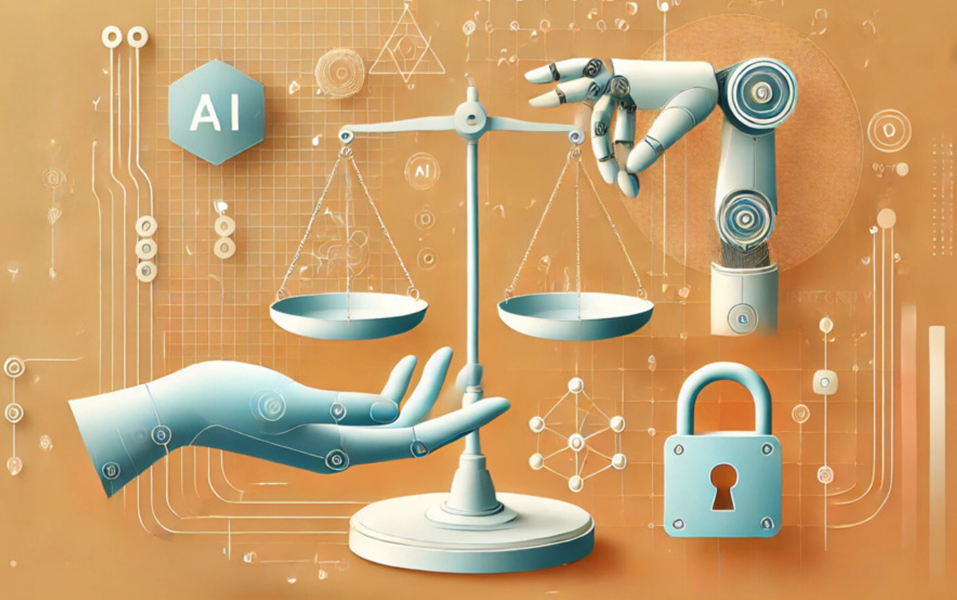
“A blank canvas used to wait for a human hand. Now, it might just be waiting for a bot.”
Imagine asking a robot to design a logo or a dress—and it actually does it! That’s not the future. It’s today. Designers around the world are using tools like Midjourney, DALL·E, and Runway to create art, logos, fashion illustrations, and even full collections.
But here’s the big question: who owns that design? You, or the machine?
Let’s dive into how this impacts creativity, ownership, and why new-age designers must understand these topics from day one.
In 2022, an AI-generated artwork titled “Theatre D’opera Spatial” won first place in a fine arts competition in Colorado. The twist? It was created by a human using a tool called Midjourney. This sparked outrage in the art community. Was it cheating? Or just a new kind of collaboration?

Designers must now question: if AI does the heavy lifting, where does human creativity fit in? At JD Institute of Fashion Technology, students learn how to navigate these very dilemmas. Whether it’s generating a garment or visualizing interior spaces through AI, the emphasis is on combining human intuition with machine intelligence responsibly.
Let’s say you use AI to create a poster or a product design. Can you say it’s 100% yours?
Here’s a real-world case: Getty Images sued an AI company for using its photos to train their machine without permission. That’s a big deal! Why? Because the machine “learned” using someone else’s work.
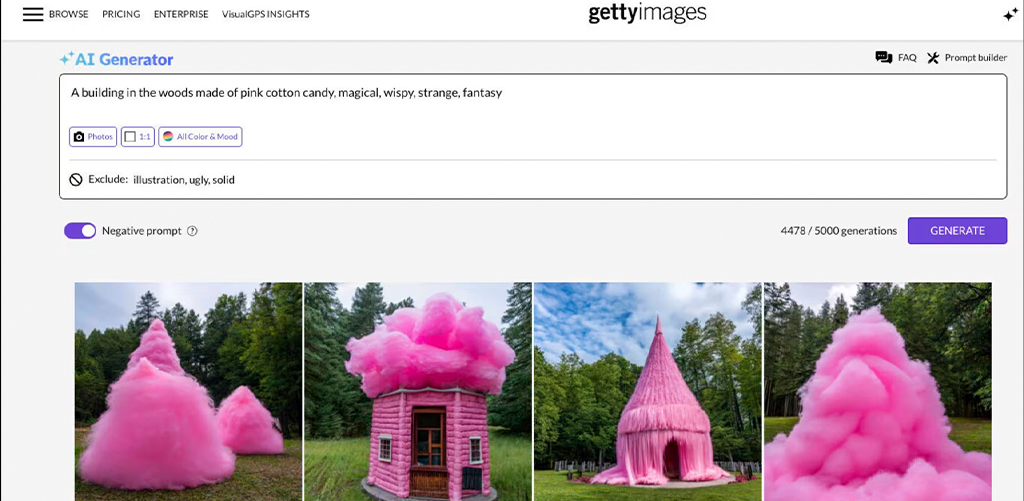
That’s why designers today must understand intellectual property—the rules around who owns what in the creative world. JD Institute ensures students learn about copyright, fair use, and how to use AI tools wisely. This way, they protect their ideas and stay ethical at the same time.
AI can design a hundred versions of a logo in minutes. But is faster always better?
AI has even been used to create dresses inspired by Alexander McQueen or interior spaces like Zaha Hadid’s work. But copying styles without respect or credit can become unethical.
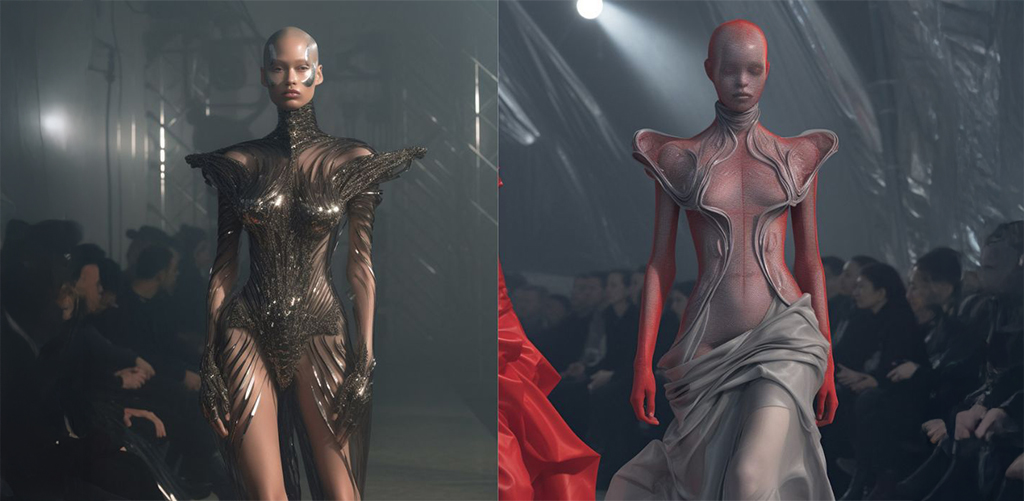
At JD Institute, students are taught to always ask:
“Where did this idea come from?”
“Am I giving credit where it’s due?”
“Is this design truly mine?”
This mindset builds responsible creators who stand out in the industry.
Sure, AI can make beautiful things. But there’s something special about human-created work—it carries emotion, purpose, and culture.
Famous fashion designer Iris van Herpen uses AI to explore shapes, but she finishes her pieces by hand. That’s the best of both worlds—technology + human touch.
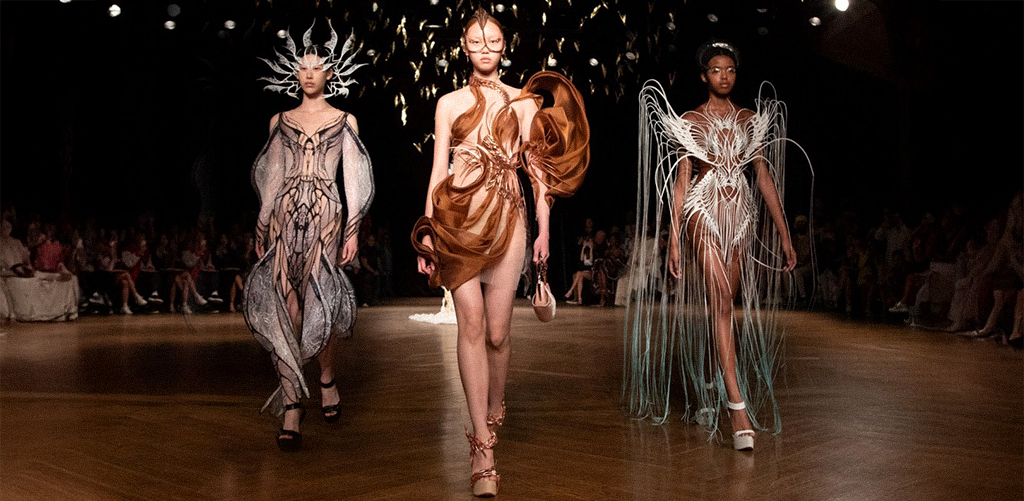
JD Institute teaches students exactly that. Use tech to boost your creativity, not replace it. From Fashion draping to Interior planning and Communication Design, every course here shows how to work with AI, but lead with heart.
The future of design will be tech-powered. That’s a fact.
But success will belong to those who know how to ask the right questions. Not just, “What should I create?” but also, “Am I creating responsibly?”
Designers who understand AI ethics, copyright rules, and creative ownership will always stay ahead. At JD Institute, students don’t just learn to design—they learn to think deeply, act ethically, and create boldly.
Maybe it’s not about ownership anymore. Maybe it’s about guidance. We create the idea, AI helps shape it, but only you bring the soul into it.
If you want to be that kind of designer—the kind who knows the how, the why, and the what next—then learning at the JD Institute of Fashion Technology is your perfect starting point.
It’s time to lead design with ideas, not just tools. Your creative future starts now—make it count.
 Design Blogs
 Watch on youtube


 Downloads

Copyright © 2025 JD Institute of Fashion. All Right Reserved
Designed by




 Quick Menu