

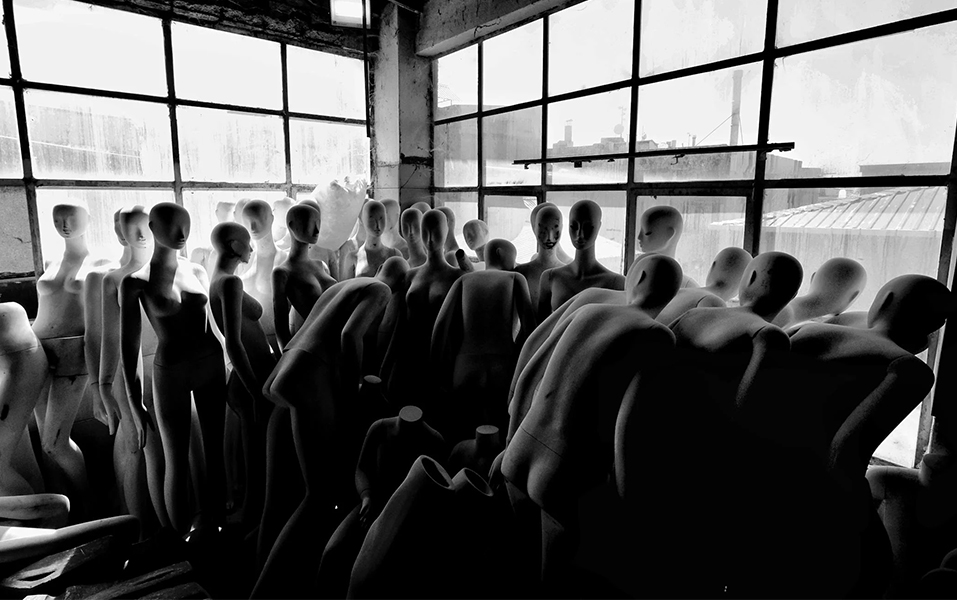
“A well-shaped outfit speaks before you do.”
But have you ever stopped and thought — what makes a simple black dress unforgettable on one person, and just another outfit on someone else?
It’s not just about fabric or embroidery. The real secret? The silhouette — the first thing you see and the last thing you remember. Whether it’s the exaggerated hips of the Victorian era or the clean cuts of modern minimalism, silhouettes have been shaping fashion — and culture — for centuries.
Let’s uncover the world of silhouettes, how they’ve ruled the runway across eras, and why understanding them is a must for every aspiring designer.
First introduced by Christian Dior in the 1950s and loved by the fashion crowd ever since, the A-line silhouette flares gently from the waist, forming the shape of the capital letter “A”.
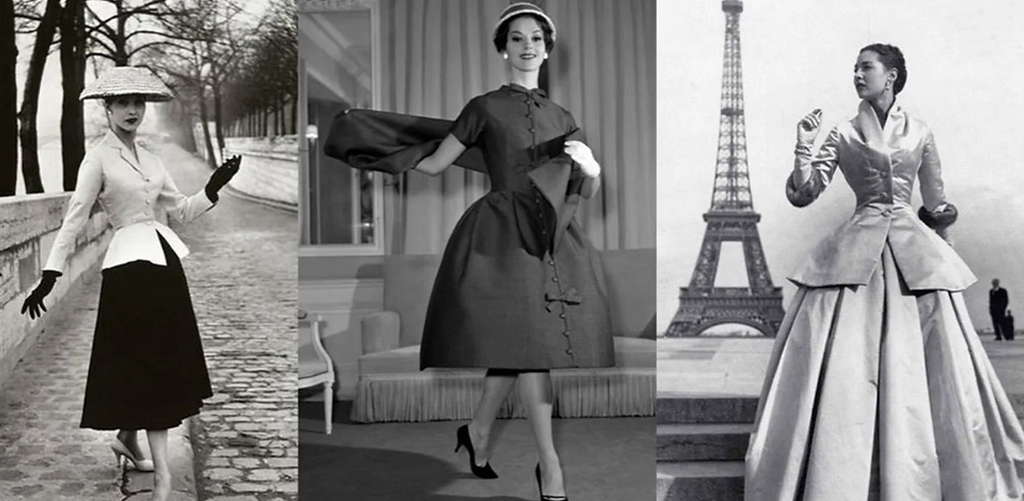
It works across dresses, skirts, tunics, and even coats. Think Kate Middleton’s royal wardrobe — elegant, comfortable, and timeless.
Why it matters: A-line designs suit nearly every body shape, making them a staple for fashion designers. Knowing how to balance fabric flow, darts, and hemlines is crucial here — skills that come with deep understanding, often nurtured in fashion courses like those offered at JD Institute, where design meets functionality.
Defined by a cinched waist and balanced bust and hips, this silhouette has been iconic since the Victorian corset days. In the 1950s, Dior’s “New Look” brought it roaring back with fuller skirts and fitted bodices. Fast forward to today, and celebrities like Dita Von Teese and Kim Kardashian have reinvented it with a modern twist.
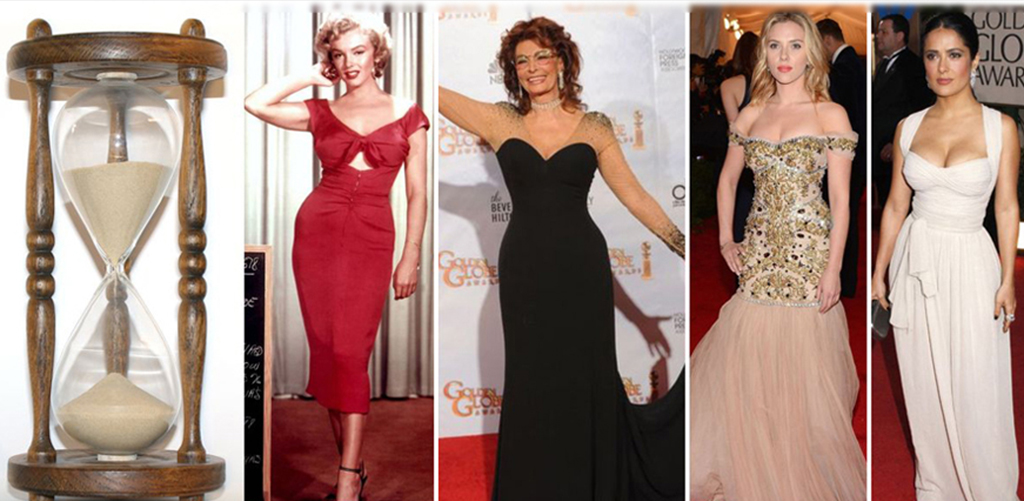
Why designers love it: It teaches how to accentuate curves, work with boning, paneling, and strategic seam placements. Creating this silhouette is an art form — one that’s still very relevant in both bridal and evening wear design.
Slim, body-skimming, and sleek — the sheath silhouette has a strong presence in corporate, cocktail, and couture settings. Popularized in the 1960s by icons like Audrey Hepburn and Jacqueline Kennedy, it remains a power move on red carpets today.
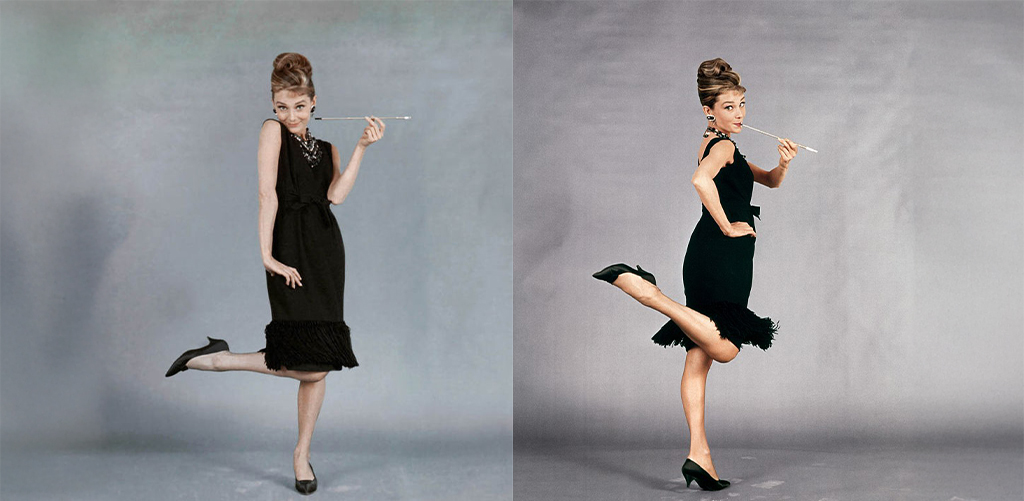
Design challenge: Because it fits closely, there’s no room for error in tailoring. It teaches precision and the importance of fit, body measurements, and contouring — topics covered thoroughly in design education at institutes with strong practical orientation.
This silhouette raises the waistline just below the bust, flowing softly to the hem. It first gained fame during the Napoleonic era, seen in portraits of Empress Joséphine. Today, it’s a favourite for maternity wear, summer dresses, and soft occasion outfits.
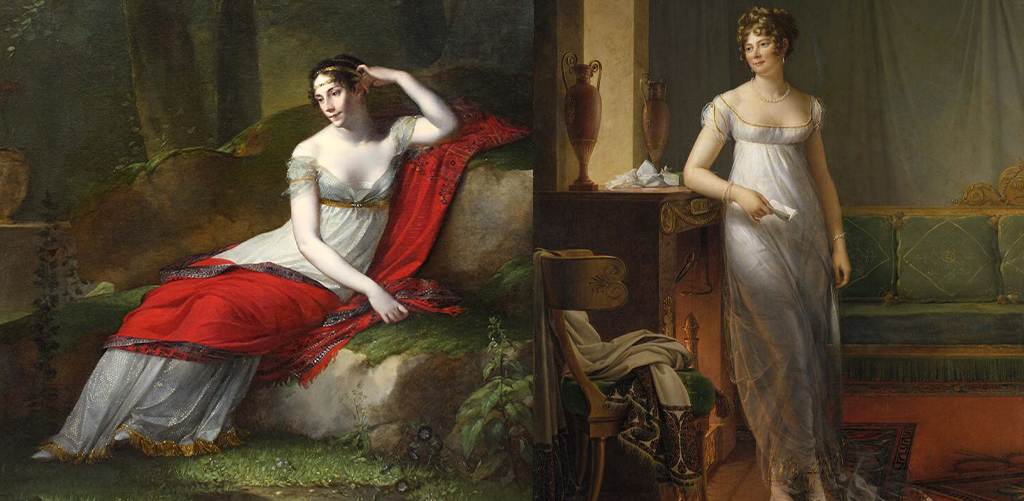
Silhouette significance: It helps in creating illusion — making the body appear taller or disguising the midsection. For designers, it’s a lesson in visual trickery and understanding body types — a key area in fashion design curriculum.
The mermaid silhouette is tight from the bodice to the knees, then flares out like a fishtail. Beyoncé’s stage outfits, Priyanka Chopra’s wedding reception gown — need we say more?
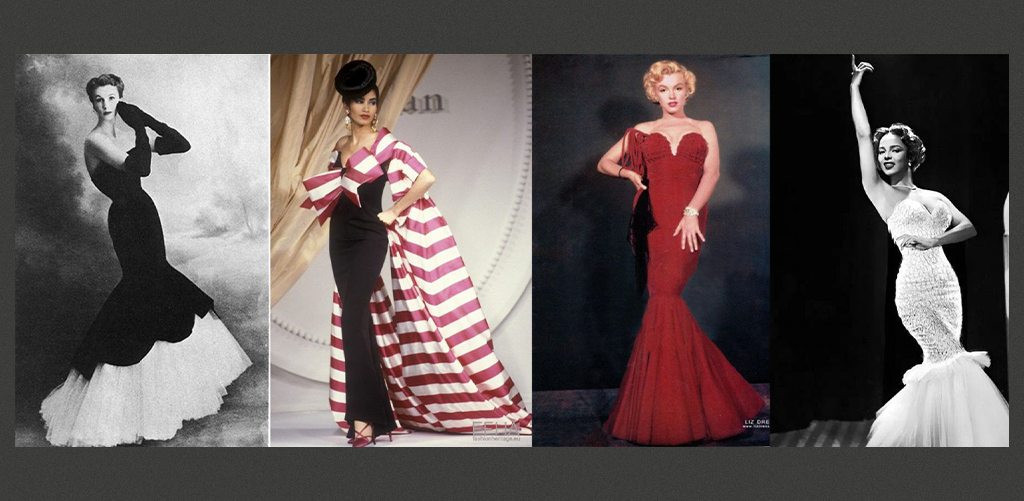
Design mastery: The fit must be exact, allowing room for movement while highlighting the curves. Designers learn how to use internal structuring, boning, stretch fabrics, and even pattern manipulation to bring this dramatic form to life. Such complex execution is taught in detail in the Fashion Design course at JD Institute, where the focus lies on both aesthetics and technique.
Every designer dreams of crafting that one breathtaking ball gown — full skirt, fitted bodice, drama galore. This silhouette has been the crown jewel of couture for centuries — from Grace Kelly’s wedding dress to Zendaya’s Cinderella moment at the Met Gala.
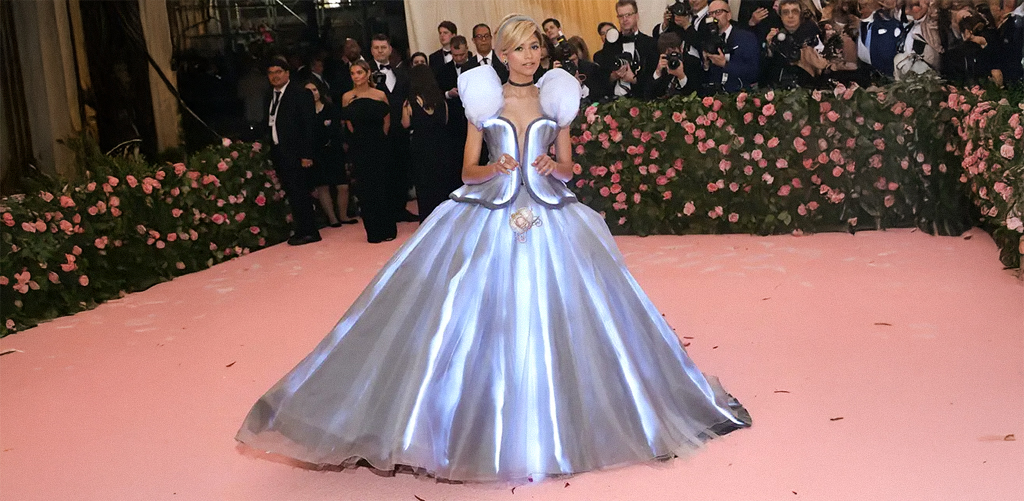
What it teaches: Layering, weight balance, fabric behavior, and the psychology of grand fashion. It’s more than just big — it’s a thoughtful design, requiring hours of craftsmanship.
Designers like Rei Kawakubo, Iris van Herpen, and Alexander McQueen have taken silhouettes into a whole new dimension. Cocoon shapes, asymmetry, inflatable forms — these are for designers who dare to disrupt.
Why designers should explore this: It pushes the boundaries of imagination, textile manipulation, and 3D thinking. At JD Institute, students in the Fashion Design course are encouraged to break conventions and use silhouettes as a medium for storytelling, not just design.
Because a good silhouette can tell a story without words. It can express power, grace, rebellion, or fantasy — all through form. As a designer, knowing silhouettes isn’t just a skill, it’s your signature. And if you’re serious about mastering this art, JD Institute of Fashion Technology is where you shape that future. With expert mentors, real-time projects, and an environment that promotes experimentation, it’s the place where your dream silhouettes are born — and taken to the Fashion runway.
 Design Blogs
 Watch on youtube


 Downloads

Copyright © 2025 JD Institute of Fashion. All Right Reserved
Designed by




 Quick Menu